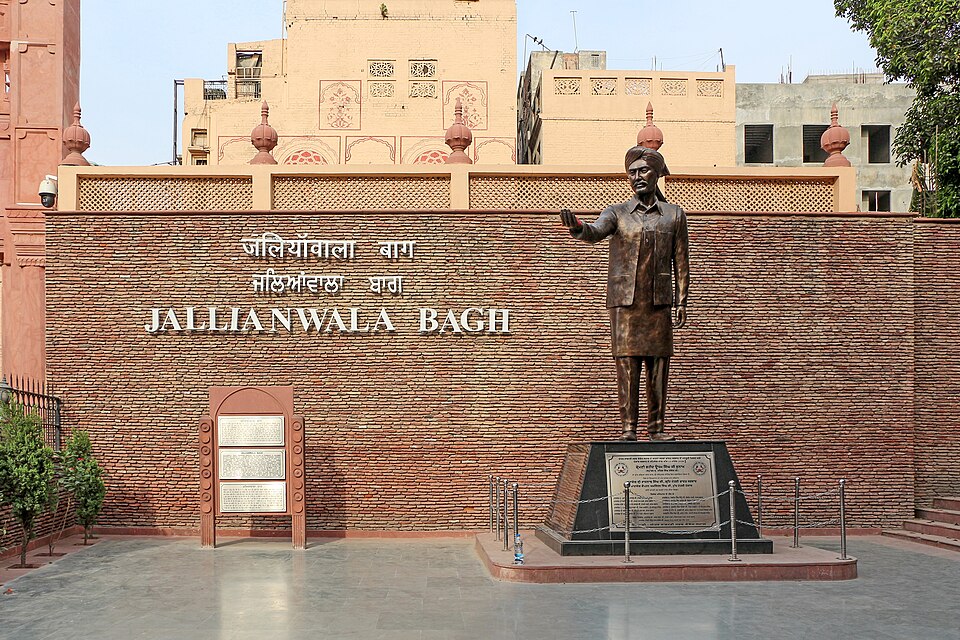
Jallianwala Bagh
Walled garden near the Harmandir Sahib where troops under Brigadier-General Reginald Dyer fired on an unarmed crowd on Vaisakhi, 13 April 1919.
The Jallianwala Bagh is a walled garden in Amritsar, a few hundred metres from the Harmandir Sahib, with a single narrow entrance.
On 13 April 1919, Vaisakhi day, thousands of people, many of them pilgrims and villagers, had gathered there. Brigadier-General Reginald Dyer marched in troops and, without warning, ordered them to fire into the crowd. They fired for ten minutes, until their ammunition ran low. Hundreds died, some by jumping into a well. The bullet marks remain in the walls.
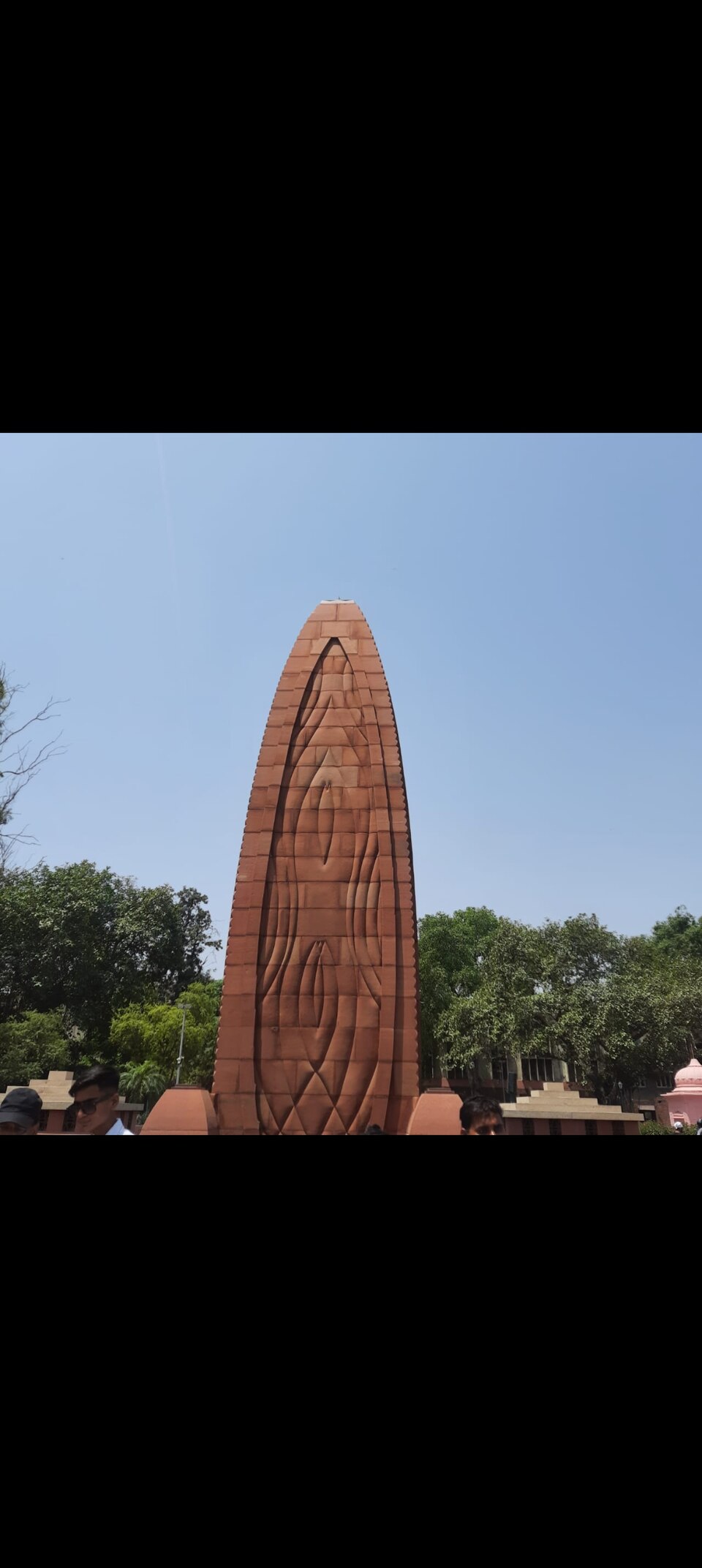
The massacre turned India against British rule. A memorial flame now burns in the garden, and the martyrs' well is preserved.
People
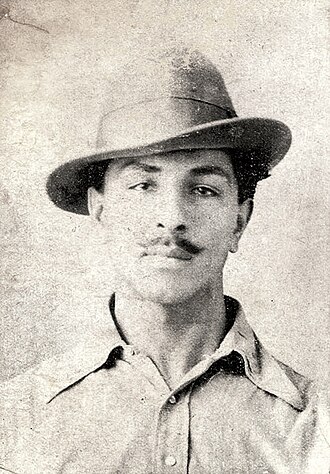
Socialist revolutionary hanged in Lahore at twenty-three with Rajguru and Sukhdev. Among the most celebrated figures of India's independence movement.
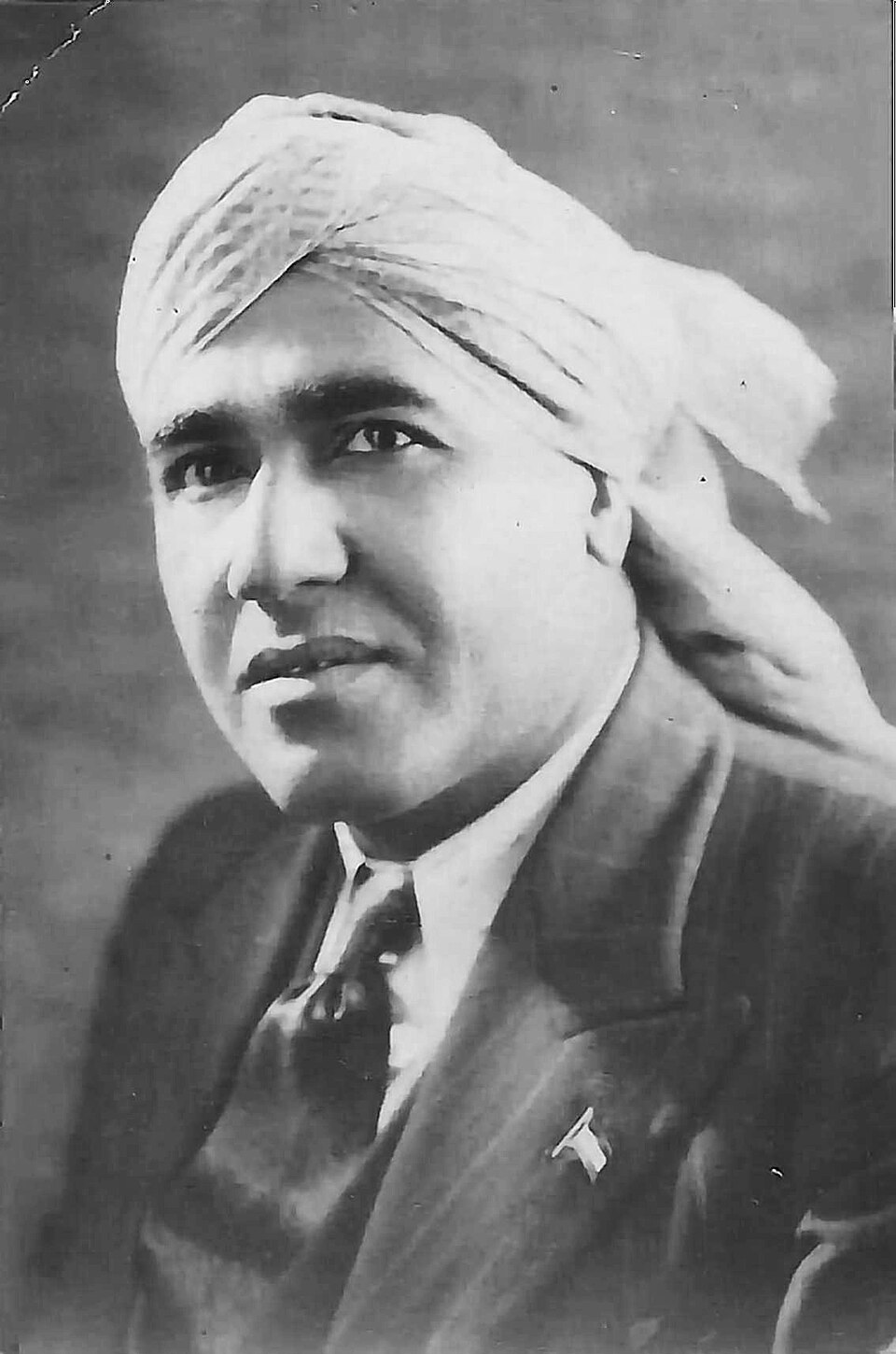
Shot Michael O'Dwyer, governor of Punjab at the time of Jallianwala Bagh, in London in 1940 and was hanged at Pentonville.
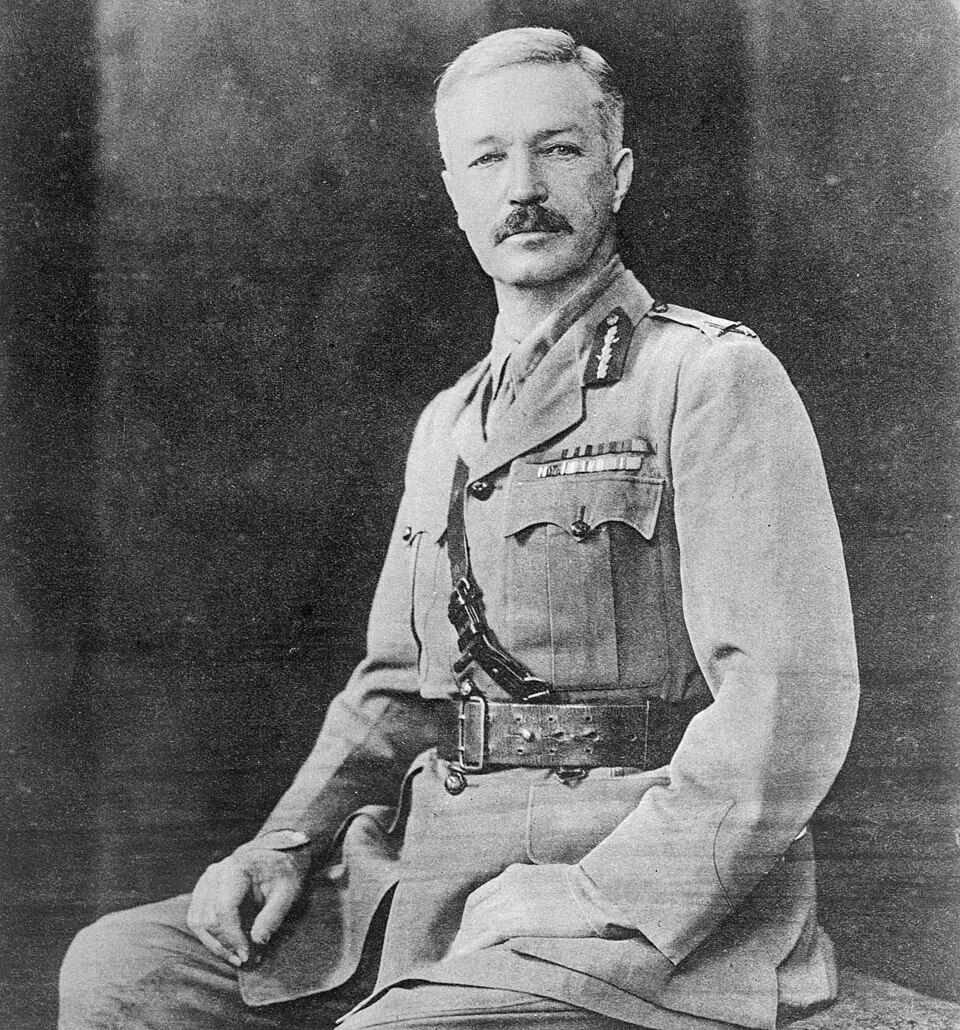
British officer who ordered troops to fire on the crowd at Jallianwala Bagh in April 1919 without warning, killing hundreds.
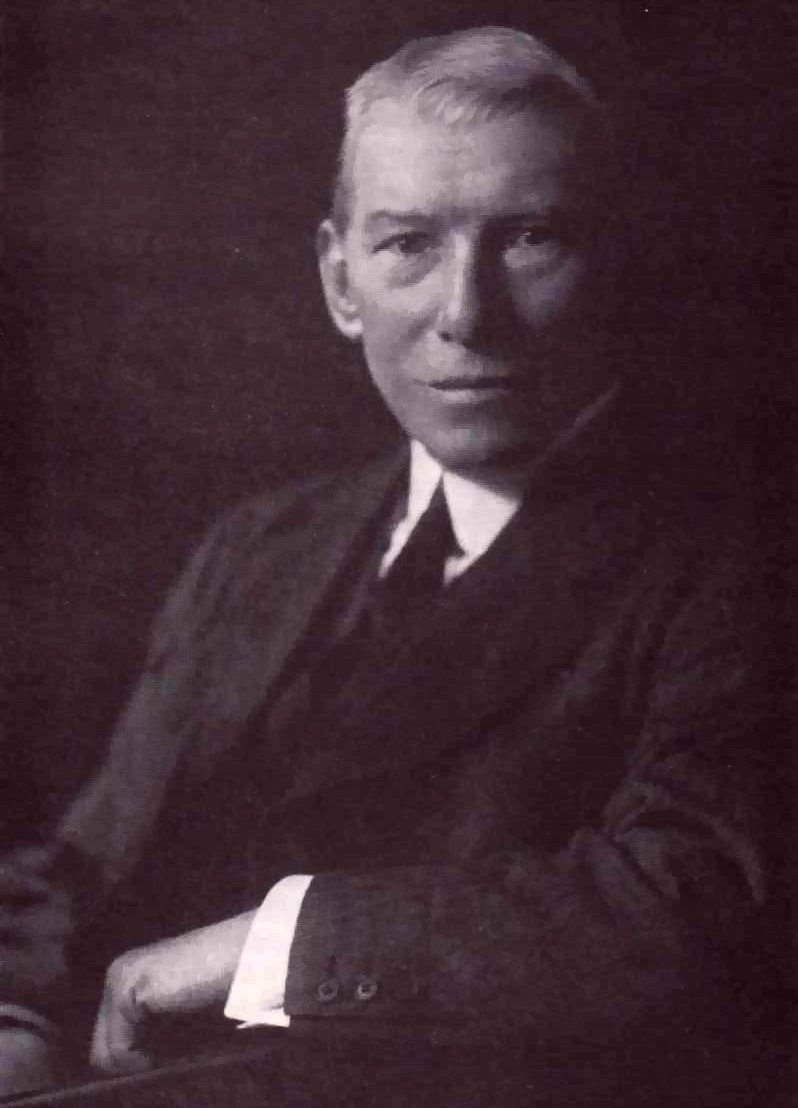
Lieutenant-Governor of Punjab who endorsed the Amritsar shooting and imposed martial law. Shot dead in London by Udham Singh in 1940.
Artifacts
On the timeline
The garden in 1919
A plan of the massacreScroll sideways to see the whole figure →
- When
- 13 April 1919, about 5.30 pm
- Dead
- 379 by the official count; about 1,000 by the Congress inquiry
- Wounded
- About 1,200 by the official count, left without help overnight under curfew
 Martyrs Well - Where Victims Leapt to Escape 1919 Amritsar Massacre - Jallianwala BaghWikimedia Commons · Adam Jones from Kelowna, BC, Canada · CC BY-SA ↗