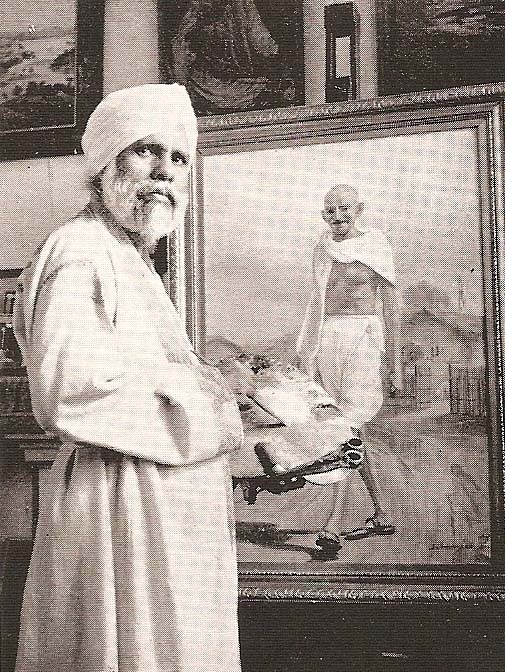
S. G. Thakur Singh
Painter of Amritsar known for romantic landscapes and paintings of Sikh subjects.
S. G. Thakur Singh, from near Amritsar, trained as a painter of theatre scenery and became known in the 1920s for soft, glowing landscapes and scenes of Indian life. He later taught in Amritsar, and his paintings of Sikh subjects and of the Golden Temple are widely reproduced.
Gallery
2 works

Pictures from Wikimedia Commons; select one to see it full size with its credit.
More painting and art
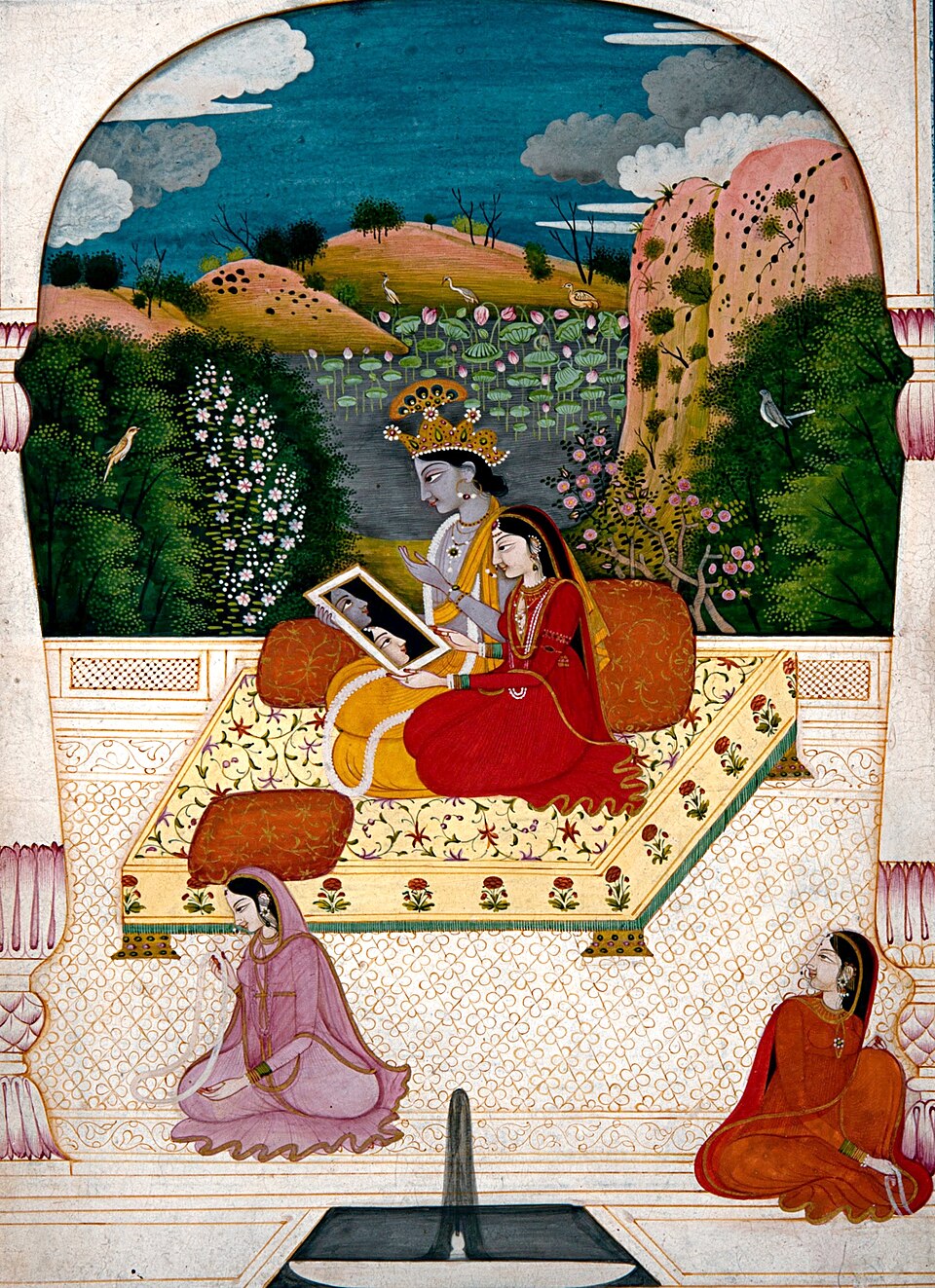
When Ranjit Singh took Kangra, the hill painters of Guler and Kangra began painting Sikh courts and the Gurus.
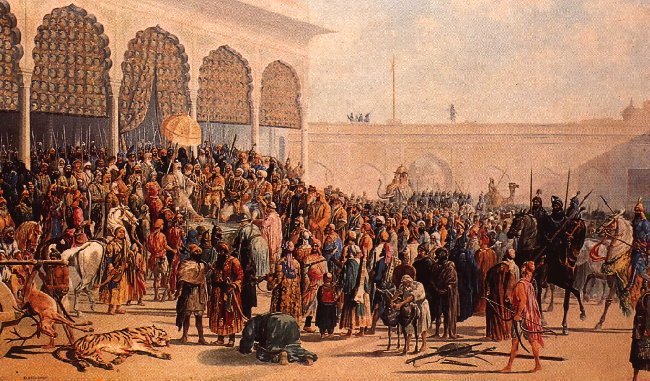
Indian and European artists who painted Ranjit Singh's durbar, from Kehar Singh to August Schoefft.
▶ Watch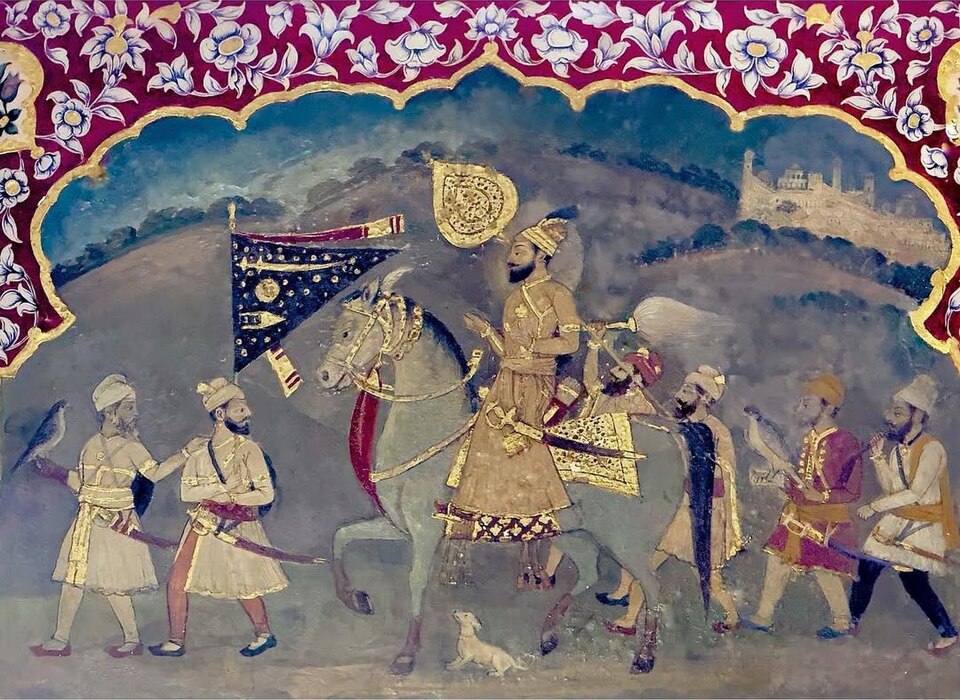
The painted walls of Harmandir Sahib, where Sikh artists invented a garden of flowers, birds and beasts.
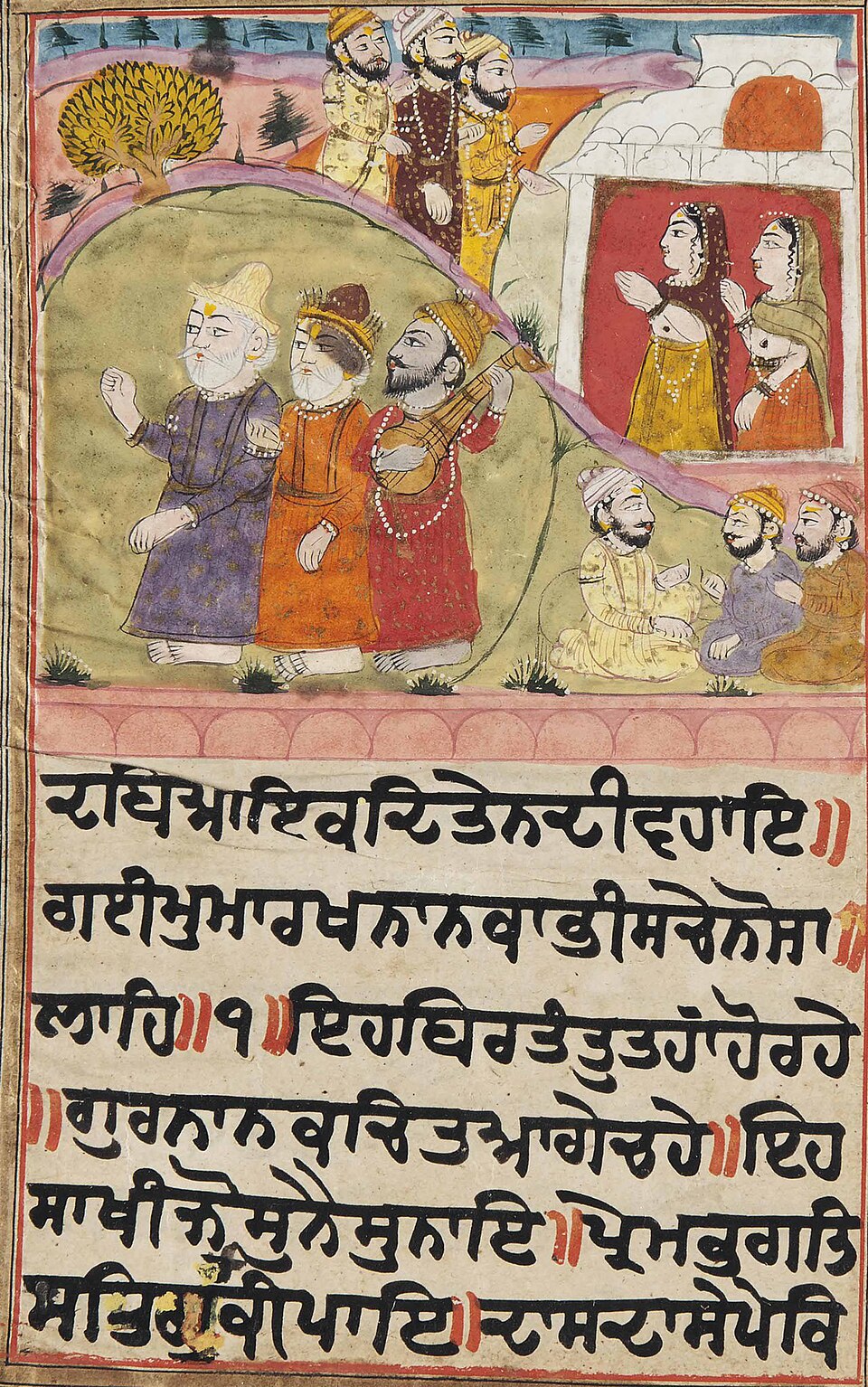
The illustrated life-stories of Guru Nanak, the oldest Sikh painting.
▶ Watch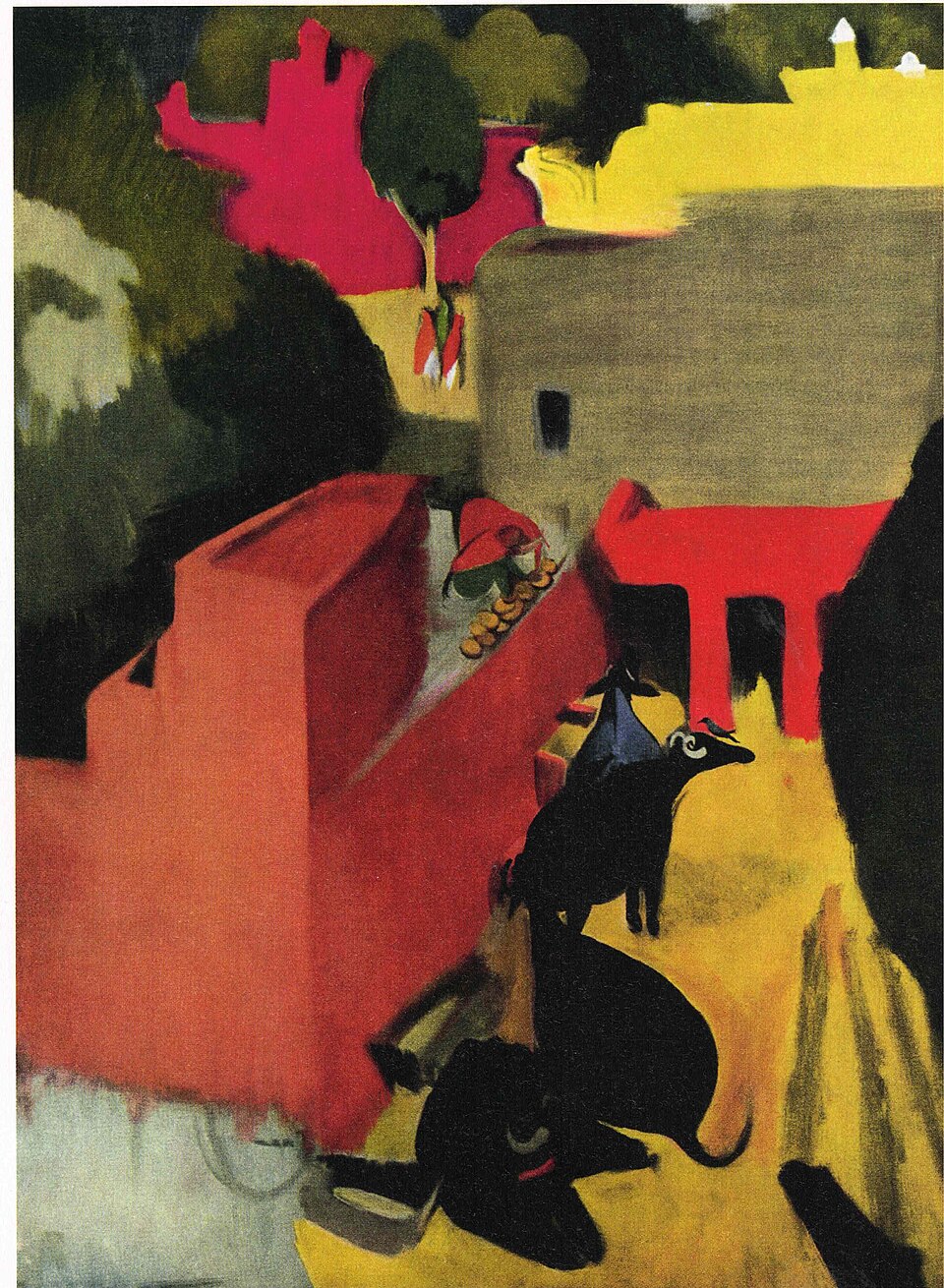
The Sikh-Hungarian painter who became the founder of modern Indian art and died in Lahore at 28.
▶ Watch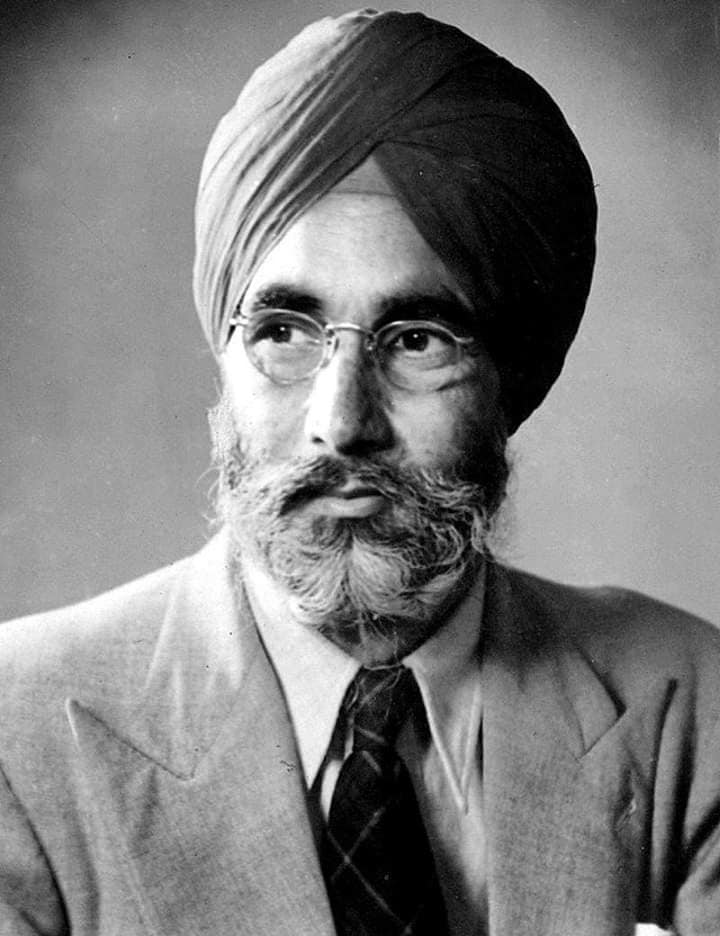
The painter of Andretta whose portraits of the Gurus hang in nearly every Sikh home.
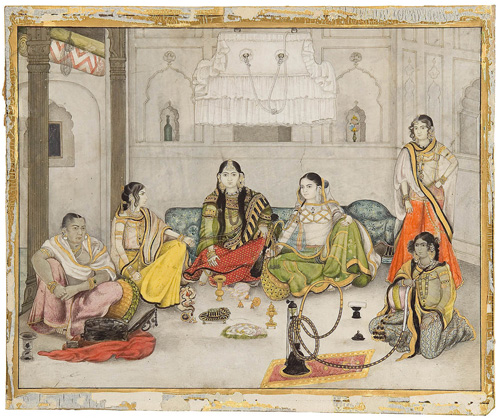
Amritsar artists who painted trades, castes and festivals for British buyers after 1849.
▶ Watch
Painter, sculptor and architect from Jhelum, deaf from childhood, whose paintings of Partition are among its strongest images.
▶ Watch
Painter from Lyallpur who left banking for art, and painted the crowds, bandwallahs and grief of modern India.
▶ Watch
Delhi painter, daughter of the writer Ajeet Cour, whose work draws on Sikh history, the 1984 killings and the women of the Punjab.
Painter from Wazirabad who began painting theatre sets and became the great painter of Punjabi village life.

Painter born in London who founded the fine arts department of the University of the Punjab in 1940 and trained generations of Lahore artists.
Miniature painter of the Patiala court who carried the old Mughal style into modern Lahore.
▶ Watch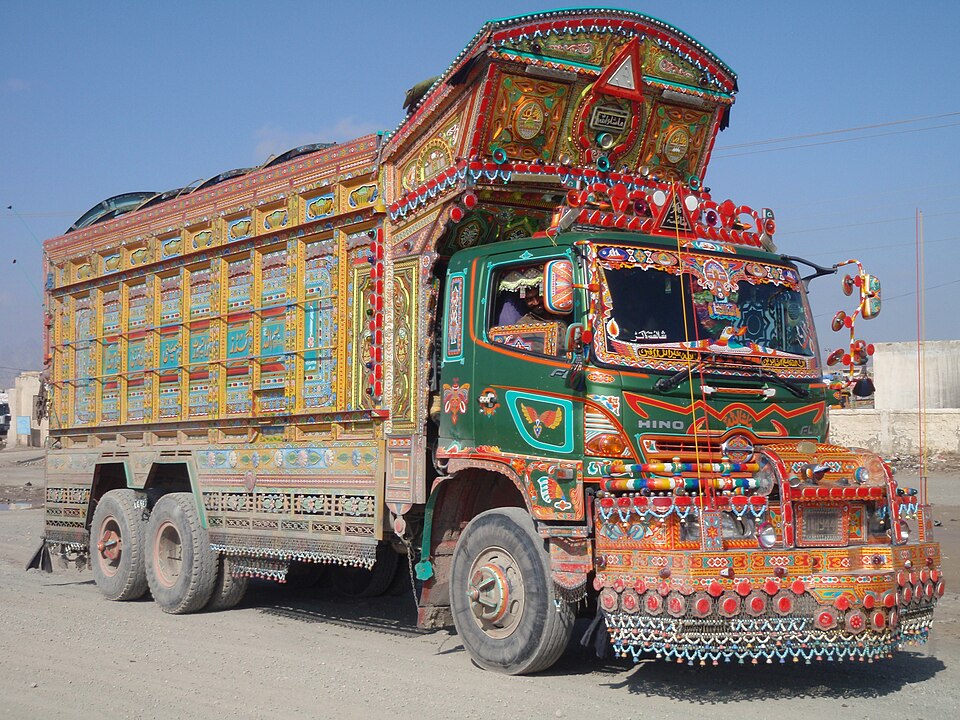
The painted trucks of Pakistan: every inch covered in flowers, birds, poetry, heroes and mirrors.
▶ Watch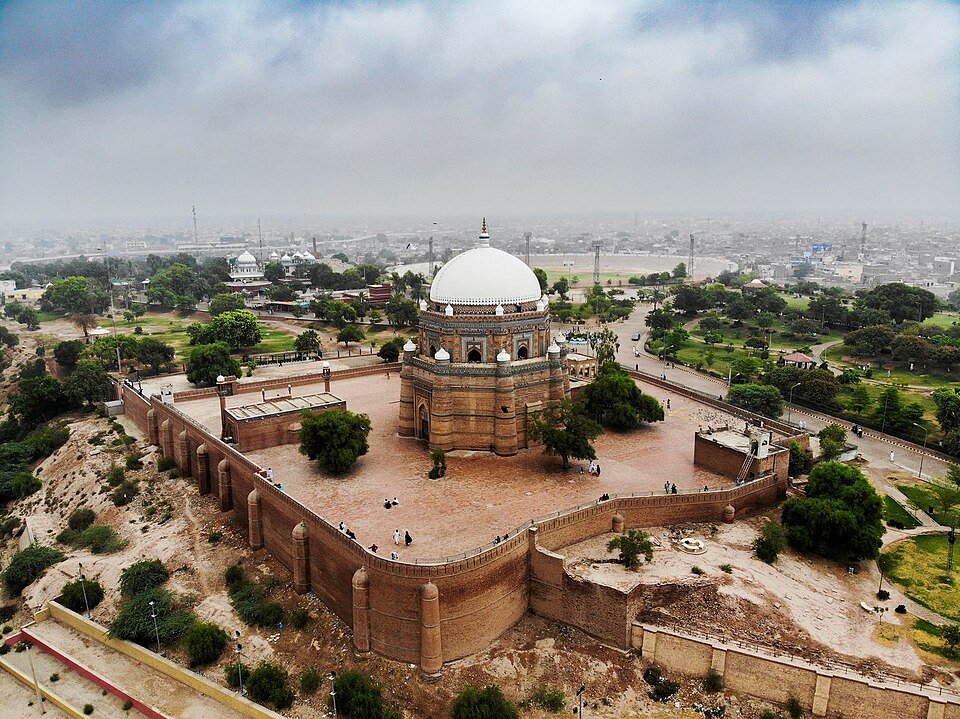
The blue and white glazed tiles and pots that cover the shrines of Multan and Uch.