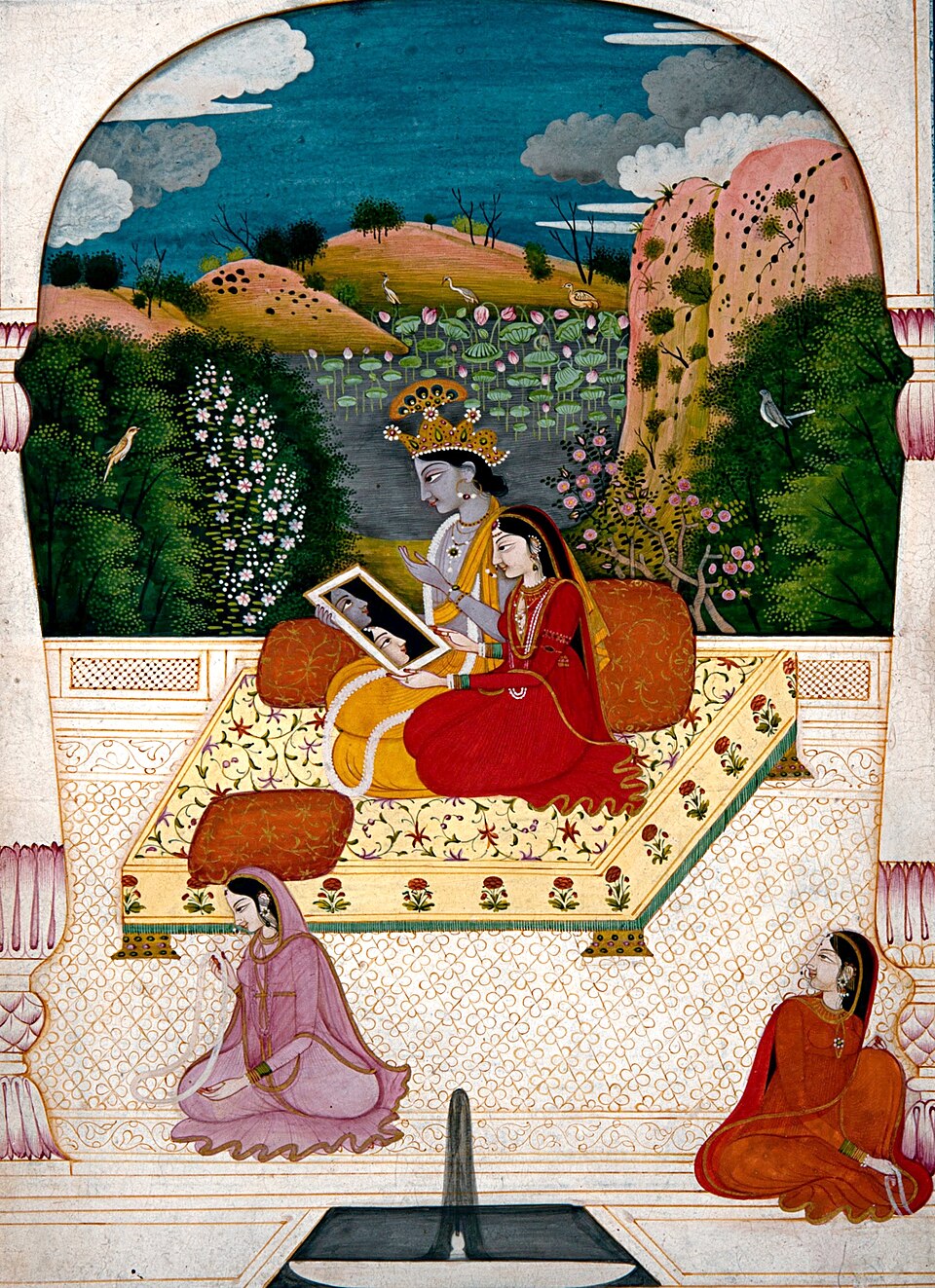
Hill painting for Sikh patrons
When Ranjit Singh took Kangra, the hill painters of Guler and Kangra began painting Sikh courts and the Gurus.
The small hill states of the Kangra valley, Guler, Kangra, Chamba and others, had developed one of the most refined painting traditions in India in the eighteenth century: delicate miniatures of Krishna and the gopis, of the seasons and of court life, with flowing lines and cool colours. The painter Nainsukh of Guler and his family were its masters.
After Ranjit Singh annexed Kangra in 1809, and with Sikh nobles taking over the hill country, many of these painters found new patrons in Lahore, Amritsar and the Sikh courts of the hills. They painted the Maharaja and his sardars, Hari Singh Nalwa and the Dogra brothers, durbars and processions, and, for the first time on a large scale, portraits of the ten Gurus in a recognisable set of types.
The resulting 'Sikh school' of painting, a blend of hill grace and Sikh subjects, gives us our best images of the Sikh Empire's court, and many of the Guru portraits used on this site come from it.
Gallery
8 works


Pictures from Wikimedia Commons; select one to see it full size with its credit.
More painting and art
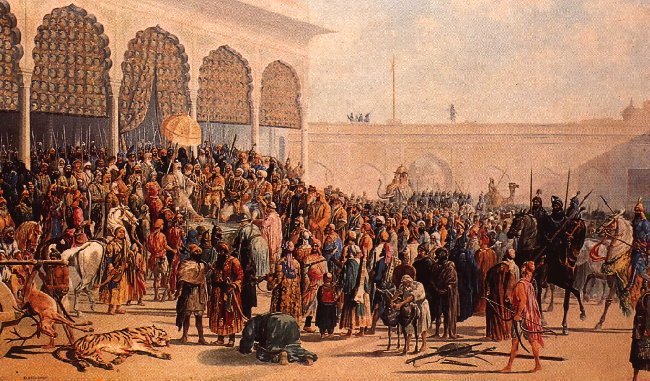
Indian and European artists who painted Ranjit Singh's durbar, from Kehar Singh to August Schoefft.
▶ Watch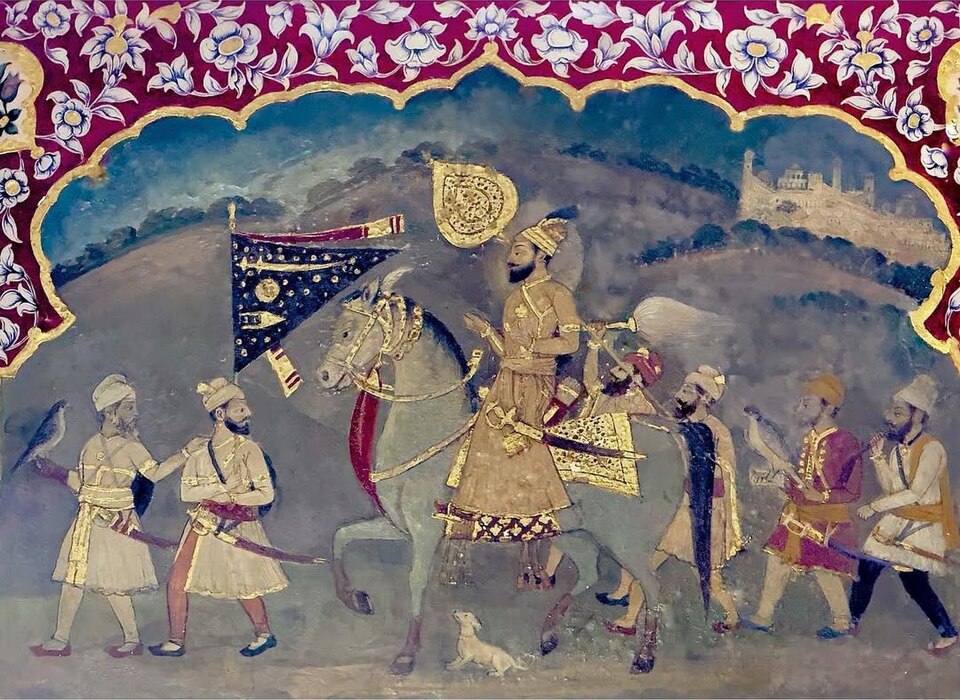
The painted walls of Harmandir Sahib, where Sikh artists invented a garden of flowers, birds and beasts.
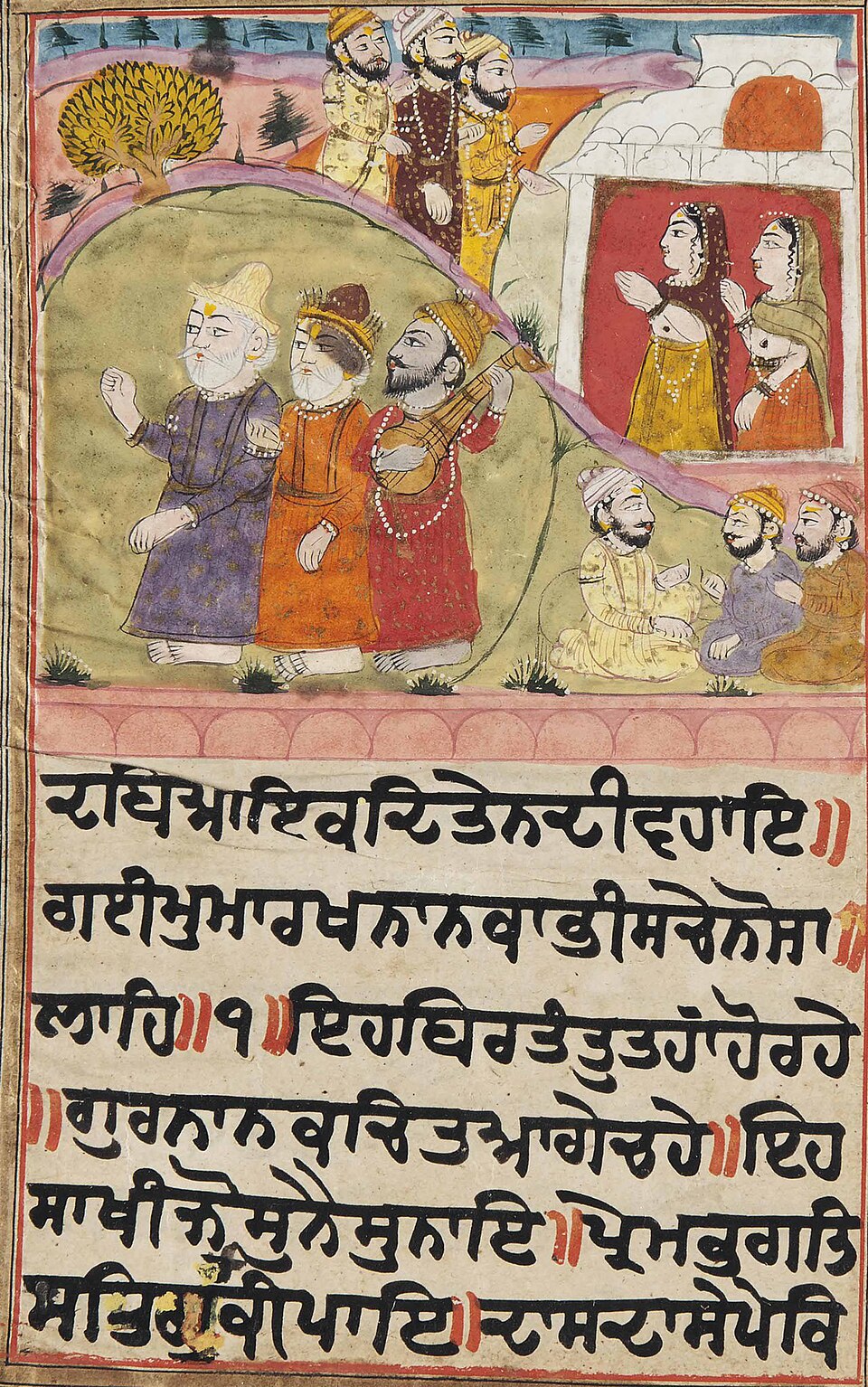
The illustrated life-stories of Guru Nanak, the oldest Sikh painting.
▶ Watch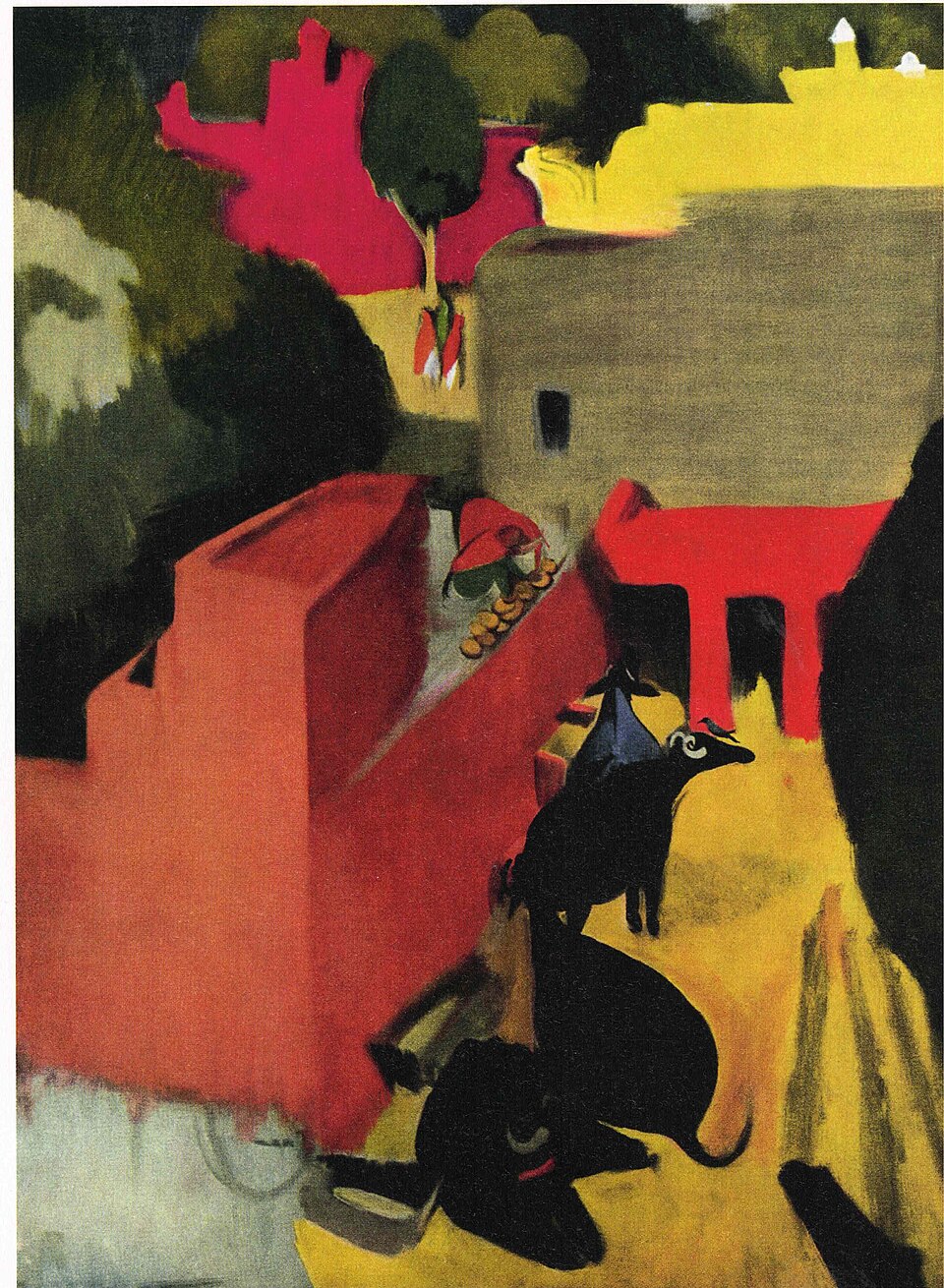
The Sikh-Hungarian painter who became the founder of modern Indian art and died in Lahore at 28.
▶ Watch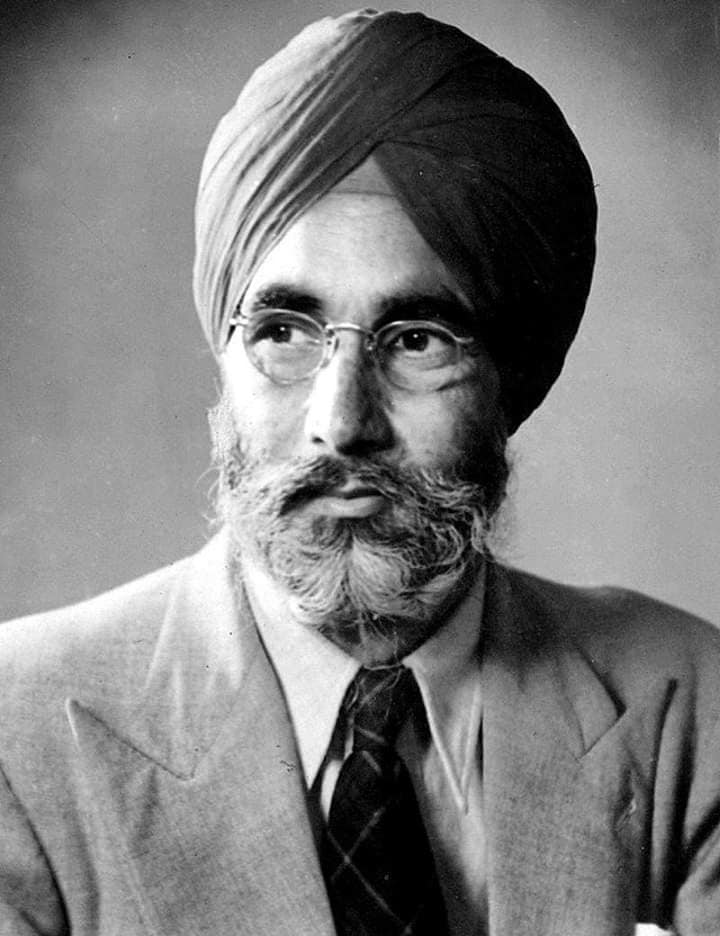
The painter of Andretta whose portraits of the Gurus hang in nearly every Sikh home.
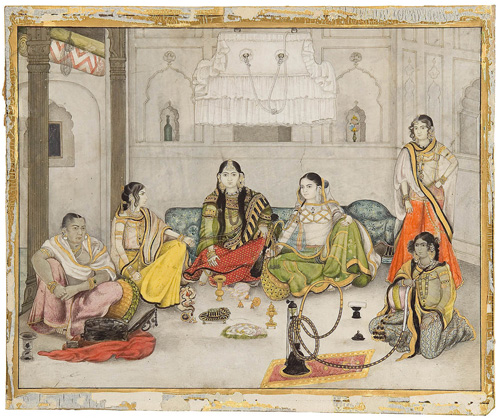
Amritsar artists who painted trades, castes and festivals for British buyers after 1849.
▶ Watch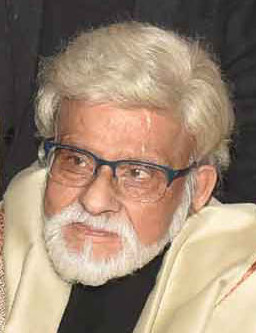
Painter, sculptor and architect from Jhelum, deaf from childhood, whose paintings of Partition are among its strongest images.
▶ Watch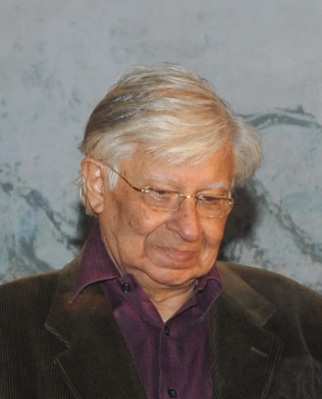
Painter from Lyallpur who left banking for art, and painted the crowds, bandwallahs and grief of modern India.
▶ Watch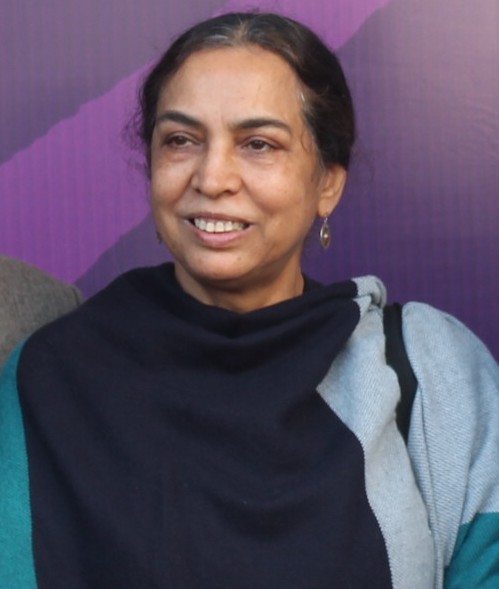
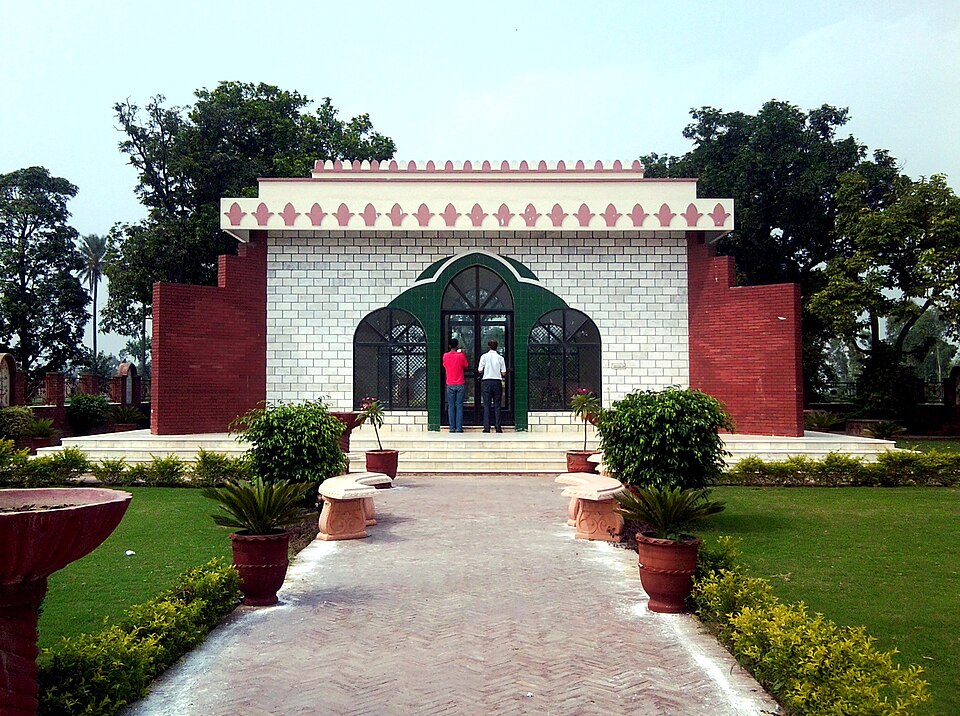
Delhi painter, daughter of the writer Ajeet Cour, whose work draws on Sikh history, the 1984 killings and the women of the Punjab.
Painter from Wazirabad who began painting theatre sets and became the great painter of Punjabi village life.
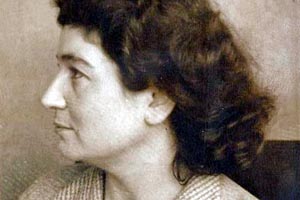
Painter born in London who founded the fine arts department of the University of the Punjab in 1940 and trained generations of Lahore artists.
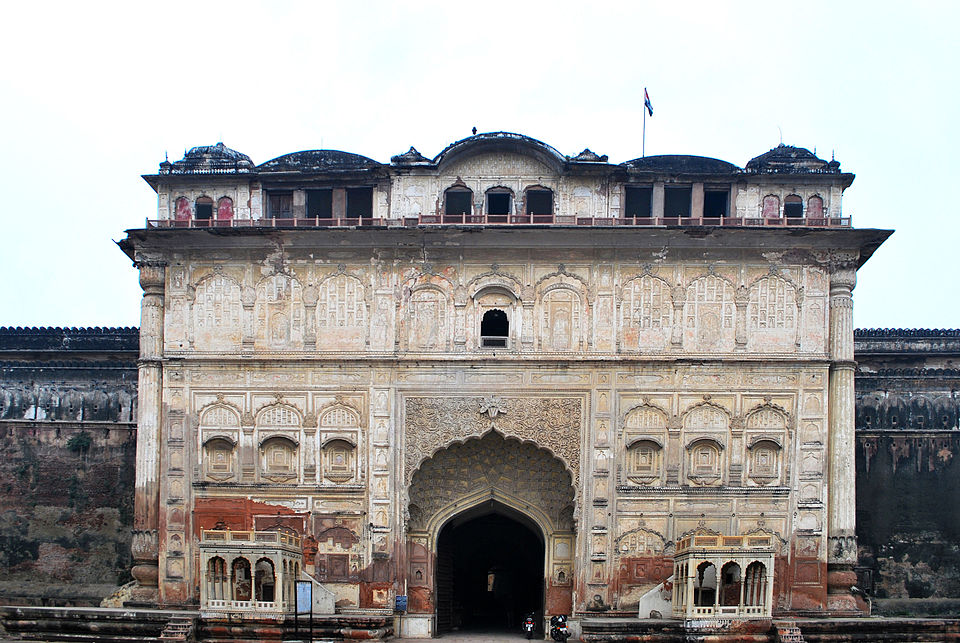
Miniature painter of the Patiala court who carried the old Mughal style into modern Lahore.
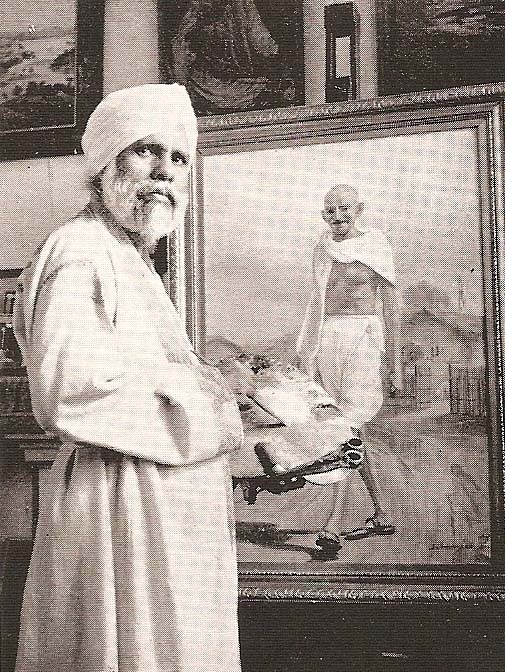
Painter of Amritsar known for romantic landscapes and paintings of Sikh subjects.
▶ Watch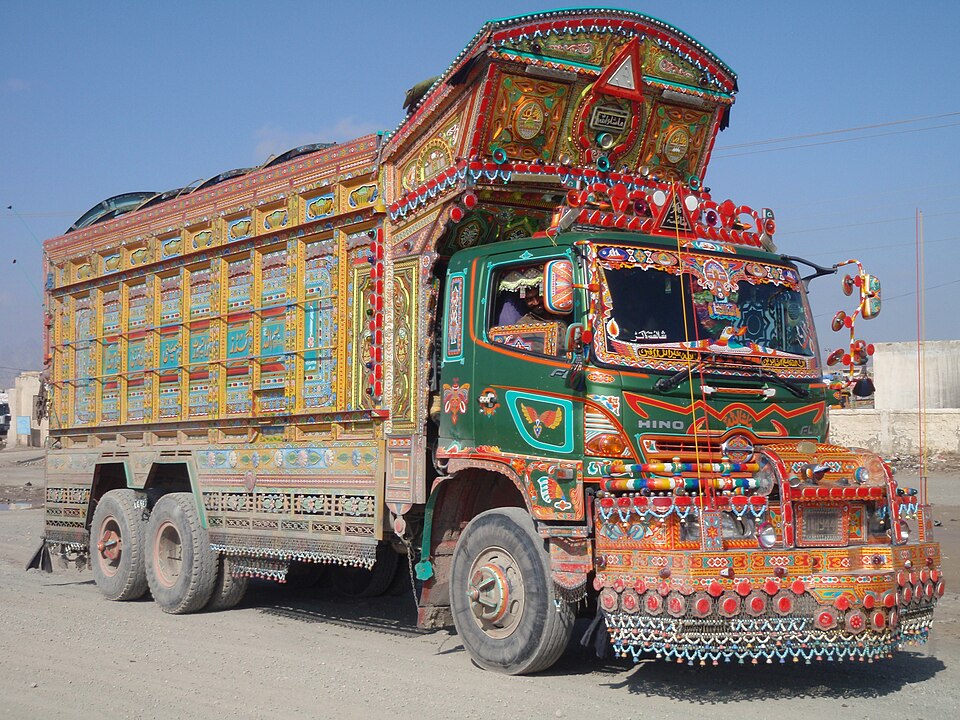
The painted trucks of Pakistan: every inch covered in flowers, birds, poetry, heroes and mirrors.
▶ Watch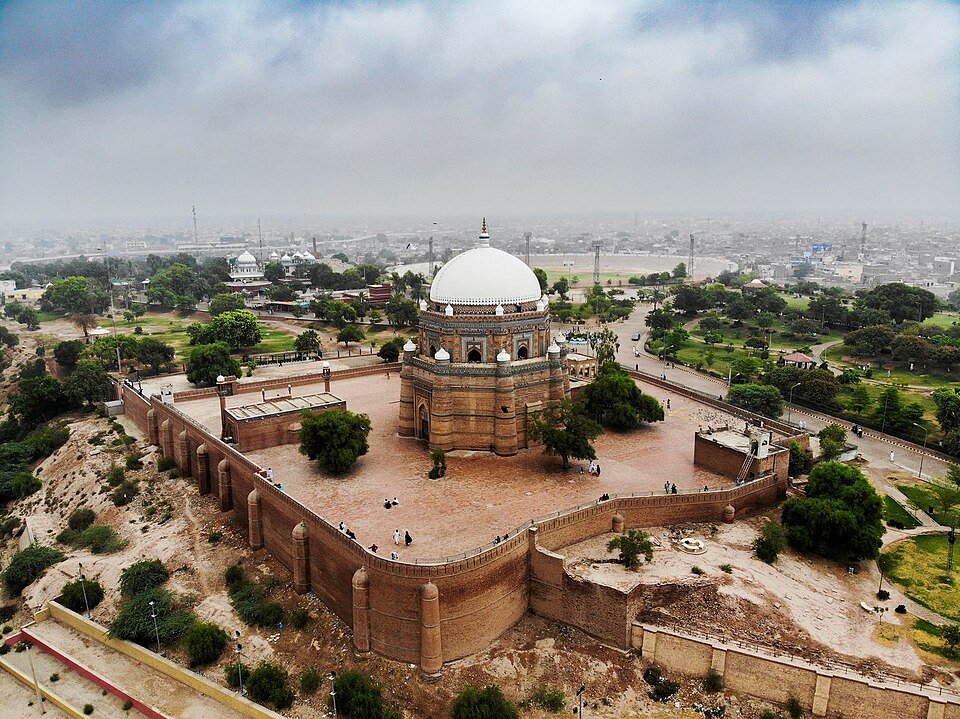
The blue and white glazed tiles and pots that cover the shrines of Multan and Uch.