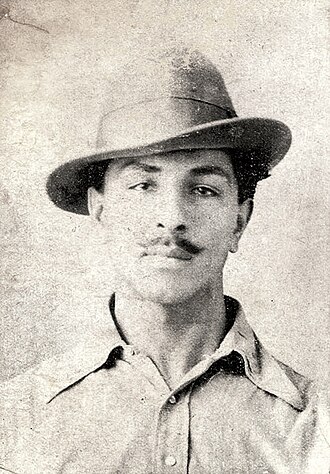
Bhagat Singh
Socialist revolutionary hanged in Lahore at twenty-three with Rajguru and Sukhdev. Among the most celebrated figures of India's independence movement.
Bhagat Singh was born in 1907 at Banga in Lyallpur district, now in Pakistan, into a family of Sandhu Jat Sikhs of revolutionary tradition: his father and uncles had been jailed for their part in the agitations of 1907. As a boy of twelve he visited Jallianwala Bagh after the massacre and brought home a bottle of earth soaked with blood.
He became a revolutionary and a socialist, read widely in Marx and the anarchists, and joined the Hindustan Socialist Republican Association. When Lala Lajpat Rai died after a police beating during the Simon Commission protest in 1928, he and his comrades killed a British police officer, J. P. Saunders, in Lahore, by mistake for the officer who had ordered the charge.
In April 1929 he and Batukeshwar Dutt threw bombs, designed not to kill, into the Central Legislative Assembly in Delhi, shouted 'Inquilab Zindabad', long live revolution, and allowed themselves to be arrested, to use the trial as a platform. In jail he led a long hunger strike for political prisoners' rights and wrote essays, including 'Why I am an Atheist'.
He was hanged in Lahore Central Jail on 23 March 1931 with Rajguru and Sukhdev, eleven hours before the scheduled time, and the bodies were secretly burned near Hussainiwala on the Sutlej. He was twenty-three. He is honoured on both sides of the border as Shaheed-e-Azam, the great martyr.
On the timeline
Connected
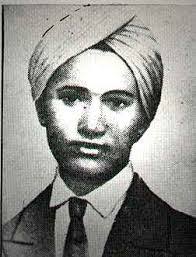
Ghadar Party revolutionary who returned from California to raise a rising against British rule. Hanged in Lahore at nineteen.
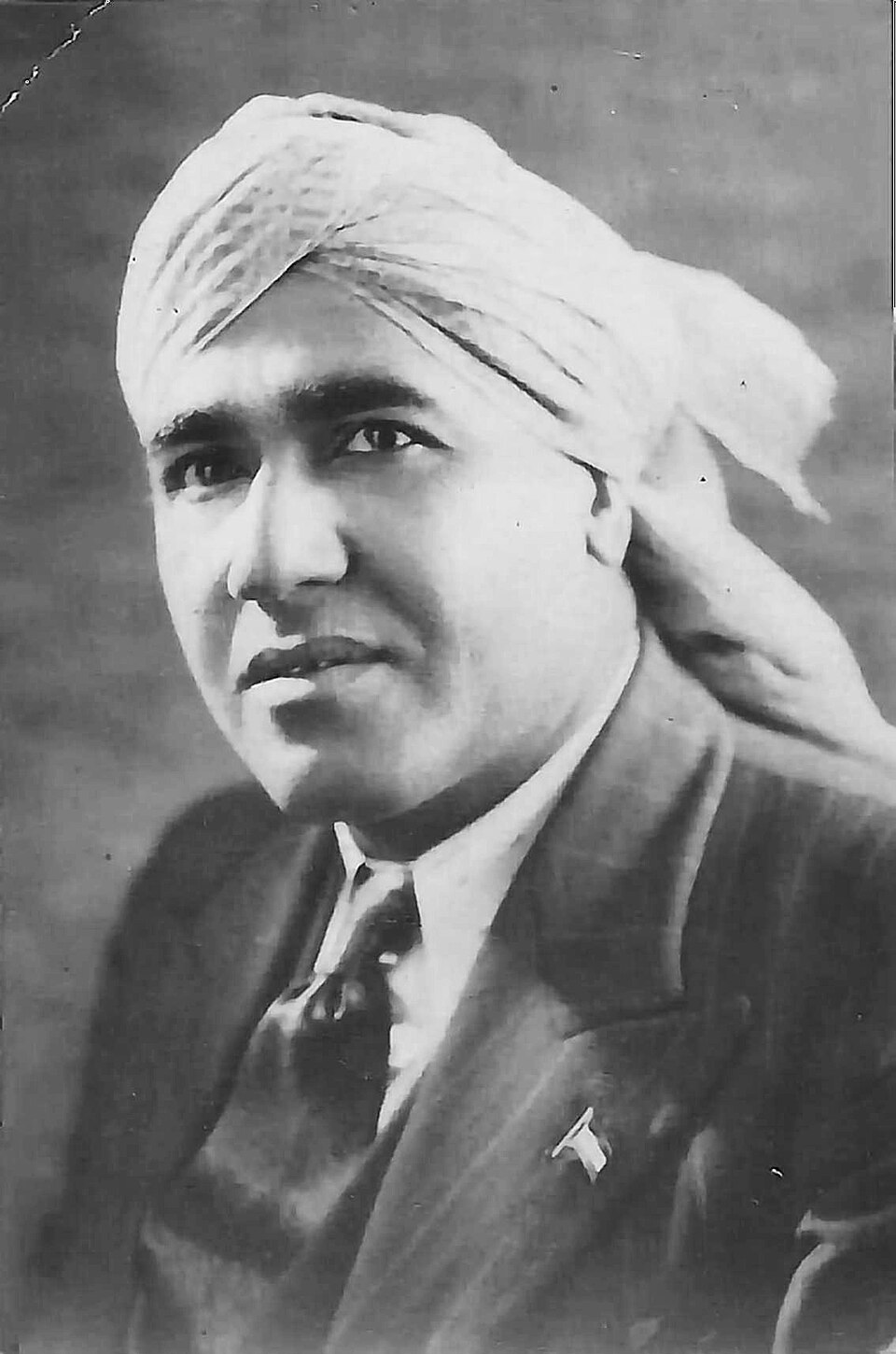
Shot Michael O'Dwyer, governor of Punjab at the time of Jallianwala Bagh, in London in 1940 and was hanged at Pentonville.
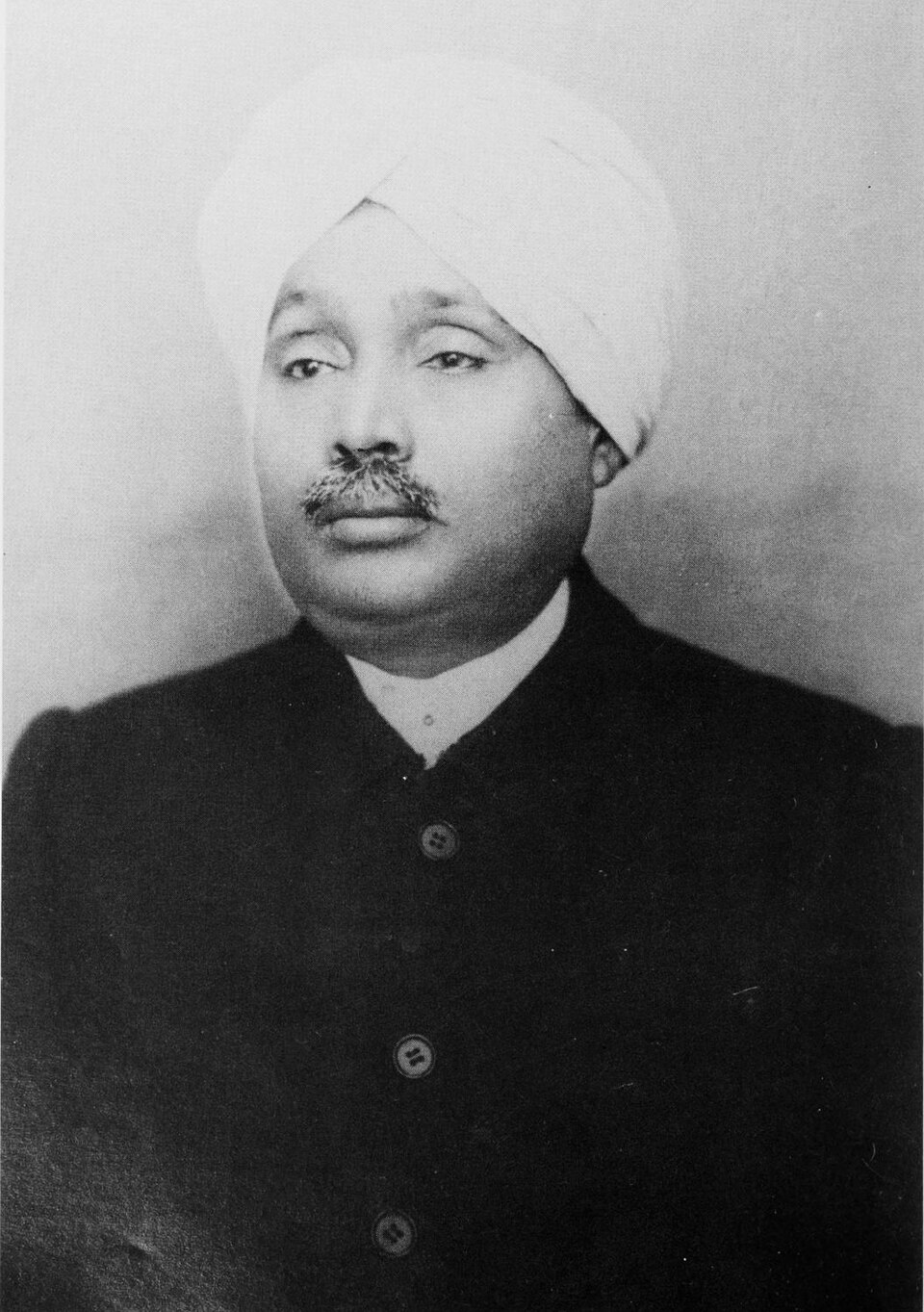
The 'Lion of Punjab' of the independence movement. Beaten by police at a protest against the Simon Commission in Lahore in 1928, he died weeks later.
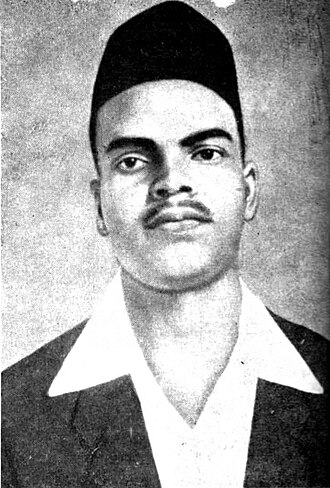
Comrades of Bhagat Singh in the Hindustan Socialist Republican Association, hanged with him in Lahore on 23 March 1931.
Uncle of Bhagat Singh who led the farmers' agitation of 1907, Pagri Sambhal Jatta, and spent thirty-eight years in exile.