Rebels and martyrs
Those who gave their lives, from Guru Arjan in 1606 to the Ghadarites, Bhagat Singh and 1984.
Gurus and Mughals
1469 – 1708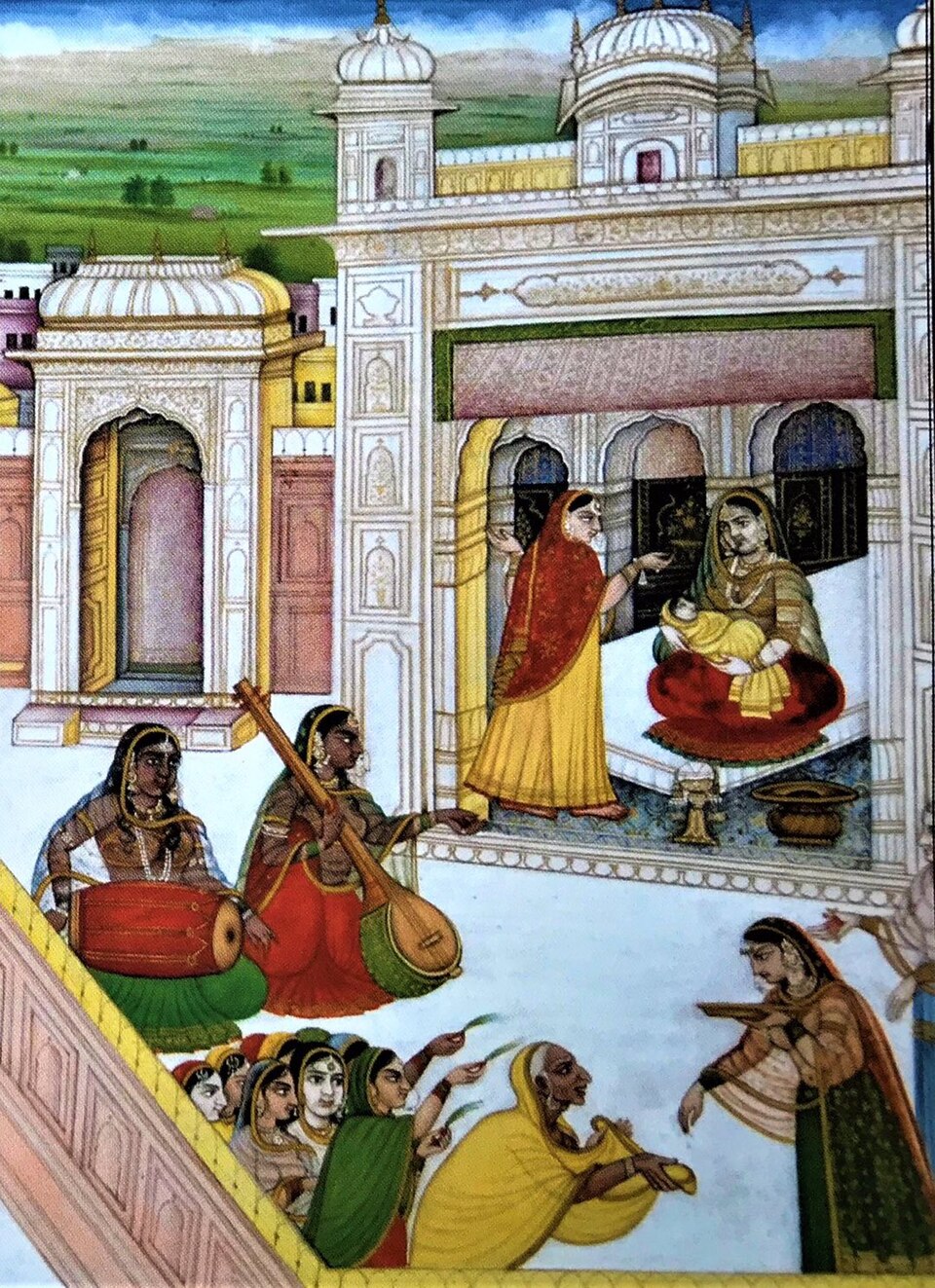
Wife of Guru Tegh Bahadur and mother of Guru Gobind Singh. Held with her younger grandsons in the cold tower of Sirhind, she died there on hearing of their execution.
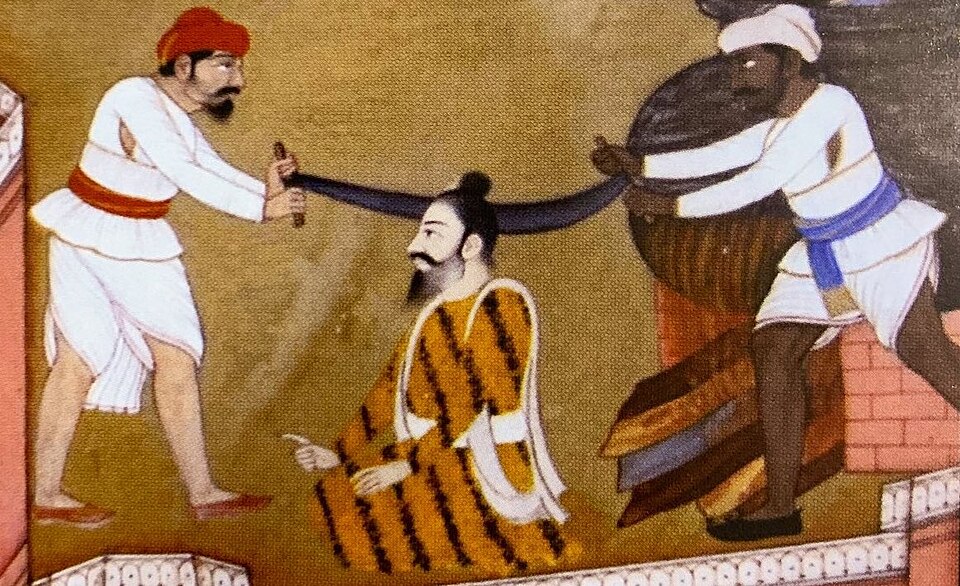
Three companions of Guru Tegh Bahadur executed before him in Delhi: Mati Das sawn in half, Sati Das wrapped in cotton and burned, Dayala boiled alive.
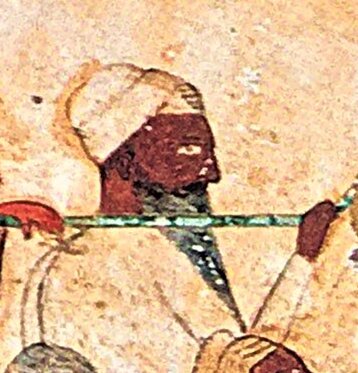
A Ranghreta Sikh who carried Guru Tegh Bahadur's severed head from Delhi to Anandpur. The young Guru Gobind Singh embraced him as 'the Guru's own son'.
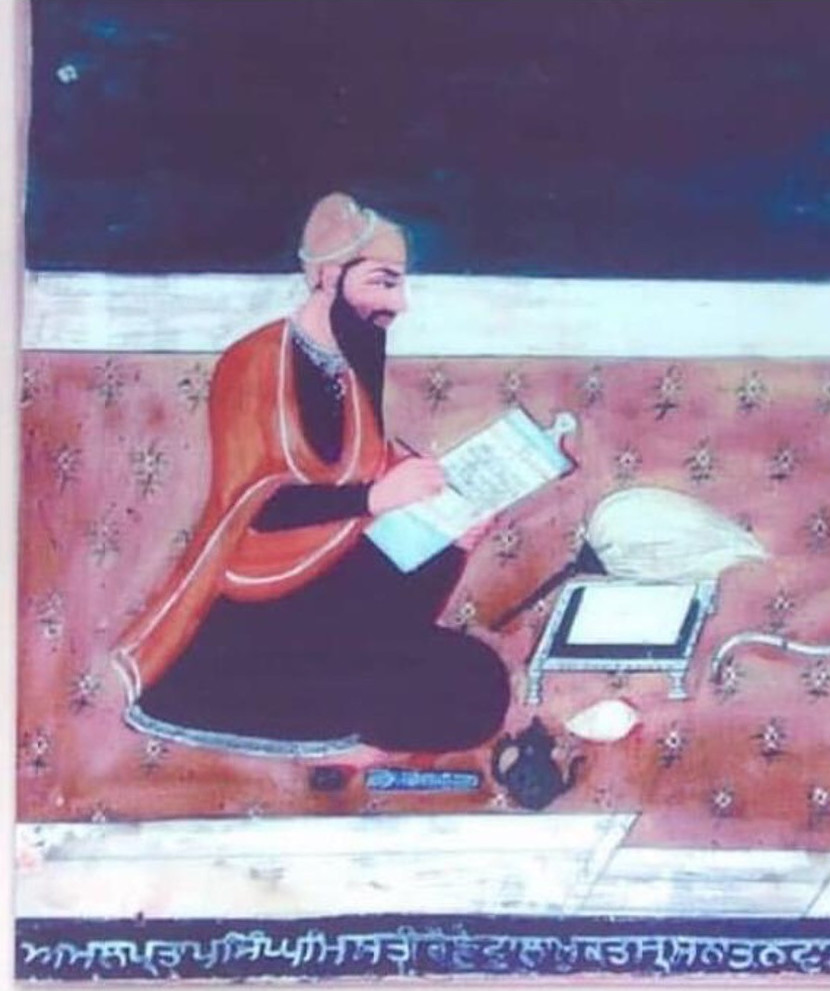
Scribe of the final Guru Granth Sahib at Damdama and later head granthi of the Harmandir Sahib, cut apart joint by joint in Lahore.
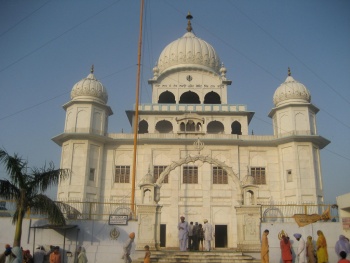
A young woman of a village near Chamkaur who went out by night to the battlefield to cremate the Sahibzade and the fallen Singhs, and was thrown into the pyre by Mughal soldiers.
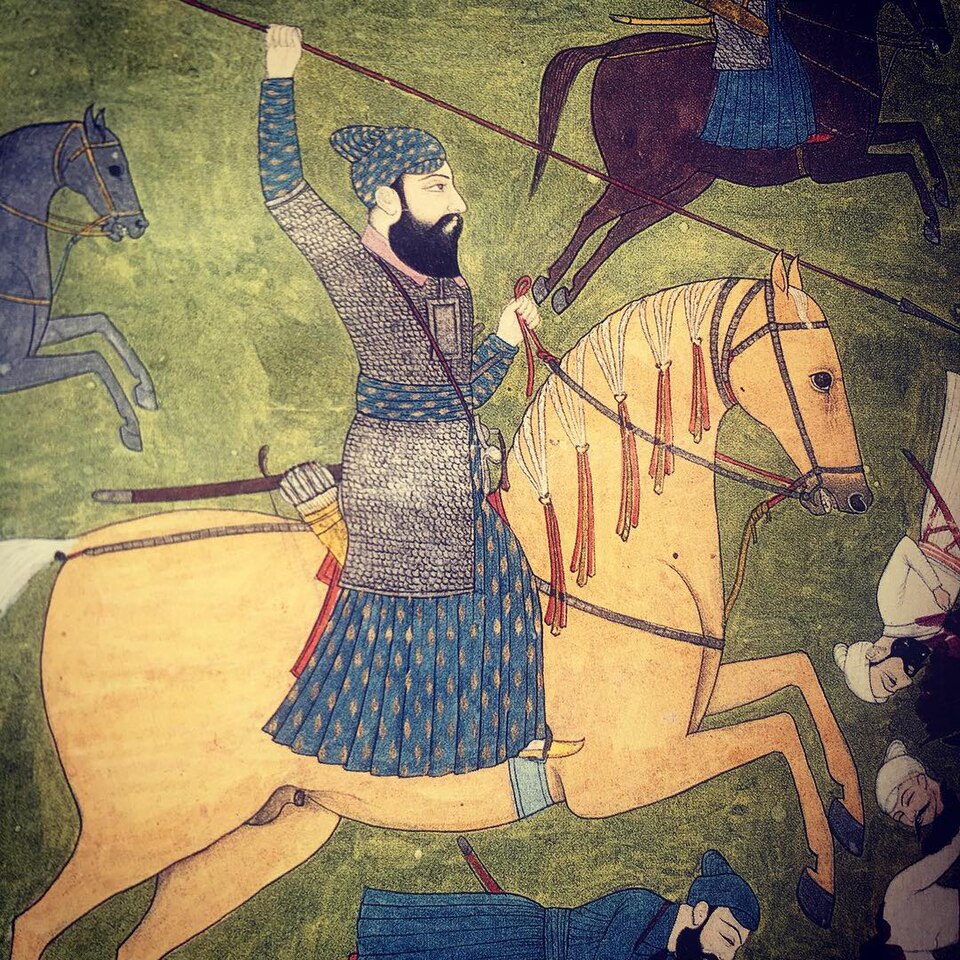
Ascetic turned general. Sent north by Guru Gobind Singh in 1708, he took Sirhind, set up the first Sikh state, gave land to those who tilled it and was executed in Delhi in 1716.
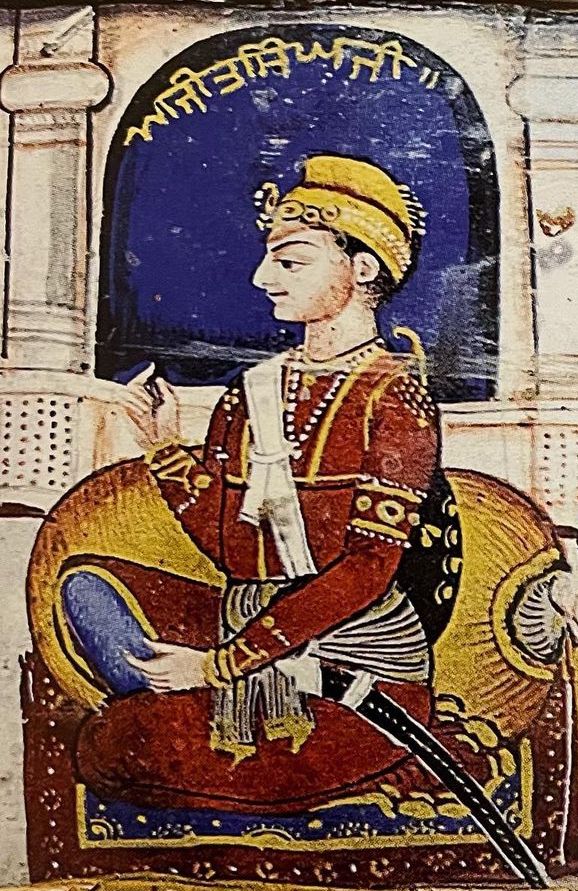
The Guru's elder sons, aged about seventeen and thirteen, who led sorties out of the Chamkaur fort and died fighting.
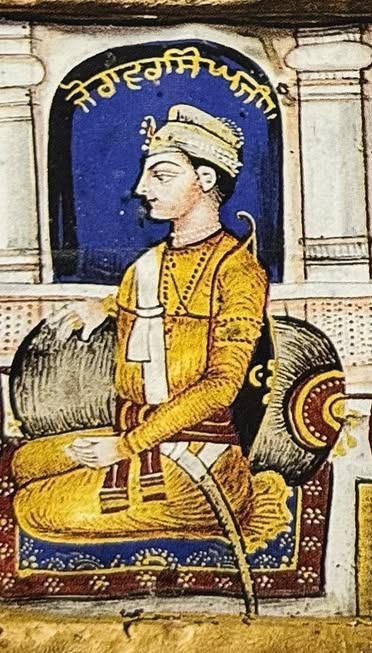
The Guru's younger sons, aged about nine and six, executed at Sirhind for refusing to convert. Their week of martyrdom is the Shaheedi Jor Mela.
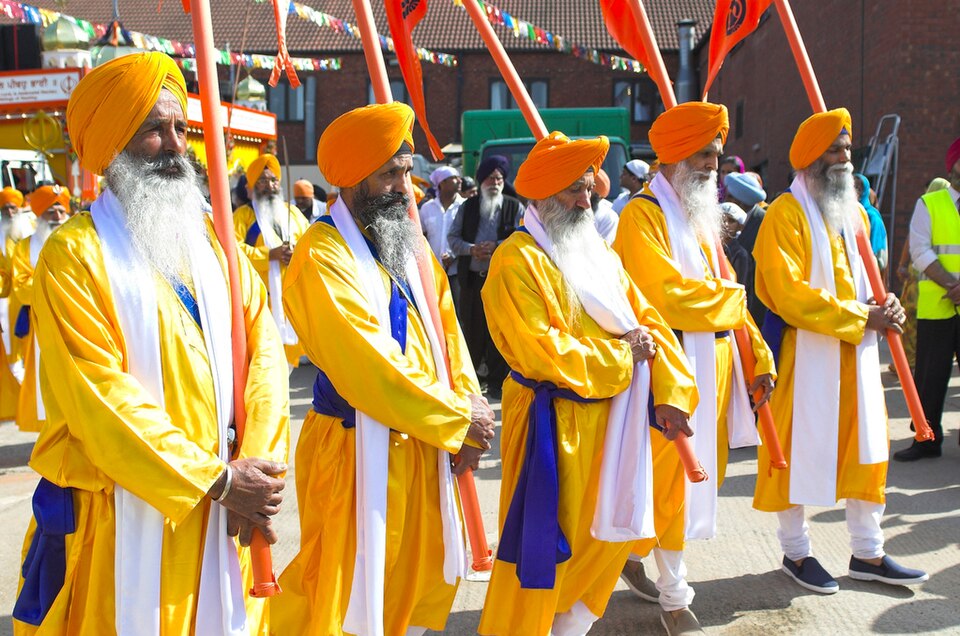
The Five Beloved: Daya Singh, Dharam Singh, Himmat Singh, Mohkam Singh and Sahib Singh, who answered the Guru's call for a head at Vaisakhi 1699.
Shamed forty deserters into returning to the Guru, led them into battle at Muktsar and survived to serve as one of his bodyguards.
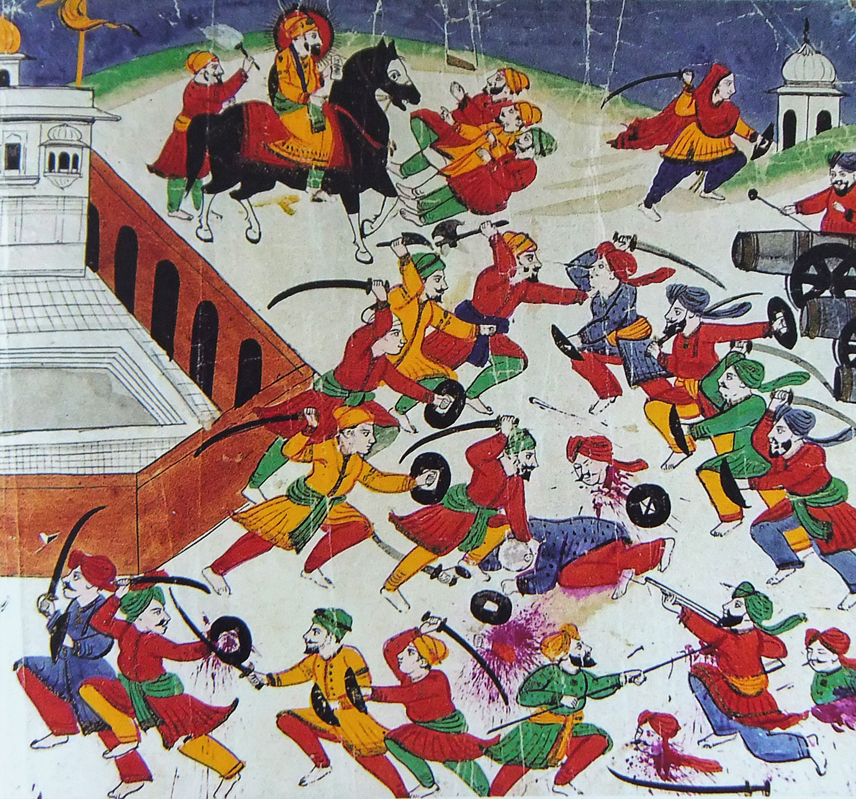
Forty Sikhs from Majha who renounced the Guru during the Anandpur siege, then came back and died defending him at Khidrana. He tore up their letter of desertion.
Misls and Afghans
1708 – 1799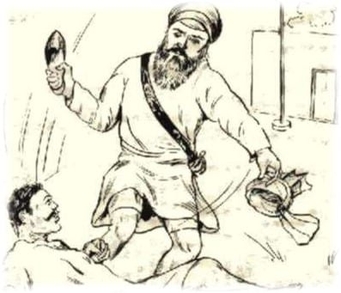
A farmer of the village of Wan who sheltered Sikhs on the run; when Zakariya Khan's troops came for him in 1726 he and some two dozen companions fought them to the death.
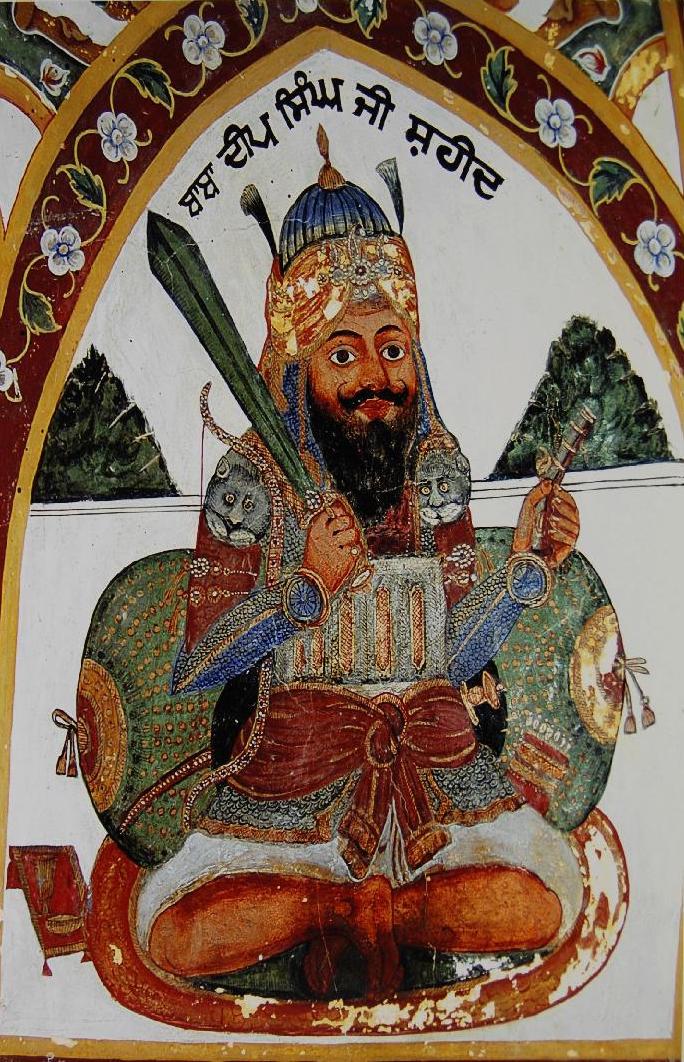
Scholar and warrior who led the Shaheed misl. In his seventies he marched to free the Harmandir Sahib after Afghan desecration and died near its precinct.
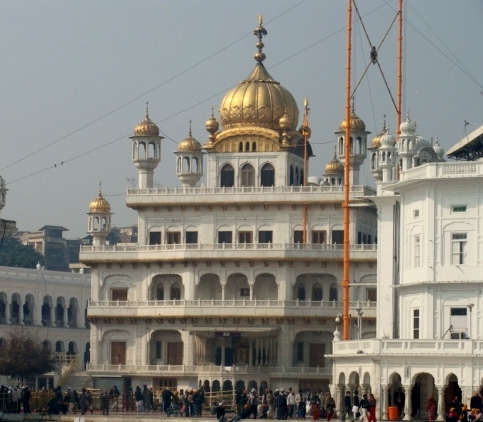
Led thirty Sikhs out of the Akal Takht to face Ahmad Shah Abdali's army in December 1764 rather than leave the Harmandir Sahib undefended.
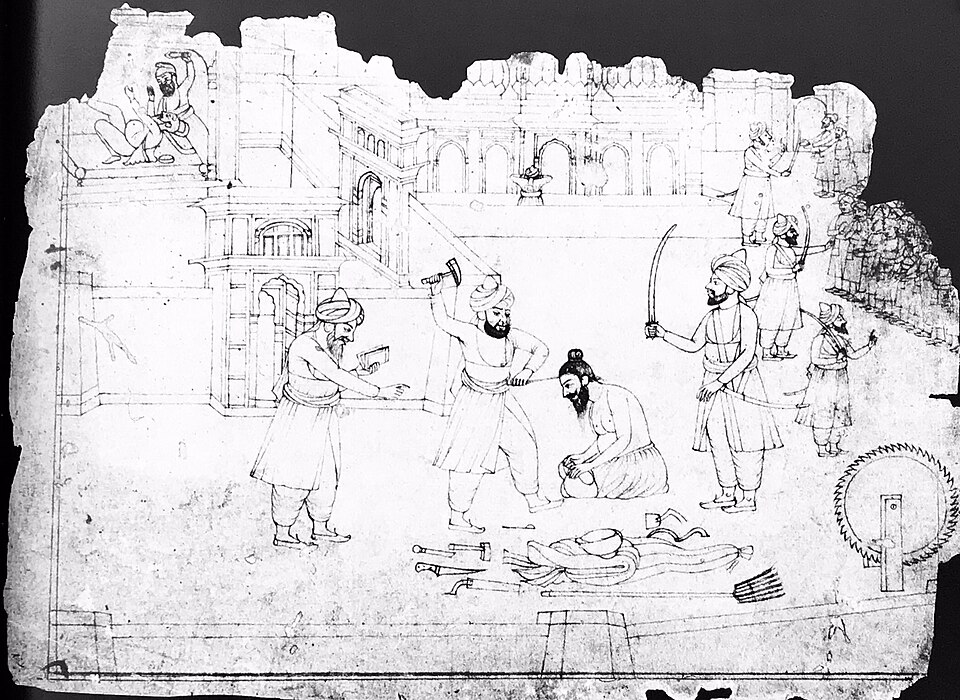
A young farmer who fed Sikhs hiding in the forests. Ordered to cut his hair and convert, he refused and his scalp was removed in Lahore in 1745.
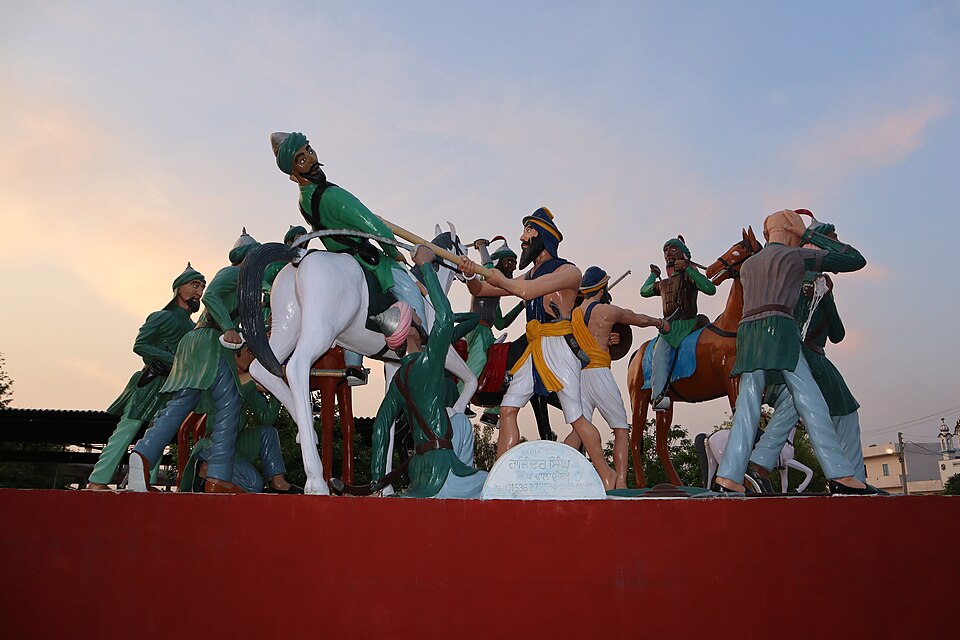
Two Sikhs who, to show that Sikhs had not been wiped out as the governor claimed, set up a toll post on the Grand Trunk Road and fought the troops sent against them to the death.
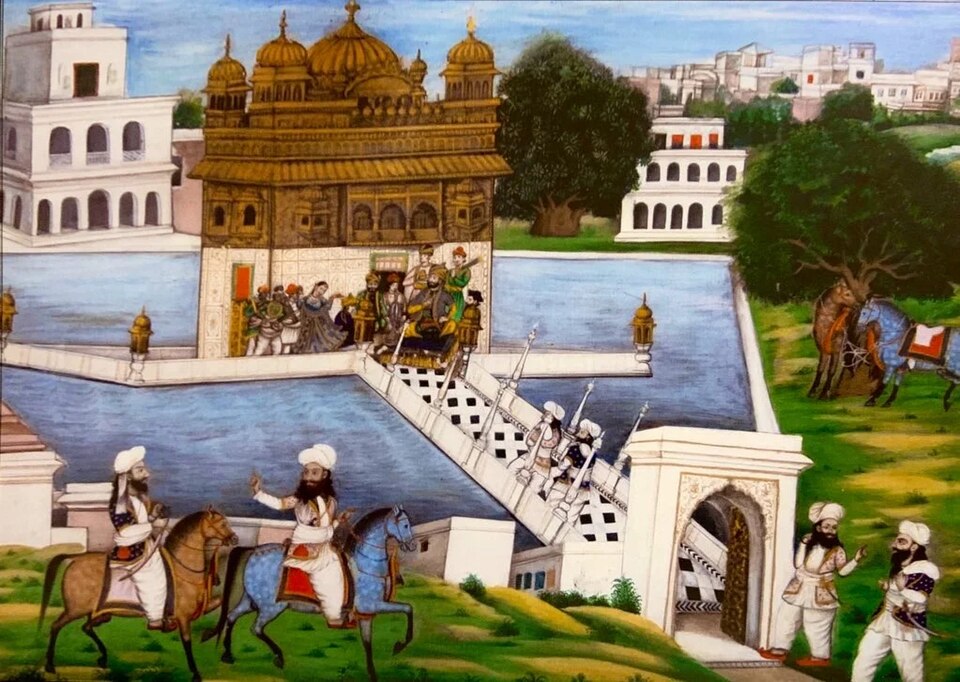
Rode into Amritsar disguised as revenue officials in 1740 and beheaded Massa Ranghar, who was holding dances in the Harmandir Sahib.
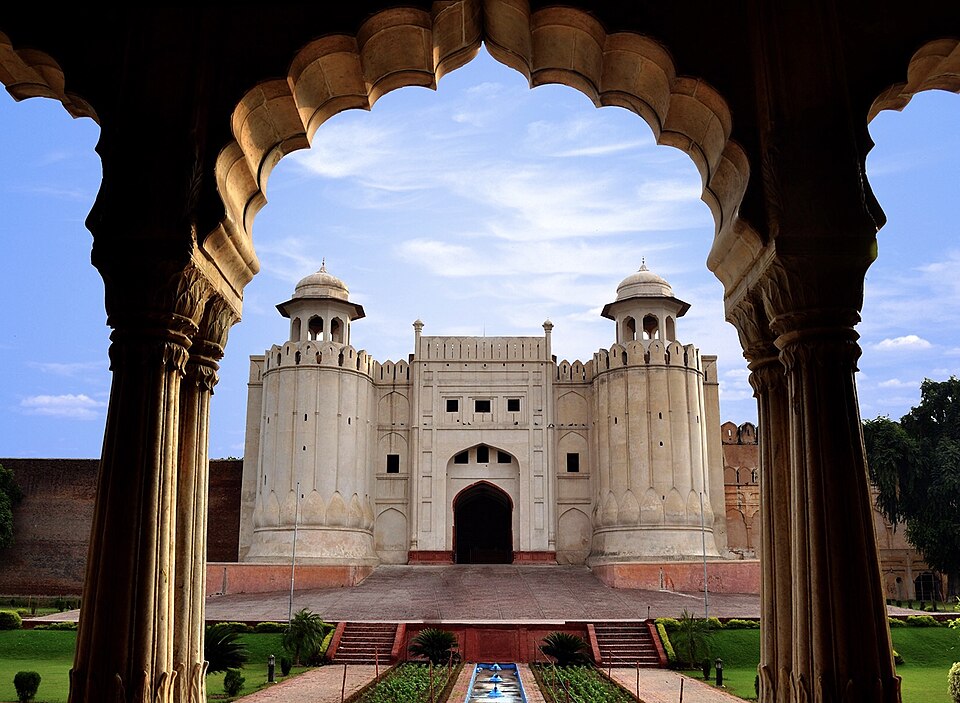
Father and son broken on the wheel in Lahore under Zakariya Khan's successors for refusing to convert.
The Kingdom of Lahore
1799 – 1849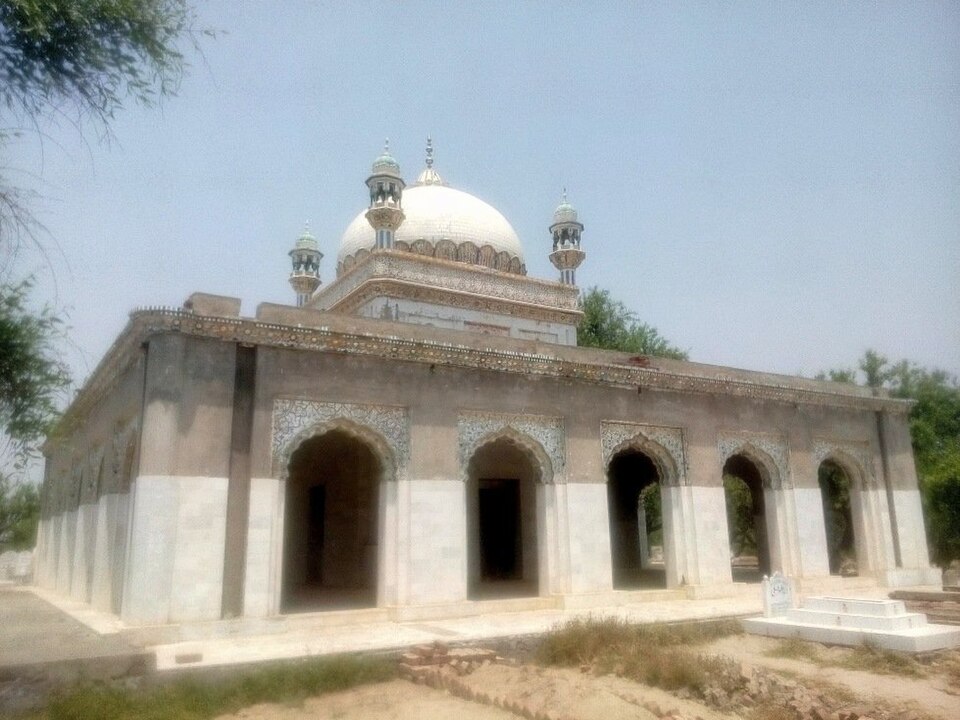
Chief of the Kharals of the Ravi bar who led the tribes of the Gogera country against the East India Company in 1857, and was killed at prayer.
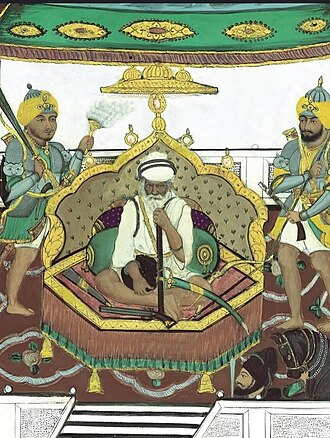
Saint-soldier who led resistance after the annexation of 1849. Arrested, he was exiled to Singapore and died in prison there in 1856.
Colonial Punjab
1849 – 1947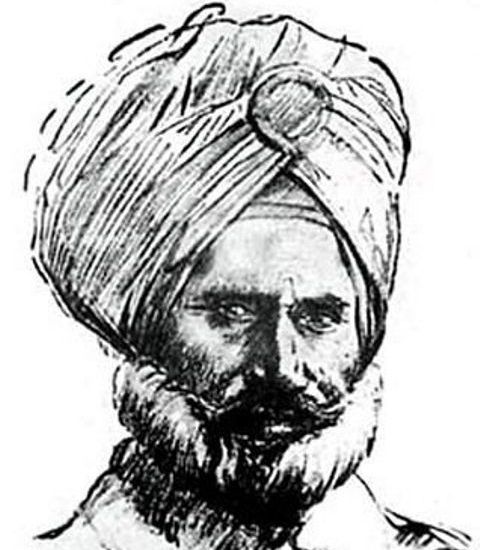
Commanded the 21 men of the 36th Sikhs who held the Saragarhi post against thousands of Afghan tribesmen until every one was killed.
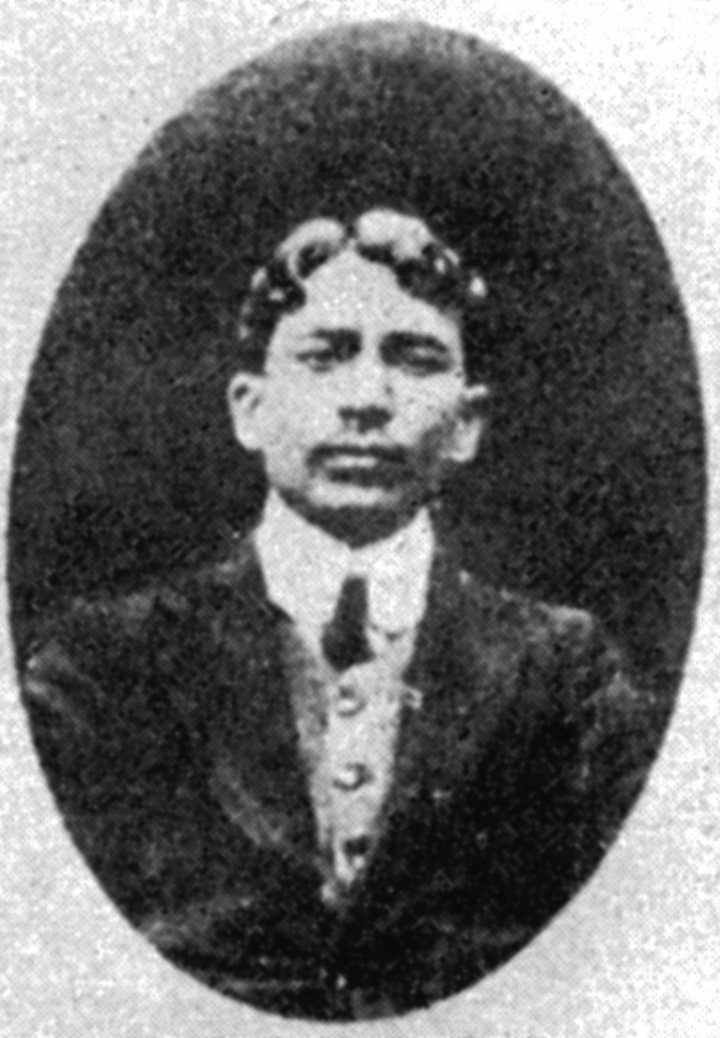
Student from Amritsar who shot Sir William Curzon Wyllie in London in 1909 and was hanged at Pentonville.
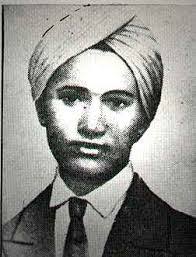
Ghadar Party revolutionary who returned from California to raise a rising against British rule. Hanged in Lahore at nineteen.
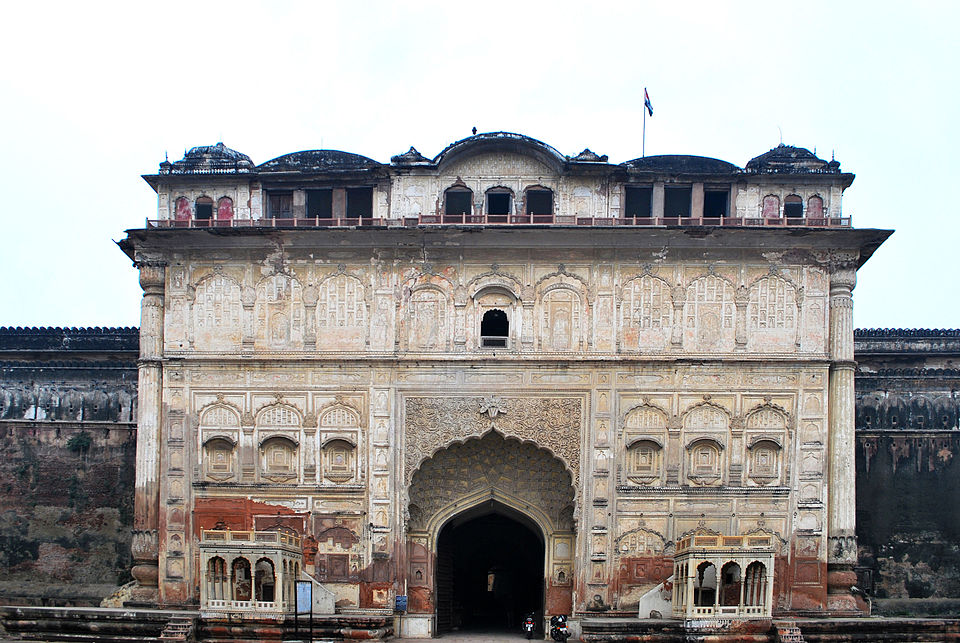
Leader of the Praja Mandal against the Maharaja of Patiala's rule, who died in Patiala jail after a hunger strike.
Uncle of Bhagat Singh who led the farmers' agitation of 1907, Pagri Sambhal Jatta, and spent thirty-eight years in exile.
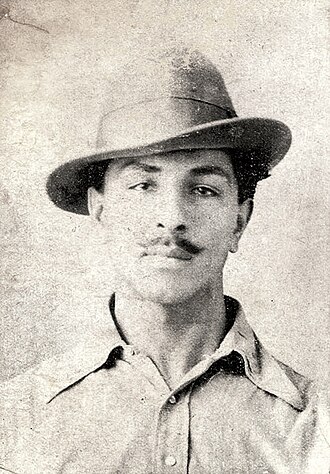
Socialist revolutionary hanged in Lahore at twenty-three with Rajguru and Sukhdev. Among the most celebrated figures of India's independence movement.
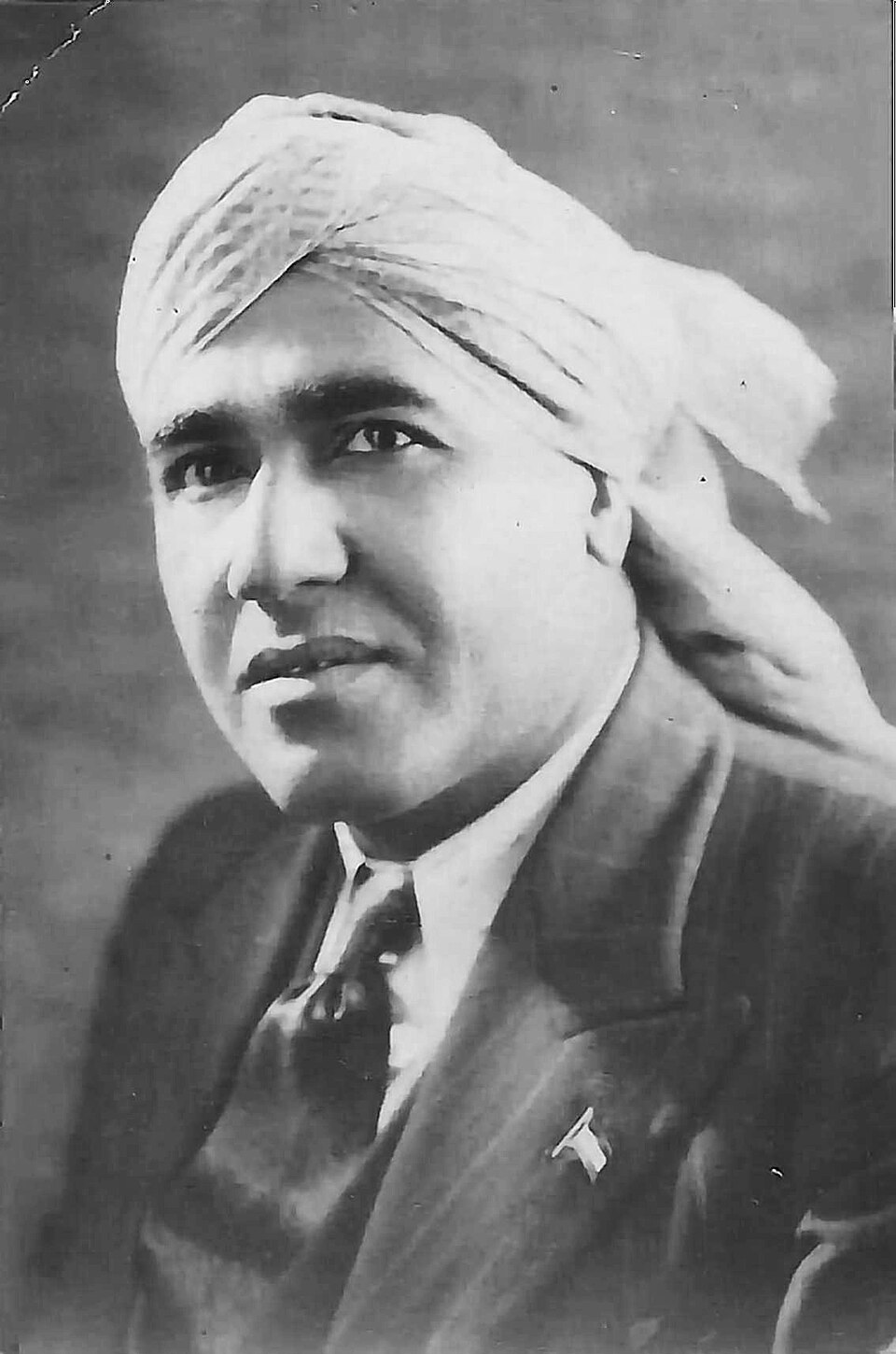
Shot Michael O'Dwyer, governor of Punjab at the time of Jallianwala Bagh, in London in 1940 and was hanged at Pentonville.
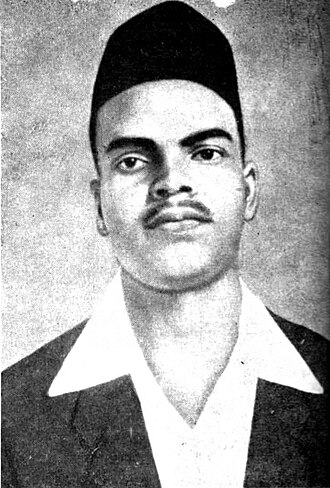
Comrades of Bhagat Singh in the Hindustan Socialist Republican Association, hanged with him in Lahore on 23 March 1931.
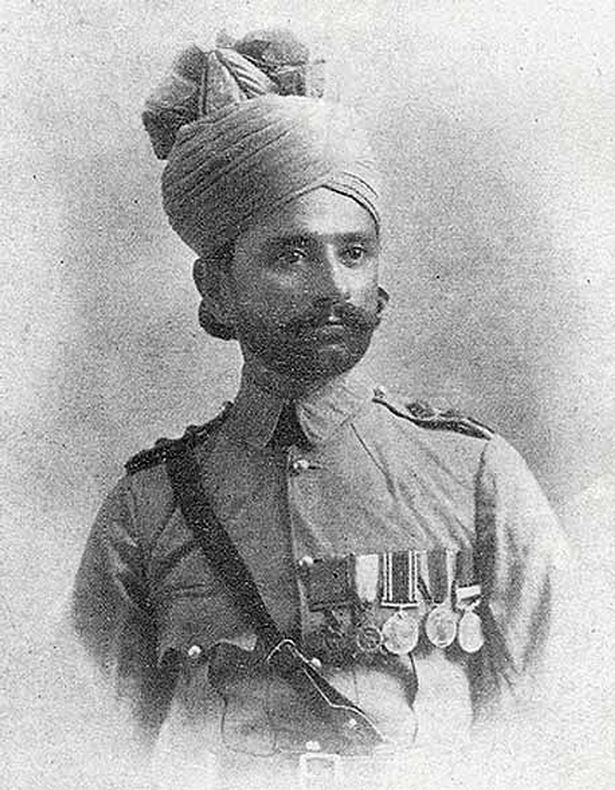
Machine-gunner from Chakwal who held his post at Ypres in 1914 and became the first Indian soldier to win the Victoria Cross.
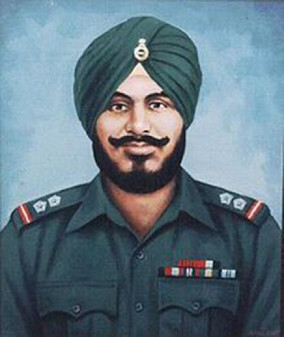
Sikh Regiment soldier from Moga killed holding a ridge against the Chinese army in 1962, awarded the Param Vir Chakra.
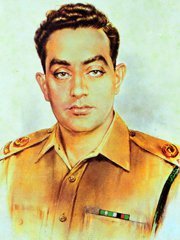
Pakistani officer killed defending the BRB canal on the Lahore front in 1965, awarded the Nishan-e-Haider.
Two Punjabs
1947 – today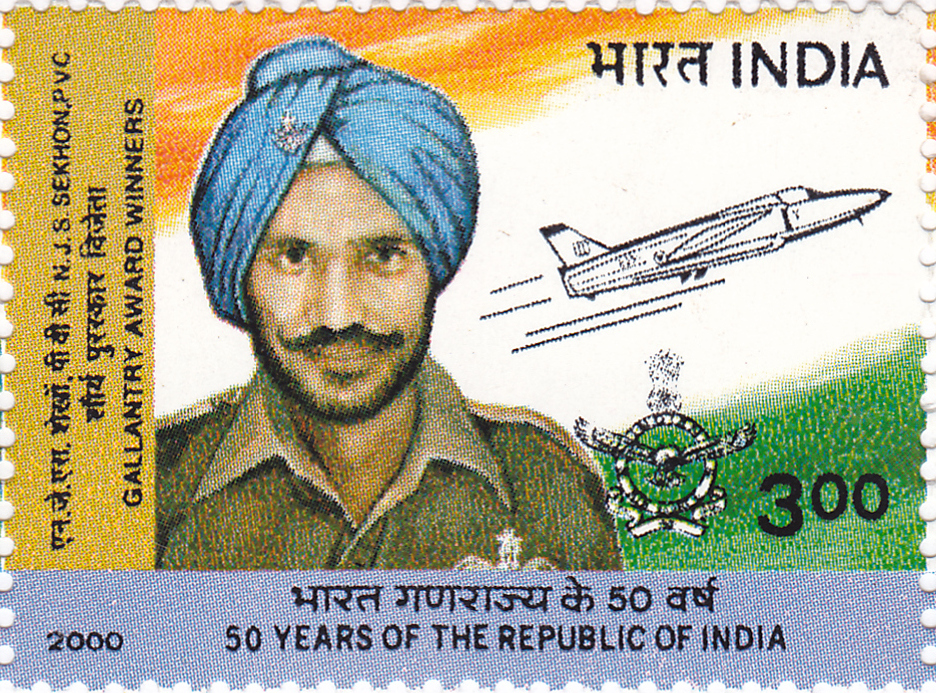
Fighter pilot from near Ludhiana, the only member of the Indian Air Force to win the Param Vir Chakra.
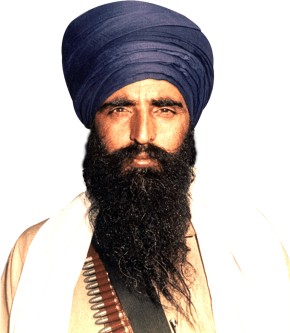
Fourteenth head of the Damdami Taksal, who called a generation of Sikhs back to amrit and the Guru, led the Dharam Yudh Morcha and fell defending the Akal Takht on 6 June 1984.
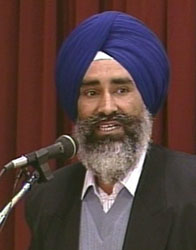
Bank manager turned human rights investigator who found records of thousands of unidentified bodies secretly cremated by Punjab police. Abducted in 1995 and killed in custody.