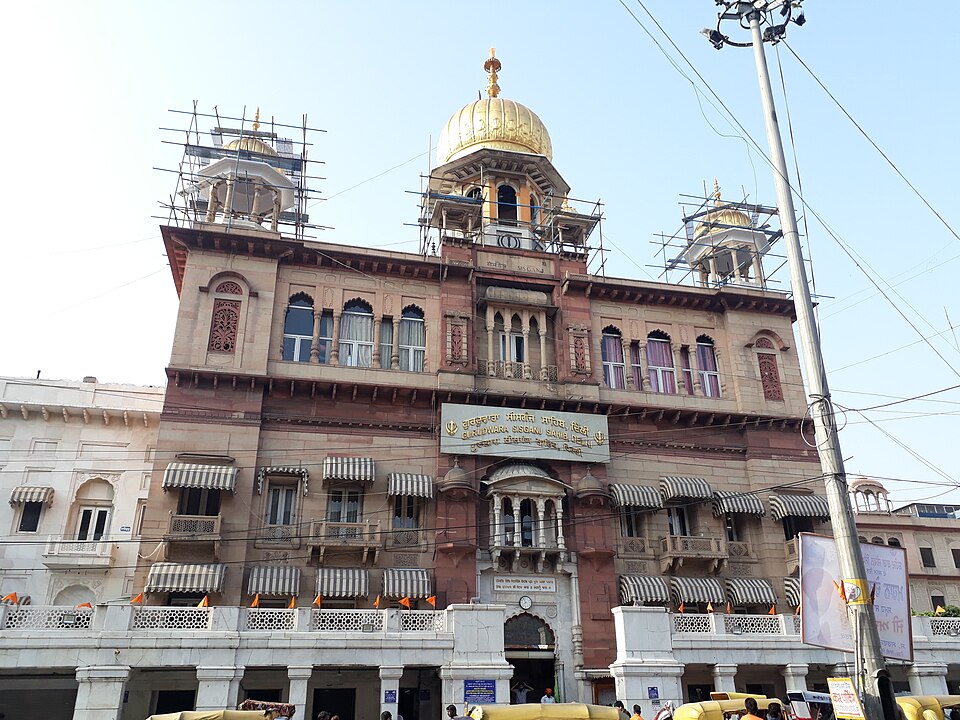
Delhi · Sis Ganj & Bangla Sahib
Guru Har Krishan served smallpox and cholera patients here and died in 1664 (Bangla Sahib). Guru Tegh Bahadur was beheaded at Chandni Chowk in 1675 (Sis Ganj). Banda Singh was executed near the Qutb in 1716.
Delhi, the imperial capital, holds some of the most important Sikh shrines. Guru Har Krishan stayed in the house of Raja Jai Singh in 1664, tended the sick during an epidemic and died here; Gurdwara Bangla Sahib stands on the site and Gurdwara Bala Sahib marks his cremation.
Guru Tegh Bahadur was beheaded in Chandni Chowk on 11 November 1675; Gurdwara Sis Ganj stands where he died, and Gurdwara Rakab Ganj where Lakhi Shah cremated his body by burning his own house. Banda Singh and his men were executed here in 1716. In 1783 Baghel Singh entered the Red Fort and built gurdwaras at these sites.
In November 1984, after the assassination of Indira Gandhi, organised mobs killed thousands of Sikhs in Delhi over three days, especially in the resettlement colonies of the east and west. Delhi now has one of the largest Sikh populations of any city.
People
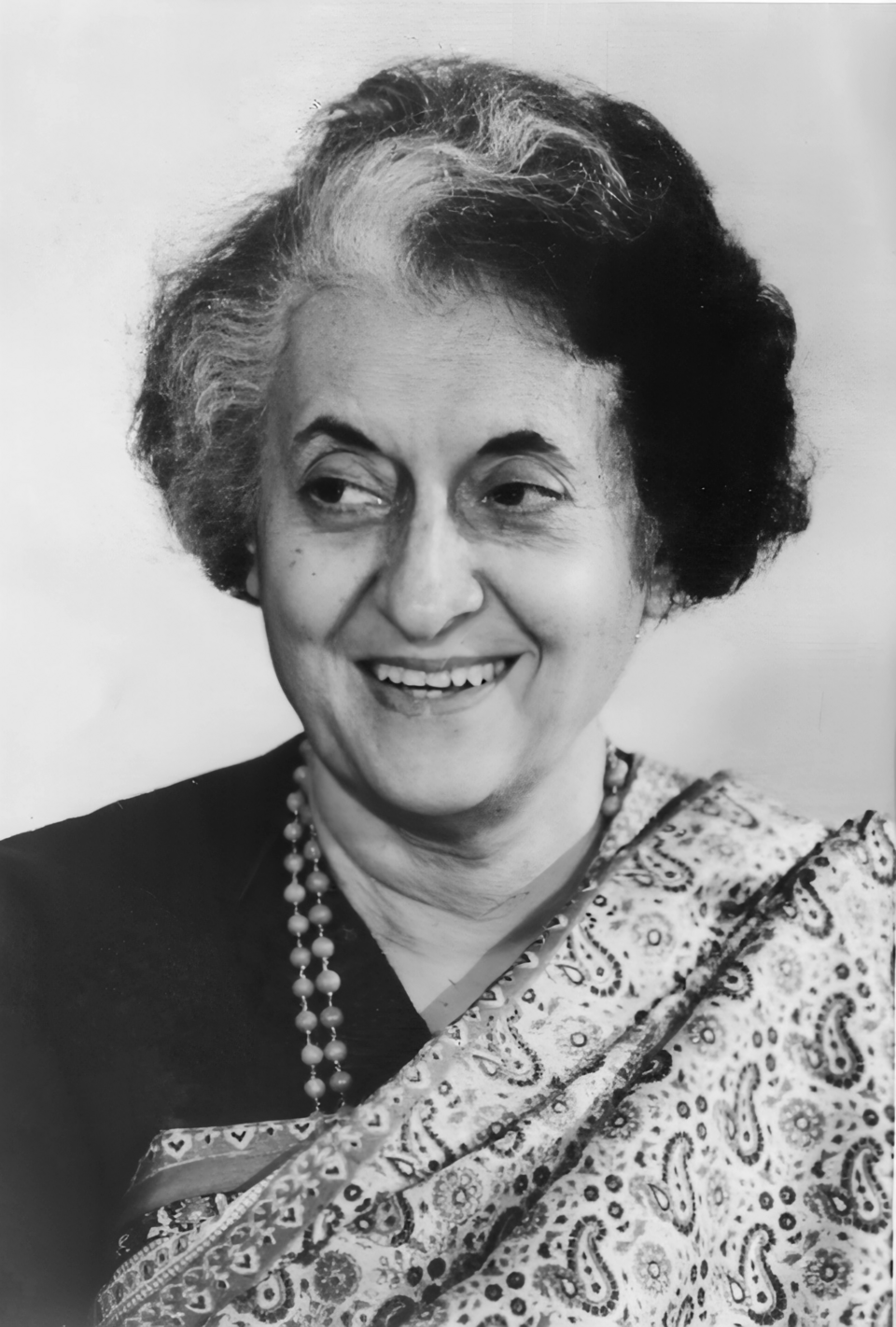
Prime Minister of India who ordered Operation Blue Star in June 1984 and was assassinated by two Sikh bodyguards on 31 October.
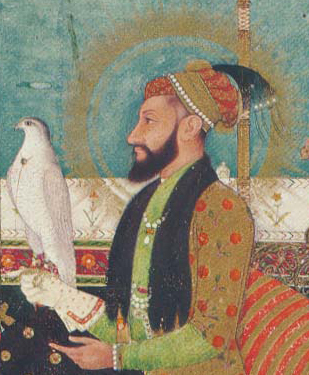
Mughal emperor under whom Guru Tegh Bahadur was executed. Guru Gobind Singh's Persian letter, the Zafarnama, was addressed to him. He built Lahore's Badshahi Mosque.
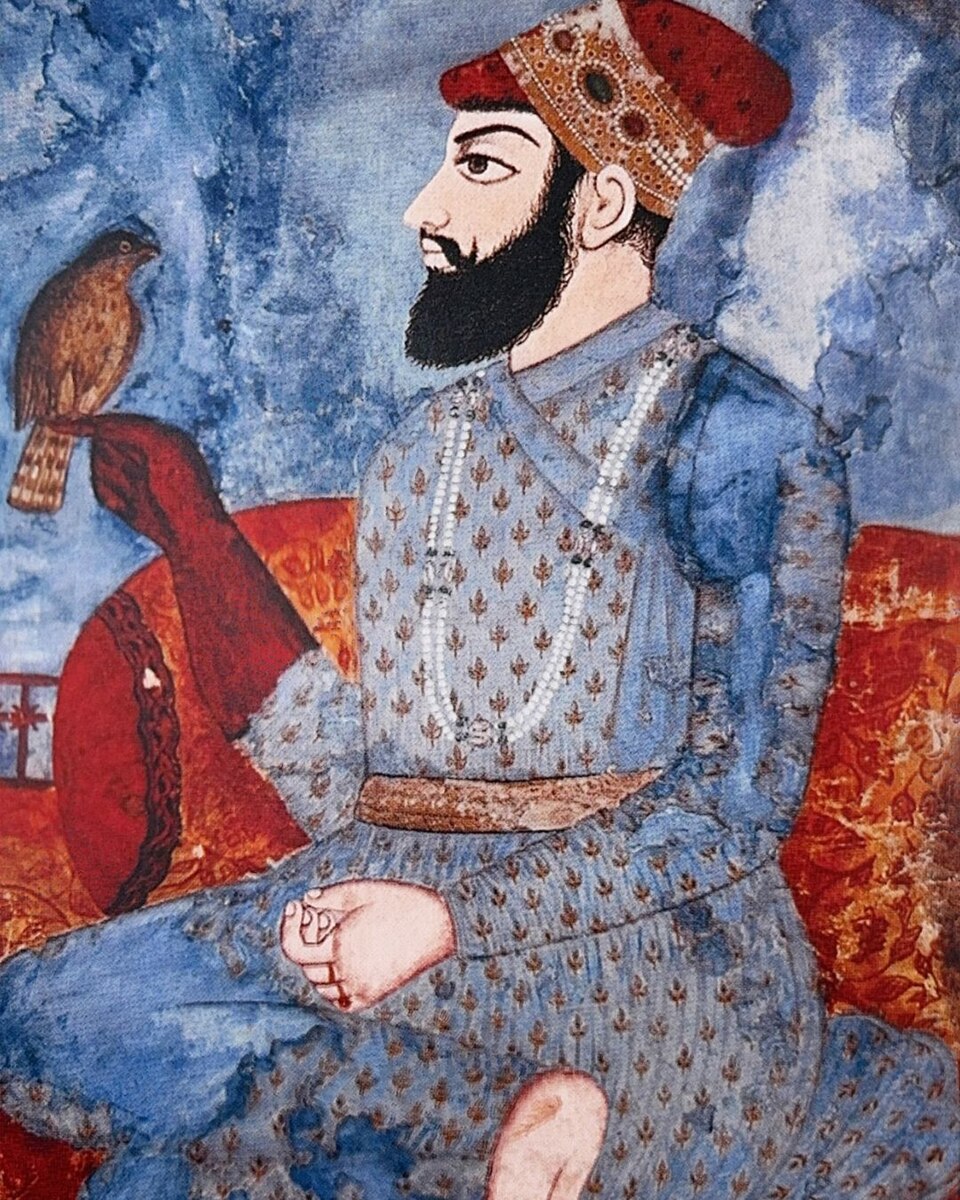
Ninth Guru, 'Hind di Chadar', the shield of India. Founded Anandpur and was beheaded in Delhi in 1675 for defending the right of Kashmiri Pandits to keep their faith.
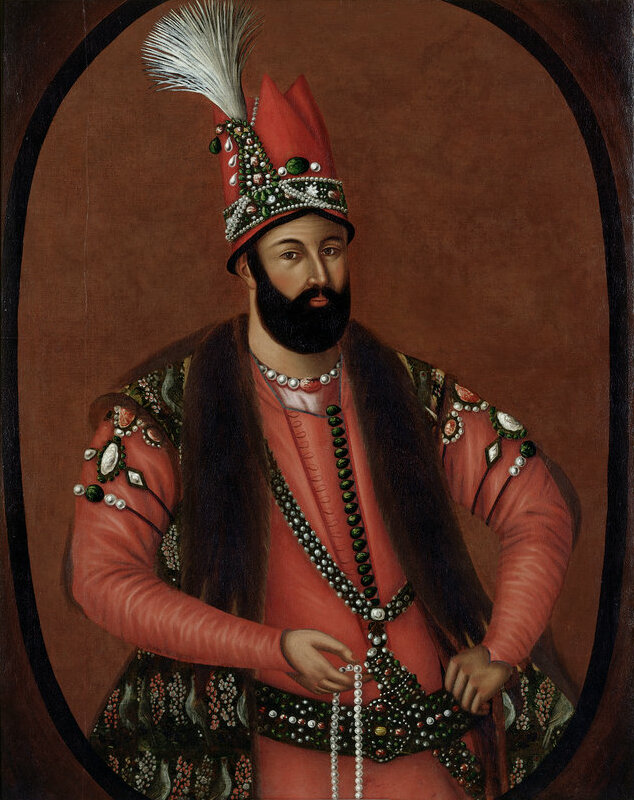
Ruler of Persia who invaded India in 1739, sacked Delhi and carried off the Peacock Throne and the Koh-i-Noor. Sikh bands raided his baggage train on the way home.
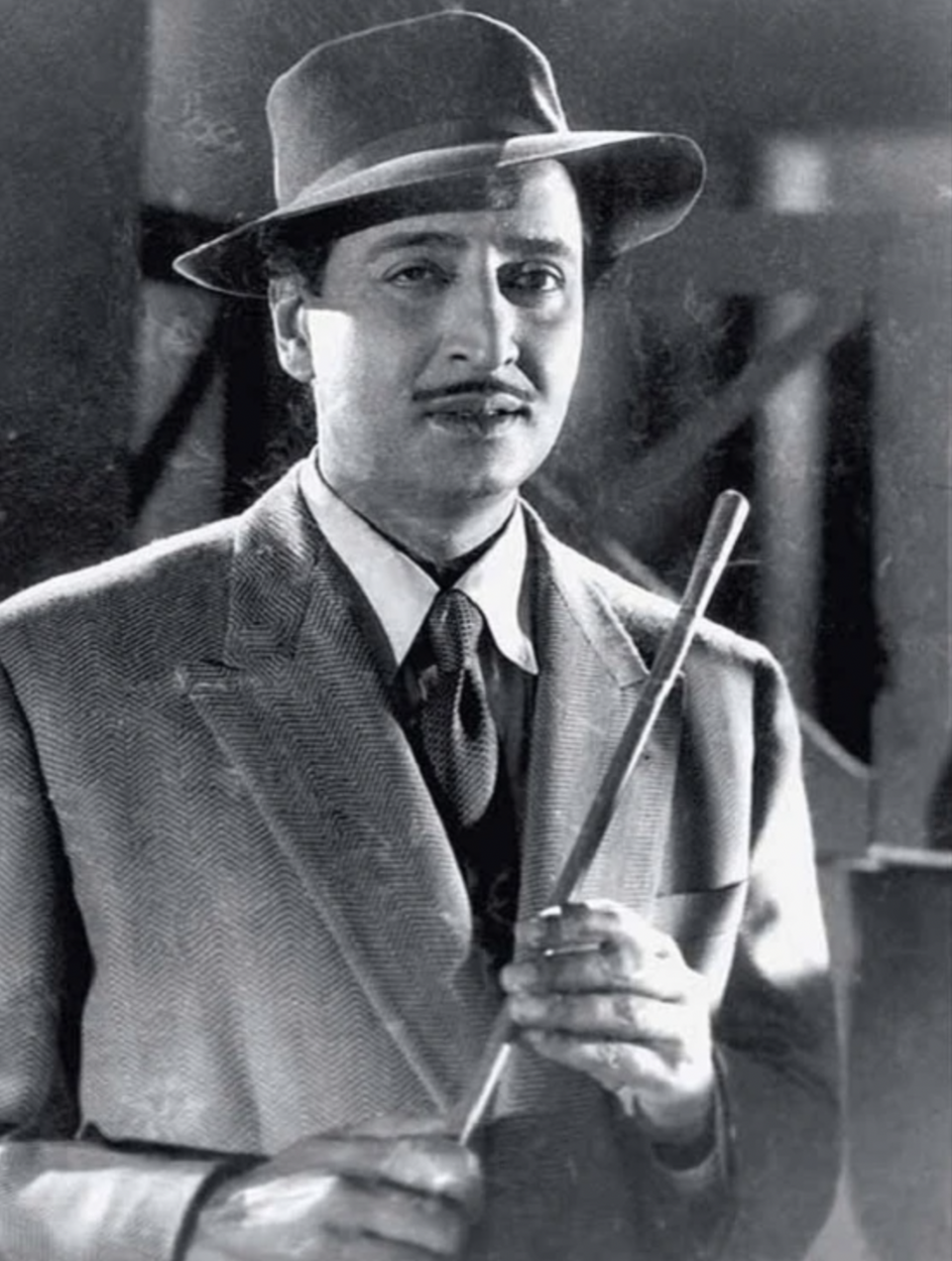
Actor who began in the Punjabi films of Lahore and became Hindi cinema's most famous villain.
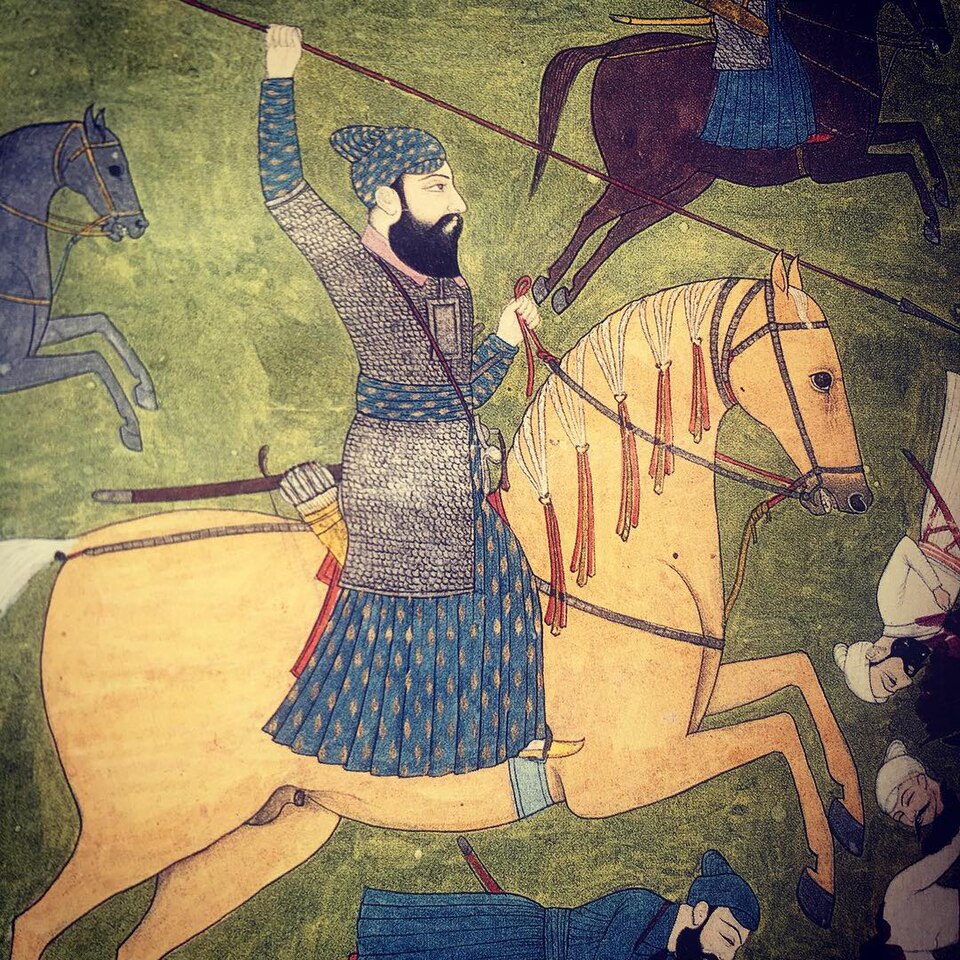
Ascetic turned general. Sent north by Guru Gobind Singh in 1708, he took Sirhind, set up the first Sikh state, gave land to those who tilled it and was executed in Delhi in 1716.
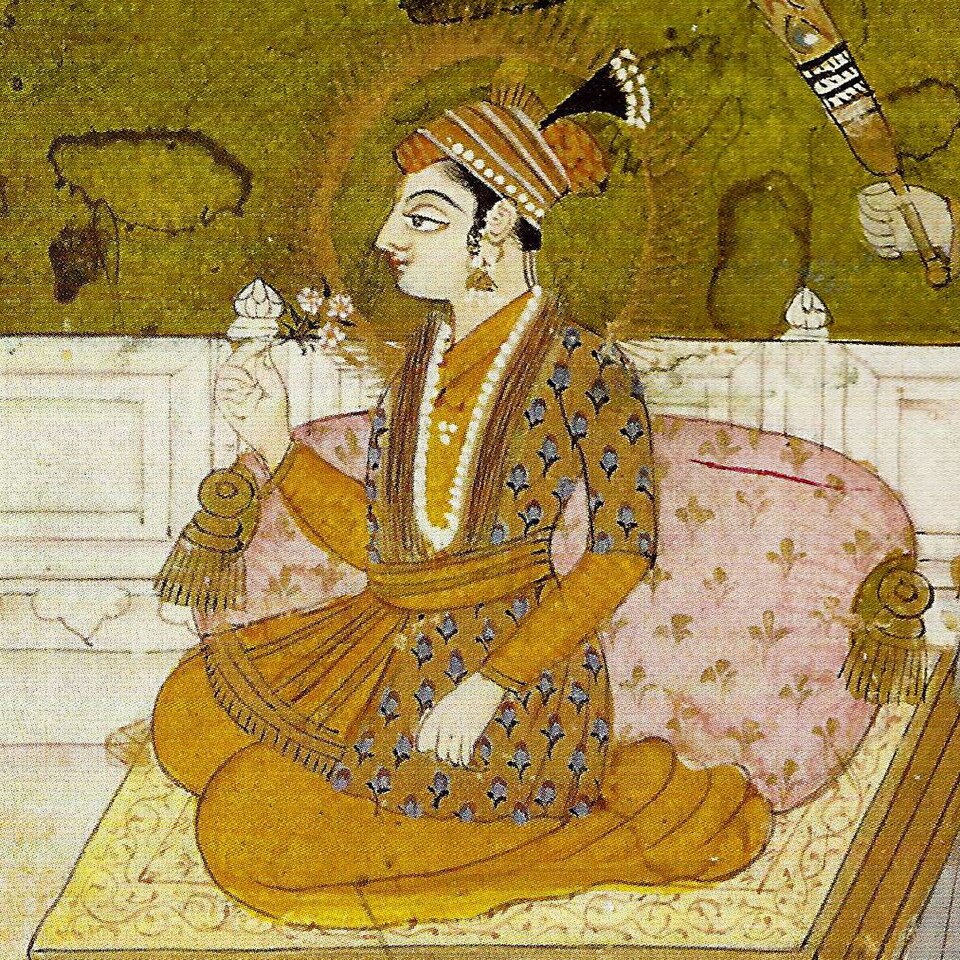
Eighth Guru, Guru at five. Nursed victims of a smallpox and cholera epidemic in Delhi and died of smallpox aged seven.
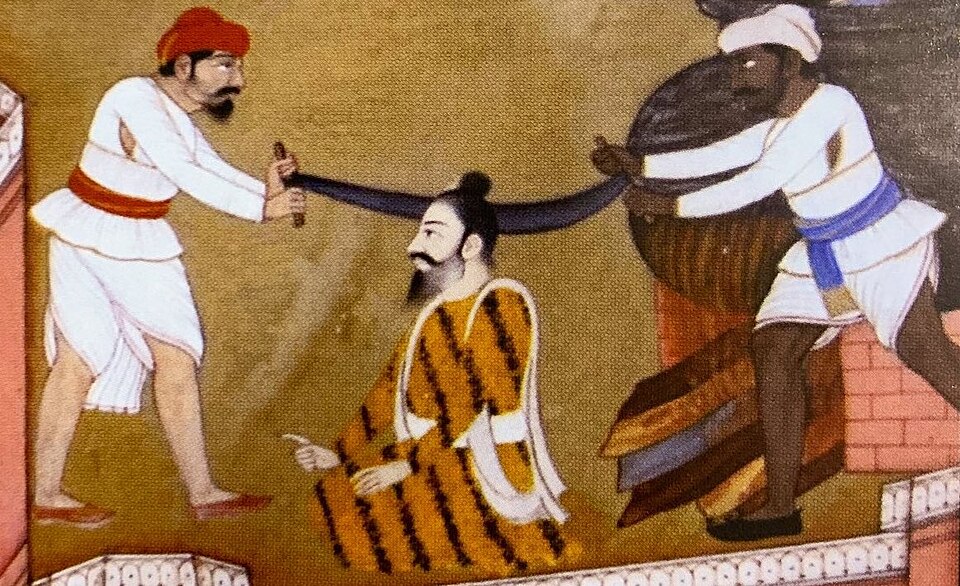
Three companions of Guru Tegh Bahadur executed before him in Delhi: Mati Das sawn in half, Sati Das wrapped in cotton and burned, Dayala boiled alive.
Wife of Guru Tegh Bahadur and mother of Guru Gobind Singh. Held with her younger grandsons in the cold tower of Sirhind, she died there on hearing of their execution.
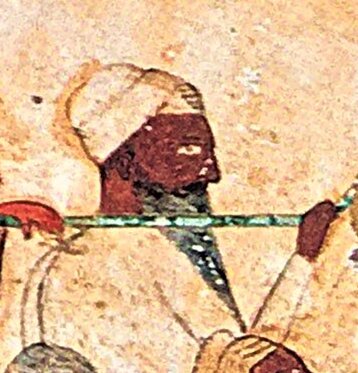
A Ranghreta Sikh who carried Guru Tegh Bahadur's severed head from Delhi to Anandpur. The young Guru Gobind Singh embraced him as 'the Guru's own son'.
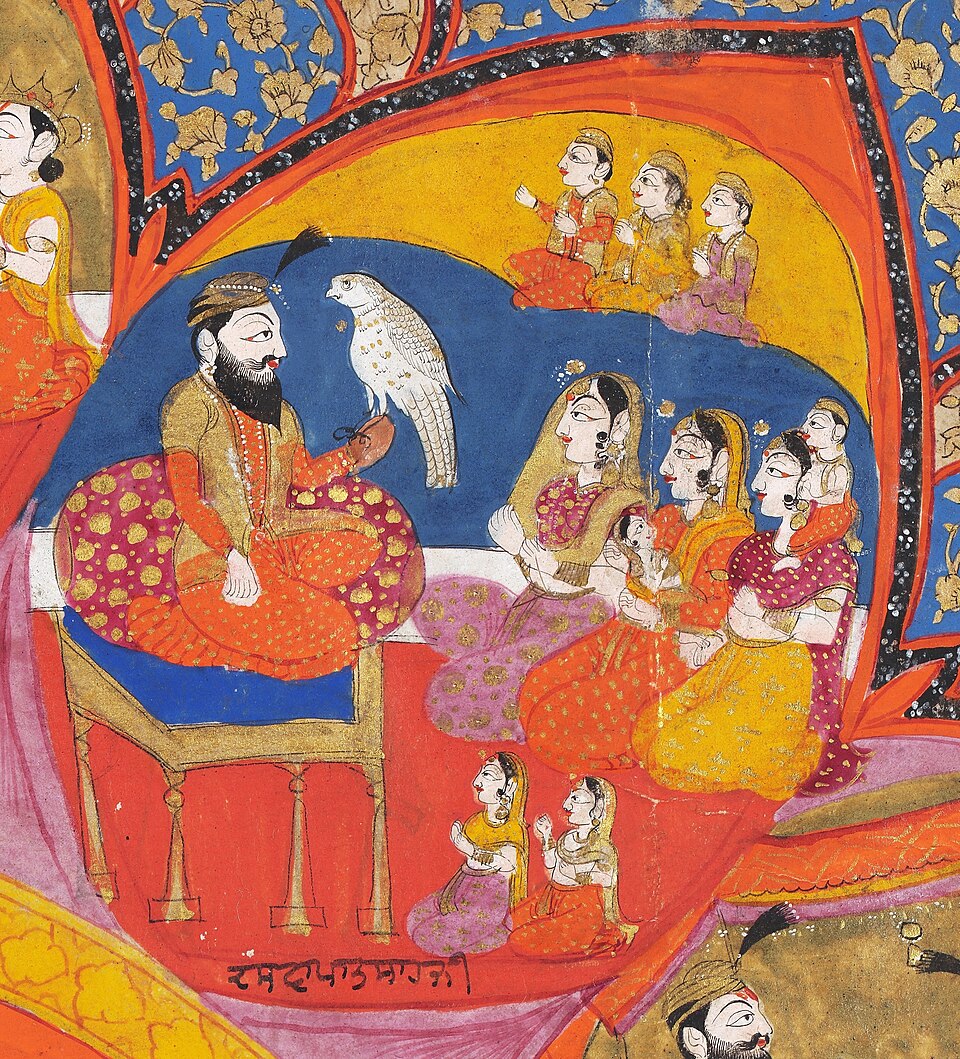
Wife of Guru Gobind Singh, honoured as the Mother of the Khalsa. She added sugar puffs (patase) to the first amrit.
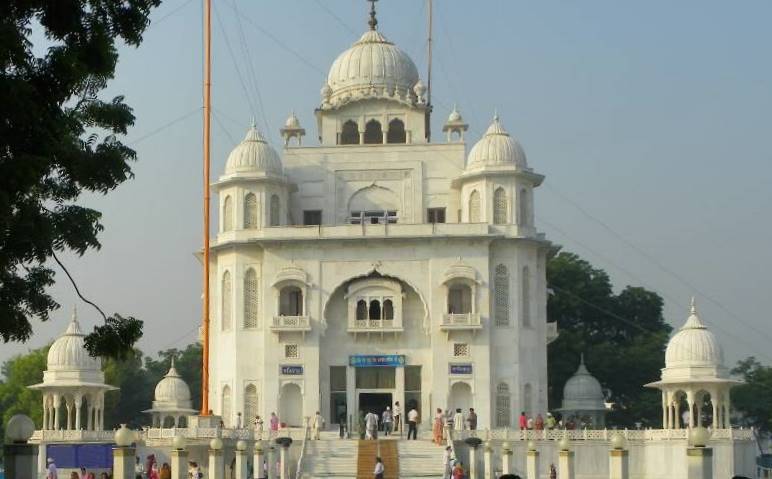
Wealthy trader who smuggled Guru Tegh Bahadur's body away in his cart and burned his own house to cremate it. Gurdwara Rakab Ganj stands there.
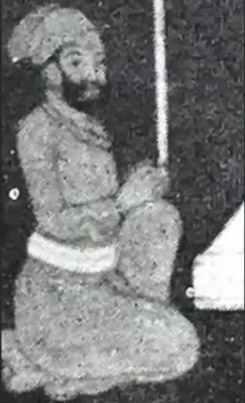
Karorsinghia leader who entered the Red Fort in 1783 and, by agreement with Shah Alam II, built gurdwaras at the Sikh sites of Delhi.
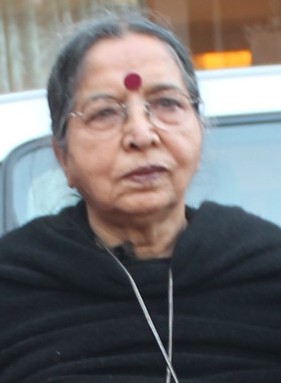
Punjabi writer born in Lahore, whose autobiography Khanabadosh tells of a woman's life after Partition.
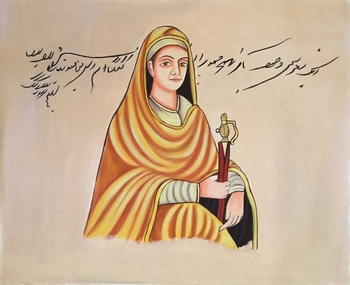
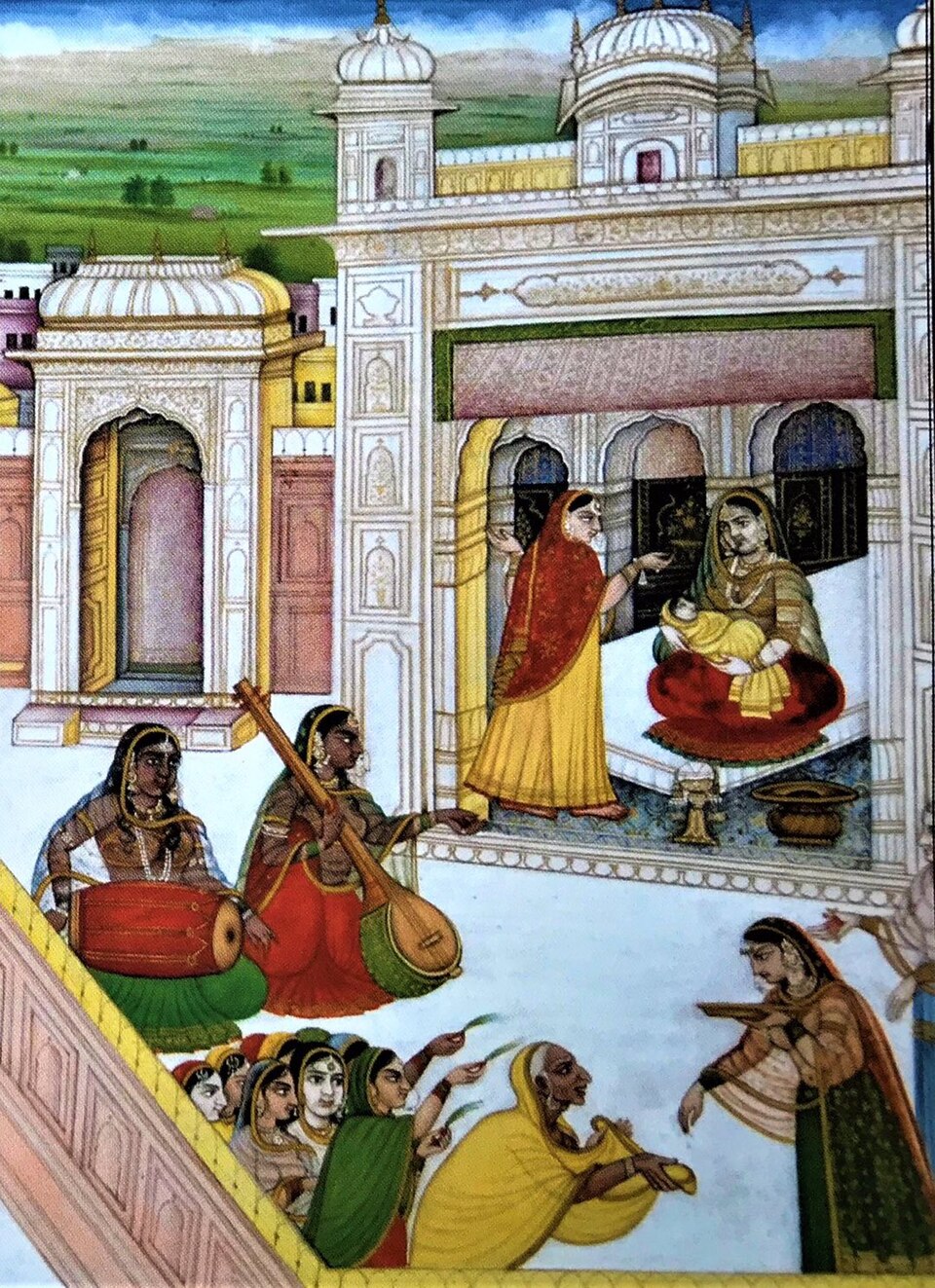
Wife of Guru Gobind Singh and mother of Ajit Singh, who led the Sikhs from Delhi for four decades after 1708 through letters of instruction.
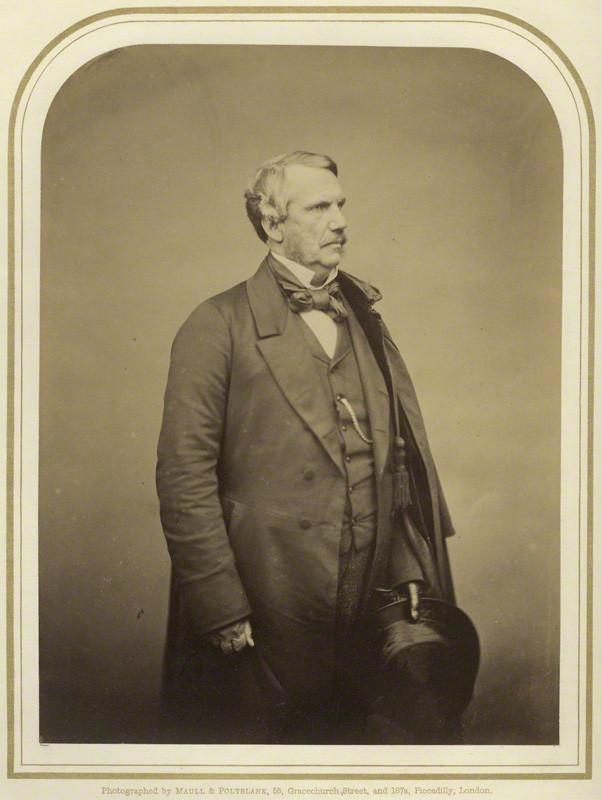
The administrator who ran the annexed Punjab, sent Punjabi troops to retake Delhi in 1857, and later became Viceroy of India.
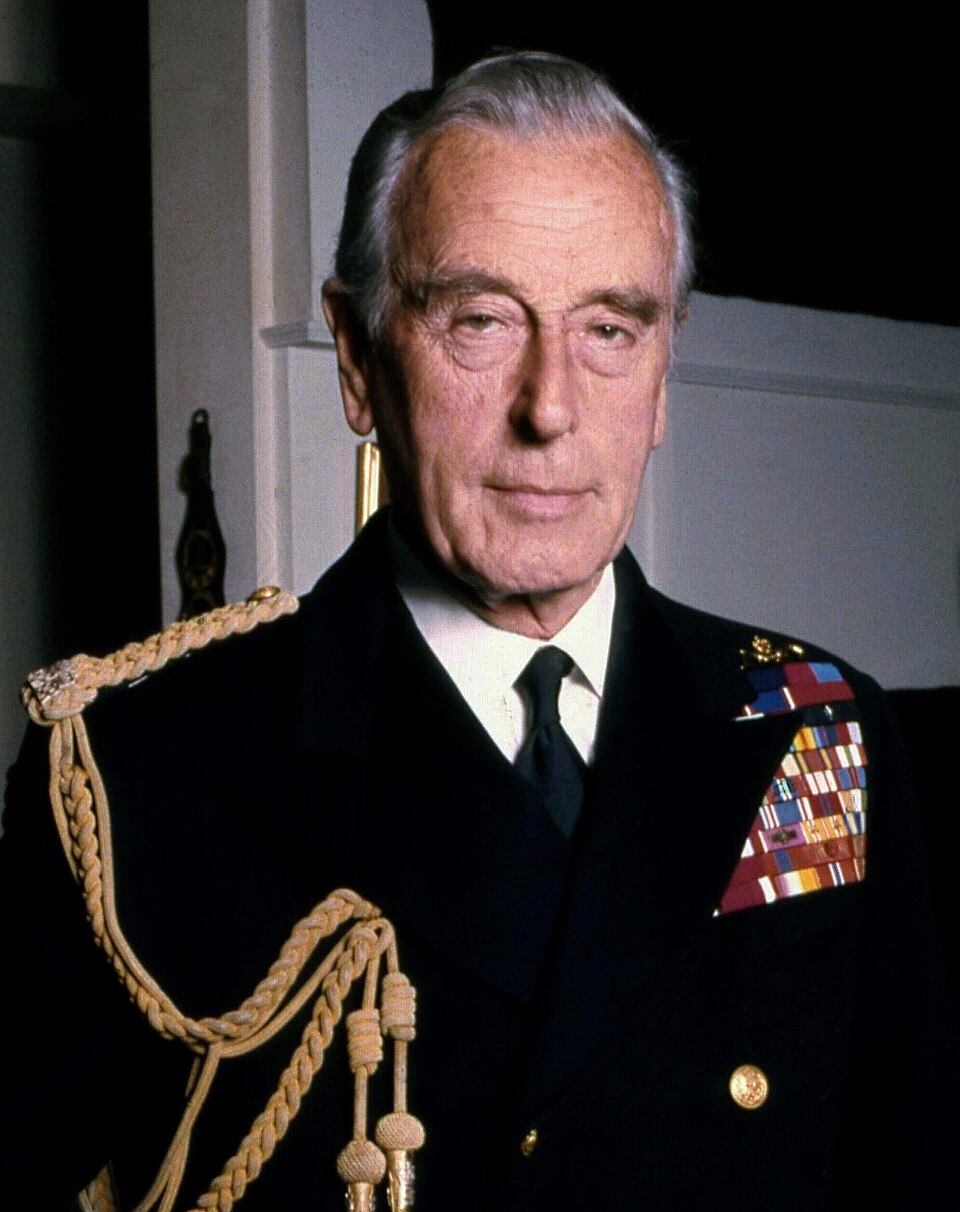
The last Viceroy of India, who brought independence forward to 15 August 1947 and kept the Punjab boundary secret until two days after it.
Battles
On the timeline
In the world's museums
93 objects → Ram Darbar, circa 1865 CE, Sikh-Kangra mixed Style, National Museum DelhiNational Museum, New Delhi · photo SpeakingArch (Wikimedia Commons) · CC BY-SA ↗
 Watercolour on ivory portrait painting of Maharaja Ranjit Singh, Delhi, ca.1900V&A, London · photo Wikimedia Commons (Wikimedia Commons) ↗
 Poet Jayadev worshipping Radha and Krishna, 1730 CE, National Museum DelhiNational Museum, New Delhi · photo SpeakingArch (Wikimedia Commons) · CC BY-SA ↗
 Portrait of Manaku of Guler by unknown artist, National Museum, New DelhiNational Museum, New Delhi · photo Wikimedia Commons (Wikimedia Commons) ↗
 Krishna Playing the Flute, 1810-20 CE, Kangra School of Art, National Museum, New DelhiNational Museum, New Delhi · photo SpeakingArch (Wikimedia Commons) · CC BY-SA ↗
 Vishnu holding lotus flowers, National Museum, New DelhiNational Museum, New Delhi · photo Yann (talk) (Wikimedia Commons) ↗
 The Elopement of Rukmani, Chamba School, circa 1800 CE, National Museum, DelhiNational Museum, New Delhi · photo SpeakingArch (Wikimedia Commons) · CC BY-SA ↗
_-_Google_Art_Project.jpg) Delhi After The War Of Independence -1858, The Sabzi MandiWikimedia Commons · Felice Beato ↗
 Sketch in the Subzee Mundee', Delhi, Indian Mutiny, 1857National Army Museum, London · photo J. R. Turnbull, del et lith (Wikimedia Commons) ↗
 Krishna lifting Mount Govardhan, circa 1794 CE, Kullu School, National Museum, Delhi (1)National Museum, New Delhi · photo SpeakingArch (Wikimedia Commons) · CC BY-SA ↗
 Two Ladies flying kites, 1750 CE, Kullu School of Art, National Museum, DelhiNational Museum, New Delhi · photo SpeakingArch (Wikimedia Commons) · CC BY-SA ↗
 Sculpture of Uma Maheshwar, circa 10th century CE, Pahari, National Museum, New DelhiNational Museum, New Delhi · photo SpeakingArch (Wikimedia Commons) · CC BY-SA ↗
 Shiva-Parvati seated on their vahana Nandi, 1800 CE, National Museum, DelhiNational Museum, New Delhi · photo SpeakingArch (Wikimedia Commons) · CC BY-SA ↗
 Ragini Gaur of Raga Malkauns, Kangra School of Art, 1780-90 CE, National Museum New DelhiNational Museum, New Delhi · photo SpeakingArch (Wikimedia Commons) · CC BY-SA ↗
_-_Google_Art_Project.jpg) Hindu Raos house on Delhi ridge near Delhi, India, shortly after the Indian RebellionWikimedia Commons · Felice Beato ↗
 Rama and the monkey army, National Museum, New DelhiNational Museum, New Delhi · photo Yann (Wikimedia Commons) ↗
 Sheshsayi Vishnu and Lakshmi enjoying festivity, National Museum, New DelhiNational Museum, New Delhi · photo Yann (Wikimedia Commons) ↗
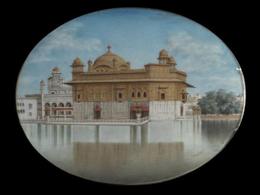 One of Sixteen views of monuments in Delhi, Agra, Amritsar, Lucknow and South India.ca. 1850 · Delhi© Victoria and Albert Museum, London ↗