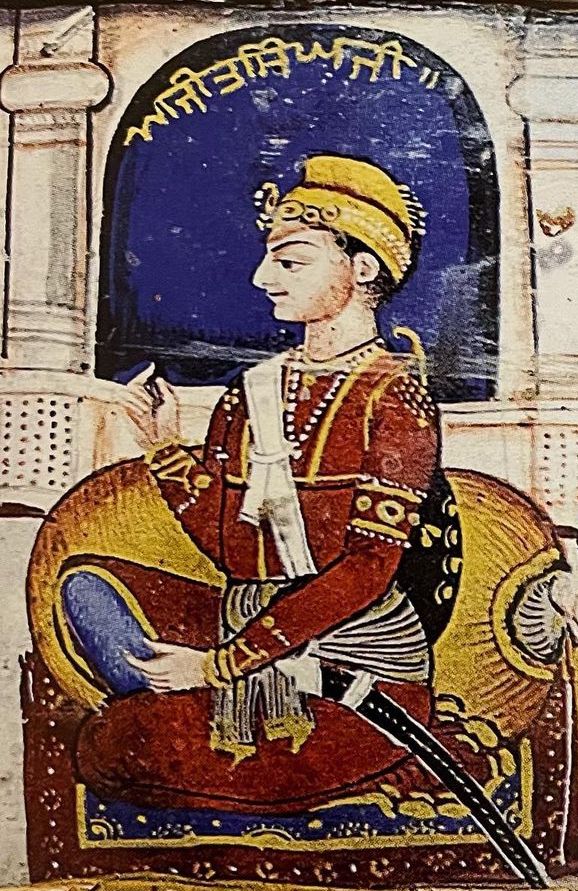
Sahibzade Ajit Singh & Jujhar Singh
The Guru's elder sons, aged about seventeen and thirteen, who led sorties out of the Chamkaur fort and died fighting.
Ajit Singh, born in 1687 at Paonta, and Jujhar Singh, born in 1691 at Anandpur, were the elder sons of Guru Gobind Singh. They grew up at Anandpur through the long sieges and were trained in arms from childhood; Ajit Singh led his first expedition at fifteen.
In December 1704, after the evacuation of Anandpur, the Guru reached the mud fortress, a garhi, of Chamkaur with some forty Sikhs and his two elder sons, with a huge Mughal army behind him. The defenders went out in small groups of five to fight to the death. Ajit Singh, aged about seventeen, asked his father's permission to go, and the Guru armed him himself. He fought until he fell.
Jujhar Singh, about thirteen, then asked to go too. The Guru sent him with five Sikhs, and from the wall watched him die. The Sahibzade are remembered in every Ardas; Gurdwara Qatalgarh Sahib marks where they fell, and in December Sikhs observe the shaheedi week, sleeping on the floor, in their memory.
Battles
Connected
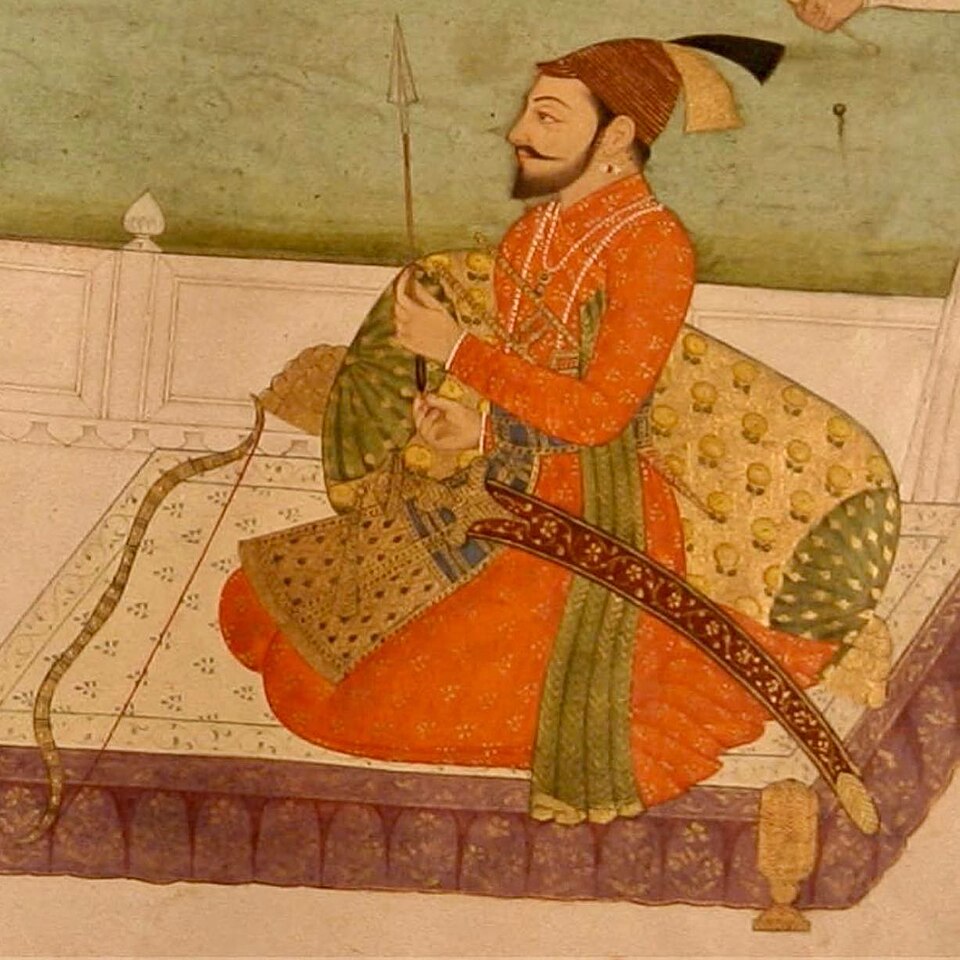
Tenth Guru, warrior and poet. Created the Khalsa in 1699, fought a long war with the Mughals and hill rajas, lost his four sons and mother, and named the Guru Granth Sahib as the final Guru.
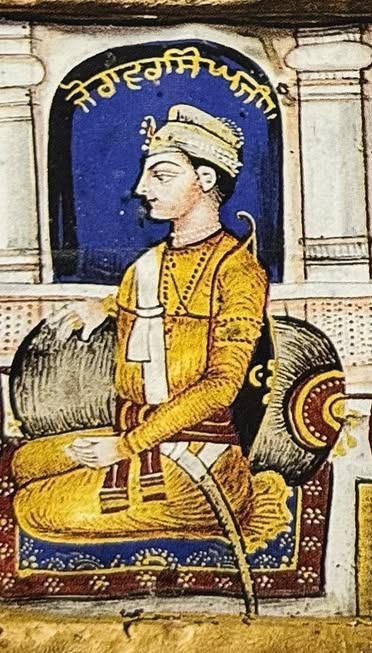
The Guru's younger sons, aged about nine and six, executed at Sirhind for refusing to convert. Their week of martyrdom is the Shaheedi Jor Mela.
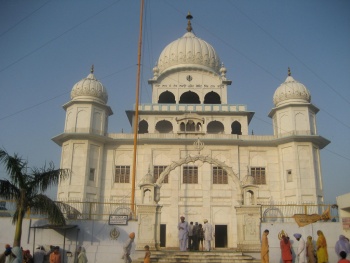
A young woman of a village near Chamkaur who went out by night to the battlefield to cremate the Sahibzade and the fallen Singhs, and was thrown into the pyre by Mughal soldiers.