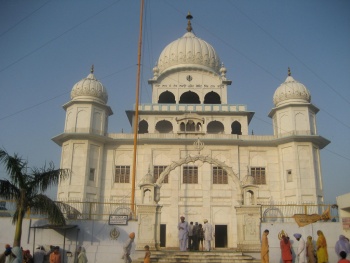
Chamkaur Sahib
A mud fortress (garhi) where Guru Gobind Singh and some forty Sikhs held off a large Mughal force in December 1704. His two elder sons died here.
Chamkaur Sahib is a town in Rupnagar district, on the plain south of the Sutlej. In December 1704, after the evacuation of Anandpur and the disaster at the Sarsa, Guru Gobind Singh took refuge here in a mud fortress, a garhi, with some forty Sikhs and his two elder sons.
Surrounded by a huge army, the Sikhs went out to fight in groups of five. The Guru's sons Ajit Singh and Jujhar Singh and three of the Panj Pyare were killed. At night the Guru escaped, clapping and calling out so that none could say he slipped away.
Gurdwara Garhi Sahib stands where the fortress stood; Gurdwara Qatalgarh Sahib where the Sahibzade fell; Gurdwara Talwar Sahib, Tari Sahib and others mark the stories of the night. Every December the Shaheedi Jor Mela draws vast crowds.
People
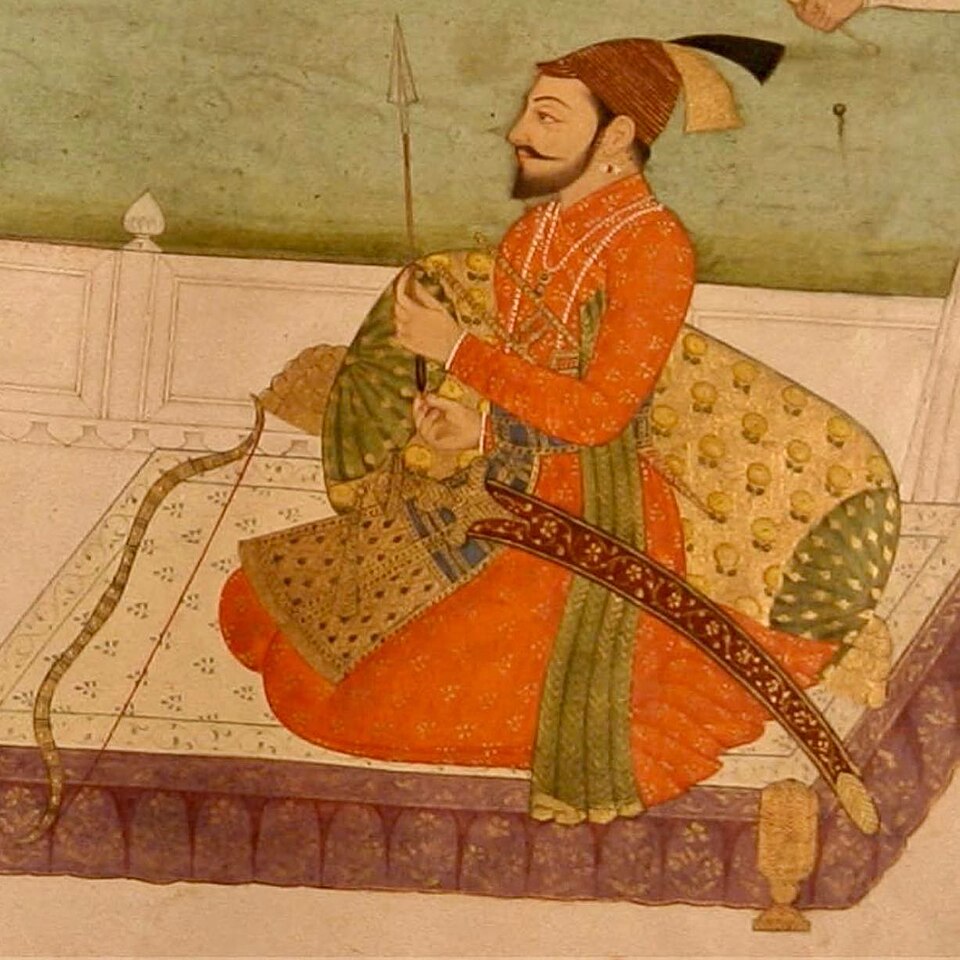
Tenth Guru, warrior and poet. Created the Khalsa in 1699, fought a long war with the Mughals and hill rajas, lost his four sons and mother, and named the Guru Granth Sahib as the final Guru.
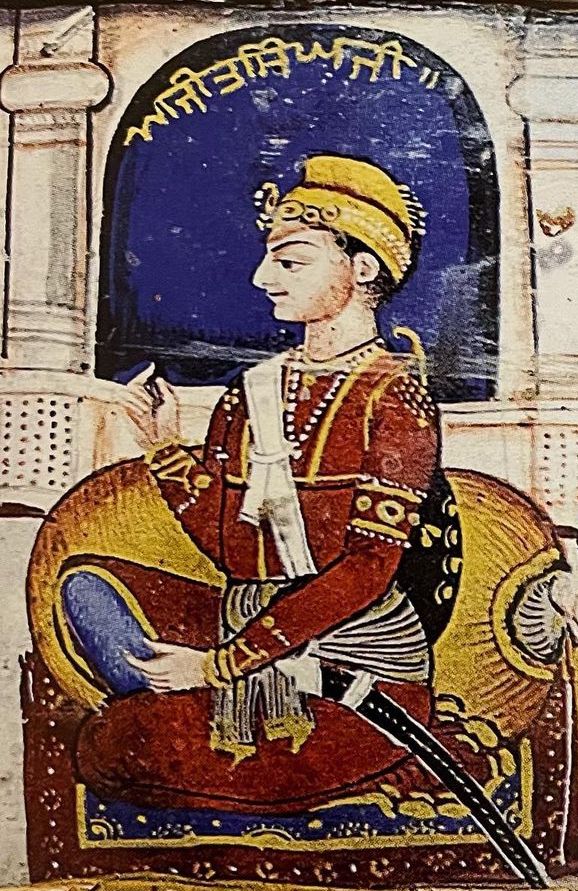
The Guru's elder sons, aged about seventeen and thirteen, who led sorties out of the Chamkaur fort and died fighting.
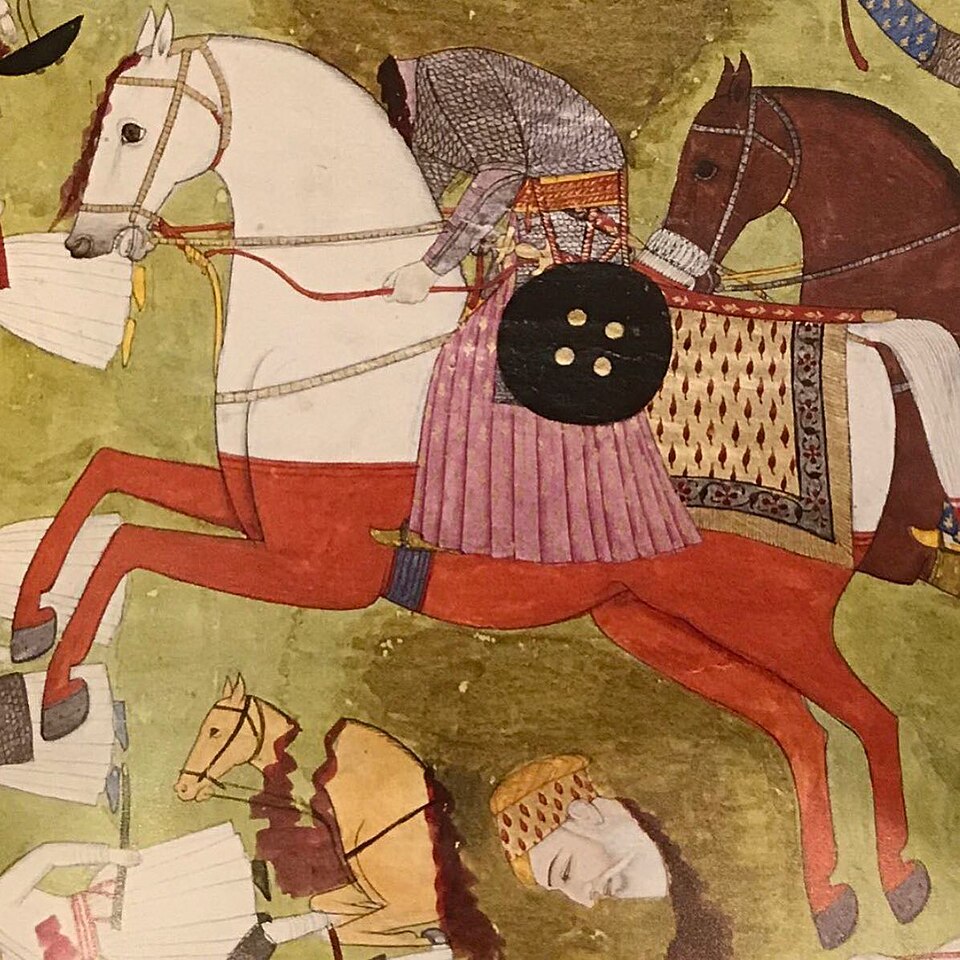
Mughal governor of Sirhind who besieged Anandpur, pursued Guru Gobind Singh and ordered the execution of his younger sons. Killed by Banda Singh's army at Chappar Chiri.
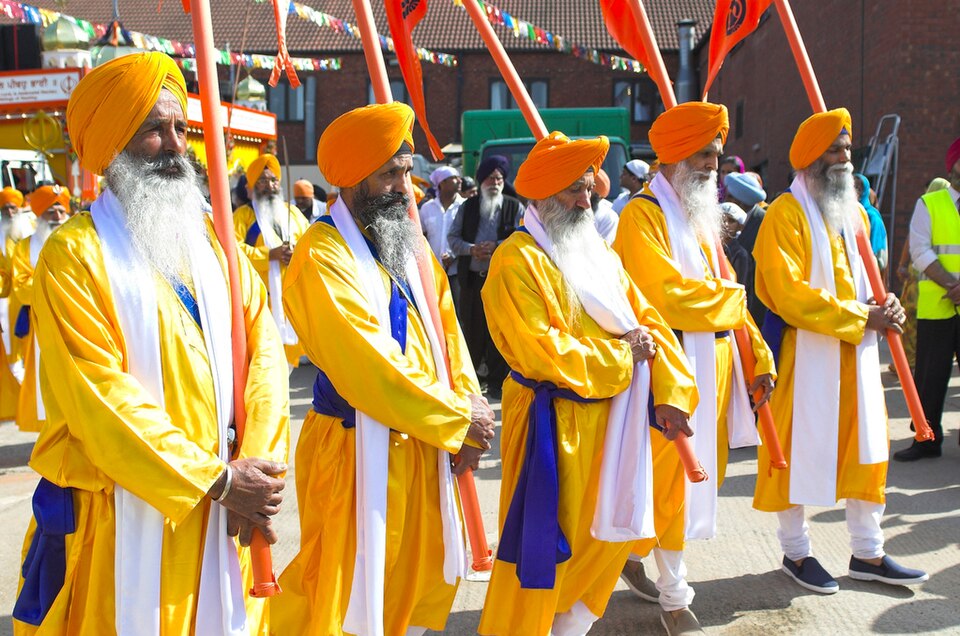
The Five Beloved: Daya Singh, Dharam Singh, Himmat Singh, Mohkam Singh and Sahib Singh, who answered the Guru's call for a head at Vaisakhi 1699.
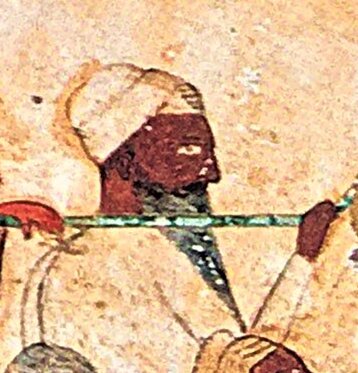
A Ranghreta Sikh who carried Guru Tegh Bahadur's severed head from Delhi to Anandpur. The young Guru Gobind Singh embraced him as 'the Guru's own son'.
A young woman of a village near Chamkaur who went out by night to the battlefield to cremate the Sahibzade and the fallen Singhs, and was thrown into the pyre by Mughal soldiers.
Battles
On the timeline
The battle of Chamkaur
December 1704Scroll sideways to see the whole figure →
- 1
The Sikhs go out in bands of five to fight in the open. Sahibzada Ajit Singh, 17, and Jujhar Singh, 13, fall leading them.
- 2
At night, at the Panj Pyare's bidding, the Guru leaves; Bhai Sangat Singh, who looked like him, stays in his place and dies at dawn.