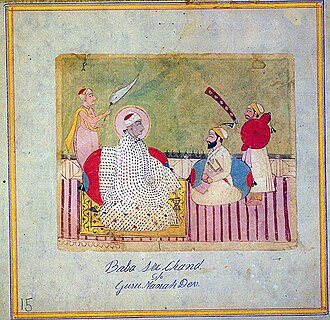
Baba Sri Chand
Guru Nanak's elder son, an ascetic who founded the Udasi order. He was passed over for the Guruship but stayed on good terms with later Gurus.
Sri Chand was the elder son of Guru Nanak and Mata Sulakhni, born at Sultanpur in 1494. From his youth he was drawn to the life of an ascetic: celibate, with matted hair, smeared with ashes, he lived in meditation.
Guru Nanak chose Lehna, not his son, as his successor, and Sri Chand did not accept it. He founded the Udasi order of ascetics, who revered Guru Nanak and the Sikh scripture but practised renunciation. Despite the rift, he kept good relations with the later Gurus; Guru Hargobind gave him his son Gurditta as a disciple and successor.
He lived, by tradition, to a very great age, dying around 1629. The Udasis became the custodians of many Sikh shrines in the eighteenth and nineteenth centuries, when Khalsa Sikhs were hunted, until the gurdwara reform movement of the 1920s removed them.
Connected
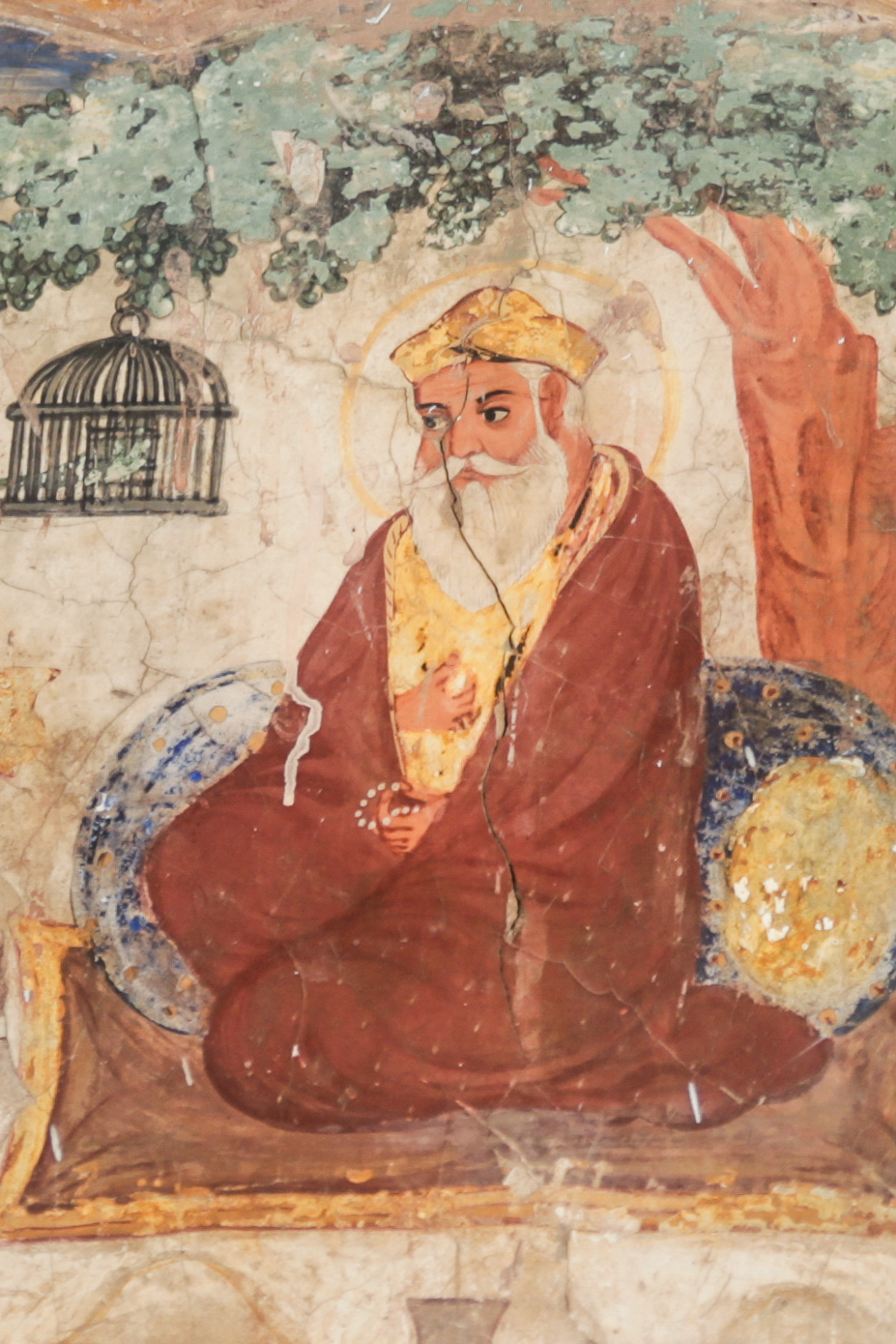
Founder of Sikhi. A poet and teacher who rejected caste and empty ritual and taught devotion to one formless God through the Name, honest work and sharing.
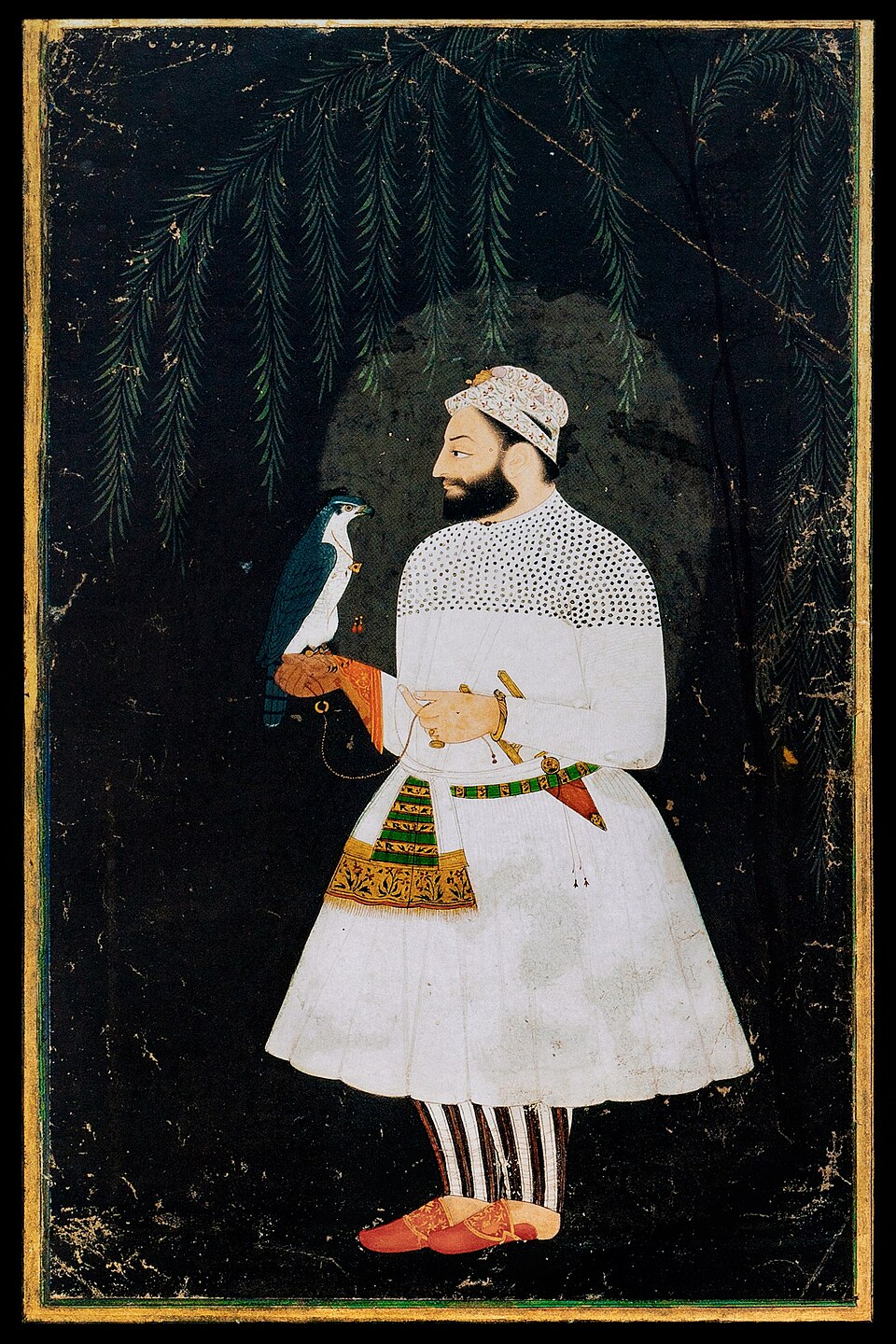
Sixth Guru. Wore two swords, miri and piri, for worldly and spiritual authority, built the Akal Takht and fought the first Sikh battles against Mughal forces.
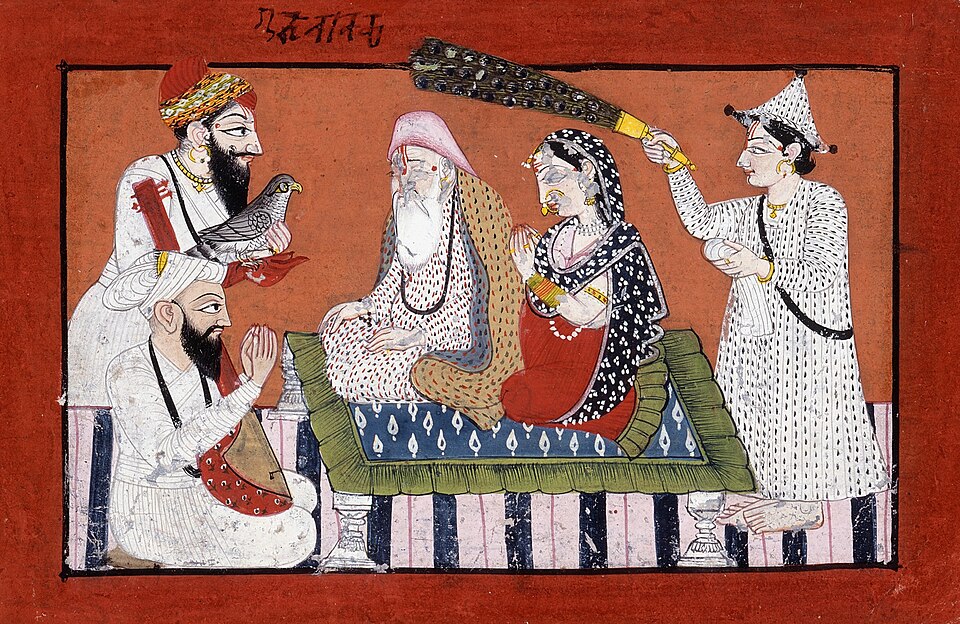
Wife of Guru Nanak, married at Batala, and mother of Sri Chand and Lakhmi Das.