Devotees and companions
The men and women around the Gurus, and those who served the poor.
Gurus and Mughals
1469 – 1708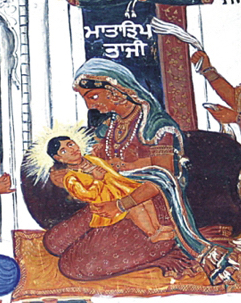
Guru Nanak's mother, who in the janamsakhis defends her son's unworldly ways against his father's frustration.
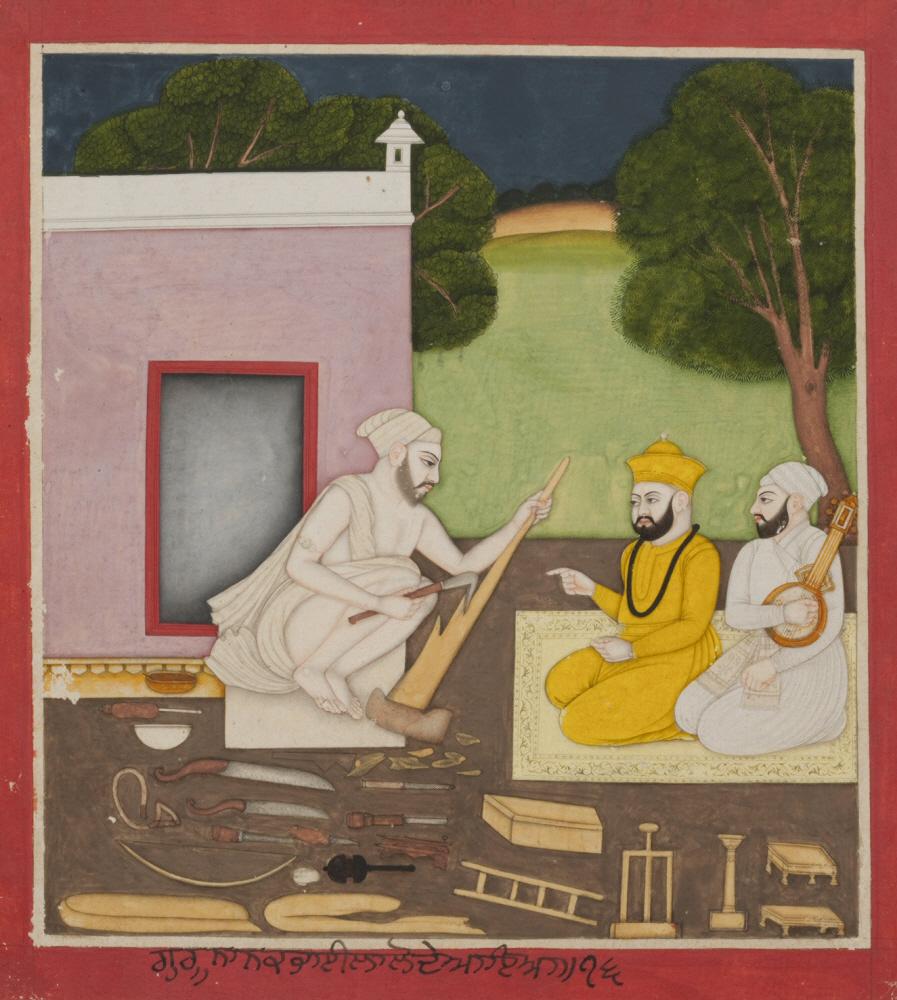
Carpenter of Saidpur whose coarse bread, earned by honest work, Guru Nanak chose over the feast of the official Malik Bhago.
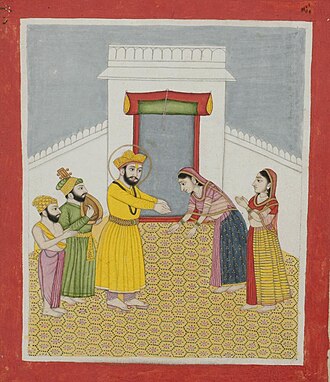
Guru Nanak's elder sister, remembered as the first to recognise him as a spiritual teacher.
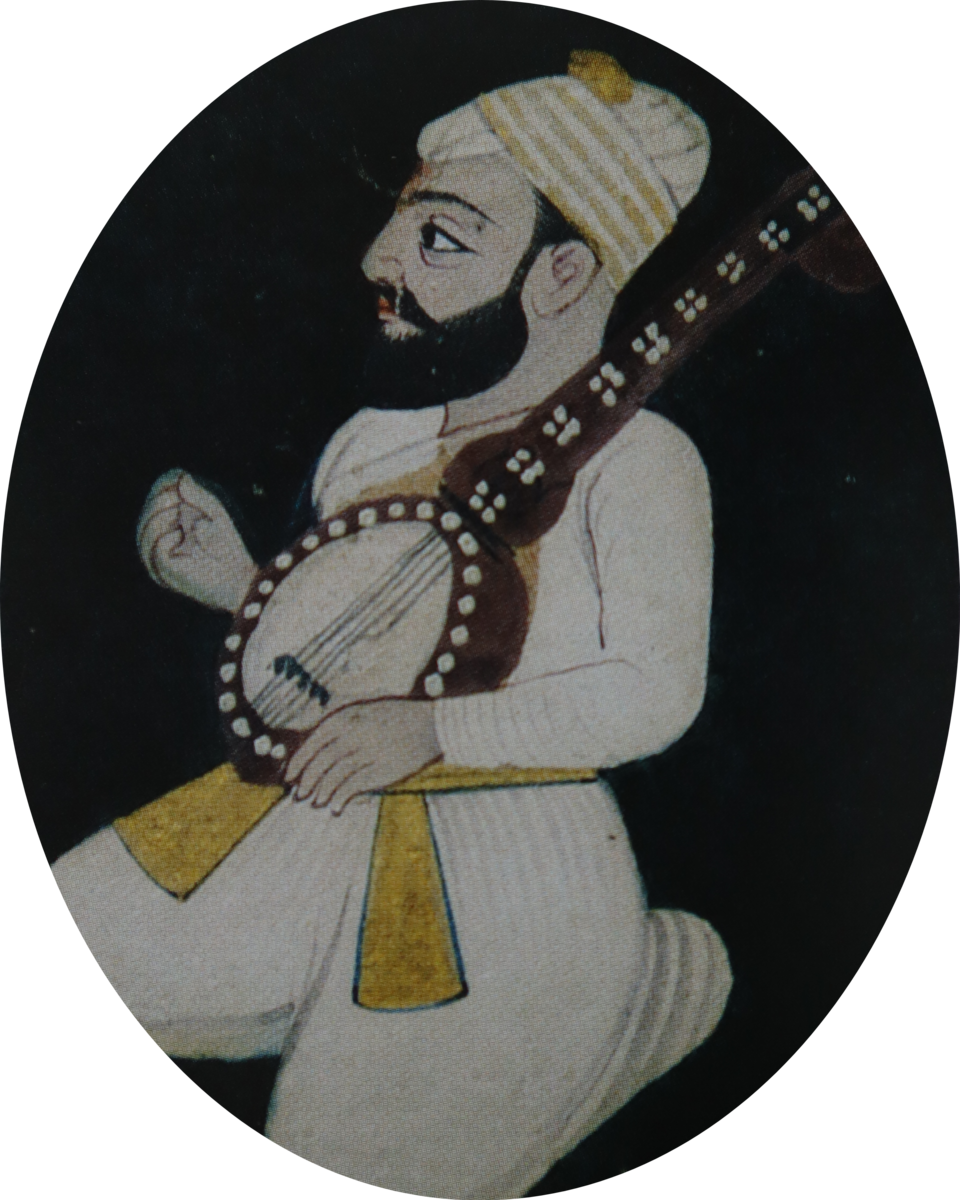
Muslim rabab player and Guru Nanak's lifelong companion on his journeys. Three of his saloks are in the Guru Granth Sahib.
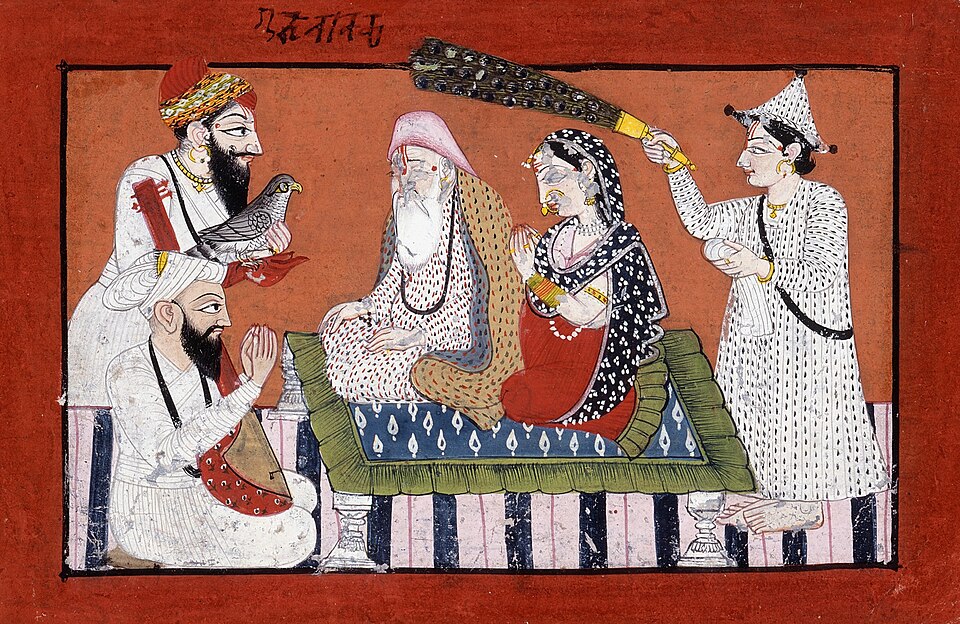
Wife of Guru Nanak, married at Batala, and mother of Sri Chand and Lakhmi Das.
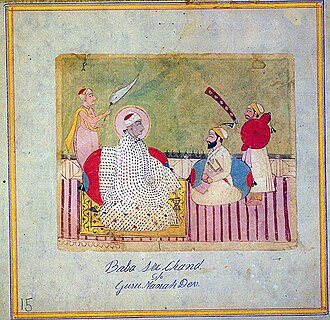
Guru Nanak's elder son, an ascetic who founded the Udasi order. He was passed over for the Guruship but stayed on good terms with later Gurus.
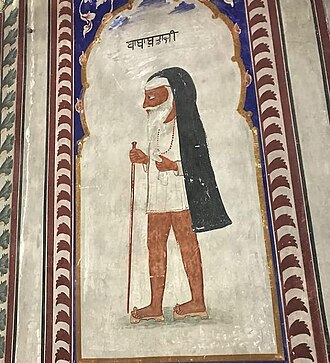
Disciple of Guru Nanak who lived to anoint five more Gurus and was the first granthi of the Harmandir Sahib.
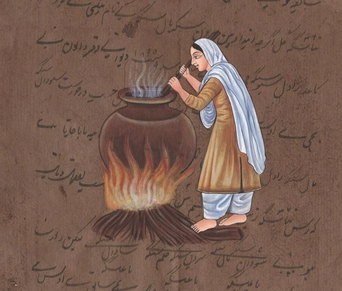
Wife of Guru Angad who ran the langar at Khadur. The only woman mentioned by name in the Guru Granth Sahib.
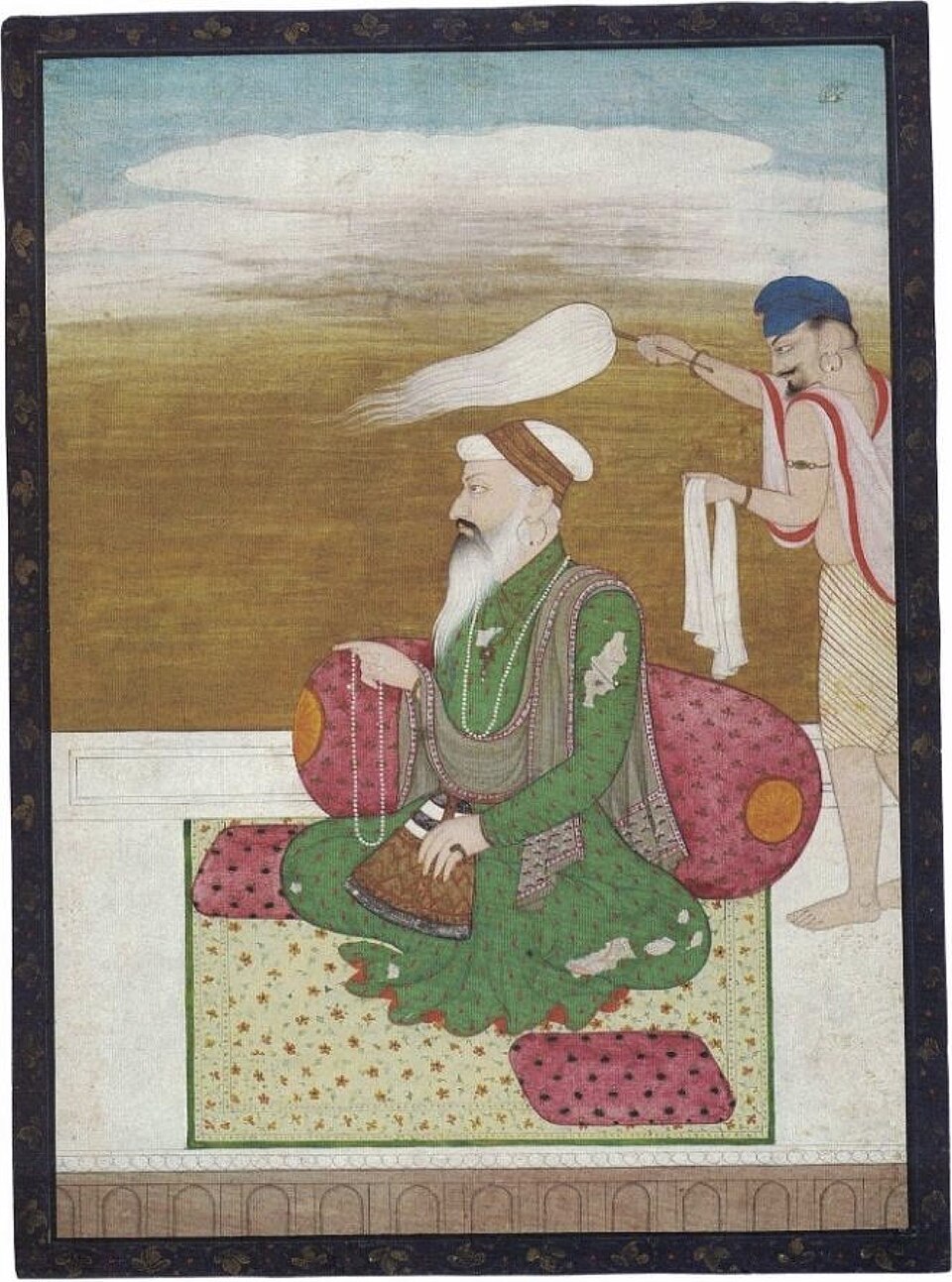
Daughter of Guru Amar Das, wife of Guru Ram Das and mother of Guru Arjan, remembered for her devoted service.
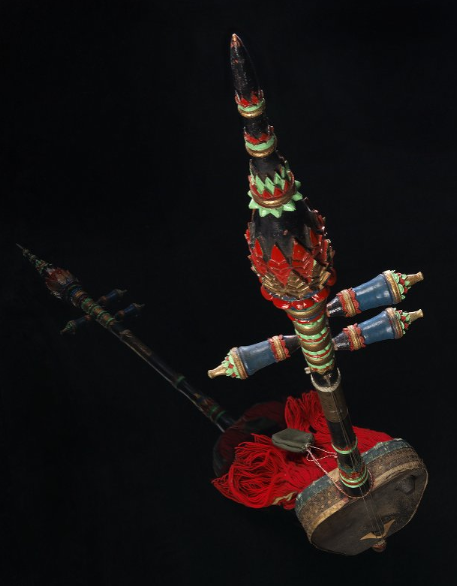
Muslim minstrels at the Gurus' court whose Ramkali ki Var, a ballad on the unity of the Gurus, is in the Guru Granth Sahib.
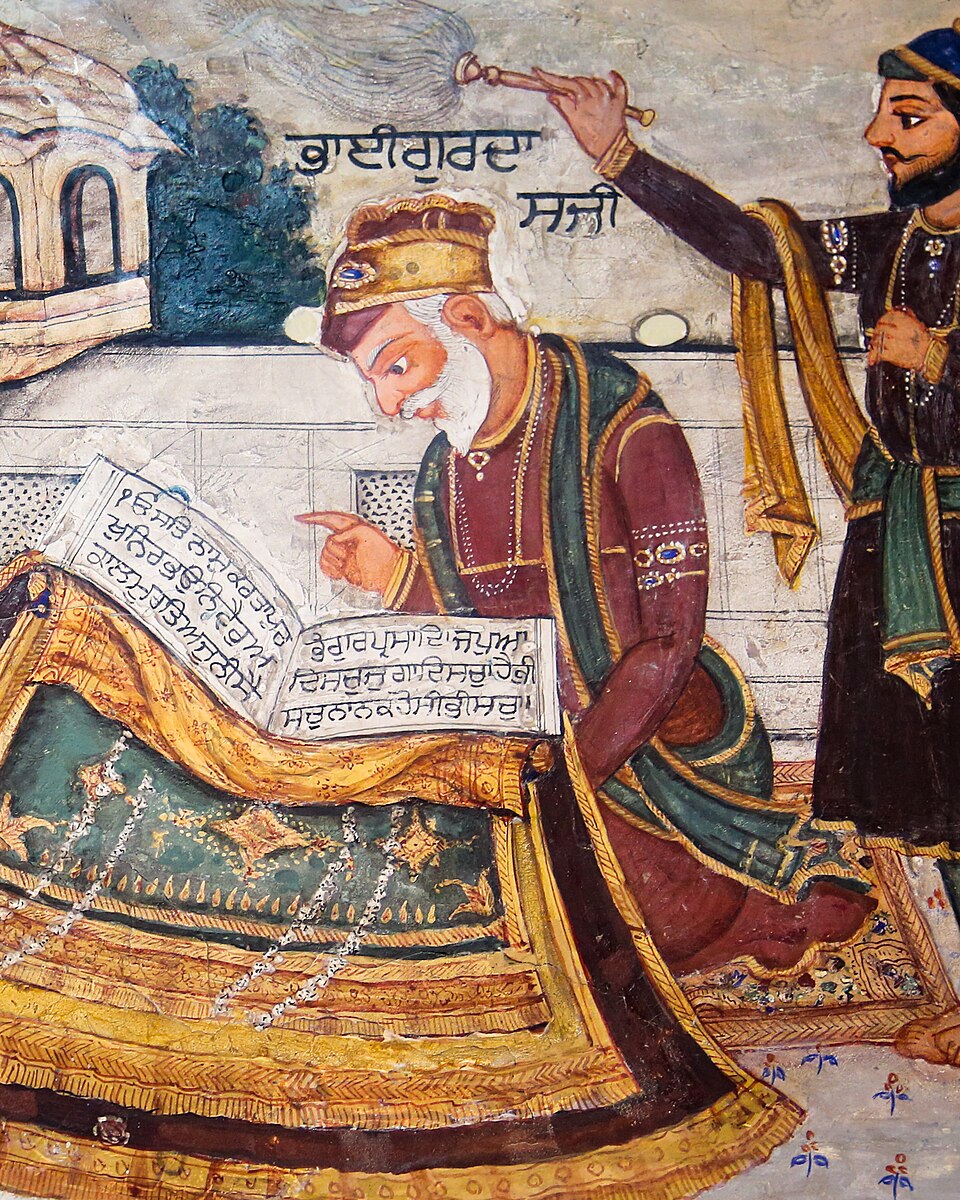
Scribe of the Adi Granth and author of the Vaaran, which Guru Arjan called the key to understanding the Guru Granth Sahib.
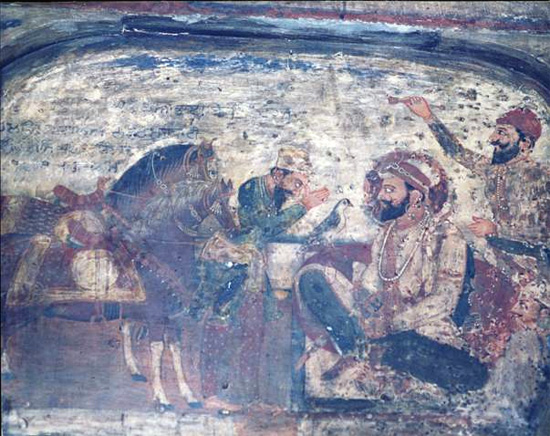
A reformed bandit who became one of Guru Hargobind's boldest commanders, remembered for recovering two horses seized from the Guru's followers.
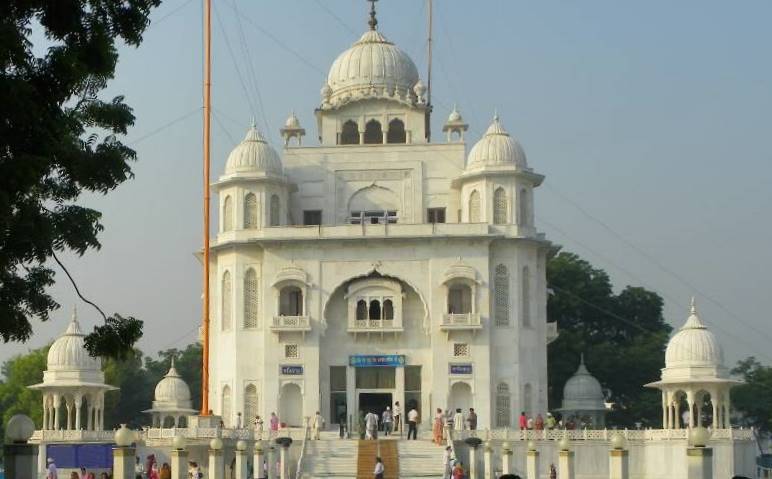
Wealthy trader who smuggled Guru Tegh Bahadur's body away in his cart and burned his own house to cremate it. Gurdwara Rakab Ganj stands there.
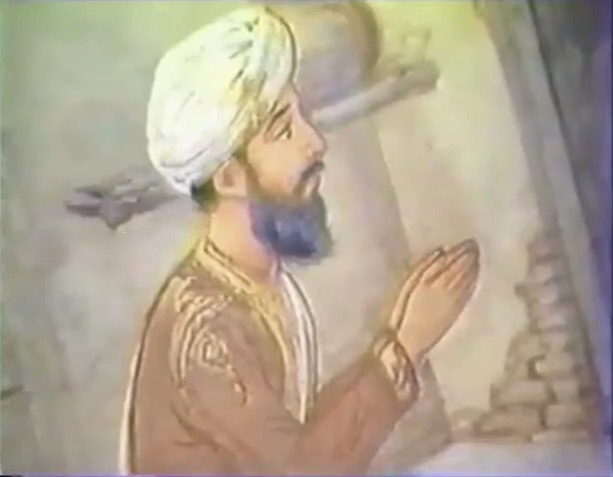
Sea trader who identified Guru Tegh Bahadur at Bakala in 1664 among 22 claimants, shouting 'Guru ladho re' from the rooftop.
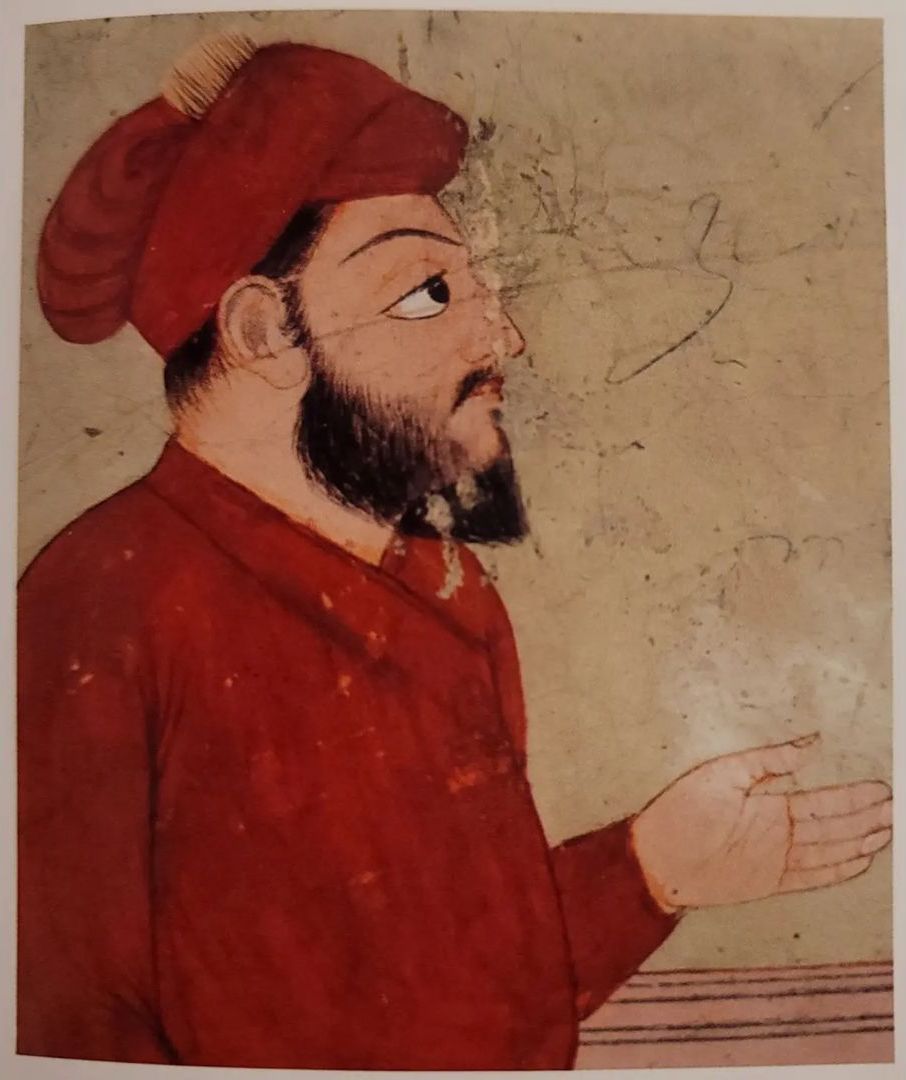
Elder son of Guru Har Rai, disowned for altering a line of scripture to please Aurangzeb. He settled in the Doon valley; the city of Dehradun grew around his dera.
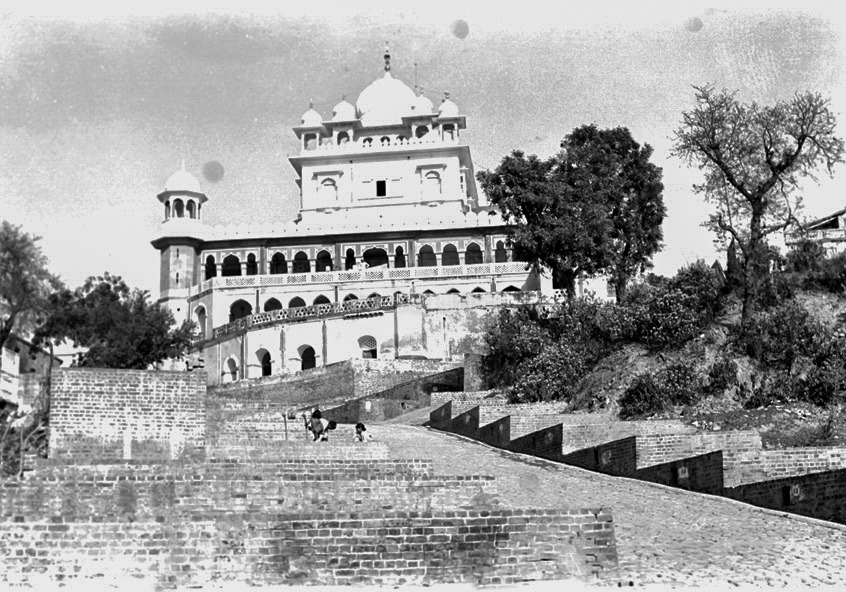
Persian poet at the court of Guru Gobind Singh. His ghazals may be sung in gurdwaras.
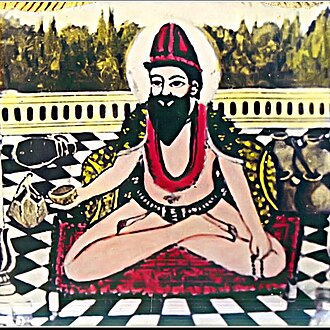
Gave water to wounded soldiers of both sides at Anandpur. The Guru gave him ointment to treat the enemy too. Seen as a forerunner of the Red Cross.
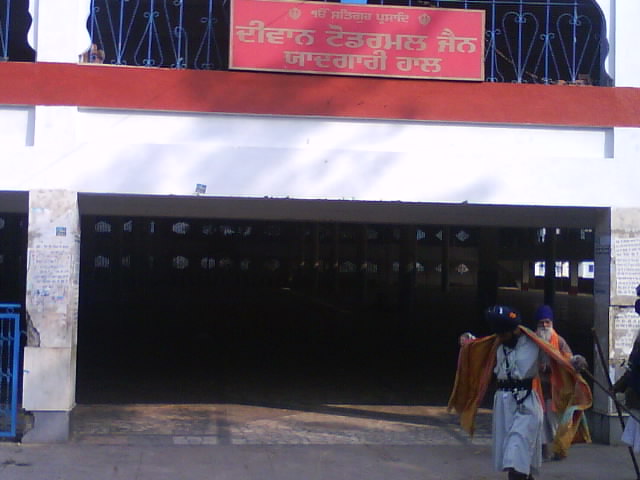
Merchant of Sirhind who bought land to cremate the Guru's younger sons and mother by covering it in gold coins, said to be the most expensive land ever bought.
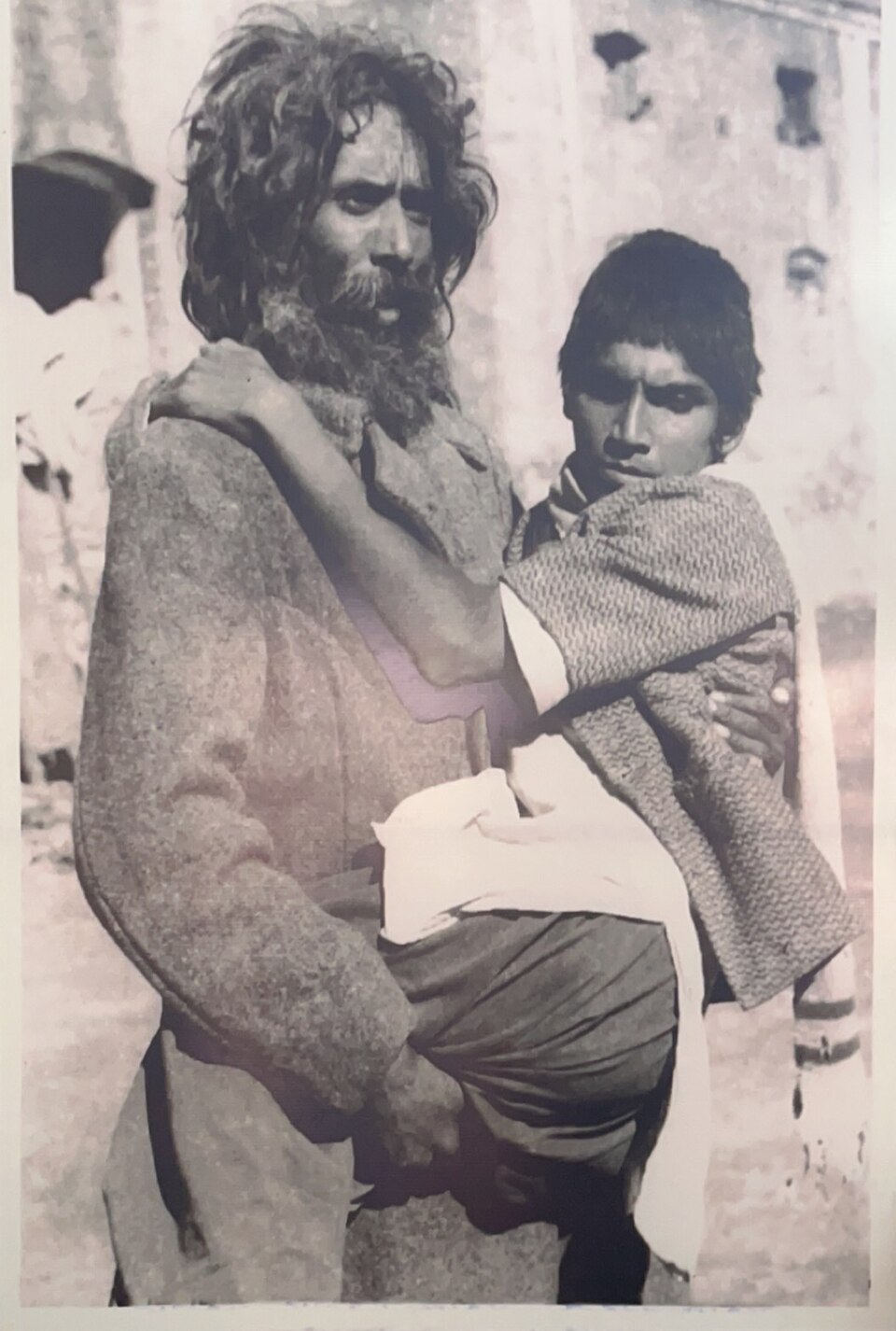
Nabi Khan & Ghani Khan17th – 18th centuryPathan horse dealers who carried Guru Gobind Singh out of Machhiwara on a litter, passing him off to Mughal patrols as a Muslim holy man.
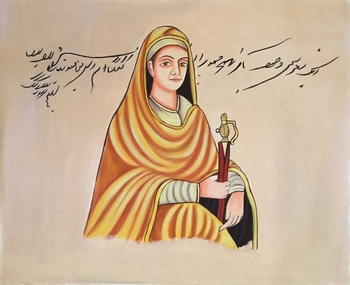
Wife of Guru Gobind Singh and mother of Ajit Singh, who led the Sikhs from Delhi for four decades after 1708 through letters of instruction.