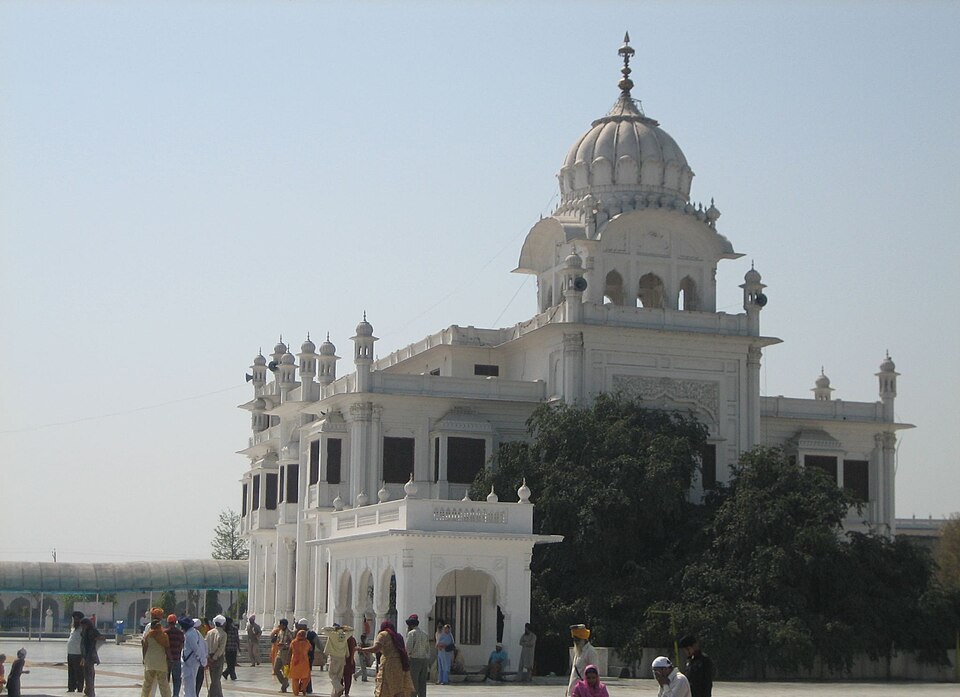
Sultanpur Lodhi
Where Guru Nanak worked as a storekeeper and, tradition holds, disappeared into the Vein rivulet for three days before proclaiming that there is no Hindu and no Muslim.
Sultanpur Lodhi, in the Doaba near the meeting of the Beas and the Sutlej, was in the fifteenth century a prosperous town and seat of the Afghan governor Daulat Khan Lodhi. Guru Nanak's sister Nanaki lived here with her husband, and she brought her brother here to work as a storekeeper in the governor's granary.
Here, around 1499, Nanak went into the little river Vein one morning and disappeared for three days, emerging to say there is no Hindu and no Muslim. Gurdwara Ber Sahib stands beside the Vein, under a ber tree said to have been planted by the Guru himself; Gurdwara Hatt Sahib marks his shop, where he is said to have counted 'tera, tera', 'yours, yours', as he weighed out grain. His sons Sri Chand and Lakhmi Das were born here.
The Vein had become a polluted drain by the 2000s; the environmentalist Sant Balbir Singh Seechewal led a volunteer campaign that cleaned it, and it now flows clear past the gurdwara.
People
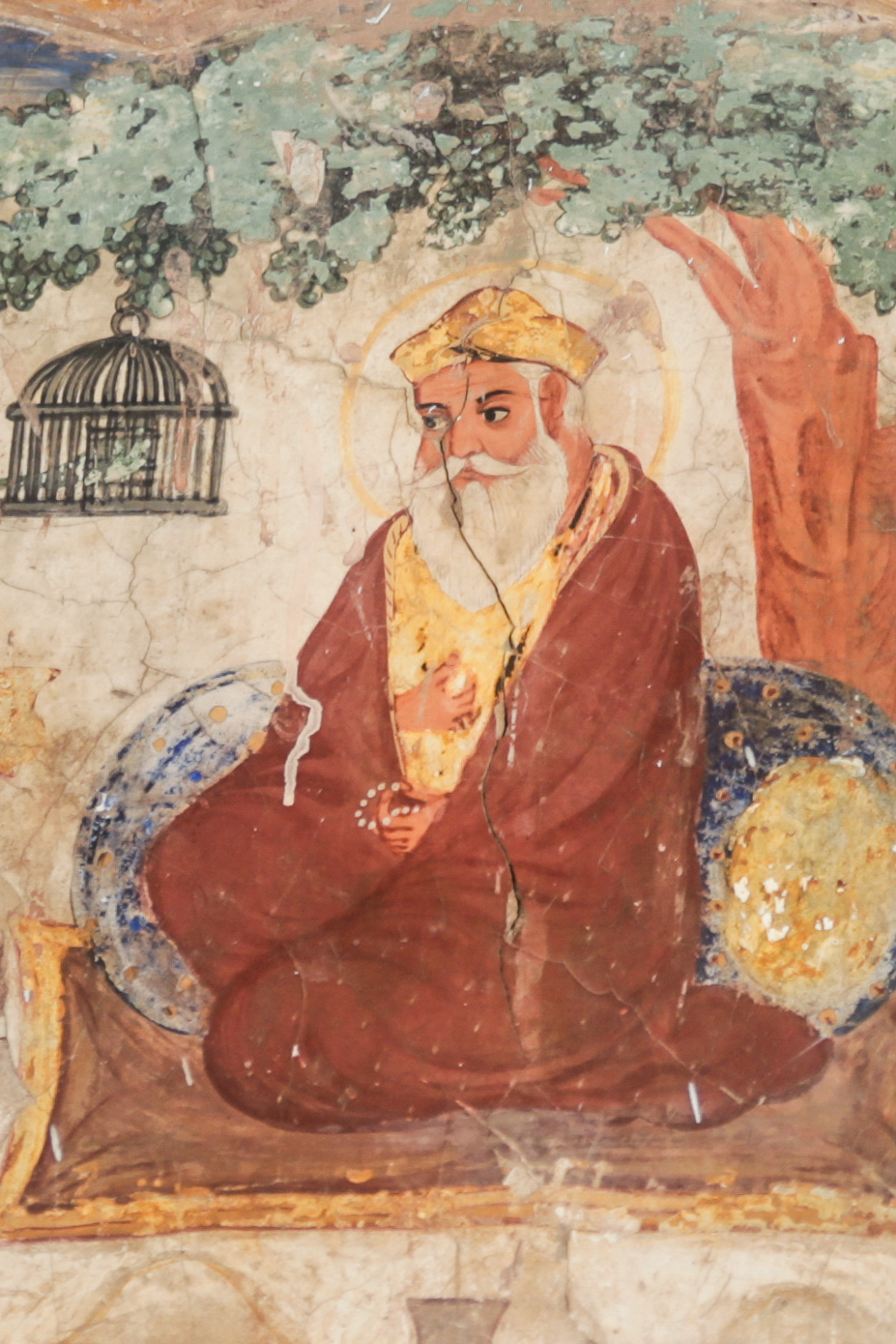
Founder of Sikhi. A poet and teacher who rejected caste and empty ritual and taught devotion to one formless God through the Name, honest work and sharing.
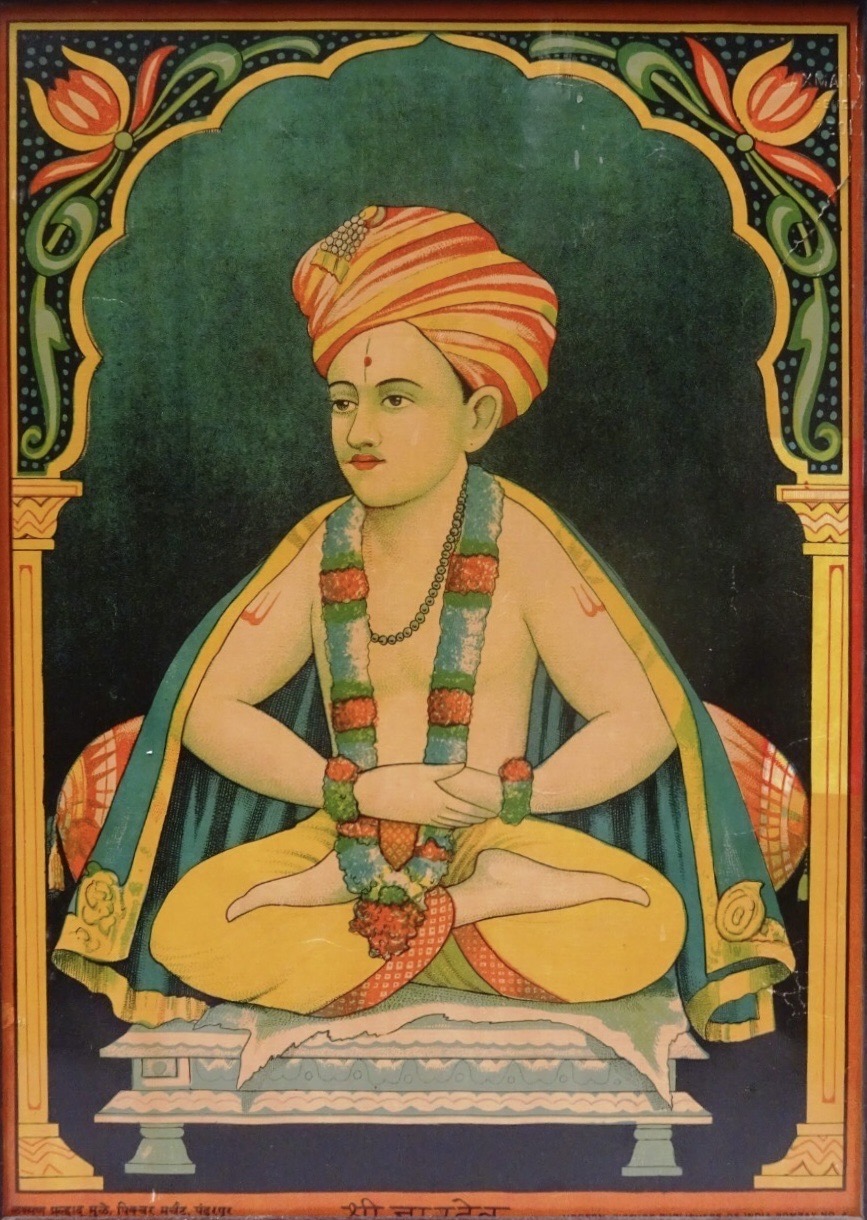
Calico printer and tailor from Maharashtra, one of the earliest bhagats. Spent his last years in Ghuman in Punjab.
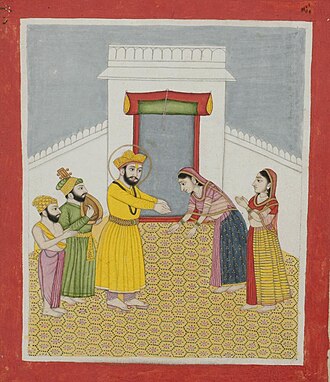
Guru Nanak's elder sister, remembered as the first to recognise him as a spiritual teacher.
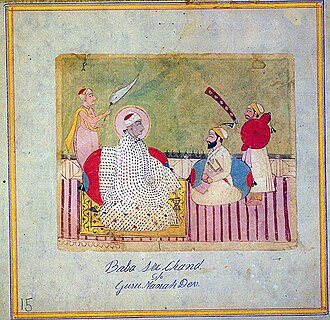
Guru Nanak's elder son, an ascetic who founded the Udasi order. He was passed over for the Guruship but stayed on good terms with later Gurus.
 Guru Nanak at the Modikhana of Sultanpur LodhiAsian Art Museum, San Francisco · photo Wikimedia Commons (Wikimedia Commons) ↗