Poets and writers
From Damodar's Heer to Amrita Pritam, Faiz, Manto and the novelists of both Punjabs.
Gurus and Mughals
1469 – 1708
Misls and Afghans
1708 – 1799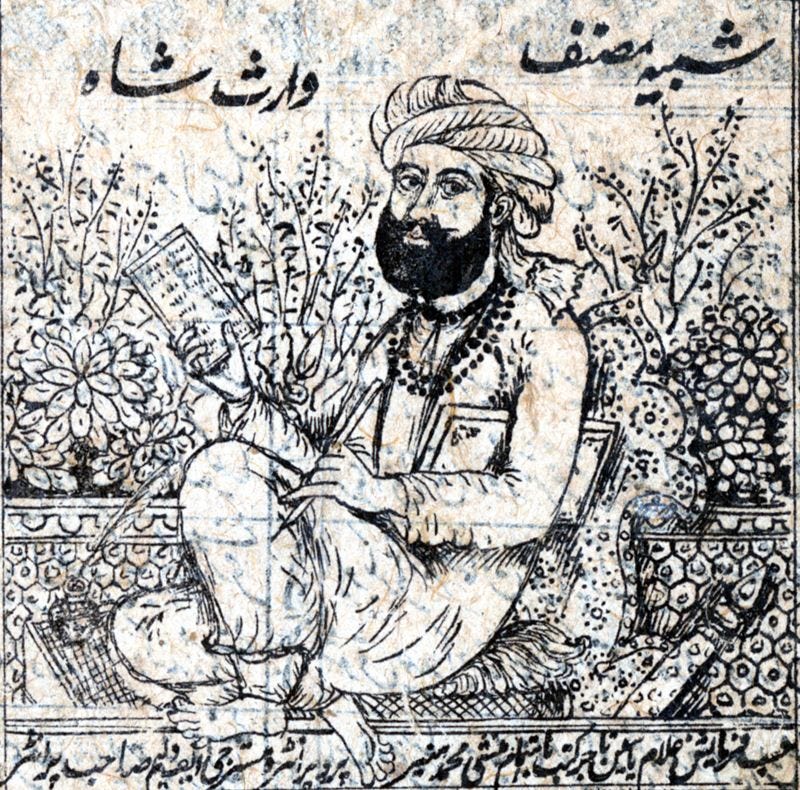
The Kingdom of Lahore
1799 – 1849
Colonial Punjab
1849 – 1947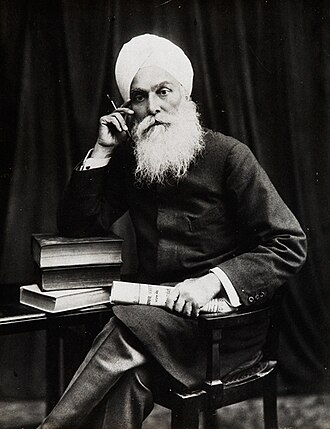
Scholar who compiled the Mahan Kosh, a vast encyclopedia of Sikh literature, and wrote Ham Hindu Nahin.
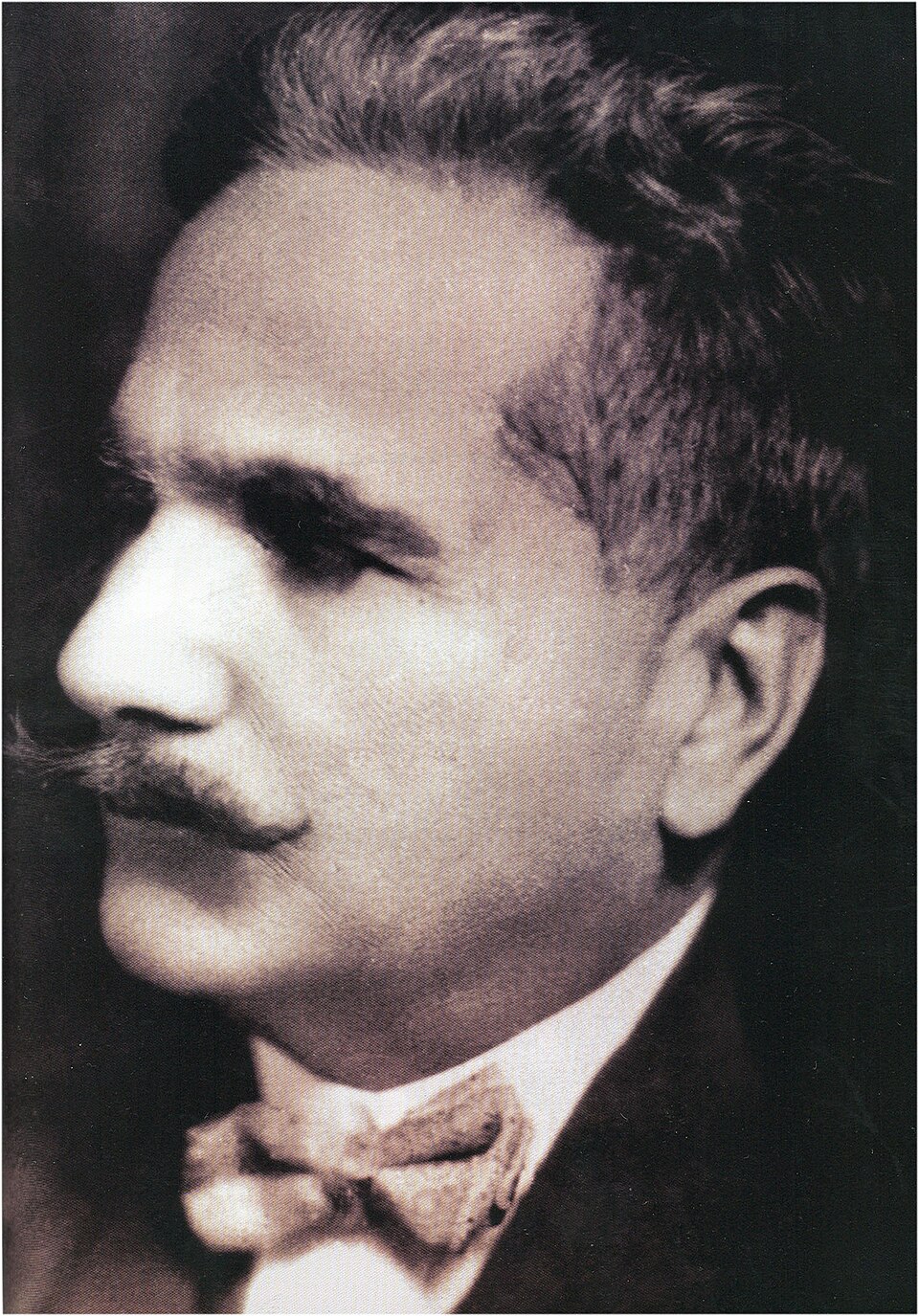
Poet-philosopher of Sialkot and Lahore, writing in Urdu and Persian, who wrote a celebrated poem on Guru Nanak and later argued for a Muslim homeland.
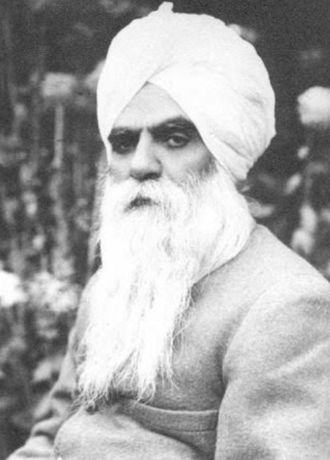
Father of modern Punjabi literature: poet, novelist and editor in the Singh Sabha movement, whose Rana Surat Singh is the first Punjabi epic in modern verse.
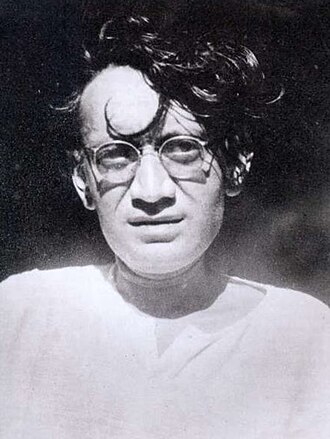
Short-story writer born near Ludhiana whose stories of Partition, such as Toba Tek Singh, are the sharpest record of its madness.
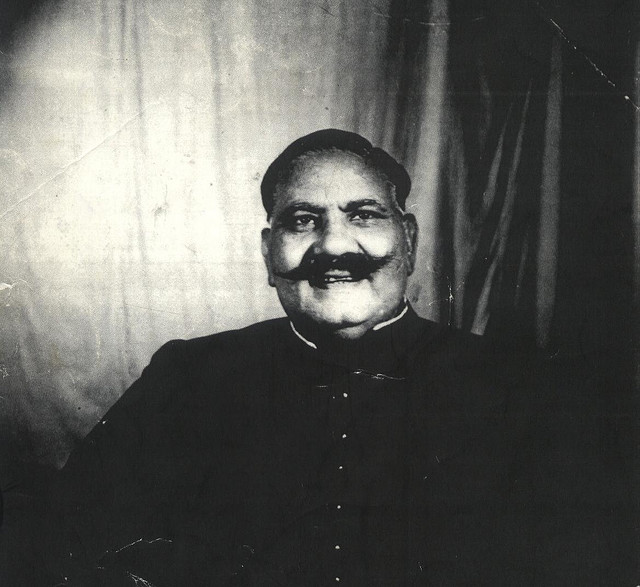
Singer of Kasur and the Patiala gharana, one of the greatest voices of Hindustani classical music.
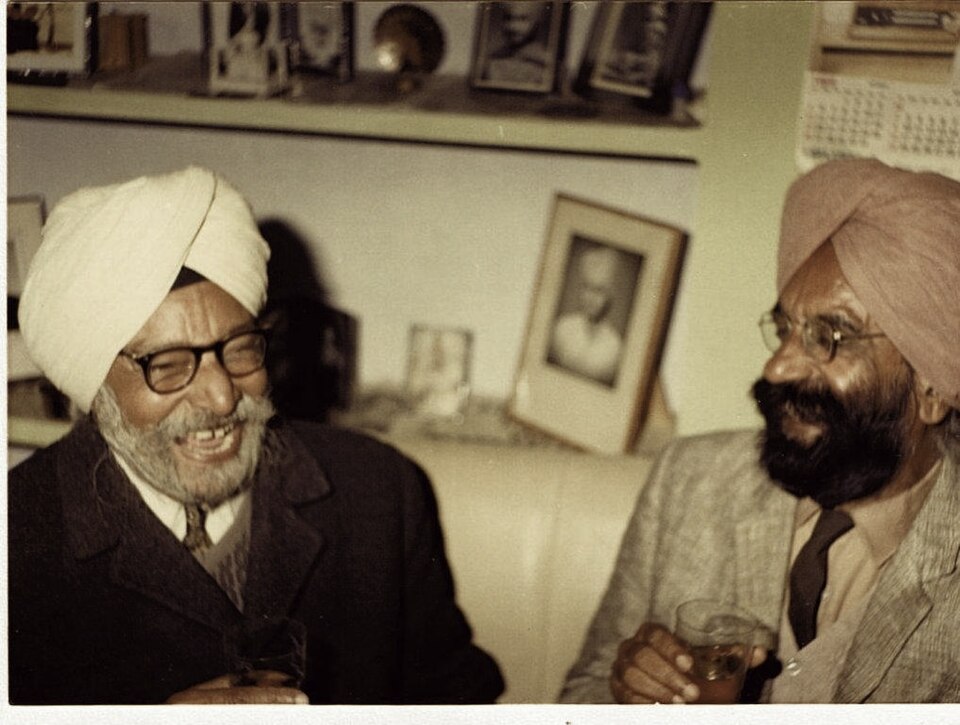
Playwright and critic from the canal colonies of Lyallpur who brought modern drama and Marxist criticism into Punjabi.
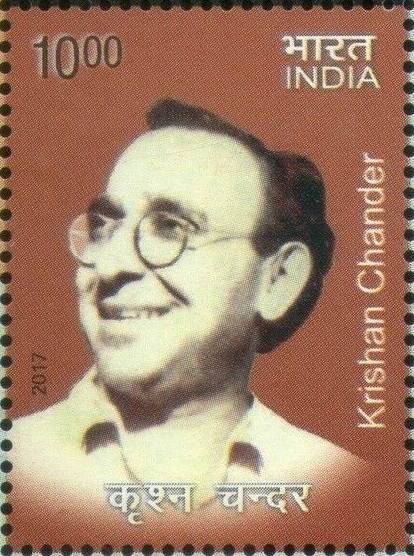
Urdu writer from Wazirabad whose story Peshawar Express follows a train through the killings of 1947.
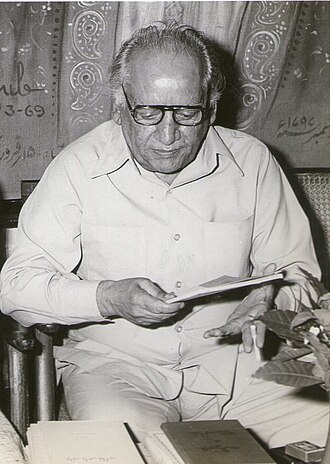
Urdu poet from Sialkot whose 'Subh-e-Azadi' mourned the dawn of 1947 as 'not the dawn we longed for'.
Tailor-poet of Lahore, the people's poet of the Punjabi language, who mocked every government from the stage.
Two Punjabs
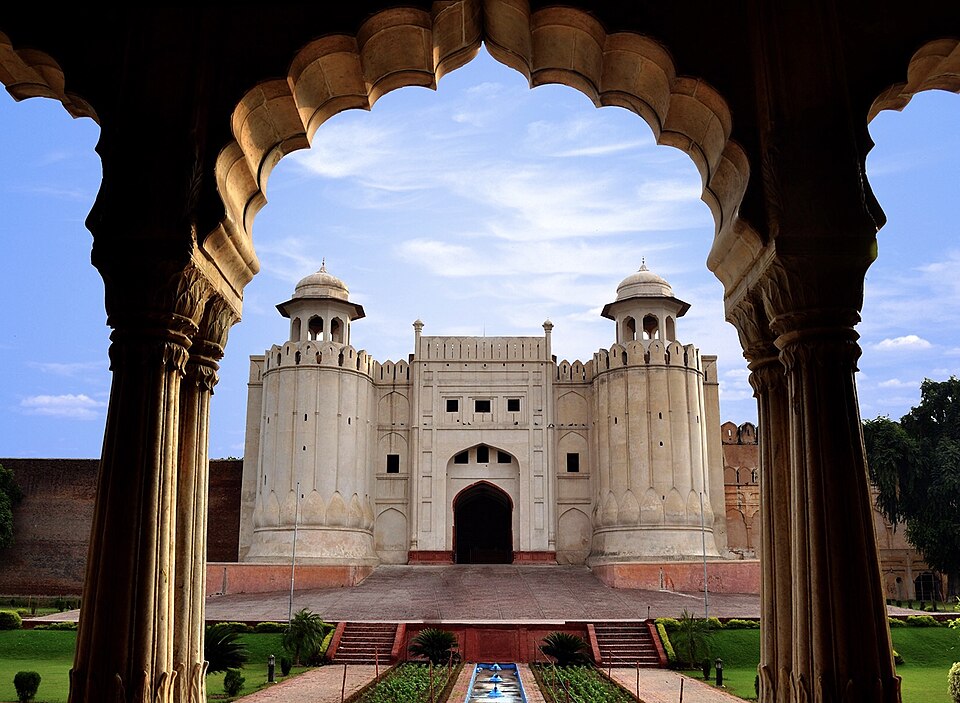
1947 – today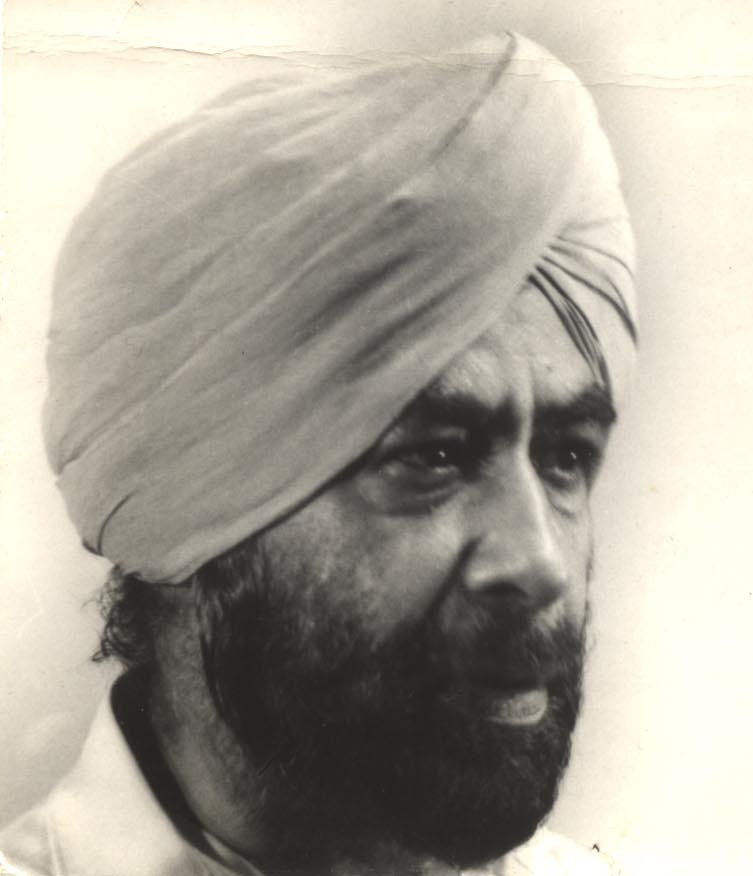
Urdu short-story master from Lahore whose novella Ek Chadar Maili Si tells of a Punjabi village widow.
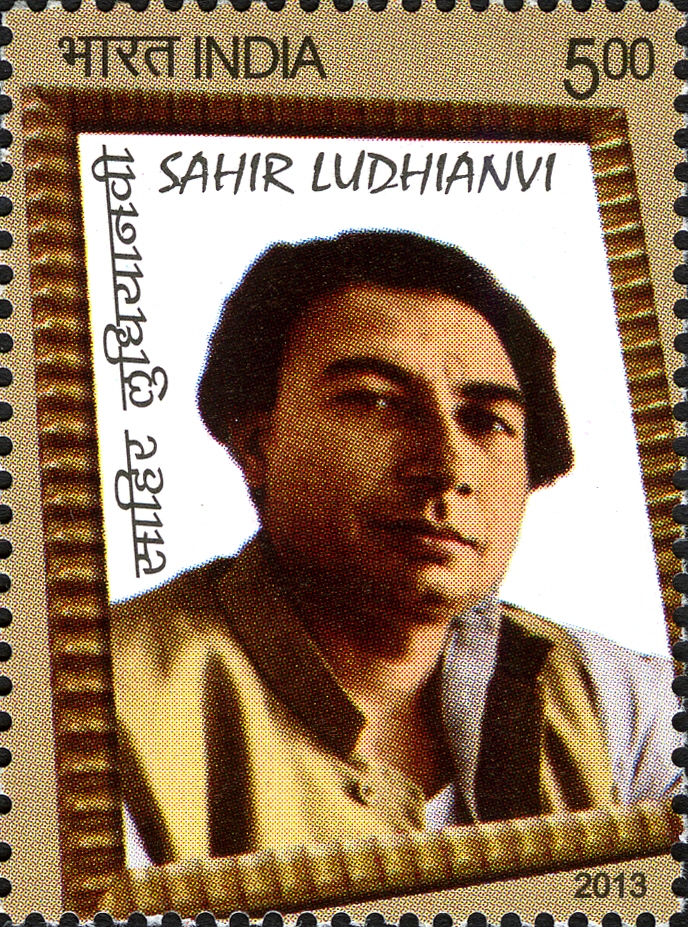
Urdu poet from Ludhiana whose sharp, socialist lyrics changed the Hindi film song.
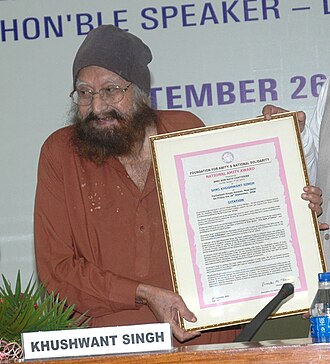
Novelist and historian from Hadali in the Salt Range. His Train to Pakistan and two-volume History of the Sikhs are classics.
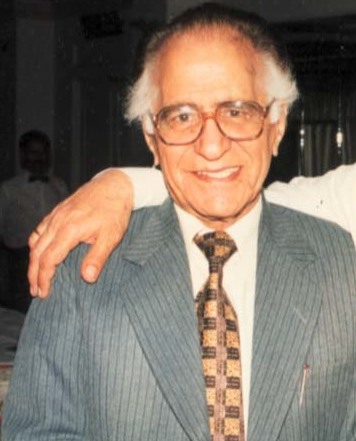
Urdu poet and short-story writer of the Punjab village, born in the Soon valley of the Salt Range.
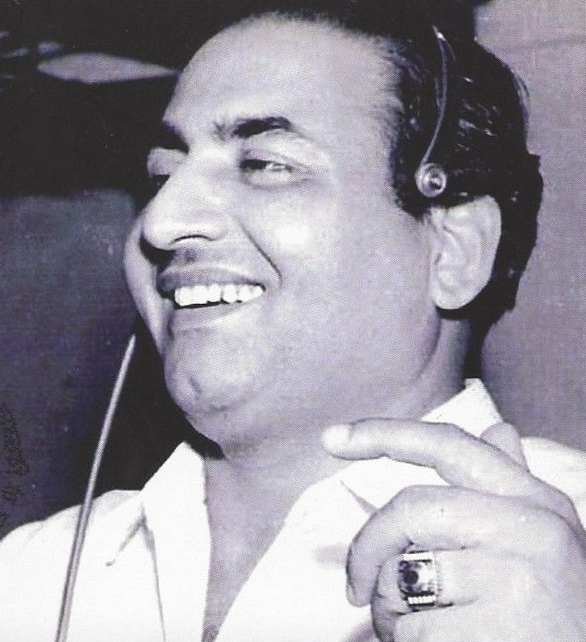
Singer from a village near Amritsar who grew up in Lahore and became the voice of Hindi cinema.
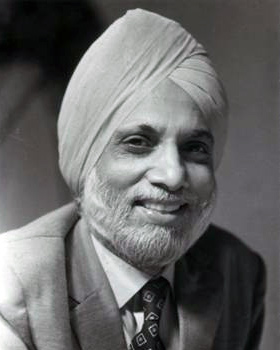
Short-story writer from the Pothohar who wrote in its own Punjabi and won the Sahitya Akademi award in 1965.
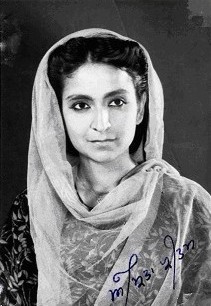
The leading woman poet of Punjabi, born in Gujranwala. Her elegy for Partition calls on Waris Shah to rise from his grave and write a new verse for the daughters of Punjab.
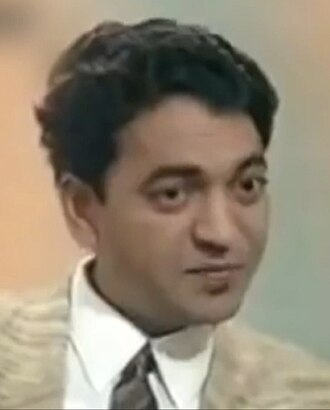
Romantic poet of pain, the youngest winner of India's Sahitya Akademi award, for his verse play Loona.
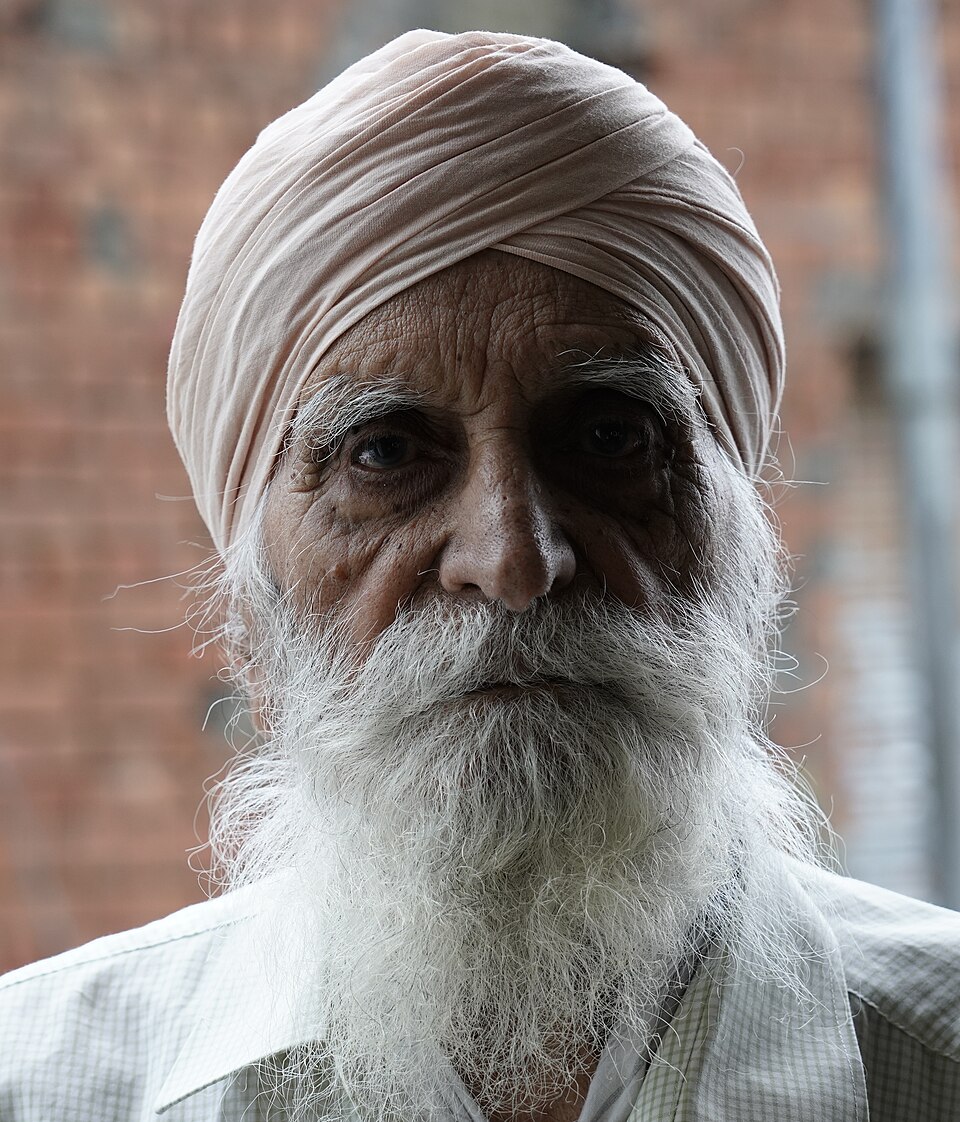
Punjabi novelist from Moga who wrote of farmers and revolutionaries for eighty years and lived to 100.
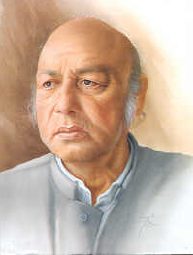
Revolutionary poet born near Hoshiarpur, jailed again and again in Pakistan for poems against military rule.
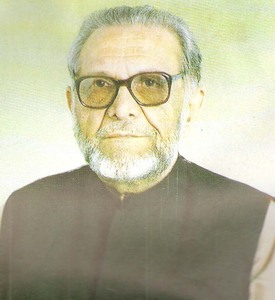
Writer and broadcaster from Muktsar, whose short story Gadariya and Sufi-tinged television talks made him a household voice in Pakistan.
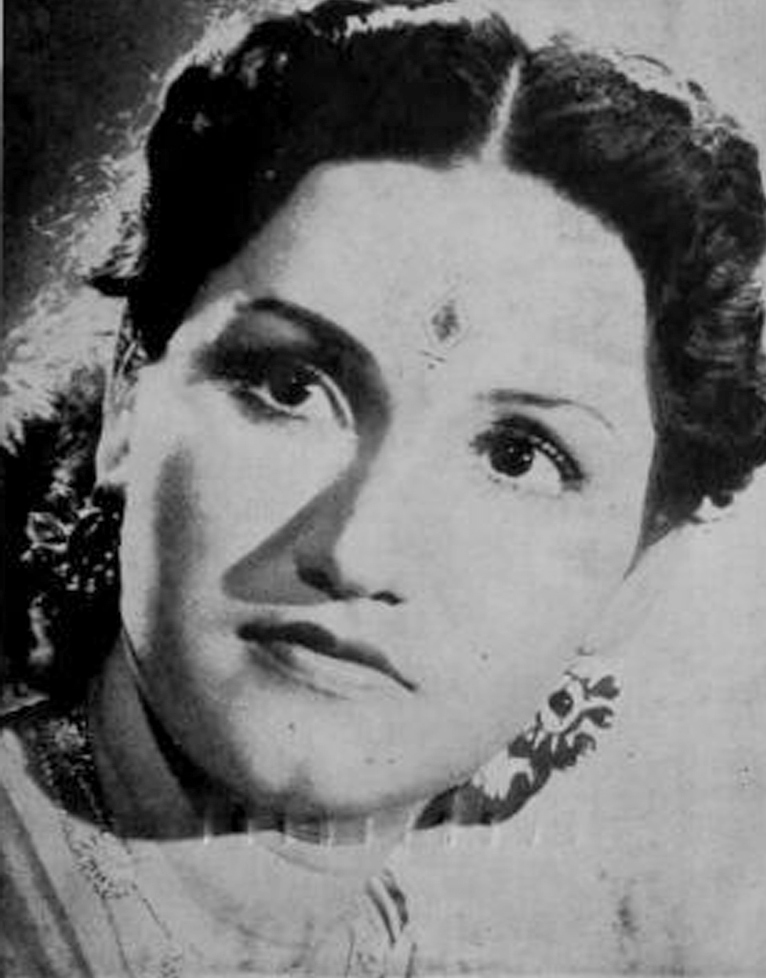
Singer and actress of Kasur, the Malika-e-Tarannum, queen of melody, whose voice filled the films and radios of both Punjabs.
Poet in Urdu and Punjabi, born near Hoshiarpur, a voice of loneliness and lost places after Partition.
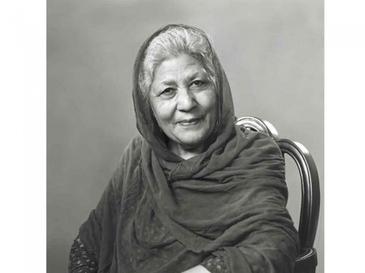
Novelist born in Ferozepur whose Raja Gidh is one of the most read Urdu novels in Pakistan.
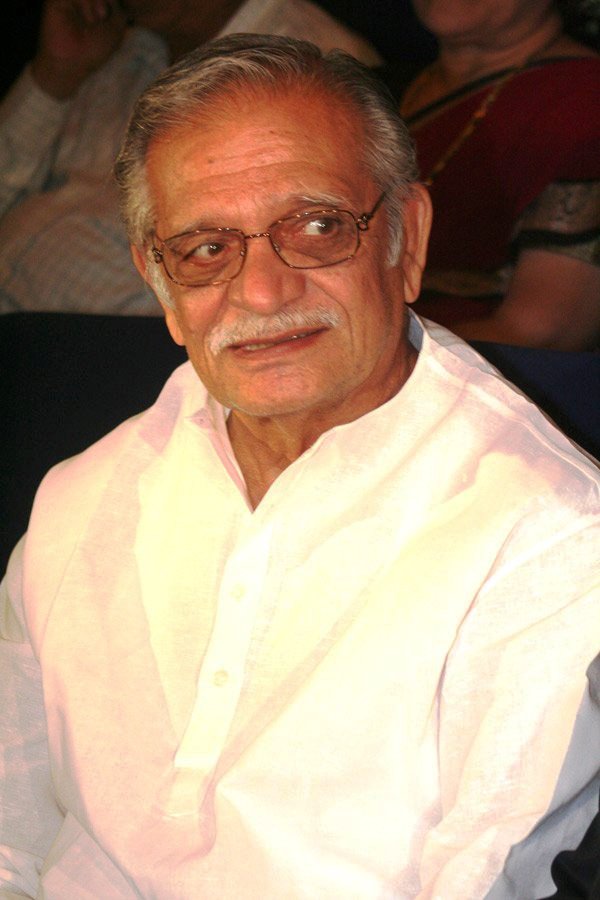
Poet, lyricist and film-maker born at Dina near Jhelum, whose Partition memories run through his work.
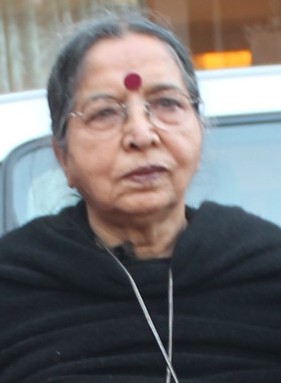
Punjabi writer born in Lahore, whose autobiography Khanabadosh tells of a woman's life after Partition.
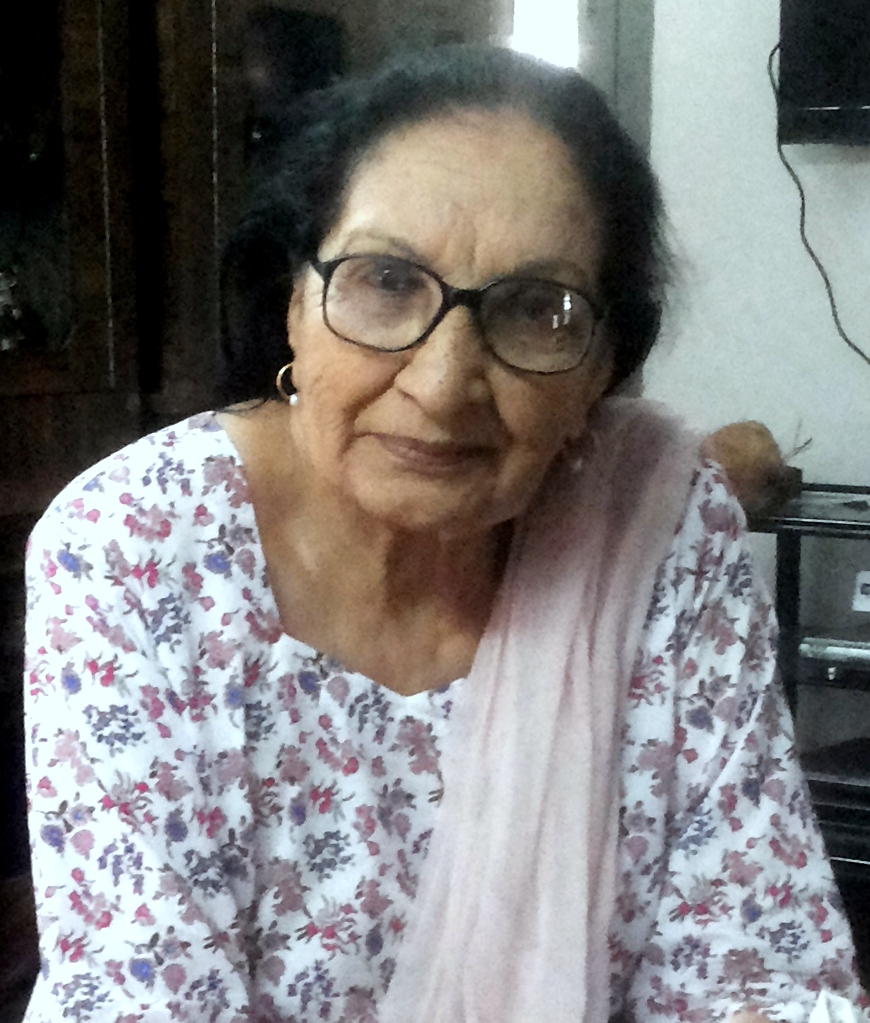
Punjabi novelist whose stories of village women's lives won every major prize, and who returned her Padma Shri in protest in 2015.
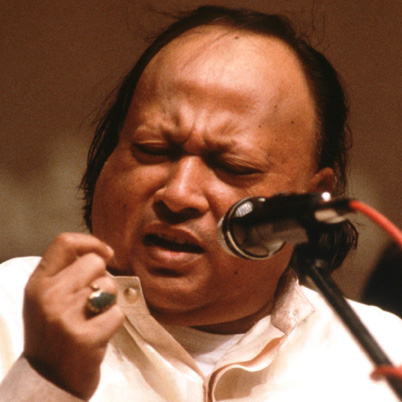
Qawwal of Faisalabad who carried the Sufi songs of the Punjab to the whole world.
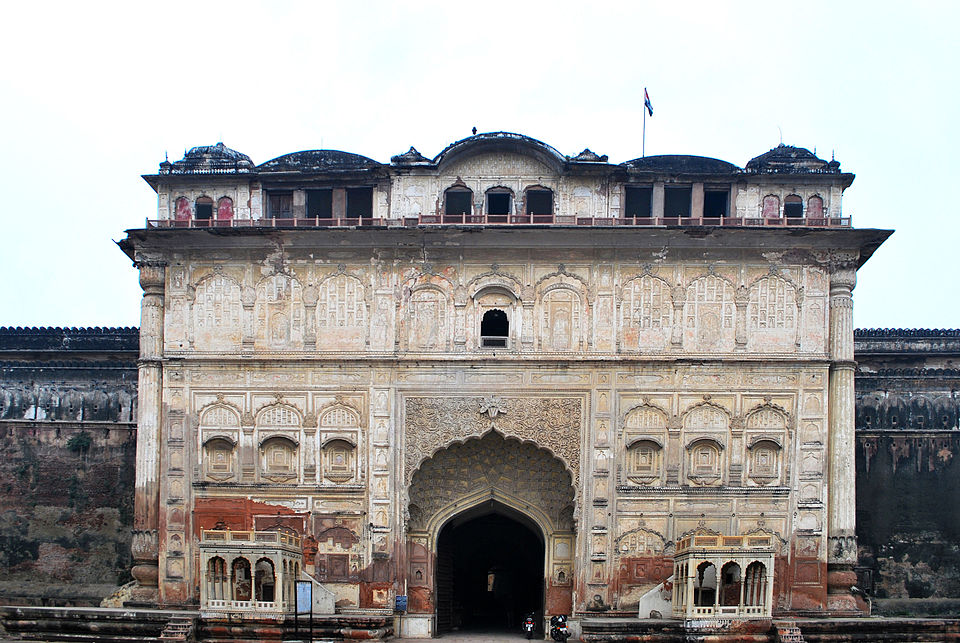
Painter from Dhuri whose flat fields of pure colour, flutes, cows and Sufi figures made him one of India's best-loved modern artists.
Lahore novelist and travel writer, author of Bahao, a novel set in the dying world of the Indus cities.
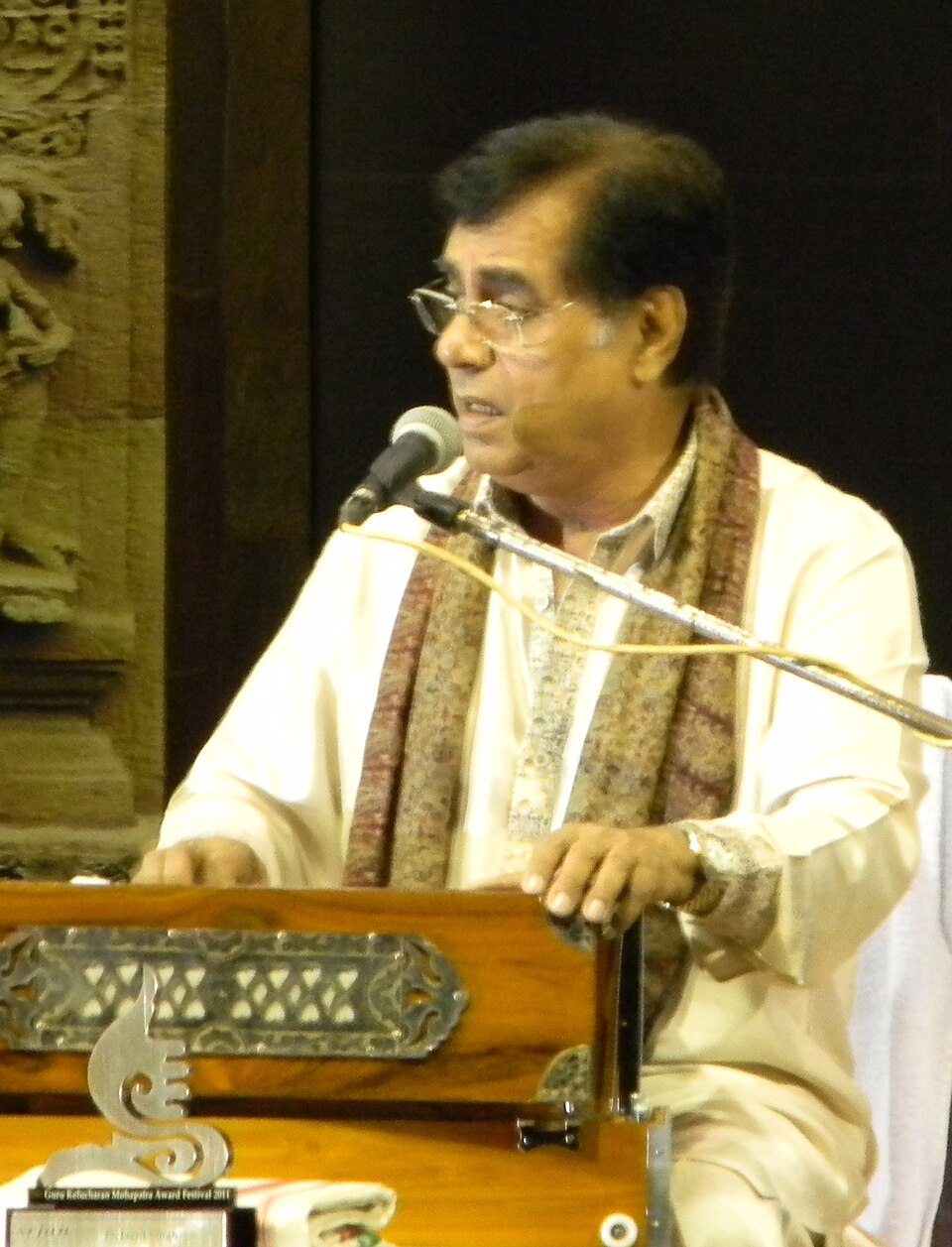
Ghazal singer from a Punjabi Sikh family who brought the ghazal to a mass audience in India.
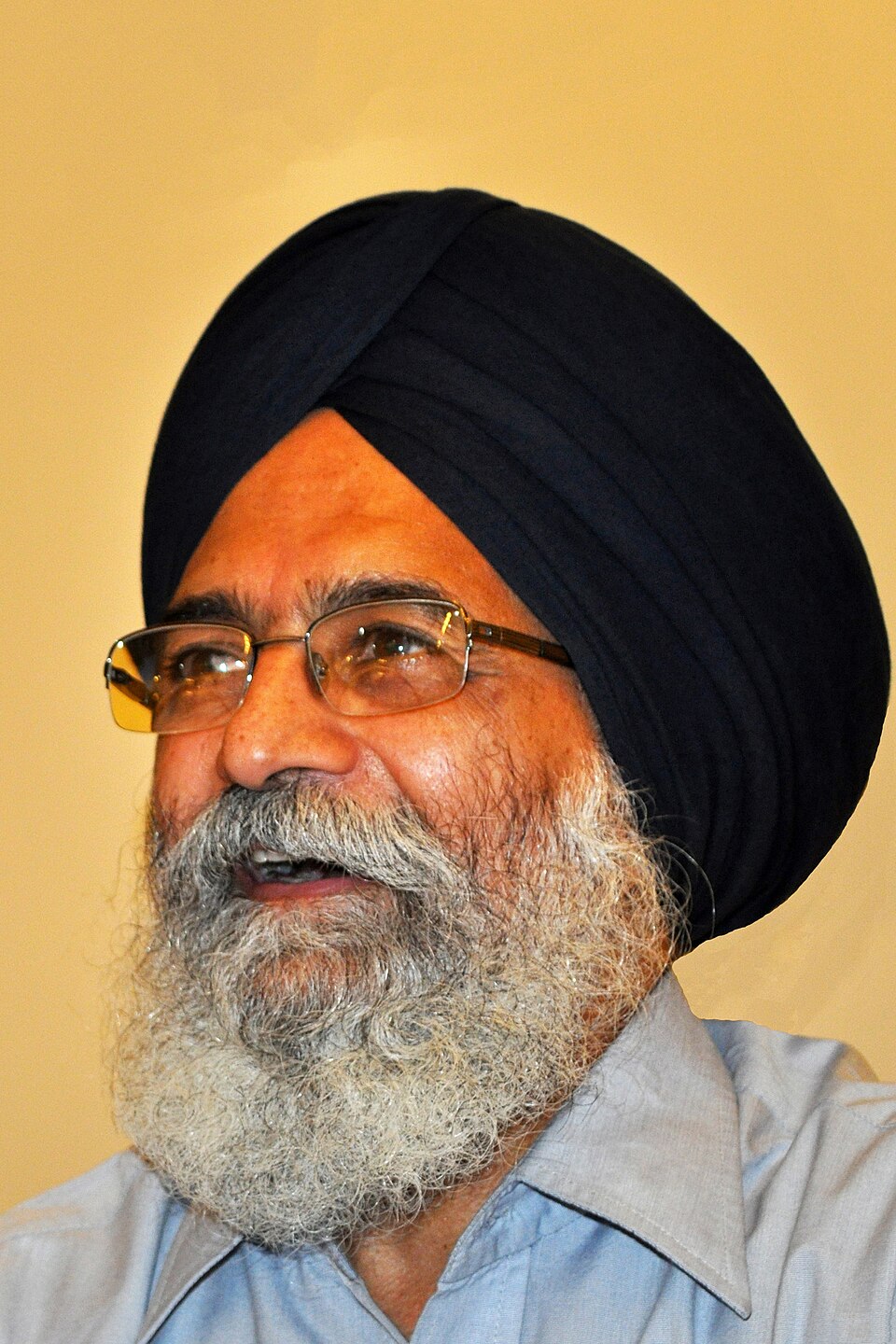
Among the most loved Punjabi poets of recent decades, known for ghazals that mix classical form with everyday speech.