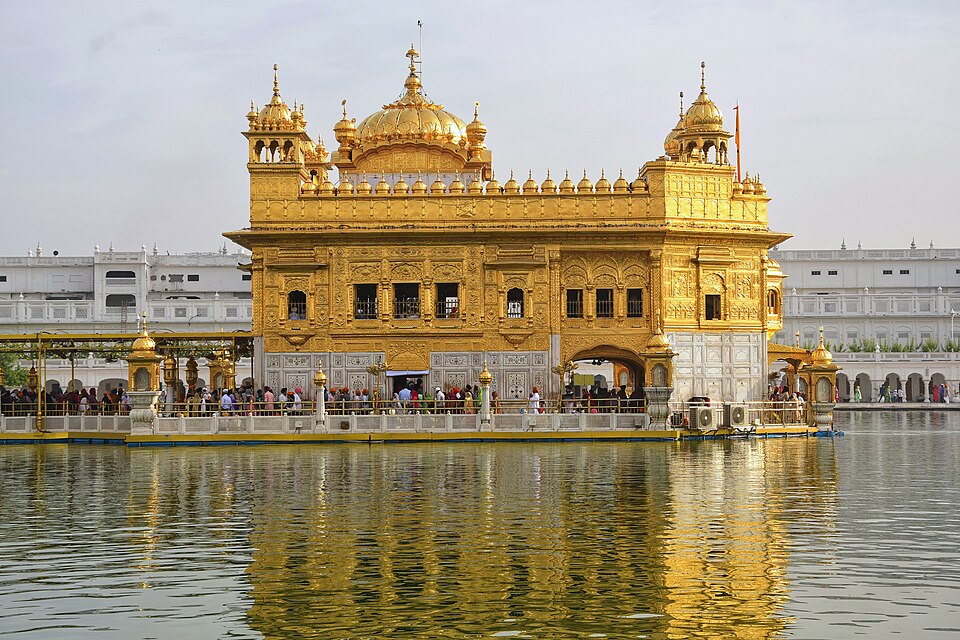
Last stand at the Akal Takht
During Abdali's seventh invasion a small band stayed to defend the Harmandir Sahib and died to a man.
In December 1764 Ahmad Shah Abdali invaded the Punjab for the seventh time and marched to Amritsar. The Sikh armies had withdrawn into the countryside to wear him down.
Only thirty Sikhs remained at the Akal Takht, led by Baba Gurbakhsh Singh, then about seventy-six. On 1 December, as the Afghan army approached, they came out to meet it. They fought until every one was killed.
Qazi Nur Muhammad, a Muslim chronicler with Abdali's army, wrote in his Jangnama of the courage of the thirty, and called the Sikhs lions. His account, though full of abuse, is one of the best contemporary descriptions of the Khalsa.
Same era
Misls, Mughals and Afghans, 1709 – 1799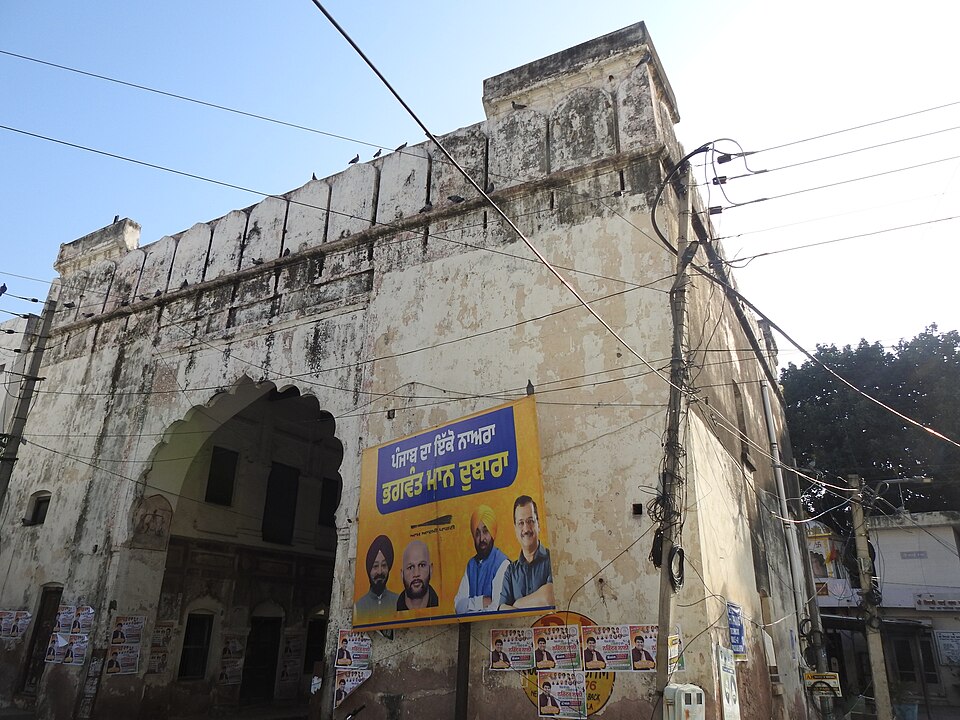
Banda Singh's first great strike, on a wealthy town that was home to the executioners of Guru Tegh Bahadur and the younger Sahibzade.
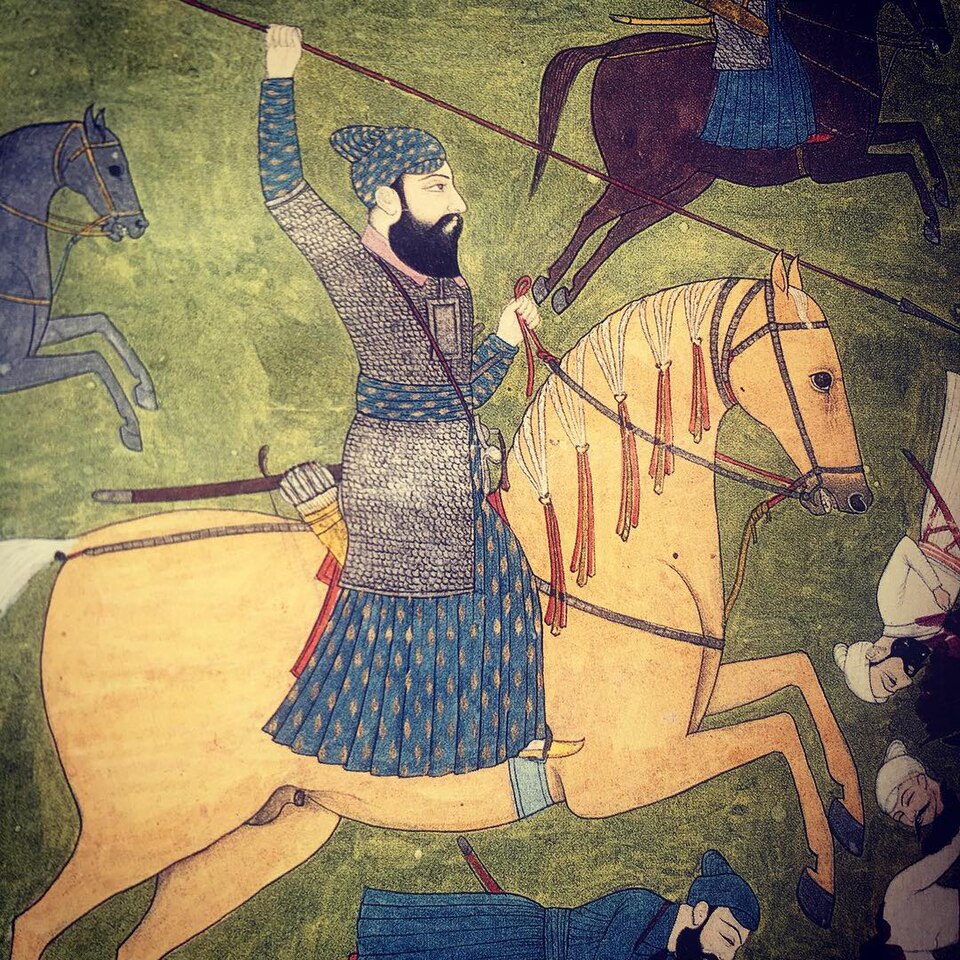
Banda Singh avenged Pir Budhu Shah, who had been killed by Sadhaura's governor for helping Guru Gobind Singh.
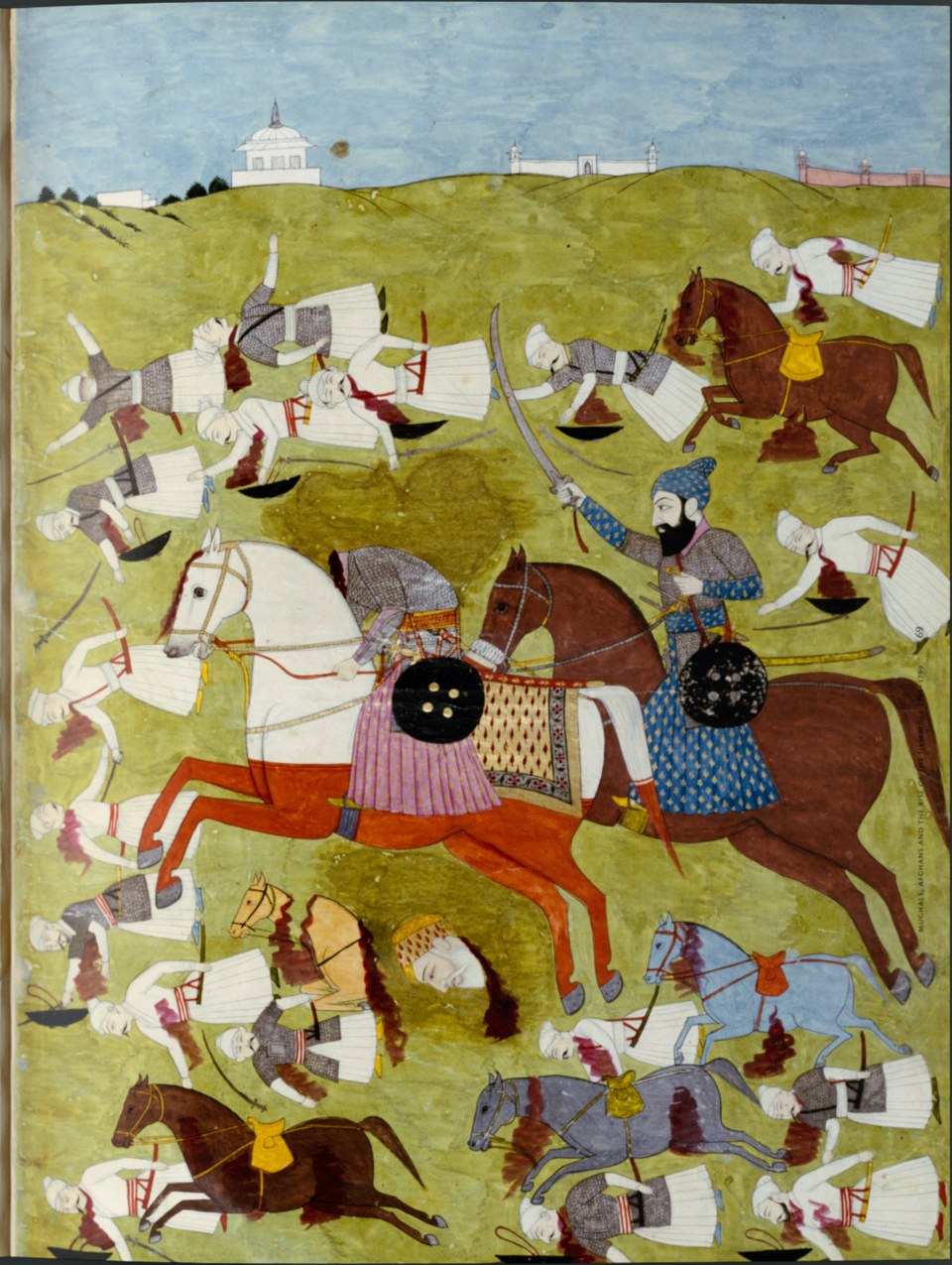
The peasant army of Banda Singh routed the Sirhind army and killed Wazir Khan, the man who had executed the Guru's younger sons. Sirhind fell two days later.
The emperor himself marched against the Sikh capital. A Sikh named Gulab Singh put on Banda Singh's clothes and was captured in his place while Banda slipped away.
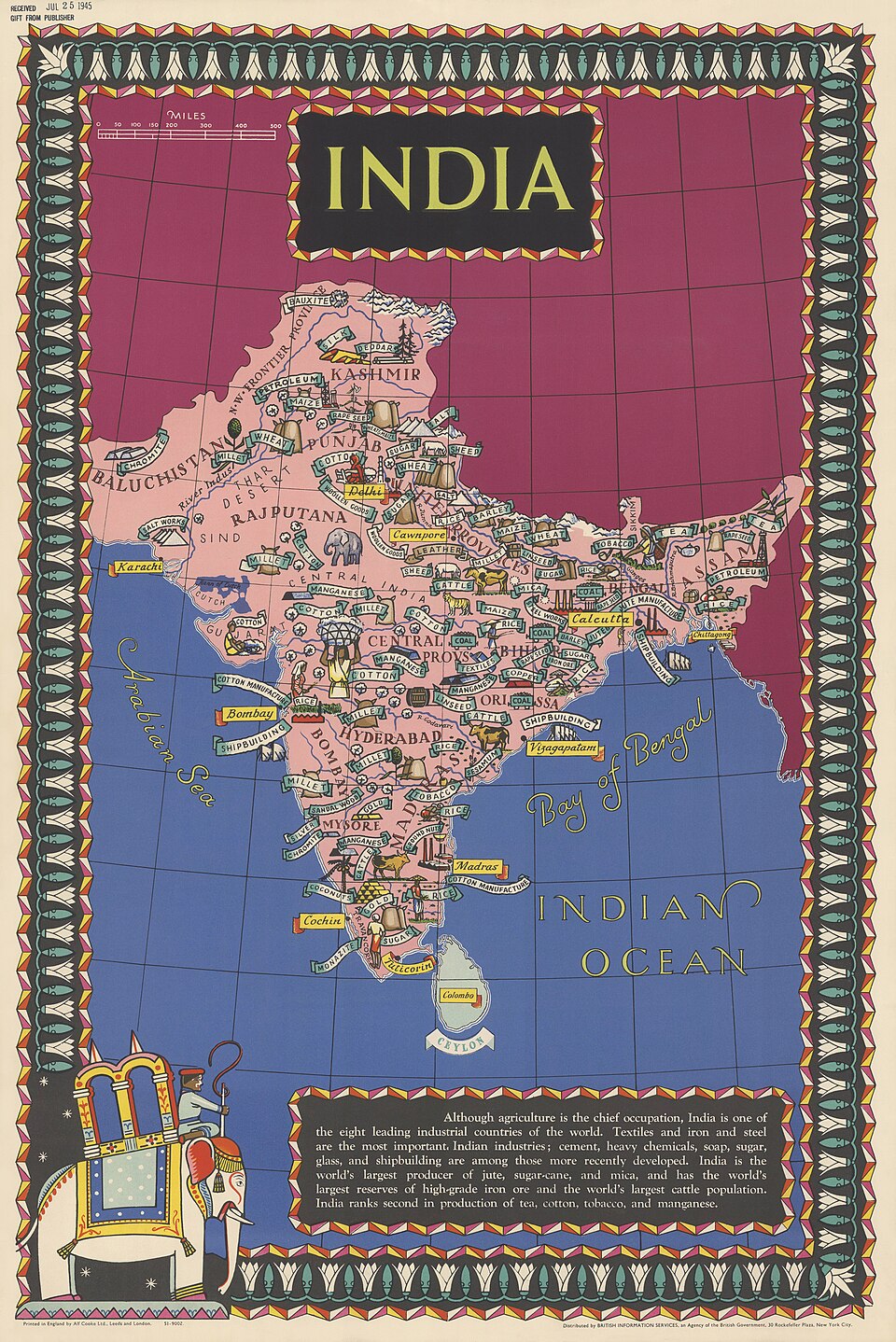
Banda Singh and his followers held out in a walled compound for eight months, eating grass and bark, before surrendering. They were marched to Delhi and executed.
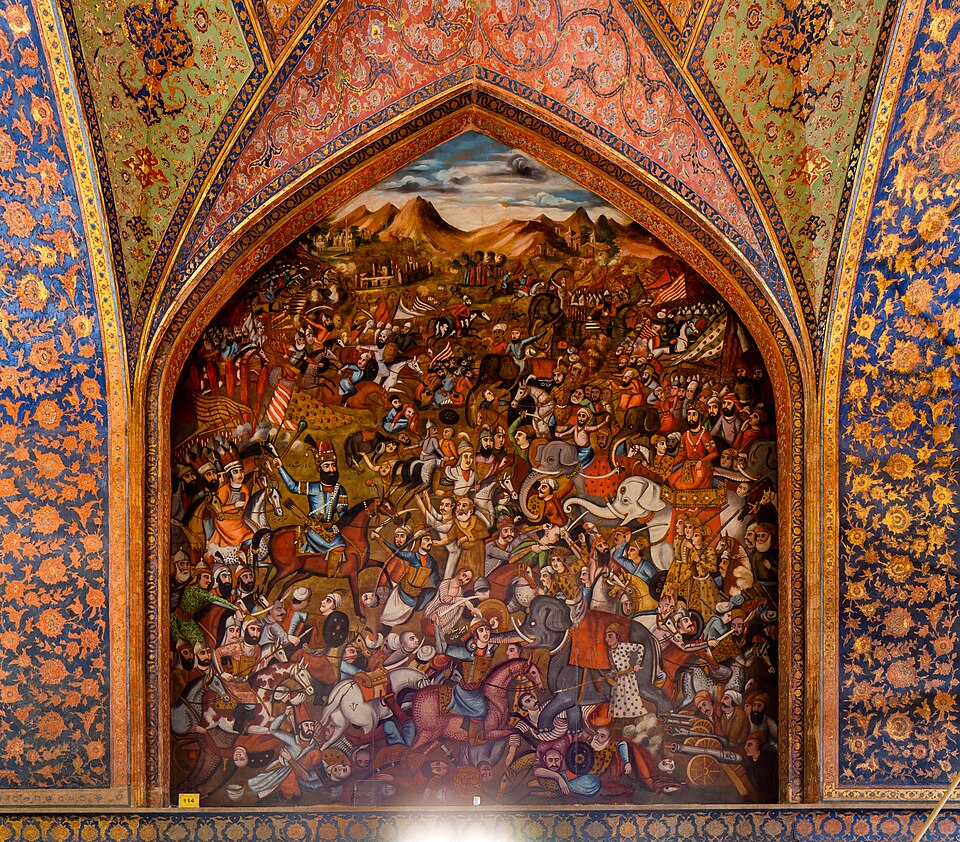
Nadir Shah crushed the Mughal army in a few hours, then sacked Delhi and carried off the Peacock Throne and the Koh-i-Noor.
Chhota GhallugharaMay – June 1746 · About 7,000 Sikhs killed and 3,000 executed (traditional figures)The 'Lesser Holocaust'. To avenge his brother's death, Lakhpat Rai hunted down Sikhs in the Kahnuwan swamps. Thousands were killed and captives were beheaded in Lahore.
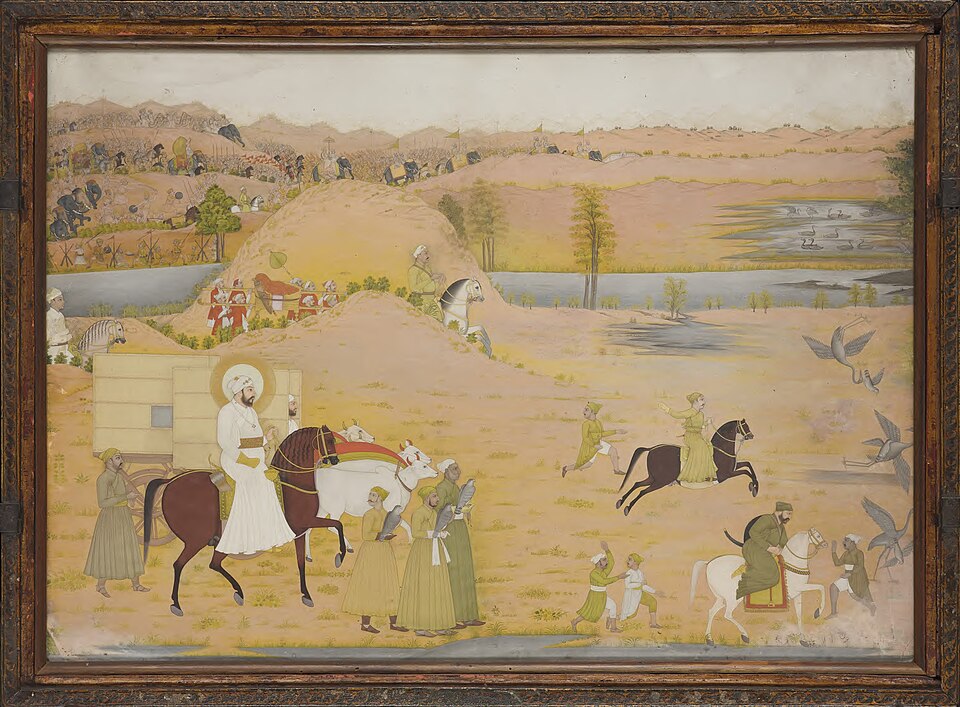
The only time Abdali was beaten in a pitched battle in India. Sikh bands attacked his retreating columns.