The land of five waters gave the world its first cities, its saints and its songs. Broken by every empire that crossed it, it is still ours to remember, and to make whole again.

Read the manifesto →
PUNJAB WIKIਪੰਜਾਬپنجابKingdoms & Wars
Punjab WikiKingdoms & WarsWars & BattlesMisls, Mughals and Afghans, 1709 – 1799
1746
Misls, Mughals and Afghans, 1709 – 1799

Chhota Ghallughara

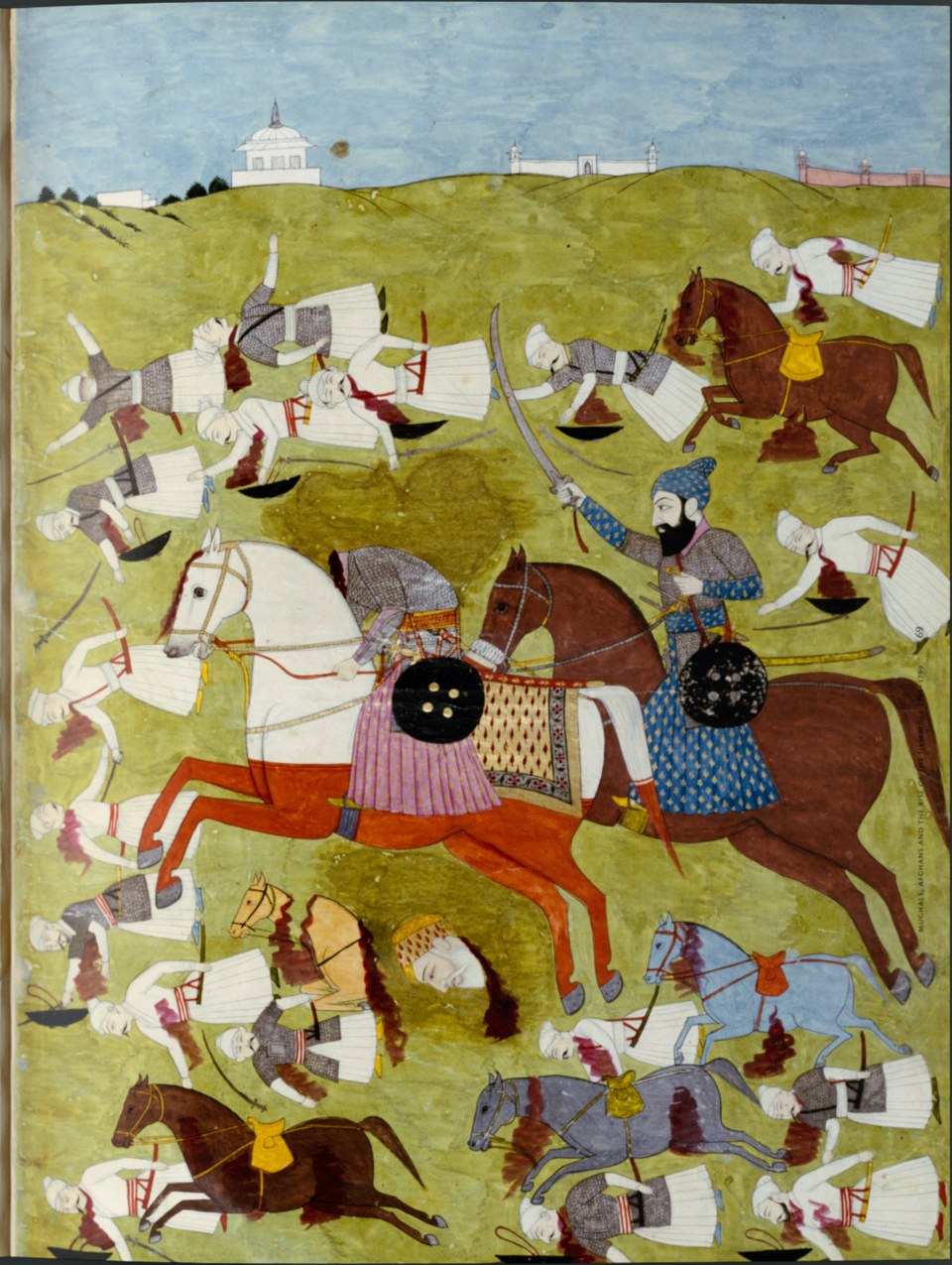
The 'Lesser Holocaust'. To avenge his brother's death, Lakhpat Rai hunted down Sikhs in the Kahnuwan swamps. Thousands were killed and captives were beheaded in Lahore.

SideSikh bands
VS
OpponentDiwan Lakhpat Rai and Yahiya Khan of Lahore

In 1746 the Sikhs killed Jaspat Rai, faujdar of Eminabad, in a fight. His brother Lakhpat Rai, chief minister of the governor of Lahore, Yahiya Khan, swore to destroy the Sikhs and persuaded the governor to order a general massacre.

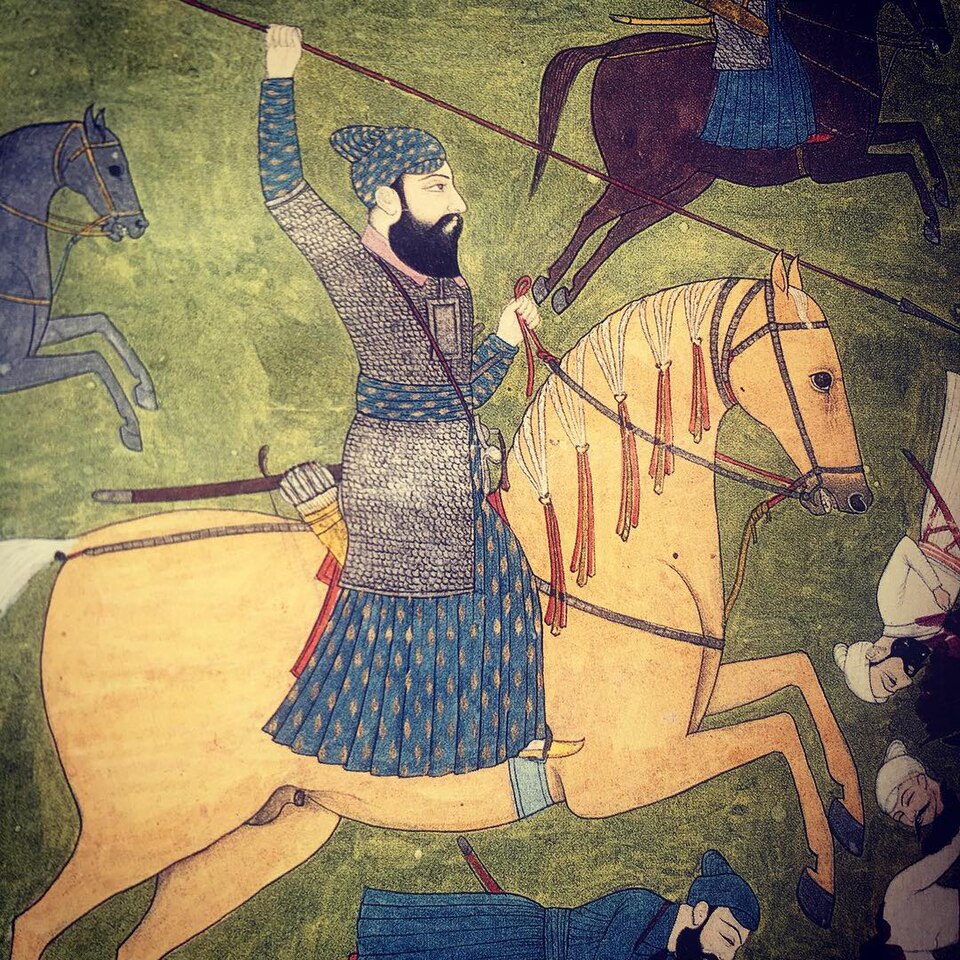
Sikhs in Lahore were seized and executed. Then a great army, with artillery, hunted down the Sikh bands, perhaps fifteen thousand people including families, who had taken refuge in the marshes and forests of Kahnuwan near Gurdaspur. Trapped between the army, the Ravi and the hills, where the hill rajas closed the passes against them, they were cut down in May and June 1746.

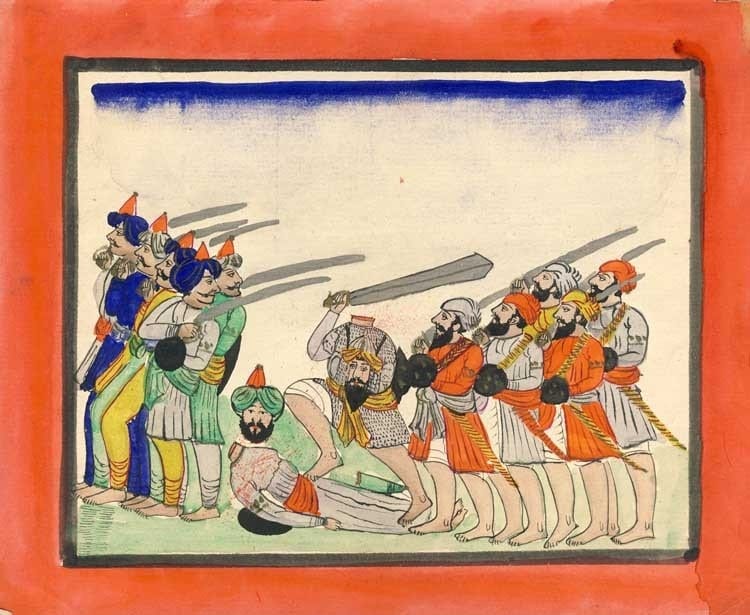
Around seven thousand were killed and three thousand captured and beheaded at Lahore. The Sikhs call it the Chhota Ghallughara, the Lesser Holocaust. Within two years they had recovered.

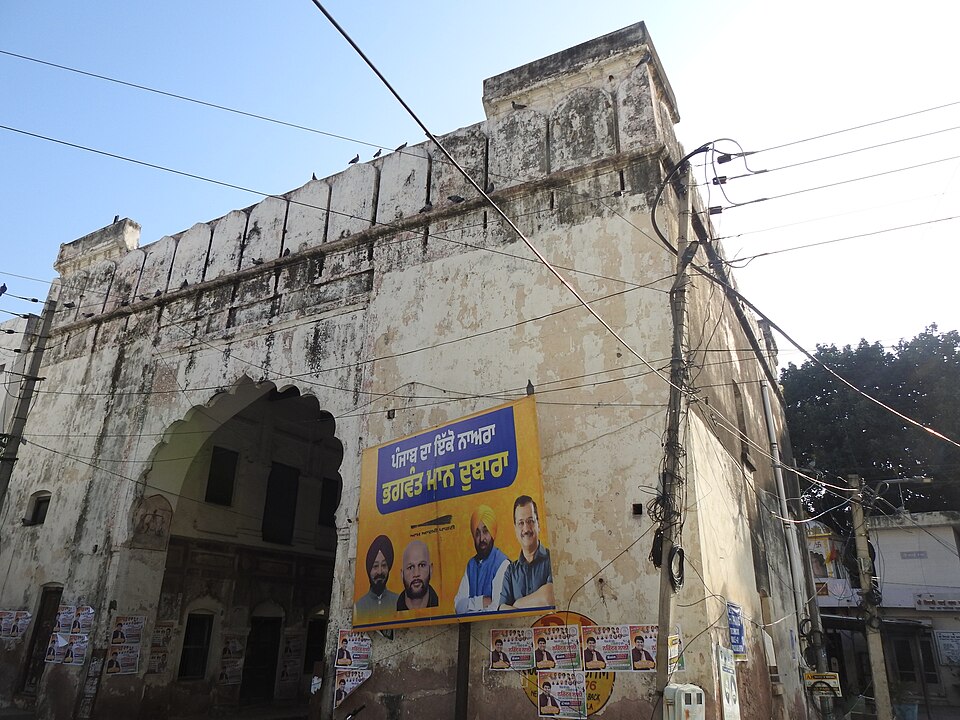
About three thousand prisoners were beheaded in Lahore at the horse market, the Nakhas, outside the Delhi Gate; the Shahidganj memorial was later built on the spot. When Lakhpat Rai fell from power the next year he was imprisoned, handed to the Sikhs, and died in their hands.
Kahnuwan marshes, Gurdaspur, Punjab, India

The three Ghallugharas

1746 · 1762 · 1984
May – June 1746

Chhota Ghallughara

ਛੋਟਾ ਘੱਲੂਘਾਰਾThe lesser massacre
Where
The Kahnuwan swamps, near Gurdaspur
By
Diwan Lakhpat Rai and Yahiya Khan, Mughal governor of Lahore
Dead
About 7,000 killed and 3,000 captives beheaded in Lahore (traditional figures)
After
The survivors regrouped; at Vaisakhi 1748 the bands united as the Dal Khalsa.
5 February 1762

Vadda Ghallughara

ਵੱਡਾ ਘੱਲੂਘਾਰਾThe great massacre
Where
Kup and Rahira, near Malerkotla
By
Ahmad Shah Abdali's army
Dead
10,000 to 30,000 by different estimates, many of them women, children and the old
After
Abdali blew up the Harmandir Sahib. Within months the Sikhs fought him again, and in 1765 they took Lahore.
Read more →
1 – 8 June 1984

The Third Ghallughara

ਤੀਜਾ ਘੱਲੂਘਾਰਾOperation Blue Star
Where
The Harmandir Sahib, Amritsar, and dozens of other gurdwaras
By
The Indian Army
Dead
493 by the government's White Paper; several thousand by Sikh and human rights estimates, most of them pilgrims
After
Indira Gandhi was assassinated in October; in November mobs killed thousands of Sikhs in Delhi and other cities.
Read more →

'Ghallughara' means a holocaust or wholesale massacre. Sikhs gave the name to the two great killings of the 18th century, and in 1984 many called the army's attack on the Harmandir Sahib the third.

Same era

Misls, Mughals and Afghans, 1709 – 1799
Sack of Samana
Sack of Samana26 November 1709 · Sikh victory

Banda Singh's first great strike, on a wealthy town that was home to the executioners of Guru Tegh Bahadur and the younger Sahibzade.

Capture of Sadhaura
Capture of SadhauraDecember 1709 · Sikh victory

Banda Singh avenged Pir Budhu Shah, who had been killed by Sadhaura's governor for helping Guru Gobind Singh.

Battle of Chappar Chiri
Battle of Chappar Chiri12 May 1710 · Sikh victory; Sirhind taken

The peasant army of Banda Singh routed the Sirhind army and killed Wazir Khan, the man who had executed the Guru's younger sons. Sirhind fell two days later.

Siege of Lohgarh
Siege of LohgarhDecember 1710 · Fort lost; Banda Singh escapes into the hills

The emperor himself marched against the Sikh capital. A Sikh named Gulab Singh put on Banda Singh's clothes and was captured in his place while Banda slipped away.

Siege of Gurdas Nangal
Siege of Gurdas NangalApril – December 1715 · Surrender; Banda Singh captured

Banda Singh and his followers held out in a walled compound for eight months, eating grass and bark, before surrendering. They were marched to Delhi and executed.

Battle of Karnal
Battle of Karnal24 February 1739 · Persian victory; Delhi sacked

Nadir Shah crushed the Mughal army in a few hours, then sacked Delhi and carried off the Peacock Throne and the Koh-i-Noor.

Battle of Manupur
Battle of Manupur11 March 1748 · Mughal victory; Abdali retreats

The only time Abdali was beaten in a pitched battle in India. Sikh bands attacked his retreating columns.

Battle of Amritsar (Baba Deep Singh)
Battle of Amritsar (Baba Deep Singh)November 1757 · Baba Deep Singh killed; the Afghans withdrew from Amritsar

Baba Deep Singh, in his seventies, marched from Damdama to free the desecrated Harmandir Sahib and was killed near its precinct.

Spot a mistake, a wrong picture or something missing? Help maintain this page →