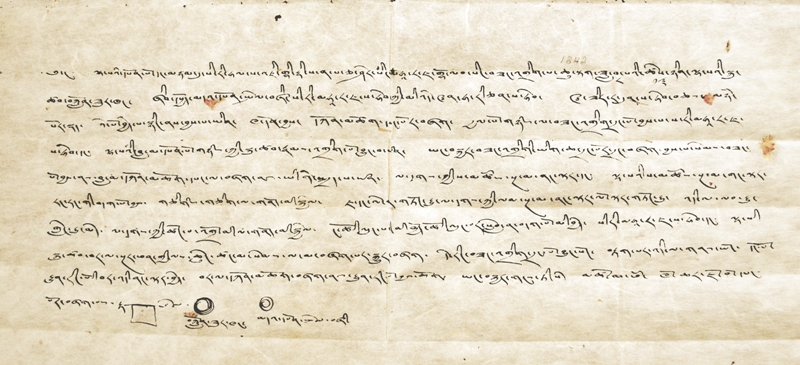
Battle of To-yo
Deep in western Tibet at over 4,500 metres, the invading army, frozen and short of food, was overwhelmed. Zorawar Singh fell fighting.
In May 1841 General Zorawar Singh, having conquered Ladakh and Baltistan for the Dogra raja Gulab Singh and the Lahore Durbar, led an army of some five thousand men, Dogras, Ladakhis and Baltis, into western Tibet.
He took Rudok, Gartok and Taklakot and reached the sacred lake of Mansarovar. But he stayed too long. When winter came, at over 4,500 metres, his army was frozen and short of food, and the Tibetans, reinforced from Lhasa, attacked. On 12 December 1841, at To-yo near Taklakot, Zorawar Singh was killed and his army destroyed; many of his men lost fingers and toes to frostbite.
The Tibetans built a monument, the Singh Chorten, over his remains, and are said to have kept pieces of his flesh as relics of a brave man.
Same era
Campaigns of the Kingdom of Lahore, 1799 – 1842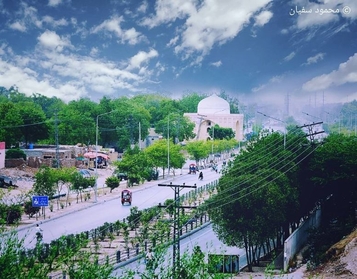
After a month of mining and assault, the Pathan principality of Kasur fell.
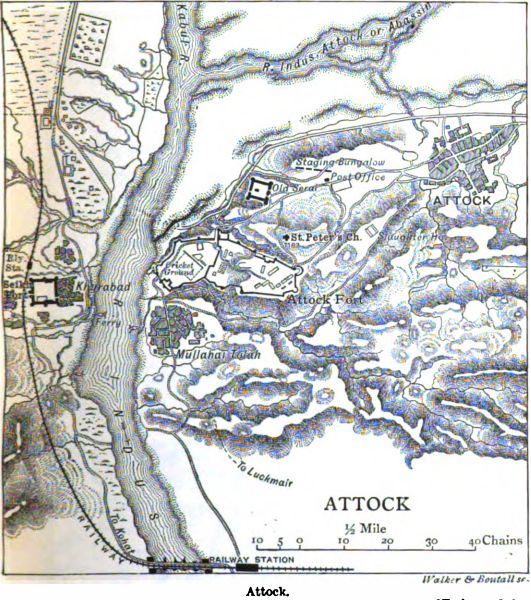
The Sikh Empire's first major victory over the Afghans, securing the fort at the Indus crossing.
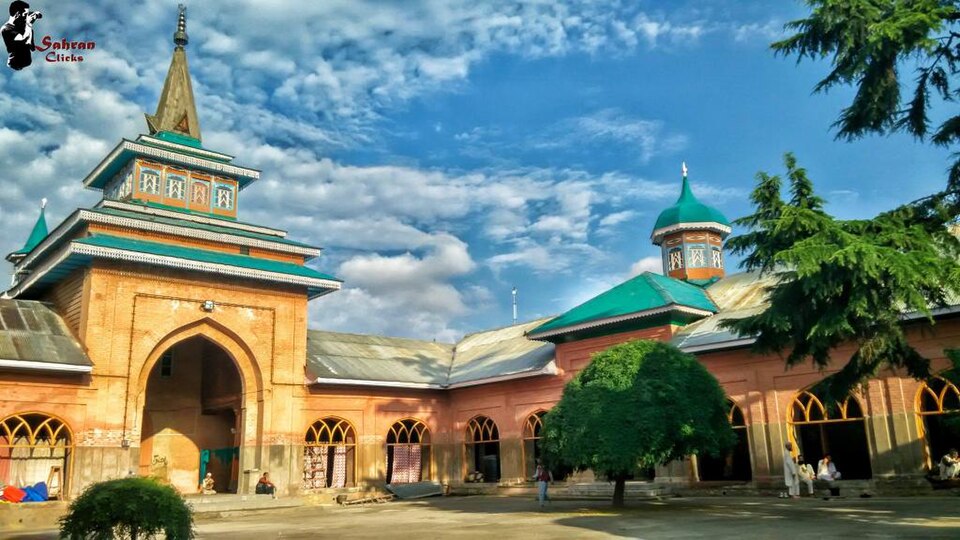
Rain, hunger and cholera wrecked the first attempt on Kashmir. It took another five years to return.
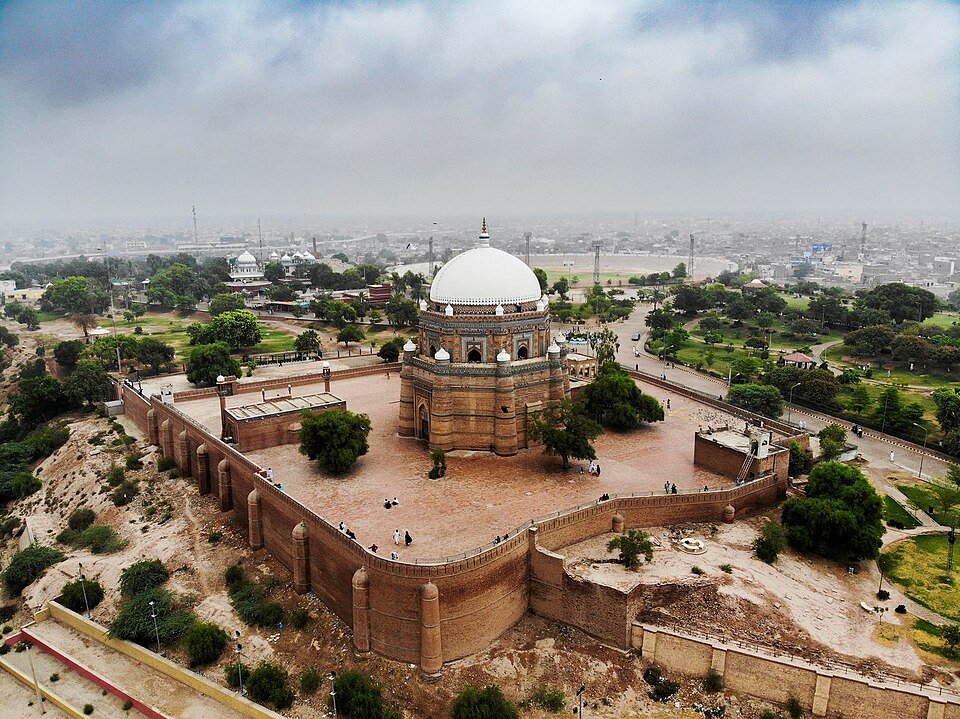
After several earlier attempts, a large Sikh army breached the walls with the great Zamzama gun and Akali charges. The Nawab died with his sons.
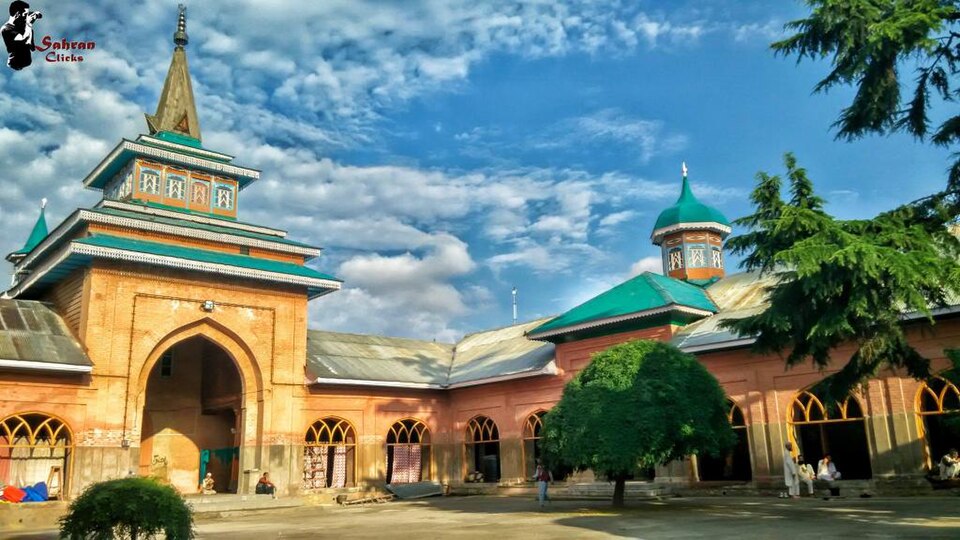
Brought the Kashmir valley under Sikh rule after five centuries of Muslim rule.
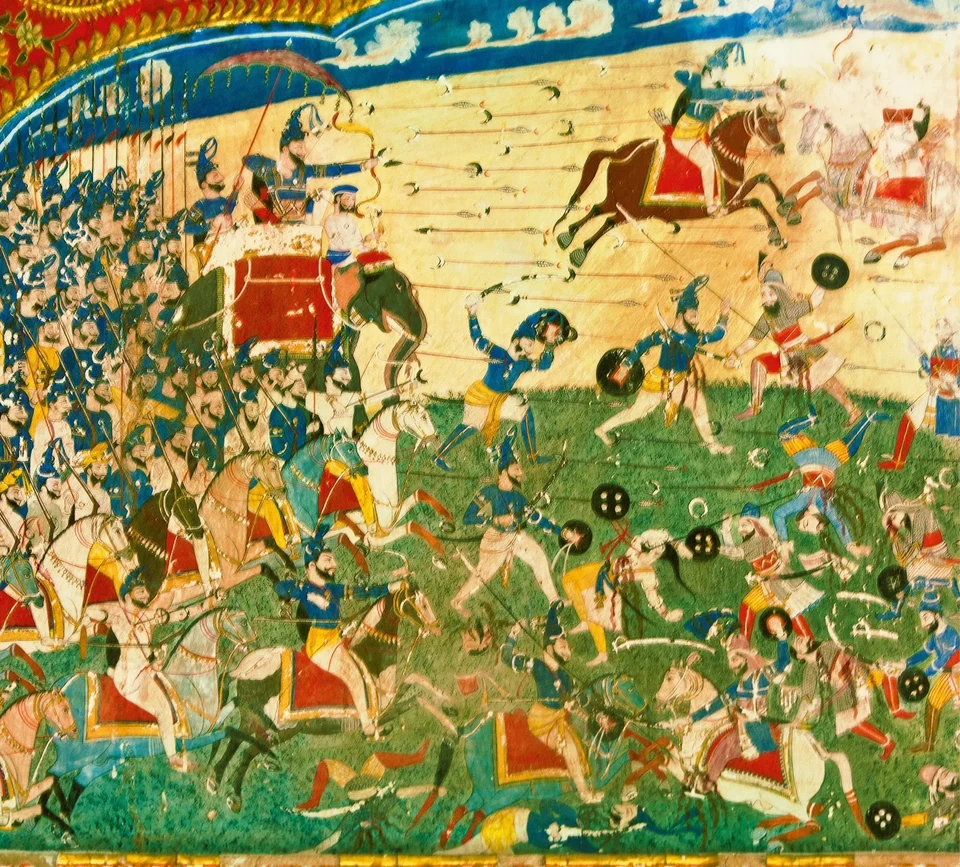
A hard battle on the Kabul river that opened the Peshawar valley. The Nihang leader Akali Phula Singh fell leading the charge.
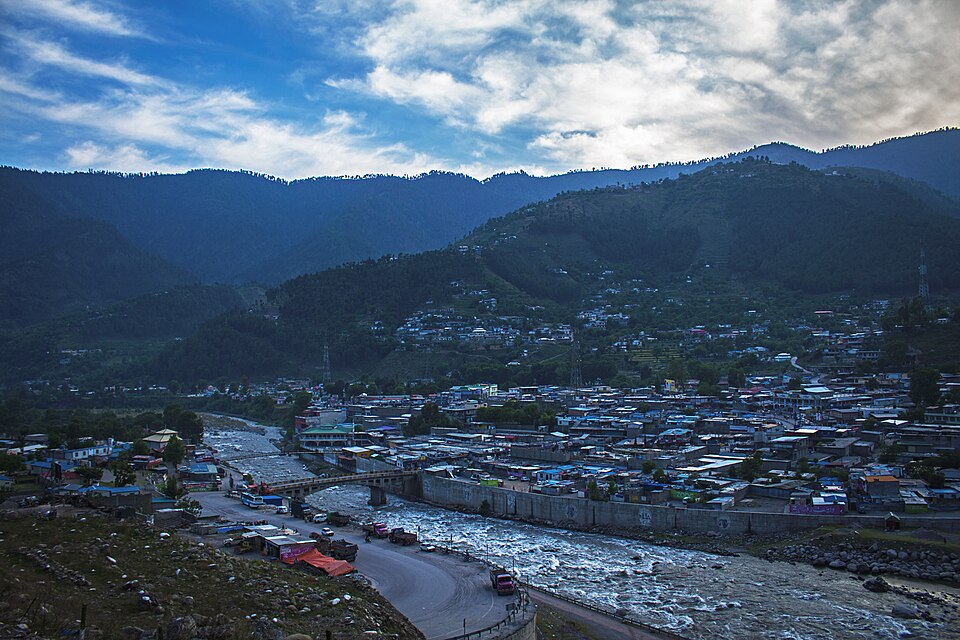
Syed Ahmad Barelvi's jihad movement against Sikh rule in the frontier hills ended when his force was caught at Balakot.
Sikh forces marched into Peshawar and ended its status as a tributary. Dost Mohammad Khan's attempts to retake it led to Jamrud.