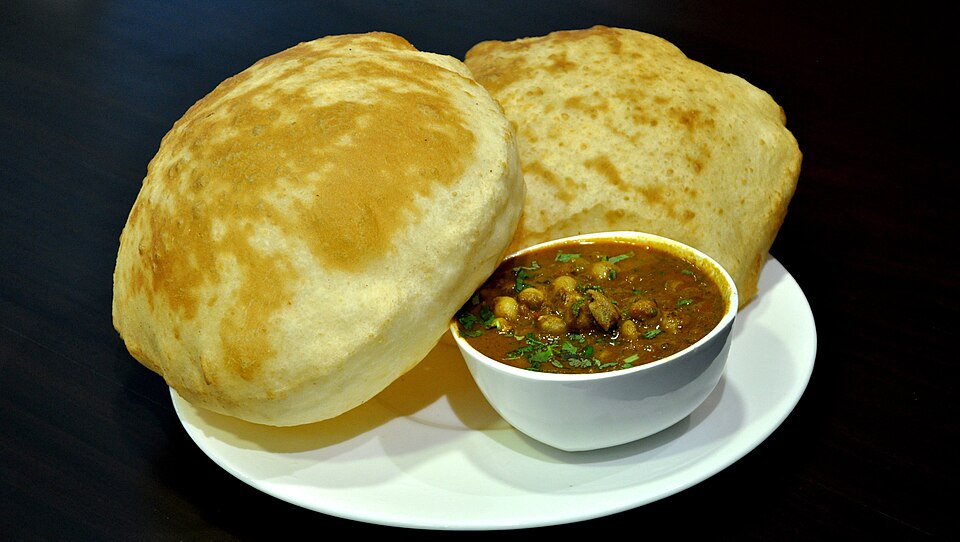
Chole are chickpeas cooked dark with tea leaves, dried pomegranate seeds and a mix of spices; bhature are big rounds of leavened dough fried until they swell like balloons. With raw onion, pickle and a glass of lassi, they are a heavy, beloved breakfast.
Brought to Delhi by Punjabi refugees after 1947, they became the street food of north India.
More the table
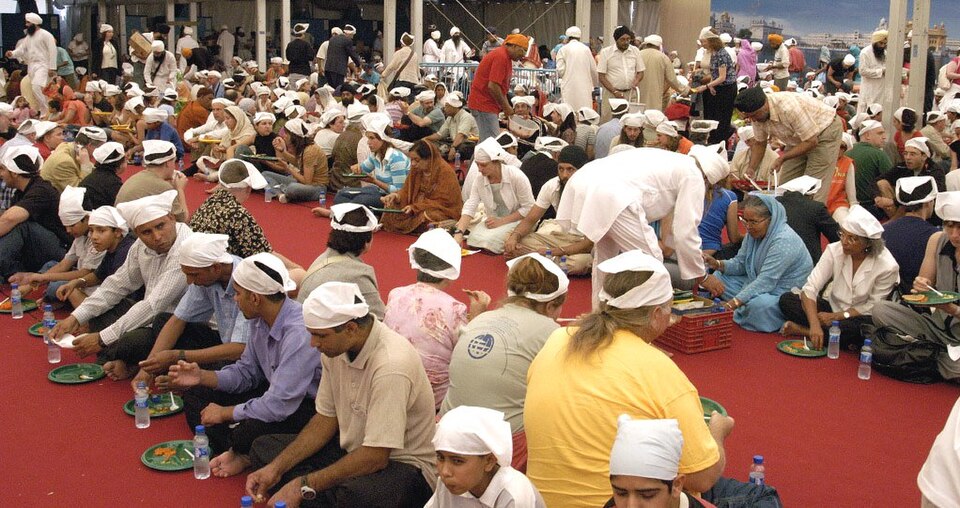
The free kitchen where everyone sits on the floor in a line and eats the same food.
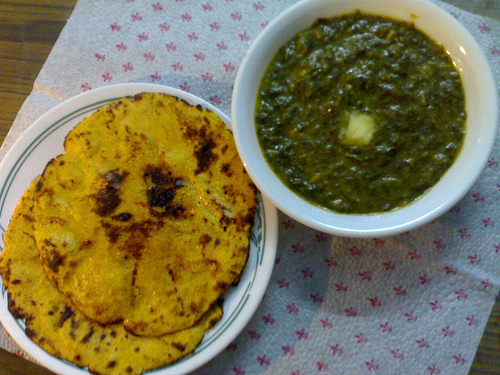
Mustard greens slow-cooked with butter and eaten with flatbread of maize: the taste of a Punjabi winter.
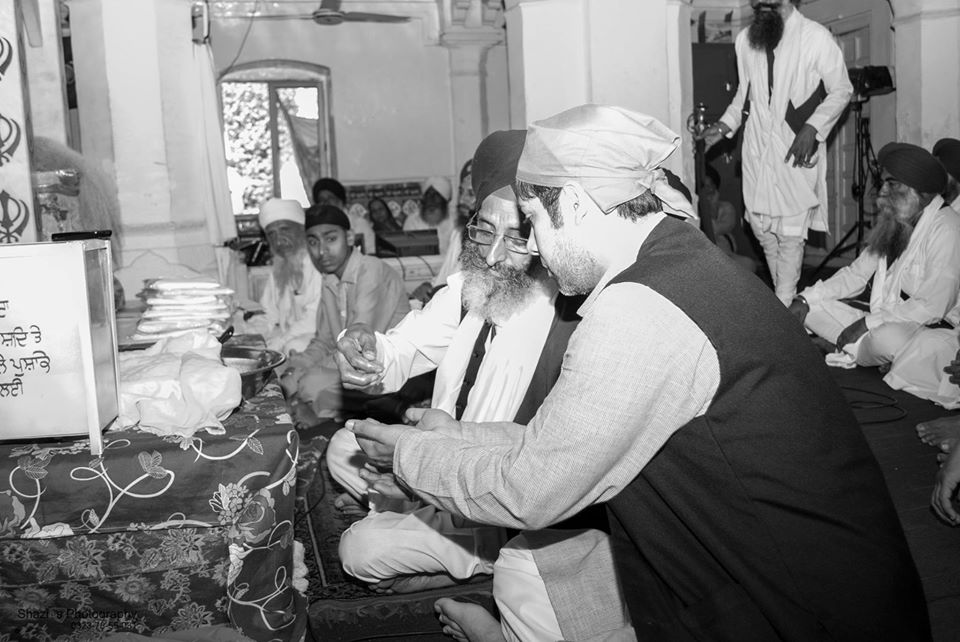
The warm sweet of flour, sugar and ghee given to everyone at the end of Sikh worship.
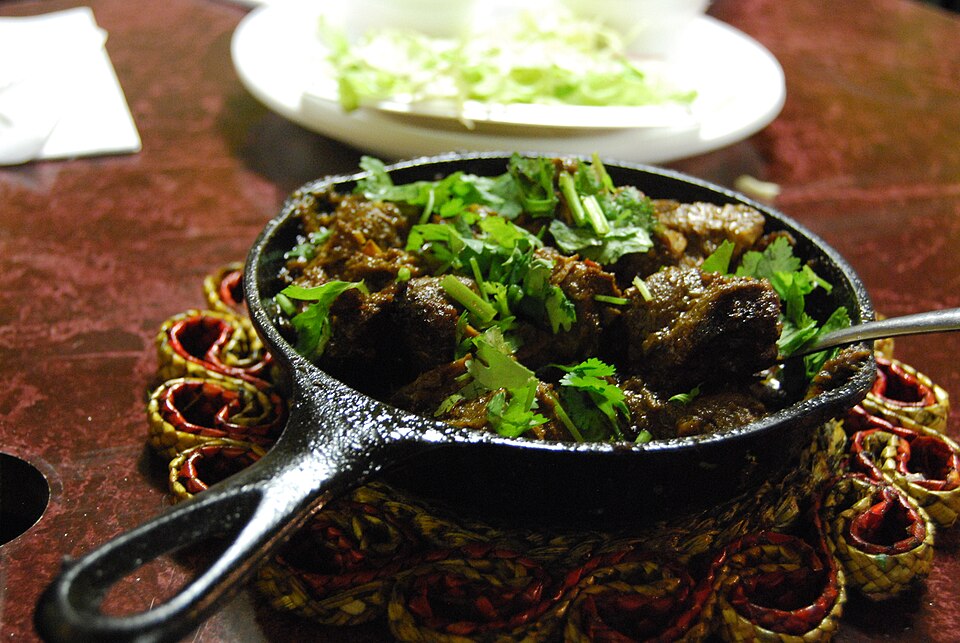
Nihari and paye for breakfast, halwa puri on Sundays, and the food streets of the old city by night.
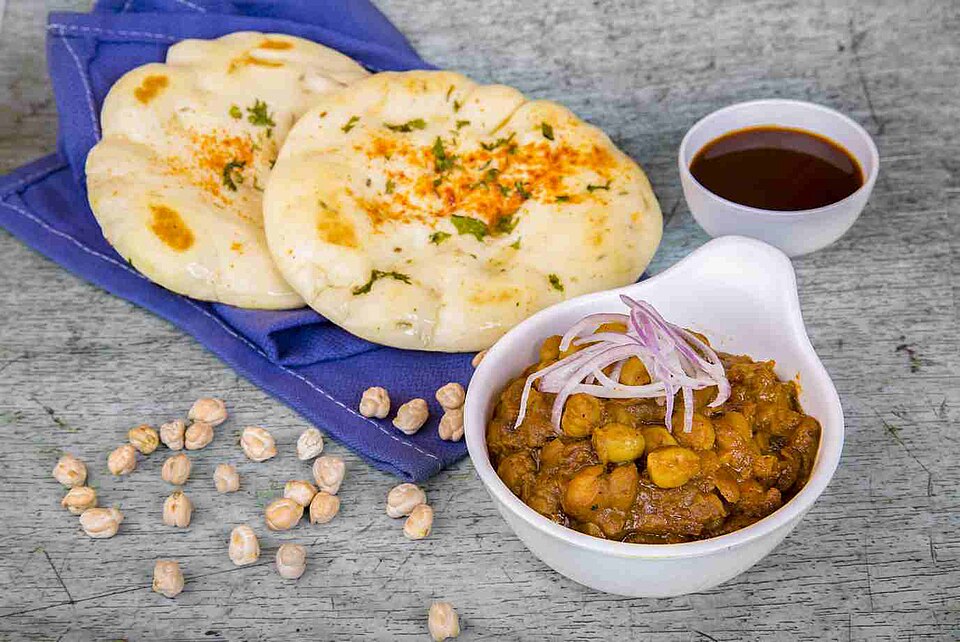
Stuffed tandoor bread with chole, thick lassi in steel glasses, and fried fish: the dhaba food of Amritsar.
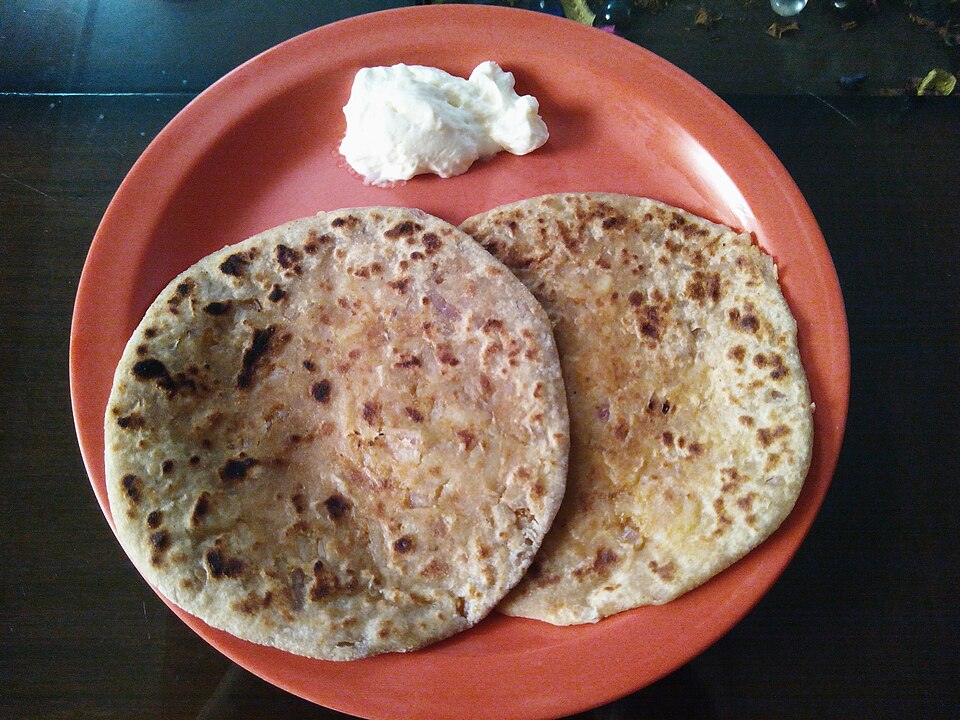
The Punjabi breakfast of stuffed paratha and white butter, and the winter and festival sweets of the halwai's shop.
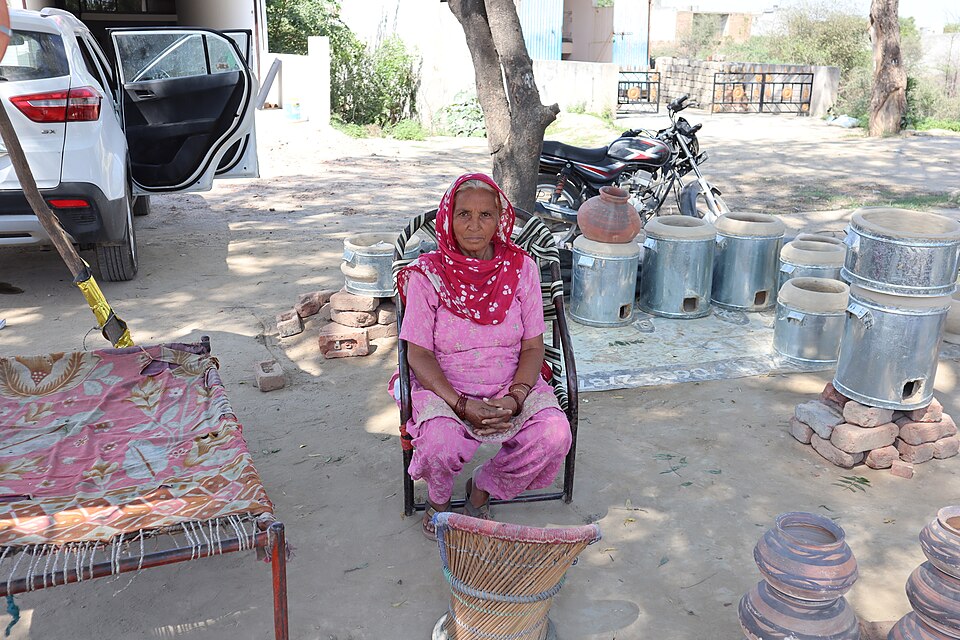
The clay oven sunk in the ground, and the shared village oven where women baked their rotis together.
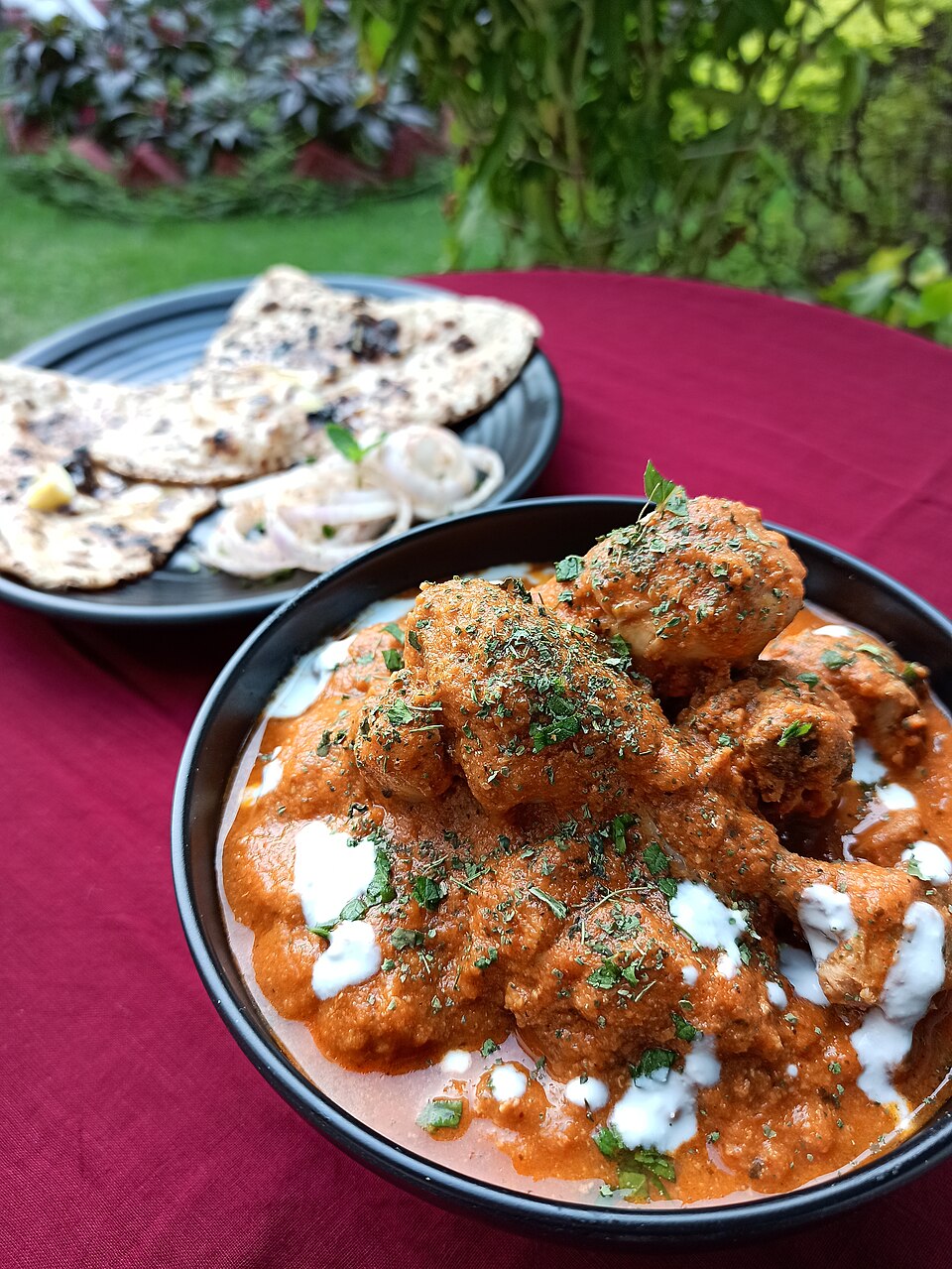
A dish born of Partition: refugees from Peshawar reinventing tandoori chicken in Delhi.
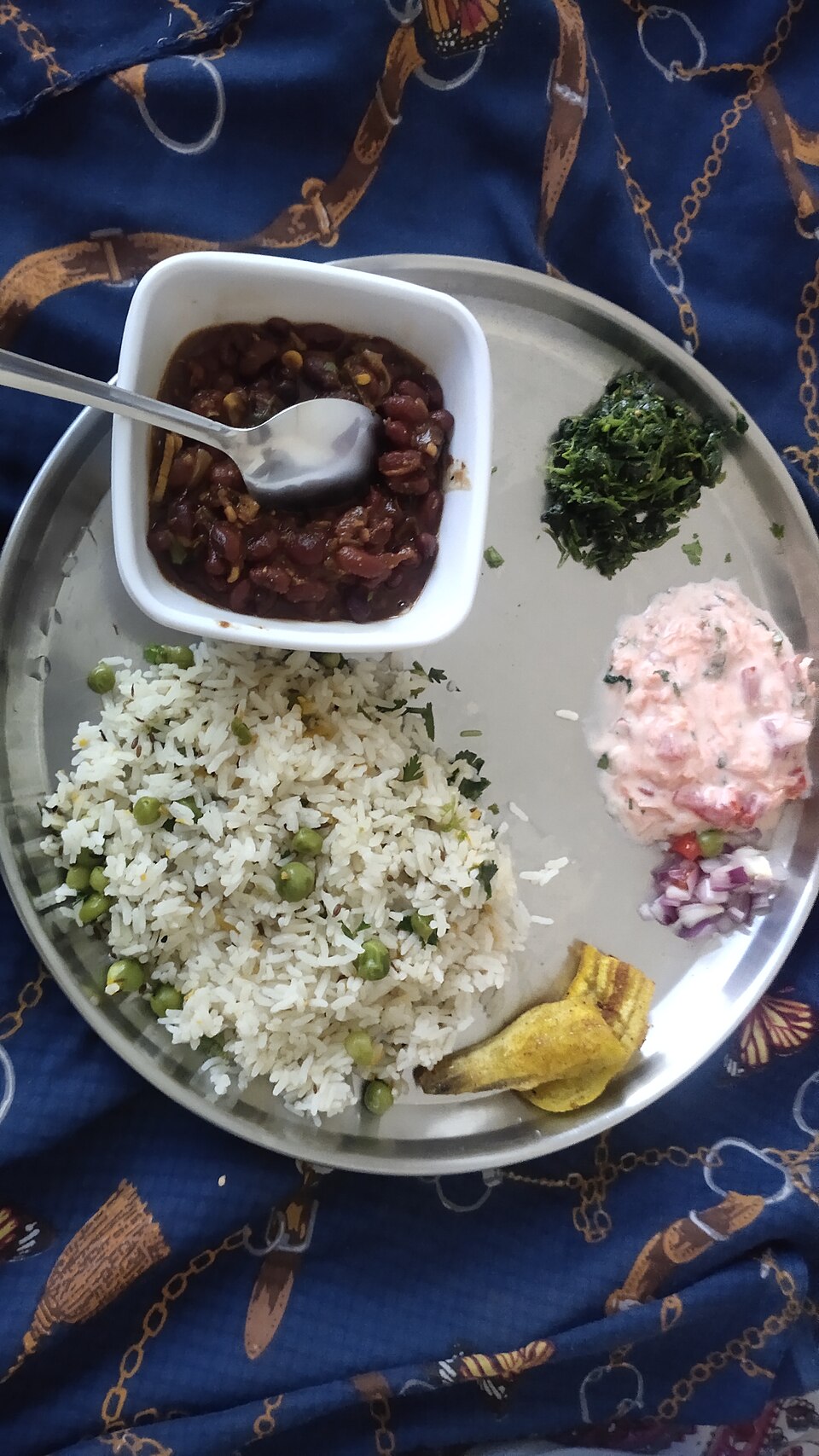
The comfort food of every Punjabi home: red kidney beans with rice, and yoghurt curry with fritters.
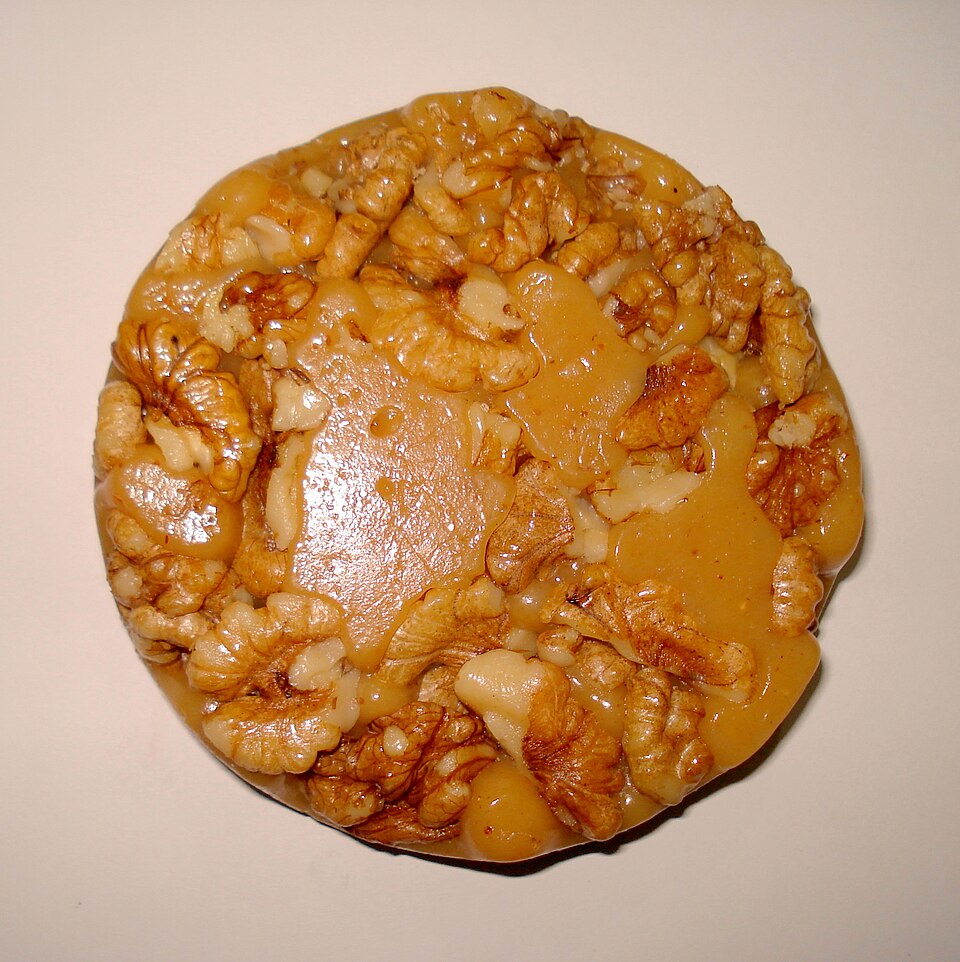
The famous sweet of Multan: a dense, brittle toffee of wheat, milk, sugar and ghee, studded with nuts.
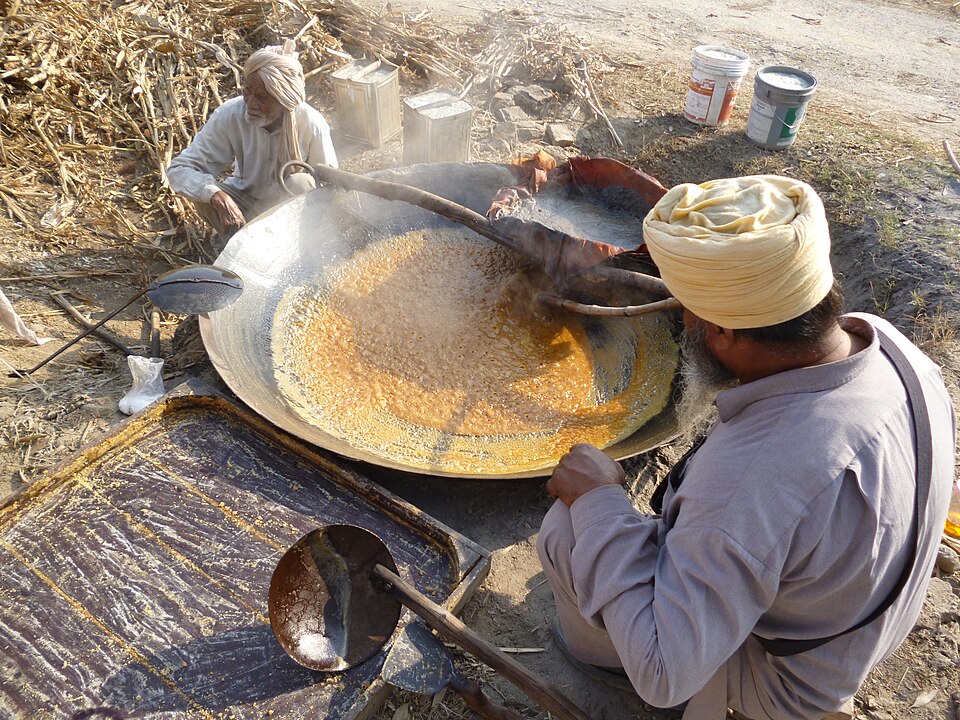
The winter season when sugarcane is crushed and its juice boiled in great pans into golden gur.