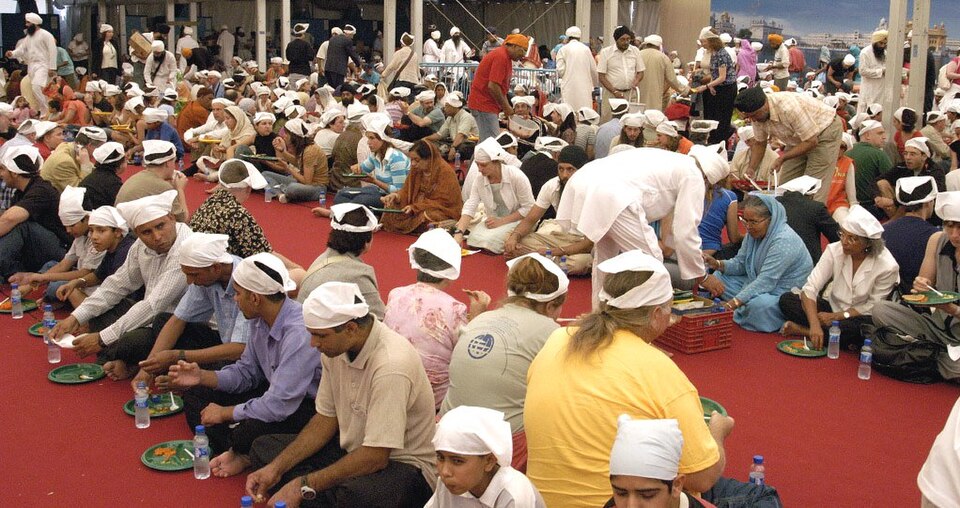
Langar
The free kitchen where everyone sits on the floor in a line and eats the same food.
Guru Nanak began the practice of a common kitchen at Kartarpur, where everyone who came was fed, and Guru Angad and his wife Mata Khivi made it a central Sikh institution at Khadur. Guru Amar Das made it a rule: whoever wished to see the Guru must first eat in the langar, sitting in a line, pangat, with everyone else, whatever their caste or rank. Tradition says the emperor Akbar did so at Goindwal.
The food is simple and vegetarian: dal, a vegetable, rotis, and kheer or karah parshad. It is cooked and served by volunteers, as seva, from donated food. At Harmandir Sahib the langar feeds as many as a hundred thousand people a day, with huge iron cauldrons and a dishwashing line of volunteers.
In a society organised around rules of who could eat with whom, sitting together on the floor was a revolution. Today Sikh langars feed the homeless in cities around the world and appear at every disaster and protest, including the farmers' camps at Delhi in 2020.
More the table
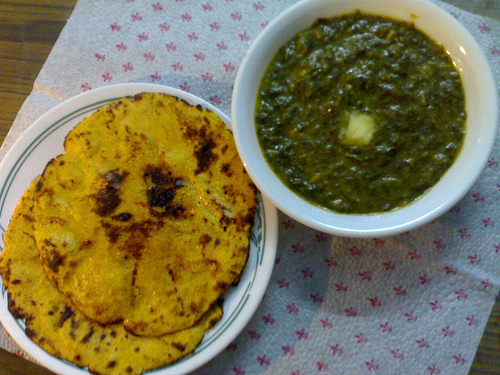
Mustard greens slow-cooked with butter and eaten with flatbread of maize: the taste of a Punjabi winter.
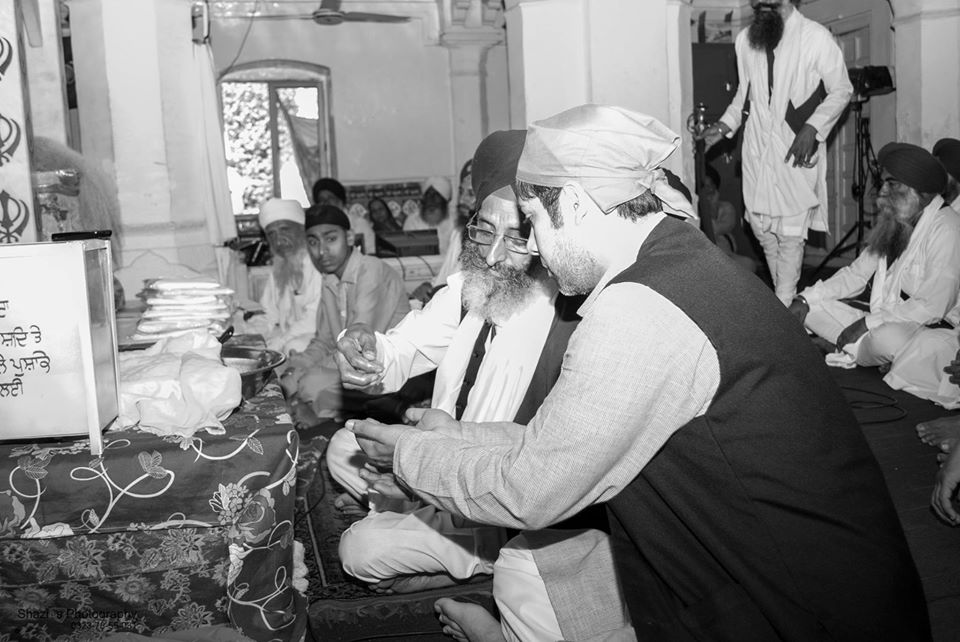
The warm sweet of flour, sugar and ghee given to everyone at the end of Sikh worship.
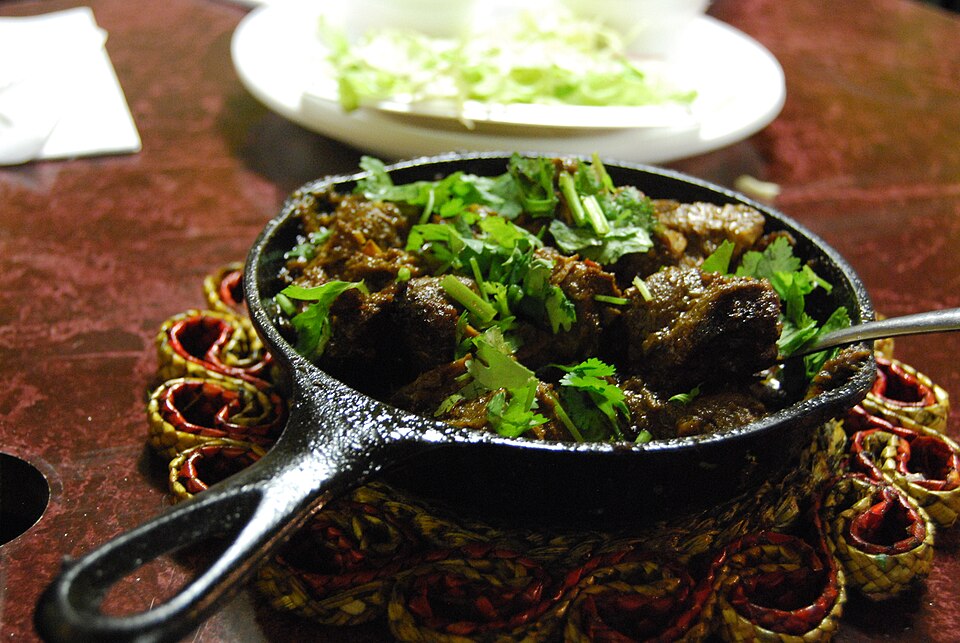
Nihari and paye for breakfast, halwa puri on Sundays, and the food streets of the old city by night.
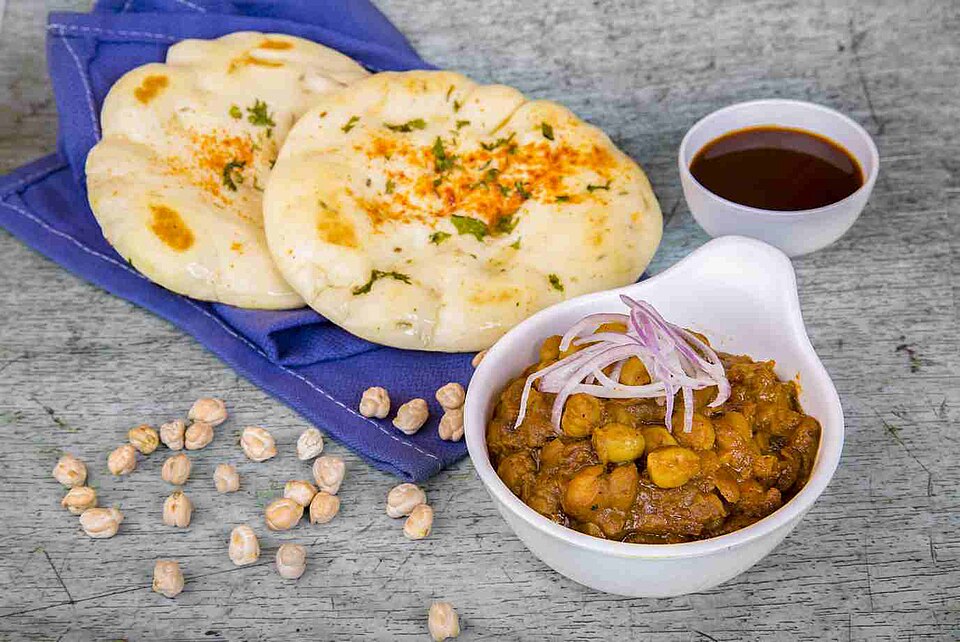
Stuffed tandoor bread with chole, thick lassi in steel glasses, and fried fish: the dhaba food of Amritsar.
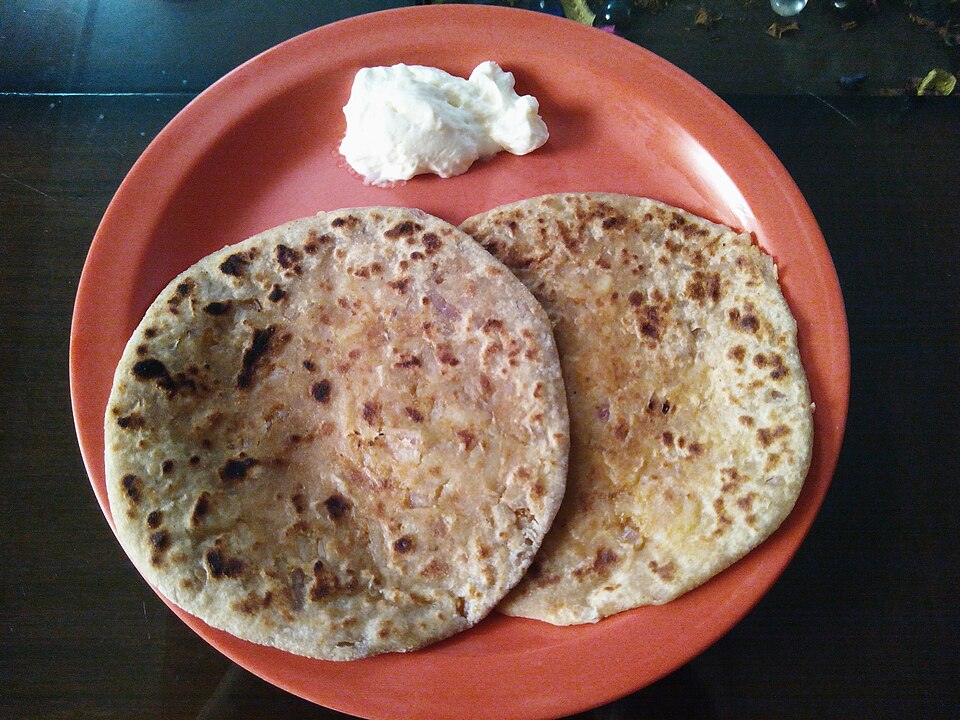
The Punjabi breakfast of stuffed paratha and white butter, and the winter and festival sweets of the halwai's shop.
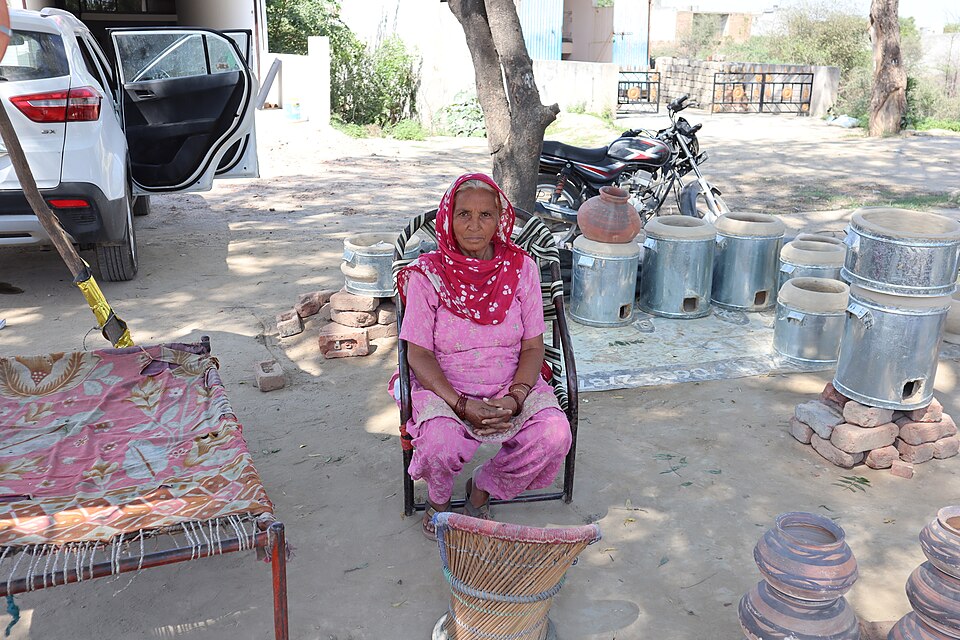
The clay oven sunk in the ground, and the shared village oven where women baked their rotis together.
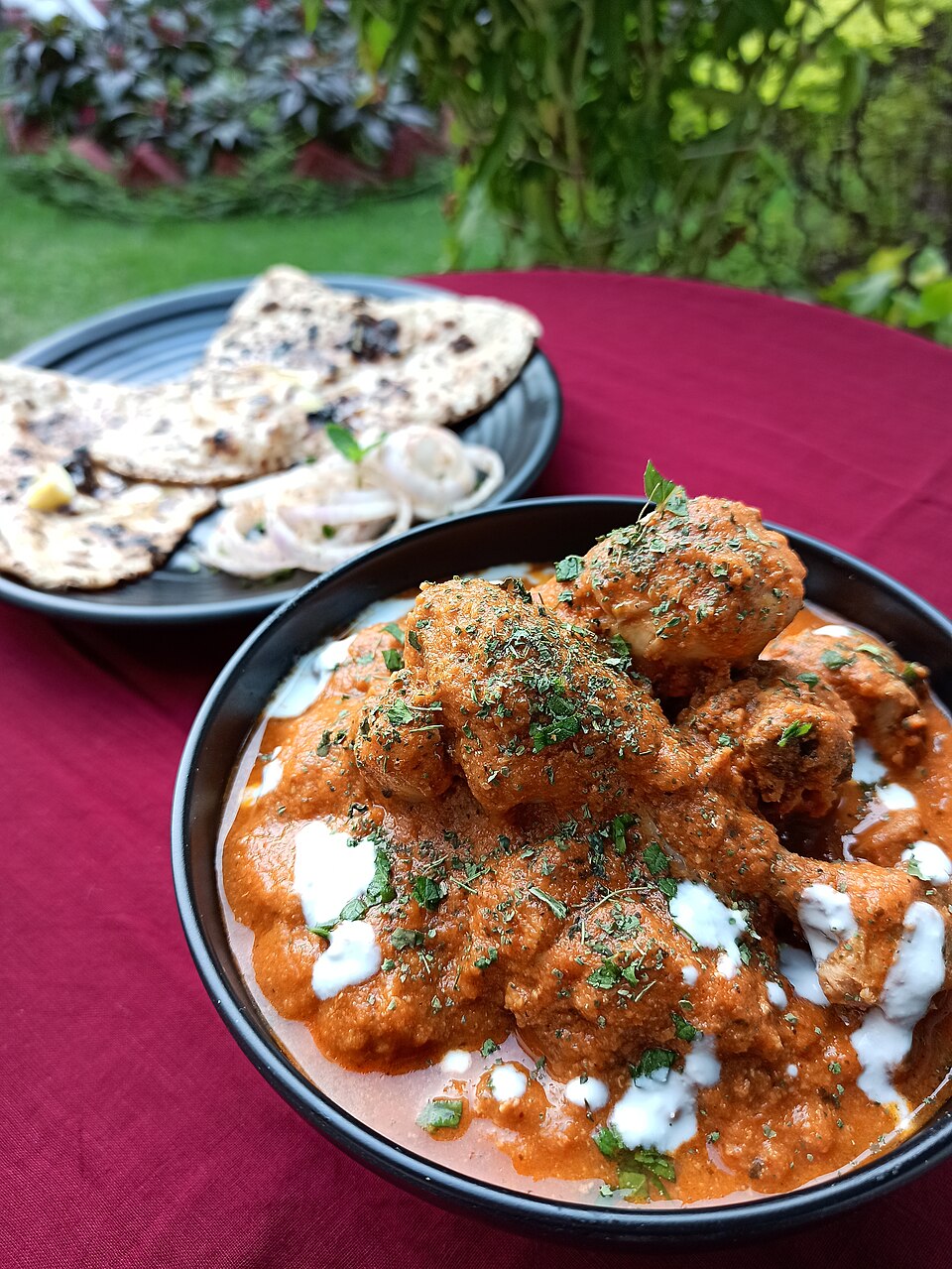
A dish born of Partition: refugees from Peshawar reinventing tandoori chicken in Delhi.
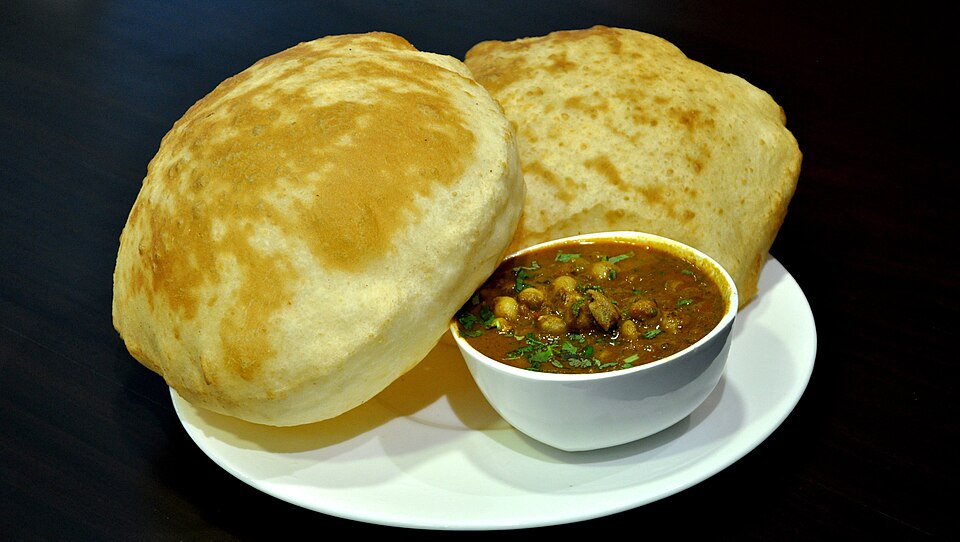
Spiced chickpeas with puffed, deep-fried bread: the Sunday breakfast of Amritsar, Lahore and Delhi.
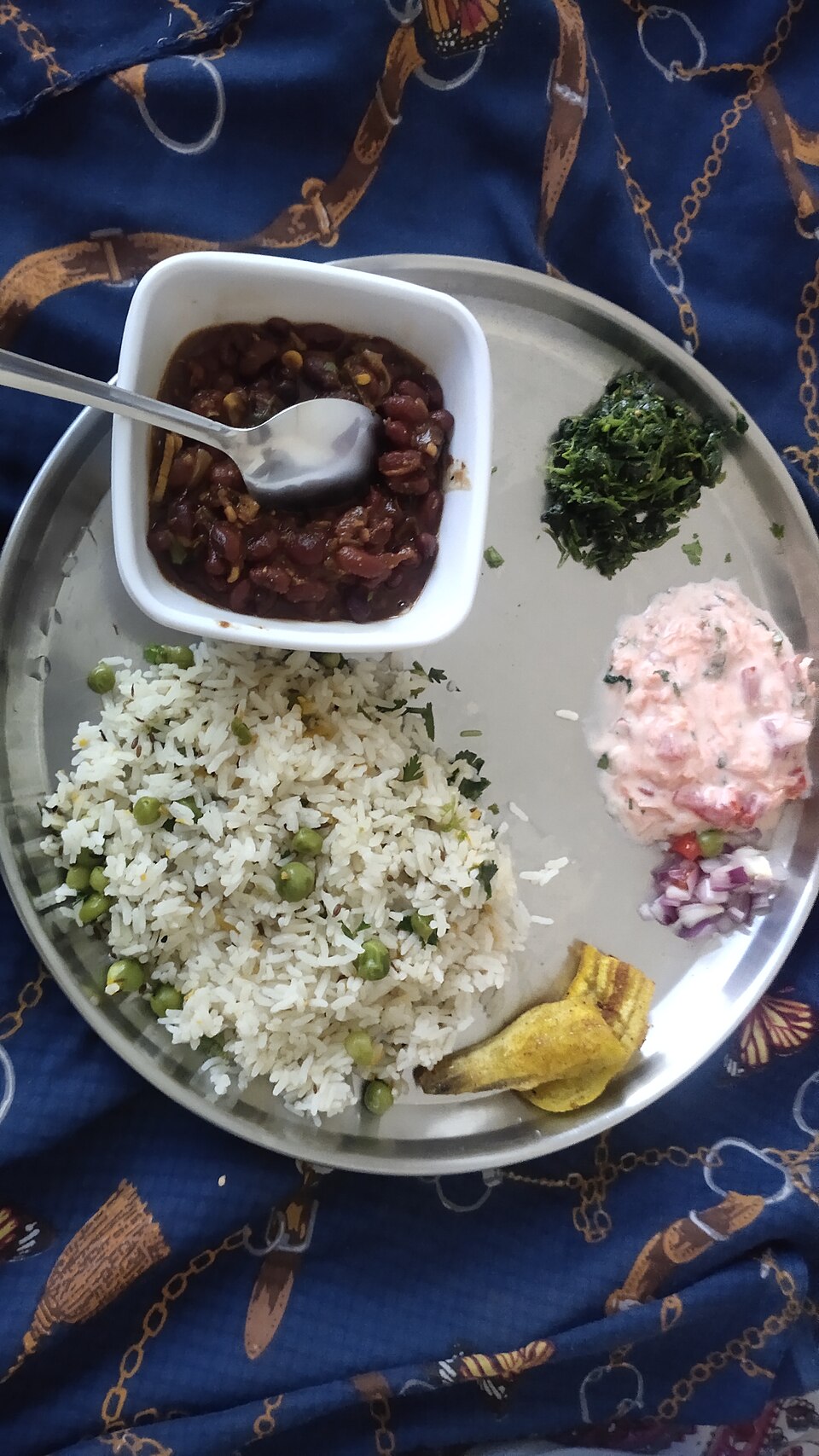
The comfort food of every Punjabi home: red kidney beans with rice, and yoghurt curry with fritters.
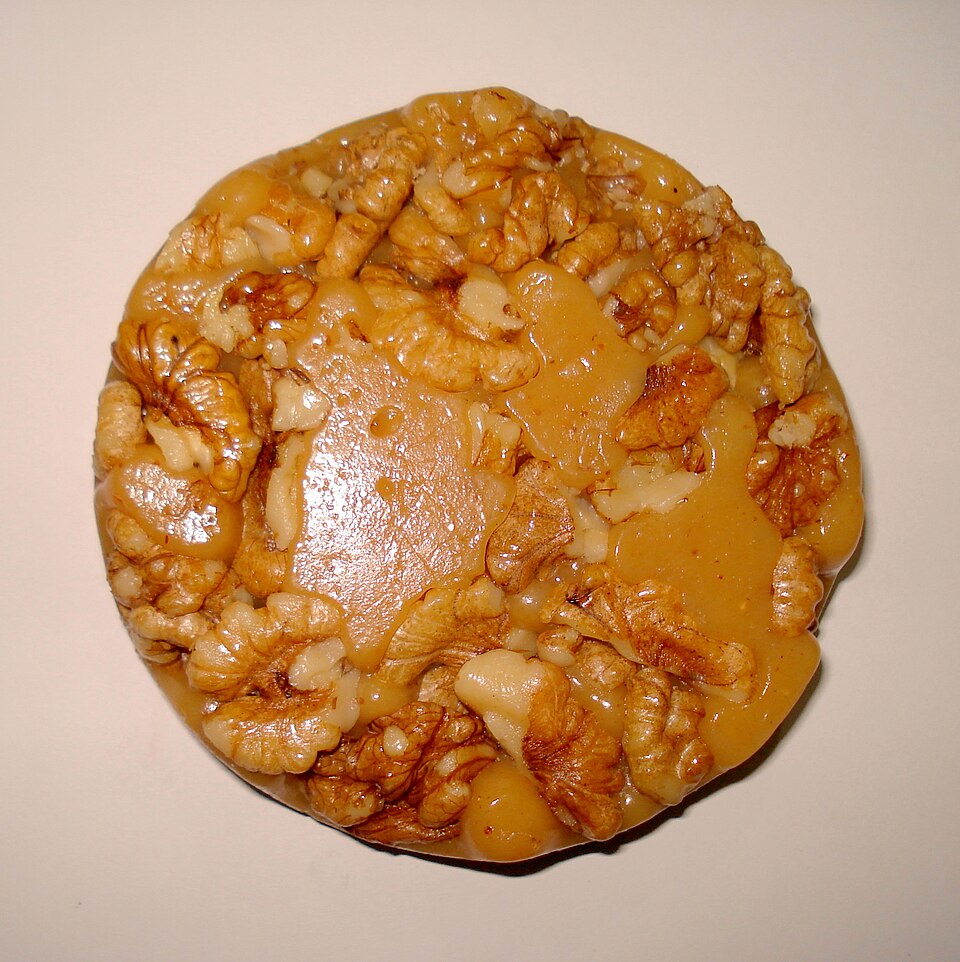
The famous sweet of Multan: a dense, brittle toffee of wheat, milk, sugar and ghee, studded with nuts.
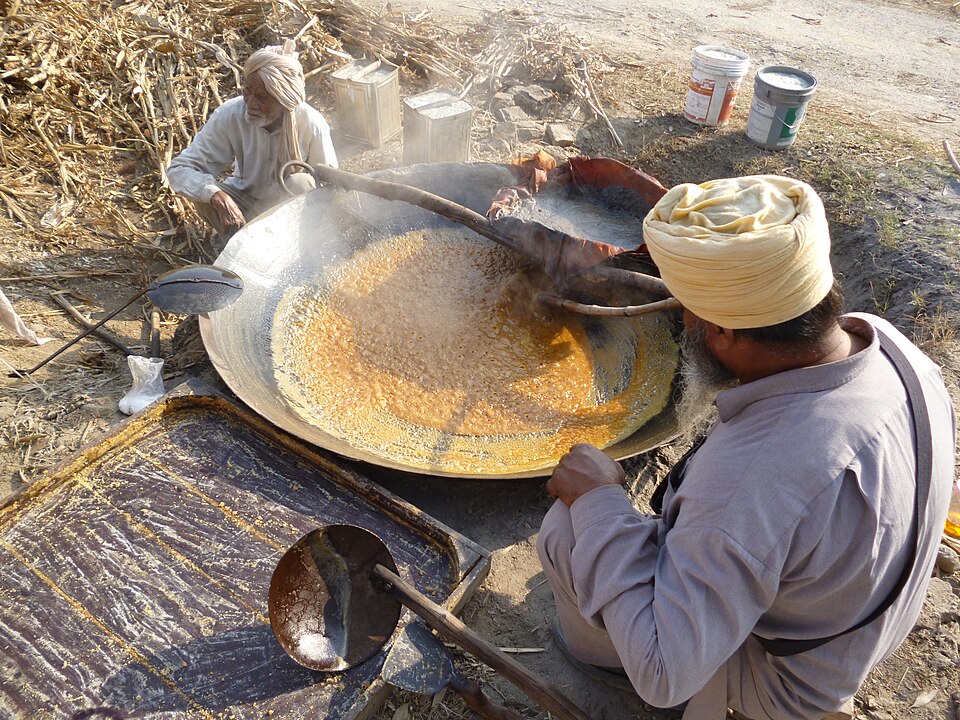
The winter season when sugarcane is crushed and its juice boiled in great pans into golden gur.
 Kop met oor voor thee uit de langar (gezamenlijke keuken)Format original: hoogte 8.2 cmWikimedia Commons ↗