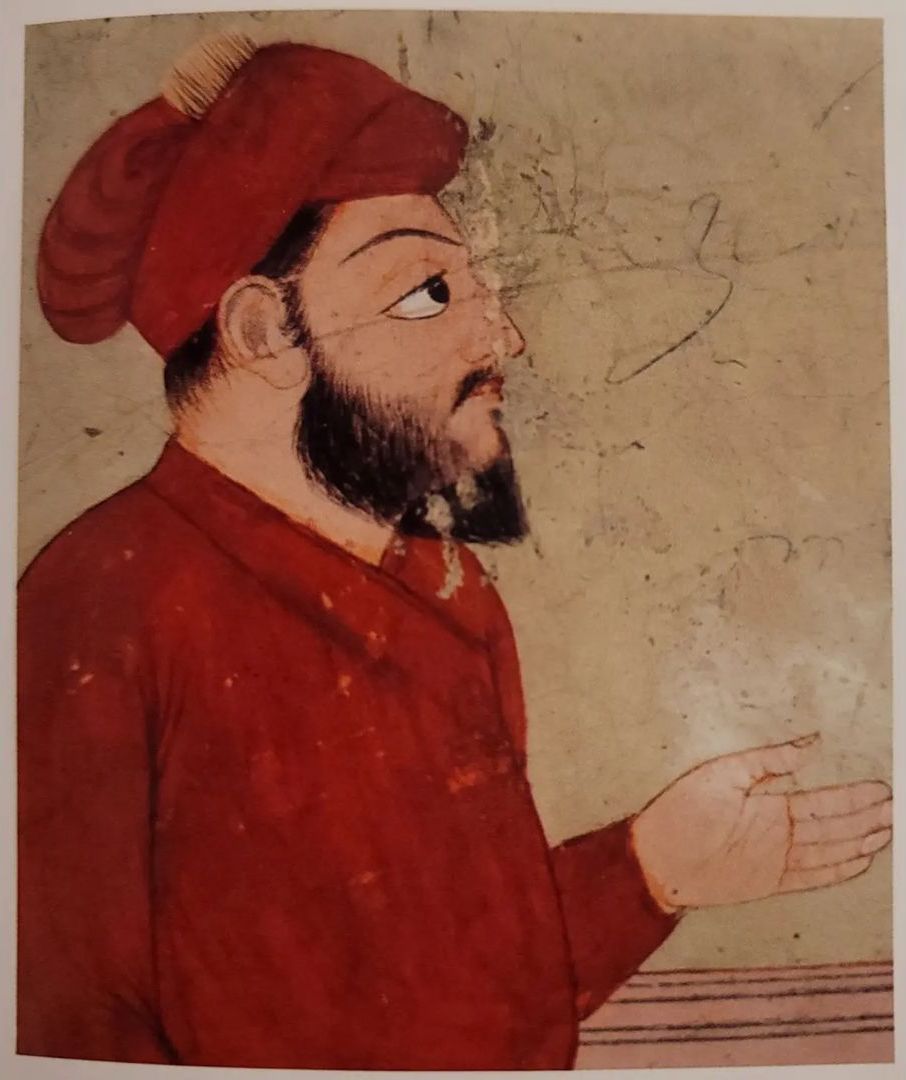
Ram Rai
Elder son of Guru Har Rai, disowned for altering a line of scripture to please Aurangzeb. He settled in the Doon valley; the city of Dehradun grew around his dera.
Ram Rai was born in 1646, the elder son of Guru Har Rai. In 1661 his father sent him to Delhi to answer the emperor Aurangzeb. He is said to have performed miracles before the court, and when asked about a line of Guru Nanak's that seemed to criticise Muslims, he changed one word to please the emperor.
Guru Har Rai disowned him for altering the Guru's word and passed the Guruship to his younger son, Har Krishan. Ram Rai claimed it with the backing of the Mughal court. Aurangzeb gave him land in the Doon valley, where he founded a dera, the Darbar of Ram Rai, around which the city of Dehradun grew.
His followers, the Ram Raiyas, were among the groups the Khalsa were told not to associate with. He died in 1687, and his darbar, a building in Mughal style, still stands at Dehradun.
Connected
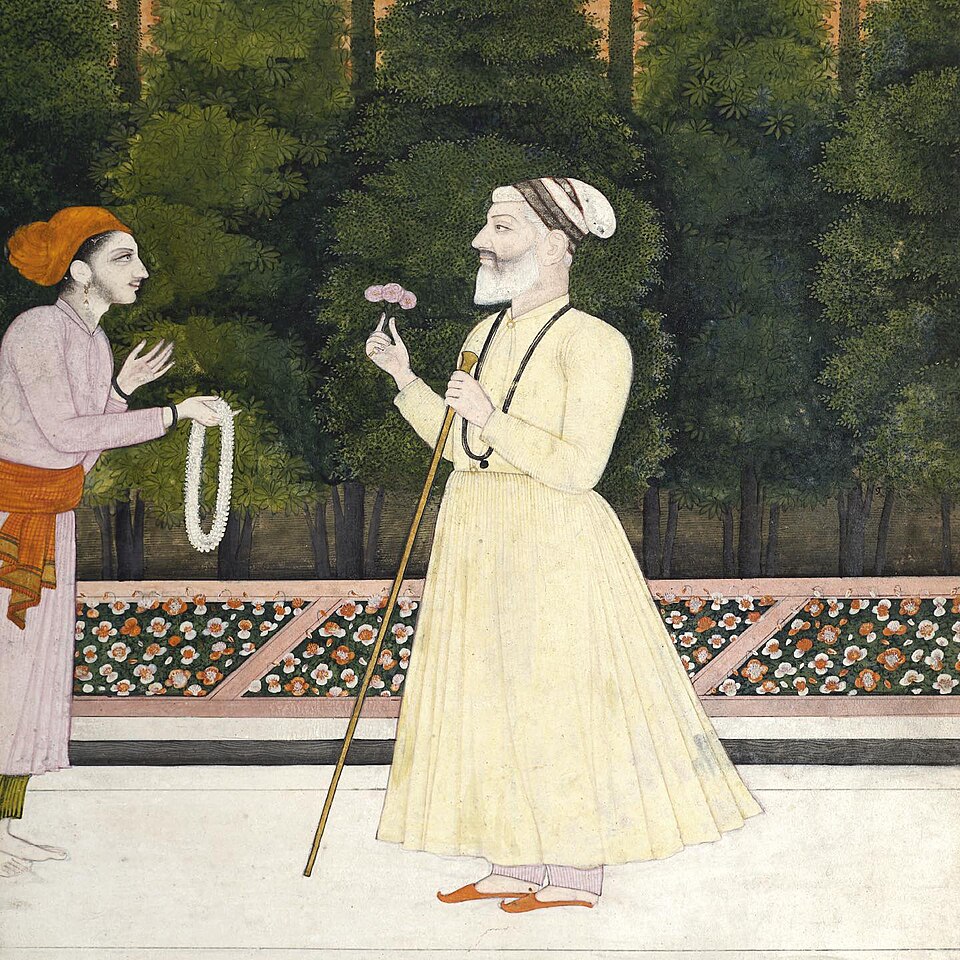
Seventh Guru, known for his gentleness. Kept a herbal dispensary and animal park at Kiratpur and maintained Guru Hargobind's cavalry while avoiding war.
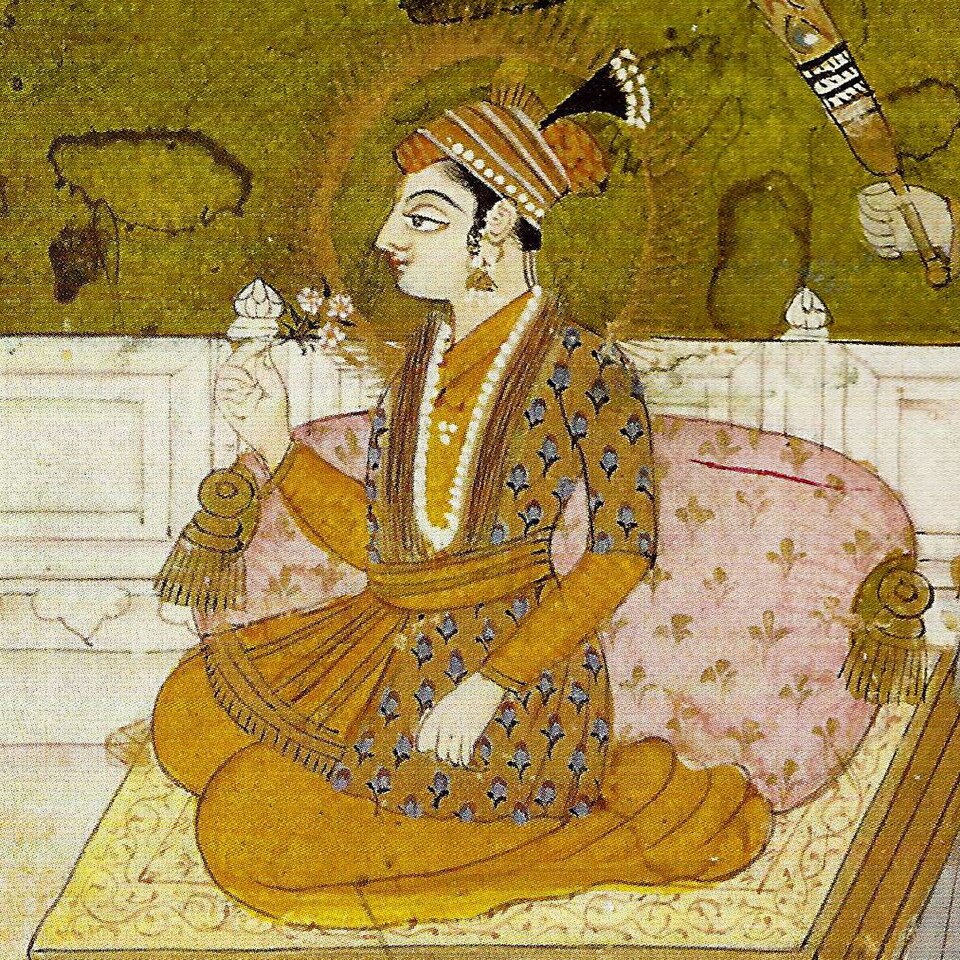
Eighth Guru, Guru at five. Nursed victims of a smallpox and cholera epidemic in Delhi and died of smallpox aged seven.
 Portrait of [likely] Ram Rai (often misidentified as depicting the ninth Sikh guruAsian Art Museum, San Francisco · photo Taken from an article written by Atsushi Ikeda of the Univer (Wikimedia Commons) ↗