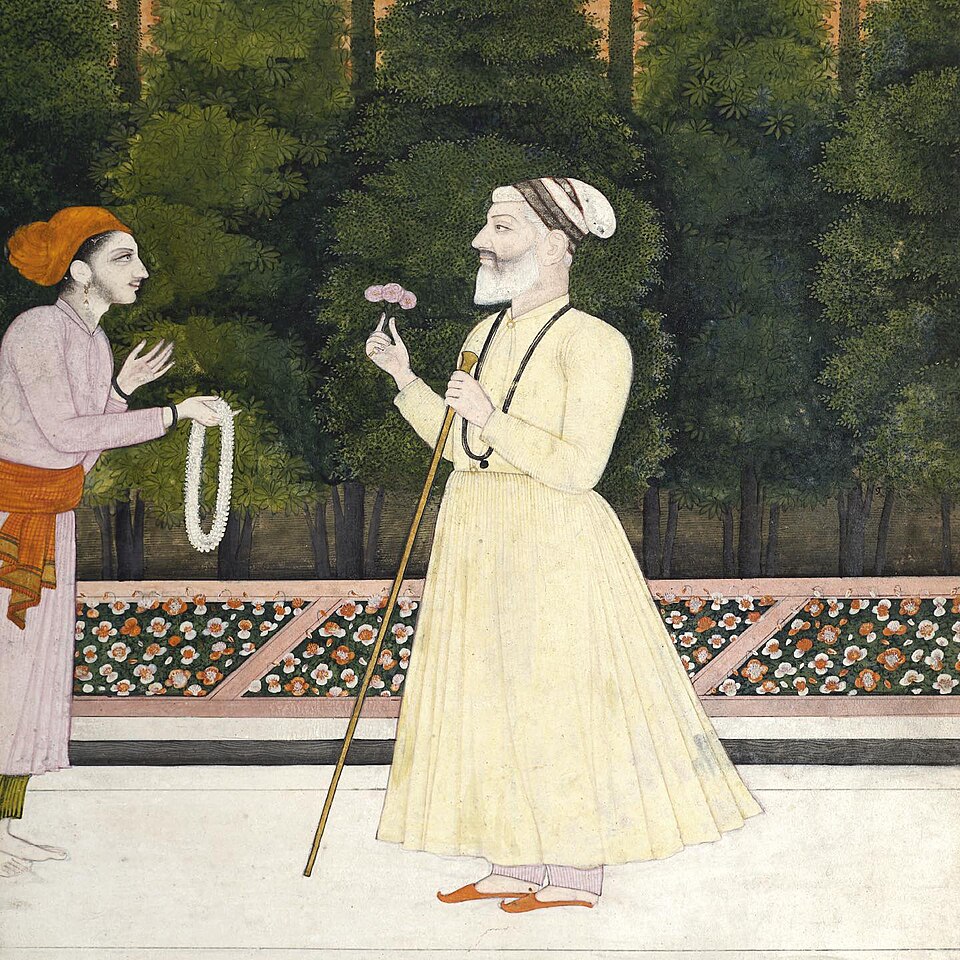
Guru Har Rai
Seventh Guru, known for his gentleness. Kept a herbal dispensary and animal park at Kiratpur and maintained Guru Hargobind's cavalry while avoiding war.
Har Rai was born in 1630 at Kiratpur, the son of Baba Gurditta, Guru Hargobind's eldest son, and became the seventh Guru at fourteen when his grandfather died in 1644.
He is remembered above all for his gentleness. A story told of his childhood says that his wide robe once brushed a rose bush and broke a flower, and his grandfather told him to carry his robe with care because a life must not harm what it passes. He kept the 2,200 horsemen his grandfather had raised but never fought a battle.
At Kiratpur he kept a herbal dispensary and a zoo, and his medicines were famous. When Dara Shikoh, Shah Jahan's eldest son, fell gravely ill, and the court physicians could find no cure, the Guru sent the rare medicine that saved him. Later, when Dara was fleeing his brother Aurangzeb in 1658, he came to the Guru at Goindwal, and the Sikhs are said to have helped delay his pursuers at the Beas crossing.
Aurangzeb summoned the Guru to Delhi to explain himself. The Guru sent his elder son Ram Rai instead. Asked about a line in the Asa di Var that says the clay of a Muslim's grave goes to the potter's wheel, Ram Rai changed the word Musalman to beiman, 'the faithless', to please the emperor. The Guru never saw him again, saying the Guru's word could not be altered, and Ram Rai settled at Dehradun under Mughal patronage.
Before his death in 1661, at only thirty-one, Guru Har Rai named his younger son Har Krishan, then five years old, as the eighth Guru.
On the timeline
Connected
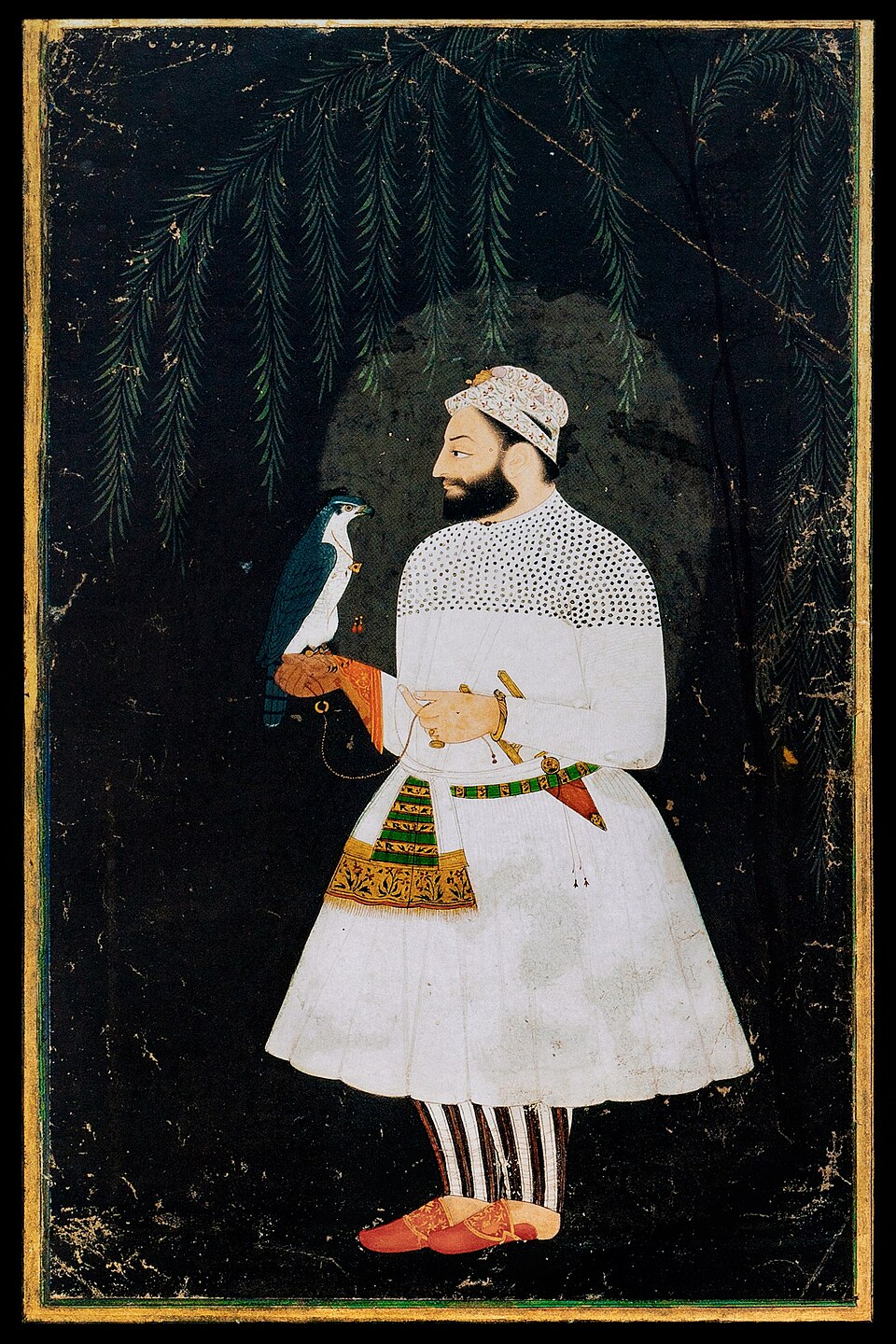
Sixth Guru. Wore two swords, miri and piri, for worldly and spiritual authority, built the Akal Takht and fought the first Sikh battles against Mughal forces.
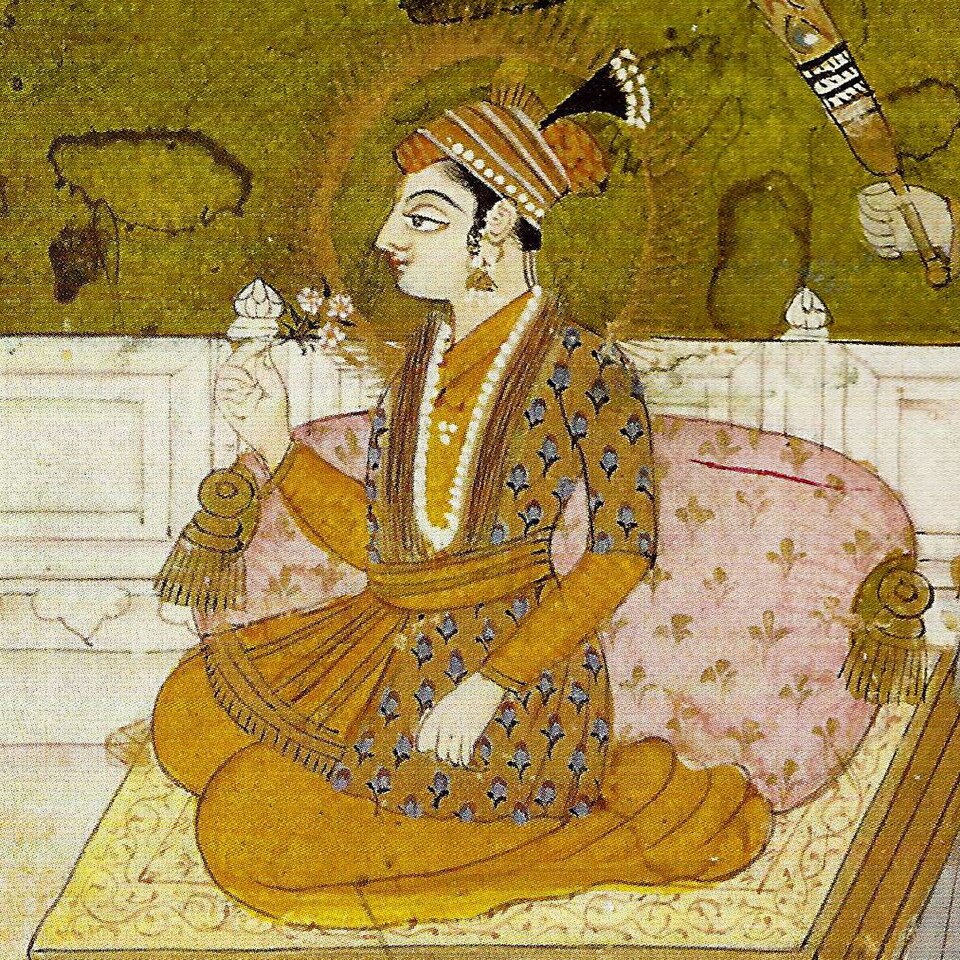
Eighth Guru, Guru at five. Nursed victims of a smallpox and cholera epidemic in Delhi and died of smallpox aged seven.
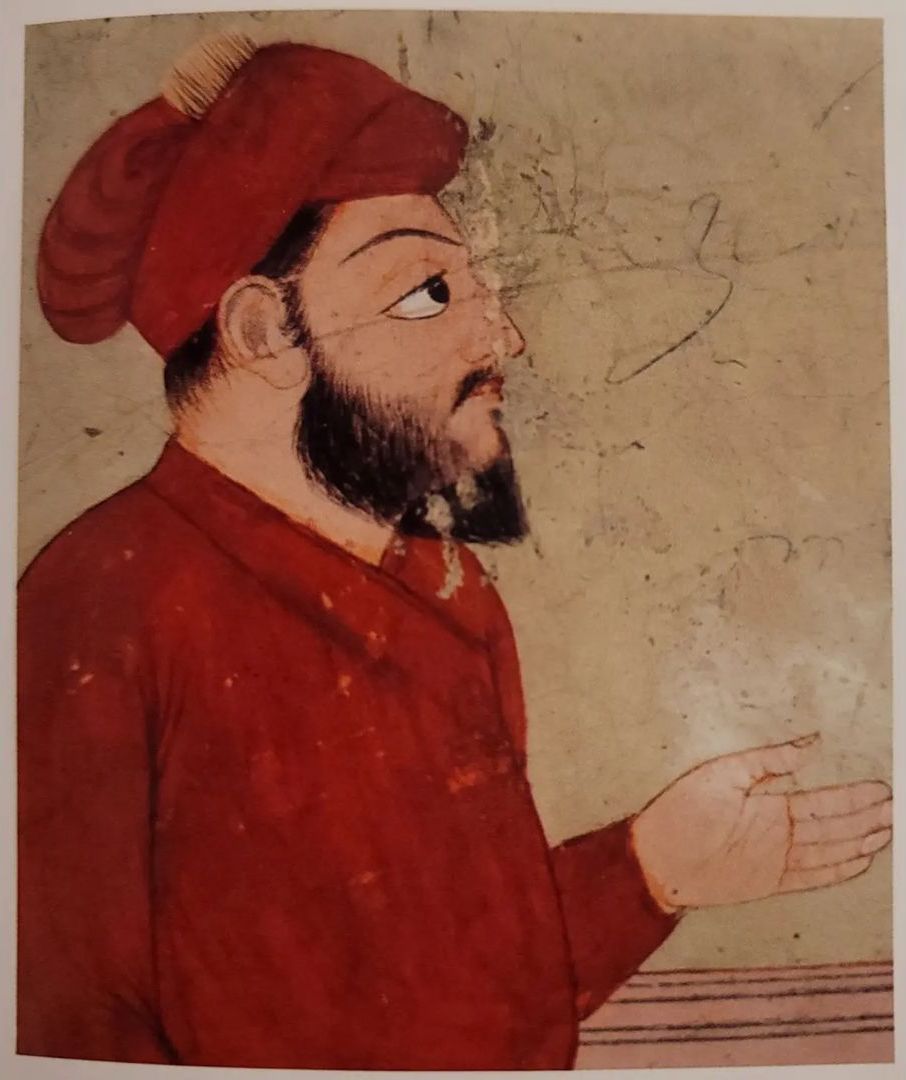
Elder son of Guru Har Rai, disowned for altering a line of scripture to please Aurangzeb. He settled in the Doon valley; the city of Dehradun grew around his dera.
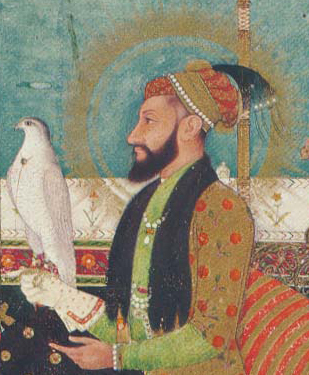
Mughal emperor under whom Guru Tegh Bahadur was executed. Guru Gobind Singh's Persian letter, the Zafarnama, was addressed to him. He built Lahore's Badshahi Mosque.
The Gurus' family tree
How the Guruship passedScroll sideways to see the whole tree →
Guru Gobind Singh's four sons, the Sahibzade, were all killed in 1704; in 1708 he passed the Guruship to the scripture and to the Khalsa. Guru Nanak passed over his own sons for his disciple Lehna, renamed Angad; Angad did the same. From Guru Ram Das on, the Guruship stayed in the Sodhi family, but not always with the eldest: Prithi Chand, Dhir Mal and Ram Rai each set up rival claims.
In the world's museums
4 objects Possibly Guru Har Gobind (another theory is that it depicts Guru Har Rai) with an…Wikimedia Commons ↗
 Guru Har Rai, the Seventh Guru Pahari (from the family workshop of Nainsukh of Guler)Government Museum, Chandigarh · photo Seu-Nainsukh workshop of Guler (Wikimedia Commons) ↗
 Painting of Guru Har Rai, Pahari, ca.1830–50Museum Rietberg, Zurich · photo Wikimedia Commons (Wikimedia Commons) ↗
 Painting of Guru Har Rai (or possibly Guru Hargobind?), Punjab, ca.1700–50Wikimedia Commons ↗