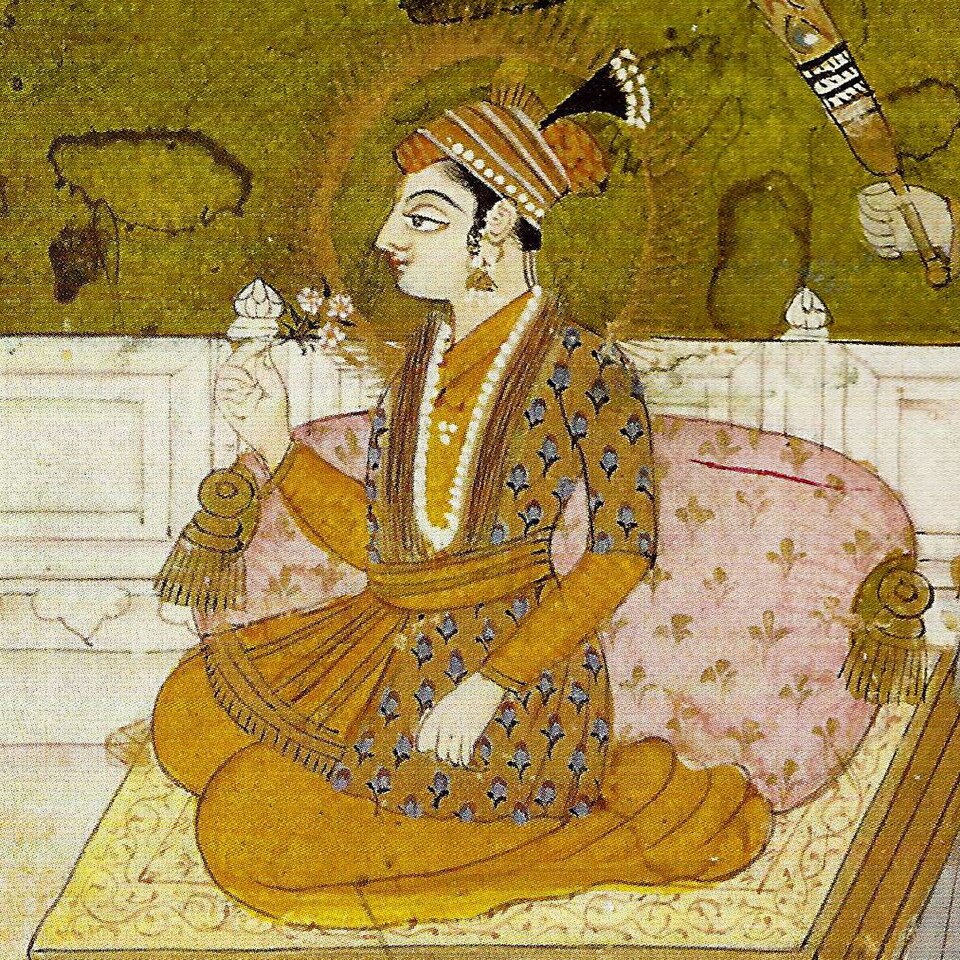
Guru Har Krishan
Eighth Guru, Guru at five. Nursed victims of a smallpox and cholera epidemic in Delhi and died of smallpox aged seven.
Har Krishan was born in 1656 at Kiratpur, the younger son of Guru Har Rai, and became Guru in 1661 at the age of five. He is the youngest of the Gurus and is remembered as Bala Pir, the child saint.
His elder brother Ram Rai, backed by the Mughal court, contested the succession, and Aurangzeb summoned the child Guru to Delhi. He stayed in the house of Raja Jai Singh of Amber, on the site where Gurdwara Bangla Sahib now stands. Stories tell how he answered every test the courtiers set, and how he had an illiterate water-carrier, Chhaju Ram, explain the Bhagavad Gita by touching him with his stick.
Delhi at that time was struck by an epidemic of smallpox and cholera. The young Guru went among the sick, Hindu and Muslim, comforting and tending them, and the water of the well at his residence was given to the sick. The sarovar of Bangla Sahib, where people still take that water home, remembers it.
He caught smallpox himself and died in March 1664, aged seven. Asked who would succeed him, he said only 'Baba Bakale': the Guru is at Bakala. Gurdwara Bala Sahib in Delhi marks the place of his cremation, and Sikhs everywhere end their daily prayer, the Ardas, by remembering Sri Har Krishan, at whose sight all suffering departs.
On the timeline
Connected
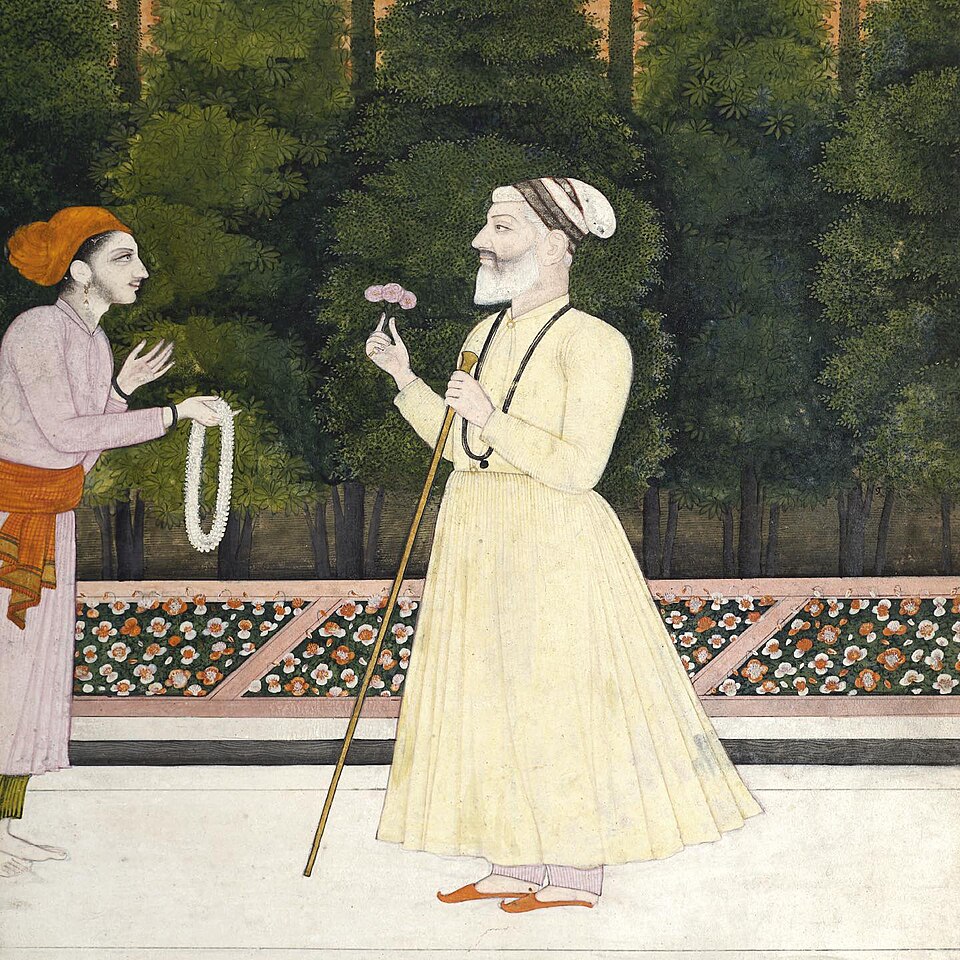
Seventh Guru, known for his gentleness. Kept a herbal dispensary and animal park at Kiratpur and maintained Guru Hargobind's cavalry while avoiding war.
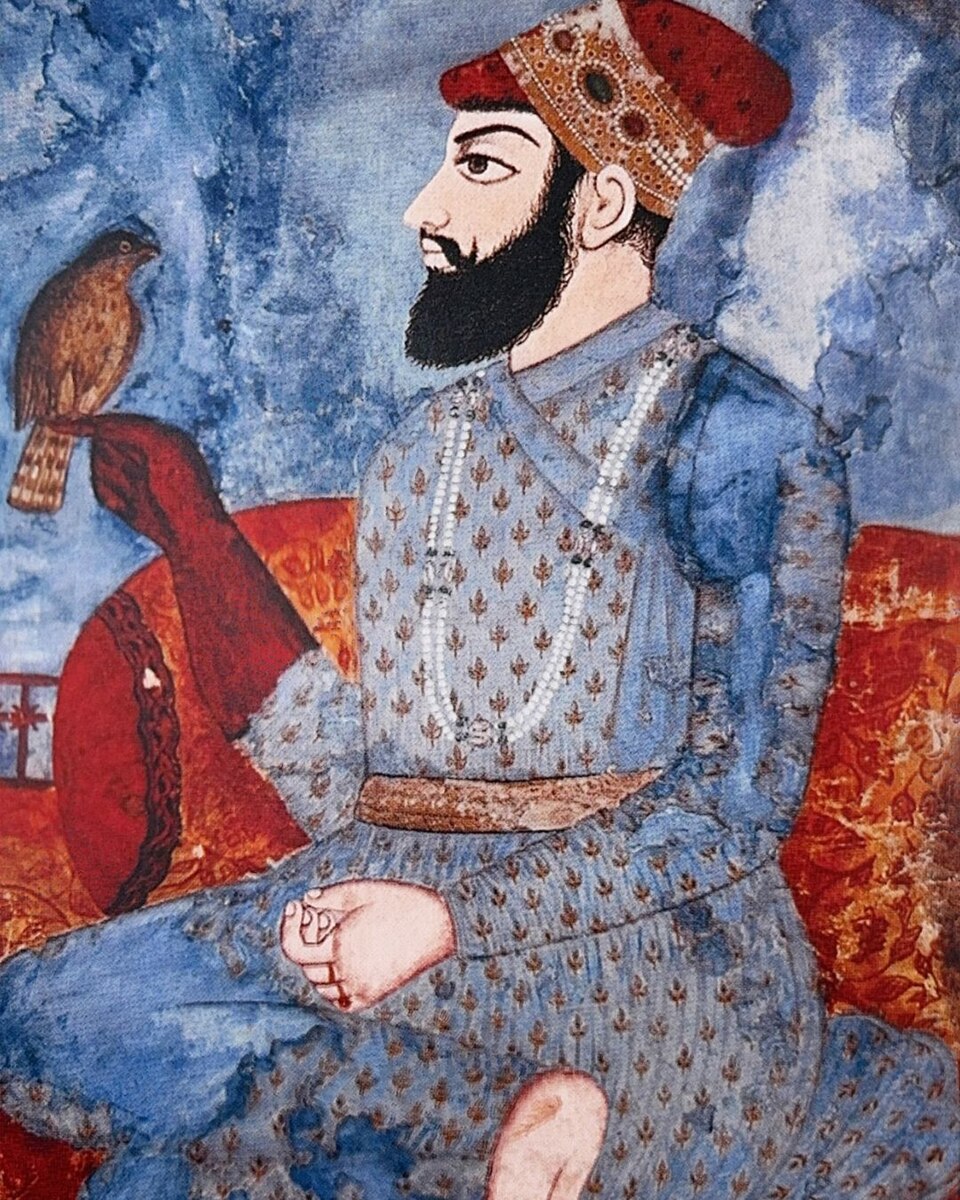
Ninth Guru, 'Hind di Chadar', the shield of India. Founded Anandpur and was beheaded in Delhi in 1675 for defending the right of Kashmiri Pandits to keep their faith.
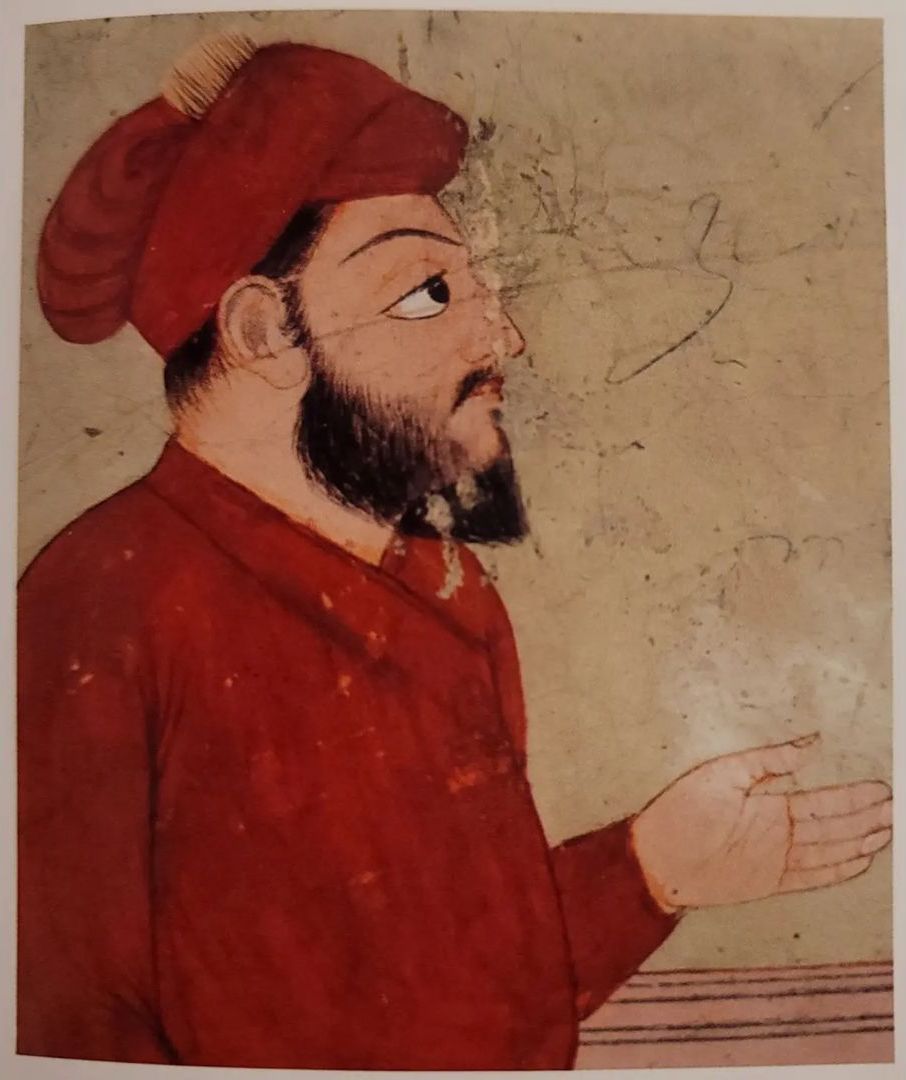
Elder son of Guru Har Rai, disowned for altering a line of scripture to please Aurangzeb. He settled in the Doon valley; the city of Dehradun grew around his dera.
The Gurus' family tree
How the Guruship passedScroll sideways to see the whole tree →
Guru Gobind Singh's four sons, the Sahibzade, were all killed in 1704; in 1708 he passed the Guruship to the scripture and to the Khalsa. Guru Nanak passed over his own sons for his disciple Lehna, renamed Angad; Angad did the same. From Guru Ram Das on, the Guruship stayed in the Sodhi family, but not always with the eldest: Prithi Chand, Dhir Mal and Ram Rai each set up rival claims.
 Painting of Guru Har Krishan, Pahari, ca.1830–50Museum Rietberg, Zurich · photo Wikimedia Commons (Wikimedia Commons) ↗