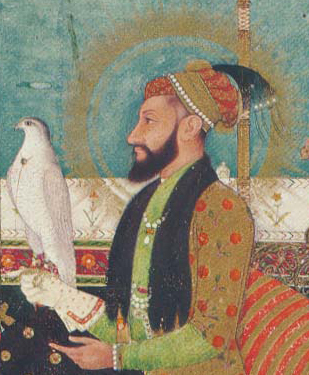
Aurangzeb
Mughal emperor under whom Guru Tegh Bahadur was executed. Guru Gobind Singh's Persian letter, the Zafarnama, was addressed to him. He built Lahore's Badshahi Mosque.
Aurangzeb was born in 1618, the son of Shah Jahan. In 1658 he defeated and killed his brothers, including the Sufi-minded Dara Shikoh, imprisoned his father and took the throne. He ruled for nearly fifty years.
He was a pious Sunni who reimposed the jizya on non-Muslims, destroyed many temples and enforced Islamic law. Under his rule the Kashmiri Pandits were pressed to convert, and Guru Tegh Bahadur was executed in Delhi in 1675 for defending them. His governors waged war on Guru Gobind Singh, and the Guru's younger sons were executed at Sirhind in his name.
Guru Gobind Singh wrote to him from the Malwa the Zafarnama, the Letter of Victory, accusing him of breaking oaths sworn on the Quran. He spent his last twenty-five years at war in the Deccan, and died there in 1707, a lonely old man. His empire fell apart within decades of his death.
On the timeline
Connected
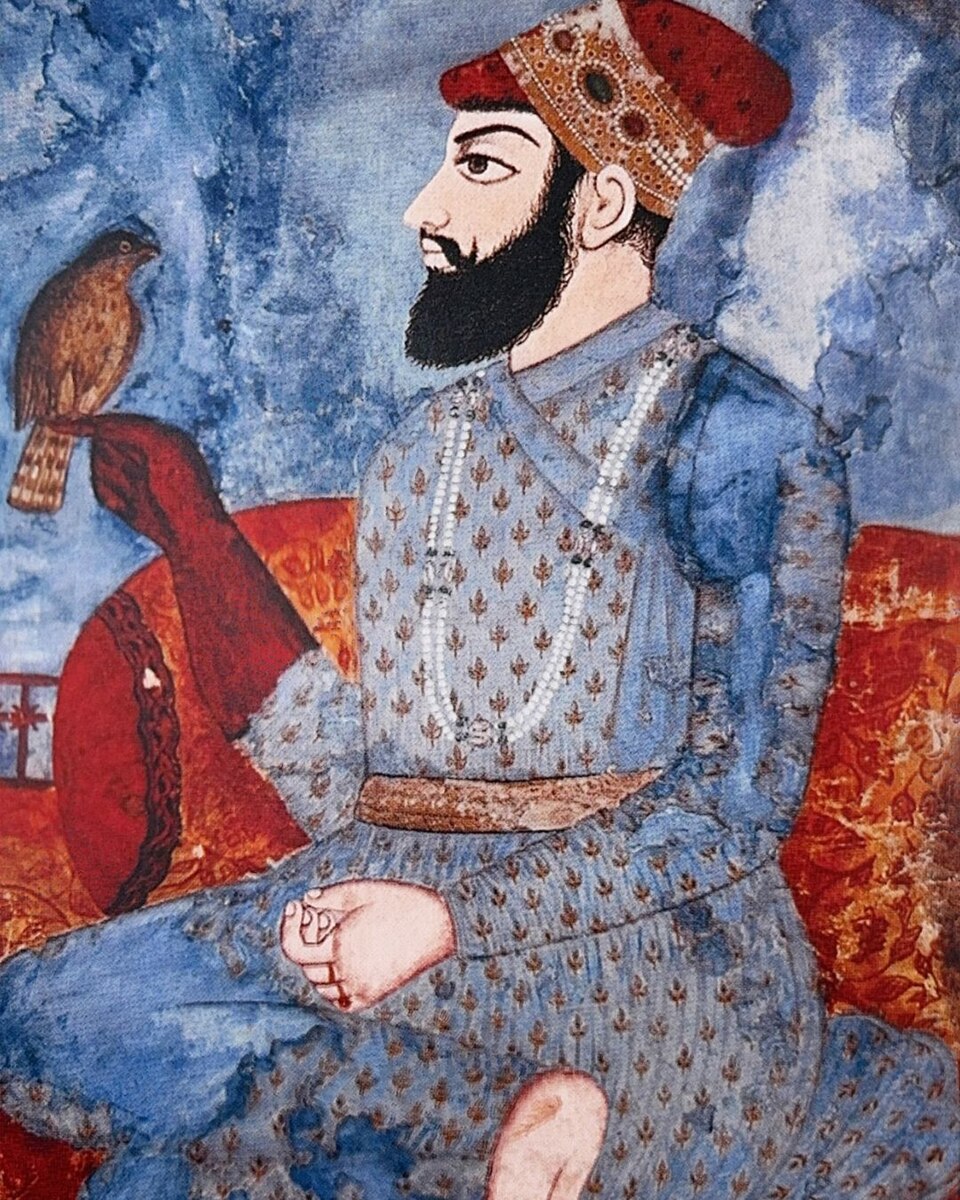
Ninth Guru, 'Hind di Chadar', the shield of India. Founded Anandpur and was beheaded in Delhi in 1675 for defending the right of Kashmiri Pandits to keep their faith.
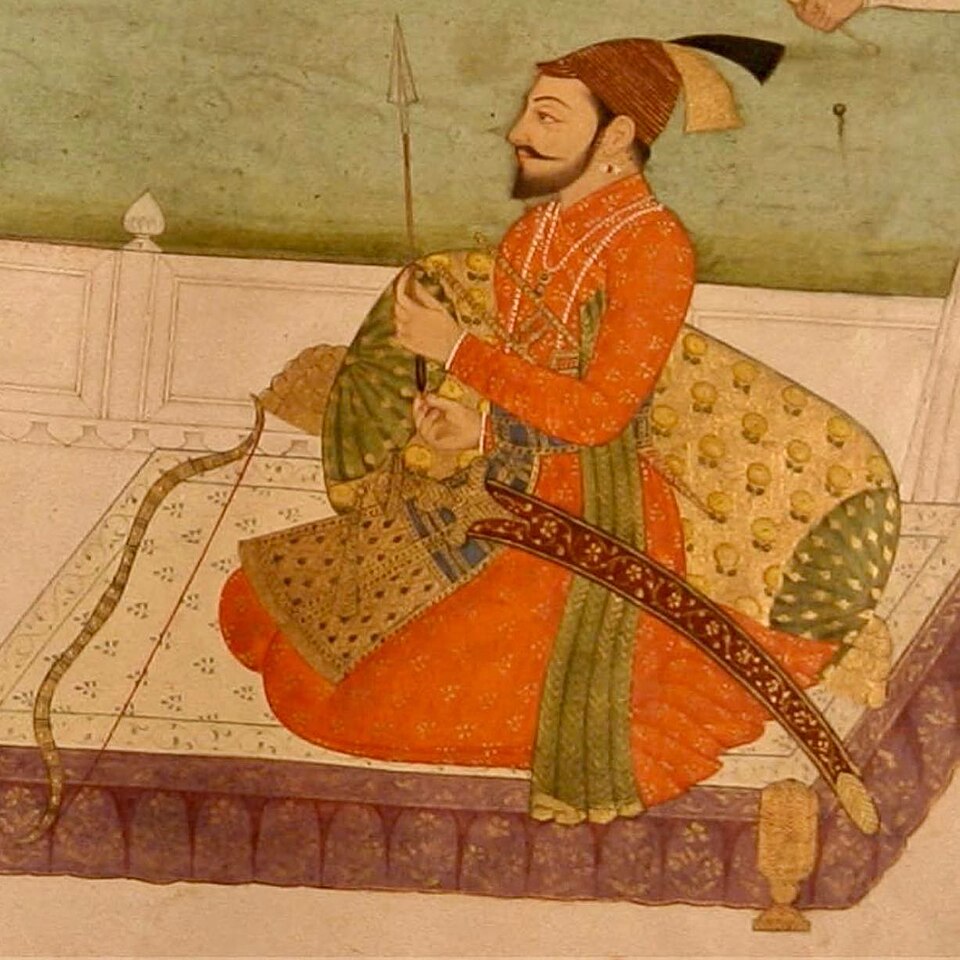
Tenth Guru, warrior and poet. Created the Khalsa in 1699, fought a long war with the Mughals and hill rajas, lost his four sons and mother, and named the Guru Granth Sahib as the final Guru.
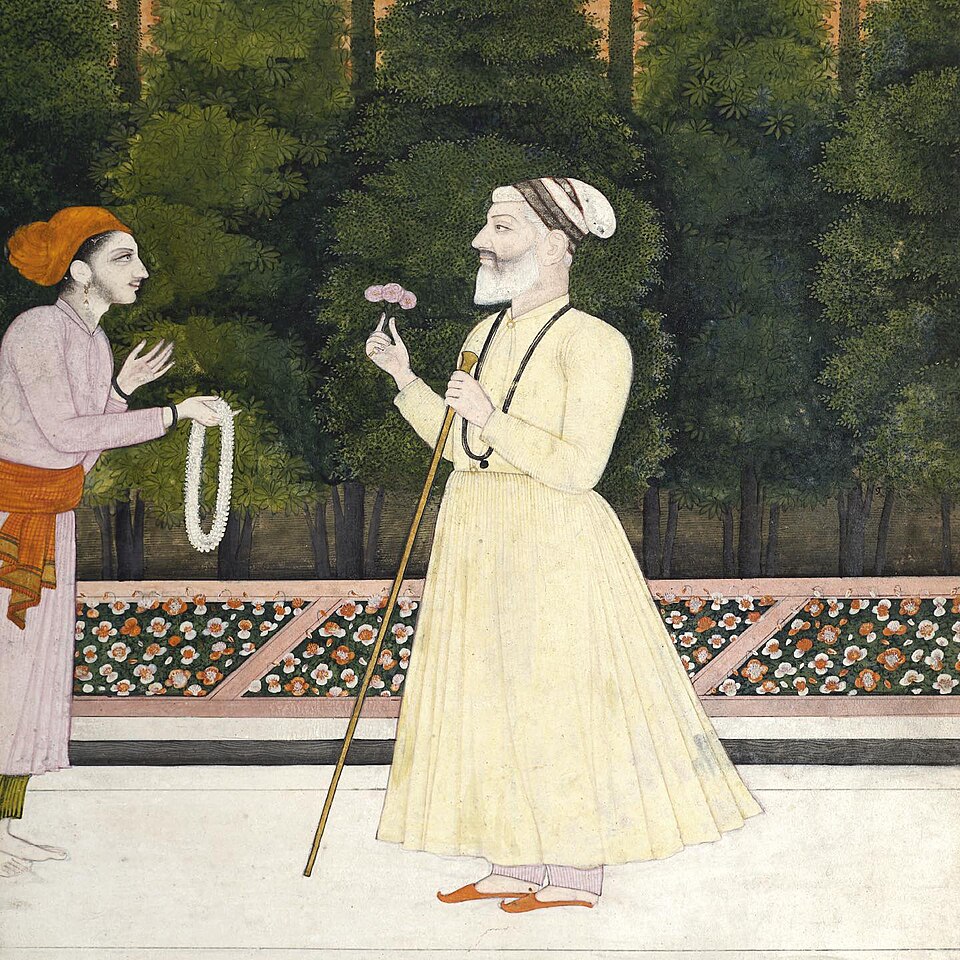
Seventh Guru, known for his gentleness. Kept a herbal dispensary and animal park at Kiratpur and maintained Guru Hargobind's cavalry while avoiding war.
In the world's museums
3 objects Bow and Arrow of Bahadur Shah Zafar 2, Sword and Dagger of Aurangzeb and battle Axe of…National Museum, New Delhi · photo Nomu420 (Wikimedia Commons) · CC BY-SA ↗
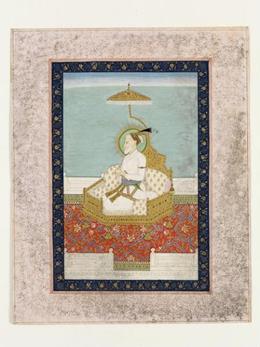 Aurangzebca. 1840 · Punjab Plain© Victoria and Albert Museum, London ↗
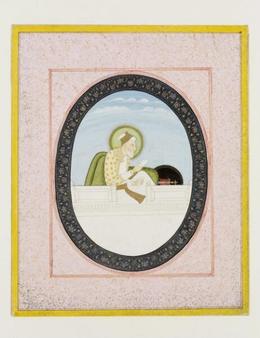 Emperor Aurangzebca. 1840 · Punjab Plain© Victoria and Albert Museum, London ↗