The collection
A fasting Buddha carved in Gandhara, the silver of an Indo-Greek king at Sialkot, the tiled mosques of Lahore and Multan, coins struck by Sikh chiefs in the names of the Gurus, scriptures written out by hand, the gold throne of a Maharaja and the jewels taken from his son: the material history of the Punjab is scattered from Lahore and Amritsar to London, Edinburgh and Washington. This is a guide to what survives, where it is, and what it tells us. The seals and sculptures of the Indus cities are with Harappa on The Land.
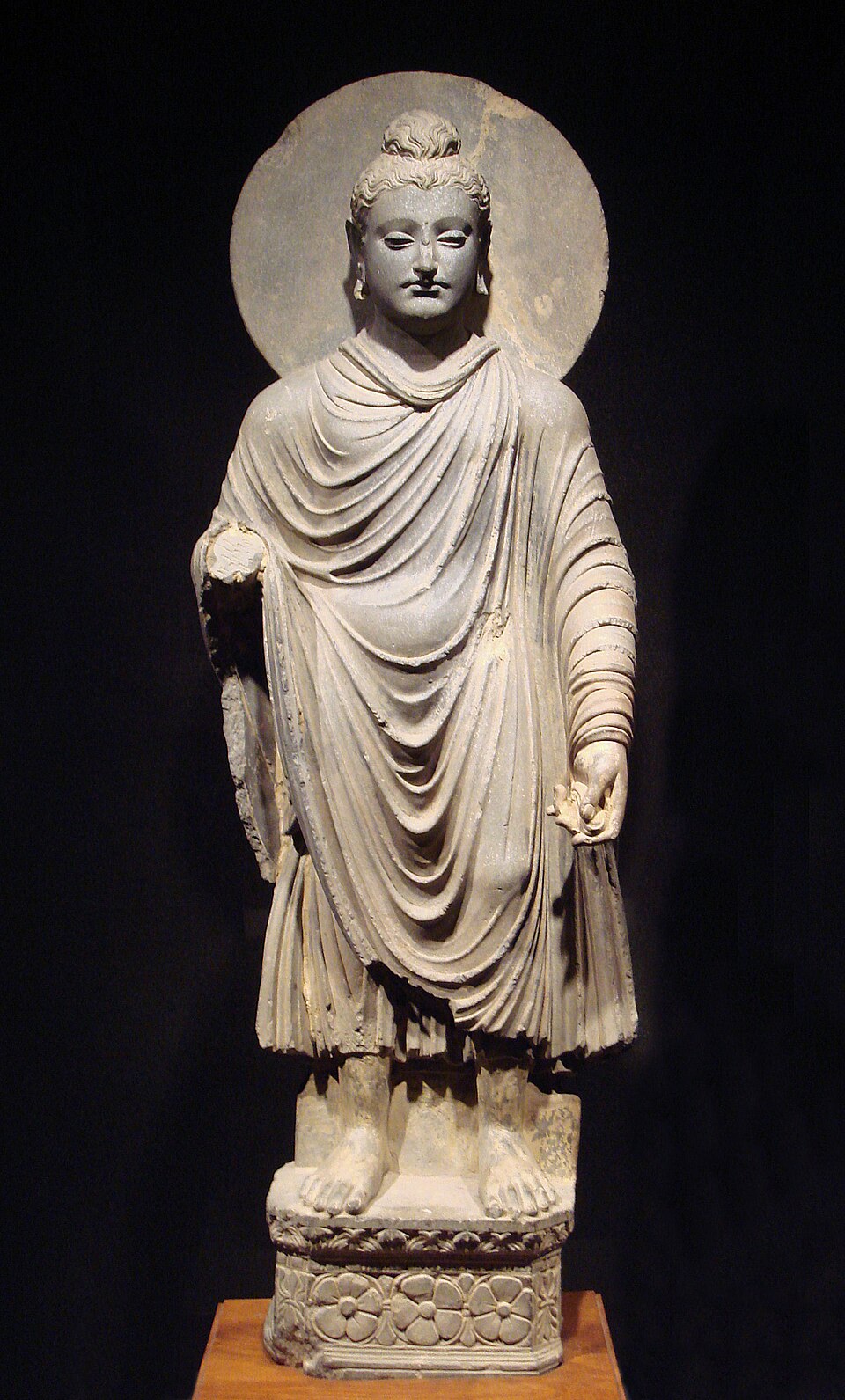
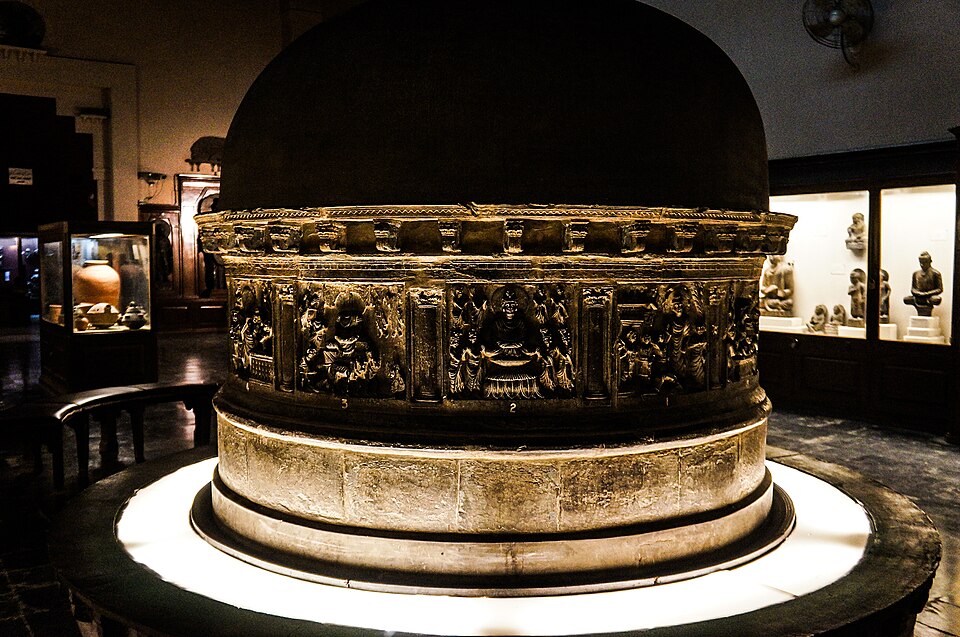
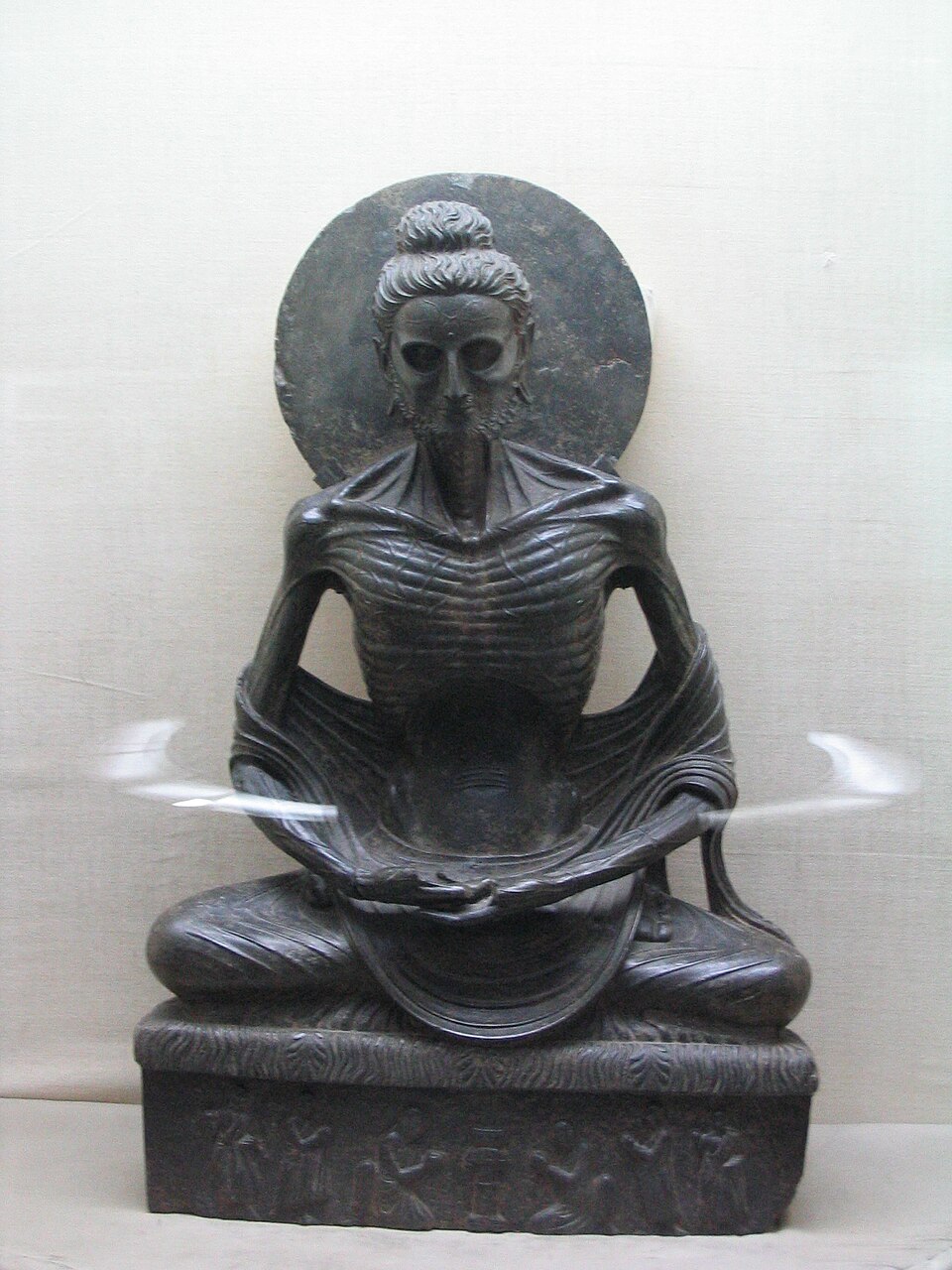
For five centuries the sculptors of Gandhara carved the Buddha and his stories in the grey schist of the north-west, mixing Indian, Greek and Persian forms.
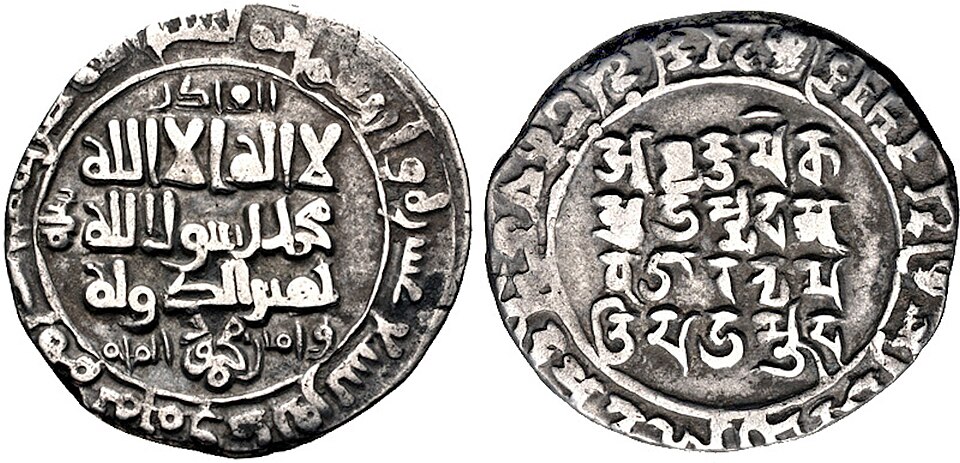
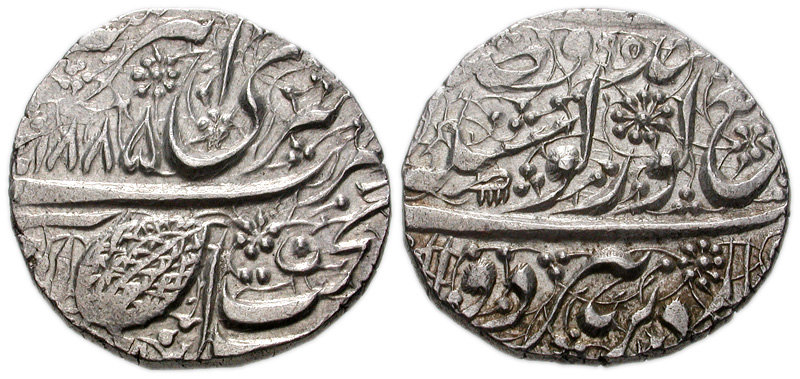
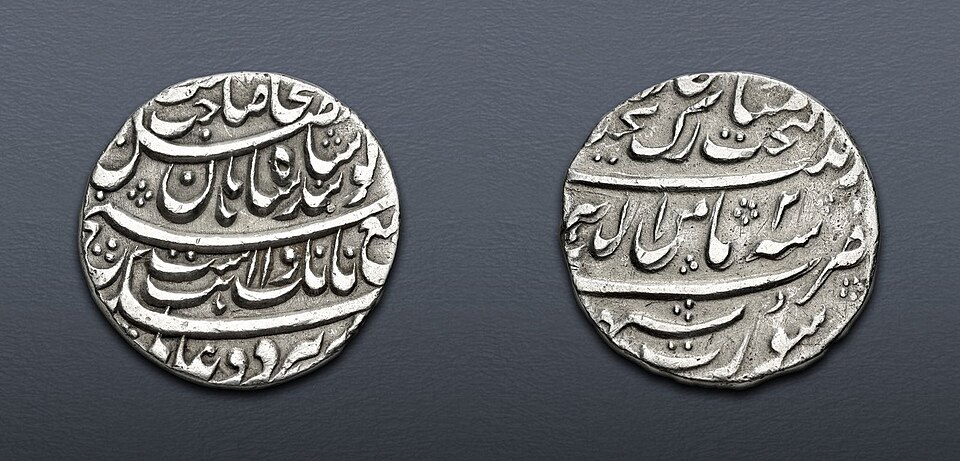
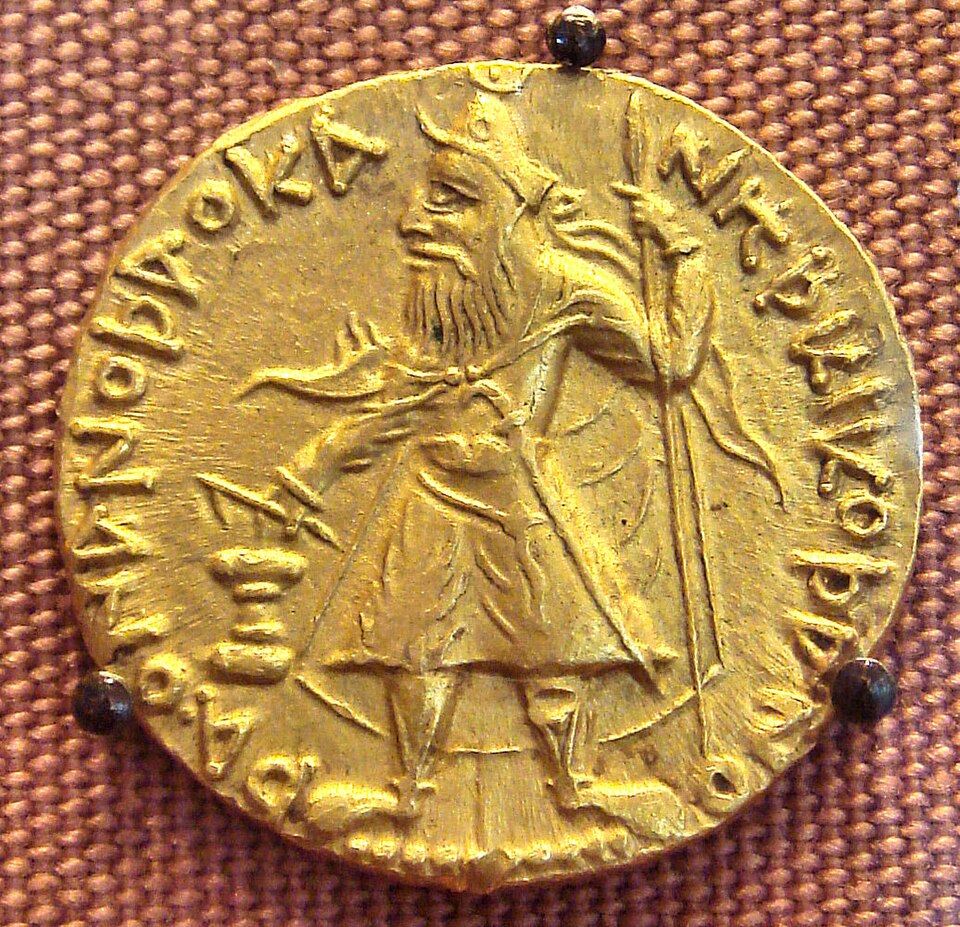
From the silver of the Indo-Greek kings to the mints of Lahore and Amritsar, where Sikh rulers struck money in the name of the Gurus rather than their own.
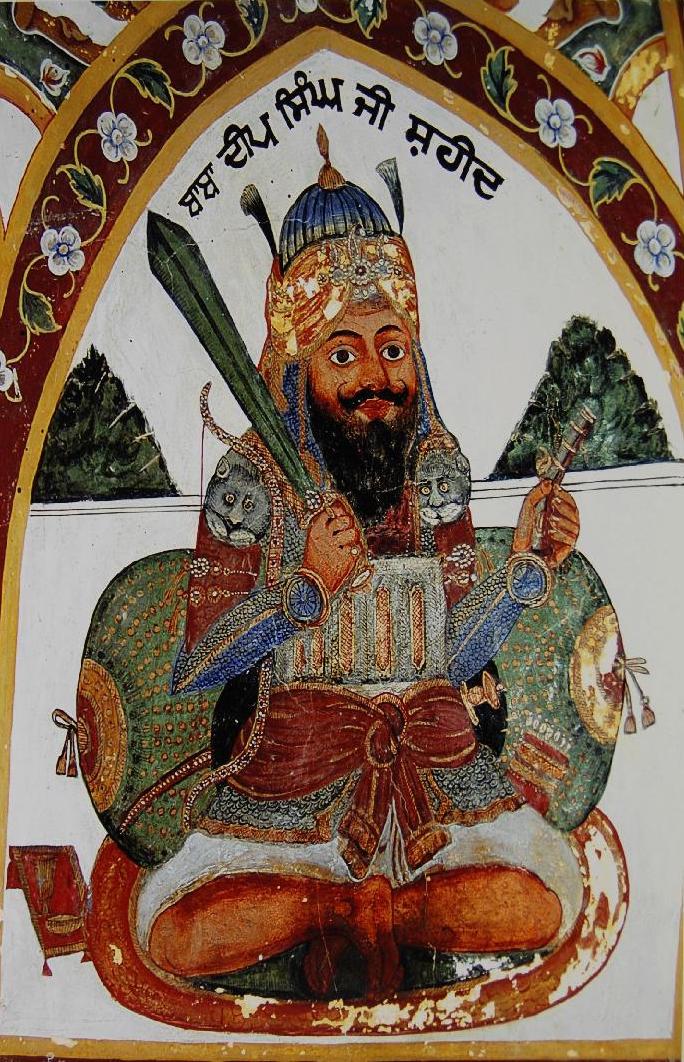
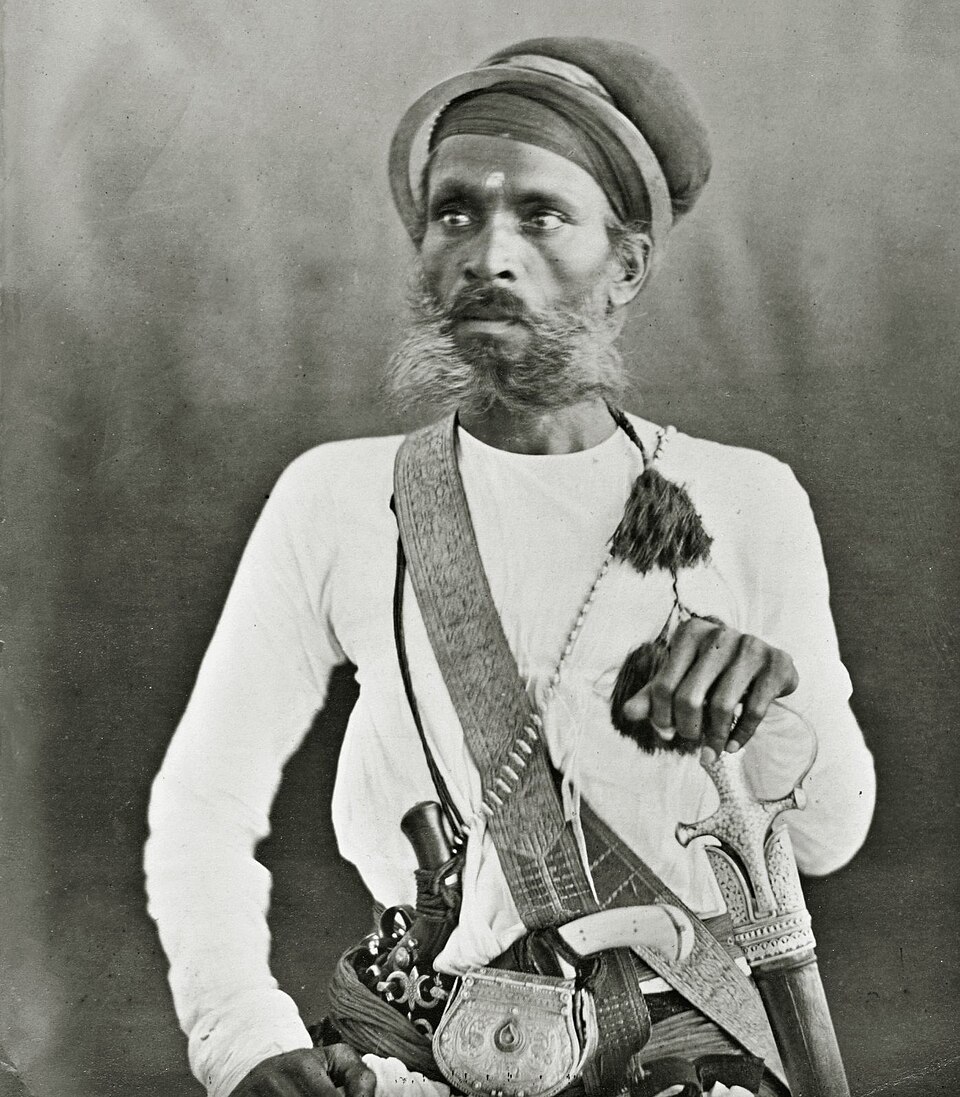
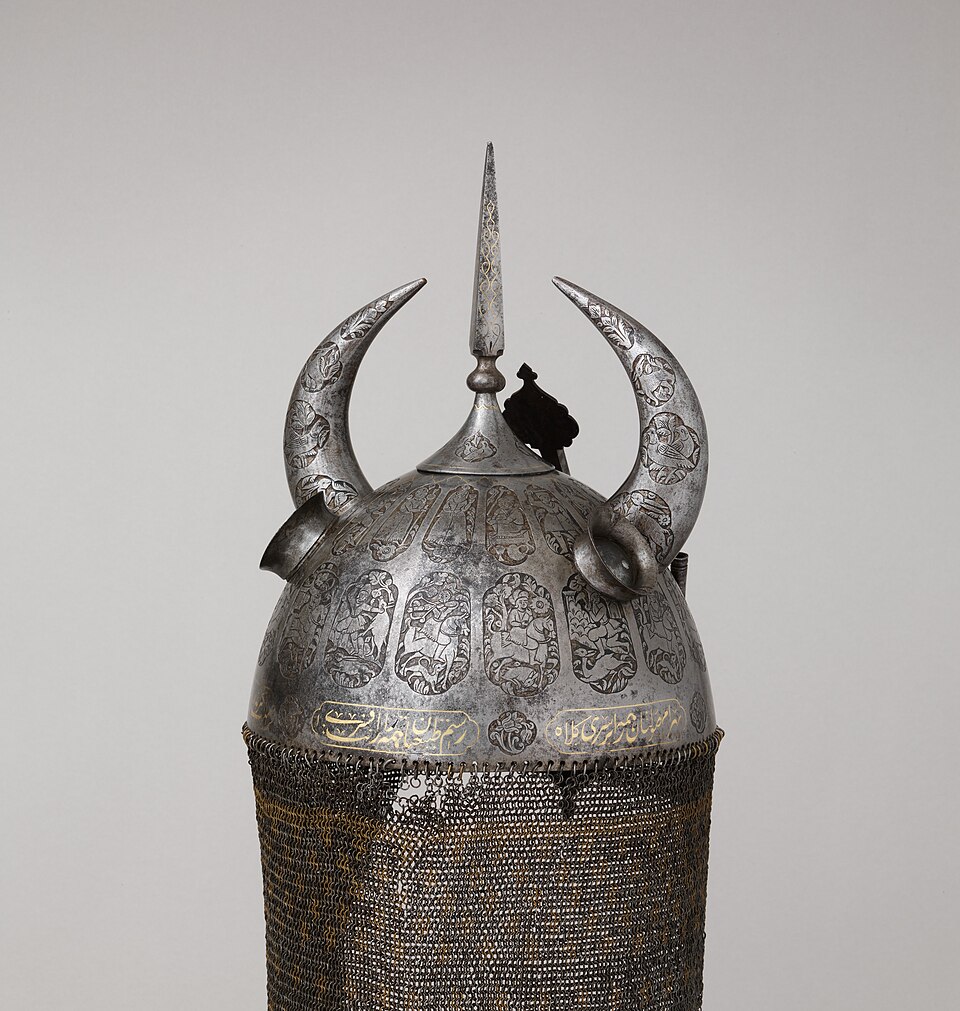
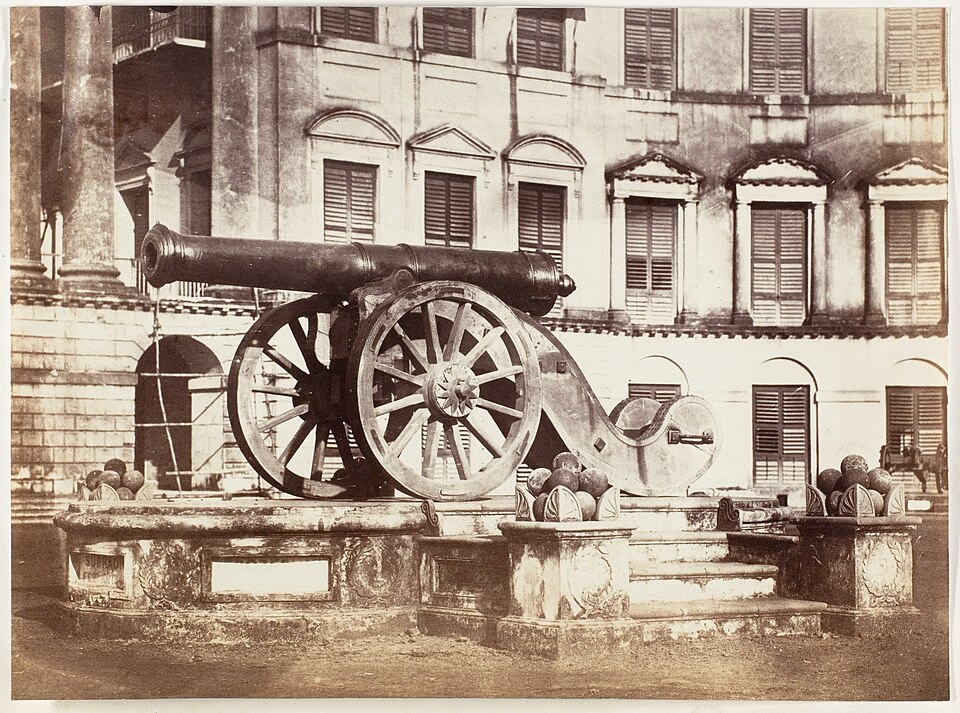
The shastars kept as relics at the gurdwaras, the great Zamzama gun of Lahore, and the steel of the Lahore army that now fills museum cases in Britain.
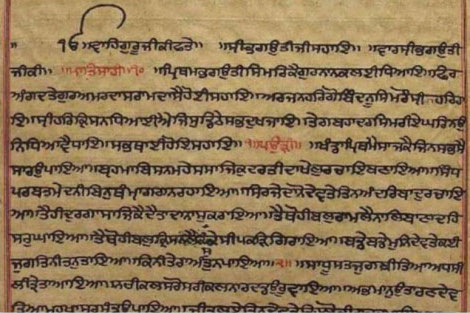
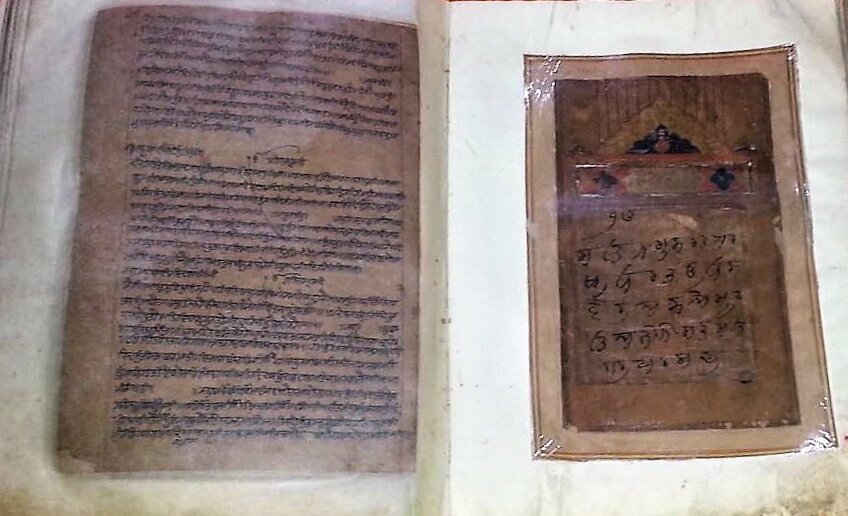
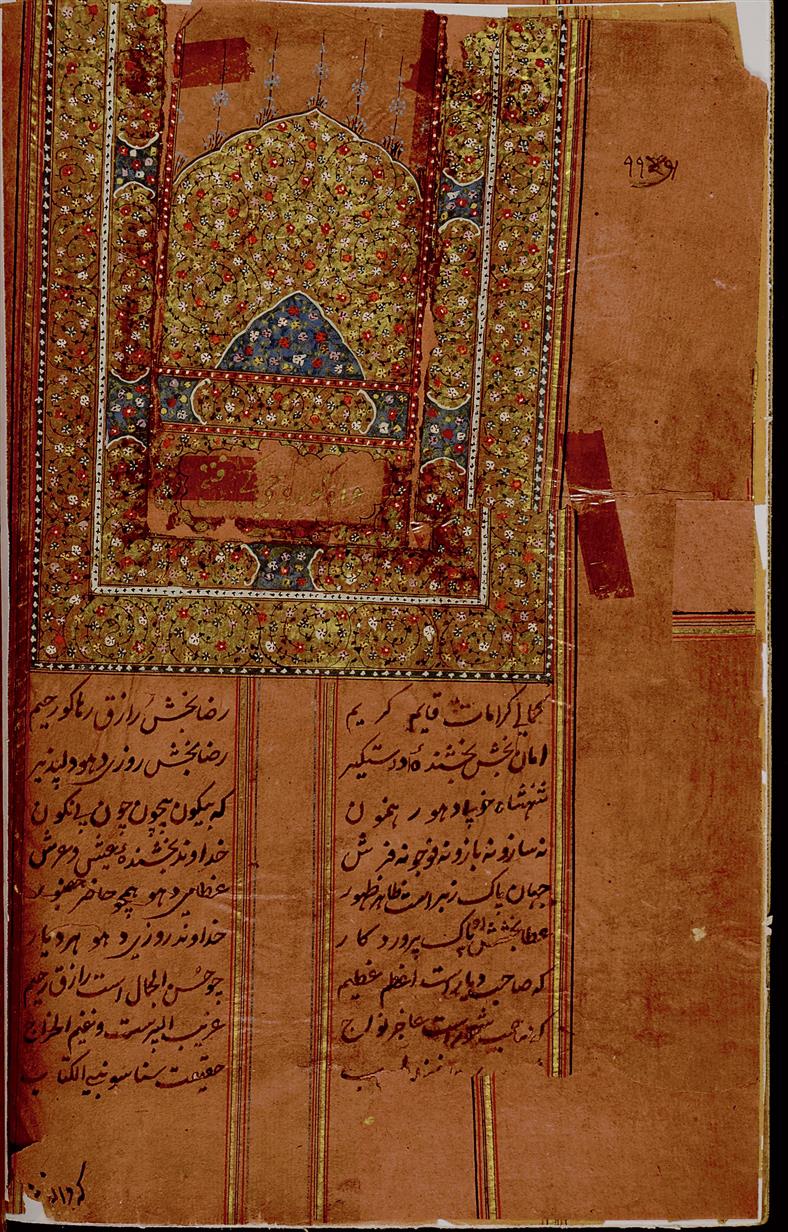
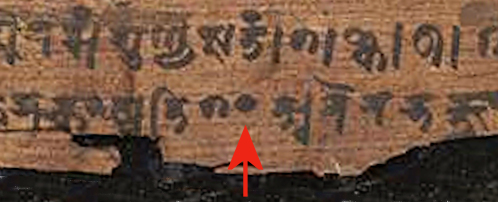
Ashoka's edicts cut in the rock of Gandhara, and, before print, every book written by hand: the earliest pothis of the Sikh scripture are among the most precious manuscripts of the Punjab.
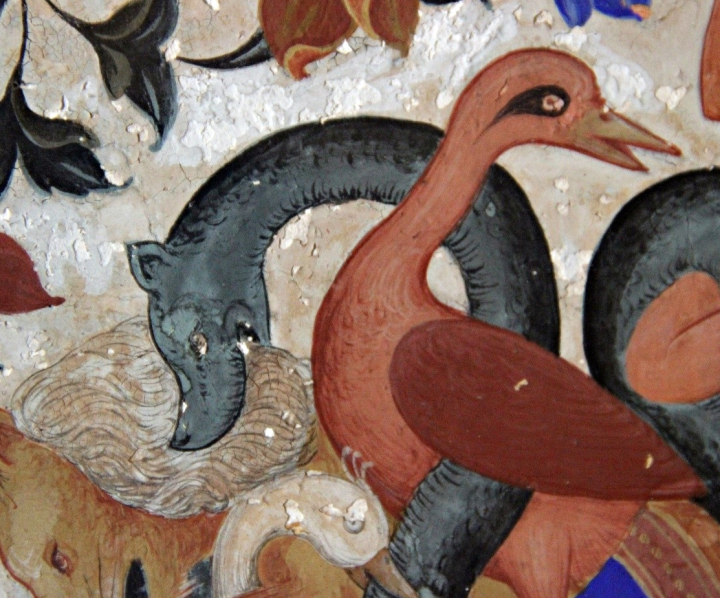
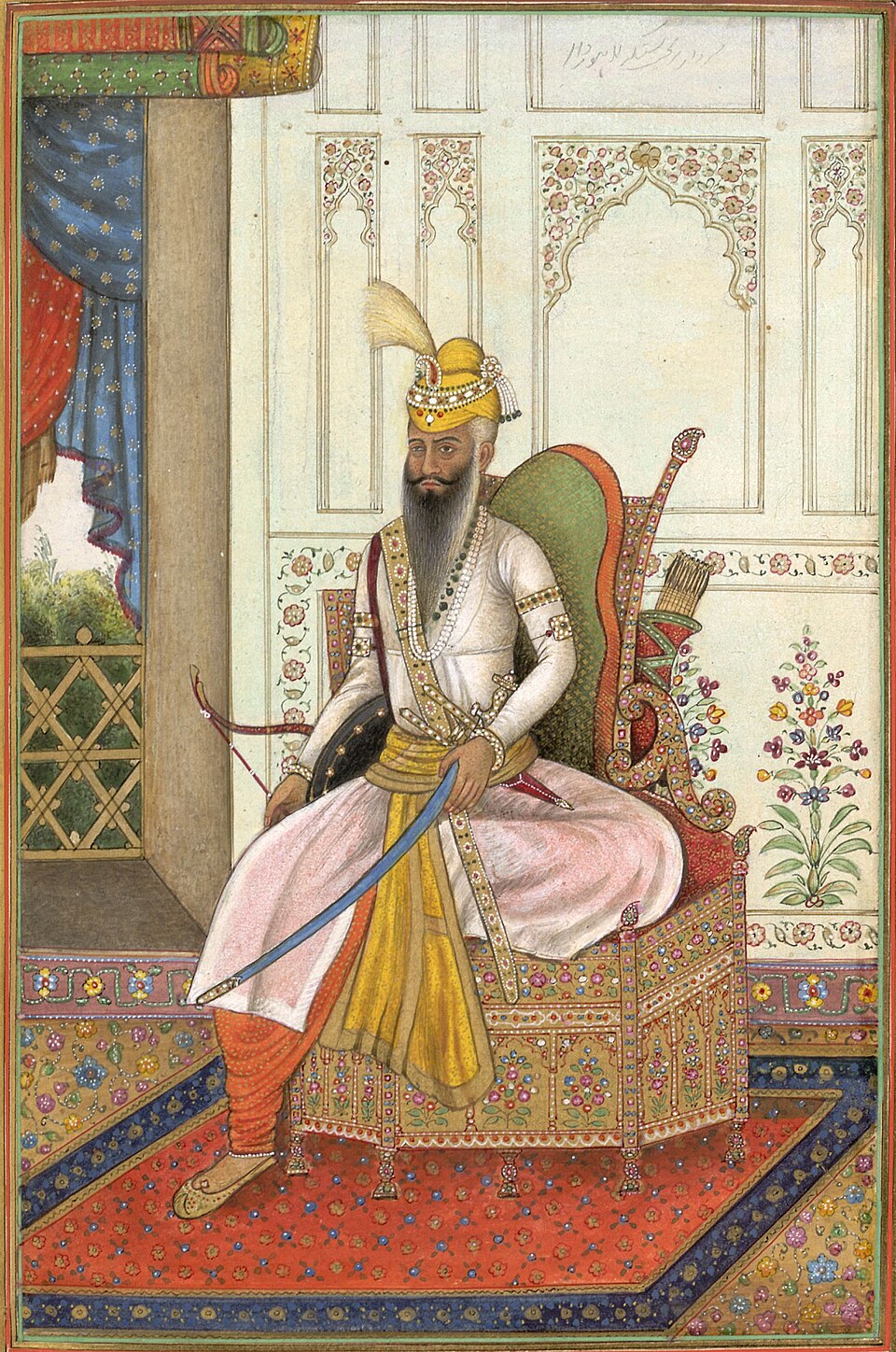
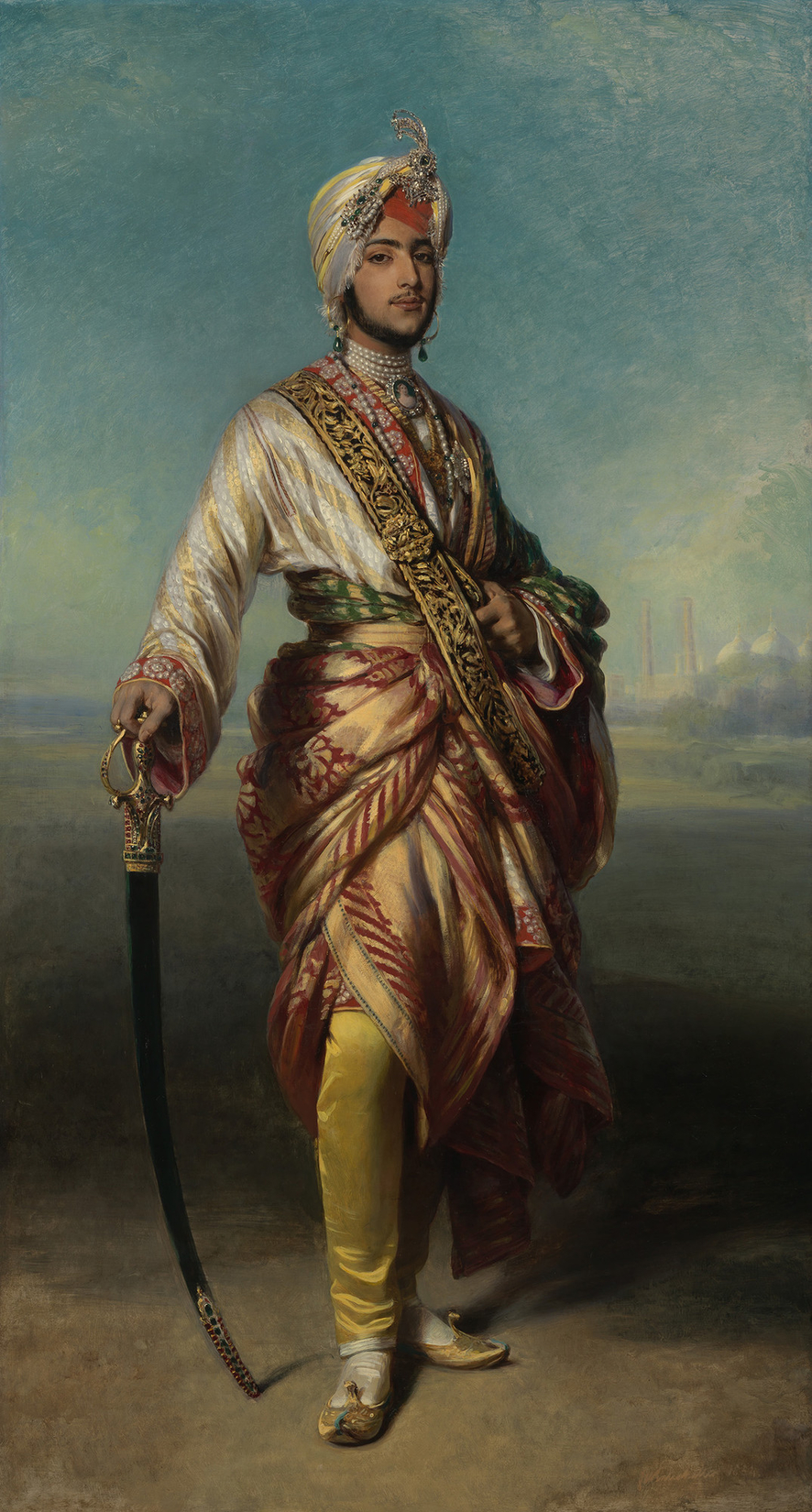
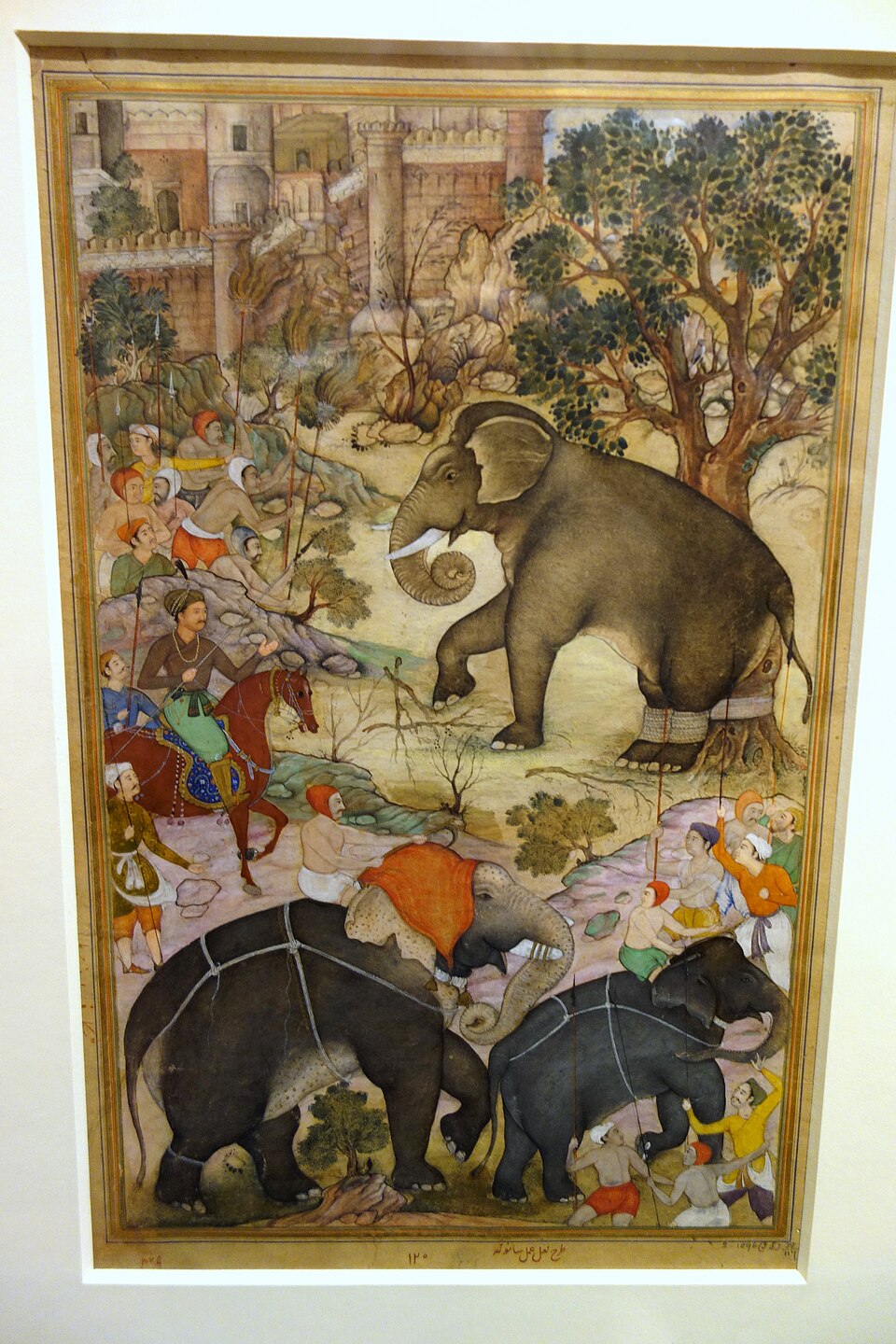
Pahari painters from the hills, Lahore court artists and European visitors painted the Punjab and its people; illustrated janamsakhis told Guru Nanak's life in pictures.
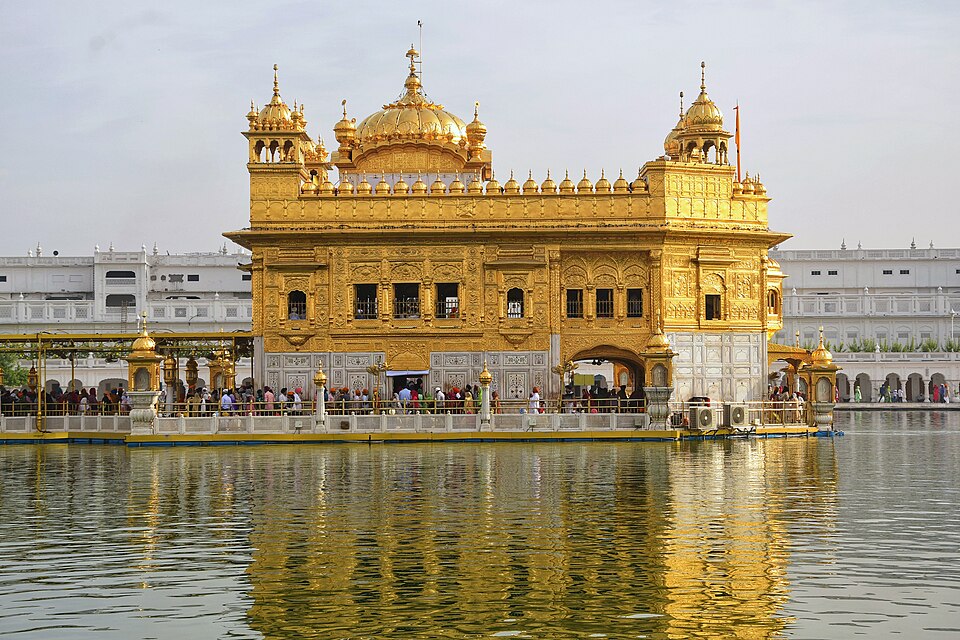
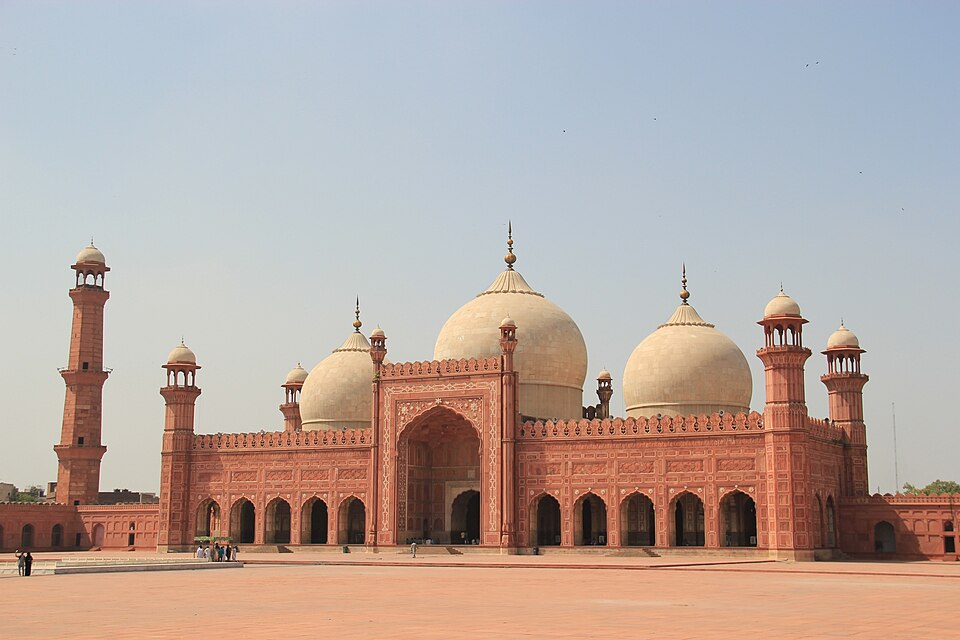
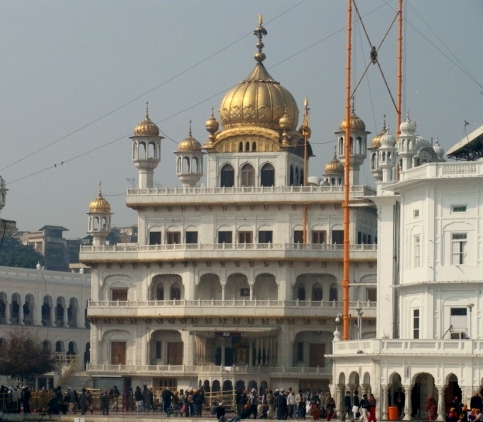
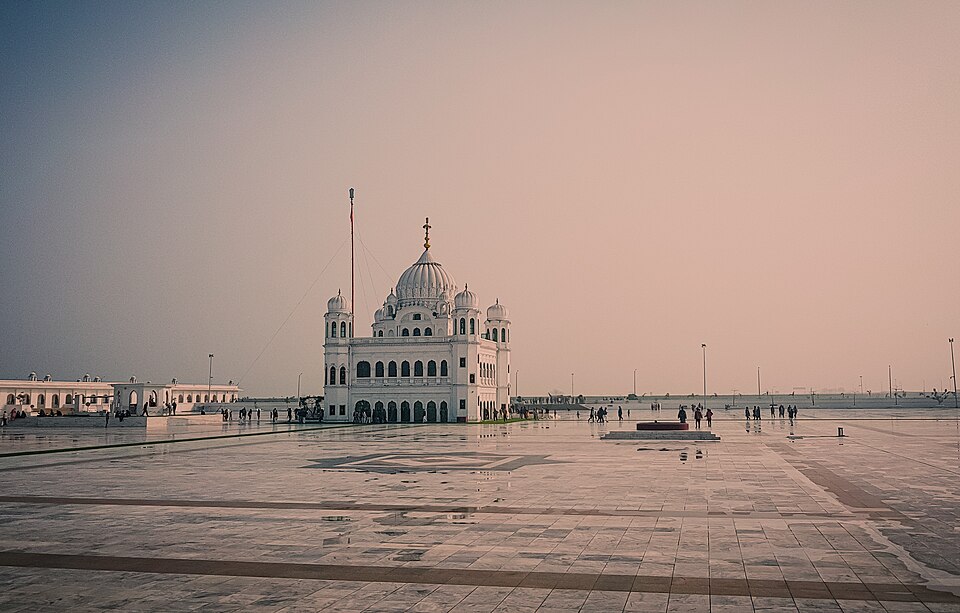
Mosques, temples, gurdwaras, tombs, forts and havelis: Mughal, Rajput and Punjabi forms in brick, marble and glazed tile.
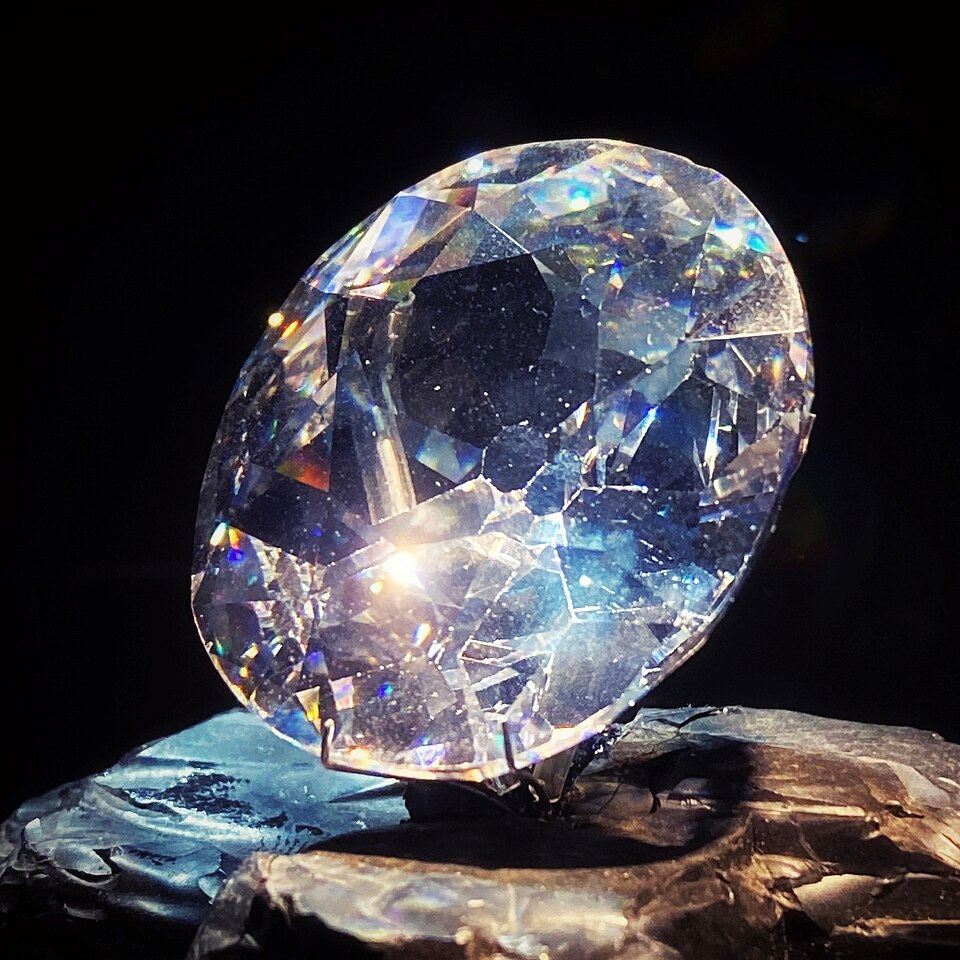
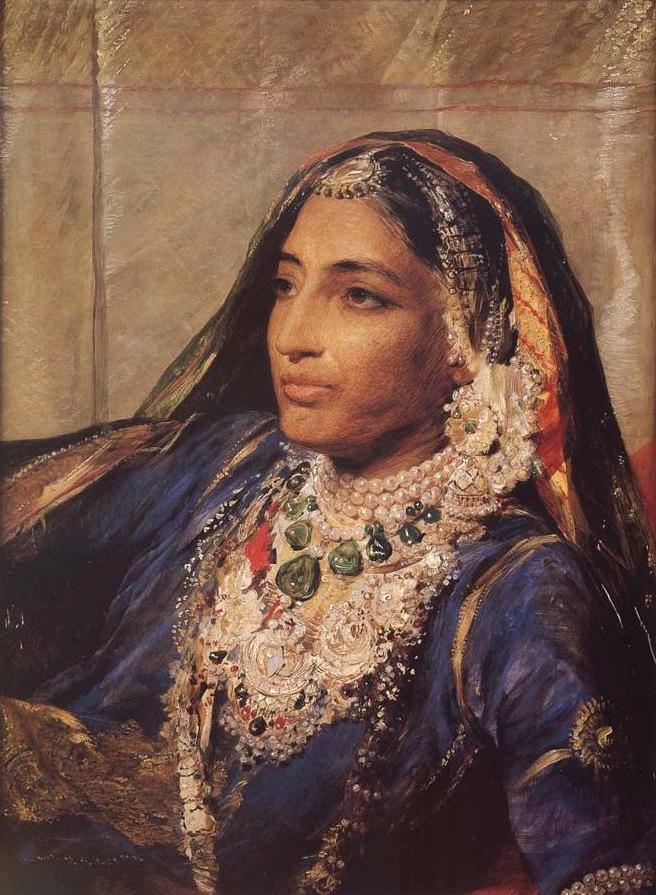
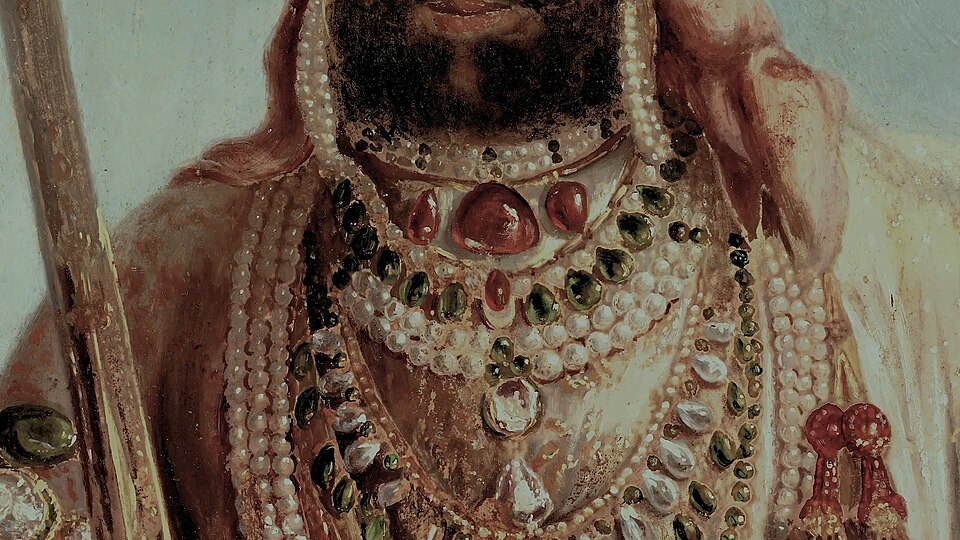
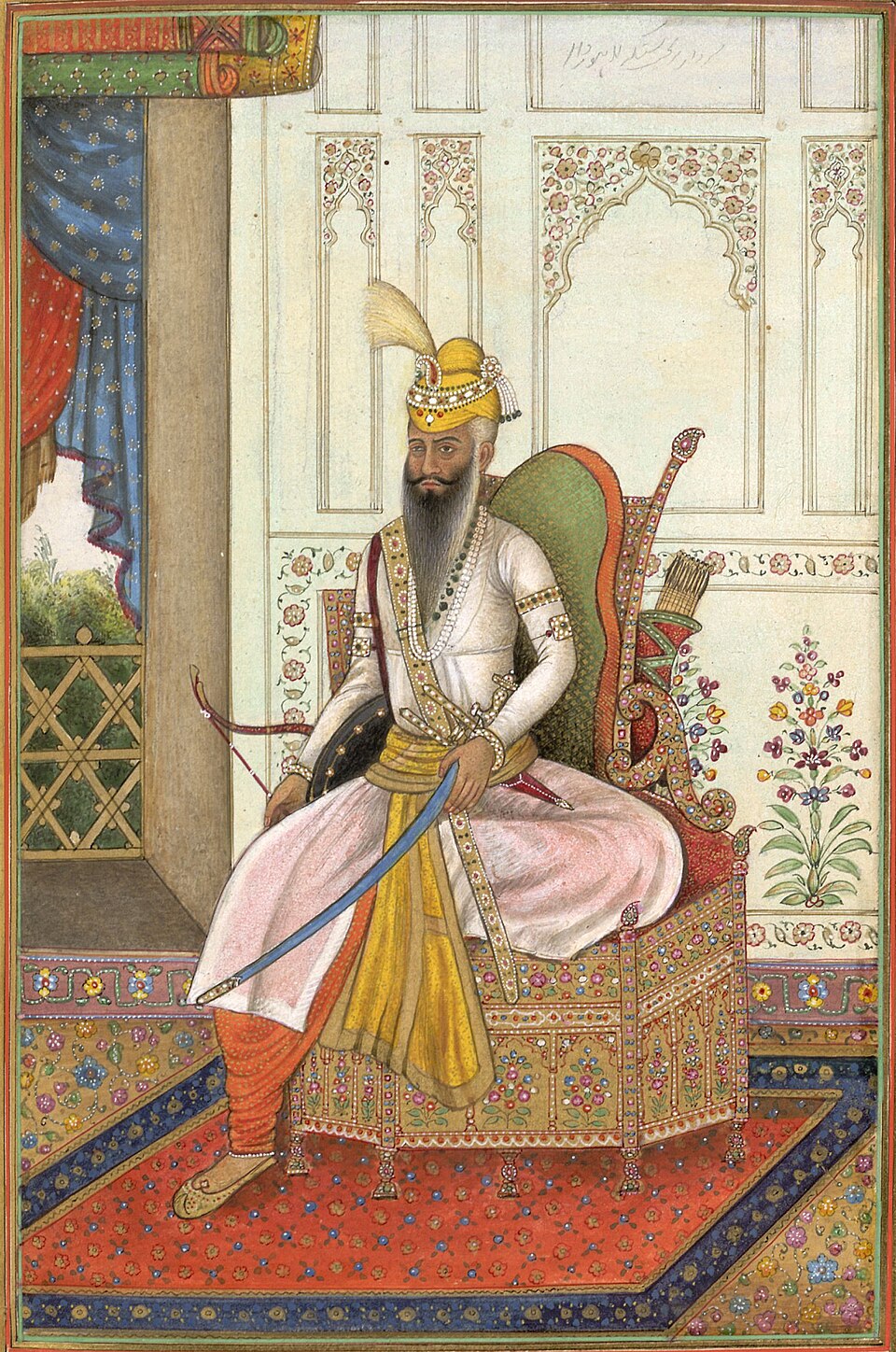
When Punjab was annexed in 1849 the toshakhana, the treasury of the Sikh kings, was auctioned or sent to Queen Victoria.
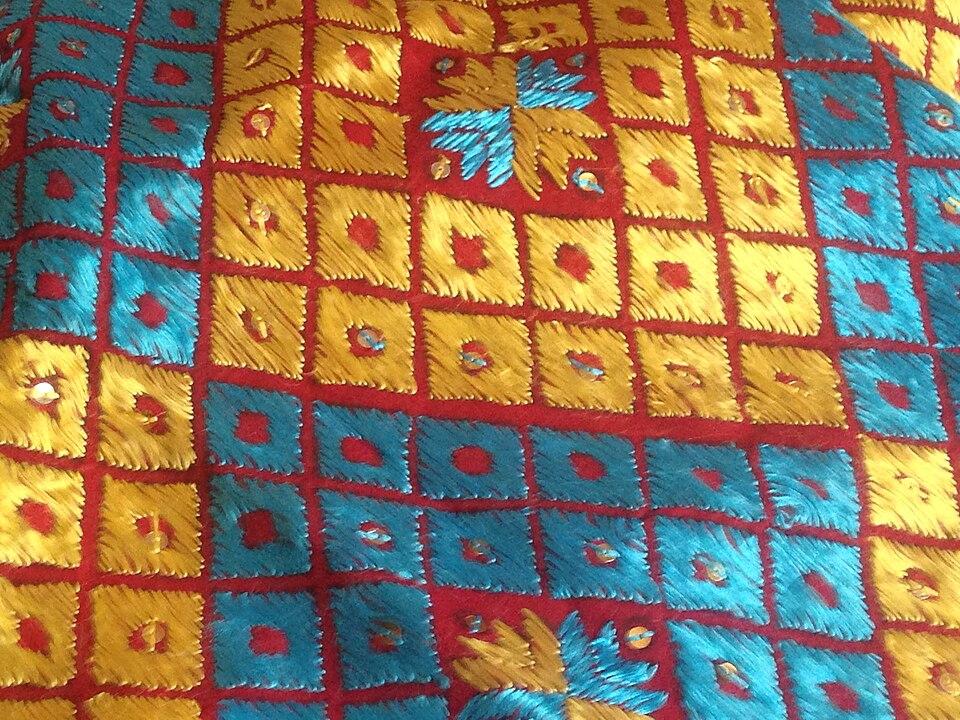
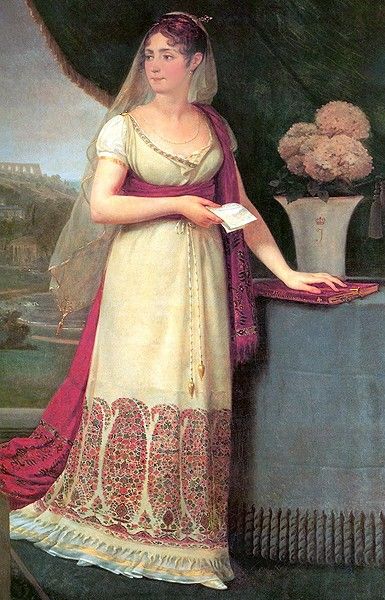
Phulkari and Chamba embroidery, Kashmir shawls, Lahore carpets, Multan's blue pottery, Chiniot's carving and the painted trucks of the Grand Trunk Road.
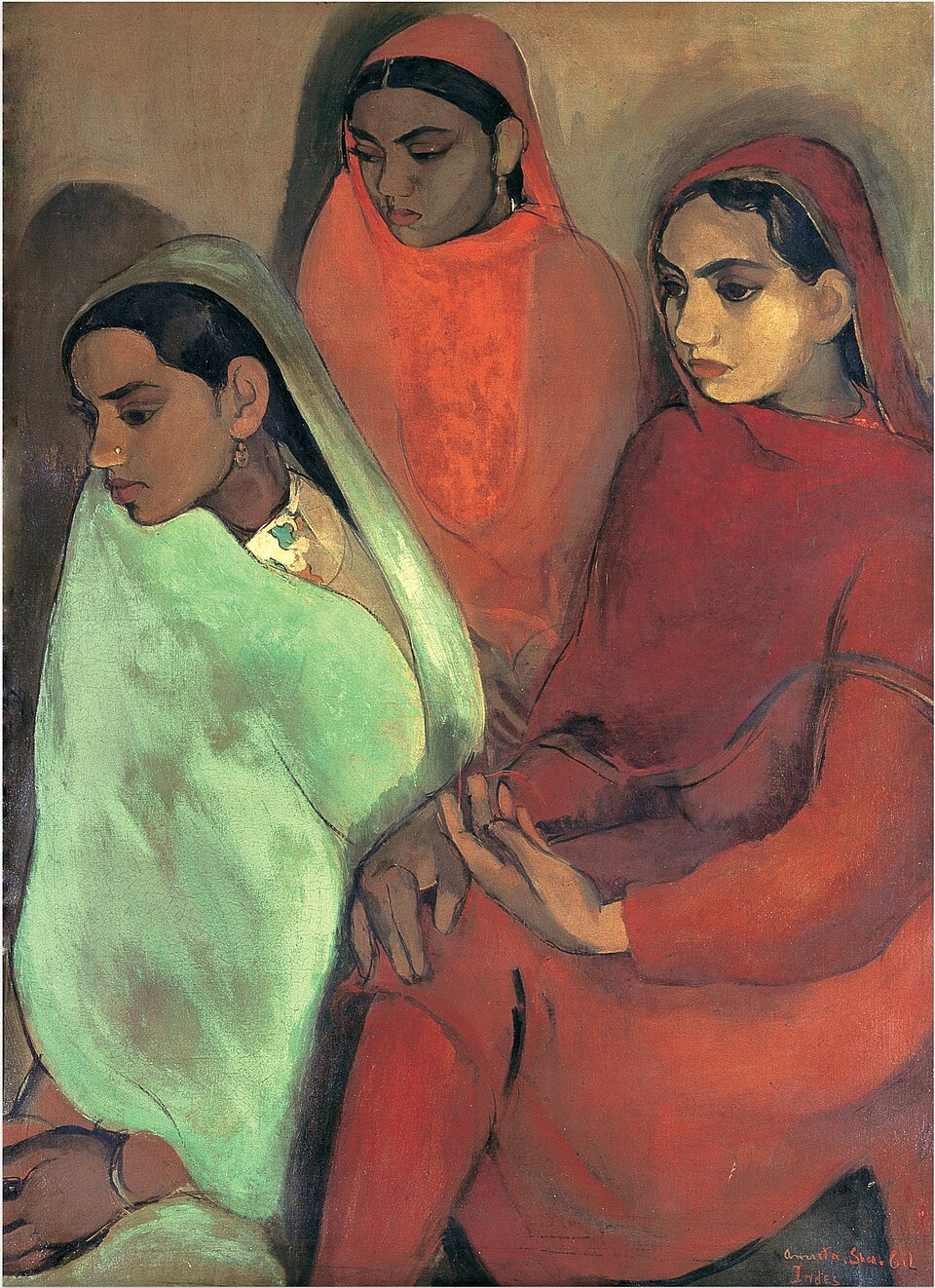
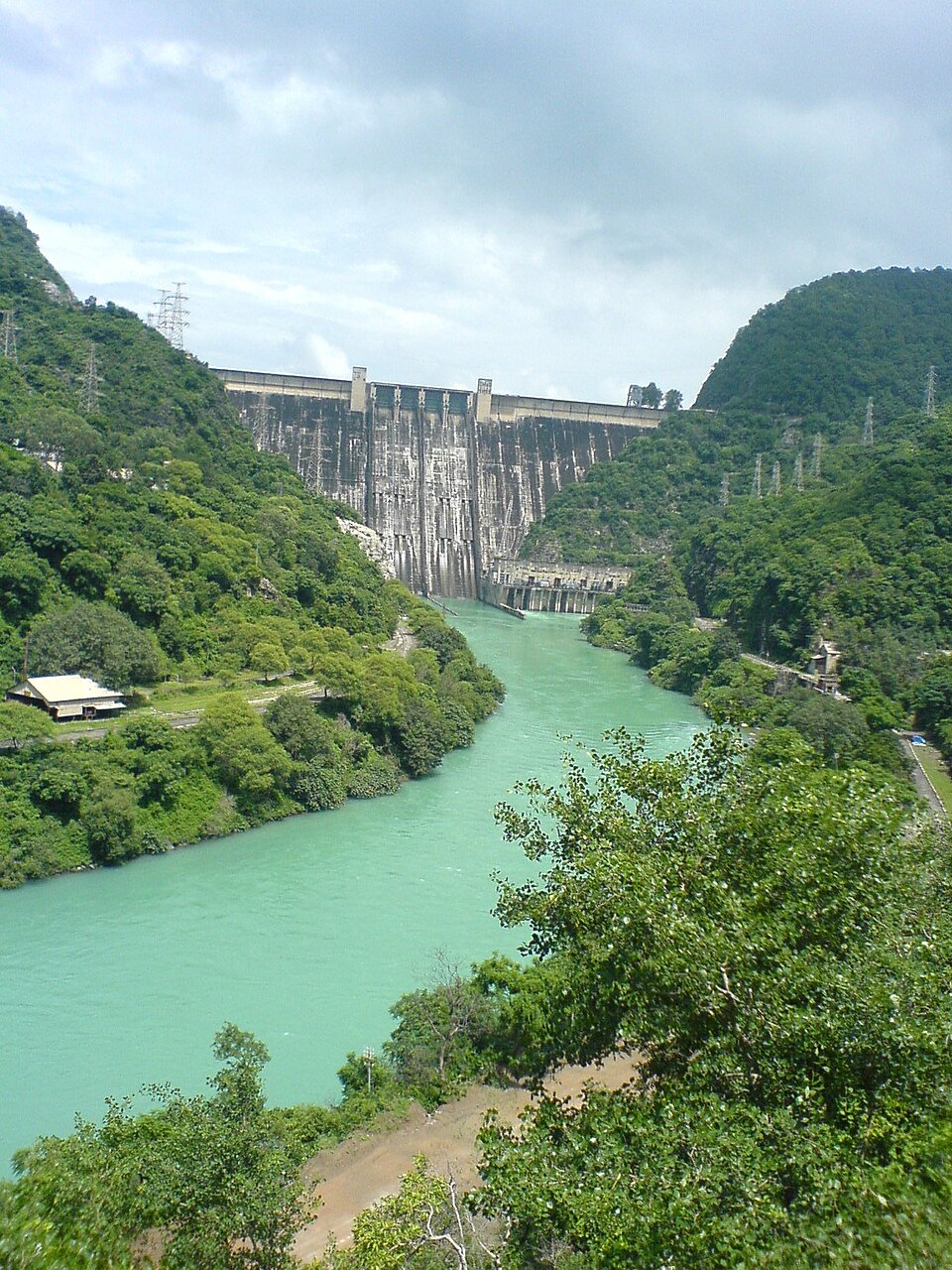
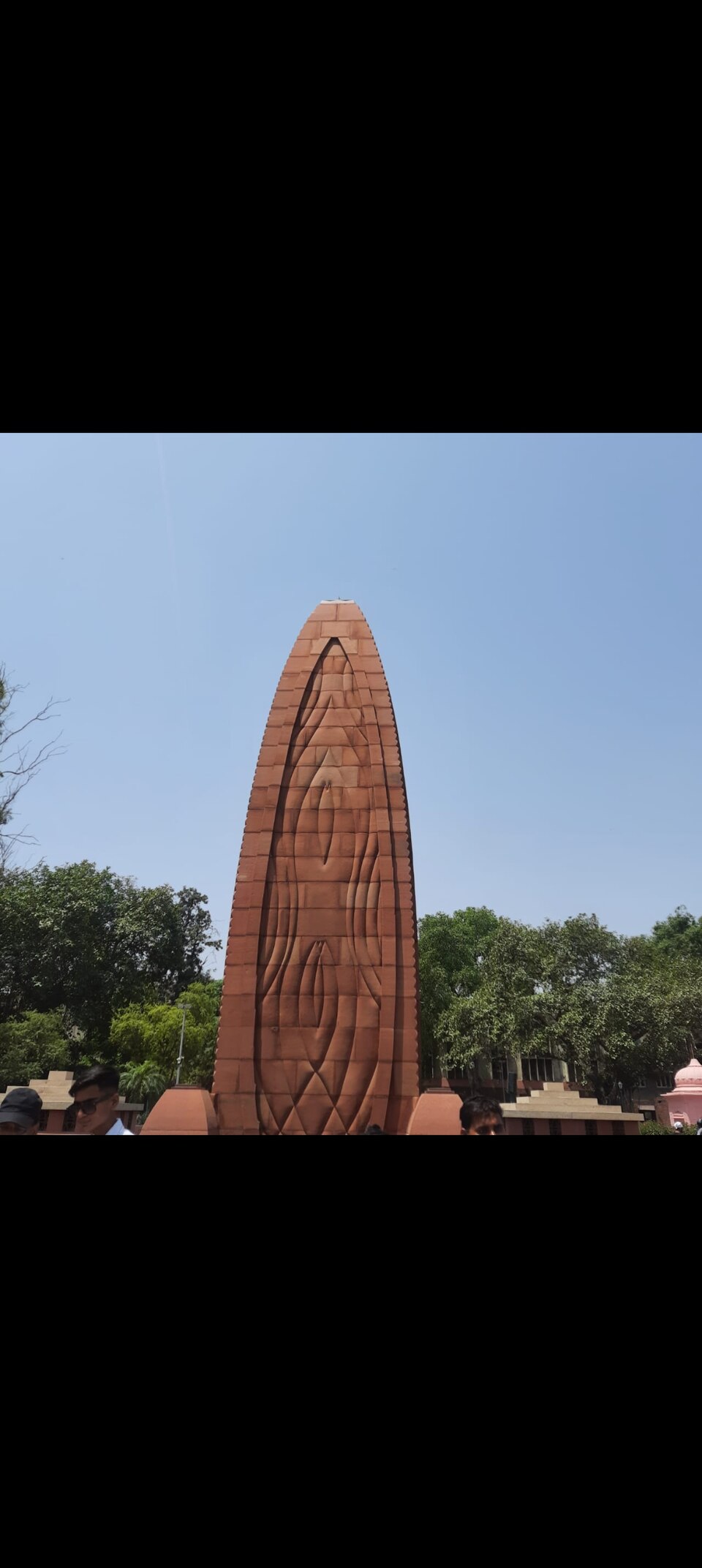
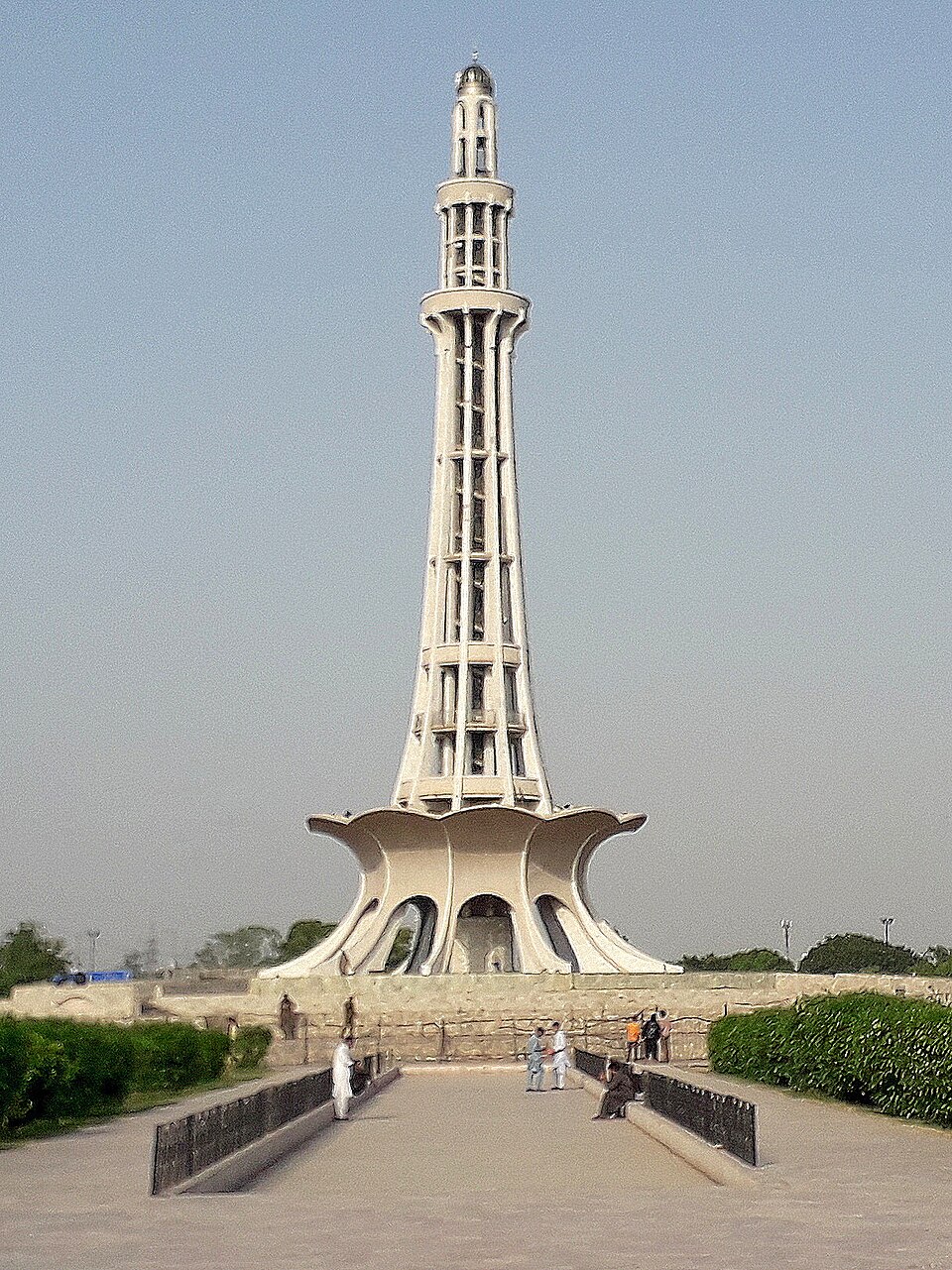
From Amrita Sher-Gil and Chughtai to Le Corbusier's Chandigarh, Nek Chand's Rock Garden and the Minar-e-Pakistan.