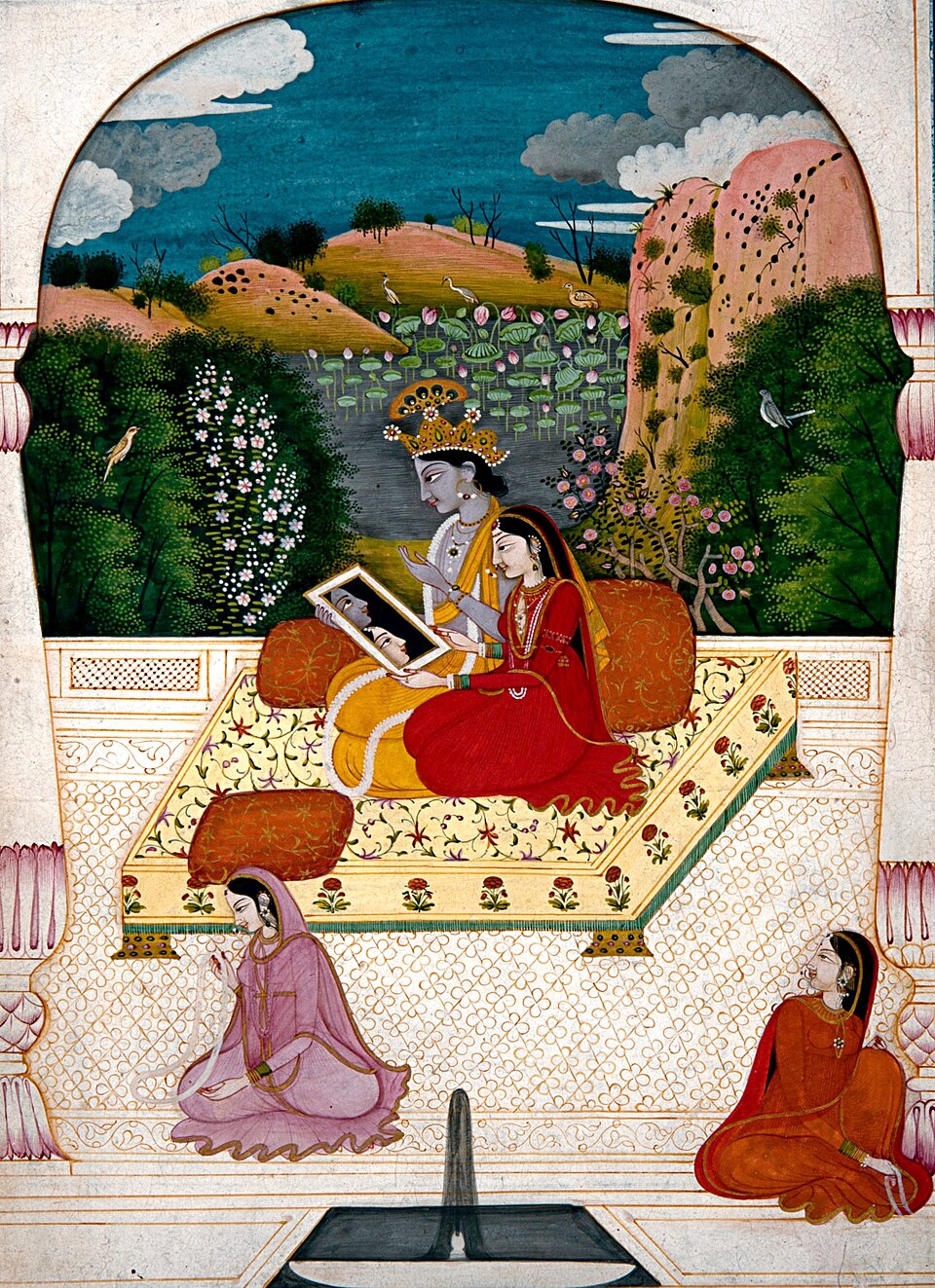
Pahari painting at the Sikh courts
When Ranjit Singh took Kangra in 1809, painters from the hill courts of Guler and Kangra came to work for Sikh patrons, painting portraits of the Gurus and the Lahore nobility.
After Ranjit Singh took the Kangra valley in 1809, painters from the hill courts of Guler and Kangra came to work for Sikh patrons at Lahore and Amritsar.
They painted portraits of the Maharaja and his nobles, scenes of the court, and portraits of the Gurus. Their style, with fine lines and soft colour, combined the grace of the Pahari school with Sikh subjects.
Many examples are in the Government Museum in Chandigarh, the Lahore Museum, the Victoria and Albert Museum and private collections.
Gallery
8 works


Pictures from Wikimedia Commons; select one to see it full size with its credit.
More painting
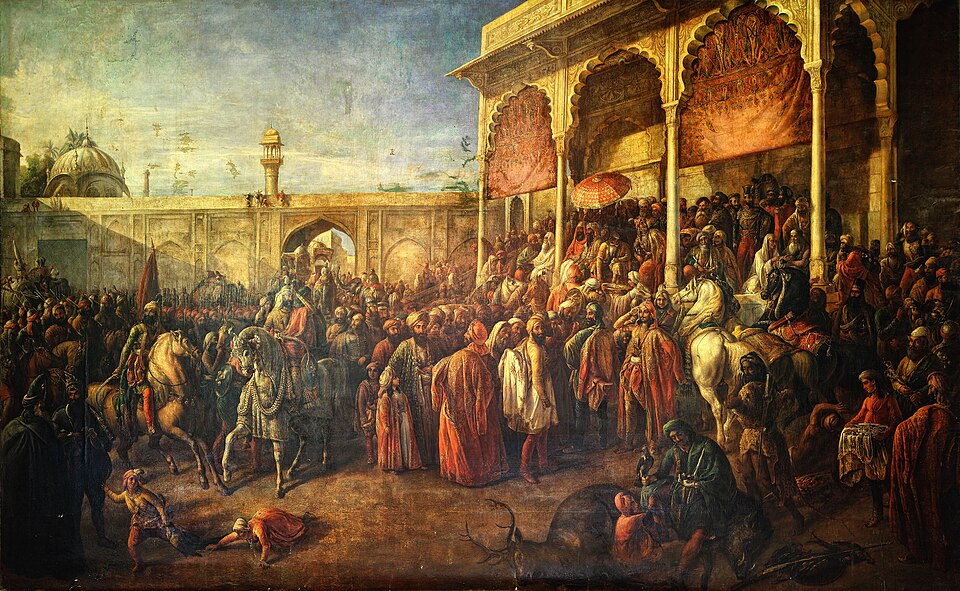
August Schoefft's huge painting of Maharaja Ranjit Singh's court, with dozens of identifiable nobles, generals and European officers, painted from sketches made in Lahore in 1841.
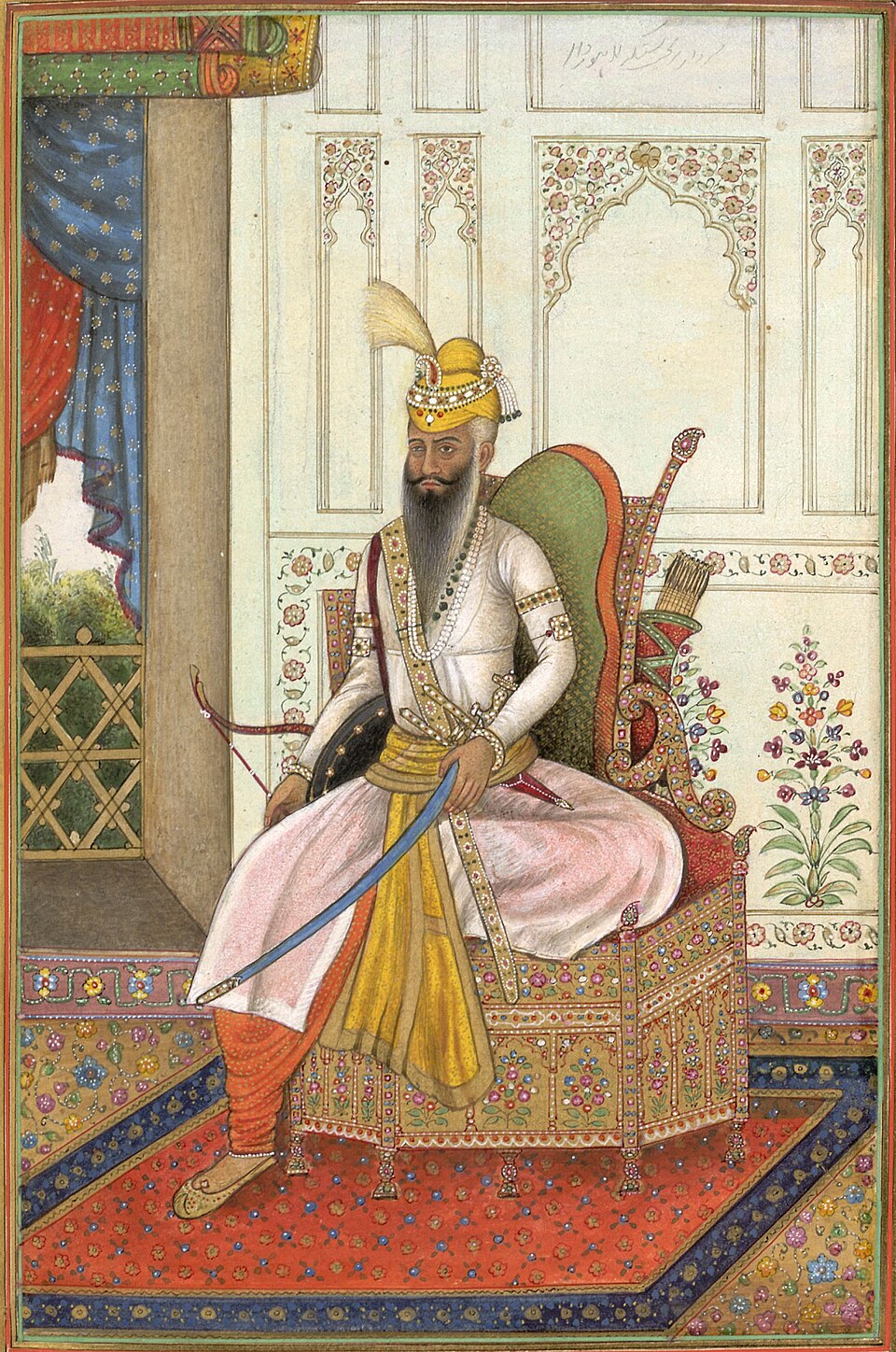
The Maharaja was painted on horseback, at the Golden Temple, and in miniatures sold to travellers; Emily Eden sketched him at his meeting with the Governor-General in 1838.
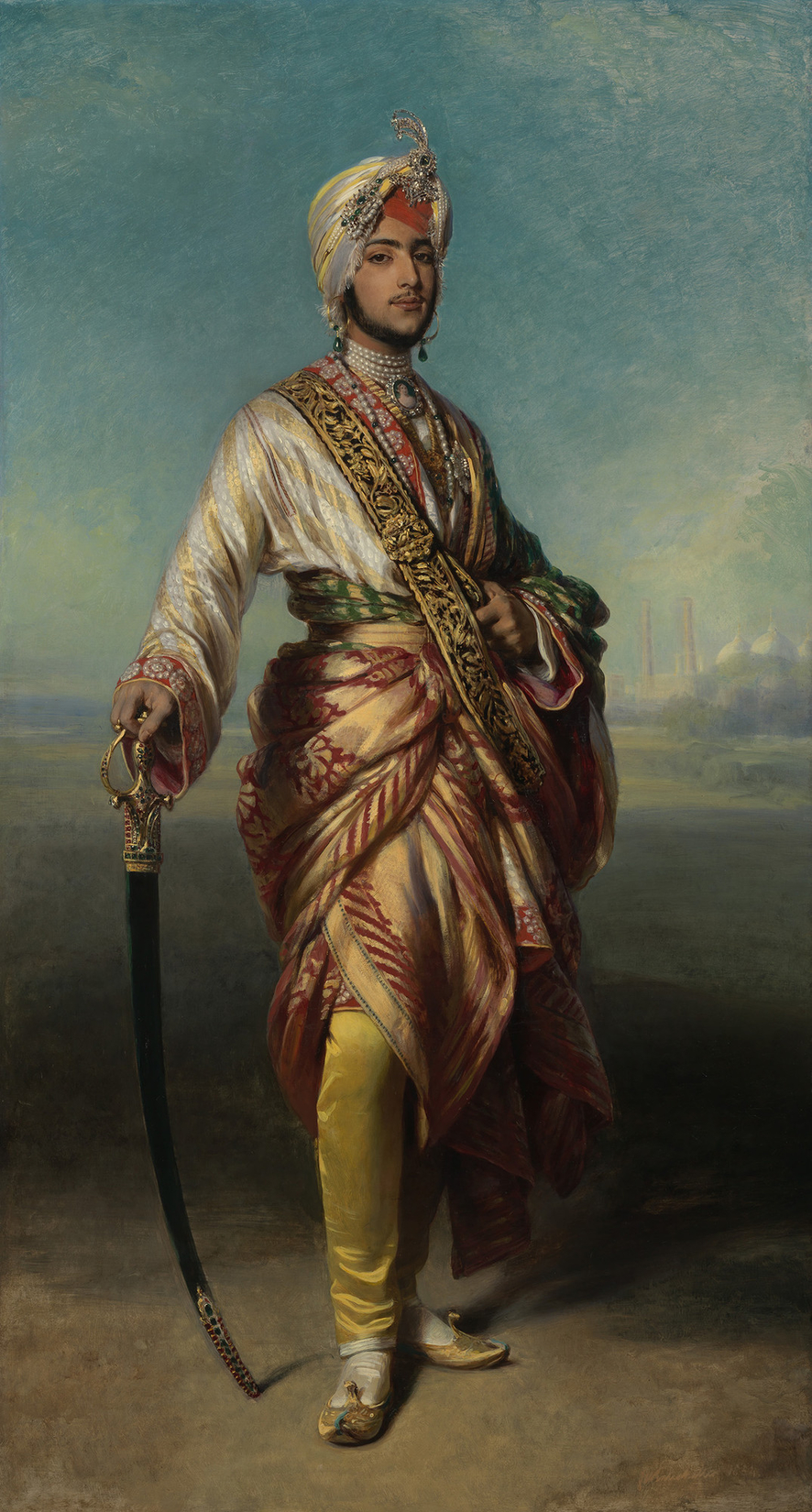
Queen Victoria commissioned Franz Xaver Winterhalter to paint the deposed fifteen-year-old Maharaja in jewelled Sikh dress, with a miniature of the Queen pinned to his chest.
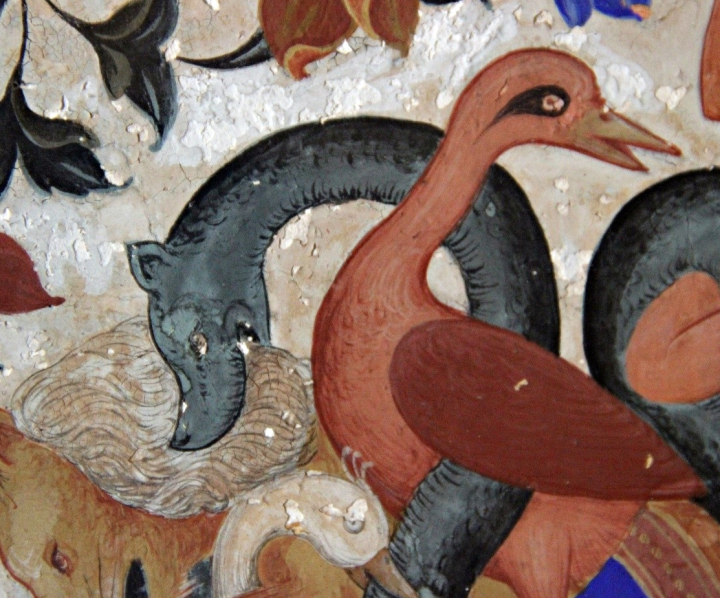
The inner walls of the Harmandir Sahib are covered in painted flowers, vines and animals, with gilded gesso and mirror work, the work of Sikh artist families such as Bhai Kehar Singh and Bhai Gian Singh Naqqash.
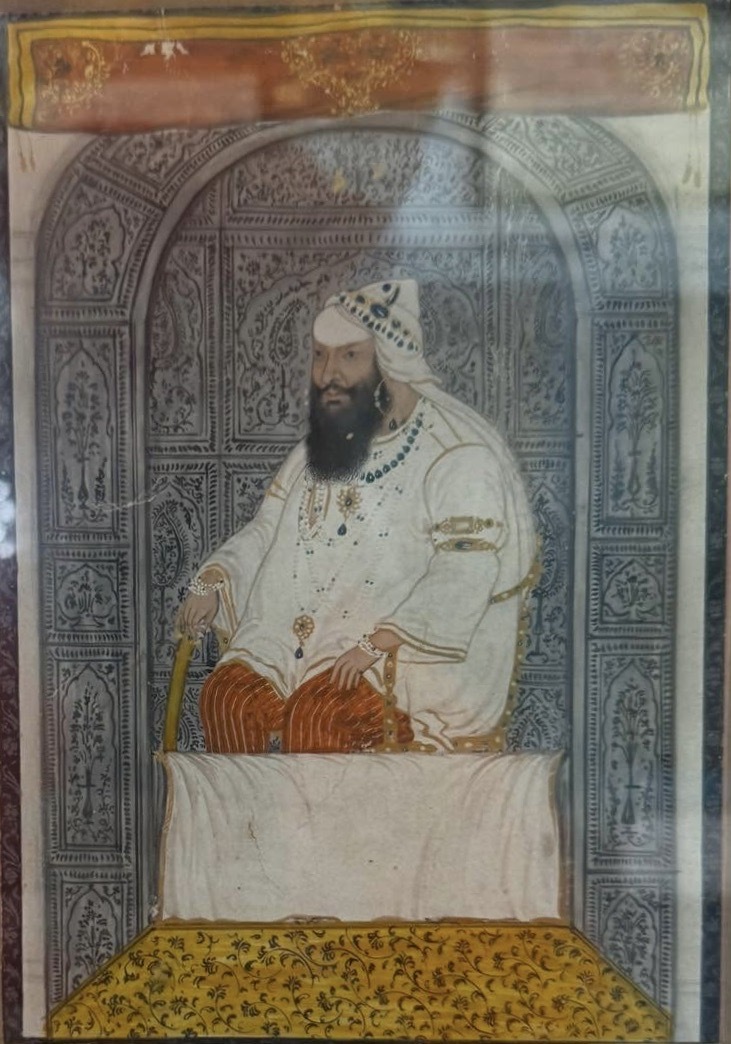
The museum inside the Golden Temple complex, with paintings of the Gurus and martyrs, portraits of the shaheeds of the 20th century, old weapons, coins and manuscripts.
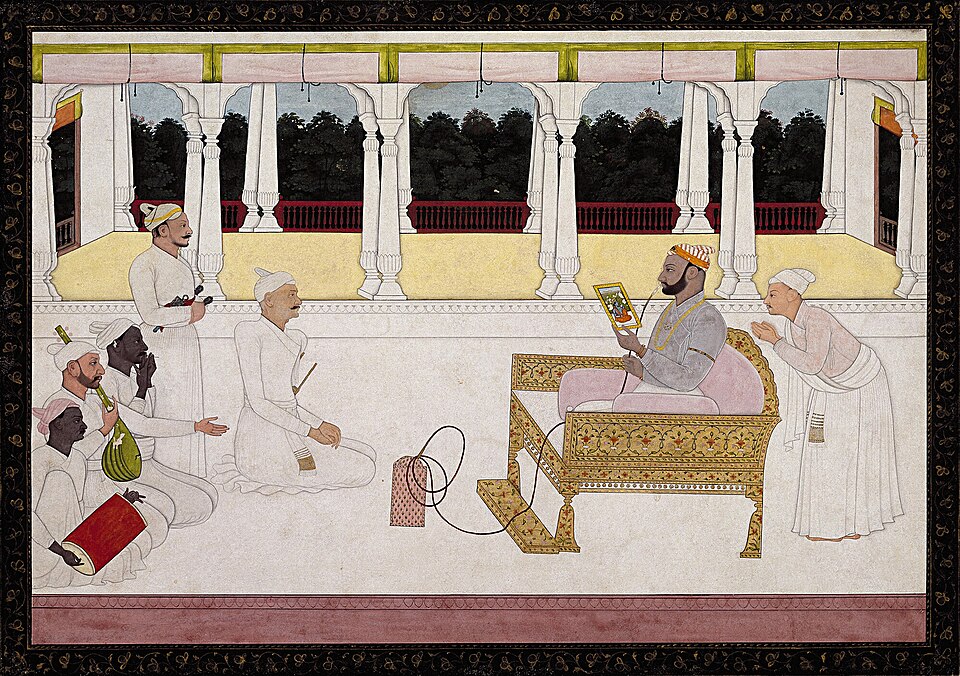
Intimate pictures of the life of Raja Balwant Singh of Jasrota by the greatest of the Pahari painters.
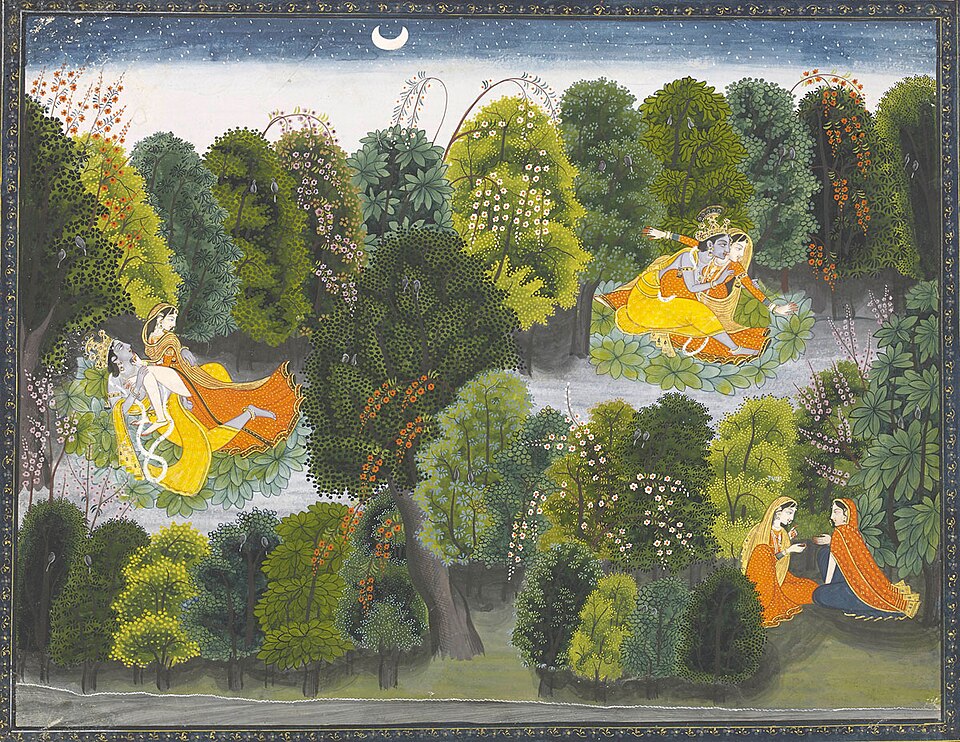
A series of paintings of Jayadeva's love poem of Radha and Krishna, made by the painters of the family of Nainsukh and Manaku in the years when Raja Sansar Chand of Kangra was their great patron.
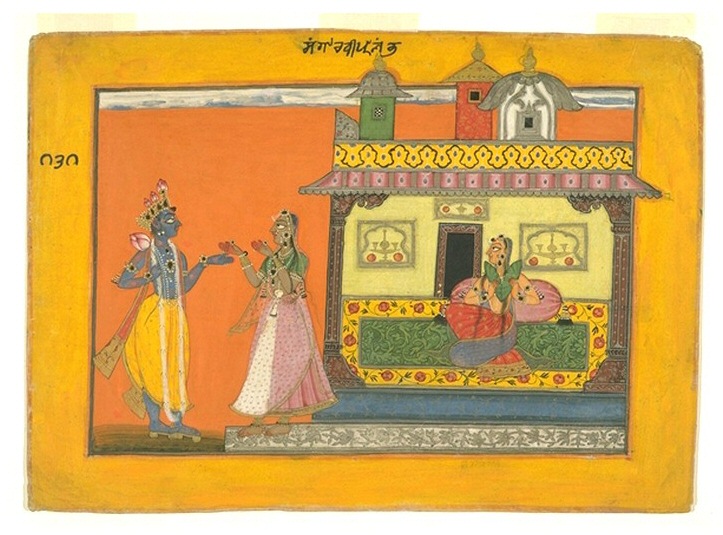
Bold, hot-coloured paintings from the small hill state of Basohli, with flat red and yellow grounds, wide-eyed figures and the shining green of beetle wings set into the jewellery.
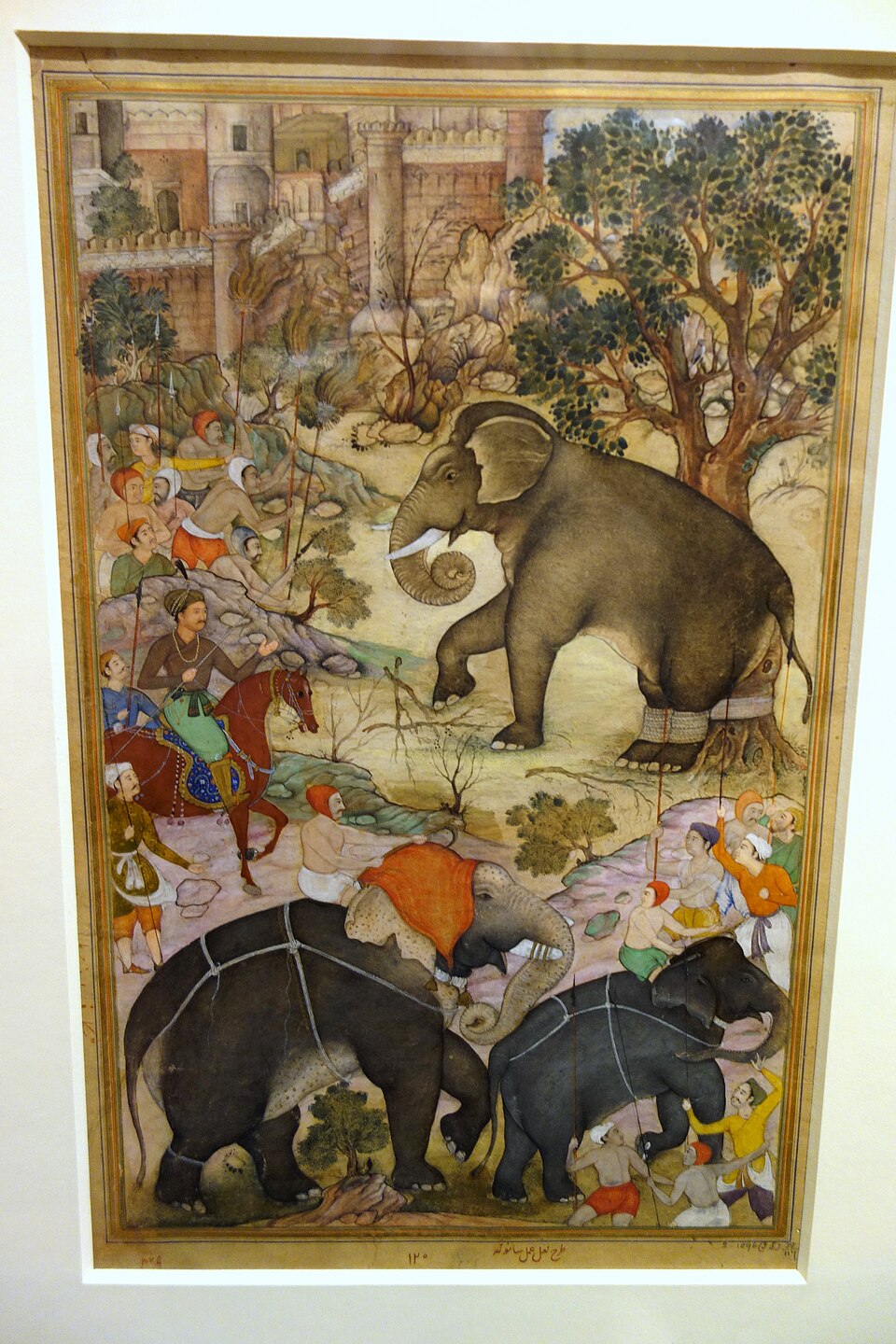
The illustrated history of Akbar's reign, painted in the imperial workshop while the court was at Lahore, the Mughal capital from 1585 to 1598.
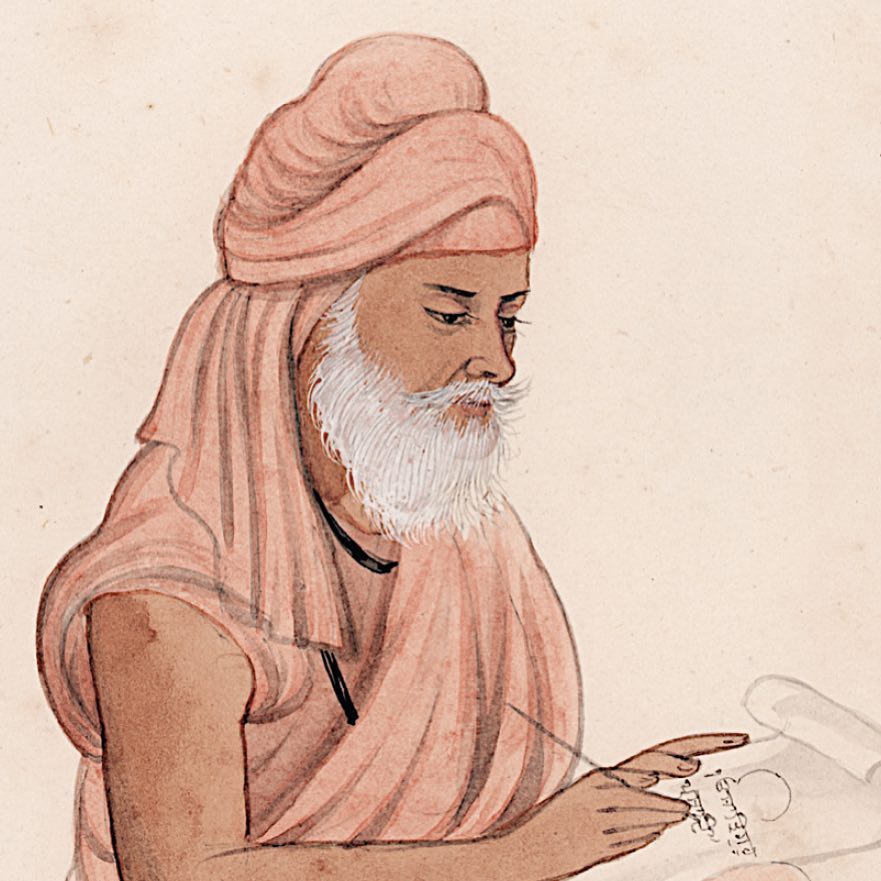
After annexation, painters of Lahore and Amritsar such as Kehar Singh and Kapur Singh painted the people of the bazaar for British buyers: the potter, the dyer, the water-carrier, the Nihang and the fakir.
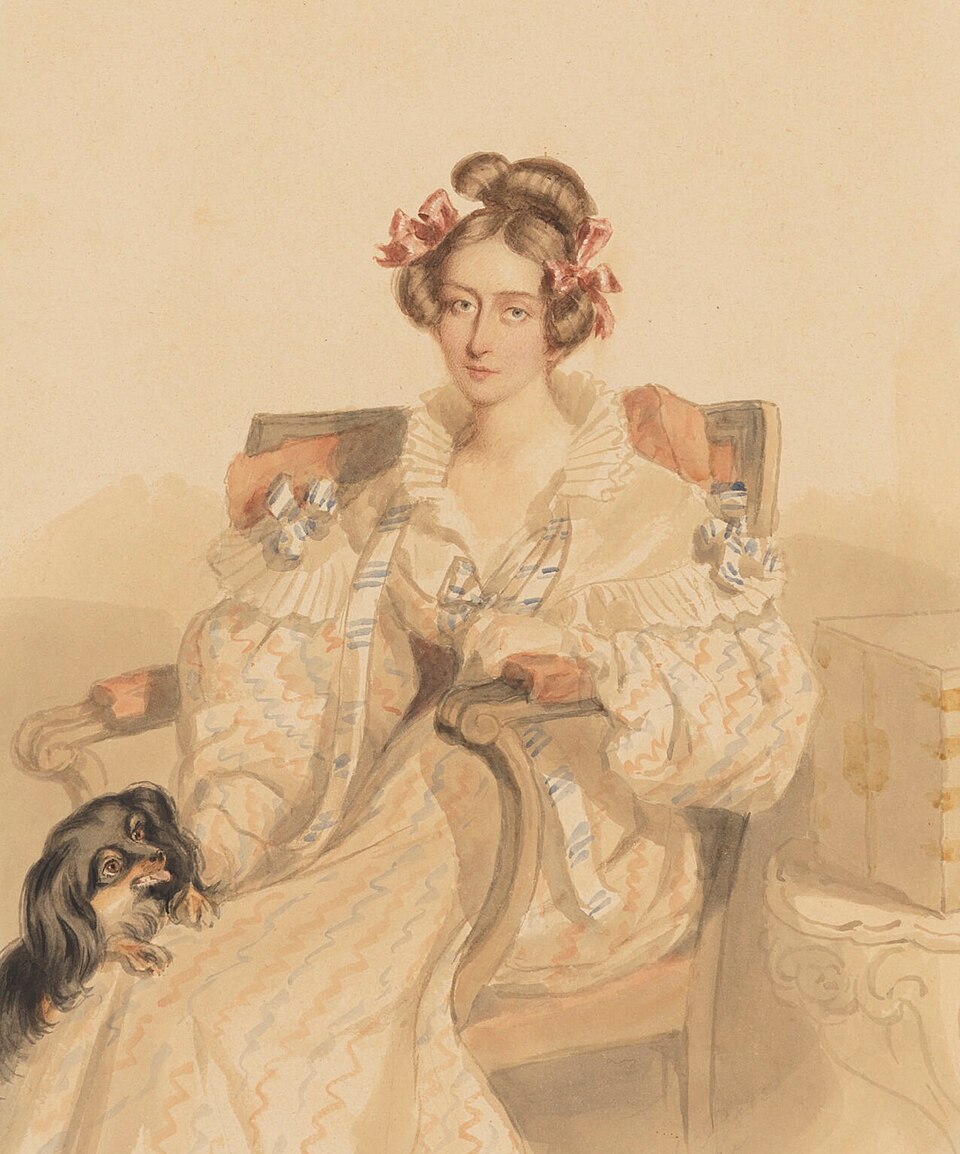
Drawings made by the Governor-General's sister when she visited Ranjit Singh's court in 1838, published as lithographs: the Maharaja, his courtiers, his horses and his Akali guards.
The paintings of Ustad Allah Bux20th centuryA Lahore painter of village life, Punjabi legends and Hindu myth, who began painting signs and theatre scenery and became one of the best-loved artists of Pakistan.