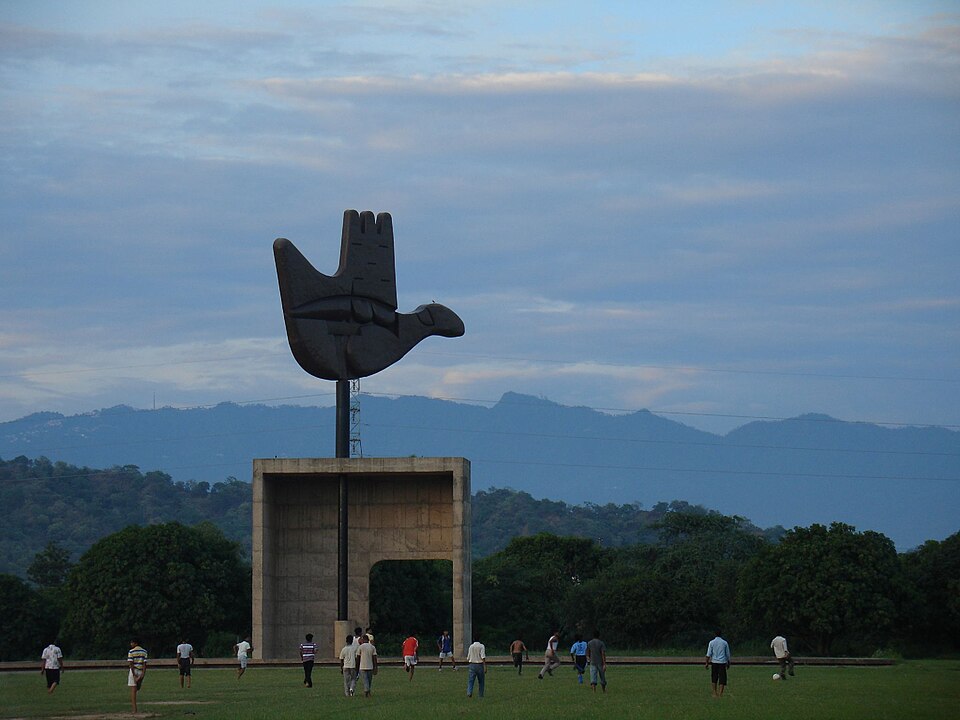
Chandigarh
Planned capital built after Partition, designed largely by Le Corbusier. Shared capital of Indian Punjab and Haryana since 1966.
Chandigarh was built after Partition as the new capital of East Punjab, since Lahore had gone to Pakistan. It was designed by the French-Swiss architect Le Corbusier with Pierre Jeanneret, Maxwell Fry and Jane Drew, on the plain below the Shivaliks, and inaugurated in 1953.
Its Capitol Complex, with the High Court, the Secretariat and the Assembly, is a UNESCO World Heritage Site. It was built on the lands of some twenty-eight villages.
When the Punjabi Suba was created in 1966, Chandigarh was made a union territory and shared capital of Punjab and Haryana; its transfer to Punjab, promised many times, has never happened, and it remains a grievance.
People
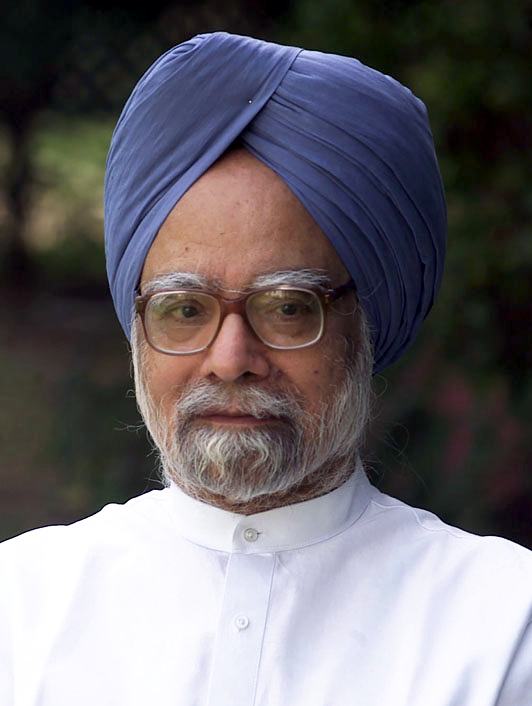
Economist born in Gah in western Punjab who opened India's economy as finance minister in 1991 and was Prime Minister from 2004 to 2014.
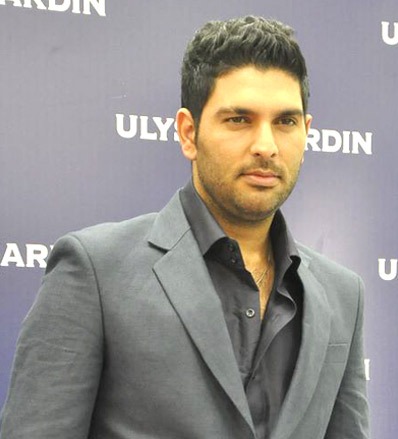
Batsman from Chandigarh who hit six sixes in an over in 2007 and was player of the tournament at the 2011 World Cup while ill with cancer.
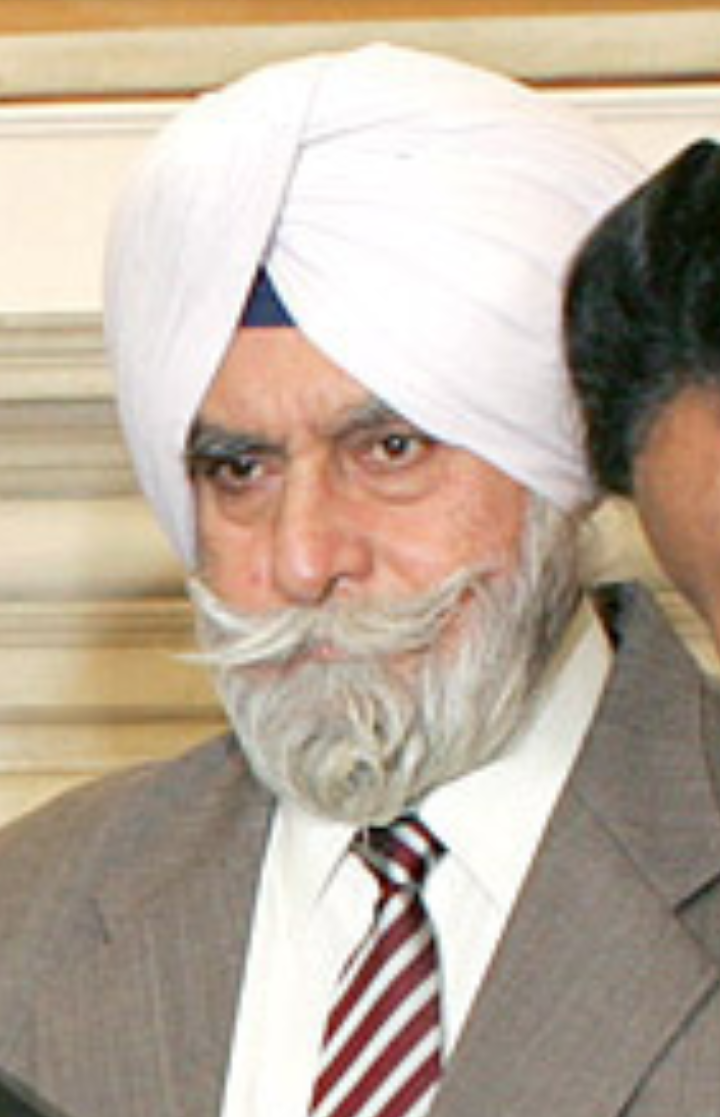
Director General of Punjab Police who led Operation Black Thunder II and the counter-insurgency campaign of 1991–95. Credited by supporters with ending the insurgency and criticised by rights groups for its abuses.
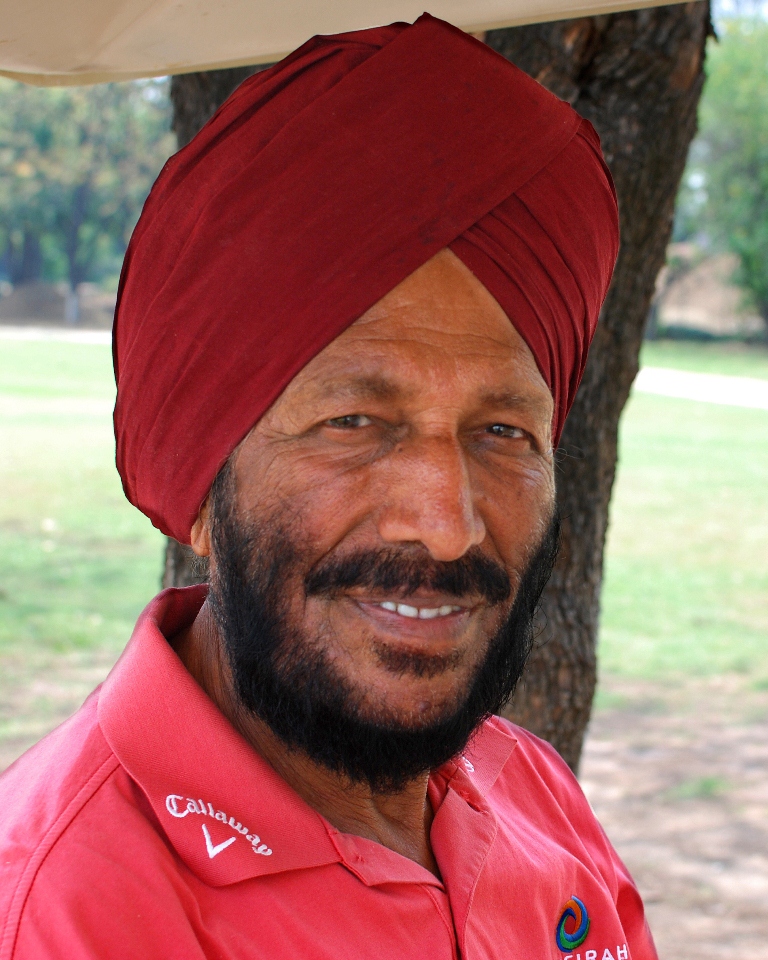
The 'Flying Sikh', a Partition orphan from Muzaffargarh who became Asia's greatest sprinter and missed an Olympic medal in Rome by a fraction of a second.
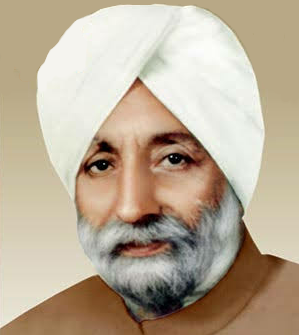
Chief Minister of Punjab from 1992, under whom the insurgency was crushed. Killed by a suicide bomber in Chandigarh in August 1995.
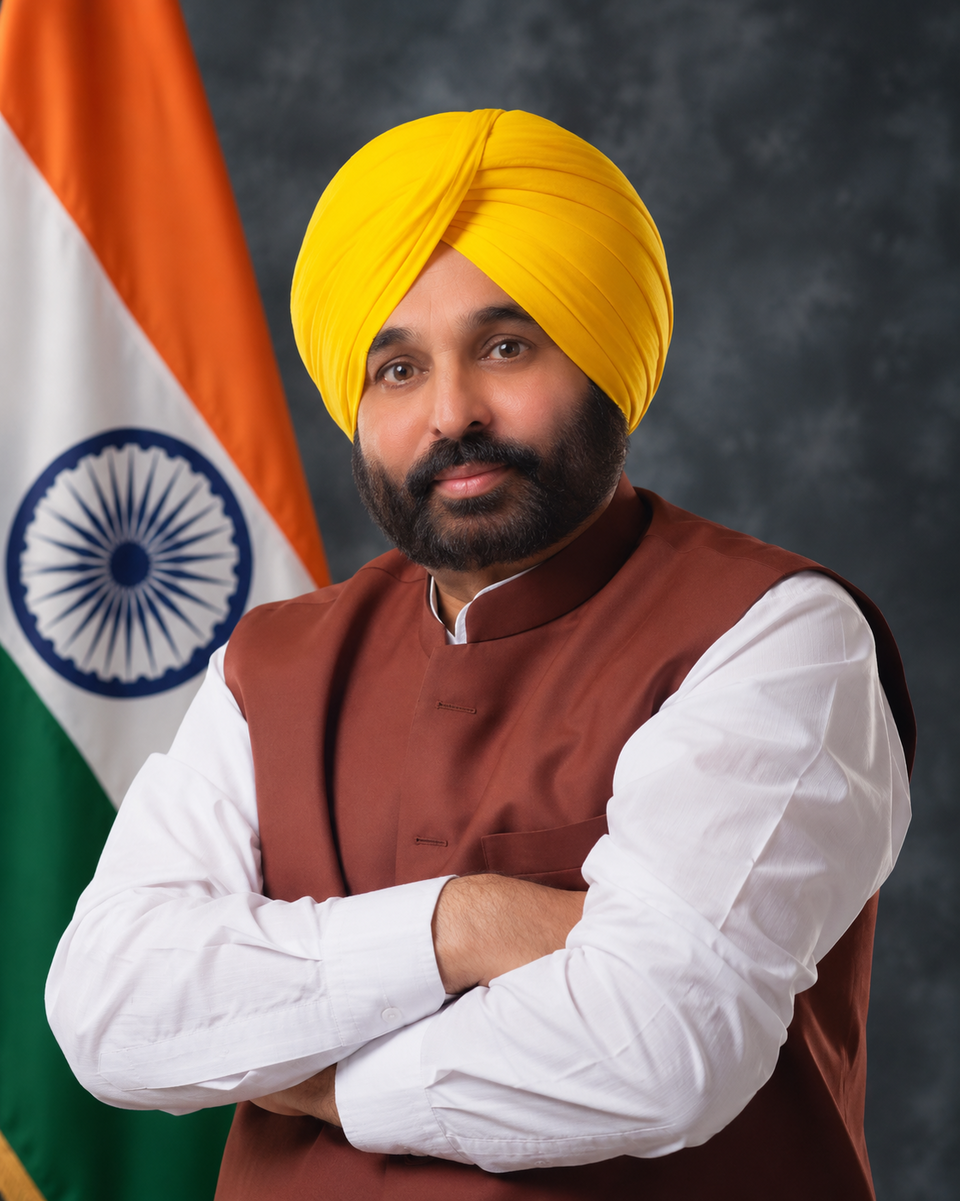
Comedian turned politician whose Aam Aadmi Party swept Punjab in 2022, ending decades of rule by the Congress and the Akali Dal.
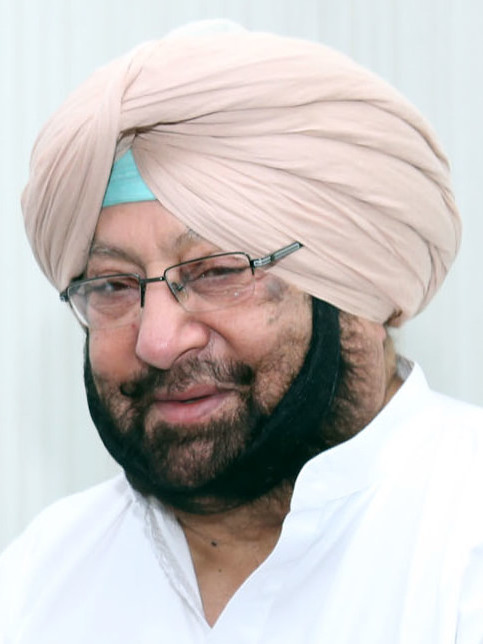
Son of the last Maharaja of Patiala, soldier and twice Chief Minister, who quit Parliament in protest at the army's attack on the Darbar Sahib in 1984.
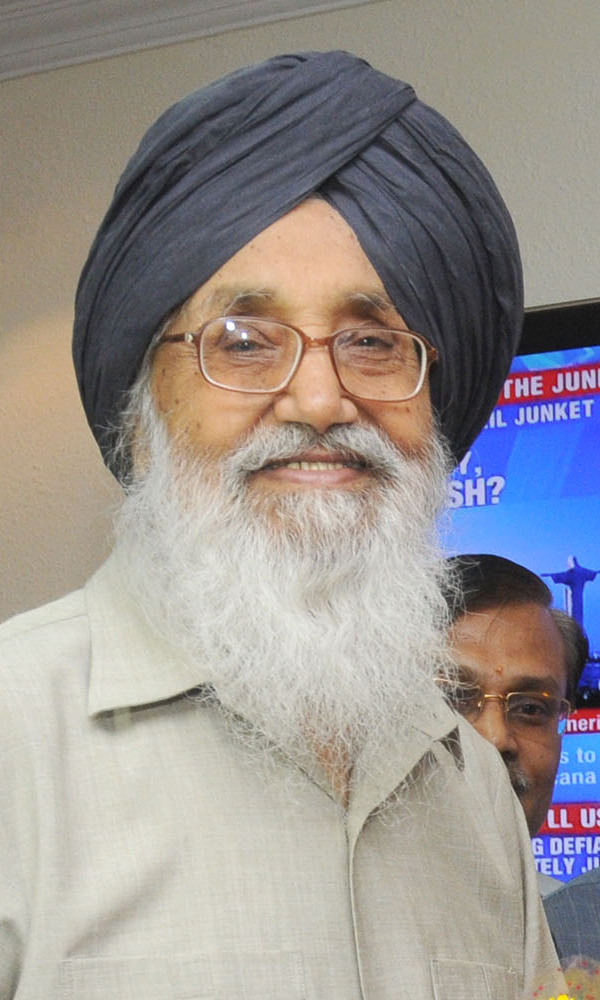
Five times Chief Minister of Punjab, both the youngest and the oldest, and for half a century the face of the Akali Dal.
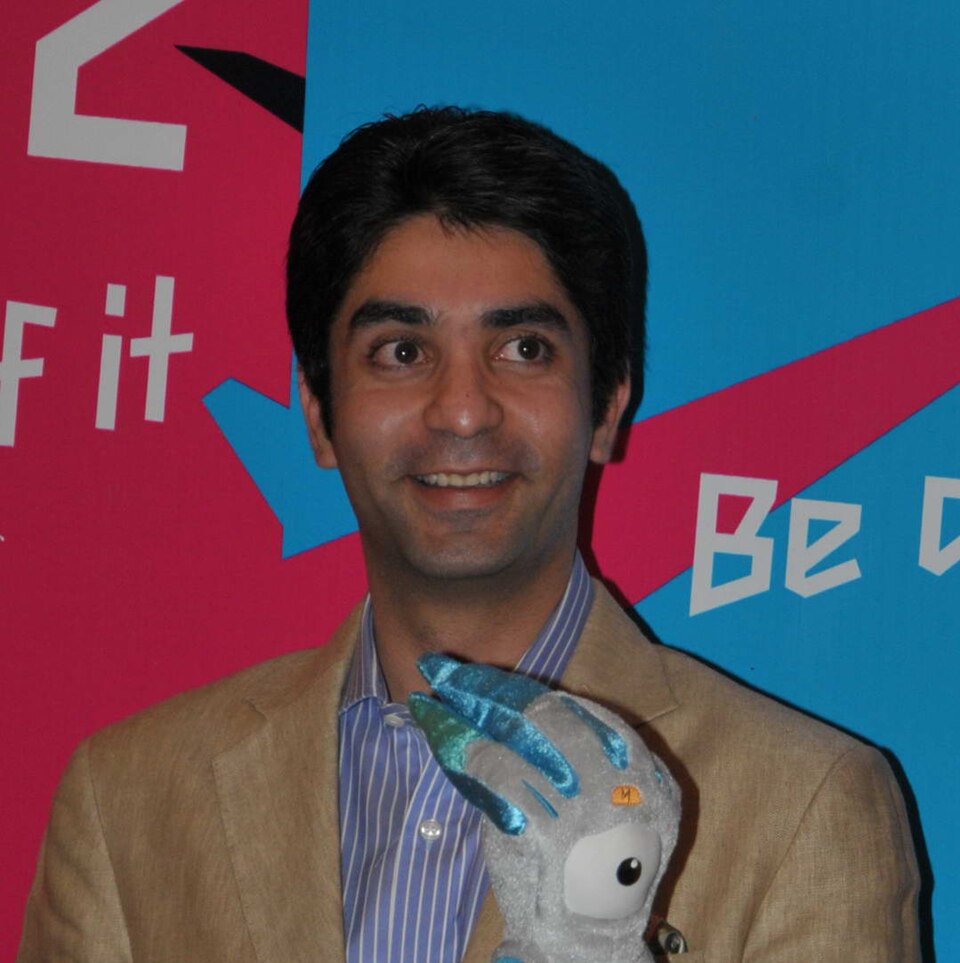
Shooter from a Punjabi family who won India's first individual Olympic gold medal, in the 10 metre air rifle at Beijing in 2008.
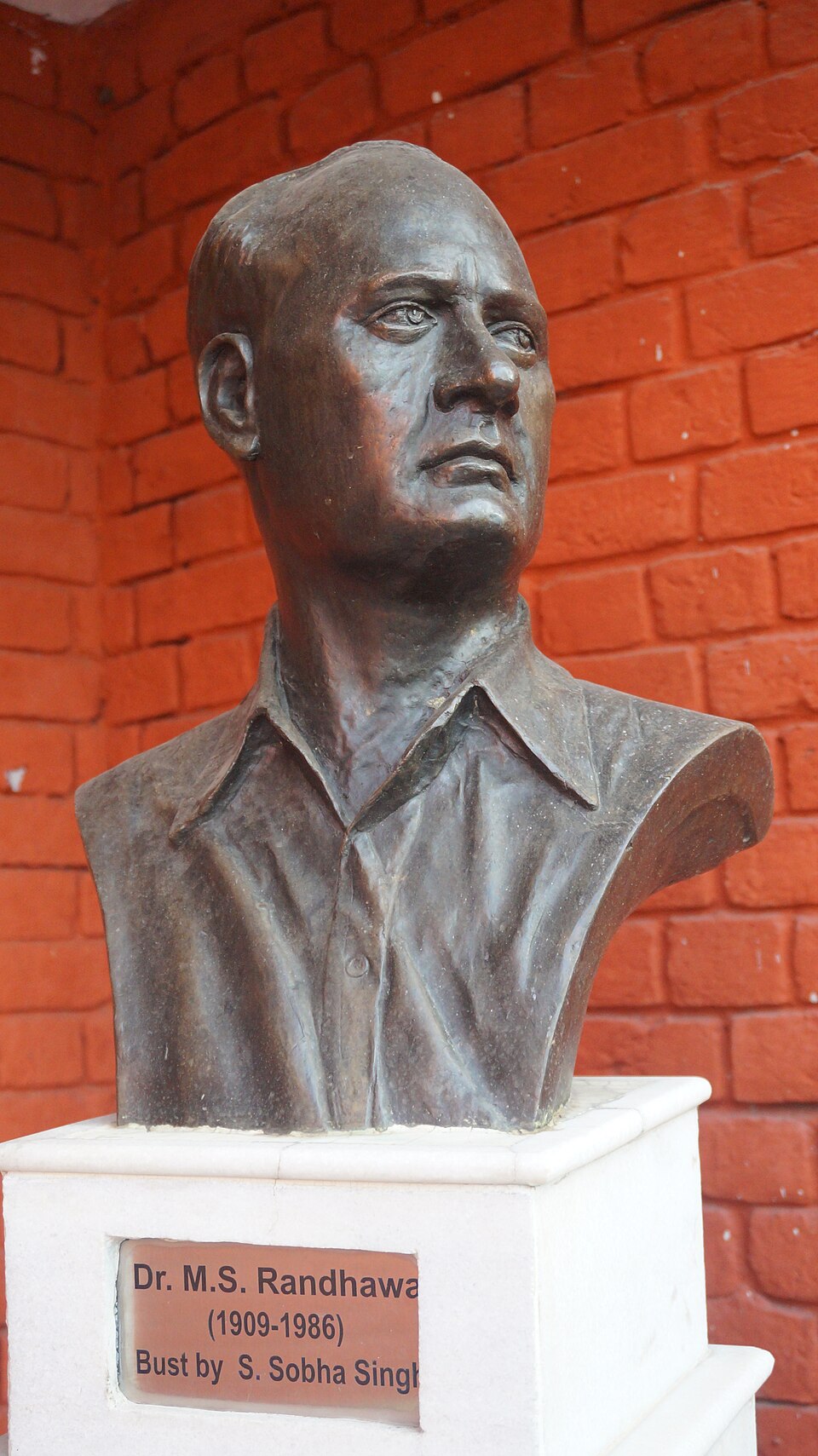
Administrator and scientist who resettled Partition refugees, drove the Green Revolution from Punjab Agricultural University, and wrote the classic studies of Kangra painting.
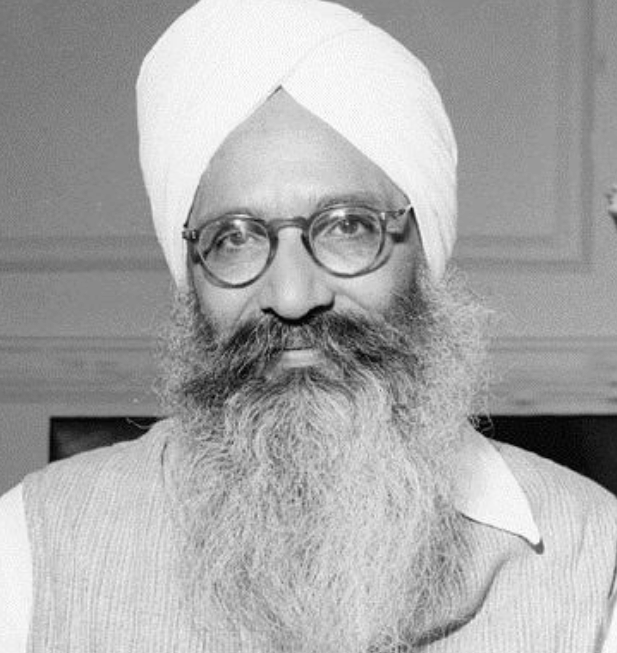
Chief Minister of Punjab from 1956 to 1964 who drove the building of roads, canals, Punjab Agricultural University and the groundwork of the Green Revolution.
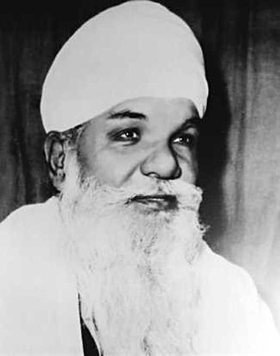
The Akali leader who carried the Punjabi Suba campaign to victory in 1966, with fasts, mass arrests and a promise to burn himself alive.
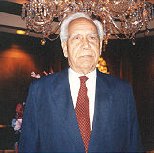
Nuclear physicist from Hoshiarpur district who studied cosmic rays with Arthur Compton and led India's science institutions.
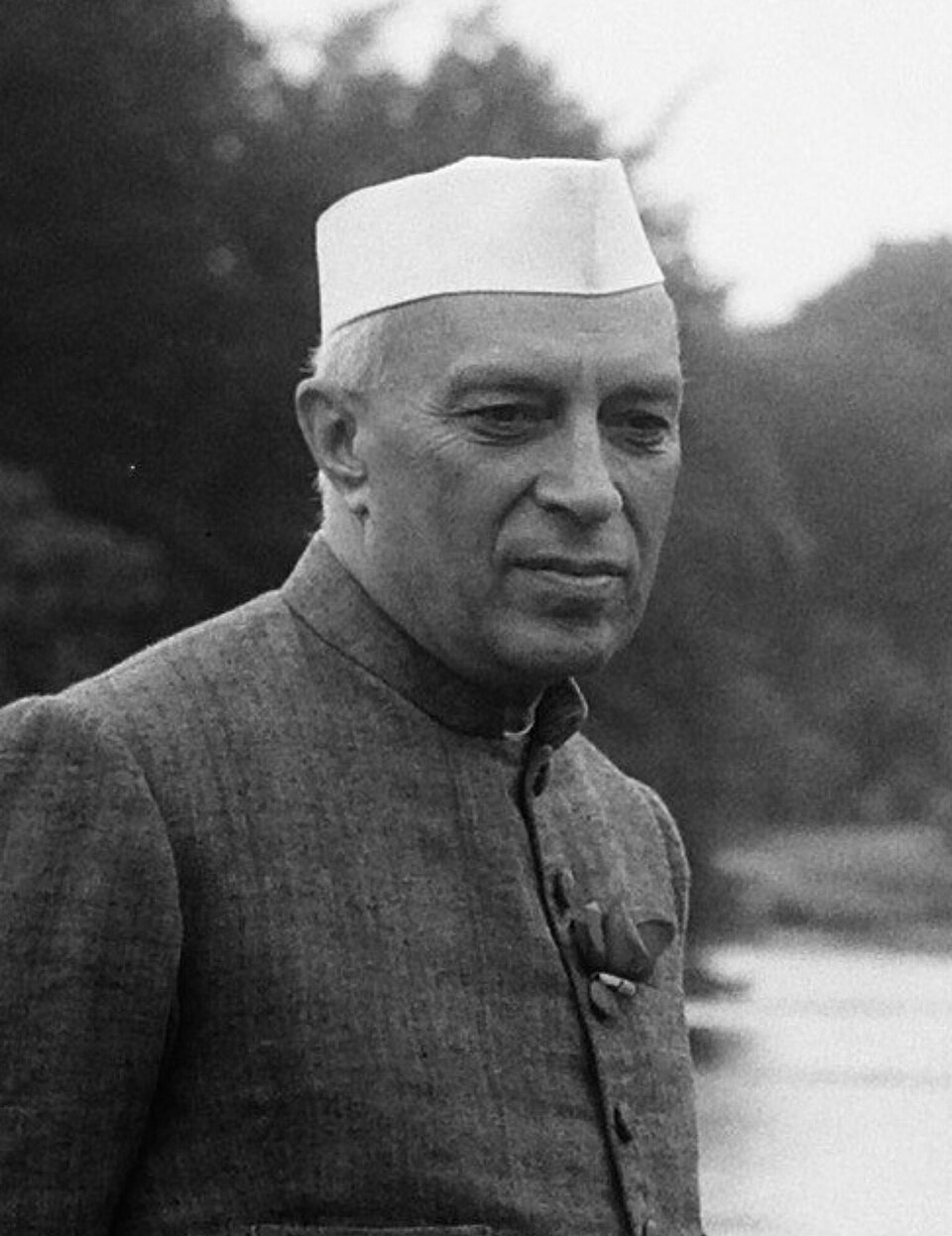
India's first Prime Minister, who declared the goal of full independence on the banks of the Ravi at Lahore in 1929.
Artifacts
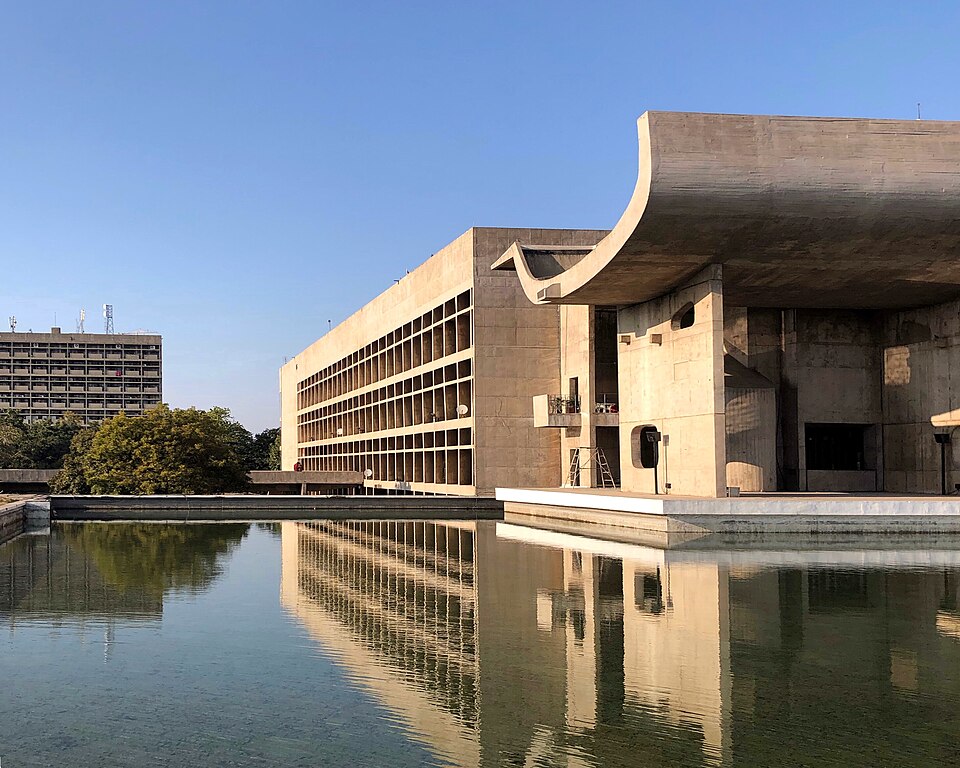
Le Corbusier's government buildings for the new capital of Indian Punjab, built after Lahore was lost in 1947.
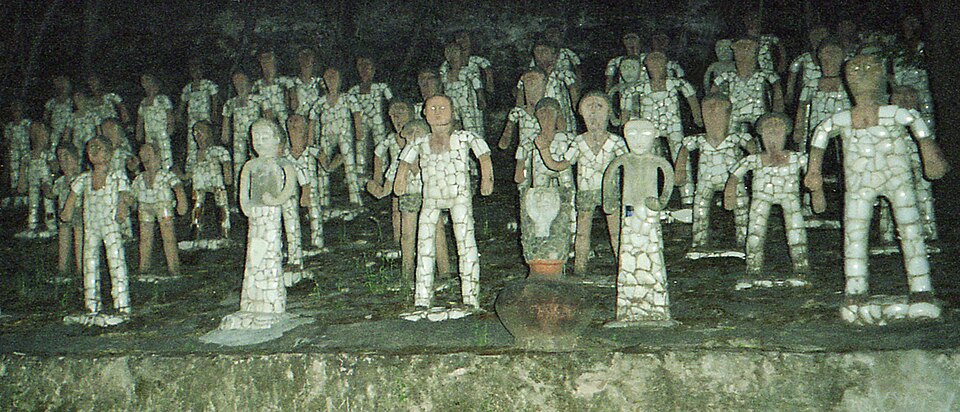
Thousands of figures made from rubble and broken china by a road inspector, built in secret on government land and opened to the public in 1976.
On the timeline
In the world's museums
33 objects → Tigers, unknown,housed in the Government Museum and Art Gallery, ChandigarhGovernment Museum, Chandigarh · photo SpeakingArch (Wikimedia Commons) · CC BY-SA ↗
 The Coy Bride, Late 18th century, Kangra, Government Museum and Art Gallery in ChandigarhGovernment Museum, Chandigarh · photo SpeakingArch (Wikimedia Commons) · CC BY-SA ↗
 Indian miniature,, 3rd quarter of 18th cent. "Sins of Gluttony". Chandigarh Museum.Government Museum, Chandigarh · photo Wikimedia Commons (Wikimedia Commons) ↗
 Snipe, early 19th century CE, Pahari Kalam Government Museum and Art Gallery in ChandigarhGovernment Museum, Chandigarh · photo SpeakingArch (Wikimedia Commons) · CC BY-SA ↗
 Gandhi Bhawan at the Panjab University in ChandigarhWikimedia Commons · UnpetitproleX · CC BY-SA ↗
 The Government Museum and Art Gallery in Chandigarh, northwestern IndiaGovernment Museum, Chandigarh · photo UnpetitproleX (Wikimedia Commons) · CC BY-SA ↗
 Ganga, Haryana, circa 10th century CE, Government Museum and Art Gallery, ChandigarhGovernment Museum, Chandigarh · photo SpeakingArch (Wikimedia Commons) · CC BY-SA ↗
 Yamuna, Haryana, circa 10th century CE, Government Museum and Art Gallery, ChandigarhGovernment Museum, Chandigarh · photo SpeakingArch (Wikimedia Commons) · CC BY-SA ↗
 Sculpture of Ganga as river goddess in the Chandigarh art museum, Agroha HaryanaGovernment Museum, Chandigarh · photo Kritzolina (Wikimedia Commons) · CC BY-SA ↗
 Shiva Parvati and Nandi sculpture in the Chandigarh art museum, 12th centuryGovernment Museum, Chandigarh · photo Kritzolina (Wikimedia Commons) · CC BY-SA ↗
 Vishnu holding Shanka figure in the Chandigarh art museum, Agroha Haryana, 10th centuryGovernment Museum, Chandigarh · photo Kritzolina (Wikimedia Commons) · CC BY-SA ↗
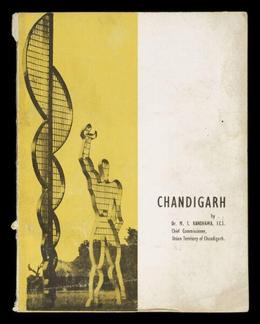 Chandigarh booklet by Dr M.S. Randhawa, 19681968 · Chandigarh© Victoria and Albert Museum, London ↗
 Chandigarh Festival Supplement1967-1968 · India© Victoria and Albert Museum, London ↗
 A Mughal Painting showing a Hunting Scene, circa 17th century, Chandigarh MuseumGovernment Museum, Chandigarh · photo SpeakingArch (Wikimedia Commons) · CC BY-SA ↗
 Angel on a Composite Animal, Mughal Painting circa 16th century, Chandigarh MuseumGovernment Museum, Chandigarh · photo SpeakingArch (Wikimedia Commons) · CC BY-SA ↗
 Chandigarh Architecture Museum, Sector 10-CGovernment Museum, Chandigarh · photo Rhythm kataria (Wikimedia Commons) · CC BY-SA ↗
 Empress Nur Jehan, Mughal Miniature housed in the Chandigarh Museum and Art Gallery, IndiaGovernment Museum, Chandigarh · photo SpeakingArch (Wikimedia Commons) · CC BY-SA ↗
 Vishnu figure in the Chandigarh art museum, 11th centruy, Acc.no 59.153/160Government Museum, Chandigarh · photo Kritzolina (Wikimedia Commons) · CC BY-SA ↗