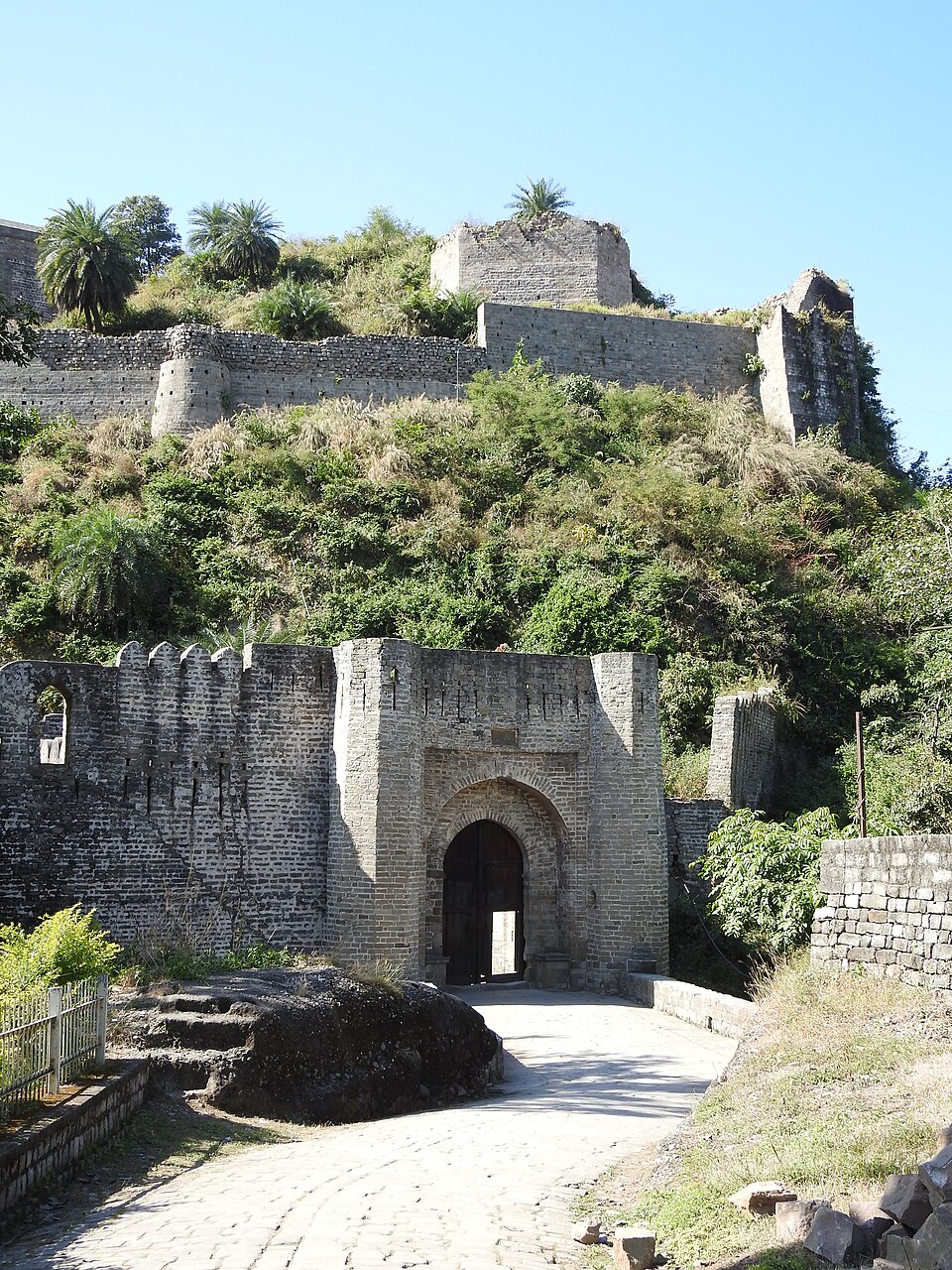
Kangra Fort
Ancient hill fort of the Katoch rajas. Ranjit Singh took it in 1809 after relieving Raja Sansar Chand from a Gurkha siege.
Kangra Fort, on a cliff above the Banganga and Patalganga rivers in the Kangra valley, is one of the oldest forts in India, the seat of the Katoch rajas for centuries. Mahmud of Ghazni plundered its temple in 1009; the Mughals took it in 1620.
In 1806 Raja Sansar Chand Katoch, besieged by the Gurkhas, asked Ranjit Singh for help. The Sikhs relieved the fort in 1809 and kept it. Desa Singh Majithia became governor of the hills.
The painters of Kangra and Guler, who had made the valley famous for its miniature painting, now found patrons in Lahore. The fort was badly damaged in the earthquake of 1905.
People
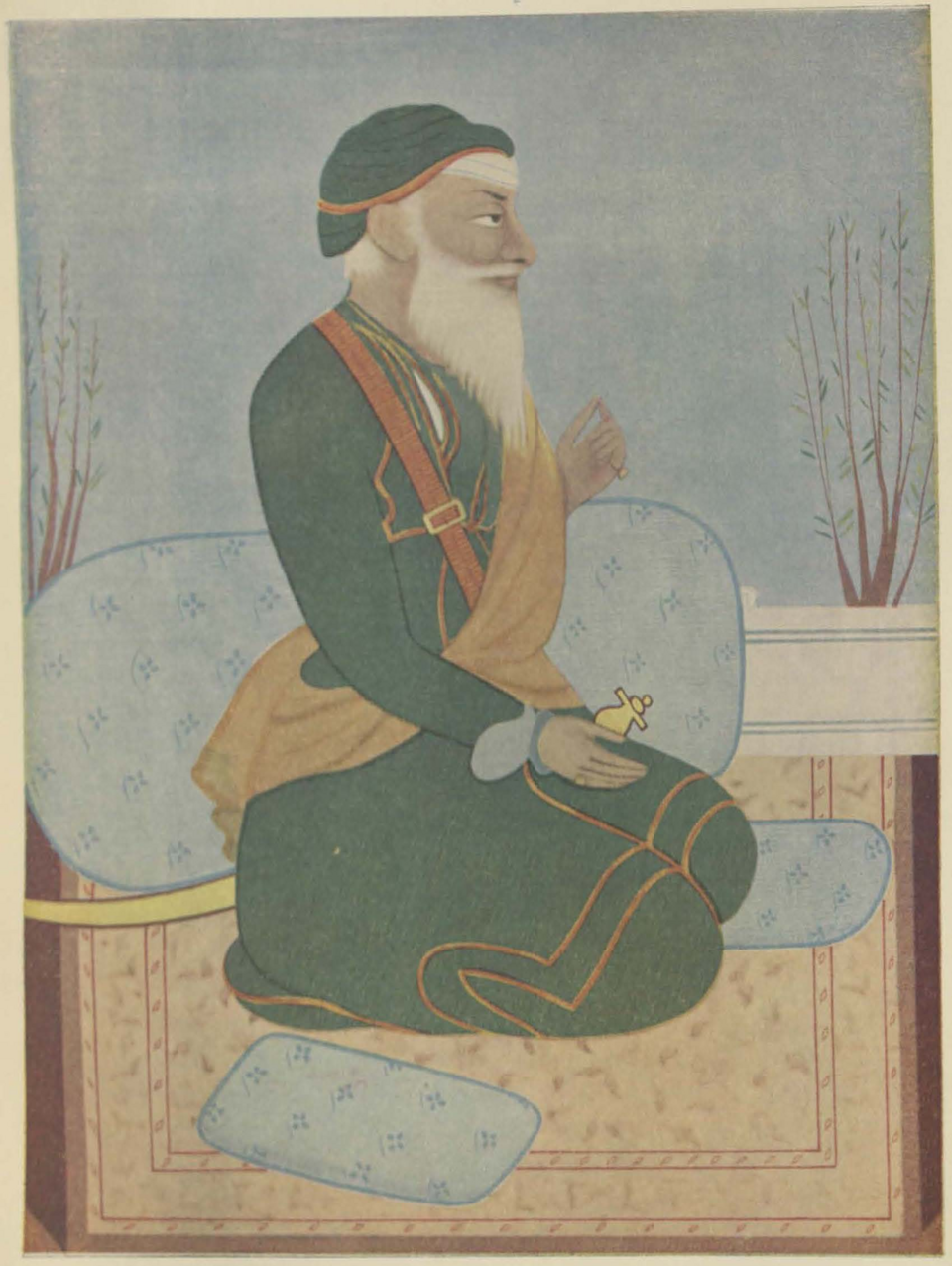
Battles
Artifacts
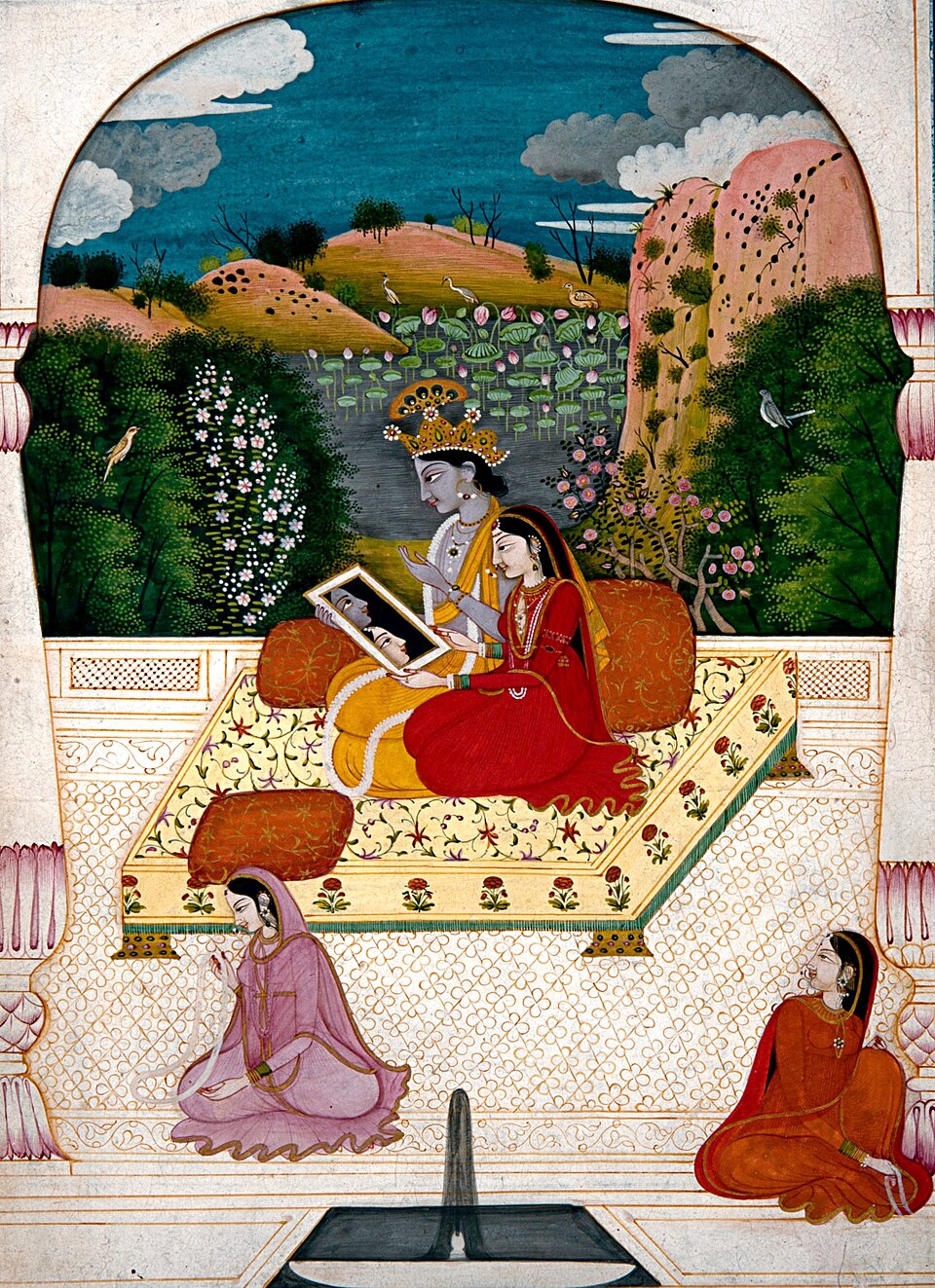
When Ranjit Singh took Kangra in 1809, painters from the hill courts of Guler and Kangra came to work for Sikh patrons, painting portraits of the Gurus and the Lahore nobility.
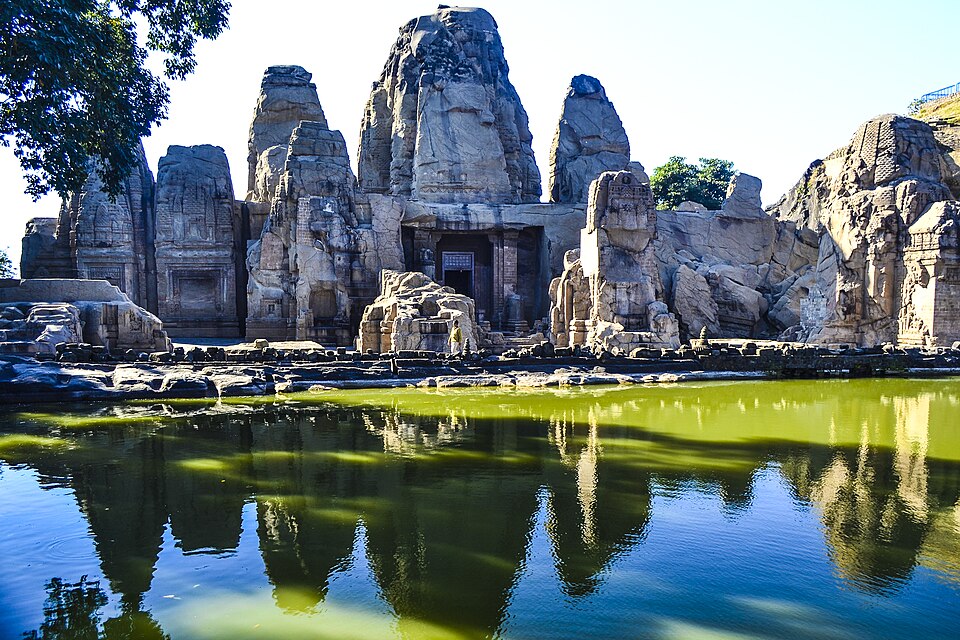
A whole complex of Hindu temples carved out of a single sandstone ridge in the Kangra hills.
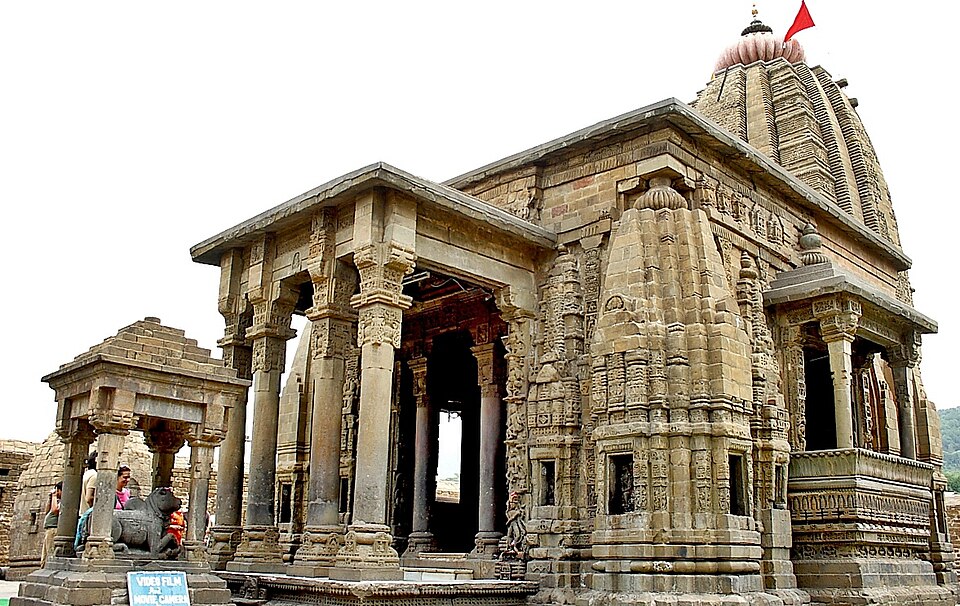
A temple of Shiva as the lord of physicians, built by two merchants in 1204 and still in worship.
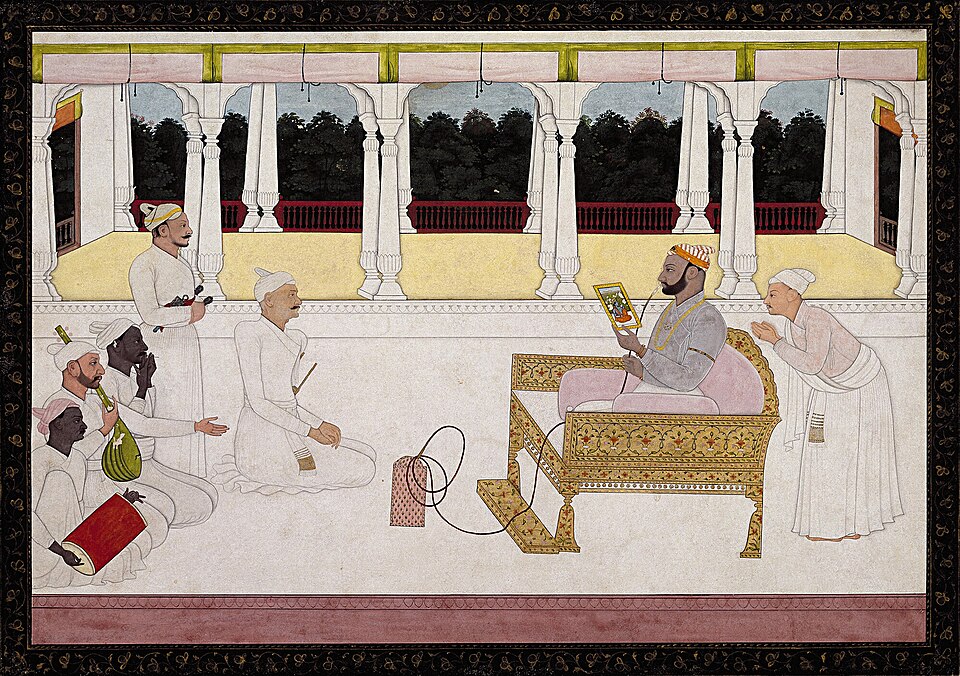
Intimate pictures of the life of Raja Balwant Singh of Jasrota by the greatest of the Pahari painters.
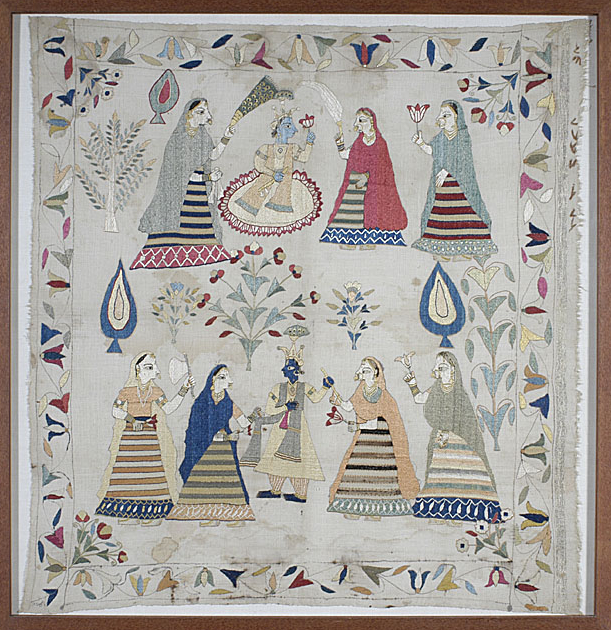
Square cloths for covering gifts, embroidered in the hills with scenes from the life of Krishna in the style of Pahari painting.
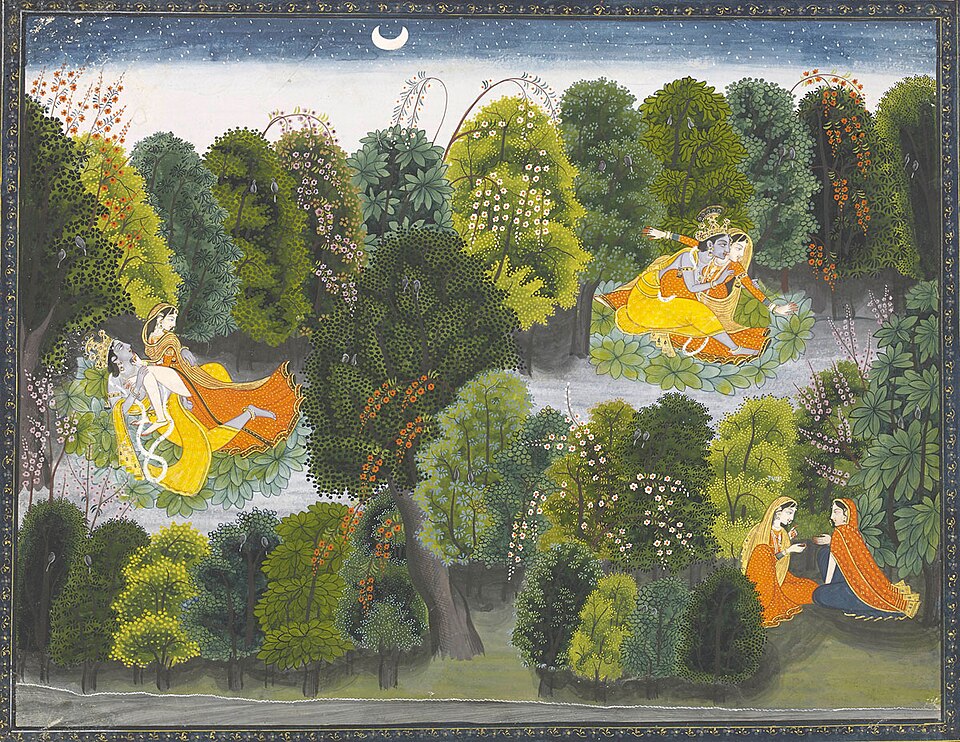
A series of paintings of Jayadeva's love poem of Radha and Krishna, made by the painters of the family of Nainsukh and Manaku in the years when Raja Sansar Chand of Kangra was their great patron.
On the timeline
In the world's museums
263 objects → Painted floral manuscripts cover from Kangra, cNational Museum, New Delhi · photo SpeakingArch (Wikimedia Commons) · CC BY-SA ↗
 Draupadi and Kunti with the Pandavas India, Punjab Hills, Kangra, caLACMA, Los Angeles · photo Wikimedia Commons (Wikimedia Commons) ↗
 Vasakasajja Nayika from Gitagovinda Manuscript, Kangra Painting circa 1900 CEGovernment Museum, Chandigarh · photo SpeakingArch (Wikimedia Commons) · CC BY-SA ↗
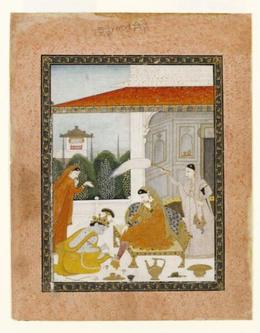 Painting, Kangraca. 1820 - ca. 1825 · Kangra© Victoria and Albert Museum, London ↗
 Devi Mahatamya, 19th century CE, Guler, Museum of Kangra Art, DharamshalaMuseum of Kangra Art, Dharamshala · photo SpeakingArch (Wikimedia Commons) · CC BY-SA ↗
 Portrait of Maharaja Sansar Chand of Kangra, Himachal Pradesh, circa 1780Lahore Museum · photo SpeakingArch (Wikimedia Commons) · CC BY-SA ↗
 Raga Hindola,1780 CE, Guler School of Art, Museum of Kangra Art, DharamshalaMuseum of Kangra Art, Dharamshala · photo SpeakingArch (Wikimedia Commons) · CC BY-SA ↗
 Equestrian painting of Maharaja Sansar Chand of Kangra, Guler school, ca.1800Bhuri Singh Museum, Chamba · photo Wikimedia Commons (Wikimedia Commons) ↗
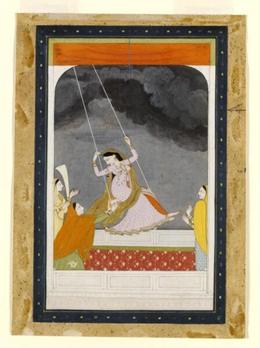 Painting, Kangraca. 1790 · Kangra© Victoria and Albert Museum, London ↗
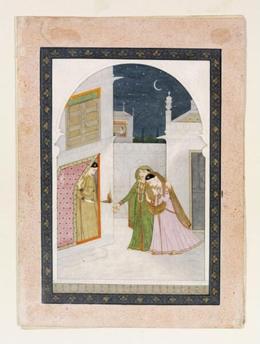 Painting, Kangraca. 1820 · Kangra© Victoria and Albert Museum, London ↗
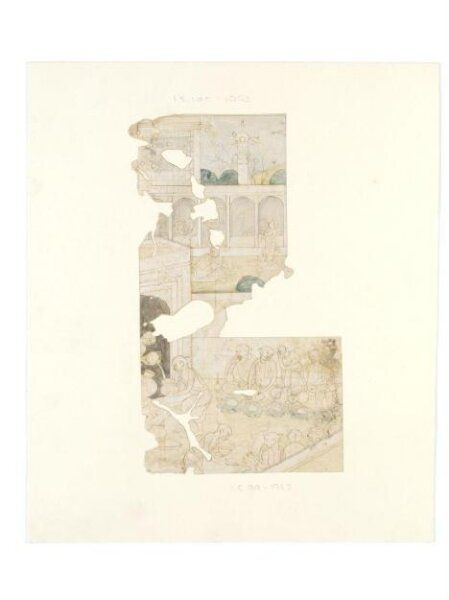 Drawing, Kangraca. 1810 · Kangra© Victoria and Albert Museum, London ↗
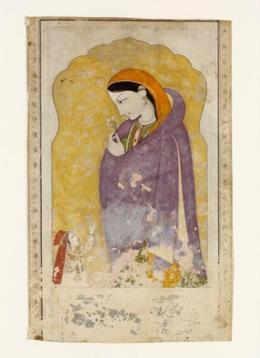 Painting, Kangraca. 1815 · Kangra© Victoria and Albert Museum, London ↗
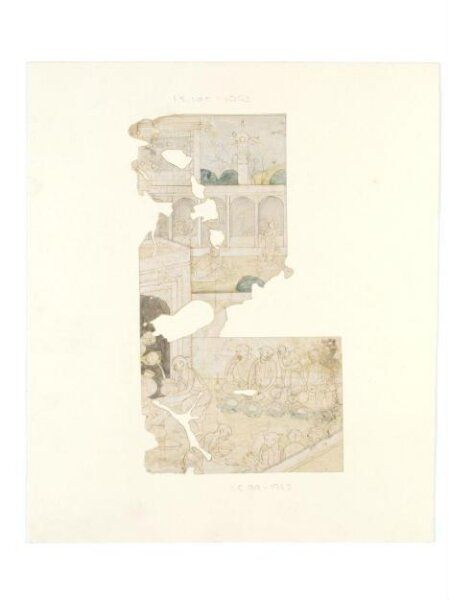 Drawing, Kangraca. 1810 · Kangra© Victoria and Albert Museum, London ↗
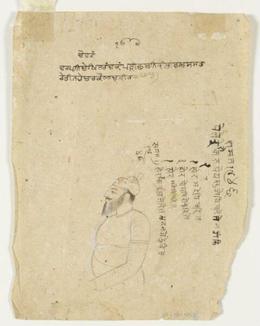 Drawing, Kangra1789 · Kangra© Victoria and Albert Museum, London ↗
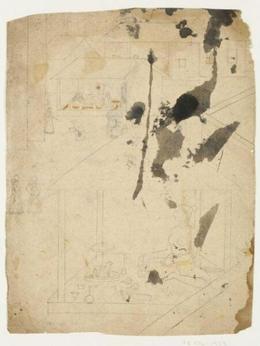 Drawing, Kangraca. 1800 · Kangra© Victoria and Albert Museum, London ↗
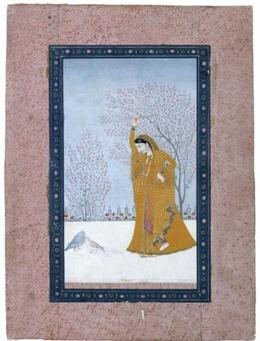 Painting, Kangraca. 1790 · Kangra© Victoria and Albert Museum, London ↗
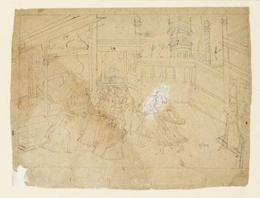 Drawing, Kangraca. 1810 · Kangra© Victoria and Albert Museum, London ↗
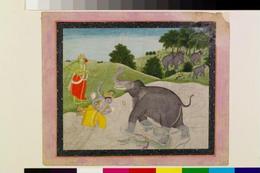 Painting, Kangraca. 1815 · Kangra© Victoria and Albert Museum, London ↗