Vedas, Alexander and Gandhara
The land of seven rivers, Persian satraps and Alexander, the Mauryas of Taxila and the Buddhist kingdoms of Gandhara.
 Buddha's Head, circa 4th-5th century CE, Akhnoor, site of Ushkar (ancient Huvishkapur)Government Museum, Chandigarh · photo SpeakingArch (Wikimedia Commons) · CC BY-SA ↗
 Sculpture of Surya, 6th century CE, village Gum, Chamba, Bhuri Singh Museum, ChambaBhuri Singh Museum, Chamba · photo SpeakingArch (Wikimedia Commons) · CC BY-SA ↗
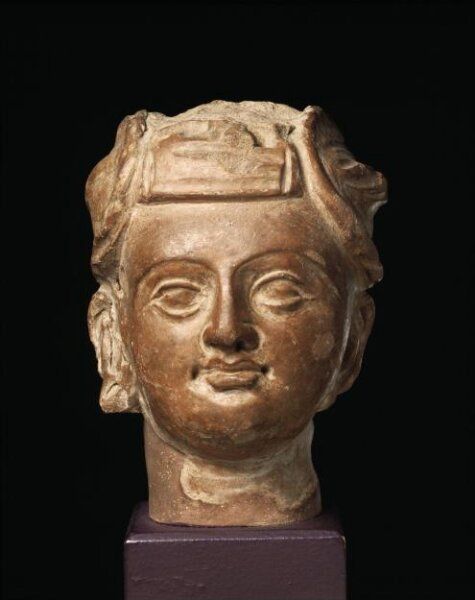 Sculpture6th century-7th century · Jammu-Kashmir© Victoria and Albert Museum, London ↗
 Vishvarupa Vishnu, Kingdom of Kashmir, Jammu & Kashmir, 6th century CEThe Met, New York · photo Metropolitan Museum of Art (Wikimedia Commons) ↗
 Shiva Gana holding water spout, Parwanoo, Solan, circa 6th-7th century CEWikimedia Commons · SpeakingArch · CC BY-SA ↗
 Terracotta head of a Female Buddhist donor, 500-700 CE, Pambarvan, Akhnur, Jammu, V&AV&A, London · photo SpeakingArch (Wikimedia Commons) · CC BY-SA ↗
 Durga Slaying the Buffalo Demon, Jammu and Kashmir, 7th century CELACMA, Los Angeles · photo Los Angeles County Museum of Art (Wikimedia Commons) ↗
 Ganesha, Lord of Obstacles, Jammu and Kashmir, 7th century CELACMA, Los Angeles · photo Los Angeles County Museum of Art (Wikimedia Commons) ↗
 Mahishasuramardini, 7th century CE, Dhogi, Una, Himachal State Museum, ShimlaWikimedia Commons · SpeakingArch · CC BY ↗
 Sculpture of Ganesha,7th century CE, Dhogi, Una, Himachal State Museum, ShimlaWikimedia Commons · SpeakingArch · CC BY-SA ↗
 Sculpture of Varun, 7th century, Masrur, Kangra, housed at Himachal State Museum, ShimlaWikimedia Commons · SpeakingArch · CC BY-SA ↗
 Vishnu Vaikunthamurti, village Swaim, Himgiri, Churah, Chamba, 8th century CEBhuri Singh Museum, Chamba · photo SpeakingArch (Wikimedia Commons) · CC BY-SA ↗
 Vajrasattva, Ancient Kingdom of Kashmir, Jammu and Kashmir, 8th century CEThe Met, New York · photo Metropolitan Museum of Art (Wikimedia Commons) ↗
 Garuda c. 8th-12th century CE (Metal), Pahari, Government Museum and Art GalleryGovernment Museum, Chandigarh · photo SpeakingArch (Wikimedia Commons) · CC BY-SA ↗
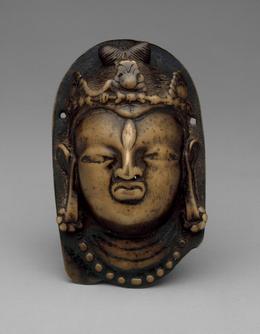 Linga Cover with Head of God Shiva8th/9th century · Himachal PradeshArt Institute of Chicago ↗
 Sculpture of Sheshayi Vishnu, circa 8th century CE, provenance unknownBhuri Singh Museum, Chamba · photo SpeakingArch (Wikimedia Commons) · CC BY-SA ↗
 Sculpture of Sun, 8th century CE, Sirmour, Bhuri Singh Museum, Chamba, Himachal PradeshBhuri Singh Museum, Chamba · photo SpeakingArch (Wikimedia Commons) · CC BY-SA ↗
 Vaikhunta Vishnu, Kingdom of Kashmie, 775-800 CEThe Met, New York · photo Metropolitan Museum of Art (Wikimedia Commons) ↗
 Sculpture of Vaikuntha Vishnu Jagatsukh, Kullu, 9th centuryWikimedia Commons · SpeakingArch · CC BY-SA ↗
 Shiva Trimurti, 9th century, KangraGovernment Museum, Chandigarh · photo SpeakingArch (Wikimedia Commons) · CC BY-SA ↗
 Nandi ,10th Century, Indershwar mahadev templeMuseum of Kangra Art, Dharamshala · photo SpeakingArch (Wikimedia Commons) · CC BY-SA ↗
 Fountain slab, Mohalla Kashmiri, Chamba town, 10th century CE, Bhuri Singh MuseumBhuri Singh Museum, Chamba · photo SpeakingArch (Wikimedia Commons) · CC BY-SA ↗
 Sculpture of Parvati, circa 10th century CE, village Tur, Chamba, Bhuri Singh MuseumBhuri Singh Museum, Chamba · photo SpeakingArch (Wikimedia Commons) · CC BY-SA ↗
 Fountain slab, circa 10th century CE, Sarahan, Chamba housed in the Bhuri Singh MuseumBhuri Singh Museum, Chamba · photo SpeakingArch (Wikimedia Commons) · CC BY-SA ↗
 Fountain slab from Dhundi, Chamba, circa 10th century CEBhuri Singh Museum, Chamba · photo SpeakingArch (Wikimedia Commons) · CC BY-SA ↗
 Sculpture of Balarama, circa 10th century CE, Mugla, Chamba, Bhuri Singh Museum, ChambaBhuri Singh Museum, Chamba · photo SpeakingArch (Wikimedia Commons) · CC BY-SA ↗
 Sculpture of Uma Maheshwar, circa 10th century CE, Pahari, National Museum, New DelhiNational Museum, New Delhi · photo SpeakingArch (Wikimedia Commons) · CC BY-SA ↗
 Vishnu, Pahari Style, 10th-11th century CE, Himachal State Museum, AccWikimedia Commons · SpeakingArch · CC BY-SA ↗
 Sculpture of Buddha, 10th century CE, Bihar, Pala School of Art, Himachal State MuseumWikimedia Commons · SpeakingArch · CC BY-SA ↗
 Sculpture of Vishnu Ayudhapurusha, circa 10th century CE, Uttar PradeshWikimedia Commons · SpeakingArch · CC BY-SA ↗
 Vishnu, Sarahan, circa 10th century CE, Himachal State Museum, Shimla AccWikimedia Commons · SpeakingArch · CC BY-SA ↗
 Jain Deity (Mahaveer), 10th Century, KangraMuseum of Kangra Art, Dharamshala · photo Brahmavadini (Wikimedia Commons) · CC BY-SA ↗
 10th century stone sculpture of Jain deity, Mallinath, from Kangra districtMuseum of Kangra Art, Dharamshala · photo Brahmavadini (Wikimedia Commons) · CC BY-SA ↗
 Stone sculpture of Nandi from 10th century, Indreshwar Mahadev Temple, Old KangraMuseum of Kangra Art, Dharamshala · photo Brahmavadini (Wikimedia Commons) · CC BY-SA ↗
 Fragments of Painted Grey Ware (PGW), about 1000 BC: black painted geometric decoration…British Museum, London · photo Zunkir (Wikimedia Commons) · CC BY-SA ↗
 Aramaic inscription of the 4th century BC, found in Sirkap, PaksitanTaxila Museum · photo John Marshall, 1918 (Wikimedia Commons) ↗
 Porus at the Battle of the Hydaspes (Jhelum)Wikimedia Commons · Tapestry after a work by Charles Le Brun, court painter to t · CC BY ↗
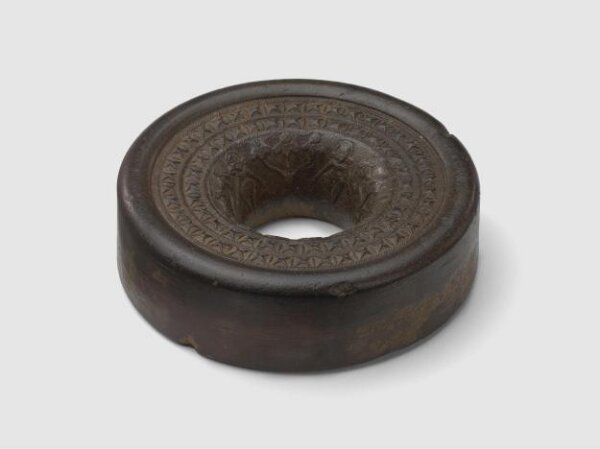 Ring stone3rd century BC-2nd century BC · Taxila© Victoria and Albert Museum, London ↗
 Amorous couple, circa 2nd century BCE, Amin, Haryana, Sunga Period, National MuseumNational Museum, New Delhi · photo SpeakingArch (Wikimedia Commons) · CC BY-SA ↗
 Terracotta disc with elephant motif from Sugh, Haryana, circa 2nd century BCEGovernment Museum, Chandigarh · photo SpeakingArch (Wikimedia Commons) · CC BY-SA ↗
 Yaksha, Shunga Period, 2nd century BCE, Amin, Haryana, National Museum, New DelhiNational Museum, New Delhi · photo SpeakingArch (Wikimedia Commons) · CC BY-SA ↗
 Child learning Brahmi Alphabets,Shunga Period, circa 2nd century BCE, Sugh, HaryanaNational Museum, New Delhi · photo SpeakingArch (Wikimedia Commons) · CC BY-SA ↗
 Male figure leading a goat, Sugh, Punjab, about 100 BCE, Terracotta, Ashmolean MuseumAshmolean Museum, Oxford · photo SpeakingArch (Wikimedia Commons) · CC BY-SA ↗
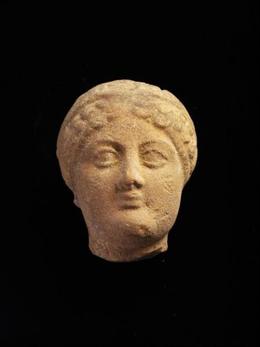 Head, Rawalpindica.100 BC · Rawalpindi© Victoria and Albert Museum, London ↗
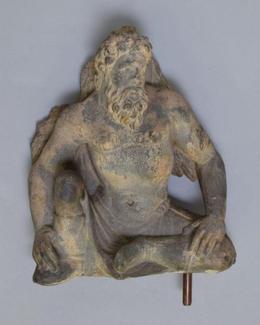 AtlantesAbout 50 BC to 150 AD · Gandhara© Victoria and Albert Museum, London ↗
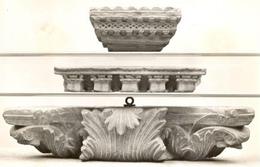 Fragment of a Capital1st century-3rd century · Gandhara© Victoria and Albert Museum, London ↗
 Birth of Siddhartha Sakyamuni with Queen Maya as a Shalabhanjika circa 2nd century CELahore Museum · photo SpeakingArch (Wikimedia Commons) · CC BY-SA ↗
 Fasting Siddharta Found at Sikri, Jamalgarhi, District Mardan circa 2nd century CELahore Museum · photo SpeakingArch (Wikimedia Commons) · CC BY-SA ↗
 Lion Capital, Kushan Period, circa 2nd century CE, Khokrakot, Haryana, National MuseumNational Museum, New Delhi · photo SpeakingArch (Wikimedia Commons) · CC BY-SA ↗
 Gandharan sculpture depicting “Amitabh preaching in Sukhavati heaven,” 2nd century ADGovernment Museum, Chandigarh · photo UnpetitproleX (Wikimedia Commons) · CC BY-SA ↗
 Parnirvana of Ananda, circa 2nd century CE, Sikrai, Government Museum and Art GalleryGovernment Museum, Chandigarh · photo SpeakingArch (Wikimedia Commons) · CC BY-SA ↗
 Miracle of Sravasti (the fire scene) Kabul, circa 2nd century CE, Gandhara School of ArtIndian Museum, Kolkata · photo SpeakingArch (Wikimedia Commons) · CC BY-SA ↗
 Siddhartha in Writing Competition, circa 2nd century CE, North West Frontier ProvinceGovernment Museum, Chandigarh · photo SpeakingArch (Wikimedia Commons) · CC BY-SA ↗
 The First Sermon, circa 2nd century CE, NWFP, Government Museum and Art GalleryGovernment Museum, Chandigarh · photo SpeakingArch (Wikimedia Commons) · CC BY-SA ↗
 Yakshi, 2nd century CE, North West Frontier ProvinceGovernment Museum, Chandigarh · photo SpeakingArch (Wikimedia Commons) · CC BY-SA ↗
 Gautam playing a harp, circa 2nd century CE, Loriyan Tangai, Indian Museum, KolkataIndian Museum, Kolkata · photo SpeakingArch (Wikimedia Commons) · CC BY-SA ↗
 Submission of Naga King Apalala, 2nd century CE, Loriyan Tangai, Indian Museum KolkataIndian Museum, Kolkata · photo SpeakingArch (Wikimedia Commons) · CC BY-SA ↗
 Sculpture of Atlante, Loriyan Tangai, circa 2nd century CE, Located Indian Museum, KolkataIndian Museum, Kolkata · photo SpeakingArch (Wikimedia Commons) · CC BY-SA ↗
 Turning of the Wheel of Law, late 2nd century CE, North West Frontier ProvinceGovernment Museum, Chandigarh · photo SpeakingArch (Wikimedia Commons) · CC BY-SA ↗
 Terracotta Human Figurines from Thanesar, circa 1st to 3rd century CE, Kushan PeriodWikimedia Commons · SpeakingArch · CC BY-SA ↗
 The Miracle of Sravasti, North West Frontier Province, 3rd century CEGovernment Museum, Chandigarh · photo SpeakingArch (Wikimedia Commons) · CC BY-SA ↗
 Victory over the Black Serpent, NWFP, 3rd century CEGovernment Museum, Chandigarh · photo SpeakingArch (Wikimedia Commons) · CC BY-SA ↗
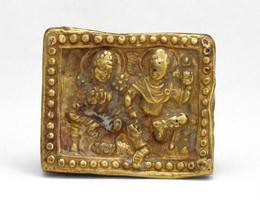 Buckle with the Gods Hariti and Pancika4th century · Taxila© Victoria and Albert Museum, London ↗
 Head of a Prince, circa 4th-5th century CE, Akhnoor, site of UshkarGovernment Museum, Chandigarh · photo SpeakingArch (Wikimedia Commons) · CC BY-SA ↗
 Lady's head, circa 4th-5th century CE, Ushkar (ancient Huvishkapur)Government Museum, Chandigarh · photo SpeakingArch (Wikimedia Commons) · CC BY-SA ↗
 Lady with an angry frown, circa 4th-5th century CE, Akhnoor, site of UshkarGovernment Museum, Chandigarh · photo SpeakingArch (Wikimedia Commons) · CC BY-SA ↗
 Stucco head of a deity or Bodhisattva, 300-500 CE, Attock, Pakistan, British MuseumBritish Museum, London · photo SpeakingArch (Wikimedia Commons) · CC BY-SA ↗
 Head of a laughing youth, 300-500 CE, Punjab, Pakistan, British MuseumBritish Museum, London · photo SpeakingArch (Wikimedia Commons) · CC BY-SA ↗
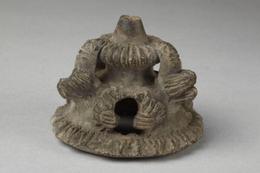 Lid5th century - 7th century · Punjab (India)© Victoria and Albert Museum, London ↗
 Sculpture of Rewanta, circa 5th century CE, ChandimandirWikimedia Commons · SpeakingArch · CC BY-SA ↗
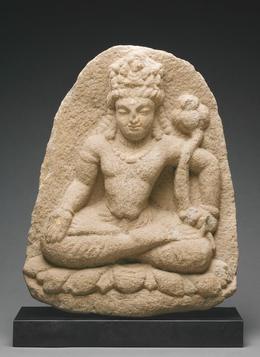 Bodhisattva Avalokiteśvara8th/9th century · PakistanArt Institute of Chicago ↗
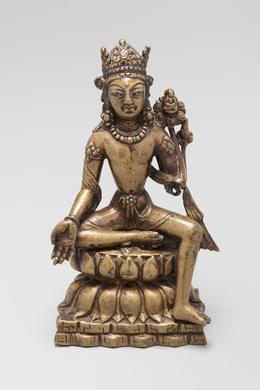 Bodhisattva Avalokiteshvara Seated with Hand in Gesture of Gift Giving (Varadamudra)8th/9th century · SwatArt Institute of Chicago ↗
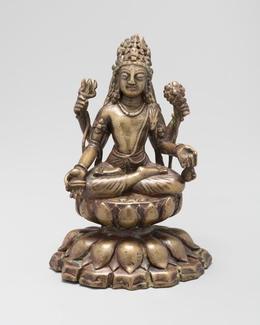 Four-Armed Bodhisattva Avalokiteshvara Seated in Lotus Position (Padmasana)8th/9th century · PakistanArt Institute of Chicago ↗
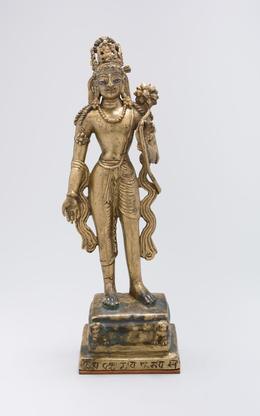 Standing Bodhisattva Avalokiteshvara Holding a Lotus Flowerearly 9th century · SwatArt Institute of Chicago ↗
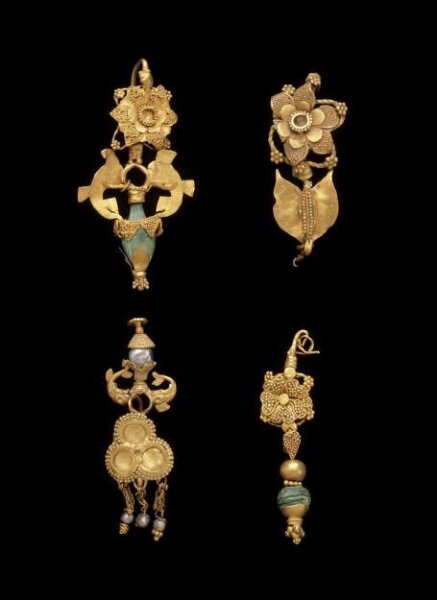 Earring1st century-2nd century · Taxila© Victoria and Albert Museum, London ↗
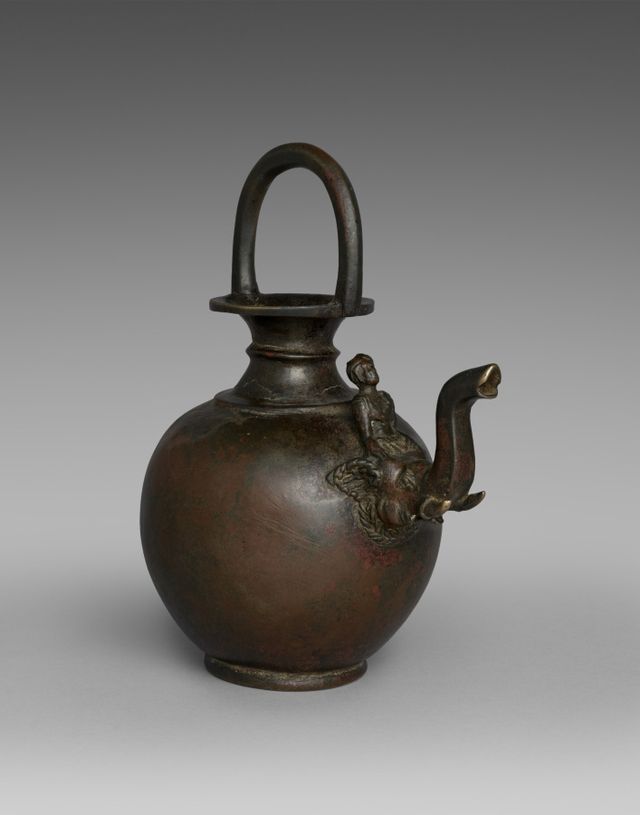 Ewer with Spout in the Form of an Elephant with a Mahut1–100 CE · Afghanistan, Gandhara, probably Taxila or environs, early KushanCleveland Museum of Art ↗
 Carved Relief2nd century to 5th century · Gandhara© Victoria and Albert Museum, London ↗
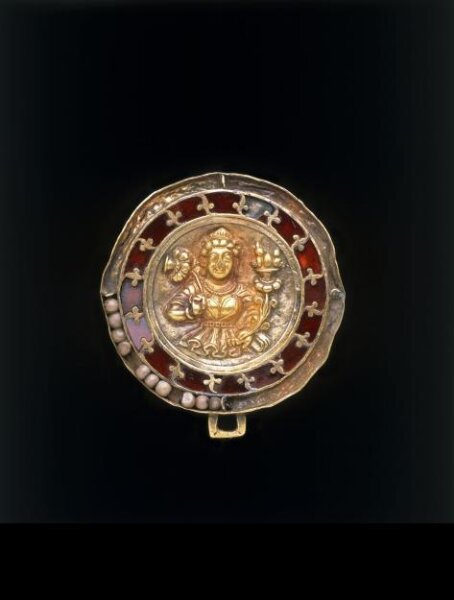 Pendant3rd century-4th century · Taxila© Victoria and Albert Museum, London ↗
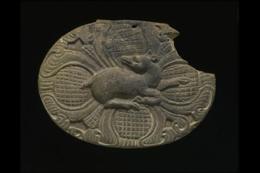 Toilet box lid3rd century-4th century · Gandhara© Victoria and Albert Museum, London ↗
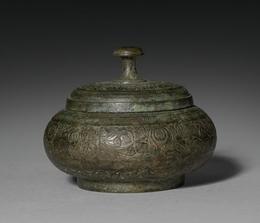 Reliquary Box200–400 CE · Pakistan, Gandhara, probably Swat, late Kushan periodCleveland Museum of Art ↗
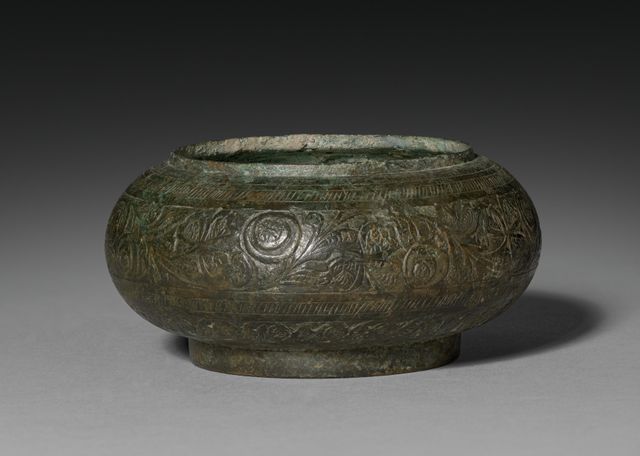 Reliquary Box200–400 CE · Pakistan, Gandhara, probably Swat, late Kushan periodCleveland Museum of Art ↗
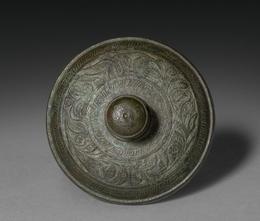 Reliquary Box (lid)200–400 CE · Pakistan, Gandhara, probably Swat, late Kushan periodCleveland Museum of Art ↗
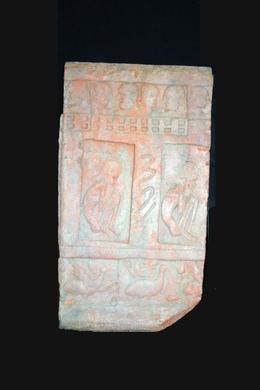 Stamped Tile with Crouching Ascetics4th/6th century · KashmirArt Institute of Chicago ↗
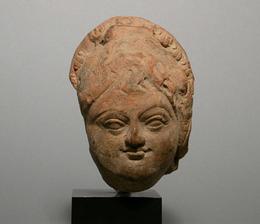 Female Head4th/6th century · GandharaArt Institute of Chicago ↗
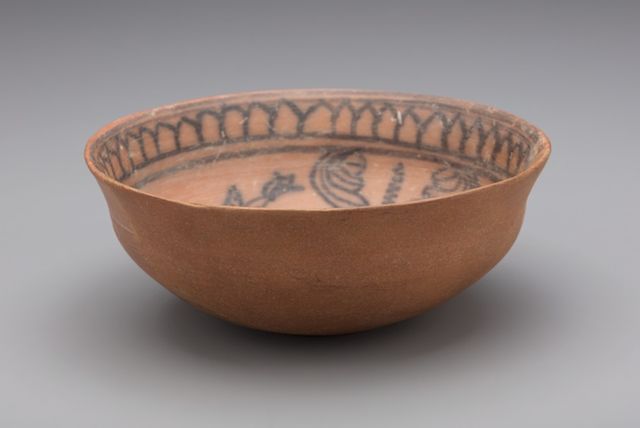 Painted Bowl with Fish and Lotus Design5th century · GandharaArt Institute of Chicago ↗
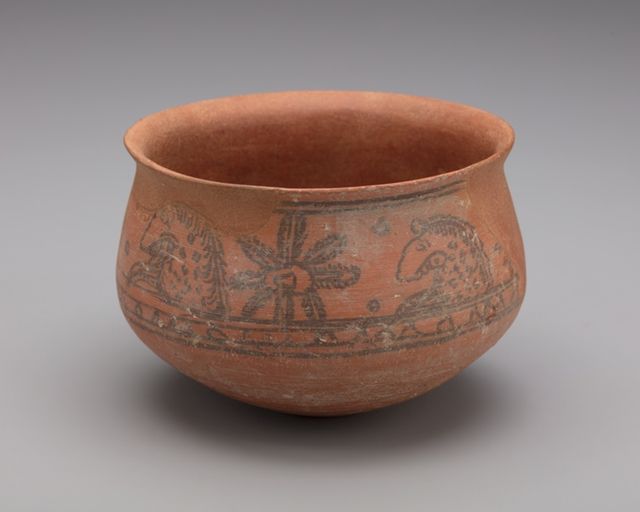 Painted Bowl with Faunal and Floral Design5th century · GandharaArt Institute of Chicago ↗
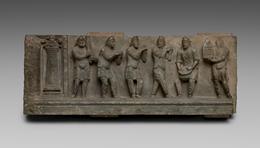 Dancers and Musicians from Phrygia
 Seated musician
Coins
28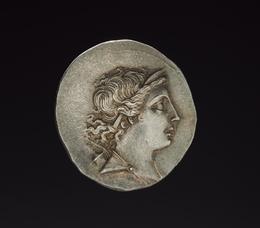 After Alexander of Macedon succeeded in conquering Egypt and Persia in 331 BCWikimedia Commons ↗
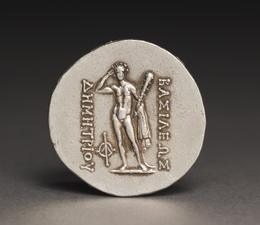 Demetrios I (222–180 BC) ruled the Indo-Greek kingdom of Bactria from 200 to 180 BC and…Wikimedia Commons ↗
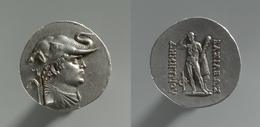 Tetradrachm Coin of Demetrios I200–190 BCE · Afghanistan, Bactria, Indo-GreekCleveland Museum of Art ↗
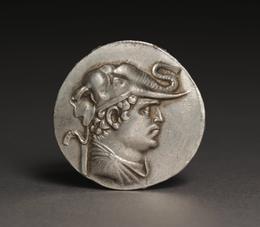 Coin of Demetrios, I (obverse)200–190 BCE · Afghanistan, Greco-Bactria, Demetrios I (c. 200–180 BCE)Cleveland Museum of Art ↗
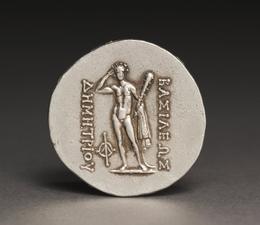 Coin of Demetrios, I (reverse)200–190 BCE · Afghanistan, Greco-Bactria, Demetrios I (c. 200–180 BCE)Cleveland Museum of Art ↗
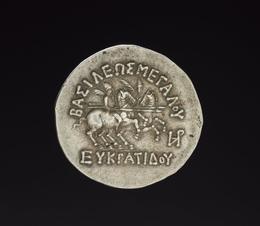 Coin of Eukratides I170–145 BCE · Afghanistan, BactriaCleveland Museum of Art ↗
 A silver Indo-Greek drachm of Menander (c.160-145 BC) of the Kabul/Gandhara regionWikimedia Commons · National Museum Wales , Susie White, 2018-10-22 14:57:42 · CC BY ↗
 Coin of Taxila Pushkalavati City Guild, probably circa 2nd century BCEWikimedia Commons · SpeakingArch · CC BY-SA ↗
 Coin of MenanderBritish Museum, London · photo No machine-readable author provided. World Imaging assumed ( (Wikimedia Commons) ↗
 Copper Coin of Agathocles,190-80 BCE, Ashmolean Museum Copper coins of AgathoclesAshmolean Museum, Oxford · photo SpeakingArch (Wikimedia Commons) · CC BY-SA ↗
 Coin of Strato I, circa 125-110 BCE, National Museum New DelhiNational Museum, New Delhi · photo SpeakingArch (Wikimedia Commons) · CC BY-SA ↗
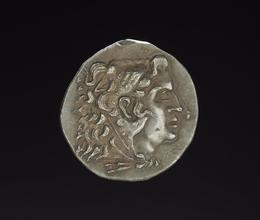 Indo-Greek Coinc. 200–1 BCE · Afghanistan, BactriaCleveland Museum of Art ↗
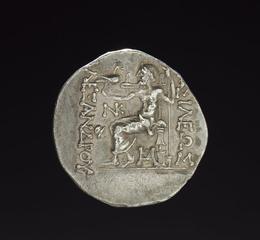 Indo-Greek Coin200–1 BCE · Afghanistan, BactriaCleveland Museum of Art ↗
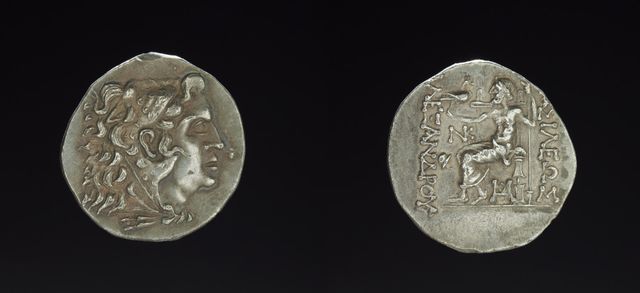 Indo-Greek Coinc. 200–1 BCE · Afghanistan, BactriaCleveland Museum of Art ↗
 Silver denarius of Tiberius (14–37 CE) found in IndiaBritish Museum, London · photo Uploadalt (Wikimedia Commons) · CC BY-SA ↗
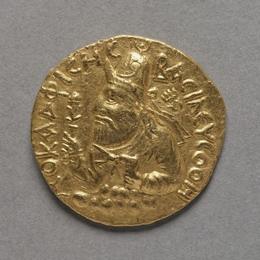 Vima Kadphises (obverse)50–78 CE · India, Mathura, Kushan periodCleveland Museum of Art ↗
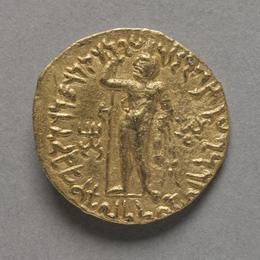 Vima Kadphises (reverse)50–78 CE · India, Mathura, Kushan periodCleveland Museum of Art ↗
 Coin of Kanishka I, with Iranian solar deity Mithra (Miiro) on the reverseNational Museum, New Delhi · photo SpeakingArch (Wikimedia Commons) · CC BY-SA ↗
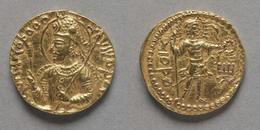 Coinc. 106–149 CE · India, Mathura, Kushan periodCleveland Museum of Art ↗
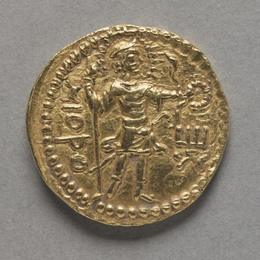 Coin: Havishka (reverse)c. 106–149 CE · India, Mathura, Kushan periodCleveland Museum of Art ↗
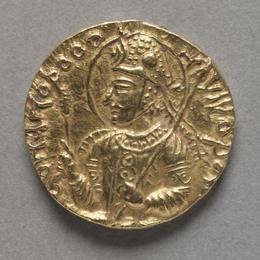 Coin: Havishka (obverse)c. 106–149 CE · India, Mathura, Kushan periodCleveland Museum of Art ↗
 Buddha type coin of Kanishka 127-150 CE first human depiction of BuddhaAshmolean Museum, Oxford · photo SpeakingArch (Wikimedia Commons) · CC BY-SA ↗
 Karttikeya shrine with anteloppe Yaudheya Punjab 2nd century CE.British Museum, London · photo Uploadalt (Wikimedia Commons) · CC BY-SA ↗
 Coin of Huvishka, circa 152-192 CE, showing diademed and crowned half-length bust of…National Museum, New Delhi · photo SpeakingArch (Wikimedia Commons) · CC BY-SA ↗
 Gold coin of the Kushans, 40-350 CE, Ashmolean Museum, OxfordAshmolean Museum, Oxford · photo SpeakingArch (Wikimedia Commons) · CC BY-SA ↗
 India, Kushan, Vasudeva II, 3rd century - Coin of Kushan King Vasudeva II - 2011.212Wikimedia Commons ↗
 India, Kushan, Vasudeva II, 3rd century - Golden Dinar - 2011.212.aWikimedia Commons ↗
 India, Kushan, Vasudeva II, 3rd century - Golden Dinar - 2011.212.bWikimedia Commons ↗
 Gold Pendant of Earring, Taxila 4th Century BCE, Bhir Mound, National Museum New DelhiNational Museum, New Delhi · photo SpeakingArch (Wikimedia Commons) · CC BY-SA ↗
 Gold necklace Bhir Mound, Taxila, 4th Century BCE, National Museum New DelhiNational Museum, New Delhi · photo SpeakingArch (Wikimedia Commons) · CC BY-SA ↗
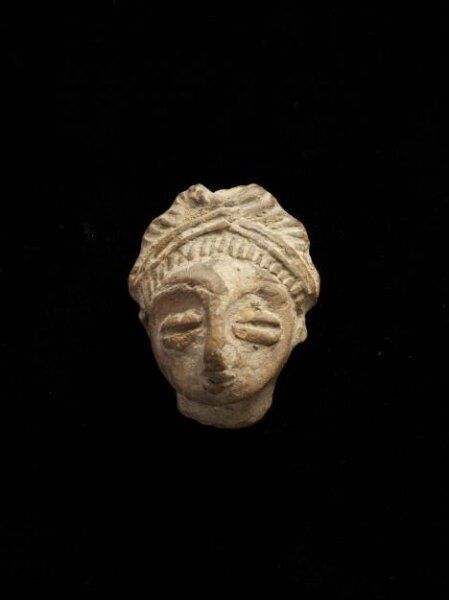 Head, Taxila3rd century BC - 3rd century AD · Taxila© Victoria and Albert Museum, London ↗
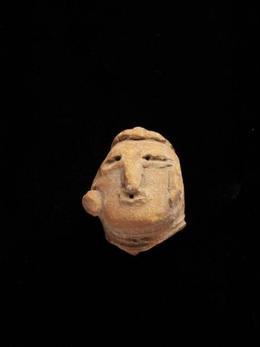 Head, Swat3rd century BC - 1st century AD · Swat© Victoria and Albert Museum, London ↗
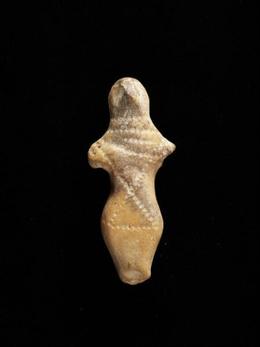 Figure, Swat Valley3rd century BC - 1st century AD · Swat Valley© Victoria and Albert Museum, London ↗
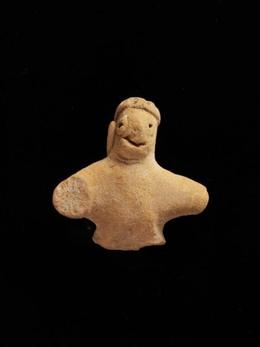 Bust, Swat Valley3rd century BC - 1st century AD · Swat Valley© Victoria and Albert Museum, London ↗
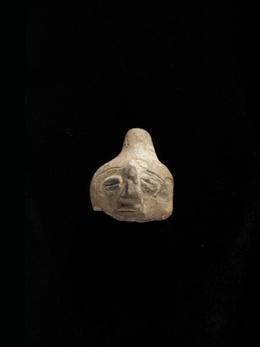 Fragment, Swat Valley3rd century BC - 1st century AD · Swat Valley© Victoria and Albert Museum, London ↗
 Bronze figure of Herakles, circa 200 BCE, Afghanistan, housed in the British MuseumBritish Museum, London · photo SpeakingArch (Wikimedia Commons) · CC BY-SA ↗
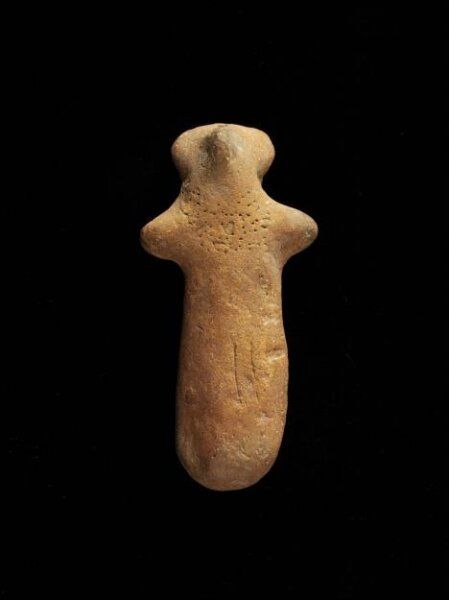 Figure, Taxila2nd century BC - 1st century AD · Taxila© Victoria and Albert Museum, London ↗
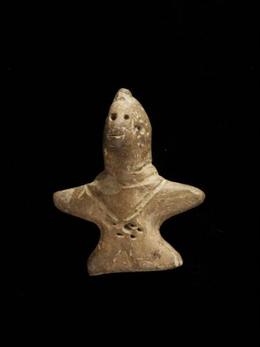 Bust, Swat valleyca. late 2nd century BC - 1st century BC · Swat valley© Victoria and Albert Museum, London ↗
 Ritual Tray showing Indian Humped Bull facing a Lion, 100 BCE -200 CEBritish Museum, London · photo SpeakingArch (Wikimedia Commons) · CC BY-SA ↗
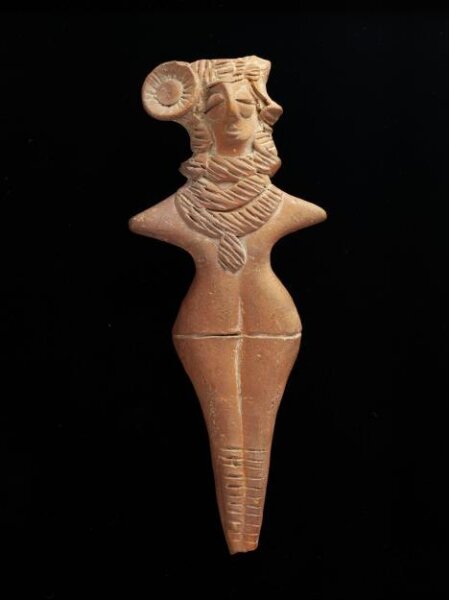 Sculpture1st Century BC - 1st Century AD · Gandhara© Victoria and Albert Museum, London ↗
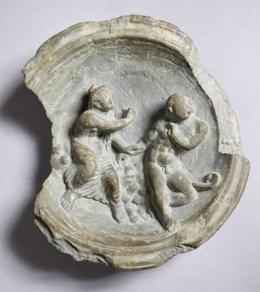 Palette1st Century BC to 1st Century AD · Gandhara© Victoria and Albert Museum, London ↗
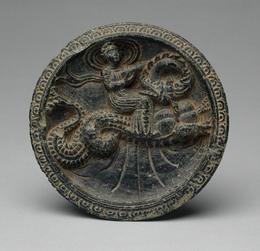 Palette with Sea Nymph (Nereid) Riding on a Sea Monster1st century B.C./early 1st century A.D. · GandharaArt Institute of Chicago ↗
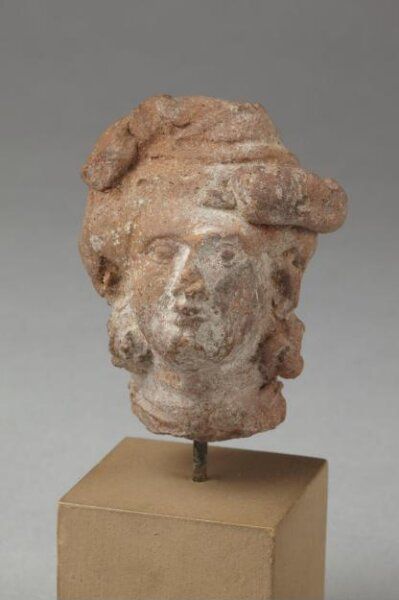 Head, Peshawar1st century BC · Peshawar© Victoria and Albert Museum, London ↗
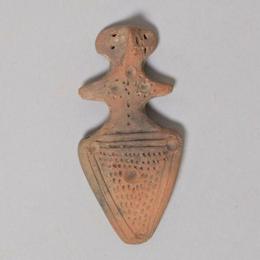 Female figurecirca 1st century BC · Peshawar© Victoria and Albert Museum, London ↗
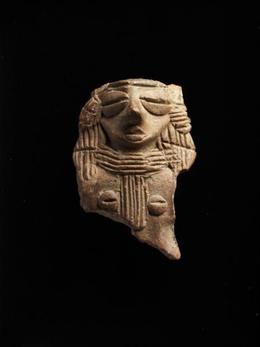 Bust, Peshawar1st century BC · Peshawar© Victoria and Albert Museum, London ↗
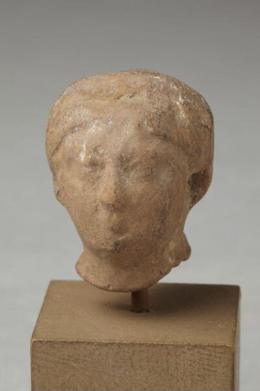 Head, Peshawar1st century BC (?) · Peshawar© Victoria and Albert Museum, London ↗
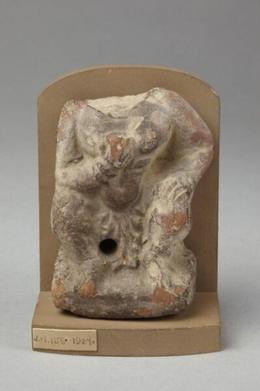 Figure, Peshawar1st century BC · Peshawar© Victoria and Albert Museum, London ↗
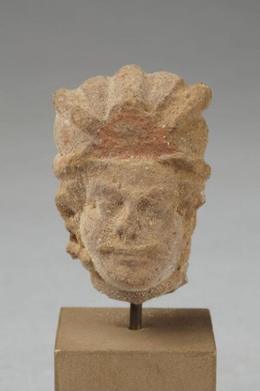 Head, Peshawar1st century BC · Peshawar© Victoria and Albert Museum, London ↗
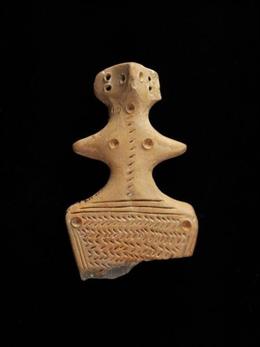 Figure, Peshawar1st century BC · Peshawar© Victoria and Albert Museum, London ↗
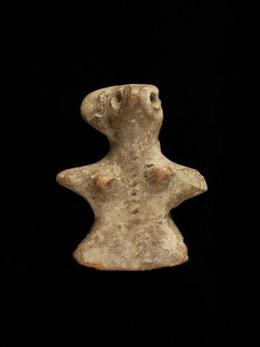 Figure, Peshawar1st century BC · Peshawar© Victoria and Albert Museum, London ↗
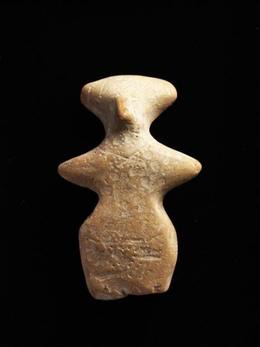 Torso1st century BC · Peshawar© Victoria and Albert Museum, London ↗
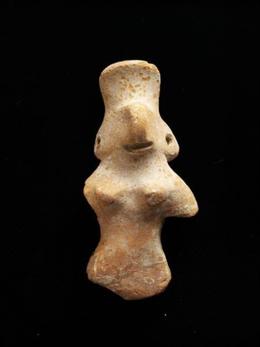 Bust, Peshawar1st century BC · Peshawar© Victoria and Albert Museum, London ↗
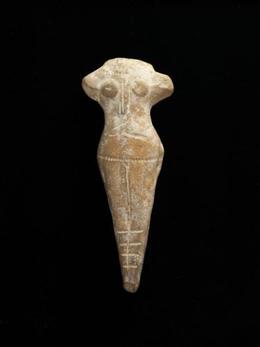 Figure, Peshawar1st century BC · Peshawar© Victoria and Albert Museum, London ↗
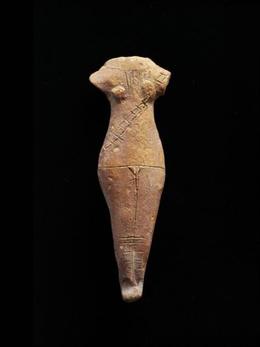 Figure, Peshawar1st century BC · Peshawar© Victoria and Albert Museum, London ↗
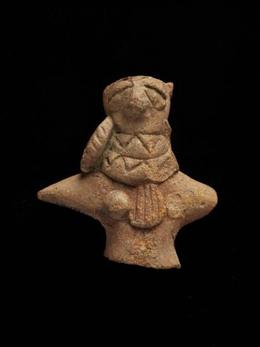 Torso1st century BC · Peshawar© Victoria and Albert Museum, London ↗
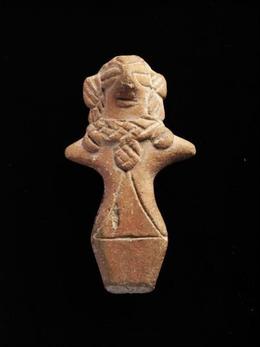 Torso1st century BC · Peshawar© Victoria and Albert Museum, London ↗
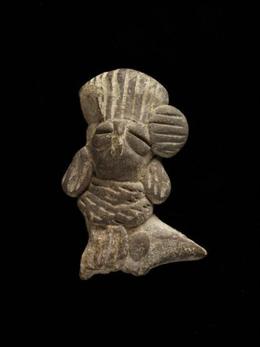 Bust, Peshawar1st century BC · Peshawar© Victoria and Albert Museum, London ↗
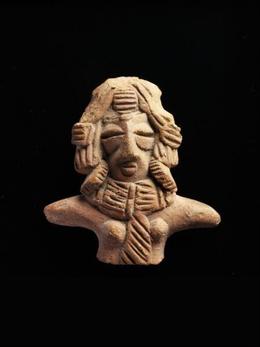 Bust, Peshawar1st century BC · Peshawar© Victoria and Albert Museum, London ↗
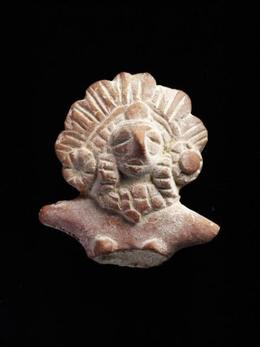 Bust, Peshawar1st century BC · Peshawar© Victoria and Albert Museum, London ↗
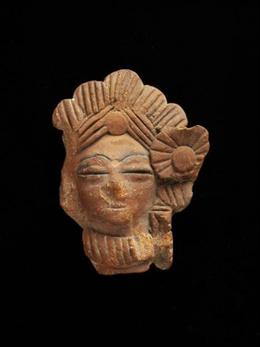 Head, Peshawar1st century BC · Peshawar© Victoria and Albert Museum, London ↗
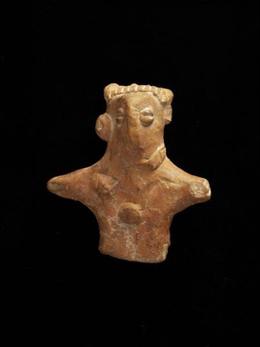 Bust, Peshawar1st century BC · Peshawar© Victoria and Albert Museum, London ↗
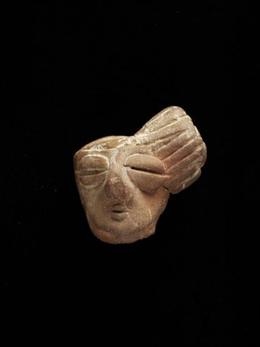 Head, Peshawar1st century BC · Peshawar© Victoria and Albert Museum, London ↗
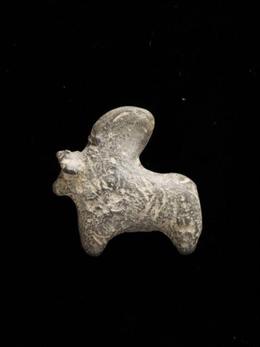 Figure, Peshawar1st century BC · Peshawar© Victoria and Albert Museum, London ↗
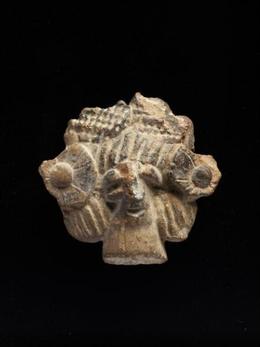 Head, Peshawar1st century BC · Peshawar© Victoria and Albert Museum, London ↗
 Dish on stand- Harappa (2500 1500 BC)Wikimedia Commons · Khalid Mahmood · CC BY-SA ↗
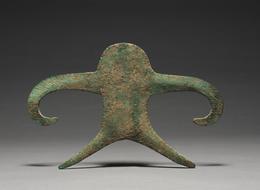 Anthropomorph
Search the museums' full collections
V&A ↗ · British Museum ↗ · The Met ↗ · Cleveland ↗ · Wellcome Collection ↗ · Wikimedia Commons ↗ · Ashmolean ↗ · Royal Collection ↗ · Pitt Rivers ↗
Shown here are the objects whose pictures museums have released openly. Far more are in their collections, and in museums with no open search, such as the Lahore Museum. Searching for "Punjab".
Pictures from the collections of Art Institute of Chicago, Ashmolean Museum, Oxford, Asian Art Museum, San Francisco, Berlin-Dahlem Botanical Garden and Botanical Museum (via Europeana), Bhuri Singh Museum, Chamba, 65 more, found automatically: public domain or openly licensed, except the V&A's, shown for non-commercial use with the museum's credit. Titles and dates are the museums' own; each card names its museum and any licence. Updated 2026-10-26.