Gurus and Mughals
From Guru Nanak's birth to the Guruship of the Granth, under Lodis and Mughals, with Shah Hussain singing in Lahore.
 Detail of Bhai Mardana, from a painting of Guru Nanak with Bhai Mardana, JaipurRoyal Ontario Museum, Toronto · photo Wikimedia Commons (Wikimedia Commons) ↗
 Imaginary Meeting of Guru Nanak, Mardana Sahab, and Other Sikh Gurus'LACMA, Los Angeles · photo Commissioned painting by Lala Nanak Ram upon meeting Priyata (Wikimedia Commons) ↗
 Painting of five Sikh gurus (most likely identifiable as Guru Nanak, Guru HargobindSalar Jung Museum, Hyderabad · photo Jawaher Ali Khan (Wikimedia Commons) ↗
 Guru Nanak with the Other Nine Gurus, Bhai Puran SinghGovernment Museum, Chandigarh · photo Wikimedia Commons (Wikimedia Commons) ↗
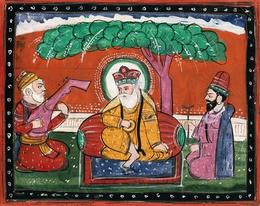 Guru Nanak listening to some music attended by his holy man.Wellcome Collection (via Europeana) · CC BY ↗
 Guru Nanak with Mardana on the left and Bala on rightWikimedia Commons ↗
 A painting on ivory, a miniature portrait of Guru Nanak Singh, the first Sikh GuruWikimedia Commons ↗
 A painting of Guru Nanak from Baghdad, Iraq attributed to a painter by the name of…Wikimedia Commons · Kamal-ud-din Behzad (1450-1535) of Tabriz (claimed) ↗
 Bhai Bala Recites the Life Story of Guru Nanak to Guru Angad and OnlookersAsian Art Museum, San Francisco · photo Wikimedia Commons (Wikimedia Commons) ↗
 Guru Nanak at Panja SahibGovernment Museum, Chandigarh · photo Wikimedia Commons (Wikimedia Commons) ↗
 Guru Nanak at SchoolAsian Art Museum, San Francisco · photo Wikimedia Commons (Wikimedia Commons) ↗
 Guru Nanak at the Modikhana of Sultanpur LodhiAsian Art Museum, San Francisco · photo Wikimedia Commons (Wikimedia Commons) ↗
 Guru Nanak in Kamarupa (Kamrup region), the land ruled by womenAsian Art Museum, San Francisco · photo Wikimedia Commons (Wikimedia Commons) ↗
 Guru Nanak stops the boulder from falling with his hand at Hasan AbdalGovernment Museum, Chandigarh · photo Wikimedia Commons (Wikimedia Commons) ↗
 Guru Nanak with followers and other holy menWikimedia Commons ↗
 Wedding of Guru Nanak and SulakhniAsian Art Museum, San Francisco · photo Wikimedia Commons (Wikimedia Commons) ↗
 Guru Nanak with Mardana and Bala in MeccaWikimedia Commons ↗
 A King Pays Homage to Guru NanakGovernment Museum, Chandigarh · photo Wikimedia Commons (Wikimedia Commons) ↗
 Depiction of Guru Nanak meeting either his brother-in-law, Jai Ram, or the governorAsian Art Museum, San Francisco · photo Wikimedia Commons (Wikimedia Commons) ↗
 Detail of Guru Nanak from the earliest known painting of all ten Sikh gurus togetherLACMA, Los Angeles · photo Commissioned painting by Lala Nanak Ram upon meeting Priyata (Wikimedia Commons) ↗
 Guru Nanak, holding prayer mala beads and with a staff resting under his armpitAsian Art Museum, San Francisco · photo Wikimedia Commons (Wikimedia Commons) ↗
 Guru Nanak Comes upon the Sannyasi, DattatreyaGovernment Museum, Chandigarh · photo Wikimedia Commons (Wikimedia Commons) ↗
 Guru Nanak Subdues KaliyugaGovernment Museum, Chandigarh · photo Wikimedia Commons (Wikimedia Commons) ↗
 Guru Nanak meets Nath Sidhas at the village of Achal BatalaAsian Art Museum, San Francisco · photo Wikimedia Commons (Wikimedia Commons) ↗
 Guru Nanak meets with Bal Nath Yogi’s DisciplesAsian Art Museum, San Francisco · photo Wikimedia Commons (Wikimedia Commons) ↗
 Guru Nanak with FollowersGovernment Museum, Chandigarh · photo family workshop of Nainsukh of Guler (Wikimedia Commons) ↗
 Guru Nanak with possibly Mool Chand Chona (white-bearded man wearing pink)Asian Art Museum, San Francisco · photo Wikimedia Commons (Wikimedia Commons) ↗
 Kashmiri style painting of Guru Nanak with disciples and attendantGovernment Museum, Chandigarh · photo Guru Nanak with Disciples and Attendant. Kashmiri style. Pun (Wikimedia Commons) ↗
 Painting, paint on ivory, a miniature portrait of Guru Nanak.V&A, London · photo Wikimedia Commons (Wikimedia Commons) ↗
 Vidaai (also spelt Bidaai) or Doli of Guru Nanak and Sulakhni's weddingAsian Art Museum, San Francisco · photo Wikimedia Commons (Wikimedia Commons) ↗
 Nanakpanthi’, a Sikh who follows Guru NanakBritish Library, London · photo Wikimedia Commons (Wikimedia Commons) ↗
 Painting of a Suthrashahi [a type of Udasi Sikh, altBritish Library, London · photo Wikimedia Commons (Wikimedia Commons) ↗
 Guru Nanak is the saint for all followers of the Sikh faithGovernment Museum, Chandigarh · photo shankar s. from Poona (pune), India, India (Wikimedia Commons) · CC BY ↗
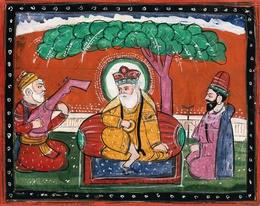 Page 49: Guru Nanak listening to some music attended by his holy manWellcome Collection ↗
 Painting of an astrologer and holy men, possibly depicting Guru Amar DasMusée Guimet, Paris · photo Attributed to 'Ali Quli Jabbadar (fl. late 17th-early 18th C (Wikimedia Commons) ↗
 Bhai Lehna (later Guru Angad) and his companions visit Baba NanakWikimedia Commons ↗
 Illuminated Guru Granth Sahib folio of a Nishan (flag)Wikimedia Commons ↗
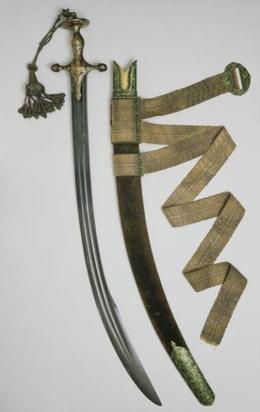 Sword of Dara Shokuh1640-1641 · Lahore© Victoria and Albert Museum, London ↗
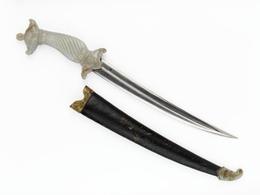 Dagger and sheath17th century · Lahore© Victoria and Albert Museum, London ↗
 Bow and Arrow of Bahadur Shah Zafar 2, Sword and Dagger of Aurangzeb and battle Axe of…National Museum, New Delhi · photo Nomu420 (Wikimedia Commons) · CC BY-SA ↗
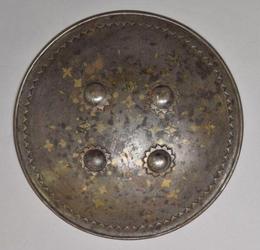 Shieldca. 1700 · Punjab (India)© Victoria and Albert Museum, London ↗
 Death of Guru Nanak from an Illustrated Janamsakhi ManuscriptWikimedia Commons ↗
 Guru Nanak and the cobra, from the Unbound set of Janamsakhi manuscriptsAsian Art Museum, San Francisco · photo Wikimedia Commons (Wikimedia Commons) ↗
 Guru Nanak visits his sister Nanaki, from a manuscript ‘Janam Sakhi’ cAsian Art Museum, San Francisco · photo Wikimedia Commons (Wikimedia Commons) ↗
 Guru Nanak's visit to Bhai Lalo the carpenter, from a manuscript of the Janam SakhiAsian Art Museum, San Francisco · photo Wikimedia Commons (Wikimedia Commons) ↗
 Guru Nanak and the holy man Sant Ren, from a manuscript of the Unbound collection of…Asian Art Museum, San Francisco · photo Wikimedia Commons (Wikimedia Commons) ↗
 Janamsakhi miniature painting depicting a scene from Guru Nanak's childhoodWikimedia Commons ↗
 Baraat of Guru Nanak's wedding to marry SulakhniAsian Art Museum, San Francisco · photo Wikimedia Commons (Wikimedia Commons) ↗
 This depiction of Guru Nanak is found at the beginning of the manuscriptBritish Library, London · photo Ms Sarah Welch (Wikimedia Commons) ↗
 Guru Nanak Subdues KaliyugaGovernment Museum, Chandigarh · photo family workshop of Nainsukh of Guler (Wikimedia Commons) ↗
 Baba Buddha, as a young boy, seeks the blessings of Guru NanakGovernment Museum, Chandigarh · photo family workship of Nainsukh of Guler (Wikimedia Commons) ↗
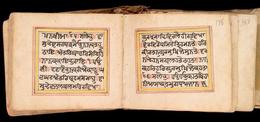 A selection of text from the Adi GranthWellcome Collection · CC BY ↗
 Boek met titel 'Shri Guru Granth Sahib'Creator: SikhsWikimedia Commons · Sikhs (volk) ↗
 Guru Gobind Singh and Attendants from an Asa Di Var Gutka Manuscript, caBritish Library, London · photo Wikimedia Commons (Wikimedia Commons) ↗
 Bhagat Ravidas at work as a shoemakerMuseum Rietberg, Zurich · photo Master of the first generation after Manaku and Nainsukh of (Wikimedia Commons) ↗
 Kaliya - MardanaNational Museum, New Delhi · photo Aadrit28 (Wikimedia Commons) · CC BY-SA ↗
 Detail of Guru Nanak from a miniature painting of Guru Nanak and Bhai MardanaBritish Library, London · photo Wikimedia Commons (Wikimedia Commons) ↗
 Fountain slab, Dieur, Chamba, circa 16th century CE, Bhuri Singh Museum, ChambaBhuri Singh Museum, Chamba · photo SpeakingArch (Wikimedia Commons) · CC BY-SA ↗
 Fountain slab, Luddu, Chamba, circa 16th century CE, Bhuri Singh Museum, ChambaBhuri Singh Museum, Chamba · photo SpeakingArch (Wikimedia Commons) · CC BY-SA ↗
 Fountain slab, Luddu, Chamba, circa 16th century CE, Bhuri Singh MuseumBhuri Singh Museum, Chamba · photo SpeakingArch (Wikimedia Commons) · CC BY-SA ↗
 Fountain slab, circa 16th century CE, village Bhalie, Churah, Chamba, Bhuri Singh MuseumBhuri Singh Museum, Chamba · photo SpeakingArch (Wikimedia Commons) · CC BY-SA ↗
 Ram Darbar, circa 16th century CE, Chamba School of Pahari Kalam, Museum of Kangra ArtMuseum of Kangra Art, Dharamshala · photo SpeakingArch (Wikimedia Commons) · CC BY-SA ↗
 Akbari Dam, Narnol Mint, circulation years, 1563-1570 CE, the ASI Kangra Fort MuseumMuseum of Kangra Art, Dharamshala · photo SpeakingArch (Wikimedia Commons) · CC BY-SA ↗
 Portrait of Guru Arjan Dev, the Fifth GuruGovernment Museum, Chandigarh · photo family workshop of Purkhu of Kangra (Wikimedia Commons) ↗
 Mughal emperor Jahangir testing the strength of penance of Gosain Nirmalji and BhagvanjiNational Museum, New Delhi · photo Yann (talk) (Wikimedia Commons) ↗
 India, Himachal Pradesh, Mandi - Raja Hari Sen of Mandi (r. 1604-1623-37) - 2018.96Wikimedia Commons ↗
 Indian king Maharaja Suraj Mal (r.1613-1618) of Nurpur with a hawkWikimedia Commons ↗
 Guru Hargobind with Perso-Arabic script inscribed aboveGovernment Museum, Chandigarh · photo family workshop active at Kangra (Wikimedia Commons) ↗
 Marriage Procession in a Bazaar, Mandi, 1645 The Imminent Arrival of the Groom: Folio…The Met, New York · photo Wikimedia Commons (Wikimedia Commons) ↗
 Painting from Guler in Himachal Pradesh (India), 17th centuryWikimedia Commons · Bjoertvedt · CC BY-SA ↗
 Raja Bhim Chand and Alam Chand, 17th century CE, Kangra School of ArtMuseum of Kangra Art, Dharamshala · photo SpeakingArch (Wikimedia Commons) · CC BY-SA ↗
 Sculpture of Gauri Shankar, 17th century CE, ASI Museum, Kangra Fort, KangraWikimedia Commons · SpeakingArch · CC BY-SA ↗
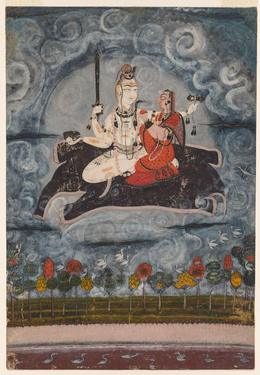 India, Pahari Hills, Basohli school, 17th century - Shiva and Devi on Gajasura's HideWikimedia Commons ↗
 Fountain slab, Sei, Churah circa 17th century CE, Bhuri Singh Museum, ChambaBhuri Singh Museum, Chamba · photo SpeakingArch (Wikimedia Commons) · CC BY-SA ↗
 Fountain slab circa 17th century CE from Sei, Churah, ChambaBhuri Singh Museum, Chamba · photo SpeakingArch (Wikimedia Commons) · CC BY-SA ↗
 Portrait of a Noble, 17th century CE, Chamba School of Pahari Kalam Himachal State…Wikimedia Commons · SpeakingArch · CC BY-SA ↗
 Sculpture of Parshurama, circa 17th century CE, provenance unknown, Bhuri Singh MuseumBhuri Singh Museum, Chamba · photo SpeakingArch (Wikimedia Commons) · CC BY-SA ↗
 Sculpture of Kuruma Avatar of Lord Vishnu, circa 17th century CE, provenance unknownBhuri Singh Museum, Chamba · photo SpeakingArch (Wikimedia Commons) · CC BY-SA ↗
 Sculpture of Rama, circa 17th century CE provenance unknown, Bhuri Singh Museum, ChambaBhuri Singh Museum, Chamba · photo SpeakingArch (Wikimedia Commons) · CC BY-SA ↗
 Sculpture of Uma Maheshwar, circa 17th century CE, village Kariyan, ChambaBhuri Singh Museum, Chamba · photo SpeakingArch (Wikimedia Commons) · CC BY-SA ↗
 India, Pahari, Basholi, 17th century - The Approach of KrishnaWikimedia Commons · Attributed to Kripal of Nurpur ↗
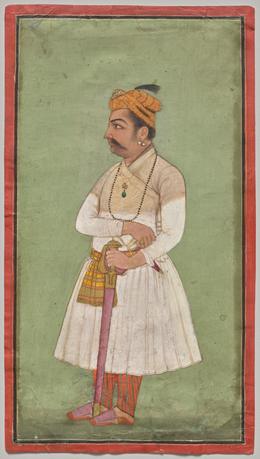 Raja Hari Sen of Mandic. 1650 · Northern India, Pahari kingdomsCleveland Museum of Art ↗
 MAHISHASURMARDINI Sarahan (Shimla) 16-17th Century CE AccWikimedia Commons · SpeakingArch · CC BY-SA ↗
 17th century sculpture of Narasimha from the region of Chamba, Himachal Pradesh, India.Museum of Kangra Art, Dharamshala · photo Brahmavadini (Wikimedia Commons) · CC BY-SA ↗
 Paintings of Raja Bhim Chand and Alam Chand from the 17th century, Himachal Pradesh.Museum of Kangra Art, Dharamshala · photo Brahmavadini (Wikimedia Commons) ↗
 Sculpture of Matsya Avatar of Vishnu, circa 17th century CE, provenance unknownBhuri Singh Museum, Chamba · photo SpeakingArch (Wikimedia Commons) · CC BY-SA ↗
 Sculpture of Vraha, circa 17th century CE, provenance unknown, Bhuri Singh MuseumBhuri Singh Museum, Chamba · photo SpeakingArch (Wikimedia Commons) · CC BY-SA ↗
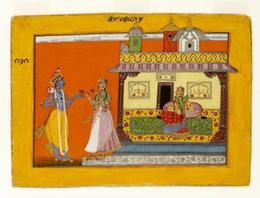 Painting, Basohlica. 1660 - ca. 1670 · Basohli© Victoria and Albert Museum, London ↗
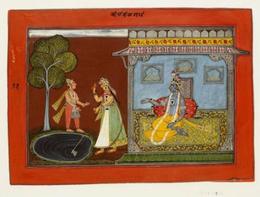 Radhaca. 1660 - ca. 1670 · Basohli© Victoria and Albert Museum, London ↗
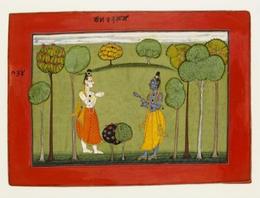 Rama and Lakshmanca. 1660- ca. 1670 · Basohli© Victoria and Albert Museum, London ↗
 Punjabi Miniature showing Guru Nanak with followersWikimedia Commons · SpeakingArch · CC BY-SA ↗
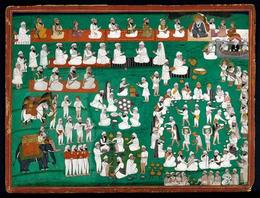 Sikhs paying homage to Guru NanakWellcome Collection (via Europeana) · CC BY ↗
 Babur fights Hazara tribesmen in February 1507 on the road from Herat to KabulV&A, London · photo c.1590 artist (Wikimedia Commons) ↗
 Hazara horseman fighting Babur's troops on the Herat-Kabul road in February 1507.V&A, London · photo 1589-90 artist (Wikimedia Commons) ↗
 Battle of Panipat (20 April 1526)National Museum, New Delhi · photo Painters of Babur (Wikimedia Commons) ↗
 Model of Battle of Panipat (1526) displayed at Indian War Memorial museum, NaubatkhanaWikimedia Commons · Vssun · CC BY-SA ↗
 Humayun's army had a significant role in the battle of Panipat in CE 1526National Museum, New Delhi · photo SpeakingArch (Wikimedia Commons) · CC BY-SA ↗
 Guru Angad, Lahore Museum, accLahore Museum · photo possibly the family workshop (or atelier) of Nainsukh of Gul (Wikimedia Commons) ↗
 Brass, India, 16th centuryWikimedia Commons · Annonymouse9 · CC BY ↗
 Angel on a Composite Animal, Mughal Painting circa 16th century, Chandigarh MuseumGovernment Museum, Chandigarh · photo SpeakingArch (Wikimedia Commons) · CC BY-SA ↗
 The text on the back of the picture describes the Battle of Machhiwara in May 1555Wikimedia Commons · unbekannter Maler im Atelier Akbars in Lahore ↗
 Pakistan, Lahore, Mughal empire, 1555-1556 Furnishings Opaque watercolor, goldLACMA, Los Angeles · photo Mir Sayyid Ali (Wikimedia Commons) ↗
 BAIRAM KHAN PETITIONS THE YOUNG AKBAR FOLLOWING THE SIEGE OF MANKOT IN 1557V&A, London · photo unbekannter Maler im Atelier Akbars in Lahore (Wikimedia Commons) ↗
 This illustration to the Akbarnama (Book of Akbar) depicts the victory of the imperial…V&A, London · photo Composition by Tulsi; painted by Bhawani, portraits by Sanwa (Wikimedia Commons) ↗
 Part of Akbar's success in creating a stable empire in India was his curiosity about…The Met, New York · photo Patron: 'Abd al-Rahim ibn Muhammad Bairam Khan Khan-i Khanan (Wikimedia Commons) ↗
 This file represent the Farman of Akbar issued for Hemu community of dhusar bhargav…Wikimedia Commons · Akbar the great · CC BY-SA ↗
 Brooklyn Museum - The Emperors Akbar Jahangir and Shah Jahan with Their Ministers and…Brooklyn Museum · photo Chitaraman, Indian (Wikimedia Commons) ↗
 The Delhi Darbar of Akbar IIWikimedia Commons · Ghulam Murtaza Khan(?) ↗
 This illustration to the Akbarnama (Book of Akbar) depicts the fight that took place in…V&A, London · photo The overall composition of the painting was designed by the (Wikimedia Commons) ↗
 Akbar Khan Muhammad of the Barakzai dynasty (Nawab Mohammad Akhbar Khan)National Army Museum, London · photo Wikimedia Commons (Wikimedia Commons) ↗
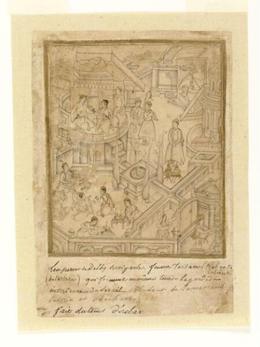 Drawing, Lahore1556-1605 · Lahore© Victoria and Albert Museum, London ↗
 Portrait of Mian Mir and Mulla Shah MET sf09-227-4rThe Met, New York · photo Creator:Muhammad Musa (Wikimedia Commons) ↗
 Pakistan, Lahore, Mughal empire, circa 1585-1590 Drawings; watercolors Opaque watercolorLACMA, Los Angeles · photo Wikimedia Commons (Wikimedia Commons) ↗
 Pakistan, Lahore, Mughal empire, circa 1585-1590 Drawings; watercolors Opaque watercolorLACMA, Los Angeles · photo Wikimedia Commons (Wikimedia Commons) ↗
 Babur's army defeating Hazara tribesmen, c.1589, Baburnama, housed at the V&A MuseumV&A, London · photo SpeakingArch (Wikimedia Commons) · CC BY-SA ↗
 Pakistan, Lahore, Mughal empire, circa 1590 Drawings; watercolors Ink, opaque watercolorLACMA, Los Angeles · photo Attributed to Basawan (India, Akbar reign, Mughal Empire, ac (Wikimedia Commons) ↗
 Pakistan, Lahore, Mughal, circa 1590 Drawings; watercolors Opaque watercolor, goldLACMA, Los Angeles · photo Wikimedia Commons (Wikimedia Commons) ↗
 Pakistan, Lahore, Mughal, circa 1590 Drawings; watercolors Opaque watercolor, goldLACMA, Los Angeles · photo Wikimedia Commons (Wikimedia Commons) ↗
 Akbarnamaca. 1590-95 · Lahore© Victoria and Albert Museum, London ↗
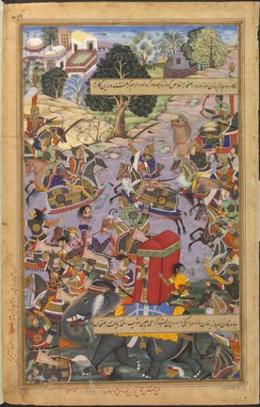 Wazir Khan and Bahadur Khanca. 1590-95 · Mughal Empire© Victoria and Albert Museum, London ↗
 Pakistan, Lahore, Mughal, circa 1594 Drawings; watercolors Opaque watercolor, goldLACMA, Los Angeles · photo Wikimedia Commons (Wikimedia Commons) ↗
 Pakistan, Lahore, Mughal, circa 1594 Drawings; watercolors Opaque watercolor, goldLACMA, Los Angeles · photo Wikimedia Commons (Wikimedia Commons) ↗
 Pakistan, Lahore, Mughal empire, colophon dated 1596 Drawings; watercolors Opaque…LACMA, Los Angeles · photo Basawan (India, active circa 1556-1600) (Wikimedia Commons) ↗
 Pakistan, Lahore, Mughal, 1596 Drawings; watercolors Opaque watercolorLACMA, Los Angeles · photo Wikimedia Commons (Wikimedia Commons) ↗
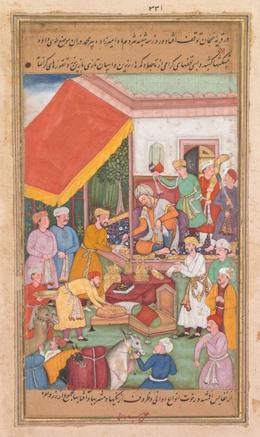 Timur distributes gifts from his grandson, the Prince of Multan, from a Zafar-nama1598–1600 · Mughal India, court of Akbar (reigned 1556–1605)Cleveland Museum of Art ↗
 Berlín Lahore ca. 1610- 01Wikimedia Commons · Miguel Hermoso Cuesta · CC BY-SA ↗
 Photograph of a Sikh fakir (possibly an Udasi or Nirmala), LahoreWikimedia Commons ↗
 Photograph of the tomb of Mughal emperor Jahangir at Shahdara, Lahore, Punjab, IndiaWikimedia Commons ↗
 Photograph of a man overlooking the city of Lahore from the rooftop of the Wazir Khan…Wikimedia Commons ↗
 Moghul carpet, Lahore, ca. 1610; Pergamon Museum, Berlin (1) (25355724467)Wikimedia Commons · Richard Mortel · CC BY ↗
 Moghul carpet, Lahore, ca. 1610; Pergamon Museum, Berlin (2) (25355707967)Wikimedia Commons · Richard Mortel · CC BY ↗
 Moghul carpet, Lahore, ca. 1610; Pergamon Museum, Berlin (3) (25355692017)Wikimedia Commons · Richard Mortel · CC BY ↗
 Moghul carpet, Lahore, ca. 1610; Pergamon Museum, Berlin (4) (39515828134)Wikimedia Commons · Richard Mortel · CC BY ↗
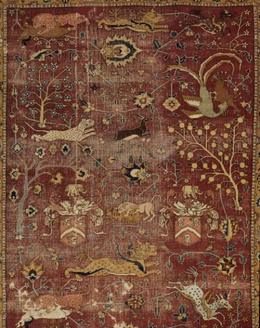 The Fremlin Carpetca. 1640 · Lahore© Victoria and Albert Museum, London ↗
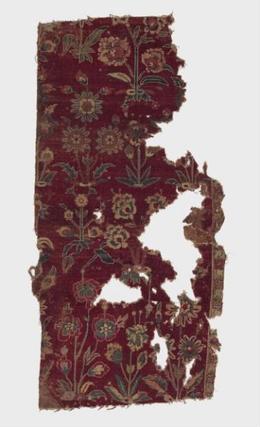 Fragment, Lahore1630-1650 · Lahore© Victoria and Albert Museum, London ↗
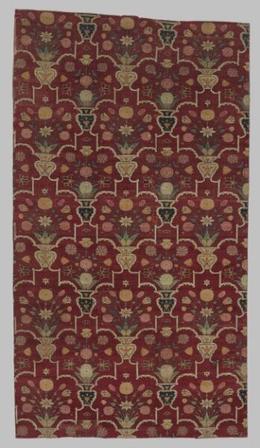 Carpetca. 1650 · Lahore© Victoria and Albert Museum, London ↗
 Long Panel from a Carpet, Lahore 17th century, albert Hall Museum, JaipurWikimedia Commons · Neek-Theri · CC BY-SA ↗
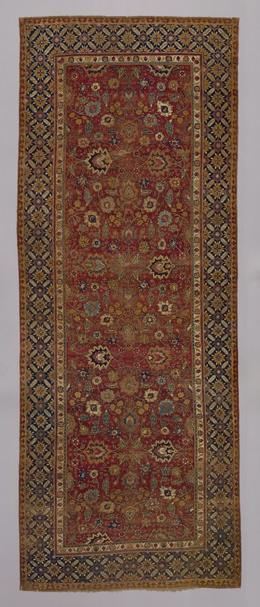 CarpetLate 17th century, Mughal Empire (1526-1799) · LahoreArt Institute of Chicago ↗
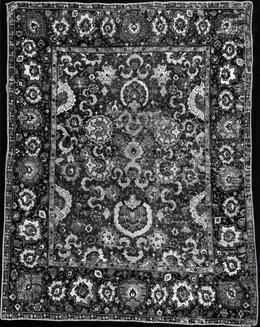 Carpet1675/1700 · IndiaArt Institute of Chicago ↗
 Tilework, Pakistan, Multan, 16th century AD, glazed earthenware - Linden-MuseumWikimedia Commons · Daderot ↗
 Bronze Ablution vessel, 1580-1600 CE, LahoreV&A, London · photo SpeakingArch (Wikimedia Commons) · CC BY-SA ↗
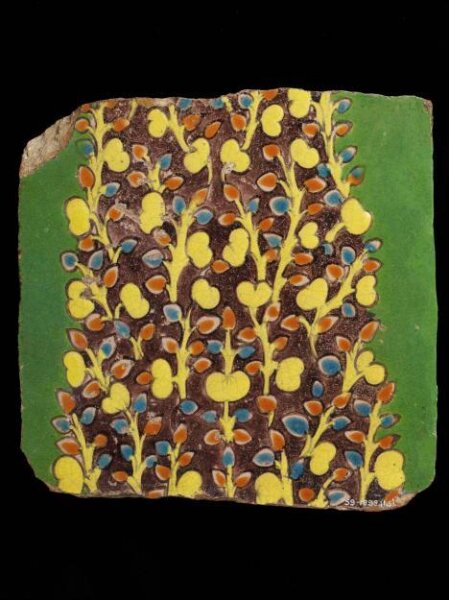 Tile, Punjab (India)ca. 1630 · Punjab (India)© Victoria and Albert Museum, London ↗
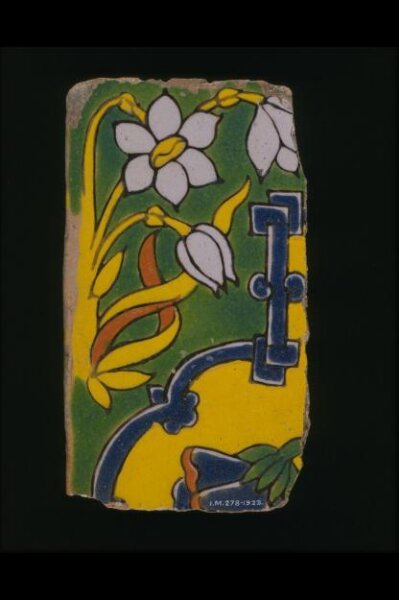 Tile, Punjab (India)ca. 1640 · Punjab (India)© Victoria and Albert Museum, London ↗
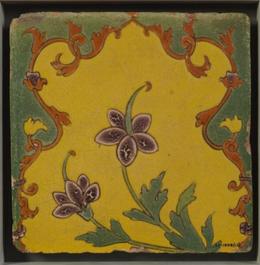 Tile, Lahore1641-1645 · Lahore© Victoria and Albert Museum, London ↗
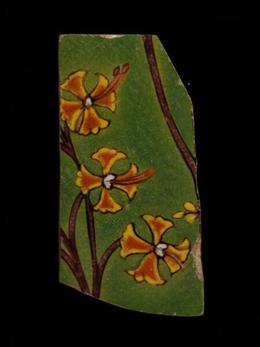 Tile, Lahoreca. 1640-1650 · Lahore© Victoria and Albert Museum, London ↗
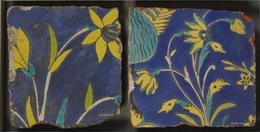 Tile, Punjab (India)ca. 1650 · Punjab (India)© Victoria and Albert Museum, London ↗
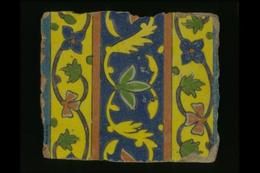 Tile, Punjab (India)ca. 1650 · Punjab (India)© Victoria and Albert Museum, London ↗
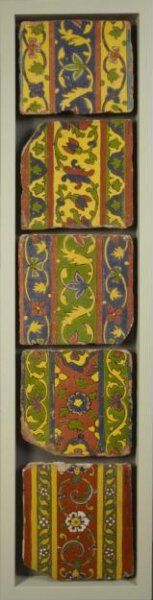 Tile, Punjab (India)ca. 1650 · Punjab (India)© Victoria and Albert Museum, London ↗
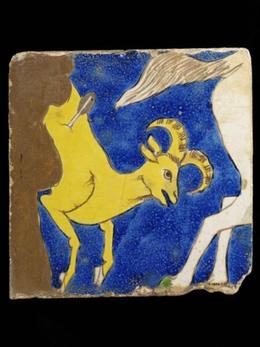 Tile, Lahore17th century · Lahore© Victoria and Albert Museum, London ↗
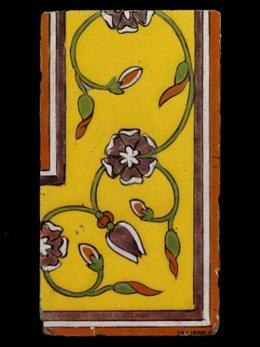 Tile, Punjab (India)ca. 1650 · Punjab (India)© Victoria and Albert Museum, London ↗
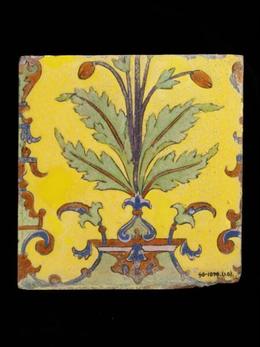 Tile, Punjab (India)ca. 1650 · Punjab (India)© Victoria and Albert Museum, London ↗
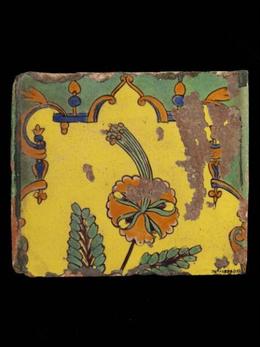 Tile, Punjab (India)ca. 1650 · Punjab (India)© Victoria and Albert Museum, London ↗
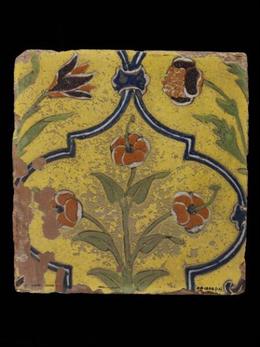 Tile, Punjab (India)ca. 1650 · Punjab (India)© Victoria and Albert Museum, London ↗
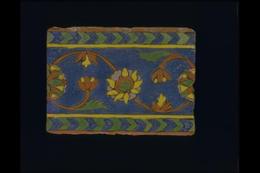 Tile, Lahore2nd quarter of 17th century · Lahore© Victoria and Albert Museum, London ↗
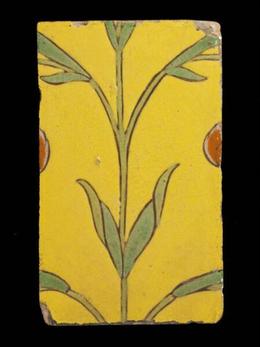 Tile, Lahoremid 17th century · Lahore© Victoria and Albert Museum, London ↗
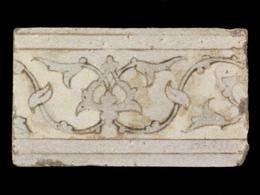 Tile, Punjab (India)ca. 1650 · Punjab (India)© Victoria and Albert Museum, London ↗
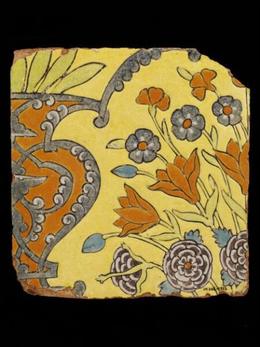 Tile, Punjab (India)ca. 1650 · Punjab (India)© Victoria and Albert Museum, London ↗
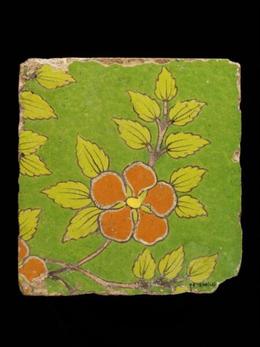 Tile, Lahoreca. 1650 · Lahore© Victoria and Albert Museum, London ↗
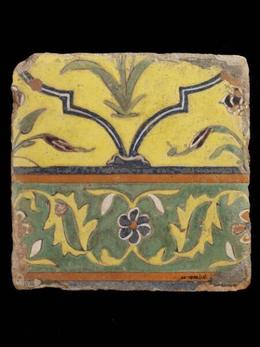 Tile, Punjab (India)ca. 1650 · Punjab (India)© Victoria and Albert Museum, London ↗
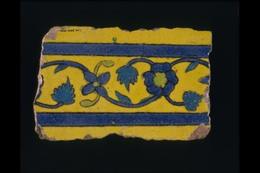 Tile, Punjab (India)ca. 1650 · Punjab (India)© Victoria and Albert Museum, London ↗
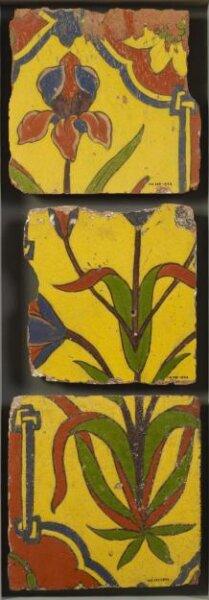 Tile, Punjab (India)ca. 1650 · Punjab (India)© Victoria and Albert Museum, London ↗
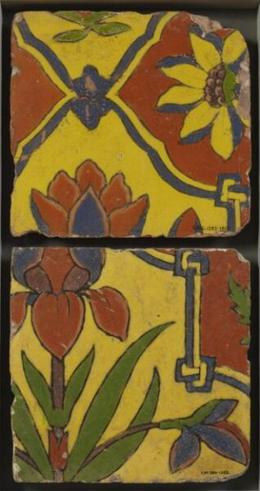 Tile, Punjab (India)ca 1650 · Punjab (India)© Victoria and Albert Museum, London ↗
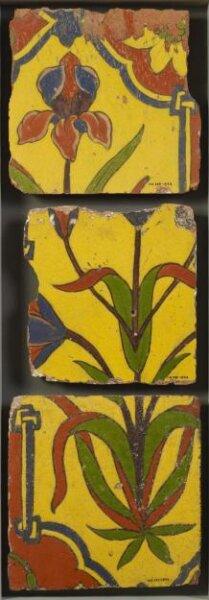 Tile, Punjab (India)ca. 1650 · Punjab (India)© Victoria and Albert Museum, London ↗
 Tile, Punjab (India)ca. 1650 · Punjab (India)© Victoria and Albert Museum, London ↗
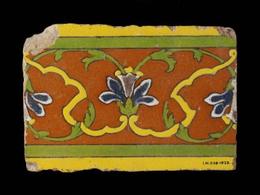 Tile, Punjab (India)second quarter of the 17th century · Punjab (India)© Victoria and Albert Museum, London ↗
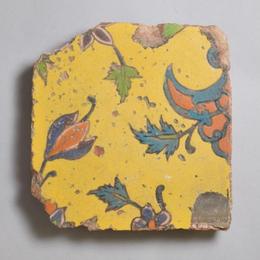 Tile, Punjab (India)mid 17th century · Punjab (India)© Victoria and Albert Museum, London ↗
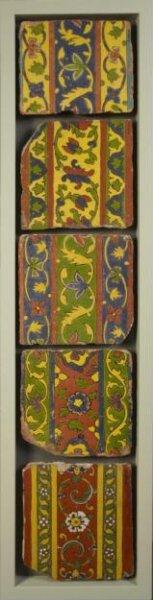 Tile, Punjab (India)ca. 1650 · Punjab (India)© Victoria and Albert Museum, London ↗
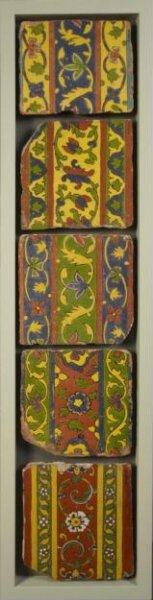 Tile, Punjab (India)ca. 1650 · Punjab (India)© Victoria and Albert Museum, London ↗
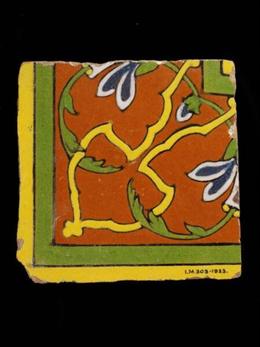 Tile, Punjab (India)second quarter of the 17th century · Punjab (India)© Victoria and Albert Museum, London ↗
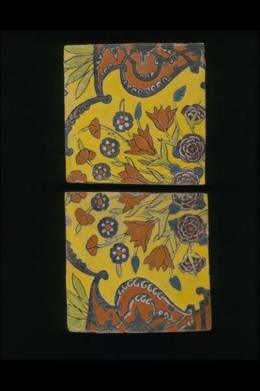 Tile, Punjab (India)ca. 1650 · Punjab (India)© Victoria and Albert Museum, London ↗
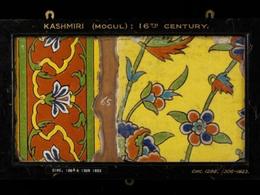 Tile, Punjab (India)ca 1650 · Punjab (India)© Victoria and Albert Museum, London ↗
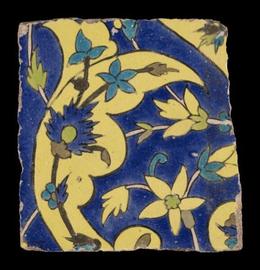 Tile, Lahoresecond quarter of the 17th century · Lahore© Victoria and Albert Museum, London ↗
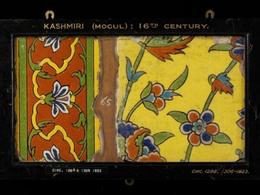 Tile, Punjab (India)ca. 1650 · Punjab (India)© Victoria and Albert Museum, London ↗
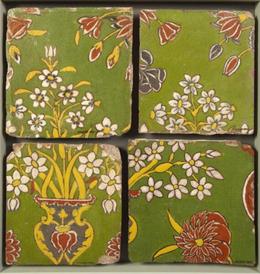 Tile, Punjab (India)ca. 1650 · Punjab (India)© Victoria and Albert Museum, London ↗
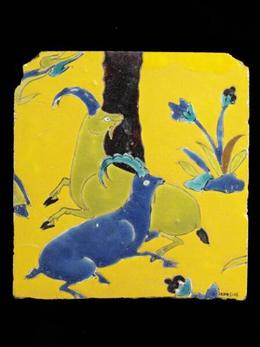 Tile, Punjab (India)2nd quarter of 17th century · Punjab (India)© Victoria and Albert Museum, London ↗
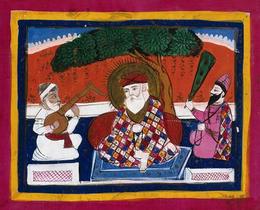 Guru Nanak attended by his musician and holy man.Wellcome Collection (via Europeana) · CC BY ↗
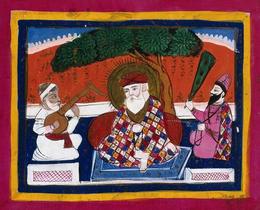 Page 101: Guru Nanak attended by his musician and holy manWellcome Collection ↗
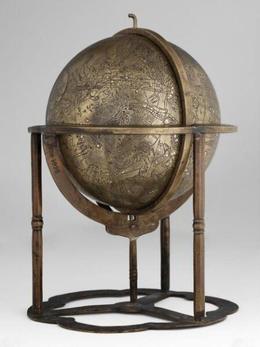 Celestial globe
 Silver shahrukhi coin of Babur, struck at Lahore AH 935 ,1528-1529 CE, Ashmolean MuseumAshmolean Museum, Oxford · photo SpeakingArch (Wikimedia Commons) · CC BY-SA ↗
 Silver coin issued by Guru Gobind Singh, Indian MuseumIndian Museum, Kolkata · photo Royroydeb (Wikimedia Commons) · CC BY-SA ↗
Search the museums' full collections
V&A ↗ · British Museum ↗ · The Met ↗ · Cleveland ↗ · Wellcome Collection ↗ · Wikimedia Commons ↗ · Ashmolean ↗ · Royal Collection ↗ · Pitt Rivers ↗
Shown here are the objects whose pictures museums have released openly. Far more are in their collections, and in museums with no open search, such as the Lahore Museum. Searching for "Punjab".
Pictures from the collections of Art Institute of Chicago, Ashmolean Museum, Oxford, Asian Art Museum, San Francisco, Berlin-Dahlem Botanical Garden and Botanical Museum (via Europeana), Bhuri Singh Museum, Chamba, 65 more, found automatically: public domain or openly licensed, except the V&A's, shown for non-commercial use with the museum's credit. Titles and dates are the museums' own; each card names its museum and any licence. Updated 2026-10-26.