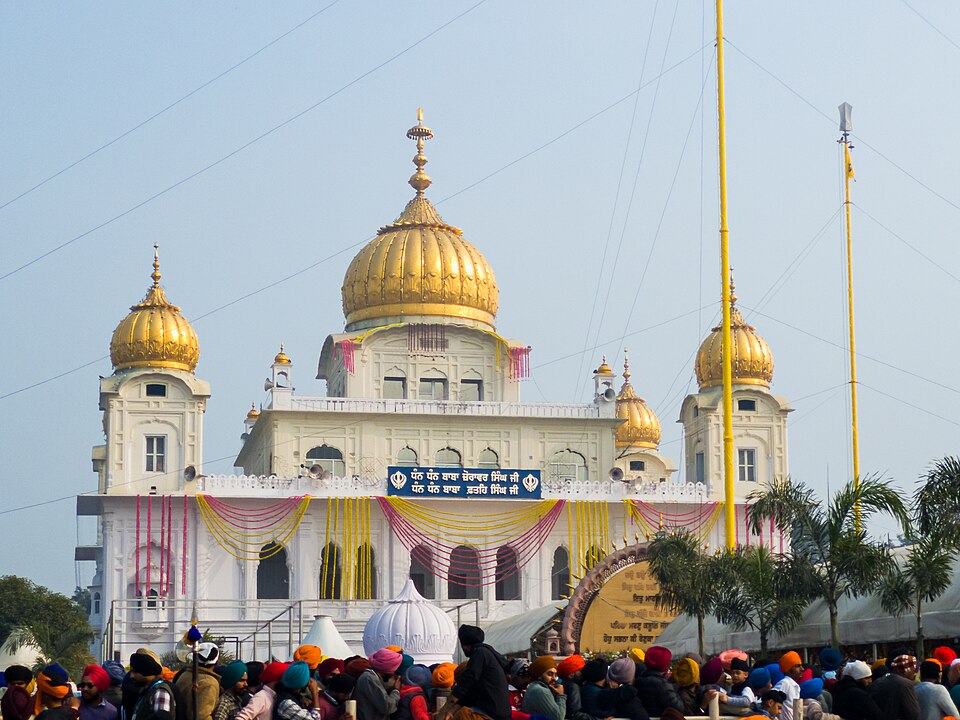
Fatehgarh Sahib (Sirhind)
Where the Guru's younger sons, aged about nine and six, were bricked up and executed in December 1704 on the order of Wazir Khan, governor of Sirhind. Banda Singh took the city in 1710.
Sirhind, 'the frontier of Hind', was an important Mughal city on the road from Delhi to Lahore, the seat of a governor. In December 1704 the young sons of Guru Gobind Singh, Zorawar Singh and Fateh Singh, aged nine and six, were brought here with their grandmother Mata Gujri and held in the Thanda Burj, the cold tower.
They refused to convert and were bricked up alive and executed on the orders of the governor, Wazir Khan. Mata Gujri died in the tower. Gurdwara Fatehgarh Sahib stands where they died; Gurdwara Jyoti Sarup where Todar Mal cremated them on land covered in gold coins.
Banda Singh destroyed Sirhind in 1710, and the misls sacked it again in 1764. The new town that grew beside it is called Fatehgarh Sahib. The Shaheedi Jor Mela each December brings over a million pilgrims. The shrine of the Naqshbandi Sufi Shaikh Ahmad Sirhindi stands nearby.
People
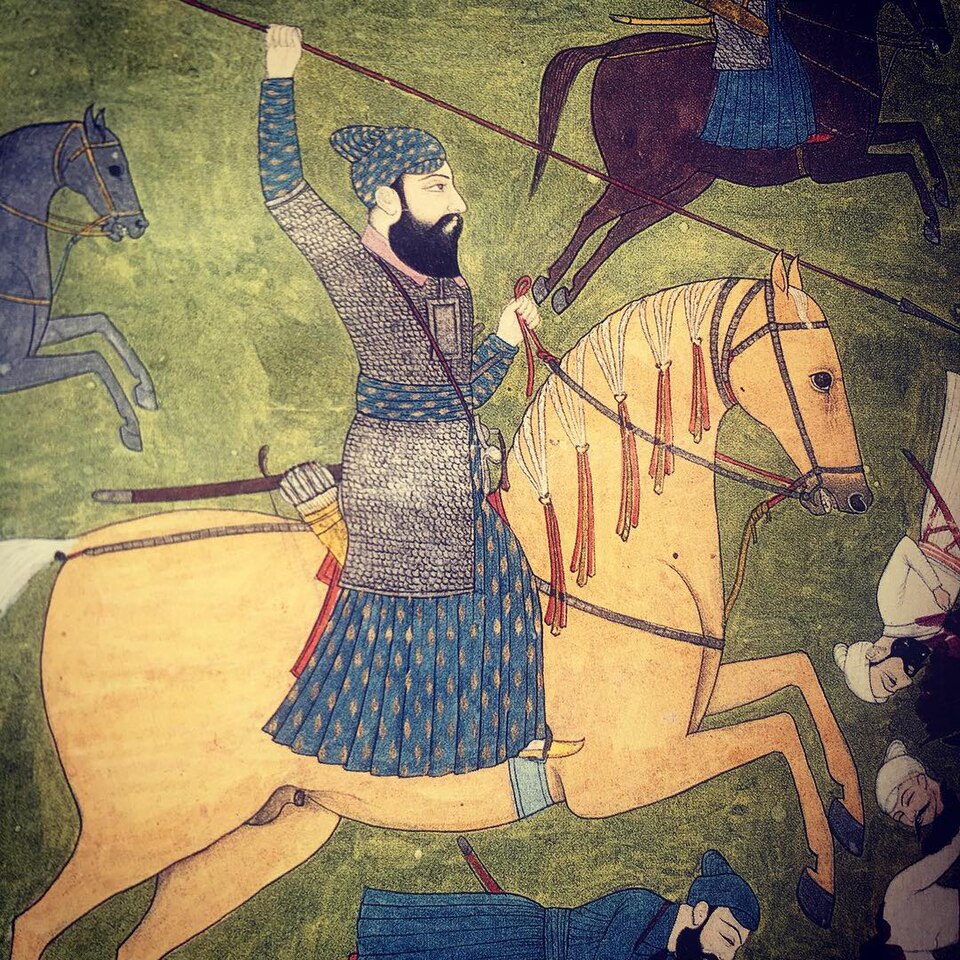
Ascetic turned general. Sent north by Guru Gobind Singh in 1708, he took Sirhind, set up the first Sikh state, gave land to those who tilled it and was executed in Delhi in 1716.
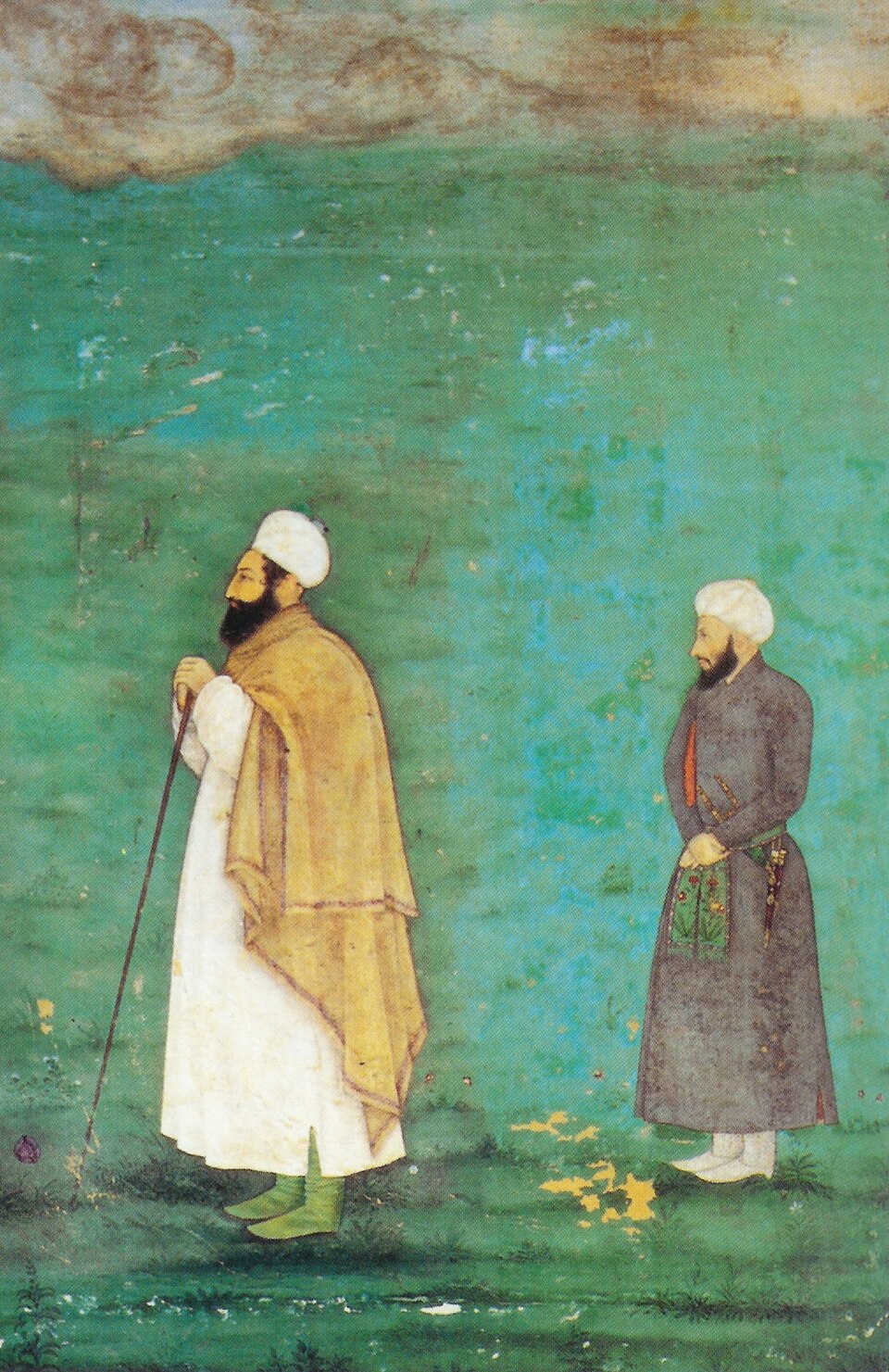
Naqshbandi reformer of Sirhind, called the 'renewer of the second millennium', who opposed Akbar's religious syncretism. Some historians see his circle behind hostility to Guru Arjan; others doubt the link.
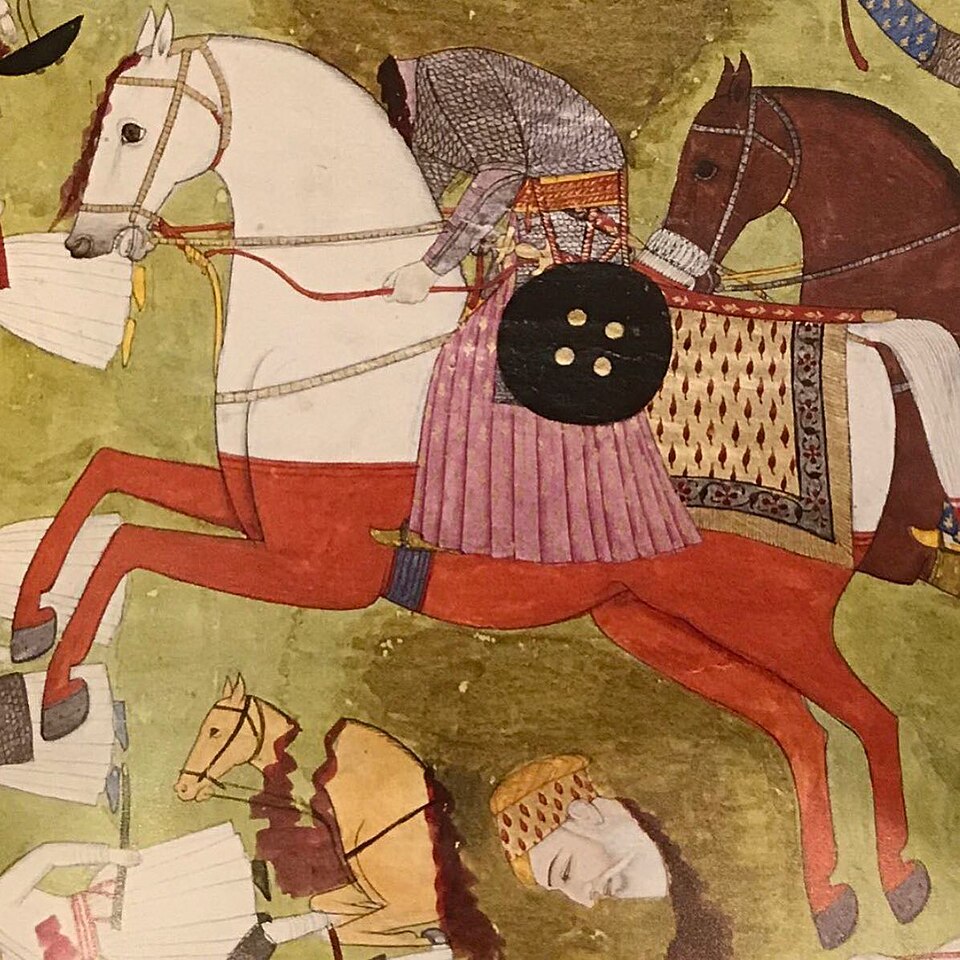
Mughal governor of Sirhind who besieged Anandpur, pursued Guru Gobind Singh and ordered the execution of his younger sons. Killed by Banda Singh's army at Chappar Chiri.
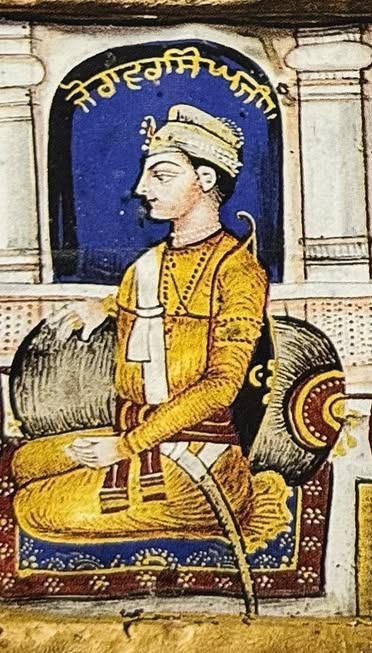
The Guru's younger sons, aged about nine and six, executed at Sirhind for refusing to convert. Their week of martyrdom is the Shaheedi Jor Mela.
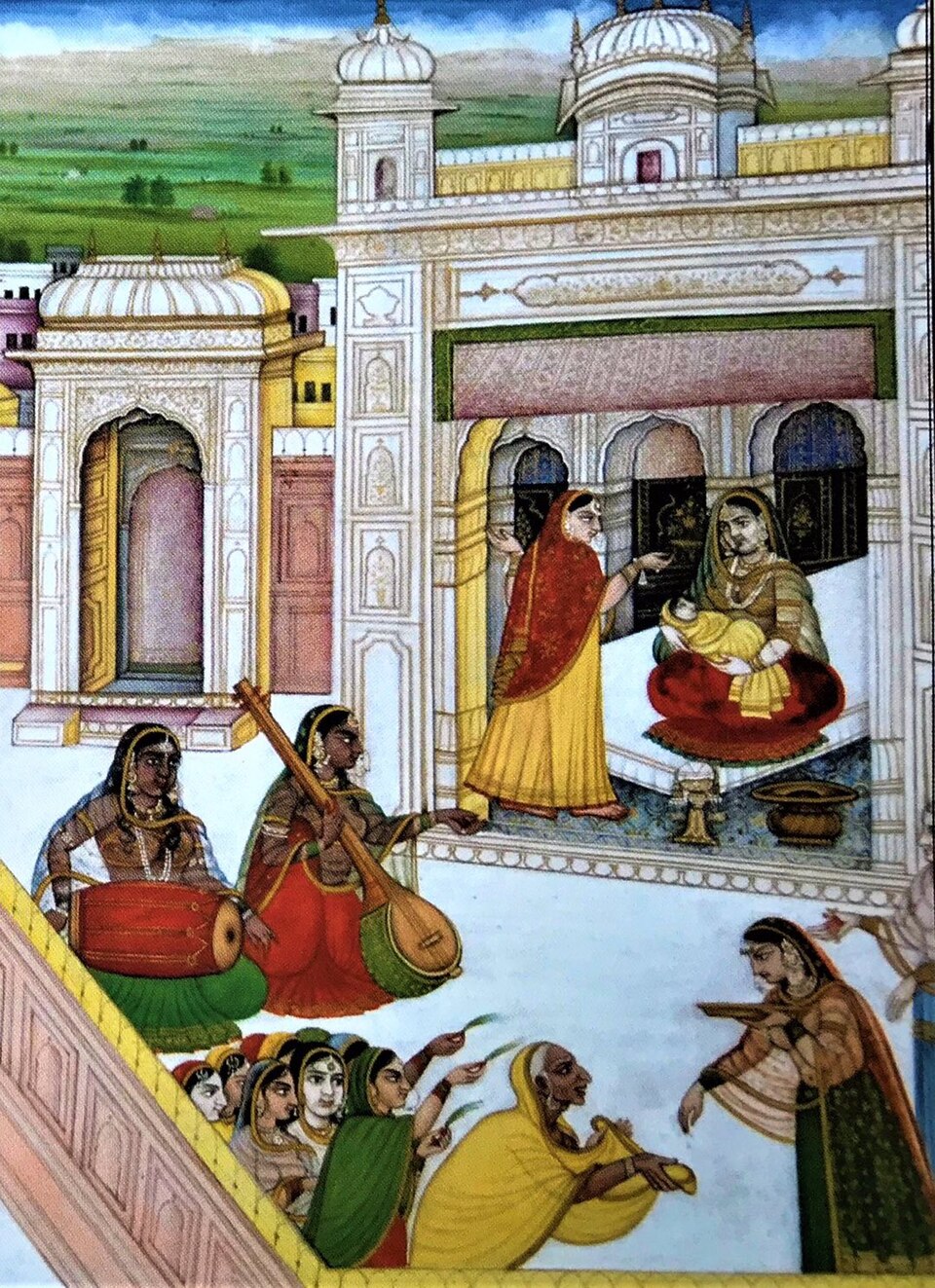
Wife of Guru Tegh Bahadur and mother of Guru Gobind Singh. Held with her younger grandsons in the cold tower of Sirhind, she died there on hearing of their execution.
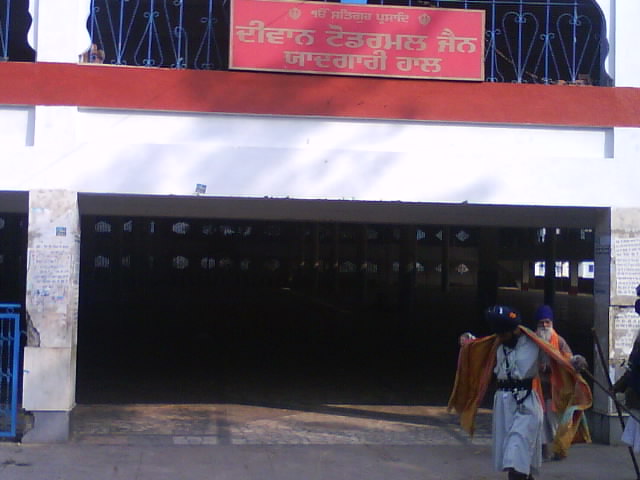
Merchant of Sirhind who bought land to cremate the Guru's younger sons and mother by covering it in gold coins, said to be the most expensive land ever bought.
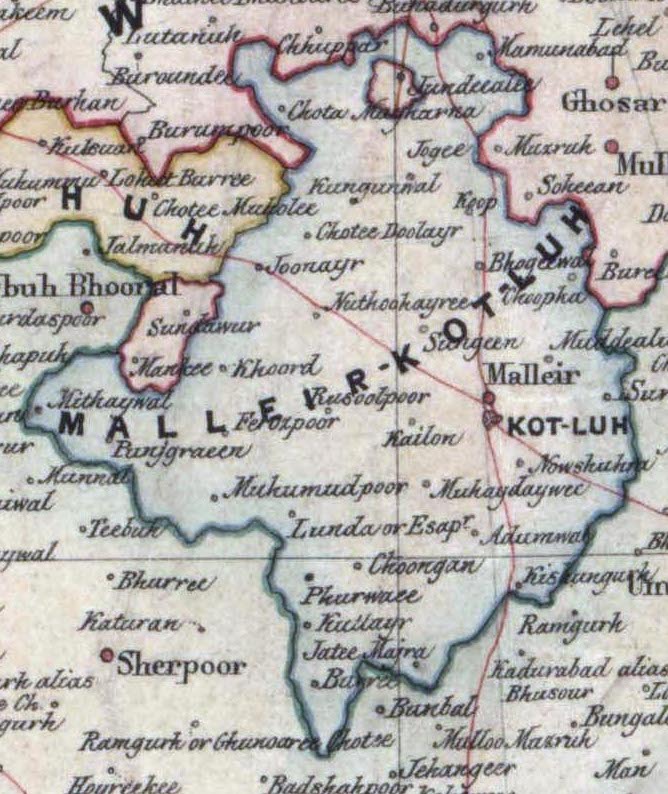
Nawab of Malerkotla who protested in Wazir Khan's court against the execution of the Guru's young sons, though his own brother had died fighting the Guru.
Battles
Artifacts
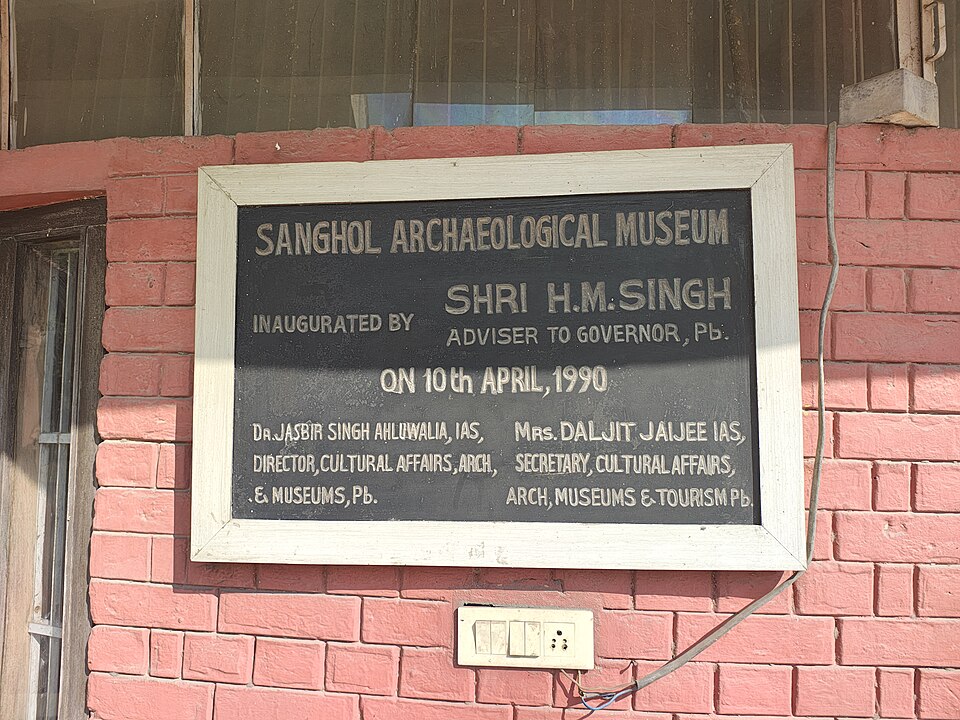
In 1985 excavators at Sanghol, between Ludhiana and Chandigarh, found 117 carved pillars and railing pieces of a Kushan-era Buddhist stupa, buried as if hidden: women beneath flowering trees, lovers, drinkers and dancers.
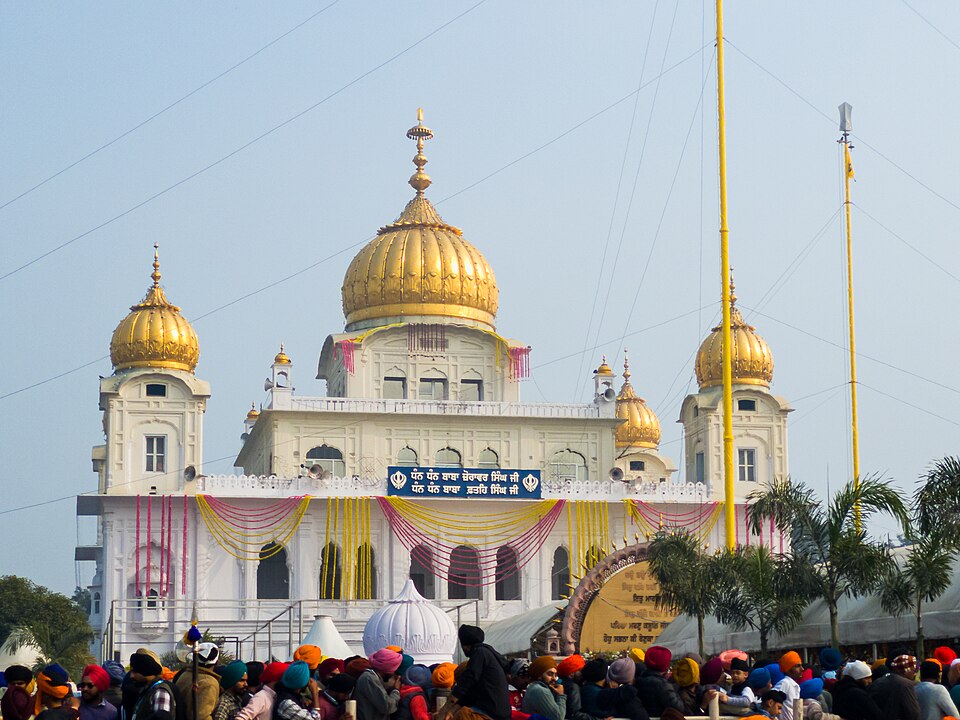
Built where the younger Sahibzade and Mata Gujri were put to death in December 1704. The Shaheedi Jor Mela draws vast crowds here every December.