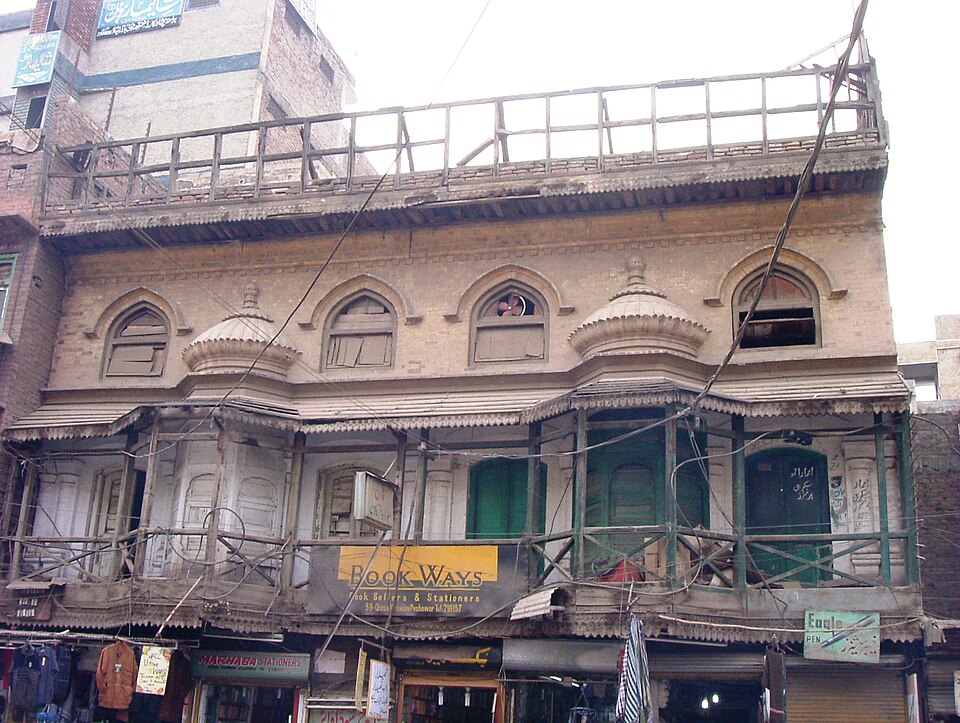
Peshawar
Gateway to the Khyber Pass. Brought under direct Sikh rule in 1834 with Hari Singh Nalwa as governor.
Peshawar, at the mouth of the Khyber Pass, has been the gateway of the subcontinent for more than two thousand years: Kanishka's capital, a Mughal city, the winter capital of the Durrani kings.
Ranjit Singh made it tributary in 1823 and annexed it in 1834. Hari Singh Nalwa governed it and built the fort of Jamrud; Avitabile ruled it with an iron hand. Guru Nanak is said to have visited Gorakh Hatri here.
A small Sikh community still lives in Peshawar and keeps Gurdwara Bhai Joga Singh. It is the capital of Khyber Pakhtunkhwa.
People
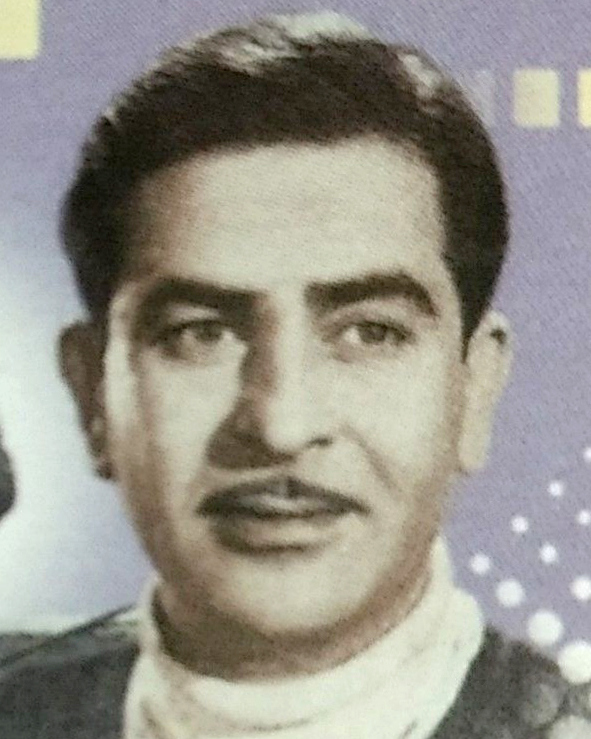
Actor and director born in Peshawar whose tramp in Awaara and Shree 420 was loved from Moscow to Cairo.
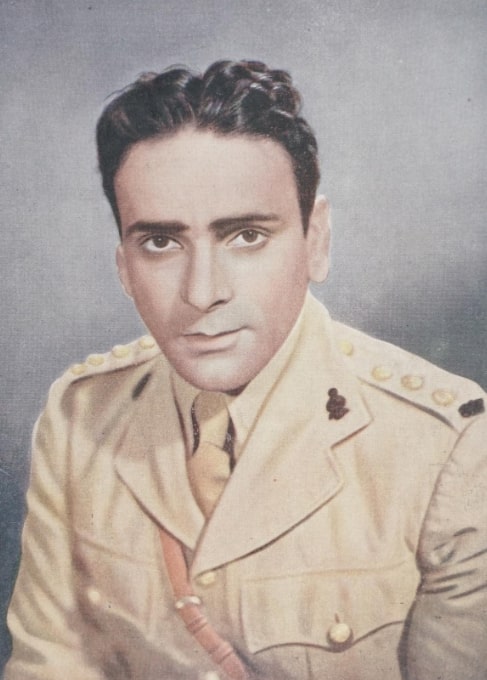
Actor from Lyallpur and Peshawar who starred in India's first talkie, founded Prithvi Theatres and began the Kapoor dynasty of Bombay cinema.
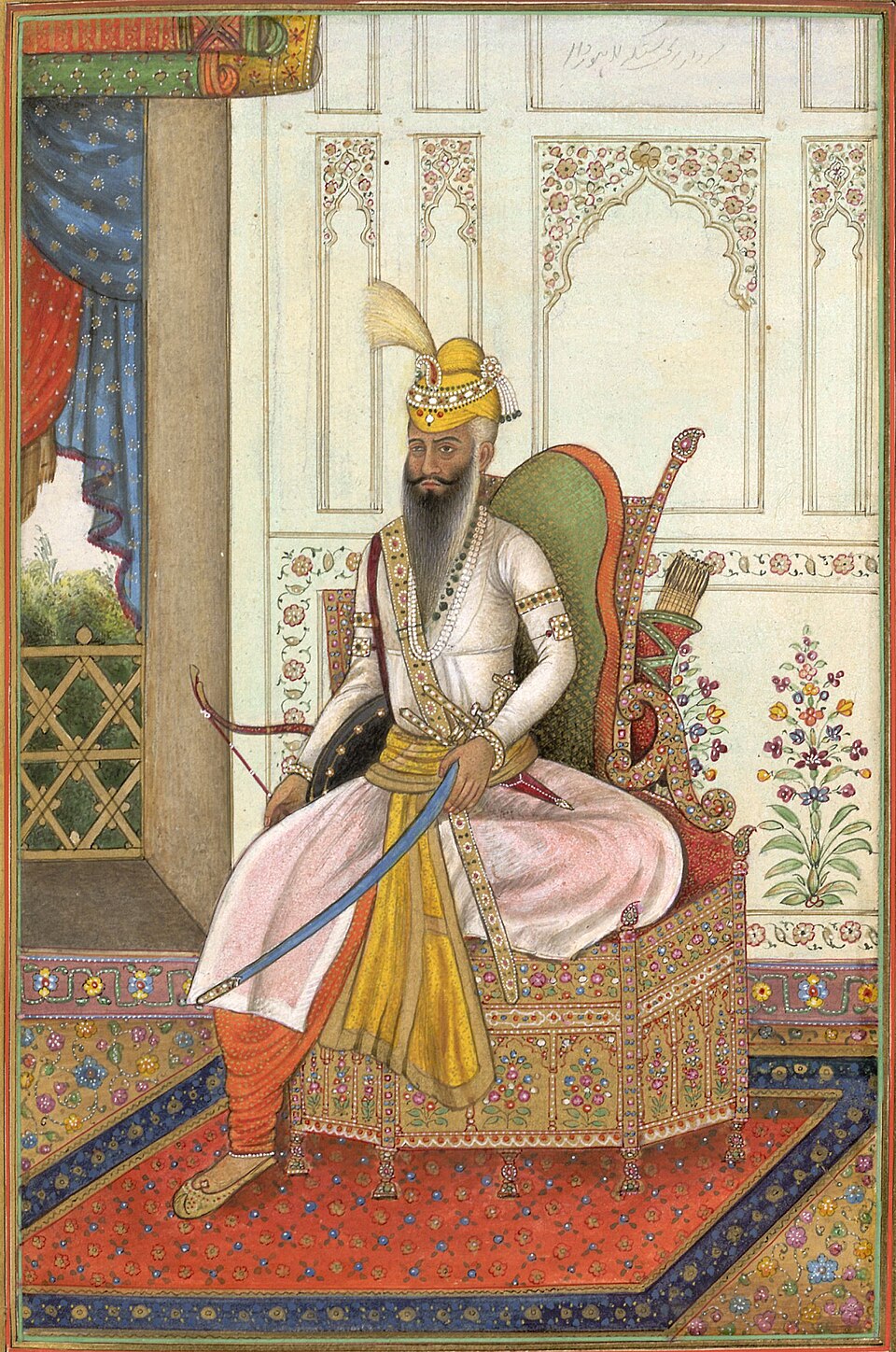
Sher-e-Punjab, the Lion of Punjab. United the misls into the Sikh Empire, ruled from Lahore for forty years and covered the Harmandir Sahib in gold.
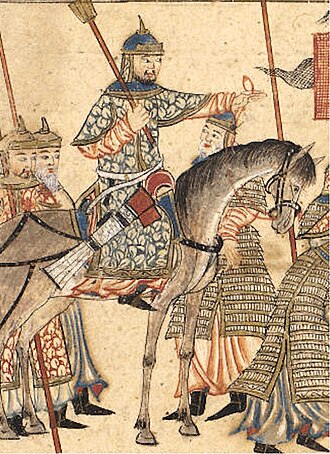
Turkic sultan who raided India some seventeen times. His conquests made Lahore a Ghaznavid city and brought Punjab into the Persian-speaking Islamic world.
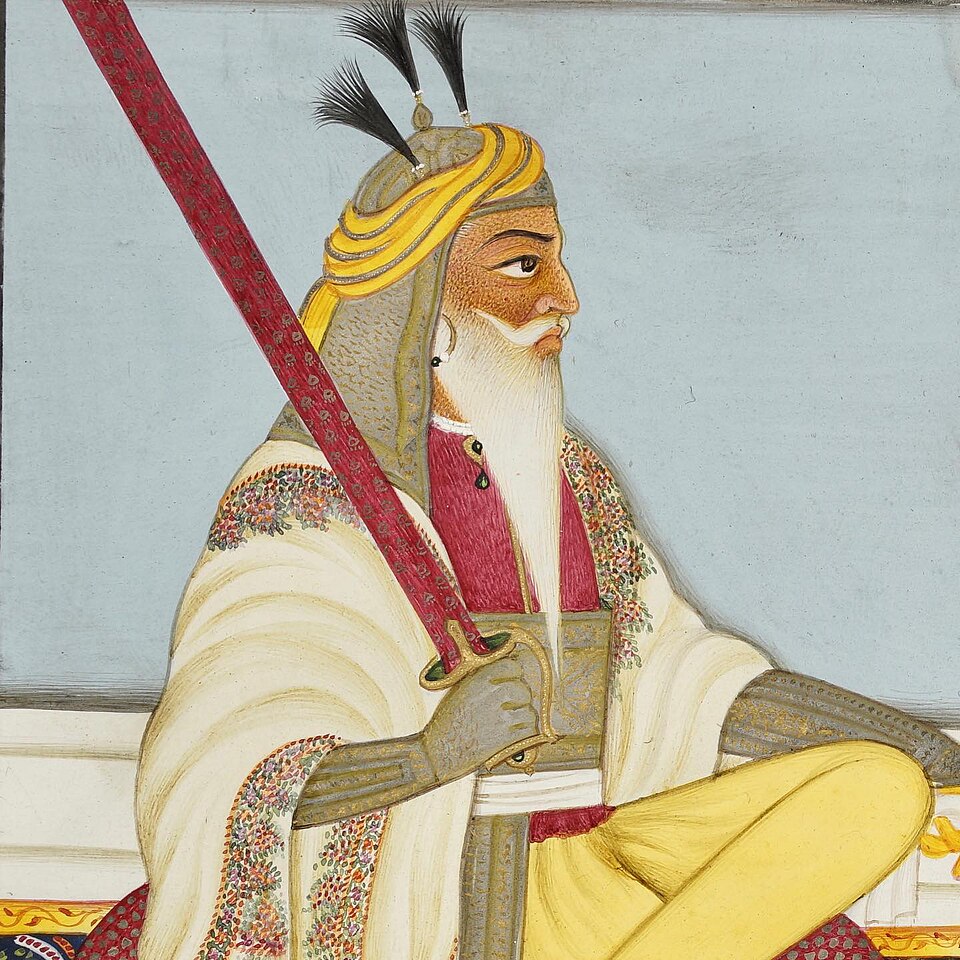
Commander-in-chief of the Sikh army on the north-west frontier. Governed Kashmir and Peshawar and died holding Jamrud against the Afghans.
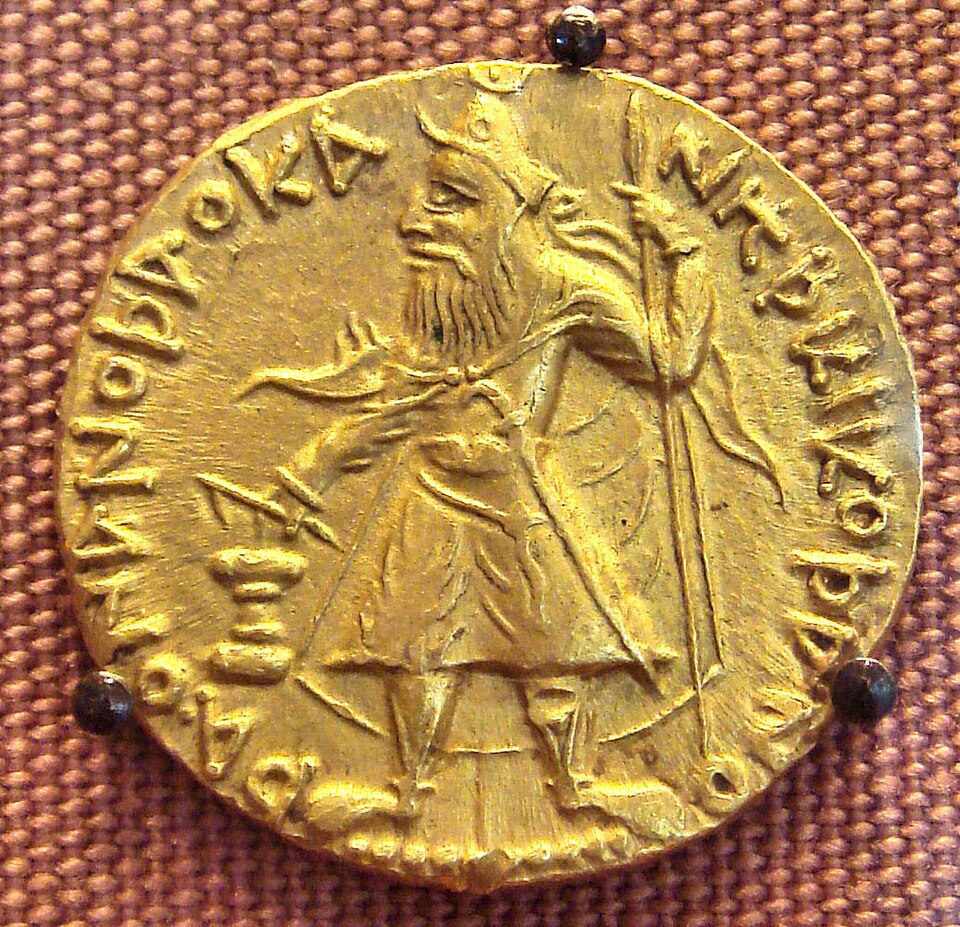
Greatest of the Kushan emperors, patron of Buddhism and Gandharan art, who built a huge stupa at Peshawar.
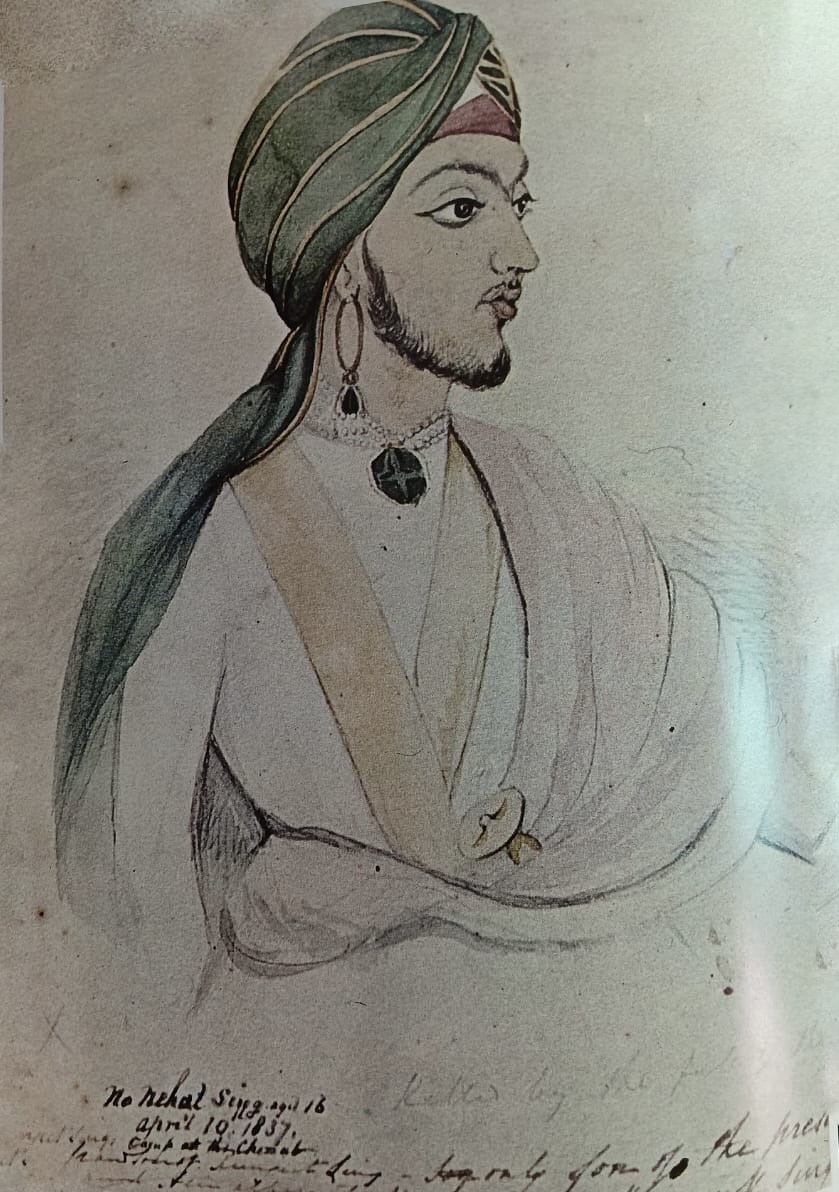
Able grandson of Ranjit Singh who effectively ruled in his father's place. Returning from his father's cremation, he was struck by falling masonry from a Lahore gateway and died the same day.
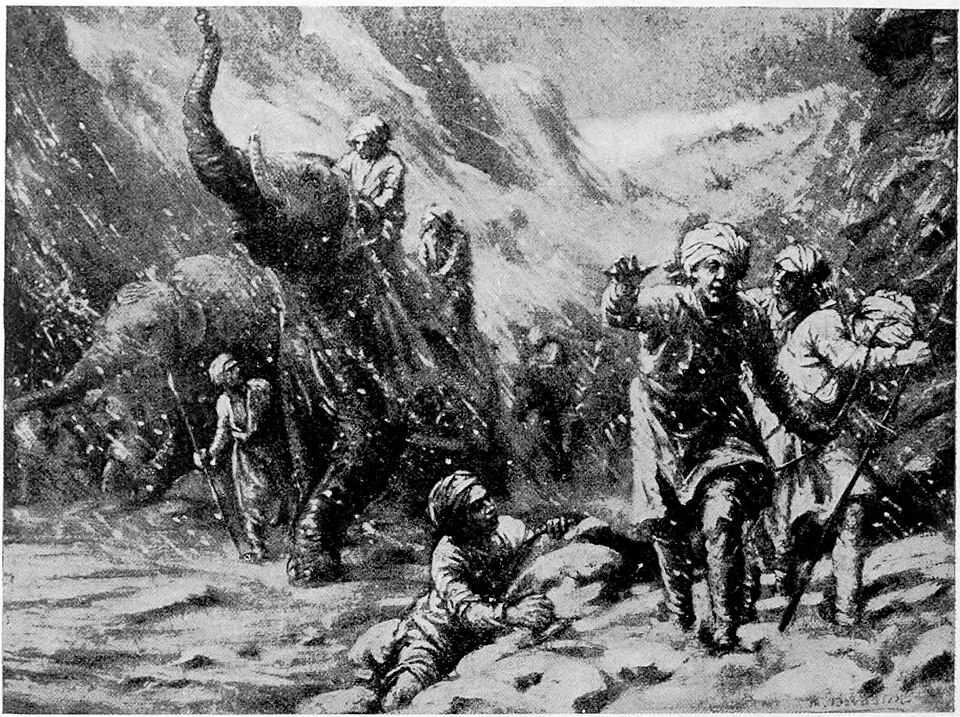
Hindu Shahi king of Punjab defeated by Mahmud of Ghazni near Peshawar in 1001. Shamed, he is said to have burned himself on a pyre.
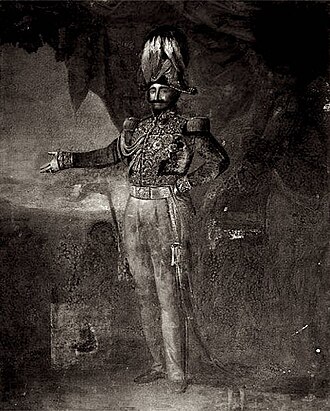
Neapolitan soldier who governed Wazirabad and then Peshawar for the Sikh Empire with notorious severity.
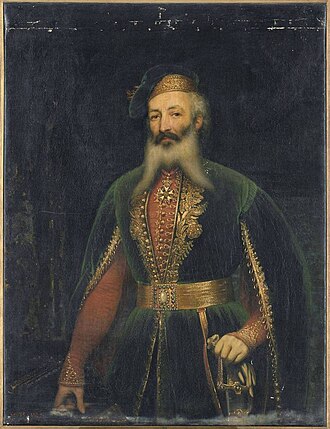
Veteran of Napoleon's cavalry who arrived in Lahore in 1822 and raised the Fauj-i-Khas, the elite French-drilled brigade of the Sikh army.
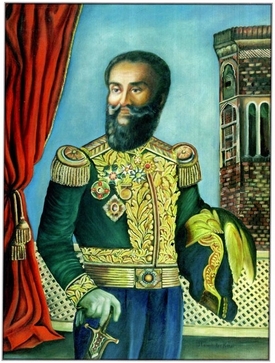
Saint-Cyr-trained French officer who cast and commanded Ranjit Singh's artillery and mapped and dug the antiquities of the Punjab.
Battles
Artifacts
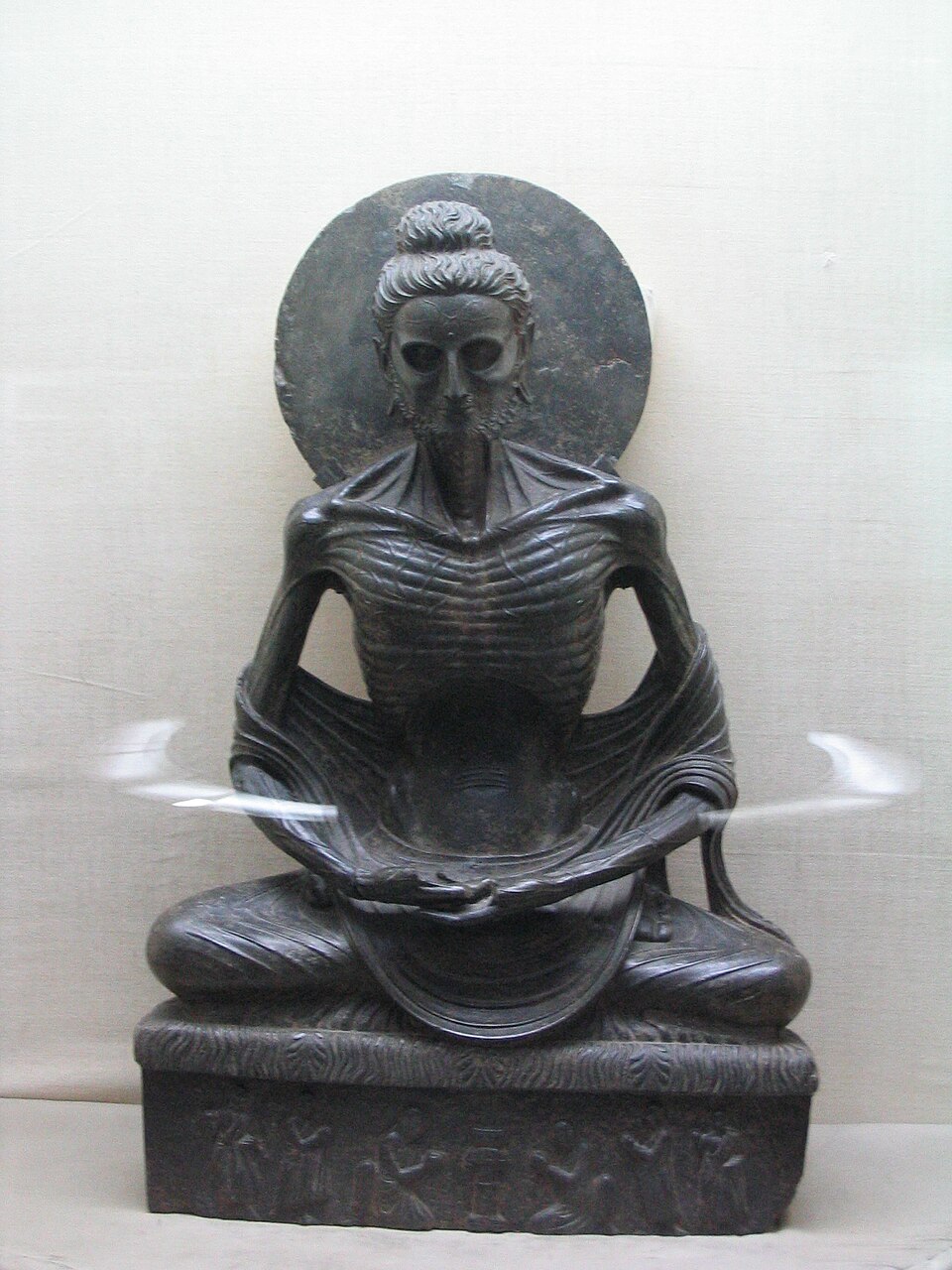
The Buddha in the years of starvation before his enlightenment, every rib and vein showing: the most famous sculpture of Gandhara, found at Sikri near Mardan.
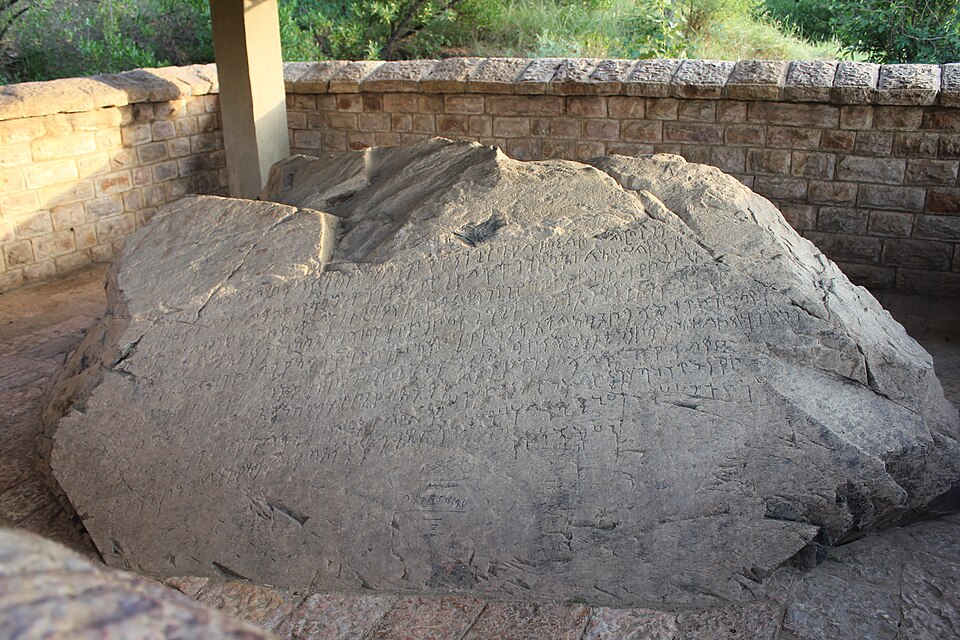
The Mauryan emperor's edicts on great boulders in Gandhara, in the Kharoshthi script of the north-west: among the oldest writing in the Punjab after the Indus seals.
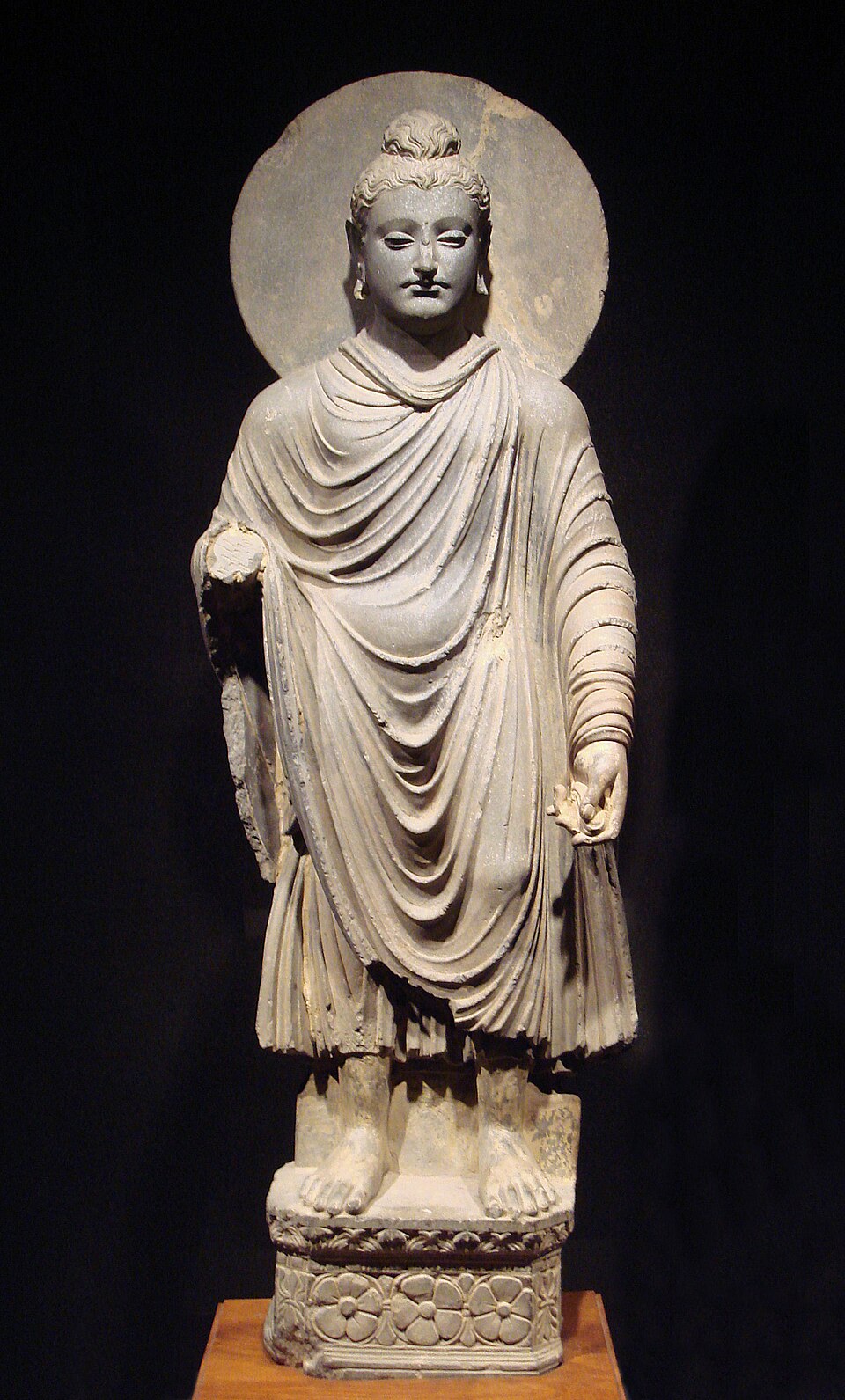
Princely figures of the Buddha-to-be, with moustaches, turbans, jewels and sandals, modelled on the Kushan nobles of Gandhara.
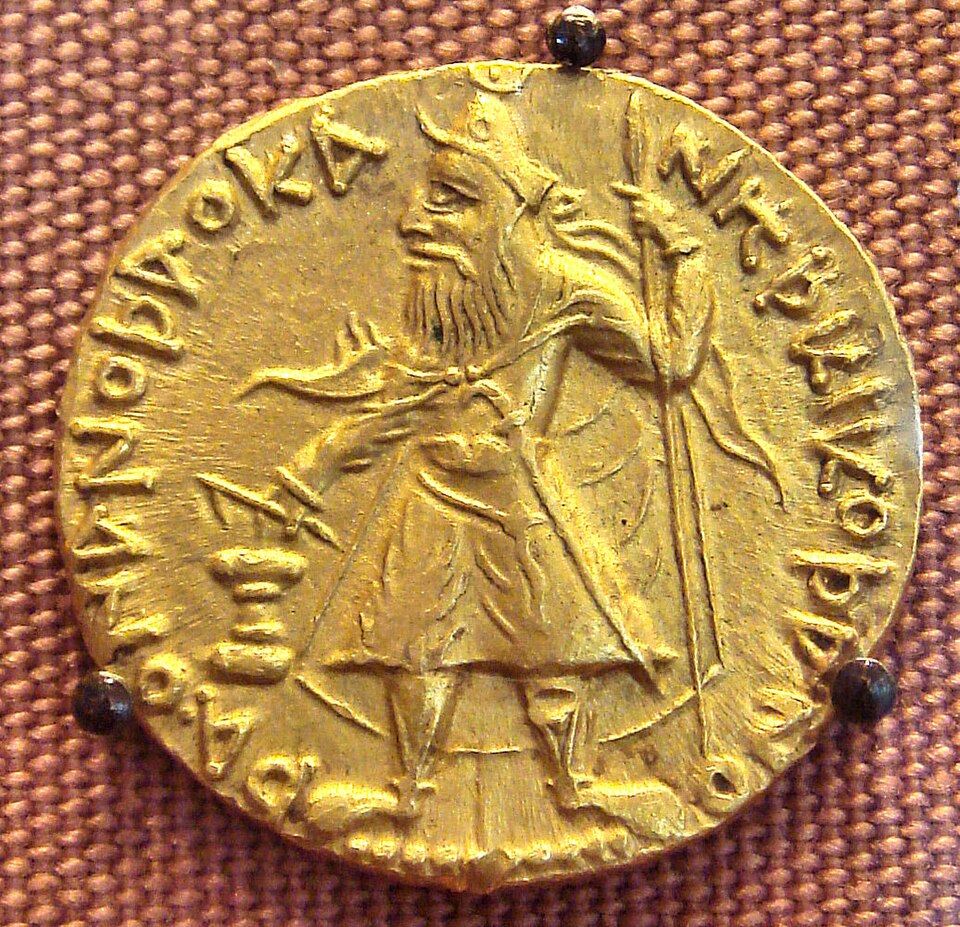
Gold coins of the Kushan emperor that carry one of the earliest images of the Buddha, named BODDO in Greek letters.
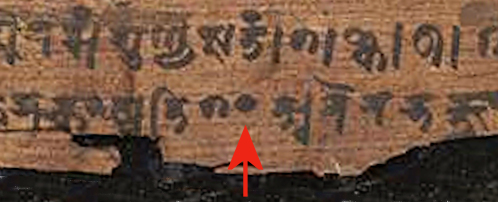
A mathematical text on seventy leaves of birch bark, dug up by a farmer at Bakhshali near Mardan in 1881. It uses a dot for zero, one of the oldest written zeros known.
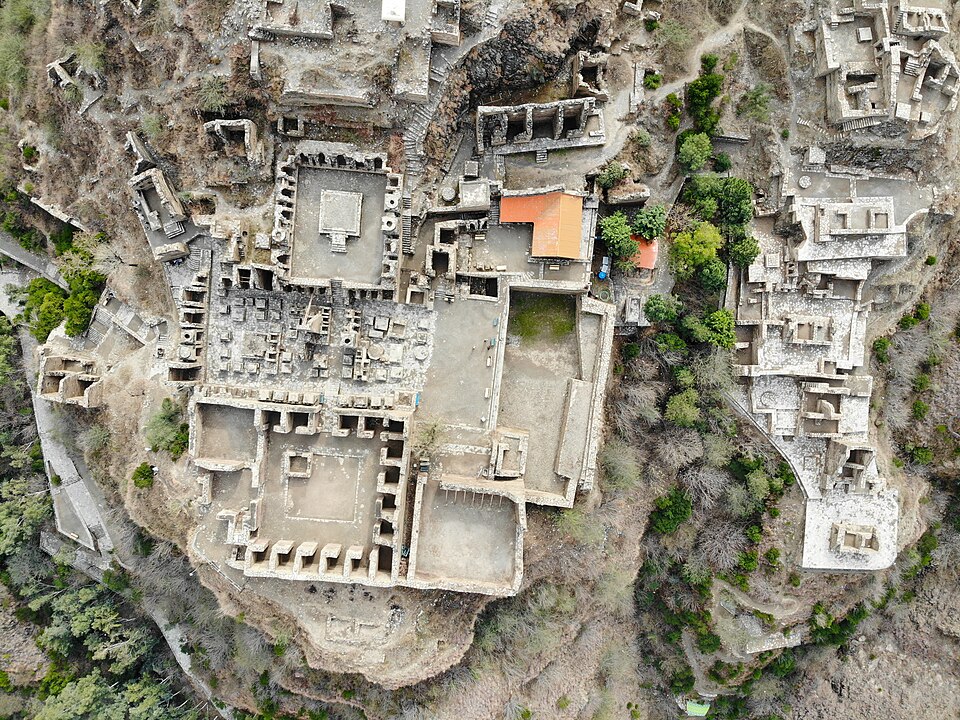
A Buddhist monastery on a ridge north of Mardan, the most complete in Gandhara, with its stupa court, monks' cells and assembly hall still standing.
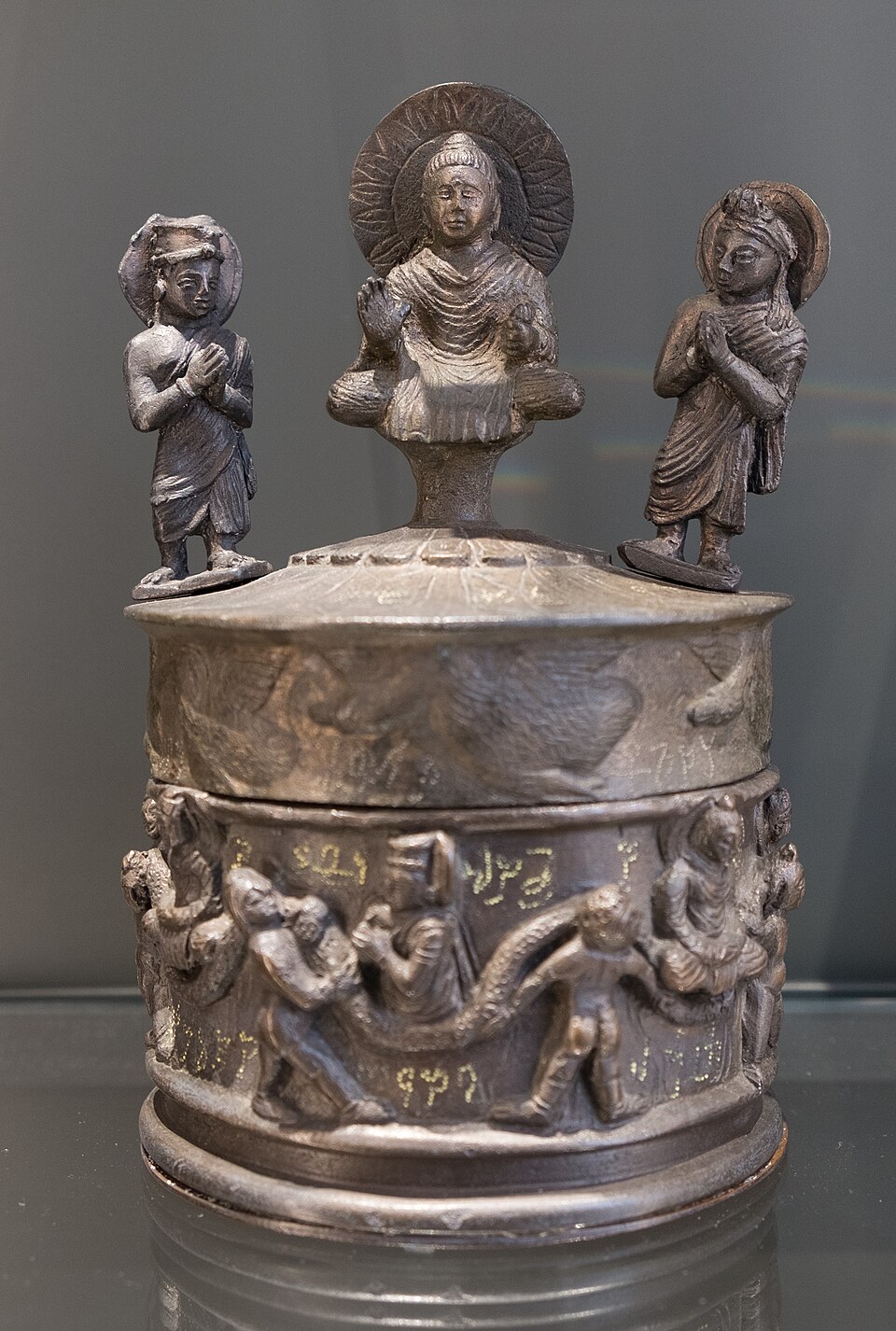
A gilded reliquary found in 1908–09 in the ruins of Kanishka's great stupa at Shah-ji-ki-Dheri outside Peshawar. On its lid the Buddha sits between the gods Brahma and Indra; on its side stands a Kushan king, probably Kanishka himself.
On the timeline
In the world's museums
105 objects →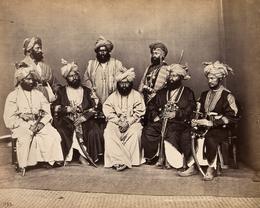 Pathan men from Peshawar, Pakistan in traditional dress: group portrait1900 · PakistanWellcome Collection ↗
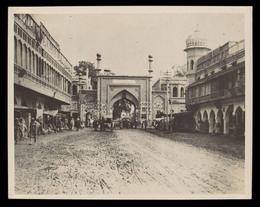 Peshawar, India, 20.12.281928 · Peshawar© Victoria and Albert Museum, London ↗
 Photograph of an ancient Hindu wood carving from Kashmir Smast in Peshawar District…Peshawar Museum · photo Fowler&fowler at English Wikipedia (Wikimedia Commons) ↗
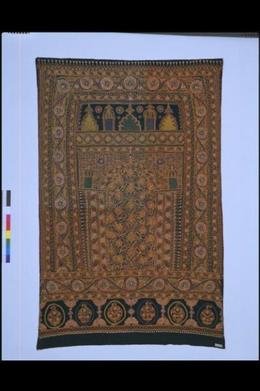 Textile, Peshawarc. 1890 · Peshawar© Victoria and Albert Museum, London ↗
 Peshawar Pottery, Albert Hall MuseumWikimedia Commons · Neek-Theri · CC BY-SA ↗
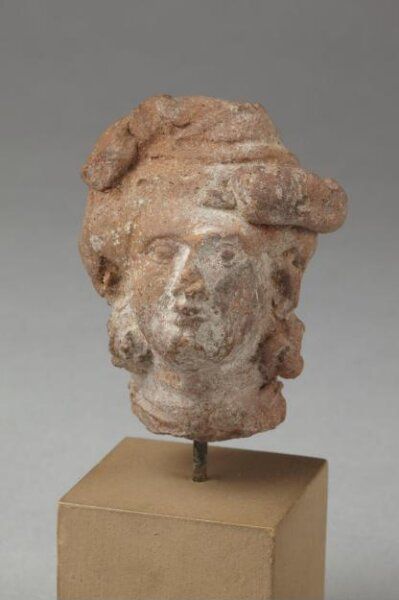 Head, Peshawar1st century BC · Peshawar© Victoria and Albert Museum, London ↗
 Bronze Buddha image, from Gandhara, Sahr-i Bahlol, Peshawar Valley PakistanBritish Museum, London · photo Zunkir (Wikimedia Commons) · CC BY-SA ↗
 Head of Bodhisattva, 150-300 CE, near Peshawar, Gandhara, V&AV&A, London · photo SpeakingArch (Wikimedia Commons) · CC BY-SA ↗
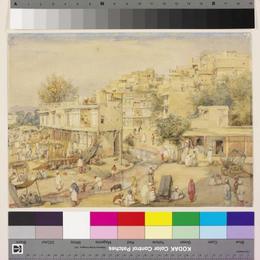 View of houses adjoining a stream, Peshawar05/1855 · Peshawar© Victoria and Albert Museum, London ↗
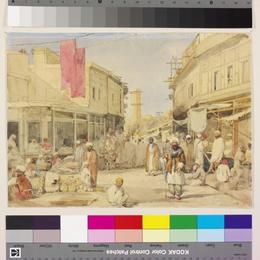 Street scene in Peshawar01/1855 · Peshawar© Victoria and Albert Museum, London ↗
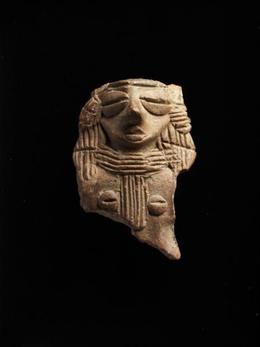 Bust, Peshawar1st century BC · Peshawar© Victoria and Albert Museum, London ↗
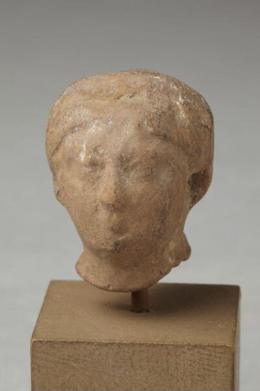 Head, Peshawar1st century BC (?) · Peshawar© Victoria and Albert Museum, London ↗
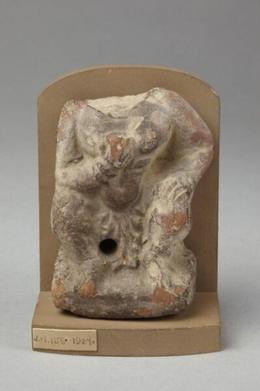 Figure, Peshawar1st century BC · Peshawar© Victoria and Albert Museum, London ↗
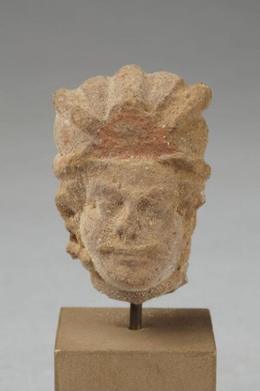 Head, Peshawar1st century BC · Peshawar© Victoria and Albert Museum, London ↗
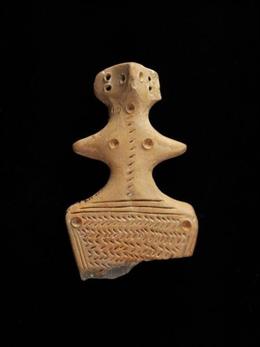 Figure, Peshawar1st century BC · Peshawar© Victoria and Albert Museum, London ↗
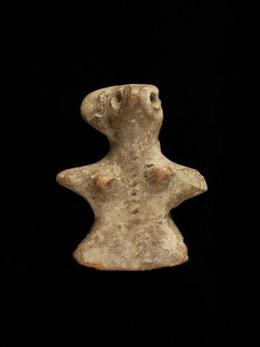 Figure, Peshawar1st century BC · Peshawar© Victoria and Albert Museum, London ↗
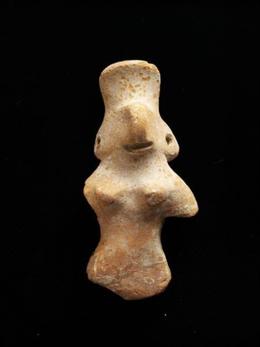 Bust, Peshawar1st century BC · Peshawar© Victoria and Albert Museum, London ↗
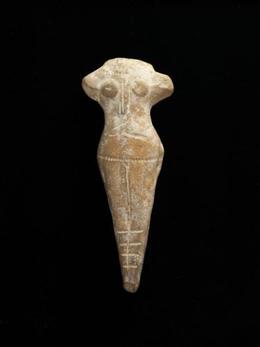 Figure, Peshawar1st century BC · Peshawar© Victoria and Albert Museum, London ↗