Islam in Punjab
Arrived with the Arab conquest of Multan in 712 and the Ghaznavid conquest of Lahore in the 11th century, and spread mostly through Sufi teachers. Muslims were 53% of undivided Punjab in 1941 and are about 98% of Pakistani Punjab today.
- Tawhid
- The absolute oneness of God, the core of Islam, which made Guru Nanak's teaching of one formless God familiar to Punjabi Muslims.
- Sufism
- The mystical path of Islam. Most Punjabi Muslims' faith was shaped by Sufi orders: the Chishtis of Baba Farid, the Qadiris of Mian Mir and Bulleh Shah, the Suhrawardis of Multan and Uch, and the Naqshbandis of Sirhind.
- Pir and murid
- The bond between a spiritual master and disciple. Shrines (dargahs) of pirs became centres of devotion for Muslims, Hindus and Sikhs alike.
- Dhikr, sama and qawwali
- Remembrance of God through repeated phrases, and devotional music. Punjabi kafis by Shah Hussain, Bulleh Shah and Sultan Bahu are still sung at shrines.
- Urs
- The anniversary of a saint's death, his 'wedding' with God, celebrated with fairs at shrines such as Pakpattan and Data Darbar.
- Reform movements
- From Shaikh Ahmad Sirhindi in the 17th century to Deobandi, Barelvi and Ahl-e-Hadith movements in the 19th and 20th, reformers debated Sufi practices and relations with other faiths.
- Ahmadiyya
- A movement founded at Qadian in Punjab in 1889 by Mirza Ghulam Ahmad. Pakistan declared Ahmadis non-Muslims in 1974; they face legal restrictions there.
Places
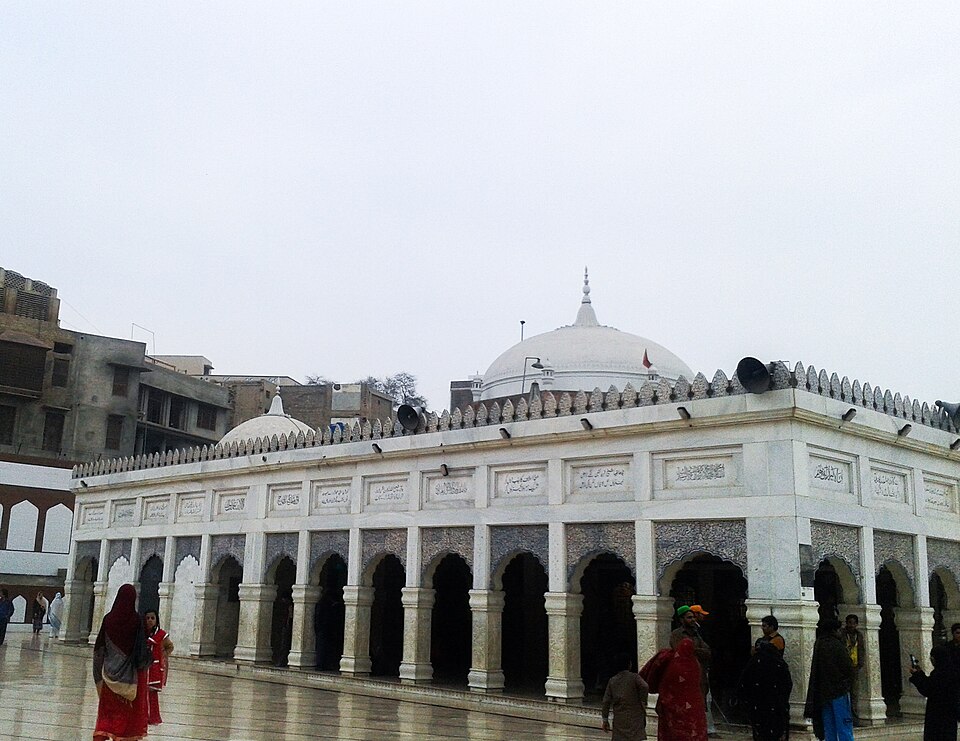
Shrine of Baba Farid, the first great poet of Punjabi, whose verses are in the Guru Granth Sahib.
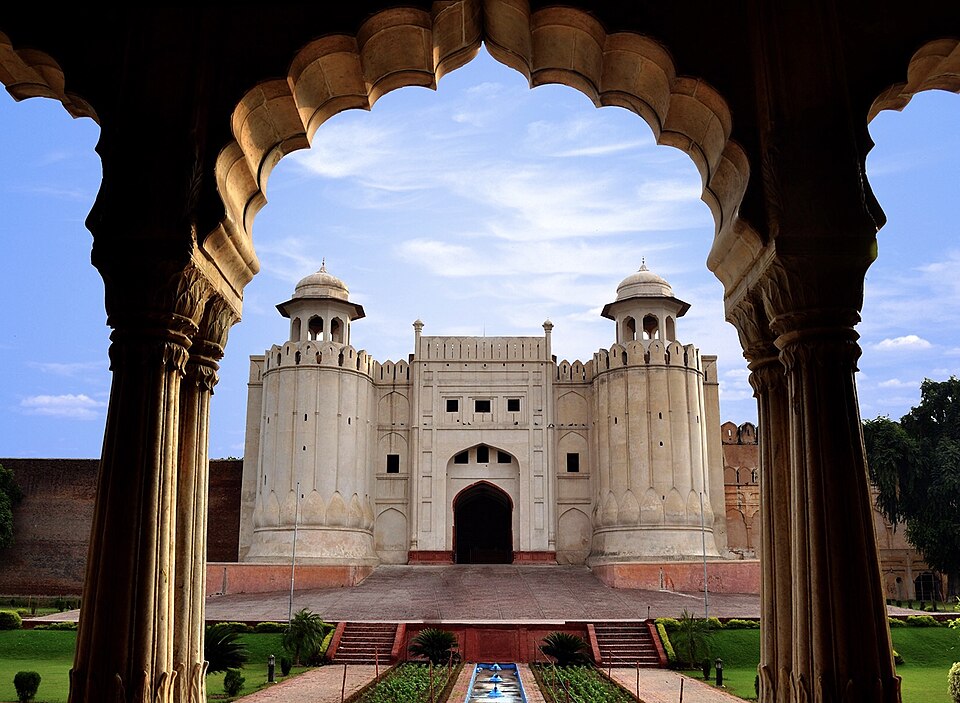
Birthplace of Guru Ram Das and place of Guru Arjan's martyrdom (Gurdwara Dera Sahib). Capital of Maharaja Ranjit Singh, whose samadhi stands beside the Badshahi Mosque. Also home to the shrines of Data Ganj Bakhsh, Mian Mir and Shah Hussain.
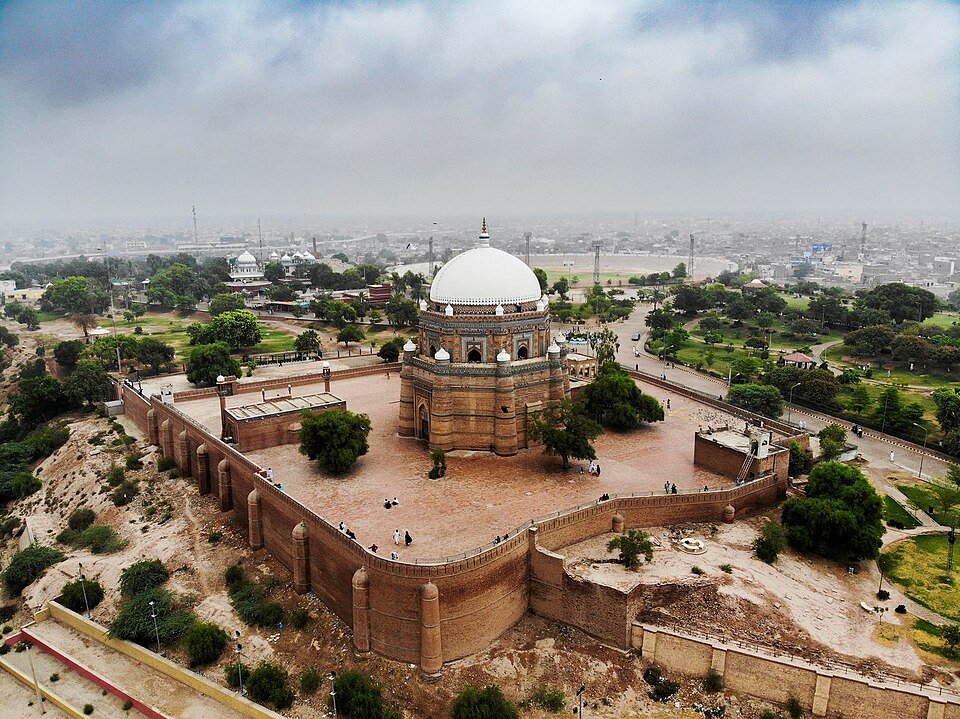
Ancient city of shrines, taken by Ranjit Singh's army in 1818. The 1848 rising here began the Second Anglo-Sikh War.
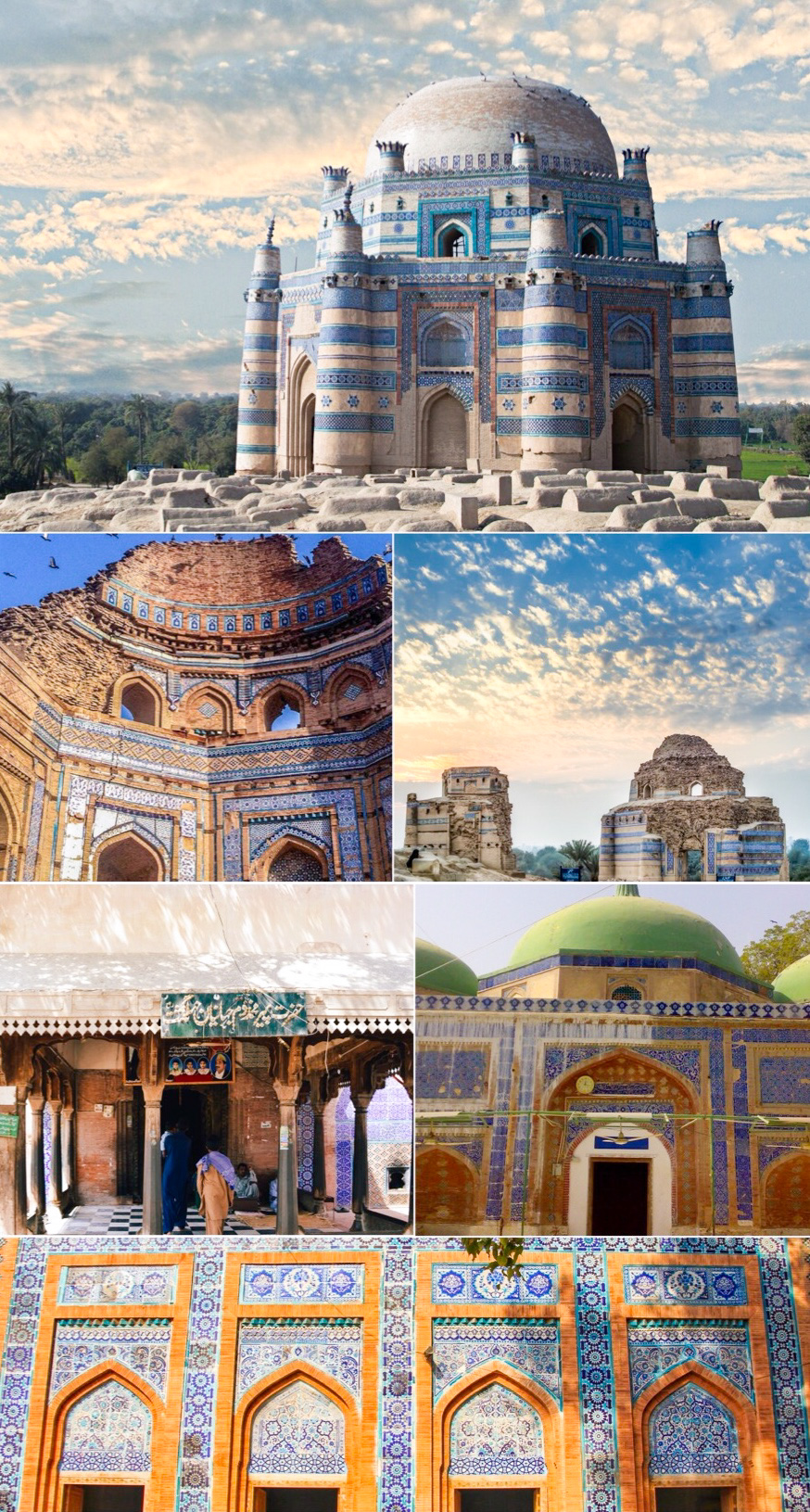
City of medieval Sufi shrines, birthplace of Bulleh Shah.
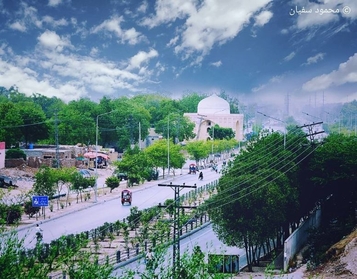
Shrine of Bulleh Shah, the Sufi poet whose kafis are sung across both Punjabs.
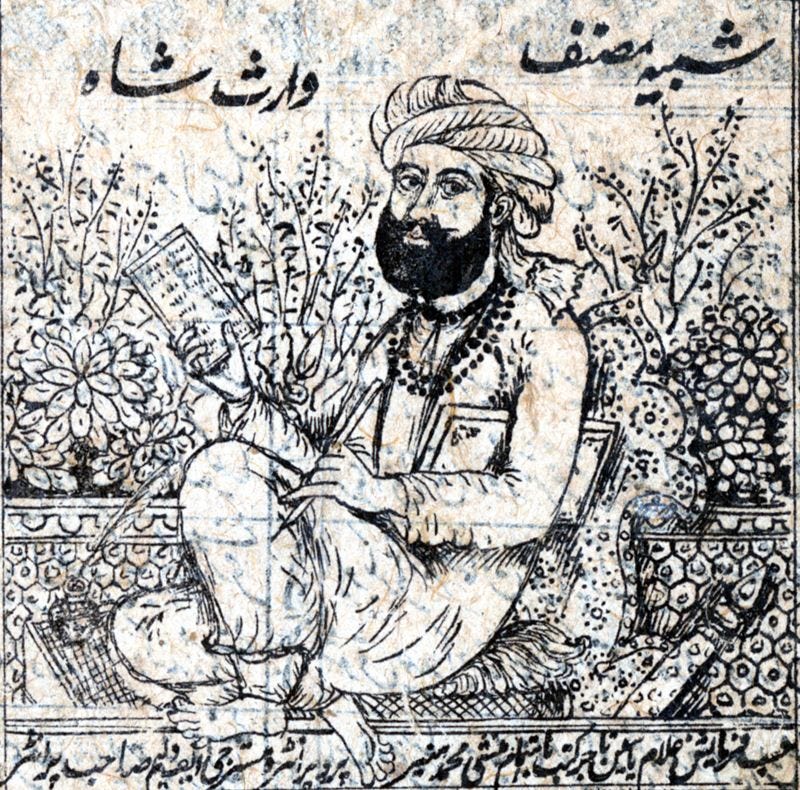
Birthplace and resting place of Waris Shah, author of the Punjabi epic Heer.
The Sufi lineages
Teacher to discipleScroll sideways to see the whole tree →
Teacher to disciple, simplified. Dashed lines skip generations: the Qadiri saints of the Punjab belonged to Abdul Qadir Jilani's order but lived centuries after him. Darker boxes are poets and saints of the Punjab with their own pages. Mian Mir was a friend of Guru Arjan; Sikh tradition says he laid the foundation stone of the Harmandir Sahib.