Sikhi
Founded by Guru Nanak in the early 16th century and shaped by ten Gurus over two centuries. Sikhs are about 58% of Indian Punjab today and some 25–30 million worldwide.
- Ik Onkar
- One Creator, without form or incarnation, who is beyond time and yet present in all creation. The scripture opens with this phrase.
- Naam
- Remembering and meditating on the divine Name is the heart of practice. Liberation (mukti) comes through grace (nadar) and a life lived in the Name, not ritual or asceticism.
- Haumai
- Ego or self-centredness, the root of suffering. The gurmukh (Guru-facing person) overcomes it; the manmukh (self-willed) is ruled by it.
- Three pillars
- Naam japna, kirat karni, vand chhakna: remember God, earn an honest living, share what you have. Householder life is preferred to renunciation.
- Seva and langar
- Selfless service, above all in the free community kitchen where everyone sits together regardless of caste or faith.
- Miri–piri
- Temporal and spiritual authority held together, symbolised by Guru Hargobind's two swords and the Akal Takht facing the Harmandir Sahib.
- Khalsa
- The order of initiated Sikhs created in 1699. The initiated keep the five Ks: kesh (uncut hair), kangha (comb), kara (steel bracelet), kachera (undergarment) and kirpan (sword).
- Guru Granth Sahib
- The scripture and living Guru since 1708, containing hymns by Sikh Gurus and by Hindu and Muslim saints, in Gurmukhi script.
Places
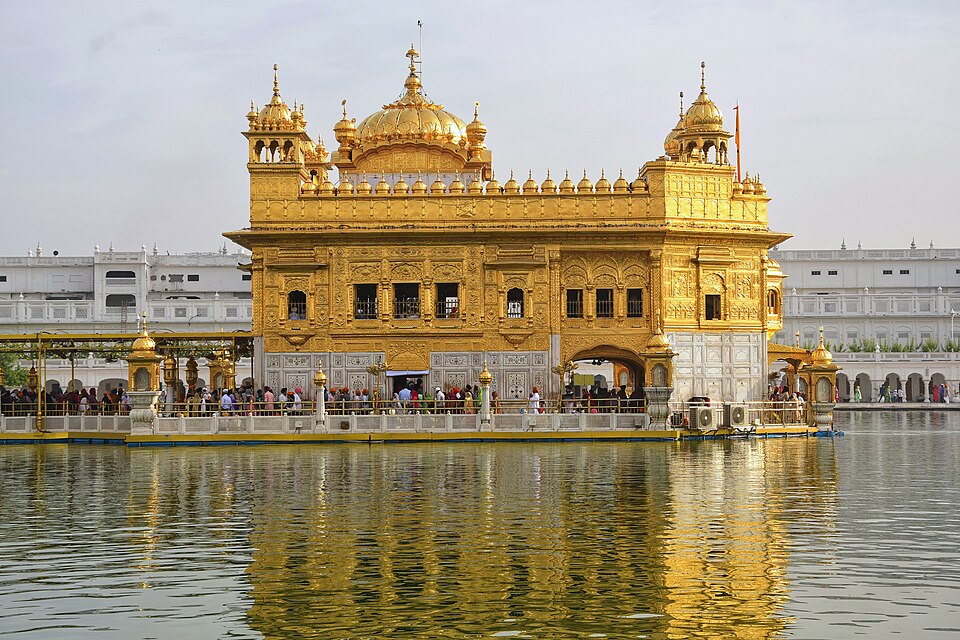
Founded by Guru Ram Das around a sacred pool. Guru Arjan built the Harmandir Sahib in its centre, and Guru Hargobind raised the Akal Takht facing it, the first of the five Takhts.
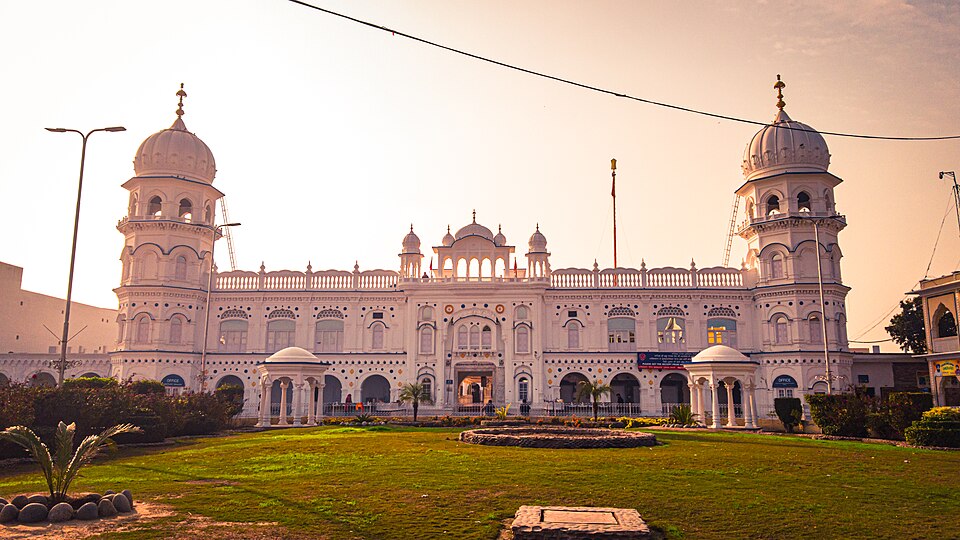
Birthplace of Guru Nanak, then the village of Rai Bhoi di Talwandi. Gurdwara Janam Asthan marks the house where he was born in 1469.
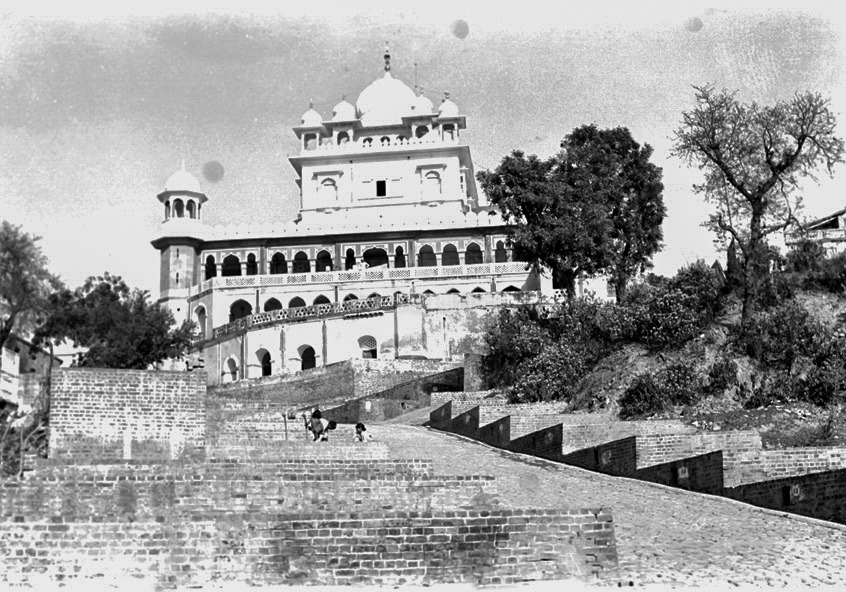
Founded by Guru Tegh Bahadur in 1665. Guru Gobind Singh created the Khalsa here at Vaisakhi 1699. Takht Sri Keshgarh Sahib stands on the spot, and Hola Mohalla is held here every spring.
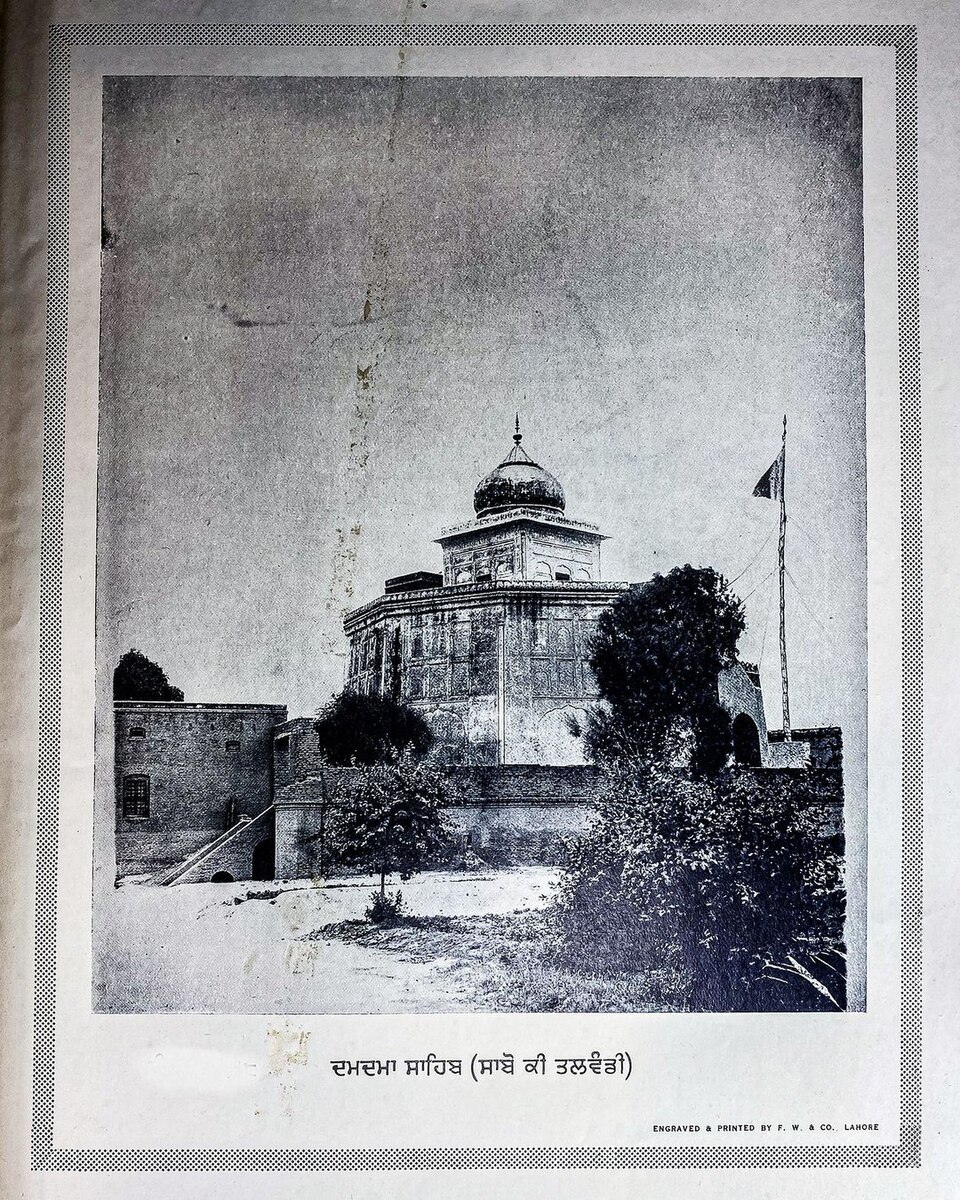
Where Guru Gobind Singh rested in 1705–06 and, tradition holds, dictated the final edition of the Guru Granth Sahib to Bhai Mani Singh. Called the 'Guru's Kashi'.
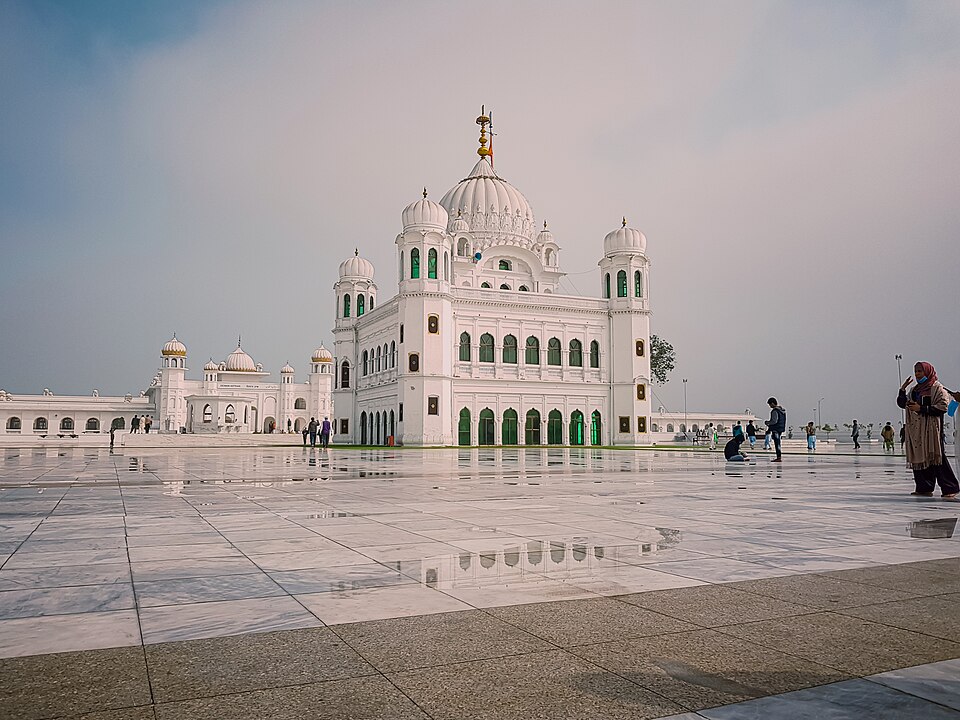
The town Guru Nanak founded on the Ravi after his travels. He farmed here, ran a common kitchen and died here in 1539. A visa-free corridor from India opened in 2019.
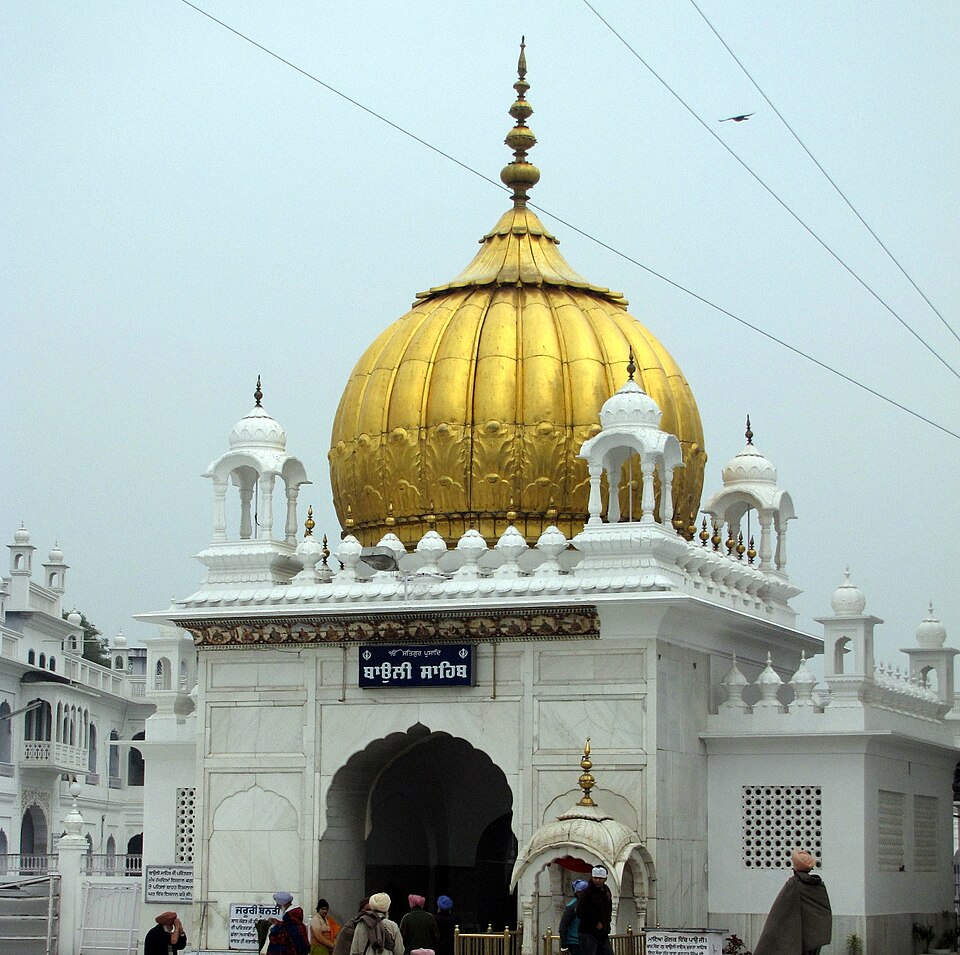
Guru Amar Das's town on the Beas, with its stepwell (baoli) of 84 steps. Visitors had to eat in the langar before meeting the Guru.
The Ten Gurus
1469 – 1708The faith born in the Punjab: from Guru Nanak in a village west of Lahore to Guru Gobind Singh, who placed the Guruship in the scripture and the Khalsa. Their Granth holds the verses of Hindu bhagats and Muslim Sufis beside their own.
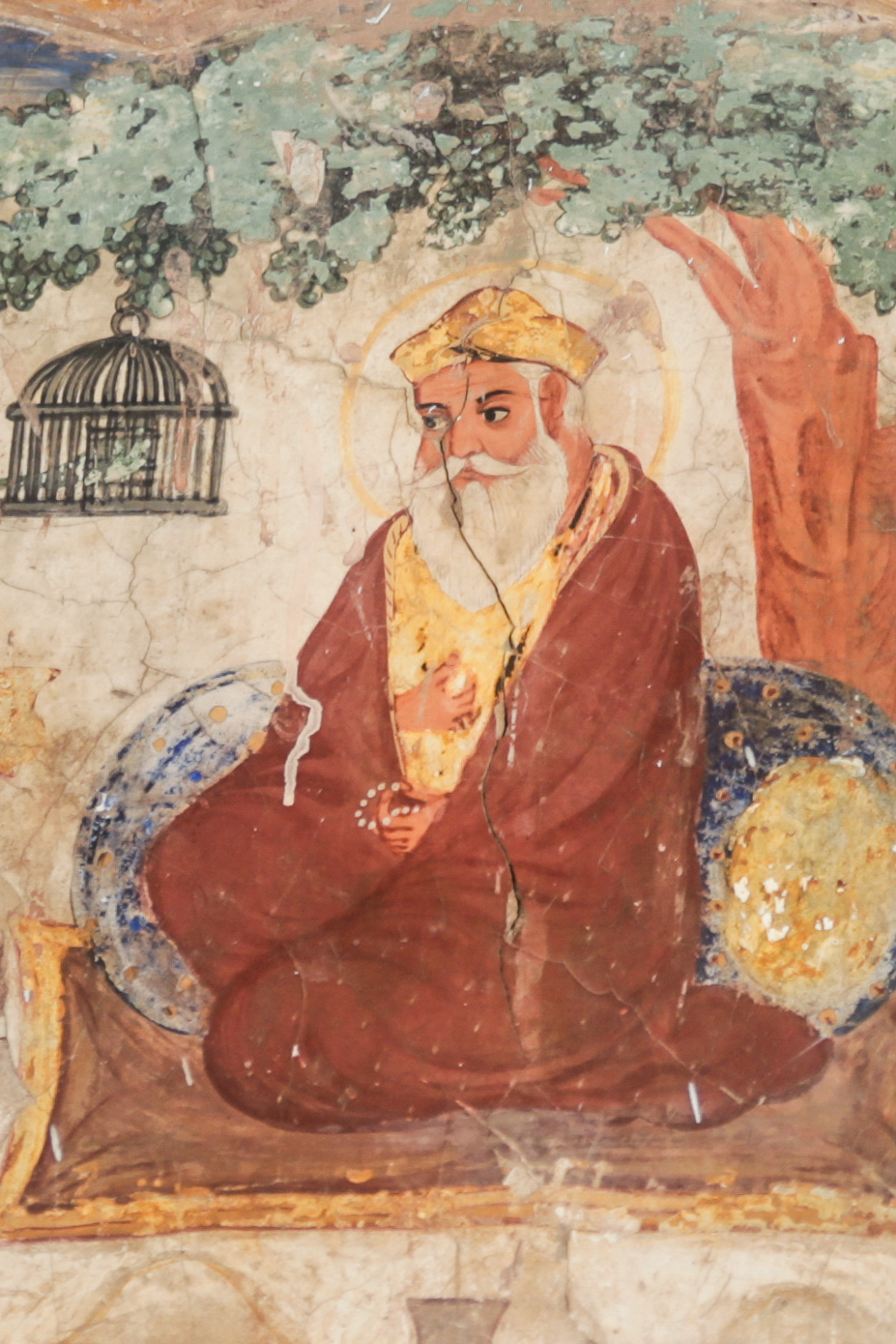
Founder of Sikhi. A poet and teacher who rejected caste and empty ritual and taught devotion to one formless God through the Name, honest work and sharing.
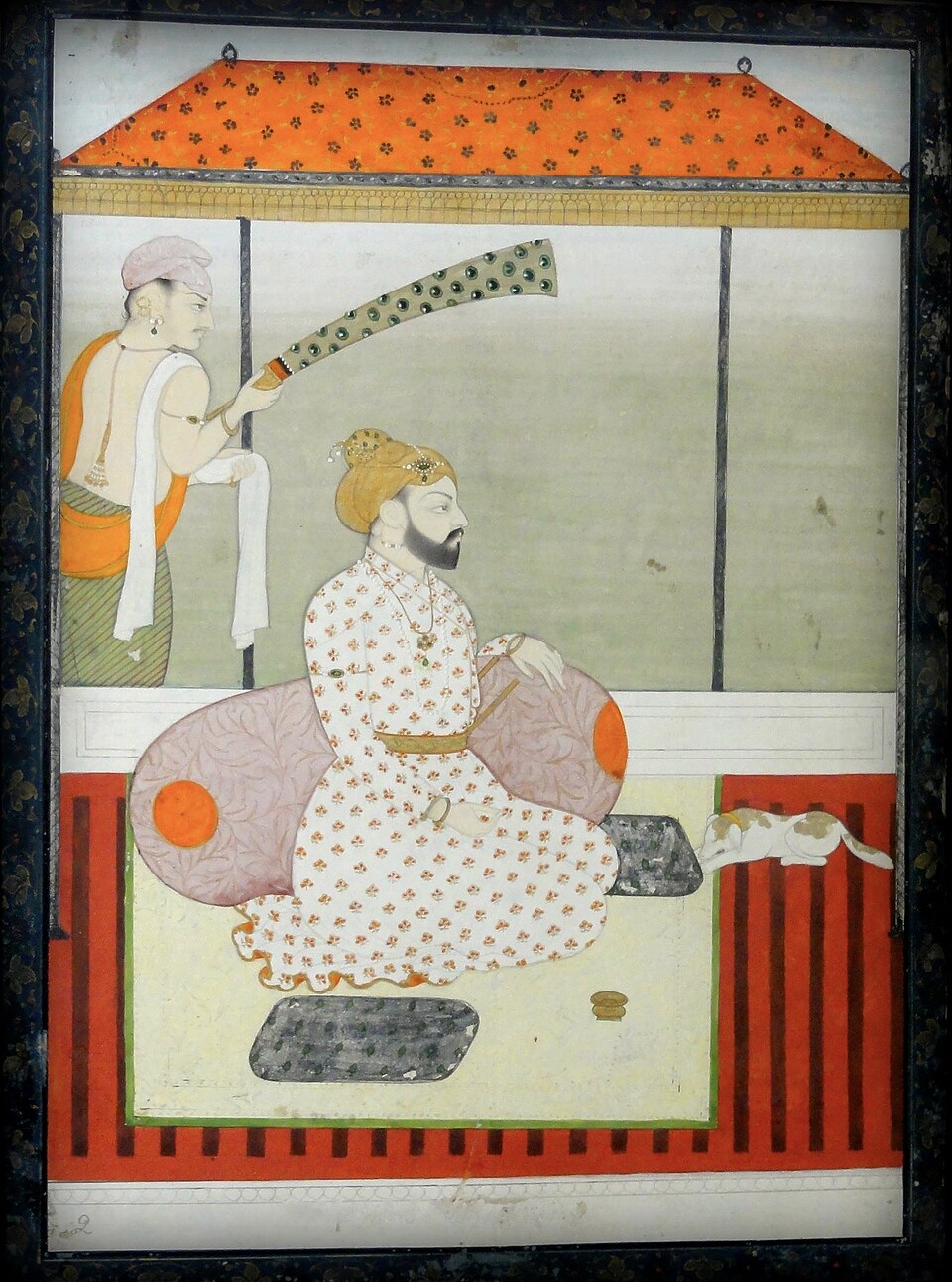
Second Guru. Standardised the Gurmukhi script, opened schools and kept the langar running with his wife Mata Khivi.
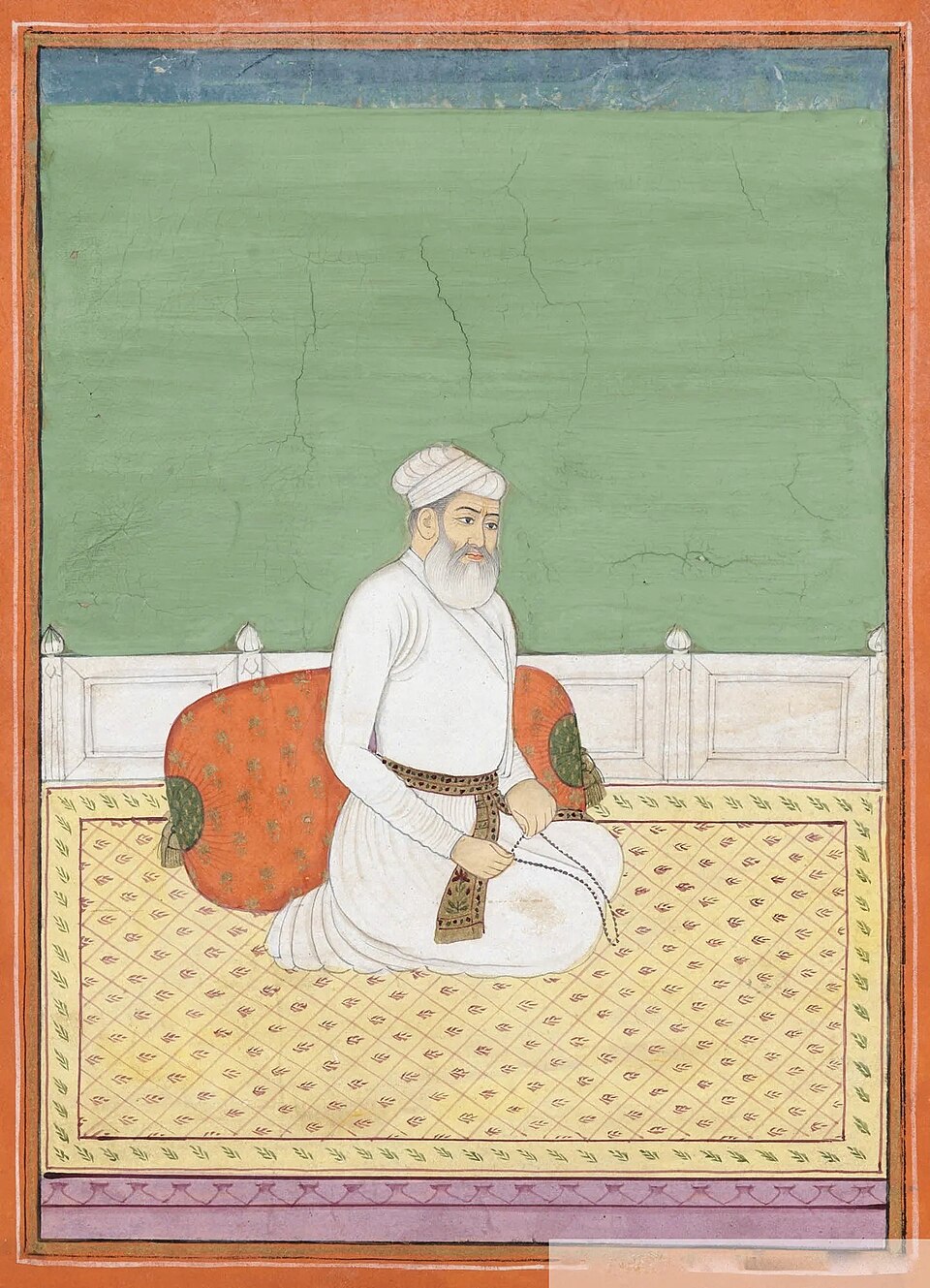
Third Guru, who became Guru at 73. Made the langar a rule for all visitors, opposed sati and purdah, and organised the community into 22 manjis (districts).
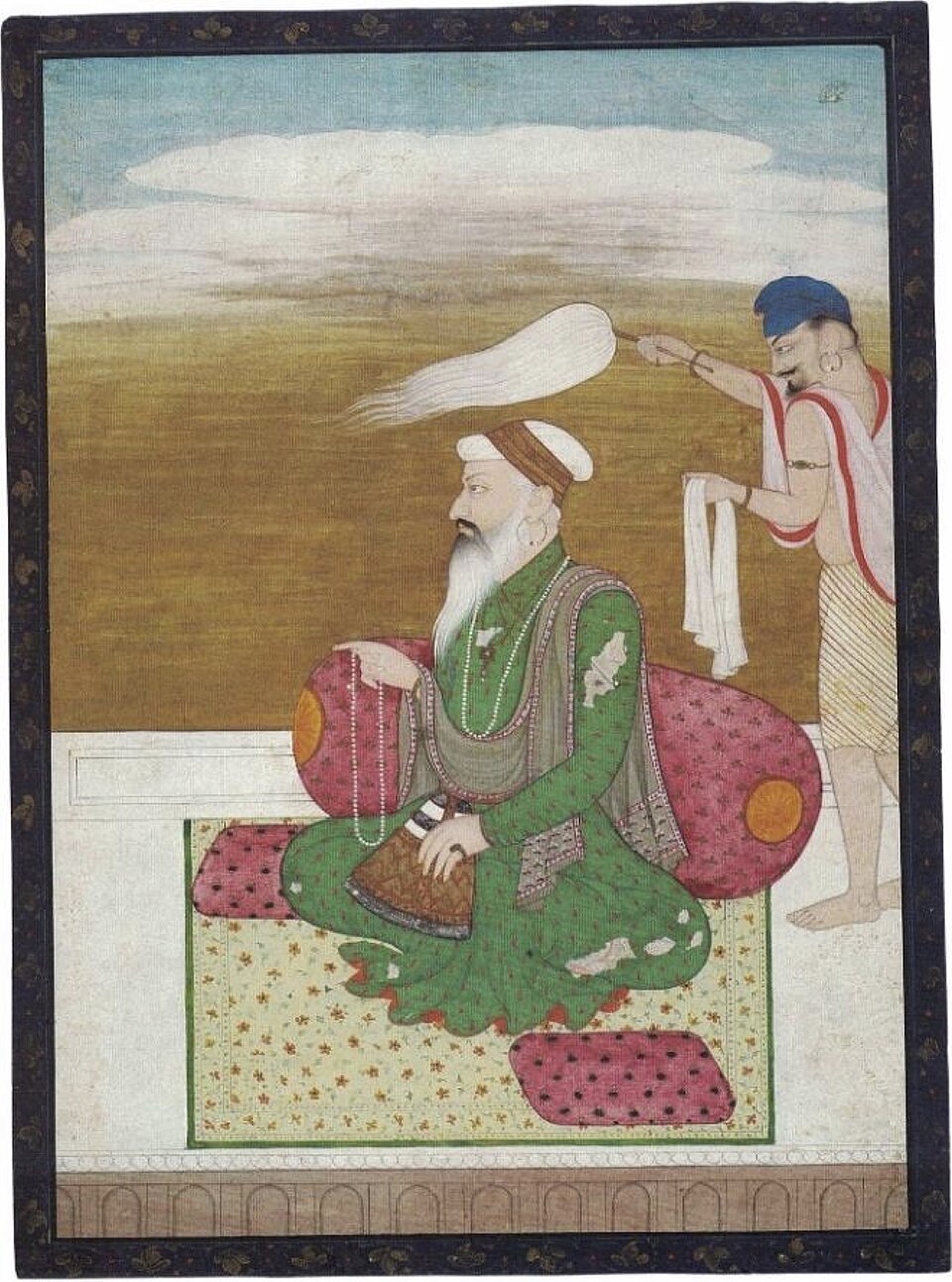
Fourth Guru and founder of Amritsar. Wrote the Lavan, the four marriage hymns of the Anand Karaj.
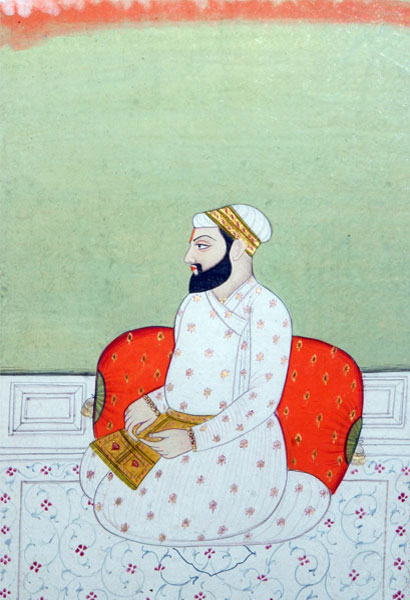
Fifth Guru. Built the Harmandir Sahib, compiled the Adi Granth in 1604 and became the first Sikh martyr, tortured to death in Lahore in 1606.
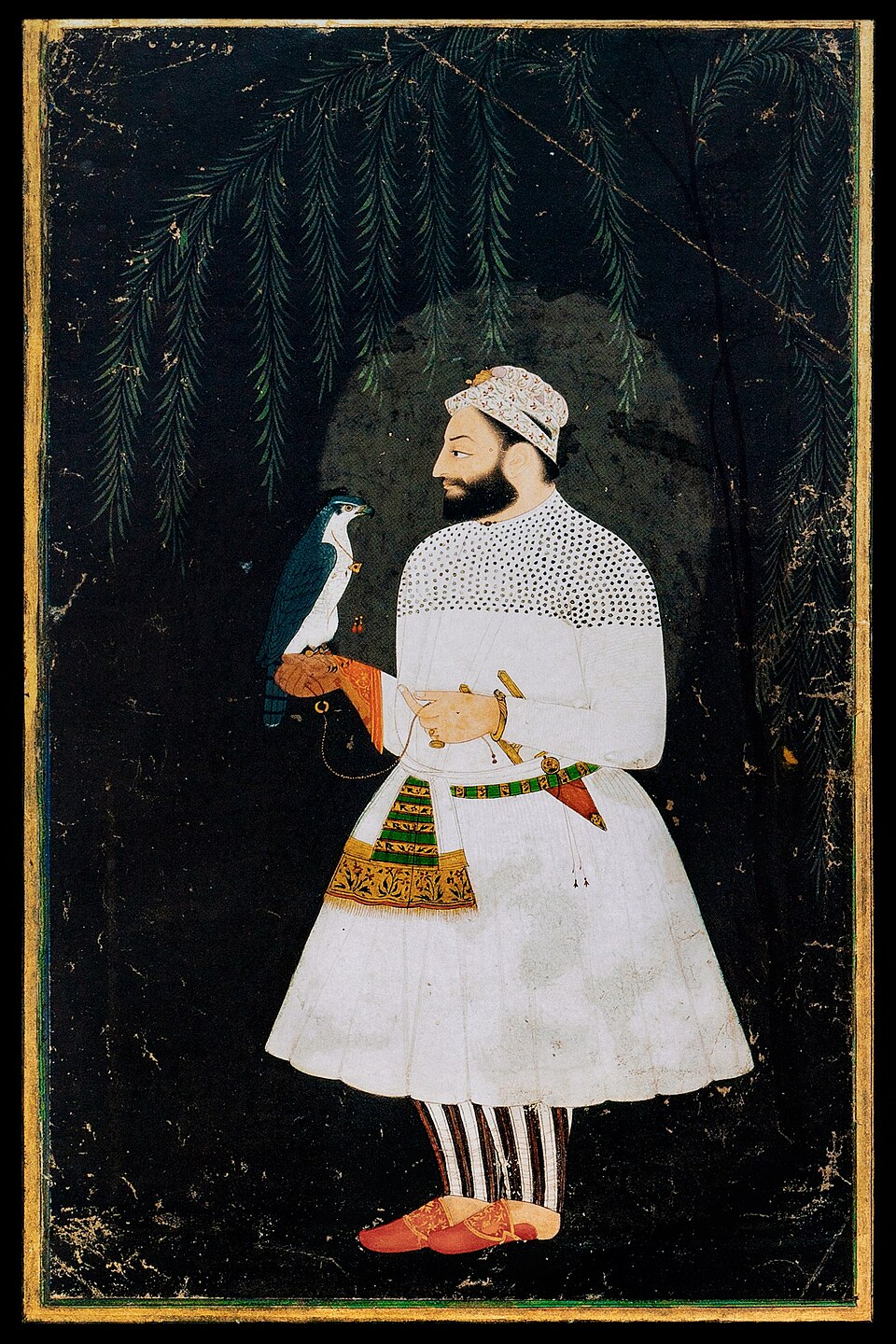
Sixth Guru. Wore two swords, miri and piri, for worldly and spiritual authority, built the Akal Takht and fought the first Sikh battles against Mughal forces.
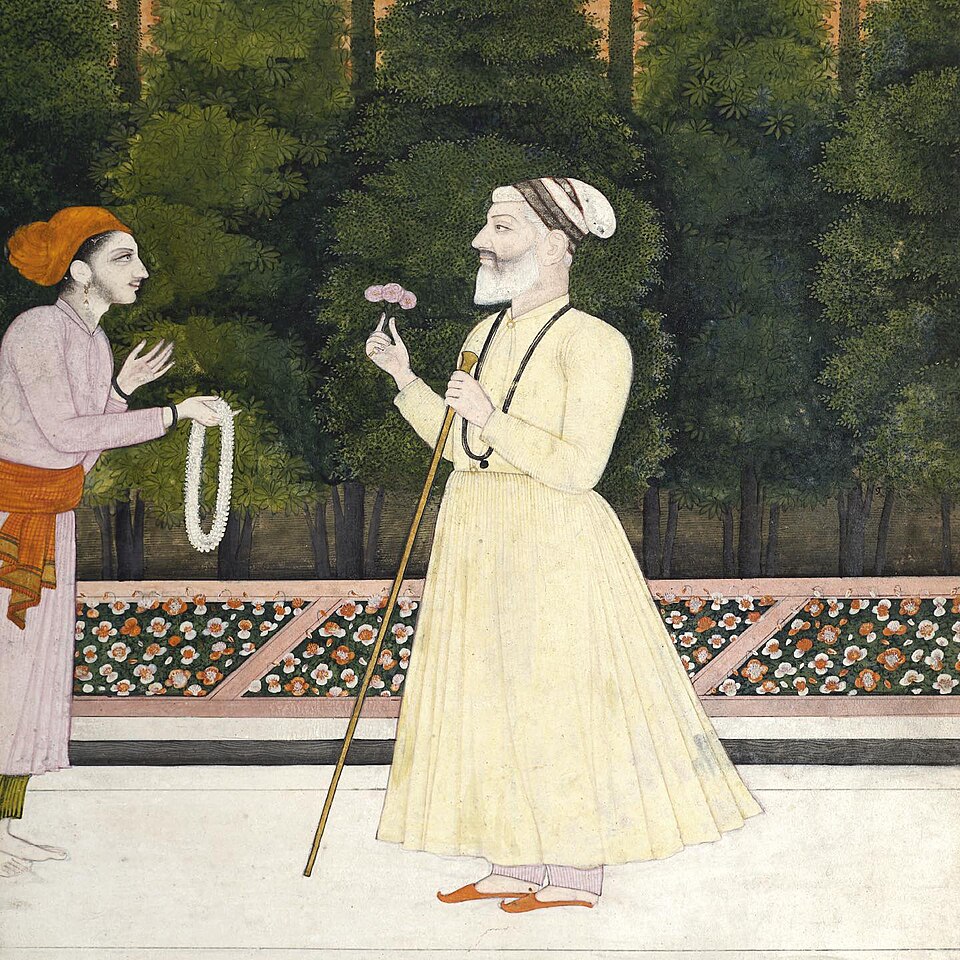
Seventh Guru, known for his gentleness. Kept a herbal dispensary and animal park at Kiratpur and maintained Guru Hargobind's cavalry while avoiding war.
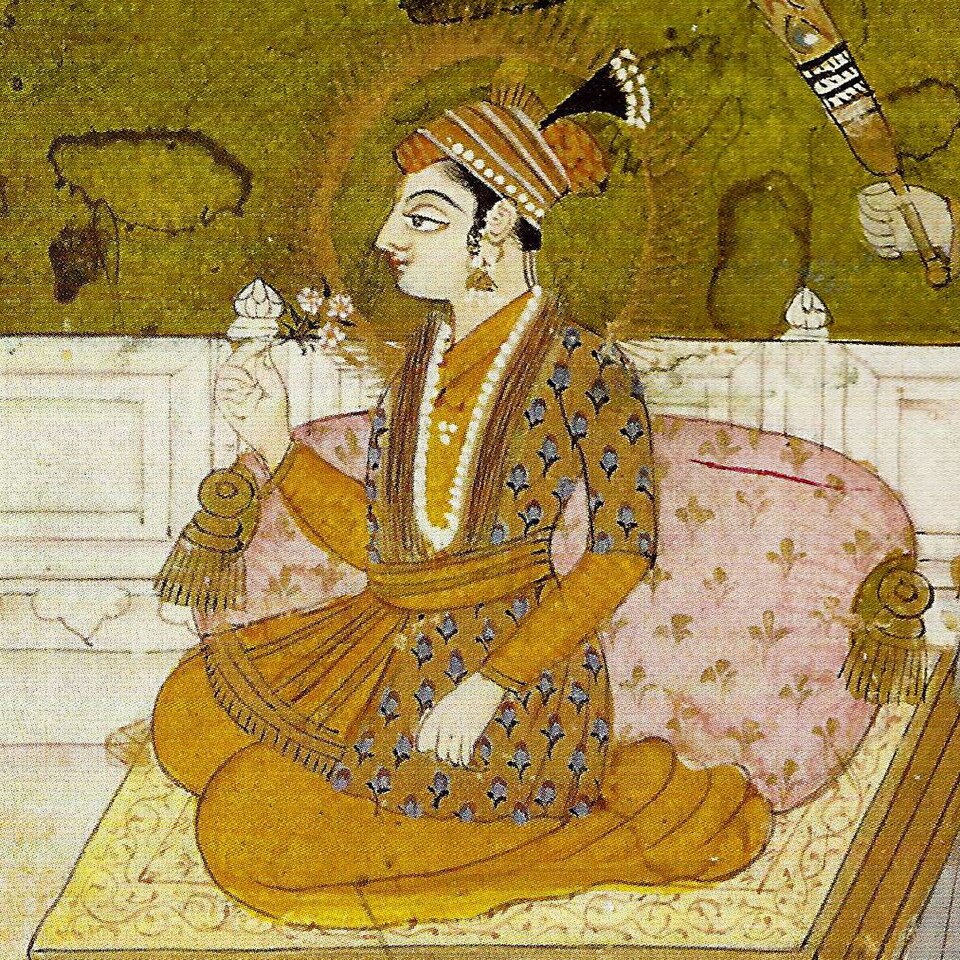
Eighth Guru, Guru at five. Nursed victims of a smallpox and cholera epidemic in Delhi and died of smallpox aged seven.
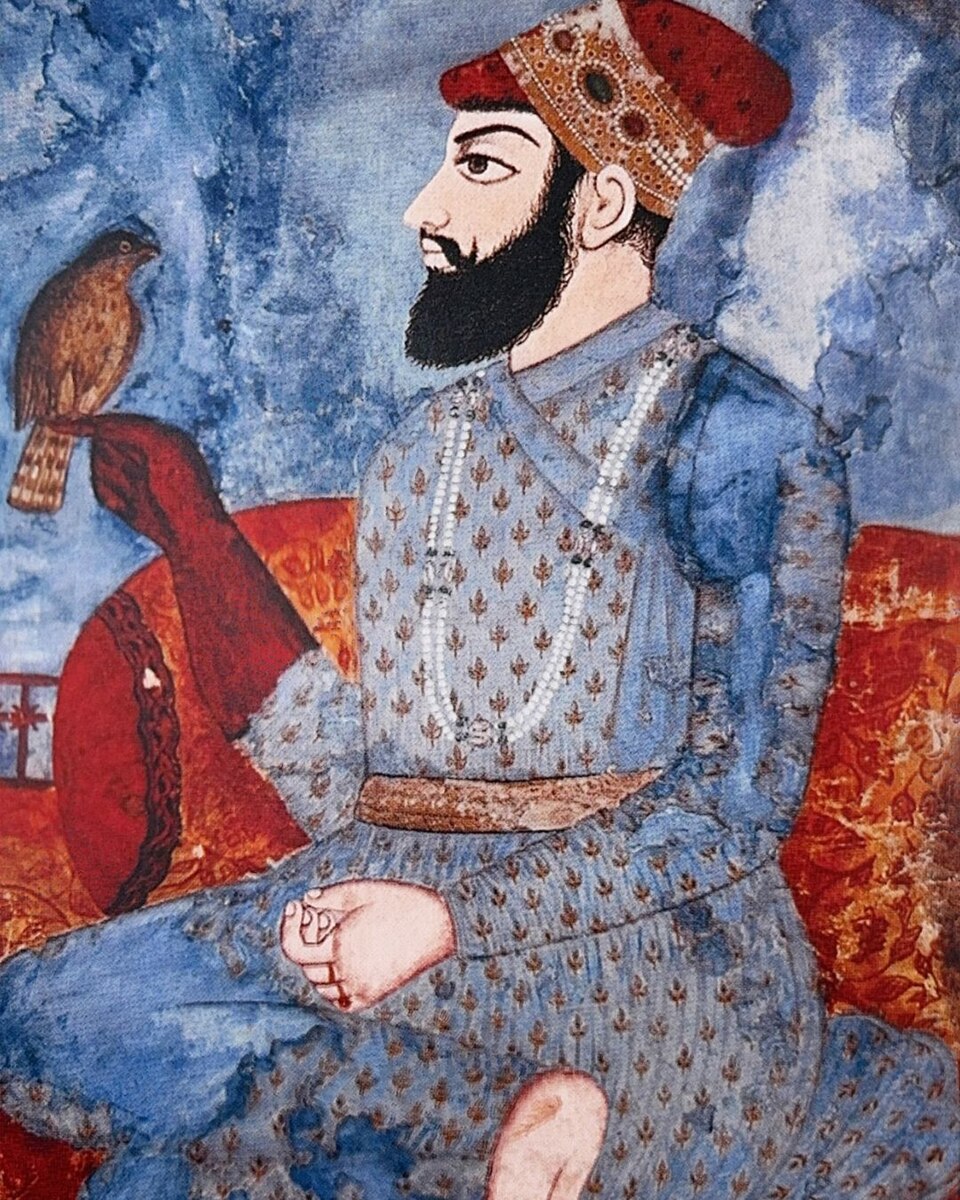
Ninth Guru, 'Hind di Chadar', the shield of India. Founded Anandpur and was beheaded in Delhi in 1675 for defending the right of Kashmiri Pandits to keep their faith.
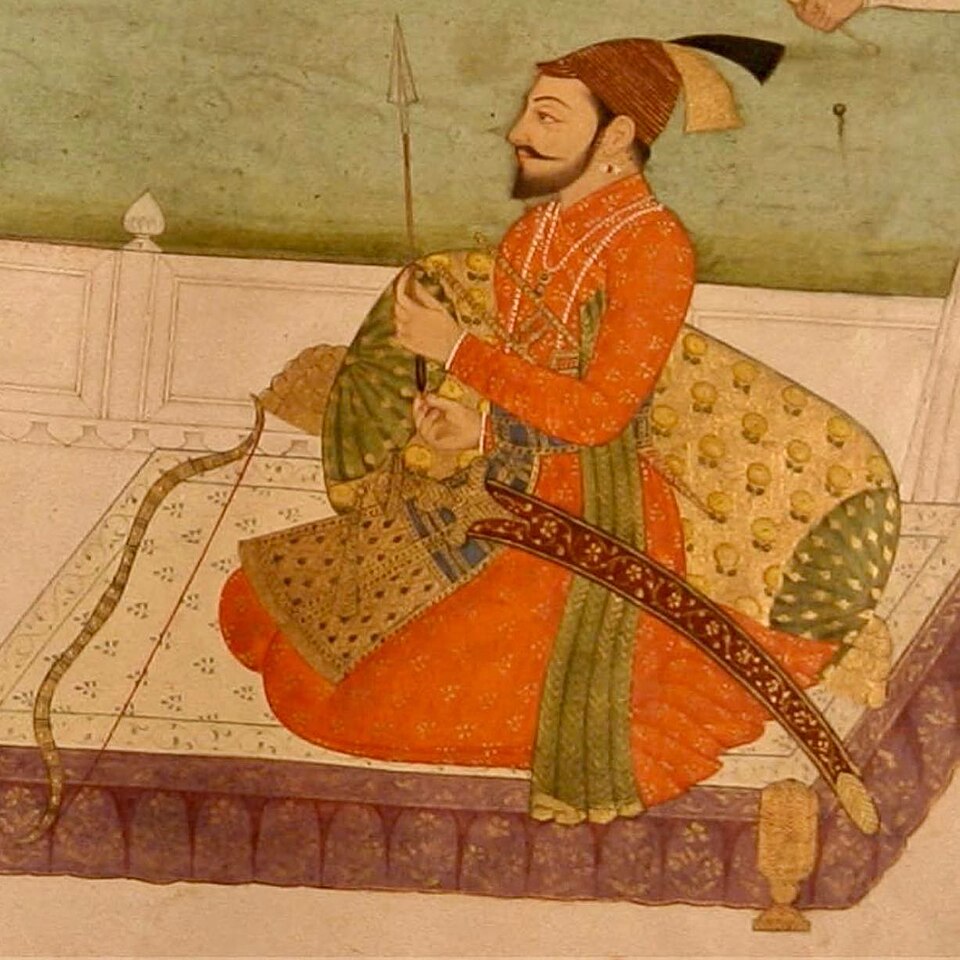
Tenth Guru, warrior and poet. Created the Khalsa in 1699, fought a long war with the Mughals and hill rajas, lost his four sons and mother, and named the Guru Granth Sahib as the final Guru.
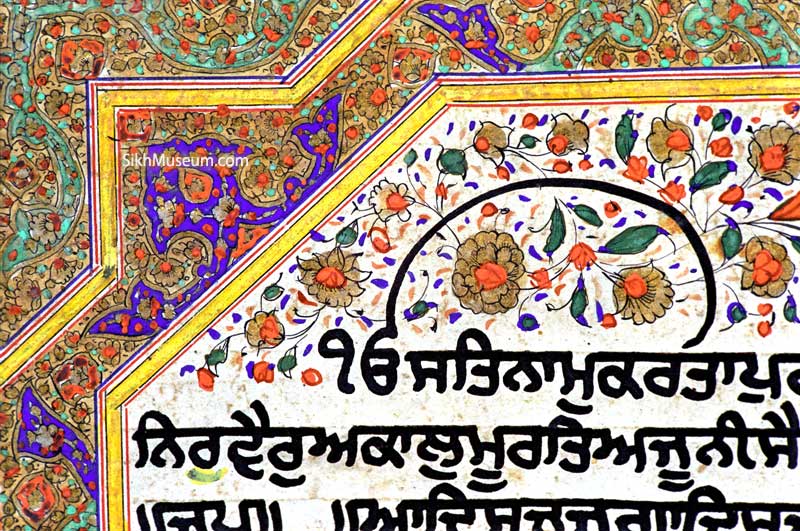
The scripture of the Sikhs and their eternal, living Guru: 1,430 pages of hymns by six Gurus and some thirty other saints, set in 31 ragas.
The Gurus' family tree
How the Guruship passedScroll sideways to see the whole tree →
Guru Gobind Singh's four sons, the Sahibzade, were all killed in 1704; in 1708 he passed the Guruship to the scripture and to the Khalsa. Guru Nanak passed over his own sons for his disciple Lehna, renamed Angad; Angad did the same. From Guru Ram Das on, the Guruship stayed in the Sodhi family, but not always with the eldest: Prithi Chand, Dhir Mal and Ram Rai each set up rival claims.
The Panj Pyare
Where the first Khalsa came from, 1699How the Guru Granth Sahib is arranged
1,430 angsScroll sideways to see the whole figure →
Each row is 143 angs of the standard 1,430-ang Guru Granth Sahib; hover any section for its angs. Within each raag the hymns are arranged by form and by Guru, in order, with the bhagats' hymns at the end. Small raags are named in the list of starting angs below the figure.
Where each raag begins
Who wrote the Guru Granth Sahib
Five centuries in the Guru Granth SahibThe five Takhts
The seats of Sikh authority- 1Akal Takht Amritsar
Built by Guru Hargobind, 1606: the throne of the Timeless, seat of temporal authority
- 2Takht Sri Kesgarh Sahib Anandpur
Where Guru Gobind Singh created the Khalsa, 1699
- 3Takht Sri Damdama Sahib Talwandi Sabo
Where he completed the Guru Granth Sahib, 1706; a Takht since 1966
- 4Takht Sri Patna Sahib Patna
Birthplace of Guru Gobind Singh, 1666
- 5Takht Sri Hazur Sahib Nanded
Where he passed the Guruship to the Guru Granth Sahib and died, 1708
The Panth today
There are about twenty-six million Sikhs in the world, a little over twenty-four million of them in India, where they are about two per cent of the population, and most of those in Punjab, where they are some 58 per cent. Outside India the largest communities are in Canada, Britain and the United States, followed by Australia, Malaysia, Italy, Kenya and the Gulf. In Pakistani Punjab, where the faith was born and where millions of Sikhs once lived, only a few tens of thousands remain.
Emigration began under British rule, when Sikh soldiers and policemen were posted across the empire, to Malaya, Hong Kong, Burma and East Africa, and labourers followed them to Canada and California. Many Sikhs who served in Italy in the world wars returned, and Sikh workers now run much of the dairy farming of the Po valley that makes Parmesan cheese. In the 1950s and 60s Doaba families came to the foundries and mills of the English Midlands and to Southall.
Sikhs who have taken amrit, the Amritdhari, keep the five Ks: kes, uncut hair; kangha, a wooden comb; kara, a steel bangle; kirpan, a sword; and kachhera, cotton shorts. Many more keep their hair and turban without being initiated, and Sahajdhari Sikhs revere the Gurus while cutting their hair. Every Sikh man may be named Singh and every woman Kaur, so the names do not themselves show initiation.
The Gurus rejected caste, and the langar, the shared surnames and the absence of a priesthood were meant to end it. Yet caste persists, above all in marriage. Jats make up perhaps two-thirds of rural Sikhs; Khatris and Aroras, the urban trading castes from which all ten Gurus came, through the Bedi, Trehan, Bhalla and Sodhi clans, are about a tenth; Ramgarhias, Ahluwalias, Mazhabis and Ravidasias have their own gurdwaras and pride. The struggle between the Gurus' teaching and the old order of the village is still being fought.
When a child is born, the family goes to the gurdwara, the Guru Granth Sahib is opened at random, and the child's name is chosen to begin with the first letter of the first hymn on the left-hand page. It is the first of many times in a Sikh life when the Guru is asked to speak.
Sources: Facts and Details, 'Sikhs: their numbers, identity and characteristics' and 'History of the Sikhs'; Smarthistory (Eleanor Nesbitt for the British Library); Census of India 2011; Statista 2020.
The daily prayers
Nitnem, from amrit vela to nightScroll sideways to see the whole figure →
Inside a gurdwara
What you will findScroll sideways to see the whole figure →