Hindu traditions in Punjab
The Vedic hymns were composed in the land of seven rivers, and Punjab kept its own strands of Hindu practice: worship of the goddess in the hills, Nath yogis, bhakti devotion, and from the 19th century the Arya Samaj. Hindus were about 30% of undivided Punjab in 1941 and 38% of Indian Punjab today.
- Vedic roots
- The Rigveda calls the region Sapta Sindhu and names its rivers: the Sindhu (Indus), Vitasta (Jhelum), Asikni (Chenab), Parushni (Ravi), Vipash (Beas) and Shutudri (Sutlej).
- Bhakti
- Loving devotion to a personal God. The bhagats in the Guru Granth Sahib, such as Kabir, Namdev and Ravidas, came from this movement, though they rejected caste and image worship.
- Nath yogis
- Followers of Gorakhnath who sought liberation through yoga and asceticism. Guru Nanak's Sidh Gosht records his debate with them, arguing for inner discipline within household life.
- The goddess
- The Shivalik hills hold famous shrines of Devi: Jwalamukhi, Naina Devi, Chintpurni and Vaishno Devi in Jammu, visited by Hindu and many Sikh Punjabis.
- Ramayana and Mahabharata
- Local tradition places Valmiki's ashram and the birth of Lav and Kush at Ram Tirath near Amritsar, and the Mahabharata war at Kurukshetra.
- Arya Samaj
- Founded by Dayananda Saraswati in 1875 and strongest in Punjab, it rejected image worship and caste by birth, and built DAV schools and colleges from Lahore outwards. Its debates with Sikh and Muslim reformers sharpened religious boundaries.
- Sanatan Dharma
- Traditionalist Hindus who organised in response to the Arya Samaj, defending image worship and the authority of the Puranas.
Places
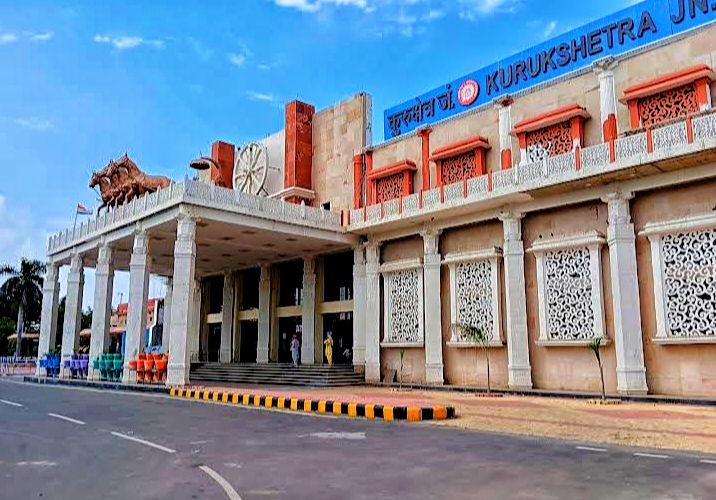
Plain of the Mahabharata war. Guru Nanak and later Gurus visited during solar eclipse fairs.
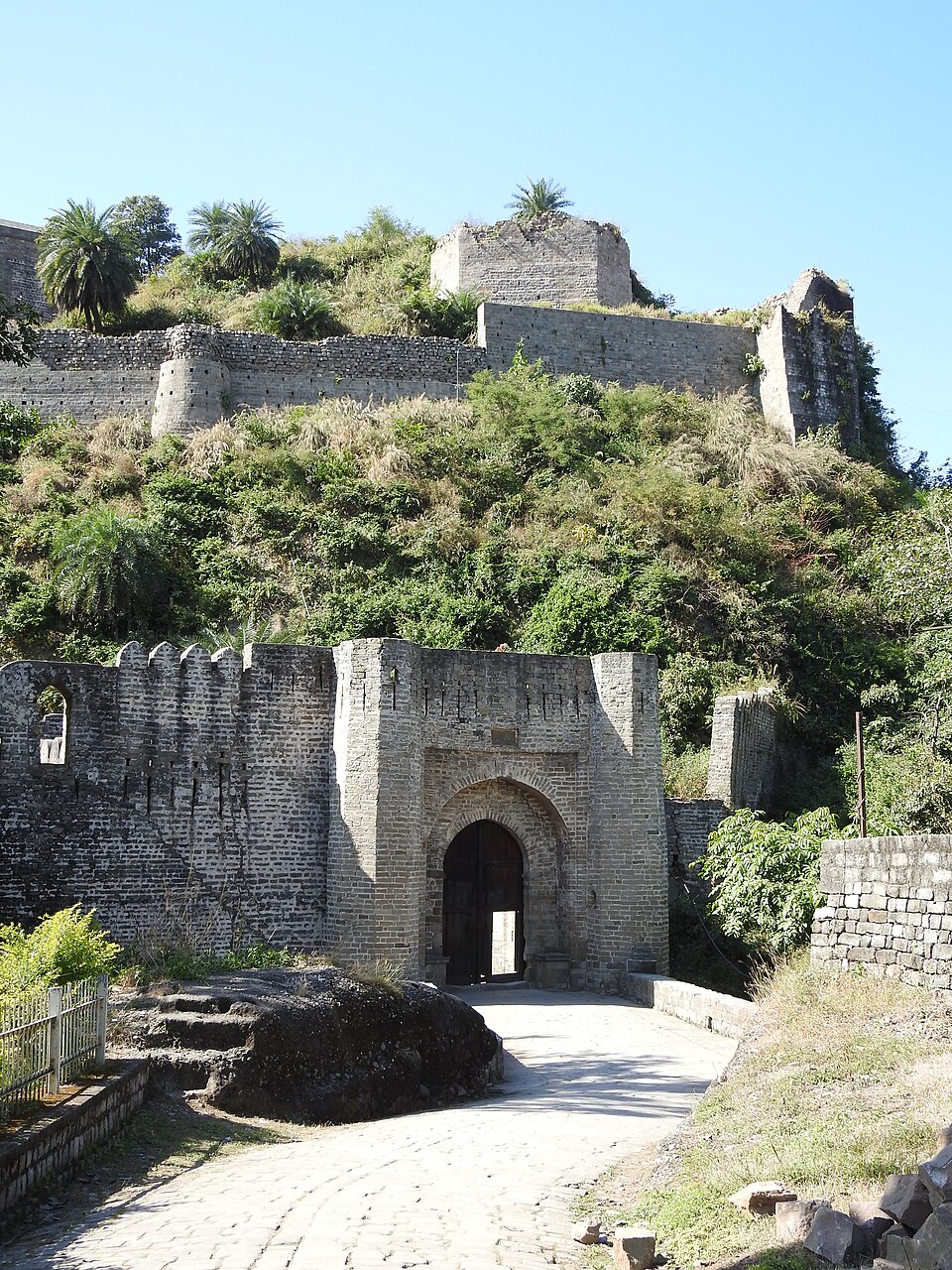
Ancient hill fort of the Katoch rajas. Ranjit Singh took it in 1809 after relieving Raja Sansar Chand from a Gurkha siege.
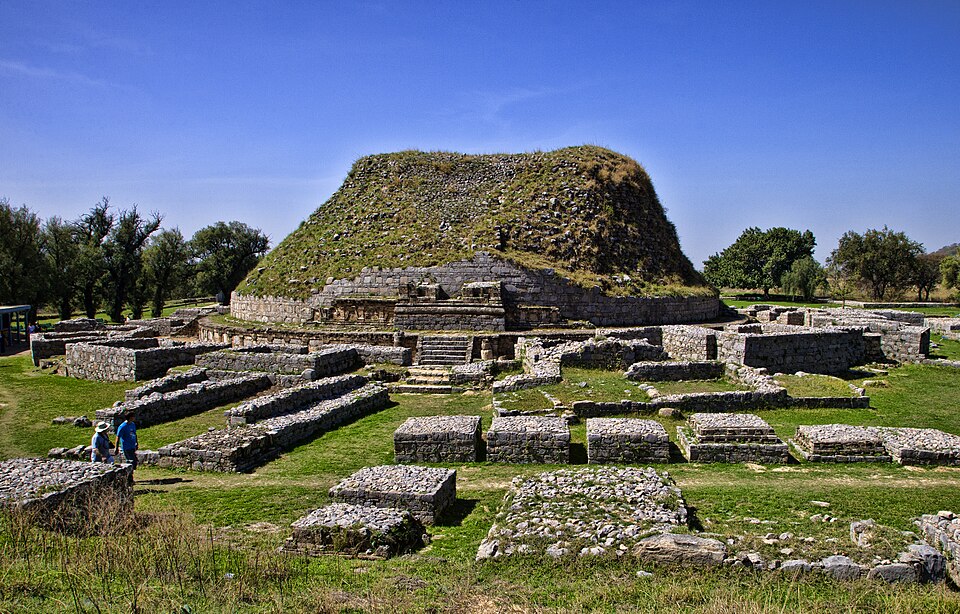
Ancient city and centre of learning between the Indus and Jhelum, visited by Alexander in 326 BCE and later a Buddhist centre.
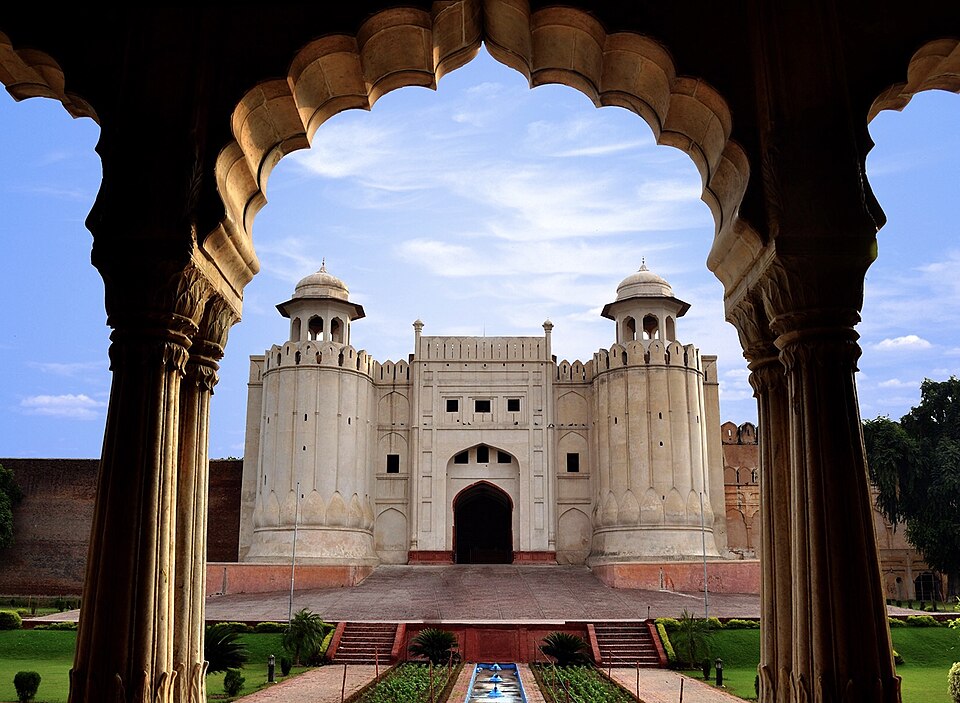
Birthplace of Guru Ram Das and place of Guru Arjan's martyrdom (Gurdwara Dera Sahib). Capital of Maharaja Ranjit Singh, whose samadhi stands beside the Badshahi Mosque. Also home to the shrines of Data Ganj Bakhsh, Mian Mir and Shah Hussain.