ਸਿੱਕੇ ਅਤੇ ਮੋਹਰਾਂ
ਹਿੰਦ-ਯੂਨਾਨੀ ਬਾਦਸ਼ਾਹਾਂ ਦੀ ਚਾਂਦੀ ਤੋਂ ਲੈ ਕੇ ਲਾਹੌਰ ਅਤੇ ਅੰਮ੍ਰਿਤਸਰ ਦੀਆਂ ਟਕਸਾਲਾਂ ਤੱਕ, ਜਿੱਥੇ ਸਿੱਖ ਹਾਕਮਾਂ ਨੇ ਆਪਣੇ ਨਾਂ ਦੀ ਥਾਂ ਗੁਰੂਆਂ ਦੇ ਨਾਂ ਉੱਤੇ ਸਿੱਕੇ ਘੜੇ।
ਵੇਦ, ਸਿਕੰਦਰ ਅਤੇ ਗੰਧਾਰ
1900 ਈ. ਪੂ. – 1000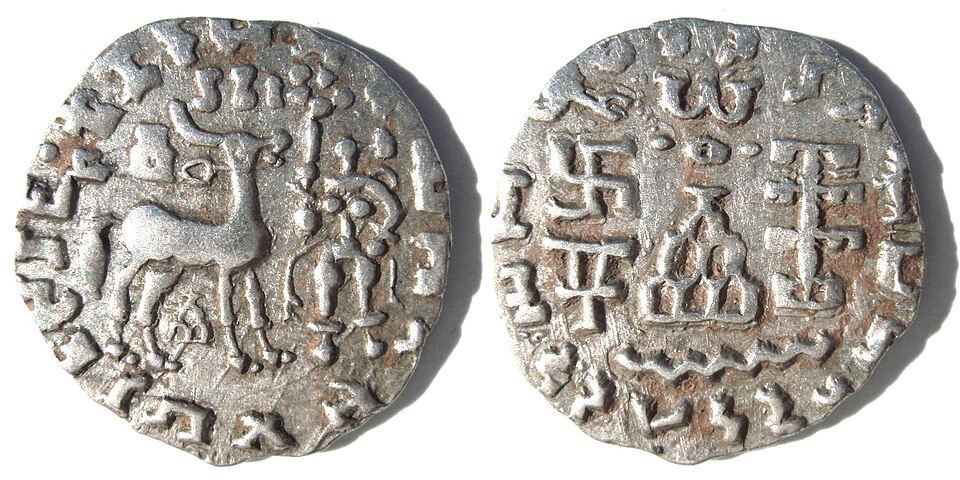
Silver coins of a people of the upper Beas and Sutlej, showing a deer and a goddess, and inscribed in two scripts at once, Brahmi and Kharosthi.
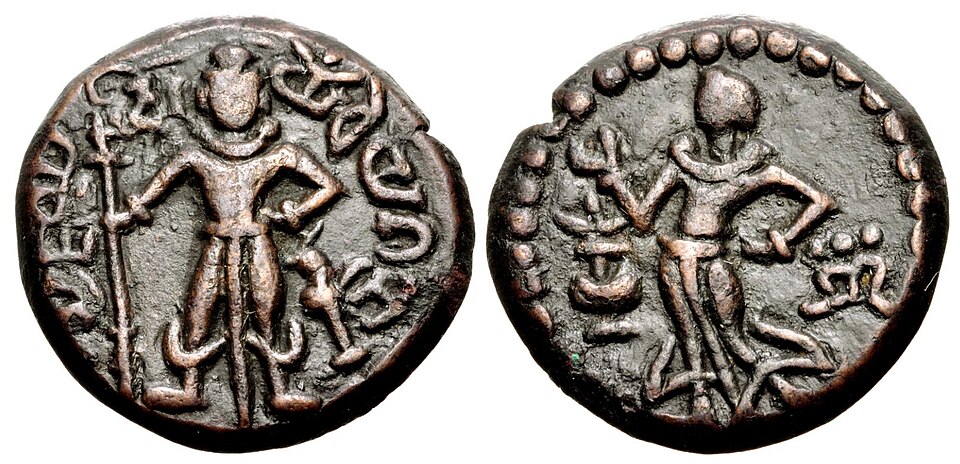
The Yaudheyas, a warrior republic of the eastern Punjab and Haryana, struck coins in the name of their assembly with the war god Karttikeya. Clay moulds for them were found at Rohtak and at Sunet near Ludhiana.
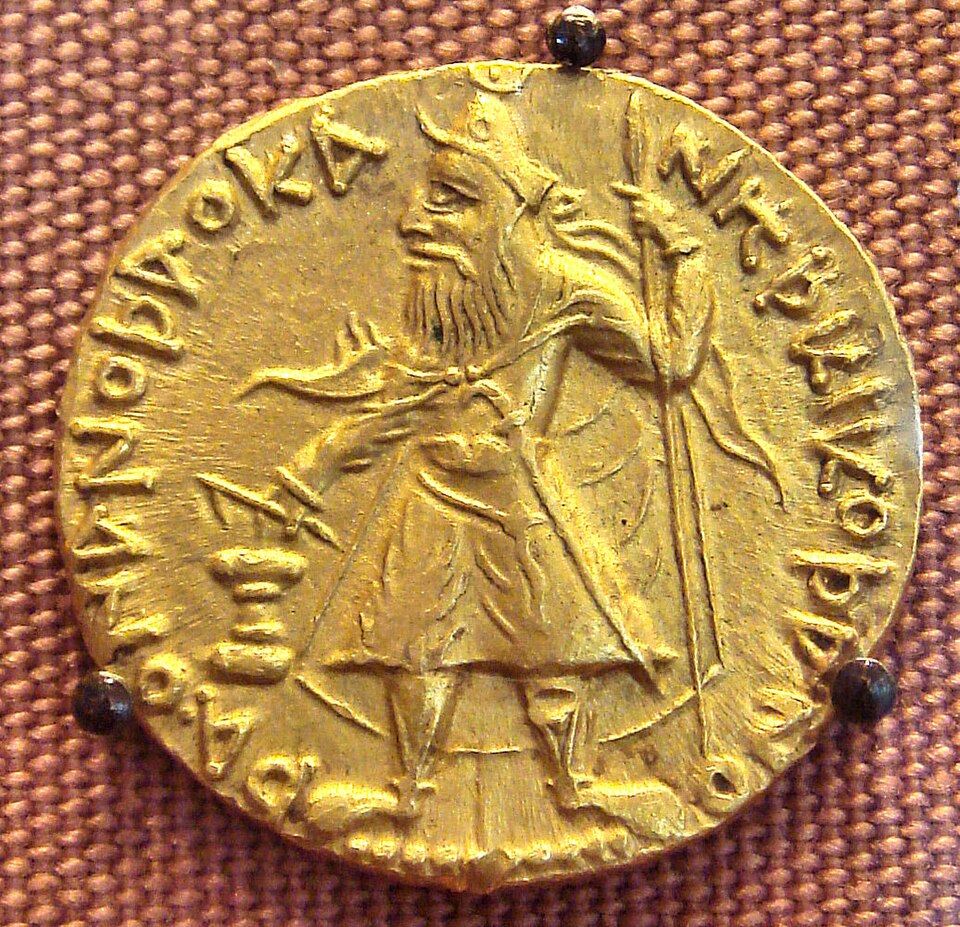
ਕੁਸ਼ਾਣ ਸਮਰਾਟ ਦੇ ਸੋਨੇ ਦੇ ਸਿੱਕੇ, ਜਿਨ੍ਹਾਂ ਉੱਤੇ ਬੁੱਧ ਦੀਆਂ ਸਭ ਤੋਂ ਪਹਿਲੀਆਂ ਤਸਵੀਰਾਂ ਵਿੱਚੋਂ ਇੱਕ ਹੈ, ਯੂਨਾਨੀ ਅੱਖਰਾਂ ਵਿੱਚ BODDO ਨਾਂ ਨਾਲ।
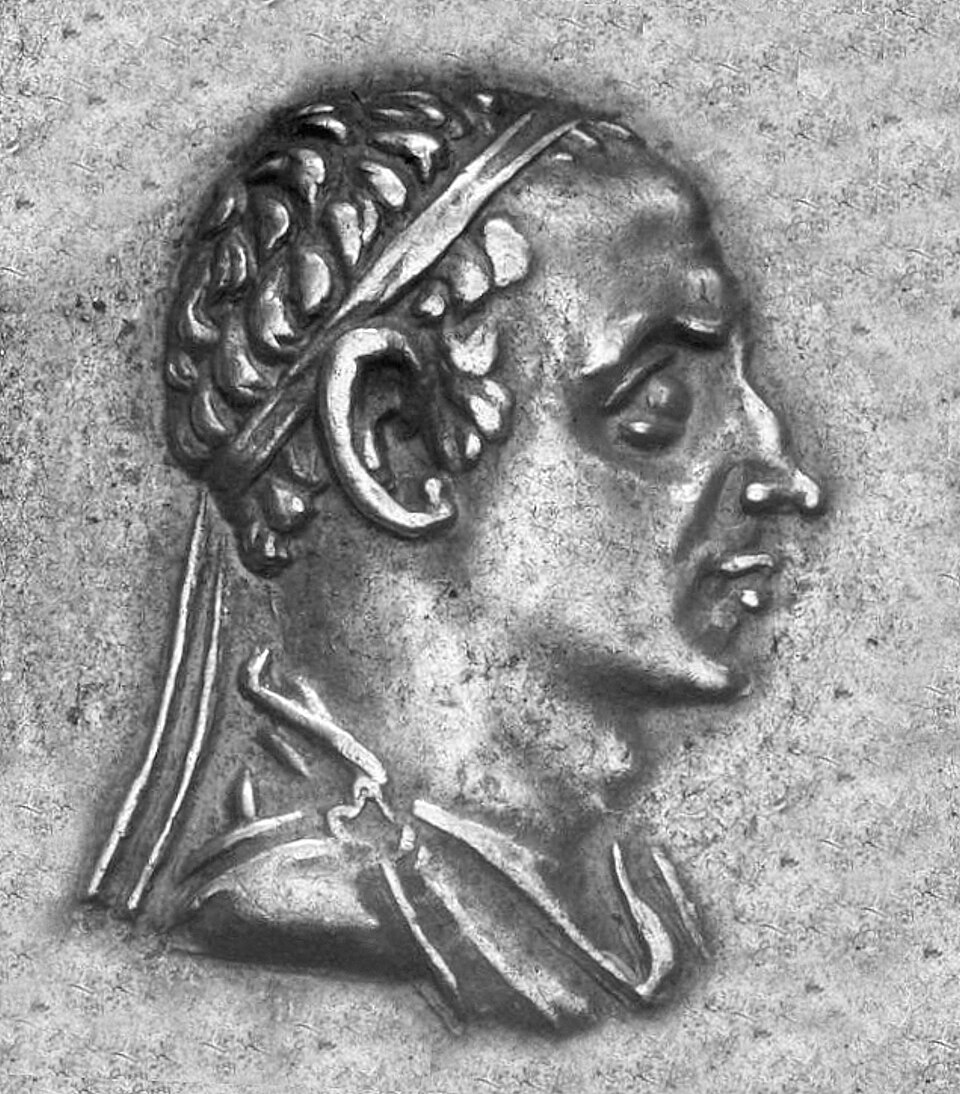
ਸਾਗਲ, ਅੱਜ ਦੇ ਸਿਆਲਕੋਟ, ਤੋਂ ਰਾਜ ਕਰਨ ਵਾਲੇ ਹਿੰਦ-ਯੂਨਾਨੀ ਰਾਜੇ ਦੀ ਚਾਂਦੀ, ਇੱਕ ਪਾਸੇ ਉਸ ਦਾ ਚਿਹਰਾ ਅਤੇ ਦੂਜੇ ਪਾਸੇ ਅਥੀਨਾ।
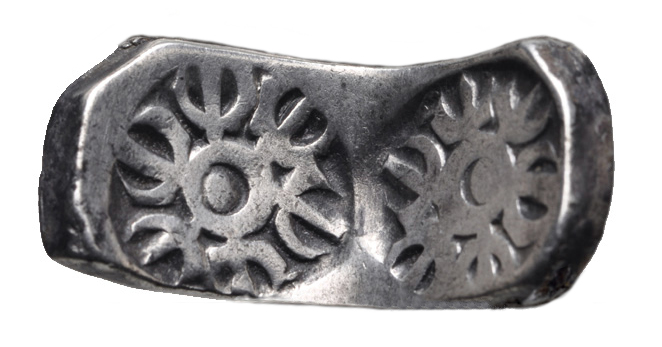
ਨਿਸ਼ਾਨਾਂ ਨਾਲ ਠੱਪੀਆਂ ਚਾਂਦੀ ਦੀਆਂ ਮੁੜੀਆਂ ਸਲਾਖ਼ਾਂ, ਪੰਜਾਬ ਦੇ ਪਹਿਲੇ ਸਿੱਕੇ, ਜੋ ਟੈਕਸਲਾ ਵਿੱਚ ਦੱਬੇ ਖ਼ਜ਼ਾਨਿਆਂ ਵਿੱਚੋਂ ਮਿਲੇ।
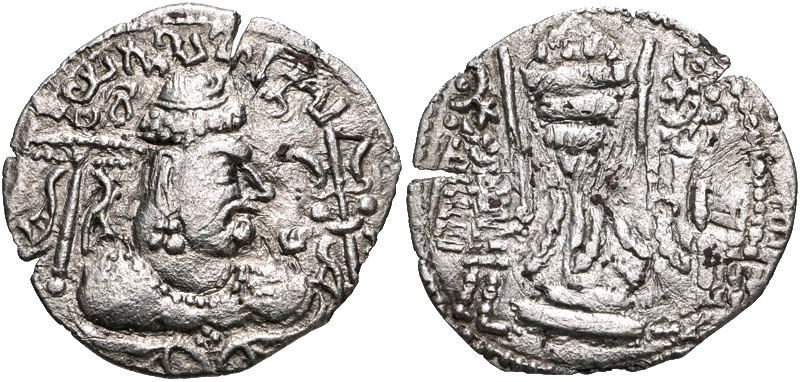
ਤੋਰਮਾਣ ਅਤੇ ਮਿਹਿਰਕੁਲ ਦੇ ਸਿੱਕੇ, ਅਲਚੋਨ ਹੂਣ ਰਾਜੇ ਜਿਨ੍ਹਾਂ ਨੇ ਸਿਆਲਕੋਟ ਤੋਂ ਪੰਜਾਬ ਉੱਤੇ ਰਾਜ ਕੀਤਾ।
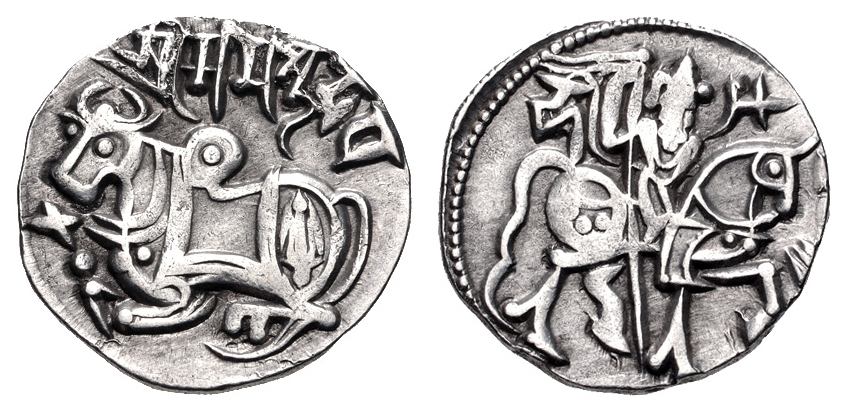
ਚਾਂਦੀ ਦੇ ਛੋਟੇ ਸਿੱਕੇ, ਇੱਕ ਪਾਸੇ ਬੈਠਾ ਬਲਦ ਅਤੇ ਦੂਜੇ ਪਾਸੇ ਨੇਜ਼ੇ ਵਾਲਾ ਘੋੜਸਵਾਰ, ਅਤੇ ਸ਼ਾਰਦਾ ਅੱਖਰਾਂ ਵਿੱਚ ਰਾਜੇ ਦਾ ਨਾਂ, ਜਿਵੇਂ ਸਾਮੰਤ ਦੇਵ।
ਸੁਲਤਾਨ ਅਤੇ ਸੂਫ਼ੀ
1000 – 1469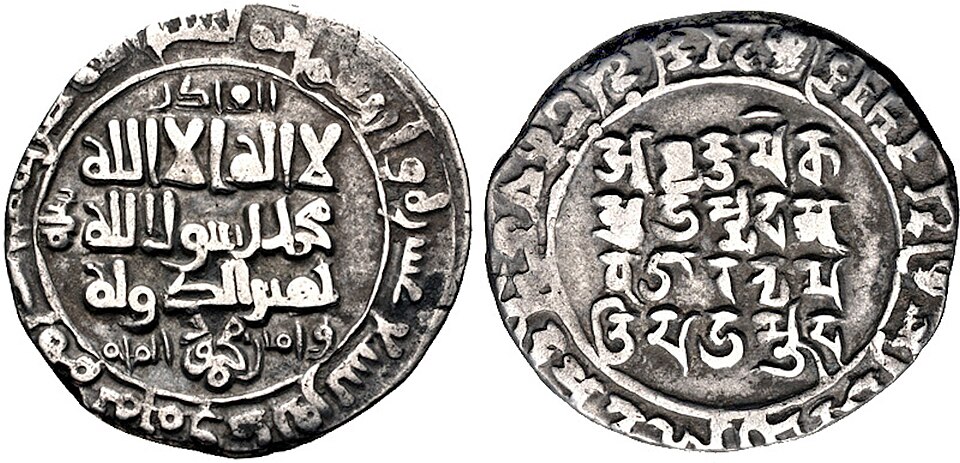
ਗੁਰੂ ਅਤੇ ਮੁਗ਼ਲ
1469 – 1708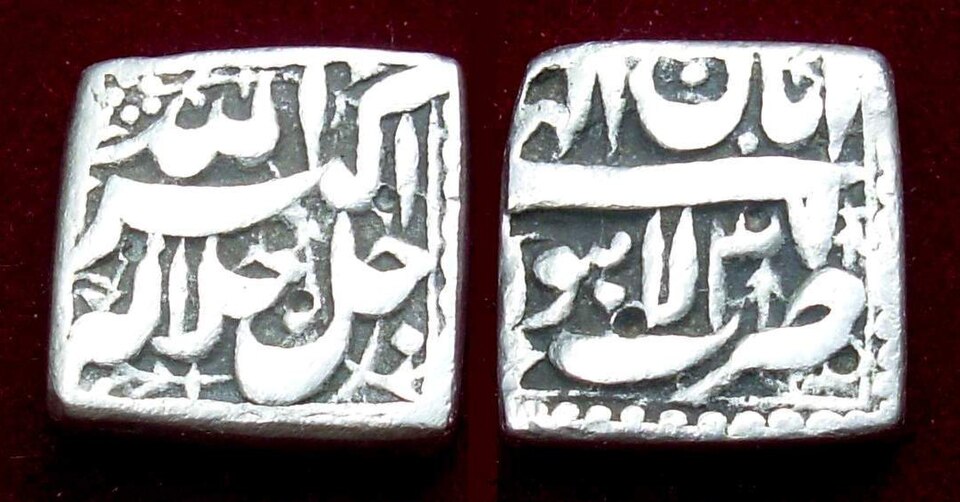
ਲਾਹੌਰ ਮੁਗ਼ਲ ਸਲਤਨਤ ਦੀਆਂ ਵੱਡੀਆਂ ਟਕਸਾਲਾਂ ਵਿੱਚੋਂ ਸੀ। ਅਕਬਰ ਨੇ, ਜਿਸ ਦਾ ਦਰਬਾਰ 1585 ਤੋਂ 1598 ਤੱਕ ਇਸ ਸ਼ਹਿਰ ਵਿੱਚ ਰਿਹਾ, ਇੱਥੇ ਸੋਨੇ ਅਤੇ ਚਾਂਦੀ ਦੇ ਸਿੱਕੇ ਚਲਾਏ, ਅਤੇ ਟਕਸਾਲ ਦਾ ਨਾਂ, ਦਾਰ-ਉਲ-ਸਲਤਨਤ ਲਾਹੌਰ, 'ਸਲਤਨਤ ਦੀ ਗੱਦੀ', ਢਾਈ ਸਦੀਆਂ ਤੱਕ ਸਿੱਕਿਆਂ ਉੱਤੇ ਰਿਹਾ।
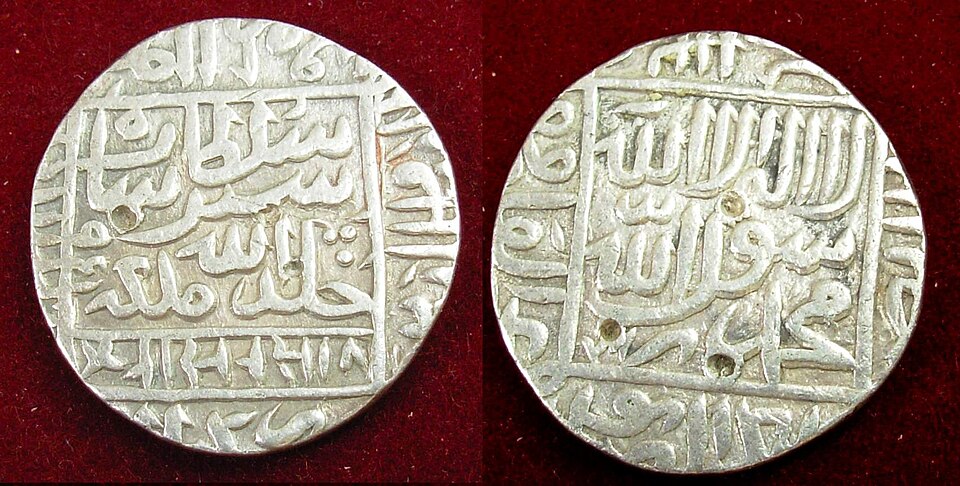
ਸ਼ੇਰ ਸ਼ਾਹ ਸੂਰੀ ਦਾ ਸਿੱਕਾ, ਜਿਸਨੇ ਮੁਗ਼ਲਾਂ ਨੂੰ ਪੰਜਾਬ ਵਿੱਚੋਂ ਕੱਢਿਆ, ਅਤੇ ਦੁਨੀਆ ਨੂੰ 'ਰੁਪਈਆ' ਸ਼ਬਦ ਦਿੱਤਾ।
ਮਿਸਲਾਂ ਅਤੇ ਅਫ਼ਗ਼ਾਨ
1708 – 1799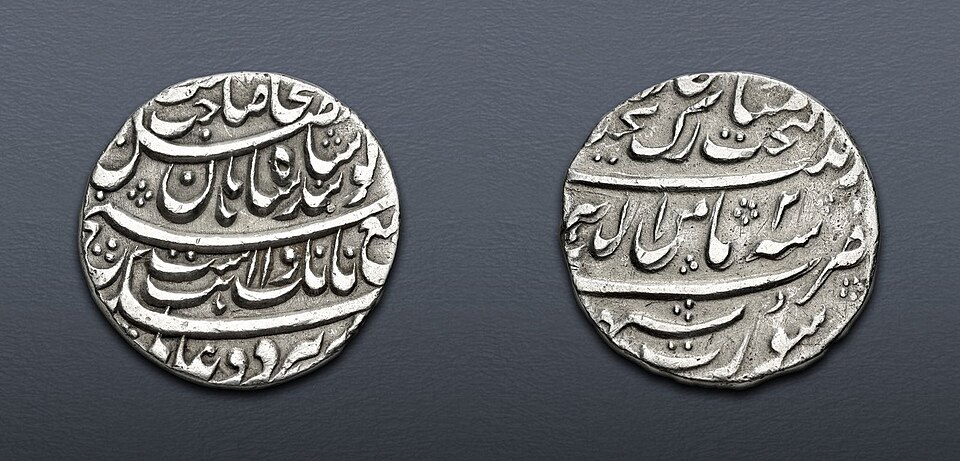
ਕਿਸੇ ਸਿੱਖ ਹਾਕਮ ਦਾ ਘੜਿਆ ਪਹਿਲਾ ਸਿੱਕਾ। ਸਰਹਿੰਦ ਫ਼ਤਿਹ ਕਰਨ ਤੋਂ ਬਾਅਦ ਬੰਦਾ ਸਿੰਘ ਨੇ ਗੁਰੂ ਨਾਨਕ ਅਤੇ ਗੁਰੂ ਗੋਬਿੰਦ ਸਿੰਘ ਦੇ ਨਾਂ ਉੱਤੇ ਚਾਂਦੀ ਦੇ ਸਿੱਕੇ ਚਲਾਏ, ਅਤੇ ਆਪਣੇ ਹੁਕਮਾਂ ਲਈ ਇੱਕ ਮੋਹਰ ਬਣਵਾਈ।
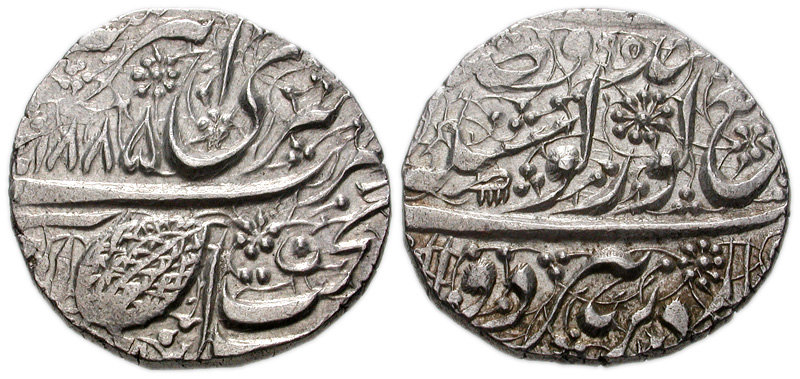
ਜਦੋਂ 1765 ਵਿੱਚ ਮਿਸਲਾਂ ਨੇ ਲਾਹੌਰ ਲਿਆ ਤਾਂ ਉਹਨਾਂ ਨੇ ਖ਼ਾਲਸੇ ਦੇ ਦੋਹੇ 'ਦੇਗ ਤੇਗ਼ ਫ਼ਤਿਹ' ਵਾਲੇ ਚਾਂਦੀ ਦੇ ਰੁਪਏ ਘੜੇ, ਅਤੇ ਰਣਜੀਤ ਸਿੰਘ ਦਾ ਰਾਜ ਅੱਸੀ ਸਾਲ ਇਹਨਾਂ ਨੂੰ ਜਾਰੀ ਕਰਦਾ ਰਿਹਾ।
ਲਾਹੌਰ ਰਾਜ
1799 – 1849ਦੋ ਪੰਜਾਬ
1947 – ਅੱਜ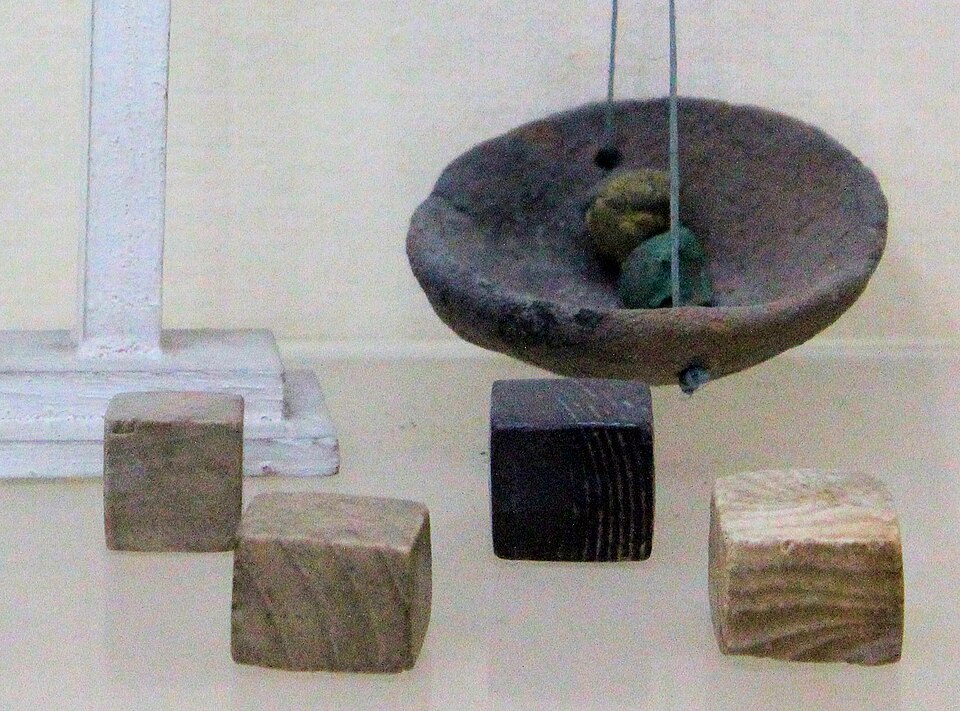
ਹਰ ਯੁੱਗ ਵਿੱਚ
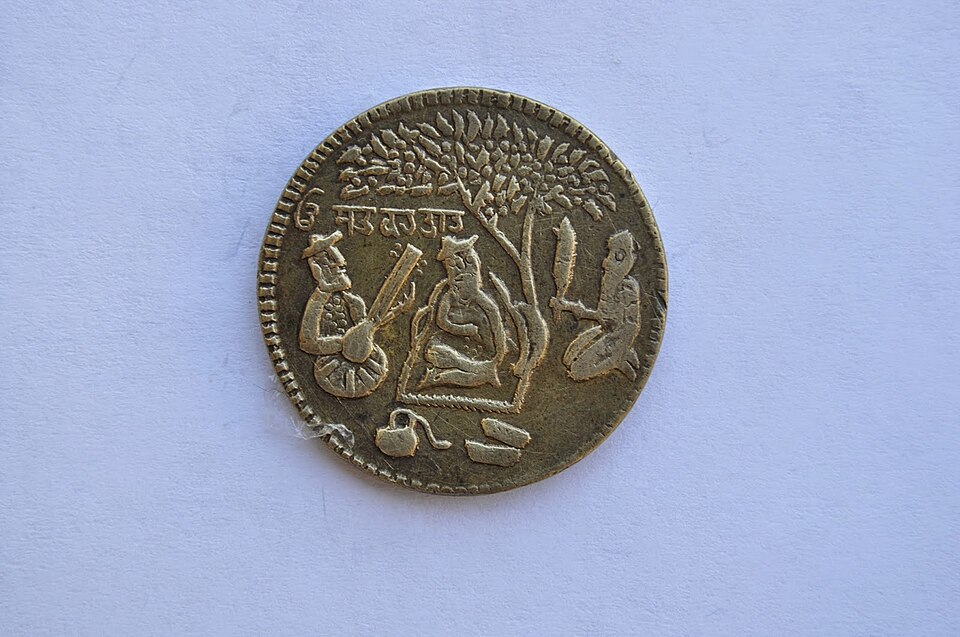
ਸਿੱਖ ਦੌਰ ਦੇ ਦੁਰਲੱਭ ਸਿੱਕਿਆਂ ਅਤੇ ਮੰਦਰ-ਟੋਕਨਾਂ ਉੱਤੇ ਗੁਰੂ ਨਾਨਕ ਇੱਕ ਰੁੱਖ ਹੇਠਾਂ ਬੈਠੇ ਹਨ ਅਤੇ ਭਾਈ ਮਰਦਾਨਾ ਰਬਾਬ ਫੜੀ ਬੈਠਾ ਹੈ: ਮਨੁੱਖੀ ਤਸਵੀਰ ਵਾਲੇ ਇੱਕੋ-ਇੱਕ ਸਿੱਖ ਸਿੱਕੇ।
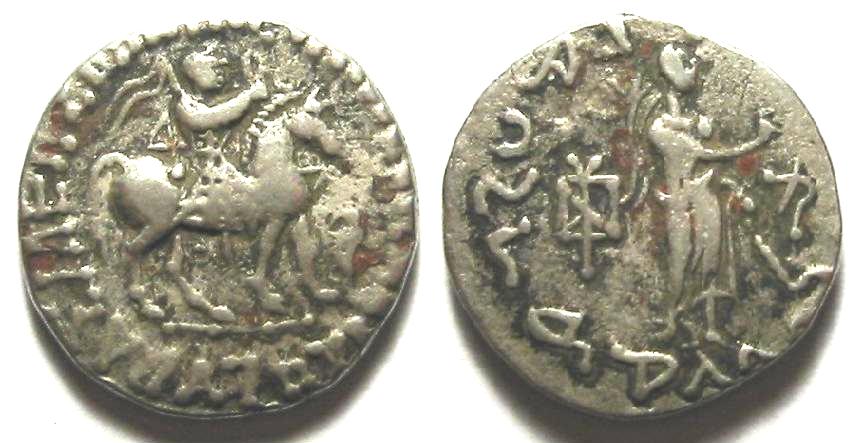
ਅਜ਼ੇਸ ਅਤੇ ਹੋਰ ਸਿਥੀਅਨ (ਸ਼ਕ) ਰਾਜਿਆਂ ਦੇ ਸਿੱਕੇ, ਜਿਨ੍ਹਾਂ ਨੇ ਯੂਨਾਨੀਆਂ ਤੋਂ ਬਾਅਦ ਟੈਕਸਲਾ ਉੱਤੇ ਰਾਜ ਕੀਤਾ।
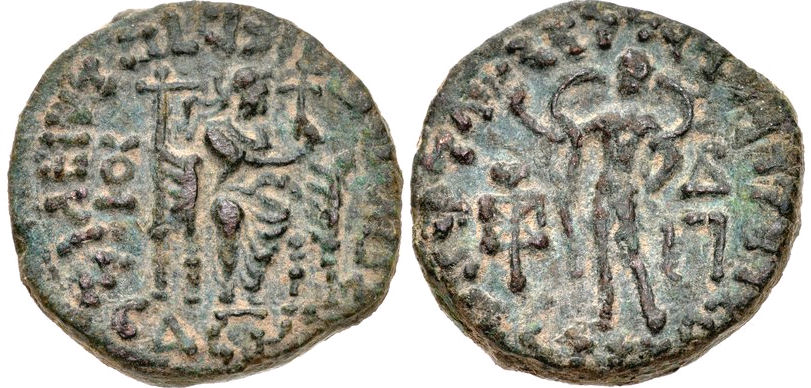
ਟੈਕਸਲਾ ਦੇ ਪਾਰਥੀ ਰਾਜੇ ਦੇ ਸਿੱਕੇ, ਜੋ ਈਸਾਈ ਕਥਾ ਅਨੁਸਾਰ ਰਸੂਲ ਥੋਮਾ ਨੂੰ ਮਿਲਿਆ।
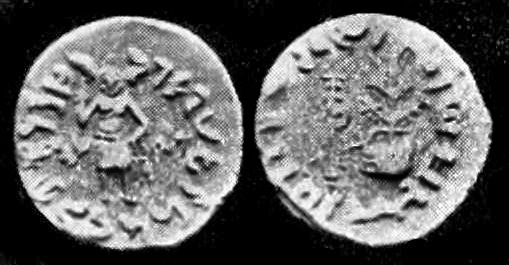
The Audumbaras of the hills around Pathankot struck coins showing a temple and the sage Vishvamitra. With the Kunindas and Yaudheyas they were among the small states and republics of the Punjab before the Kushans.
In the world's museums
77 objects Whitehead Coins of the Punjab Museum Plate XI Azes Demeter and HermesWikimedia Commons · Whitehead, R. B. (Richard Bertram) ↗
 A copper alloy coin, probably a copper paisa of the Indian Princely State of BajrangarhWikimedia Commons · West Yorkshire Archaeology Advisory Service, Jonathan Boffey · CC BY-SA ↗
 Sikh Token Coin, from the Golden Temple, 1898, AmritsarWikimedia Commons · SpeakingArch · CC BY-SA ↗
 Silver shahrukhi coin of Babur, struck at Lahore AH 935 ,1528-1529 CE, Ashmolean MuseumAshmolean Museum, Oxford · photo SpeakingArch (Wikimedia Commons) · CC BY-SA ↗
 Bull type coin, the Hindu Shahi Dynasty, Kangra Fort Museum, Himachal PradeshWikimedia Commons · SpeakingArch · CC BY-SA ↗
 Horse rider type coin, Hindu Shahi DynastyWikimedia Commons · SpeakingArch · CC BY-SA ↗
 Variant 2, Bull Type Coin, Hindu Shahi Dynasty, Kangra Fort Museum, Himachal PradeshWikimedia Commons · SpeakingArch · CC BY-SA ↗
 Silver coin issued by Guru Gobind Singh, Indian MuseumIndian Museum, Kolkata · photo Royroydeb (Wikimedia Commons) · CC BY-SA ↗
 Silver jitals of Mahmud of Ghazna with bilingual Arabic and Sanskrit minted in Lahore…British Museum, London · photo Uploadalt (Wikimedia Commons) · CC BY-SA ↗
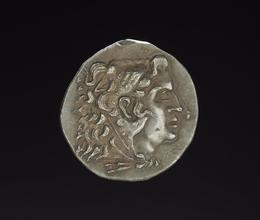 Indo-Greek Coinਲਗਭਗ 200–1 ਈ. ਪੂ. · Afghanistan, BactriaCleveland Museum of Art ↗
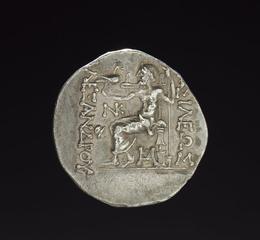 Indo-Greek Coin200–1 ਈ. ਪੂ. · Afghanistan, BactriaCleveland Museum of Art ↗
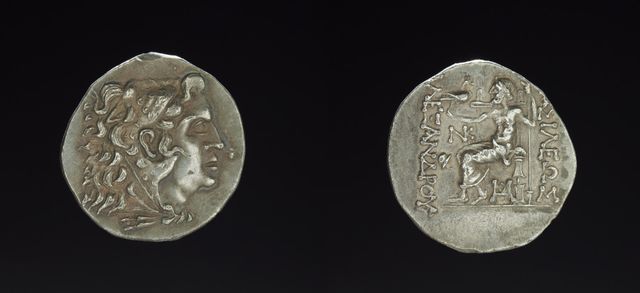 Indo-Greek Coinਲਗਭਗ 200–1 ਈ. ਪੂ. · Afghanistan, BactriaCleveland Museum of Art ↗
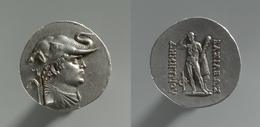 Tetradrachm Coin of Demetrios I200–190 ਈ. ਪੂ. · Afghanistan, Bactria, Indo-GreekCleveland Museum of Art ↗
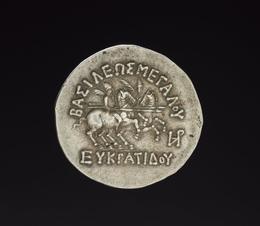 Coin of Eukratides I170–145 ਈ. ਪੂ. · Afghanistan, BactriaCleveland Museum of Art ↗
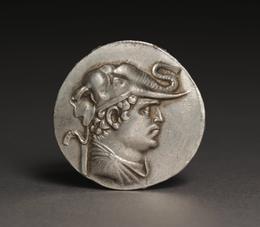 Coin of Demetrios, I (obverse)200–190 ਈ. ਪੂ. · Afghanistan, Greco-Bactria, Demetrios I (c. 200–180 BCE)Cleveland Museum of Art ↗
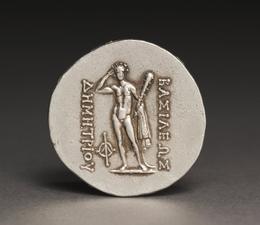 Coin of Demetrios, I (reverse)200–190 ਈ. ਪੂ. · Afghanistan, Greco-Bactria, Demetrios I (c. 200–180 BCE)Cleveland Museum of Art ↗
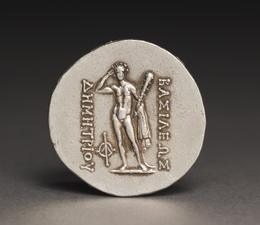 Demetrios I (222–180 BC) ruled the Indo-Greek kingdom of Bactria from 200 to 180 BC and…Wikimedia Commons ↗
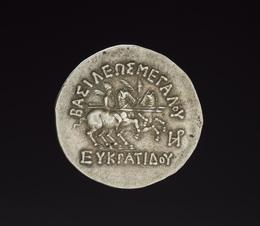 The twins Castor and Pollux were known as the Diosuroi in Greek mythologyWikimedia Commons ↗
 Coin of Strato I, circa 125-110 BCE, National Museum New DelhiNational Museum, New Delhi · photo SpeakingArch (Wikimedia Commons) · CC BY-SA ↗
 Copper alloy Indo-Greek coin from the Hindu Kush, an issue of Vasudeva I (cWikimedia Commons · Royal Institution of Cornwall, Anna Tyacke, 2011-02-08 22:37 · CC BY-SA ↗
 Gold coin of Diodotus, Indo-Greek, National Museum, New Delhi.Diodotus I SoterNational Museum, New Delhi · photo SpeakingArch (Wikimedia Commons) · CC BY-SA ↗
 A silver Indo-Greek drachm of Menander (c.160-145 BC) of the Kabul/Gandhara regionWikimedia Commons · National Museum Wales , Susie White, 2018-10-22 14:57:42 · CC BY ↗
 A worn copper alloy square Hemiobol, probably of Apollodotus I (rWikimedia Commons · Surrey County Council, David Williams, 2013-09-24 16:49:46 · CC BY-SA ↗
 Coin of Kujula Kadphises, derived from a coin of the Indo-Greek king HermaeusBritish Museum, London · photo No machine-readable author provided. World Imaging assumed ( (Wikimedia Commons) ↗
ਹੋਰ in Coins