Cities & forts
Capitals, market towns and the forts that guarded them.
Best known first
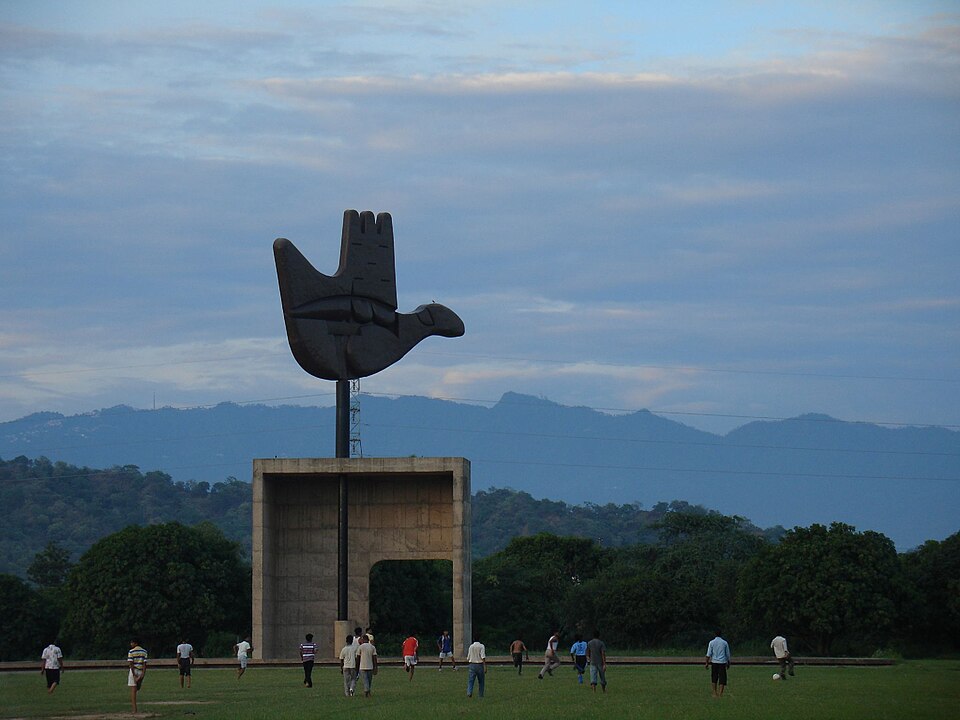
Planned capital built after Partition, designed largely by Le Corbusier. Shared capital of Indian Punjab and Haryana since 1966.
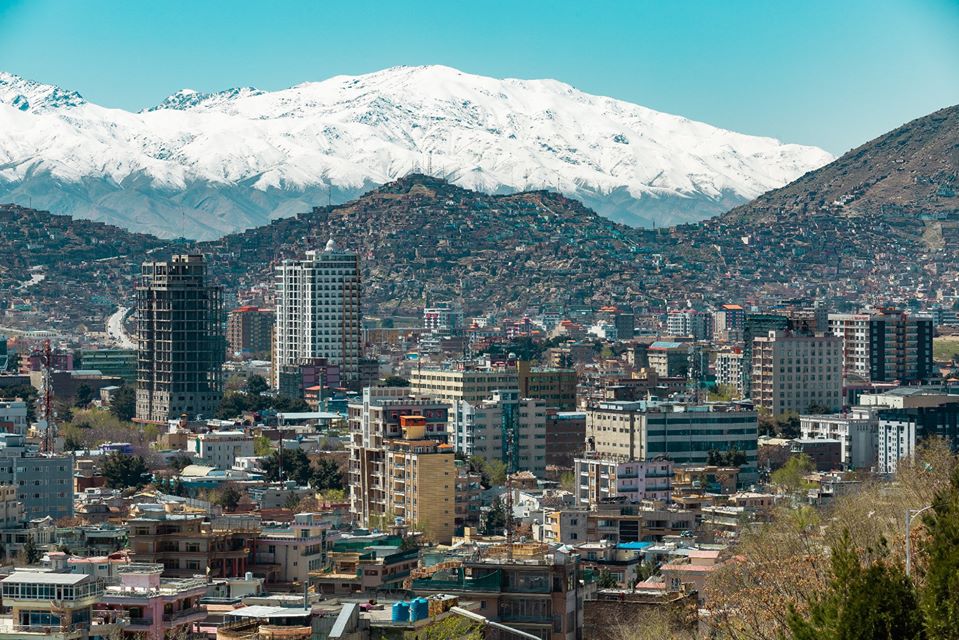
Capital of the Durrani and Barakzai kings whose armies fought the Sikhs for a century. Guru Nanak is said to have visited.
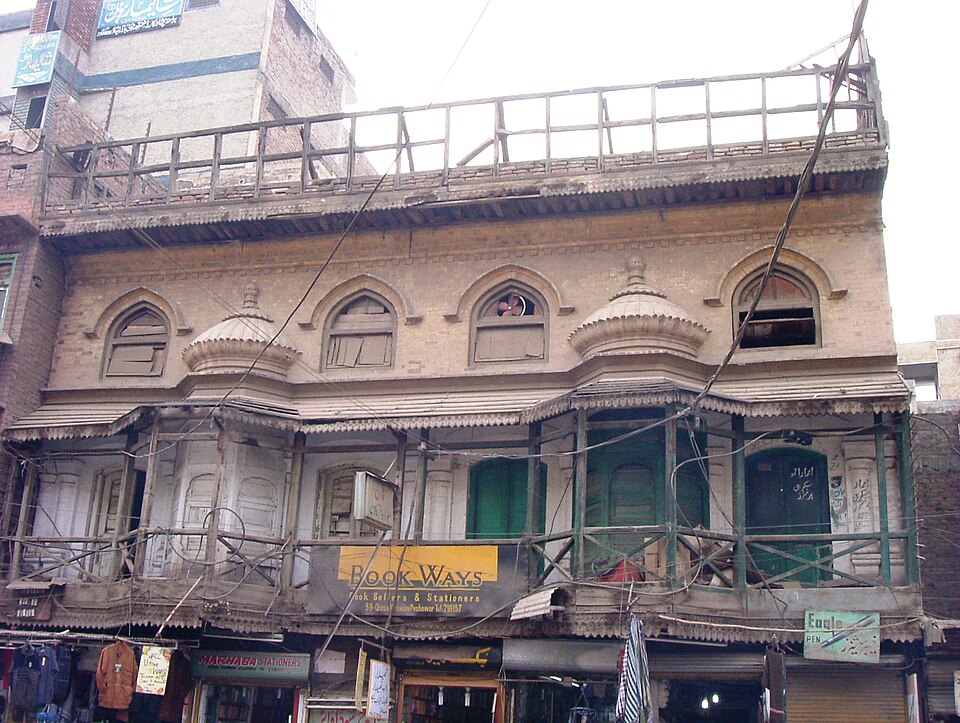
Gateway to the Khyber Pass. Brought under direct Sikh rule in 1834 with Hari Singh Nalwa as governor.
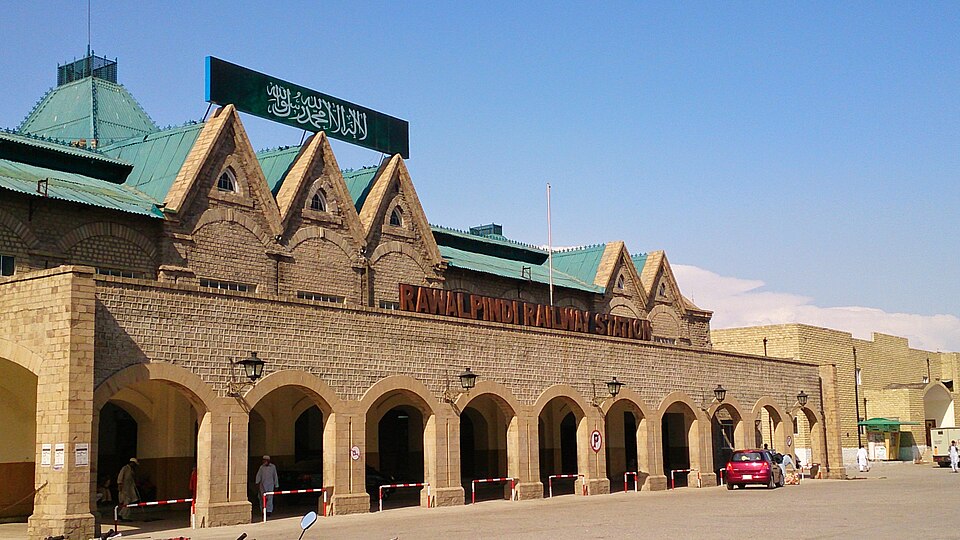
Gakhar town resettled by Sikh chief Milkha Singh in the 1760s; later a British cantonment and Pakistan's army headquarters.
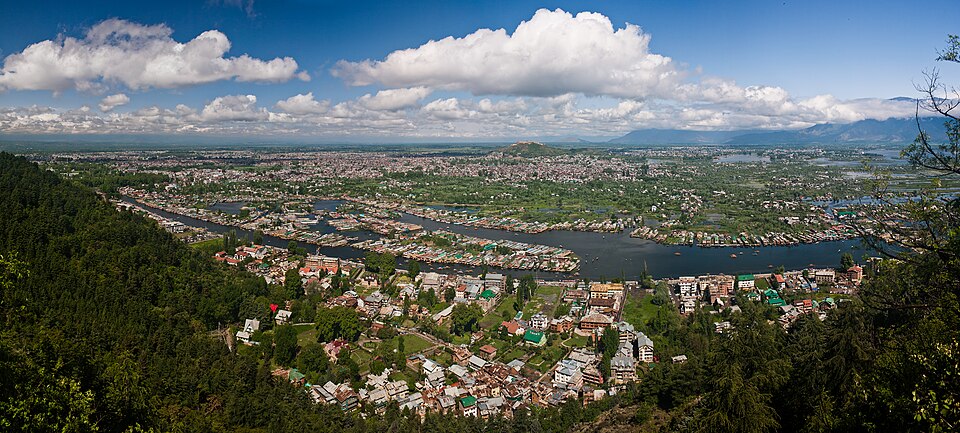
Capital of the Kashmir province of the Sikh Empire from 1819 to 1846, when the British sold Kashmir to Gulab Singh.
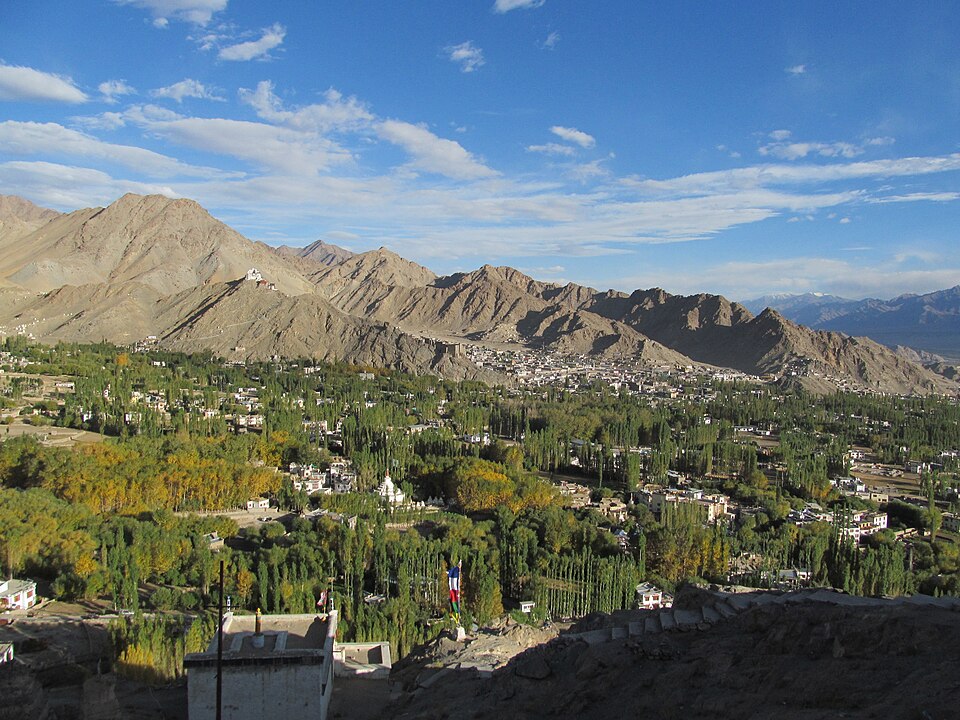
Capital of Ladakh, conquered by Zorawar Singh from 1834. The treaty ending the war with Tibet was signed here in 1842.
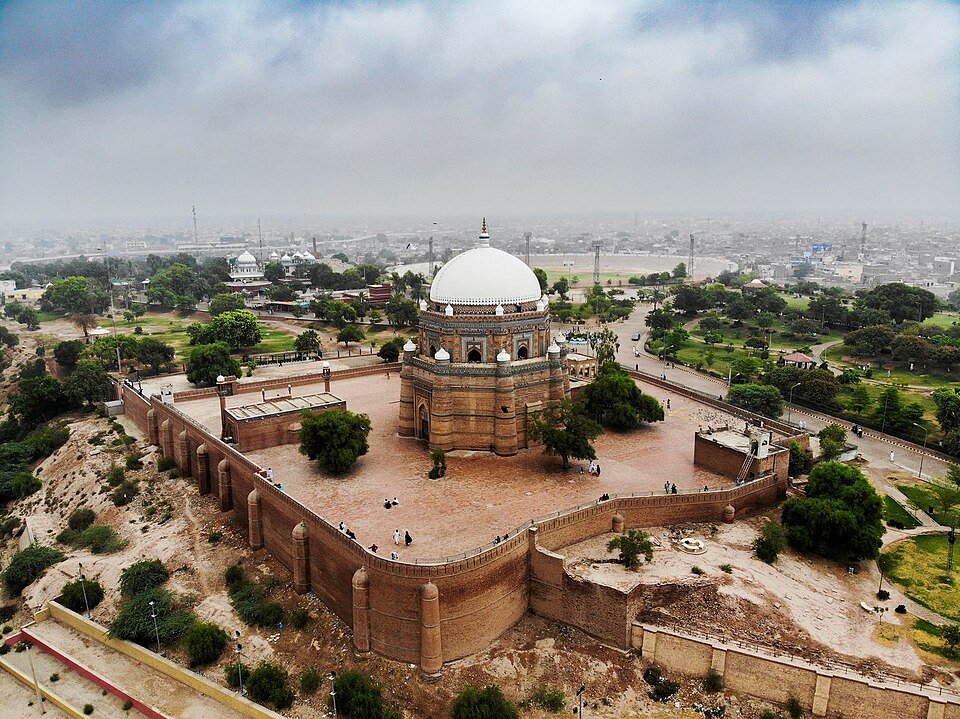
Ancient city of shrines, taken by Ranjit Singh's army in 1818. The 1848 rising here began the Second Anglo-Sikh War.
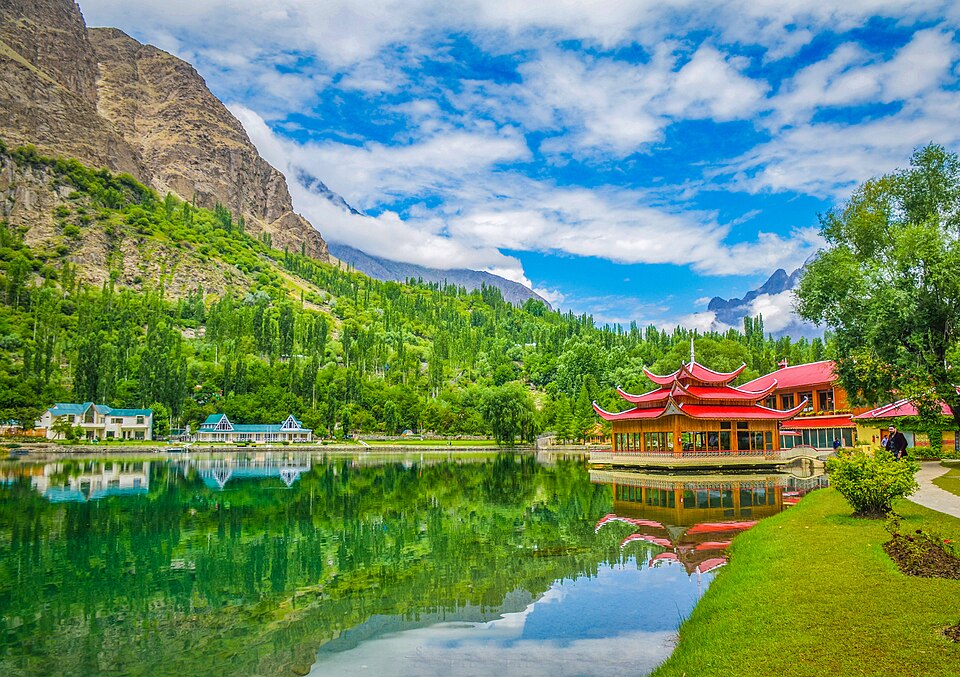
Capital of Baltistan, taken by Zorawar Singh in 1840.
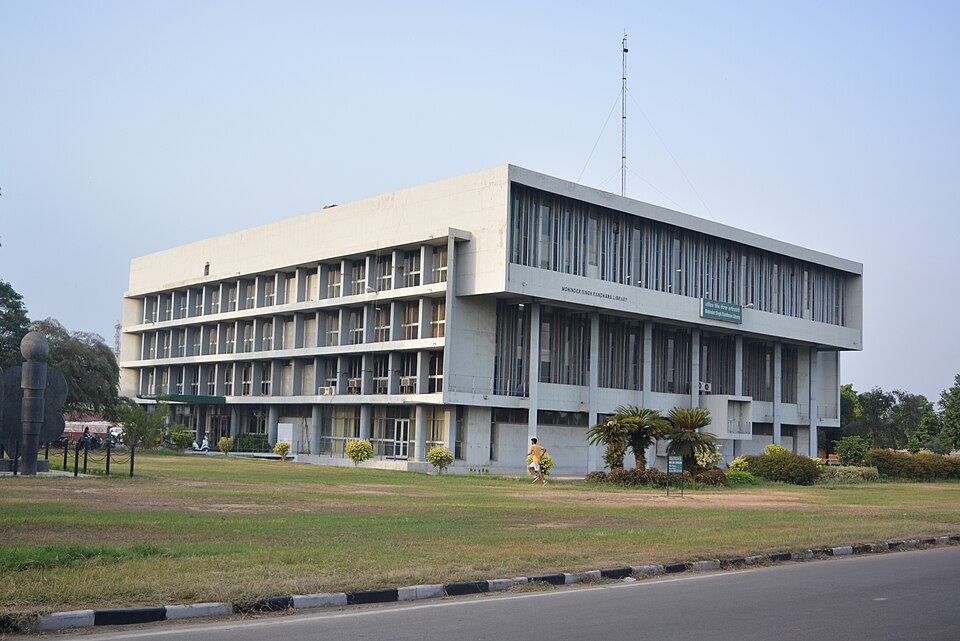
Lodi-era town that became the first British cantonment facing Ranjit Singh's kingdom in 1809. Now Punjab's largest industrial city.
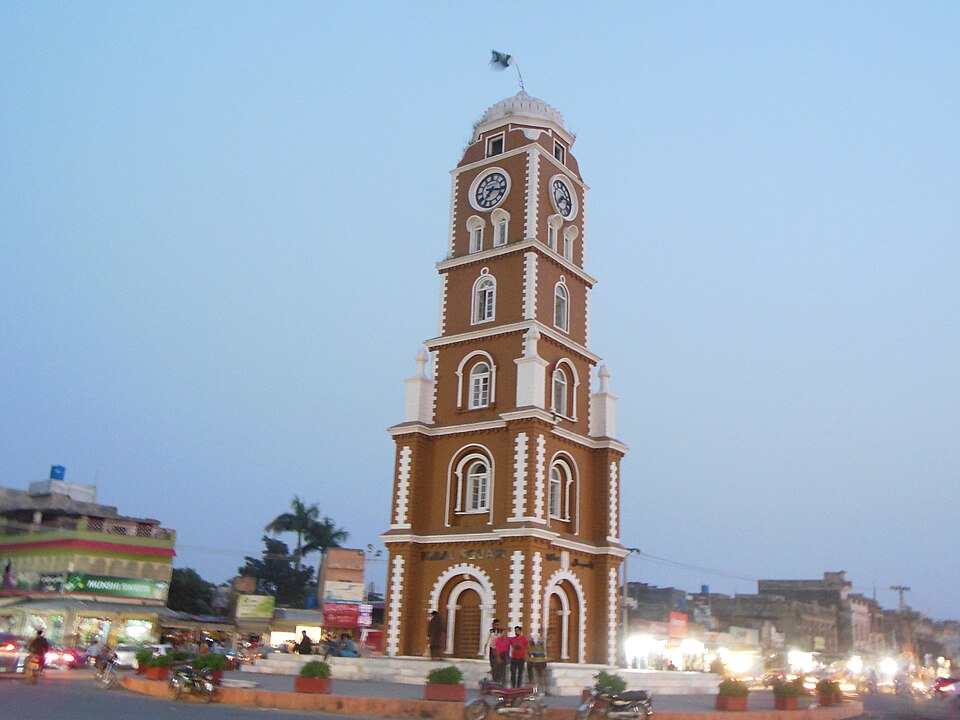
Ancient Sagala, capital of the Indo-Greek king Menander. Birthplace of Muhammad Iqbal and Faiz Ahmed Faiz. The Sikhs defeated the Afghans here in 1763.
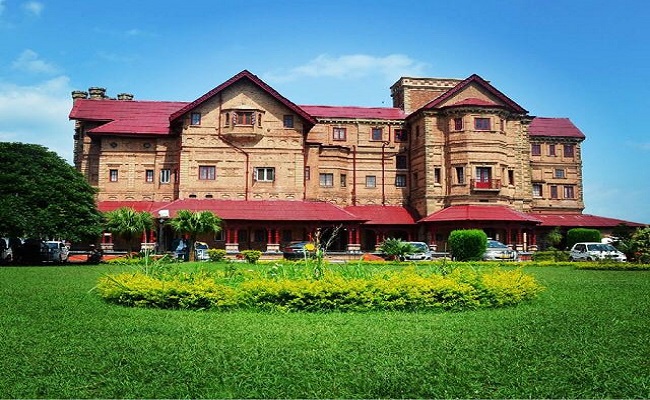
Seat of the Dogra brothers Gulab Singh, Dhian Singh and Suchet Singh, who rose at Ranjit Singh's court.
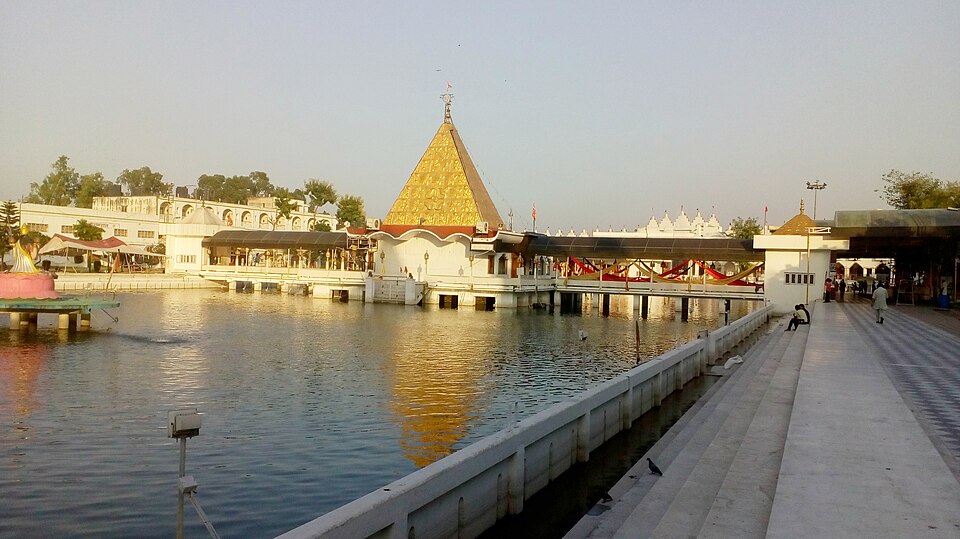
Ancient capital of the Bist Doab; annexed by Ranjit Singh in 1811 and by the British in 1846.
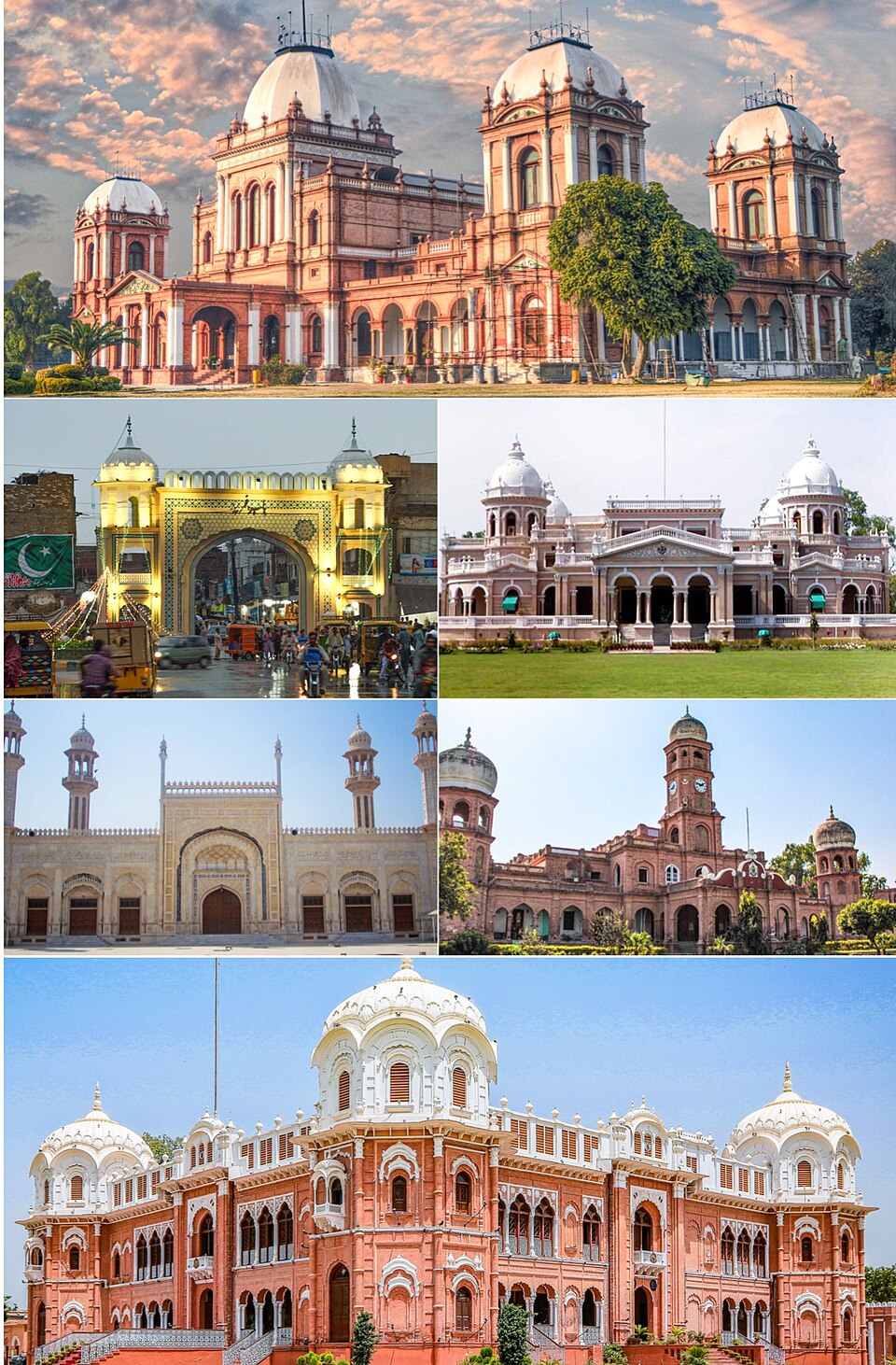
Capital of the Abbasi nawabs, whose state south of the Sutlej stayed outside the Sikh Empire.
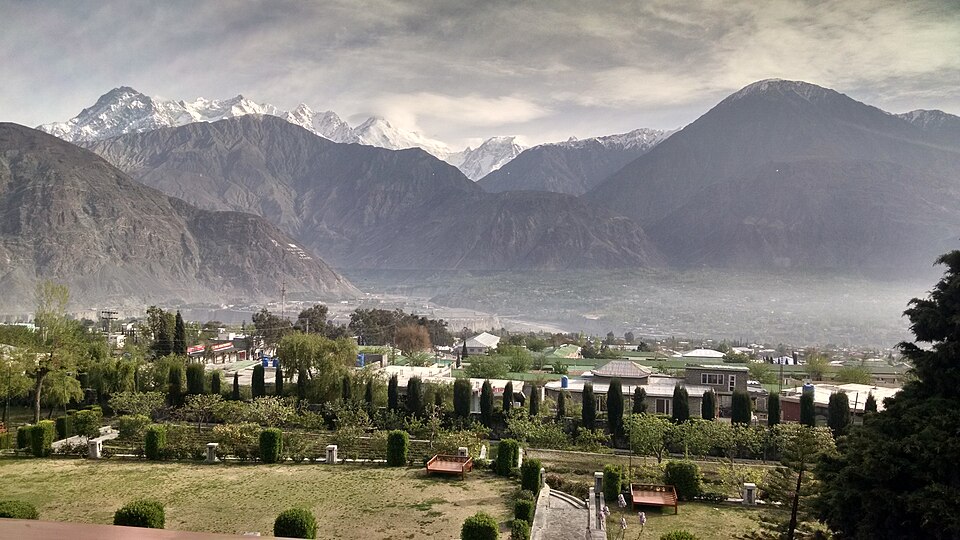
The northernmost Sikh garrison, from 1842.
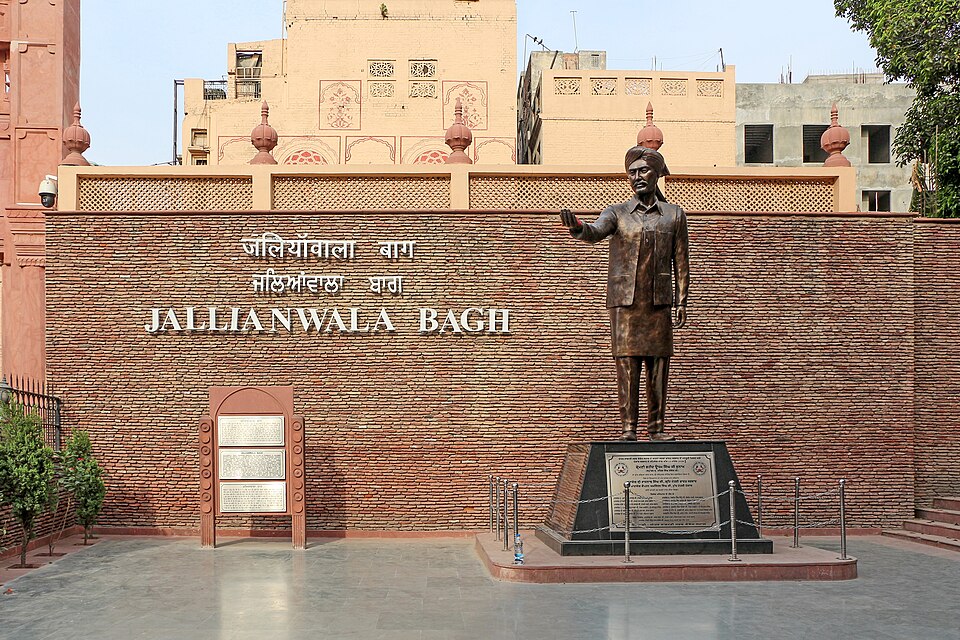
Walled garden near the Harmandir Sahib where troops under Brigadier-General Reginald Dyer fired on an unarmed crowd on Vaisakhi, 13 April 1919.
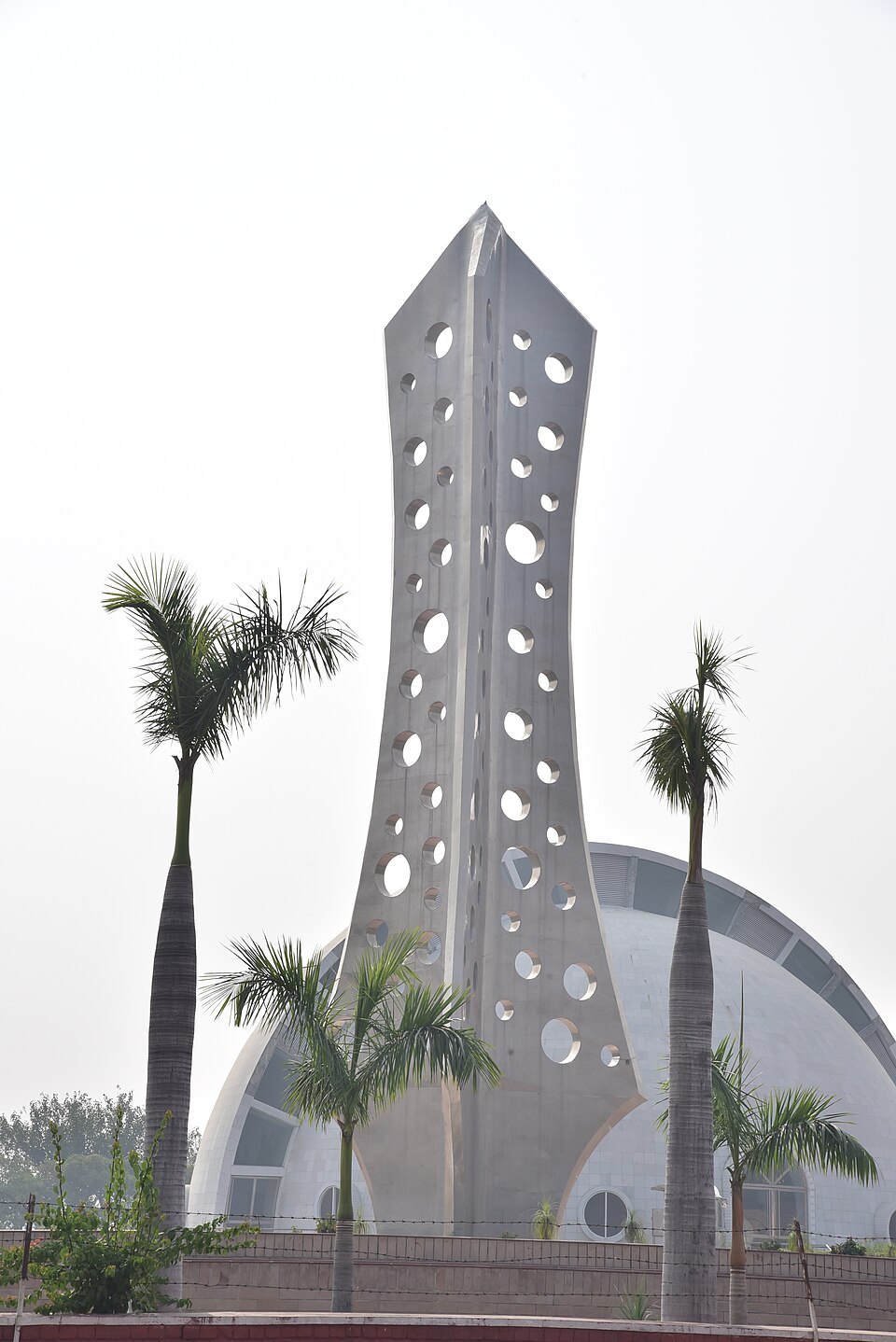
Muslim-ruled state honoured by Sikhs because its Nawab protested the execution of the Guru's younger sons. Largely spared the violence of 1947.
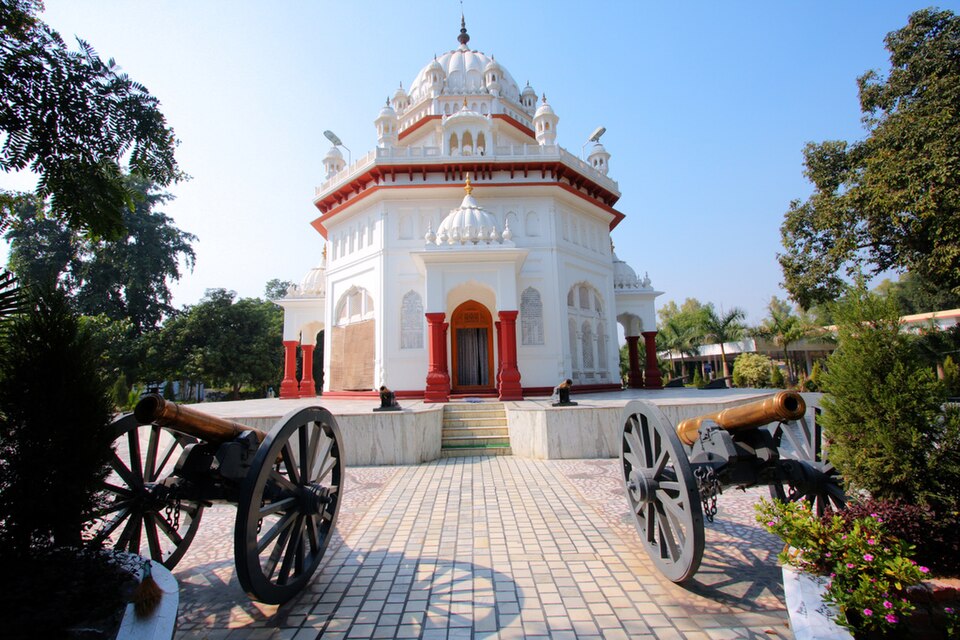
British frontier station on the Sutlej from 1838, base for the First Anglo-Sikh War.
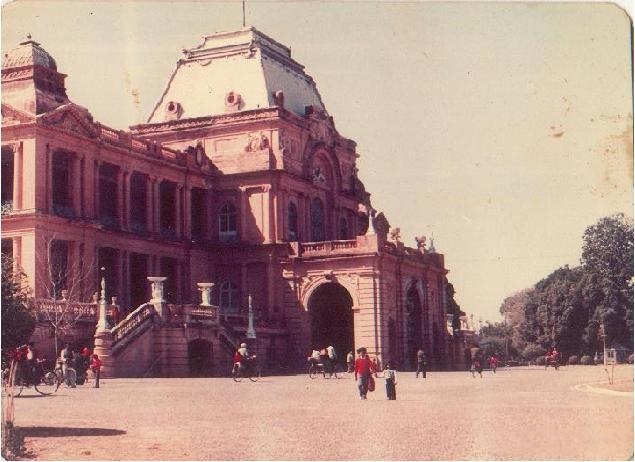
Capital of the Ahluwalia misl and later a princely state, ruled by the descendants of Jassa Singh Ahluwalia.
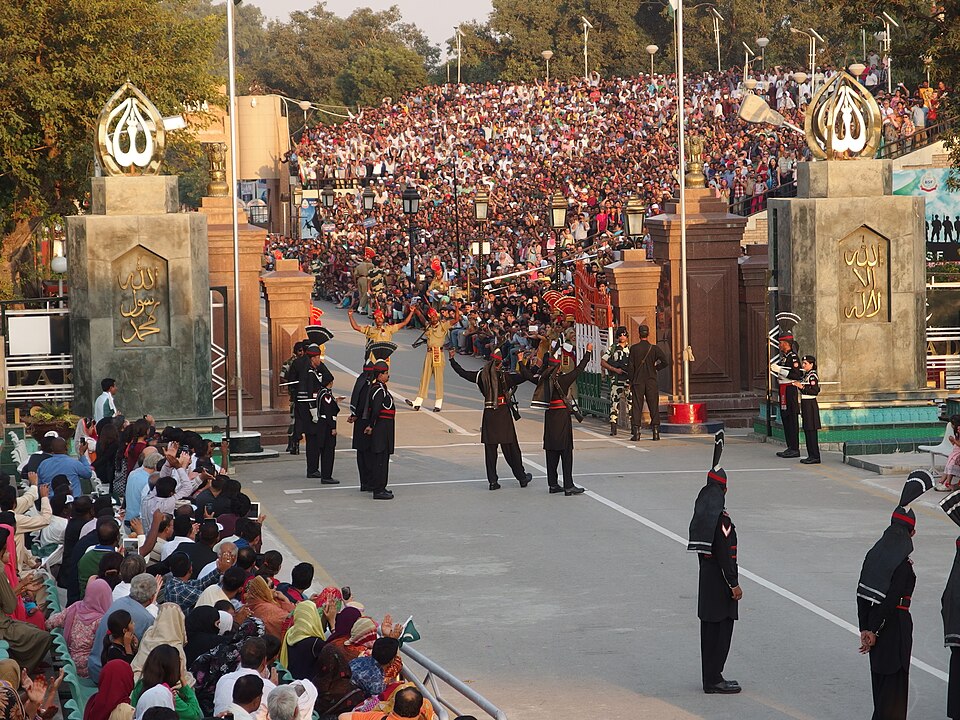
The village through which the Radcliffe line was drawn in 1947, now the only road crossing between the two Punjabs, where soldiers of both sides lower their flags each evening.
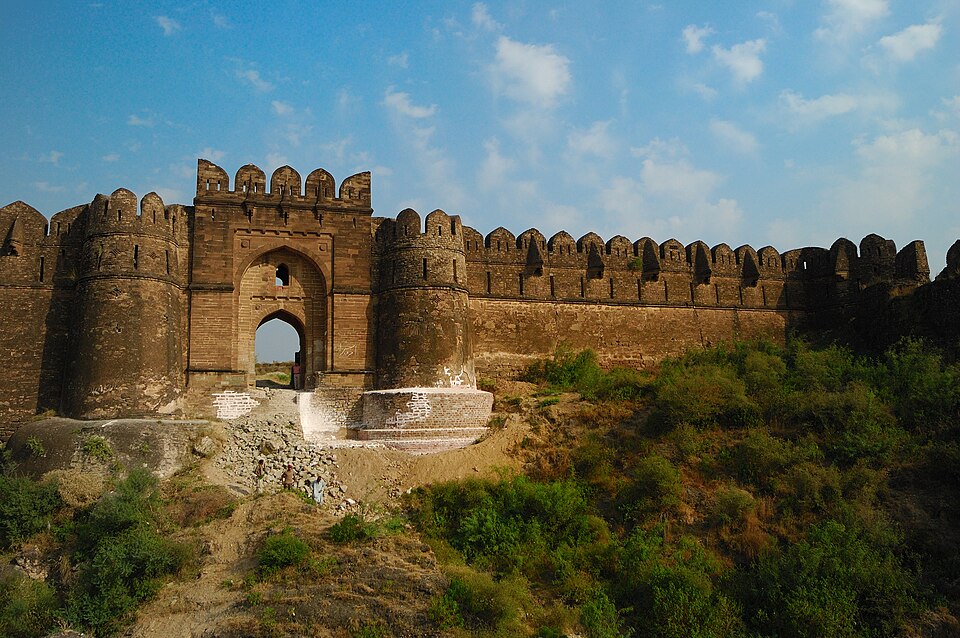
Massive fort built by Sher Shah Suri in the 1540s to hold the Gakhars of the Salt Range in check. Sikh forces took it in the 1760s and 1820s.
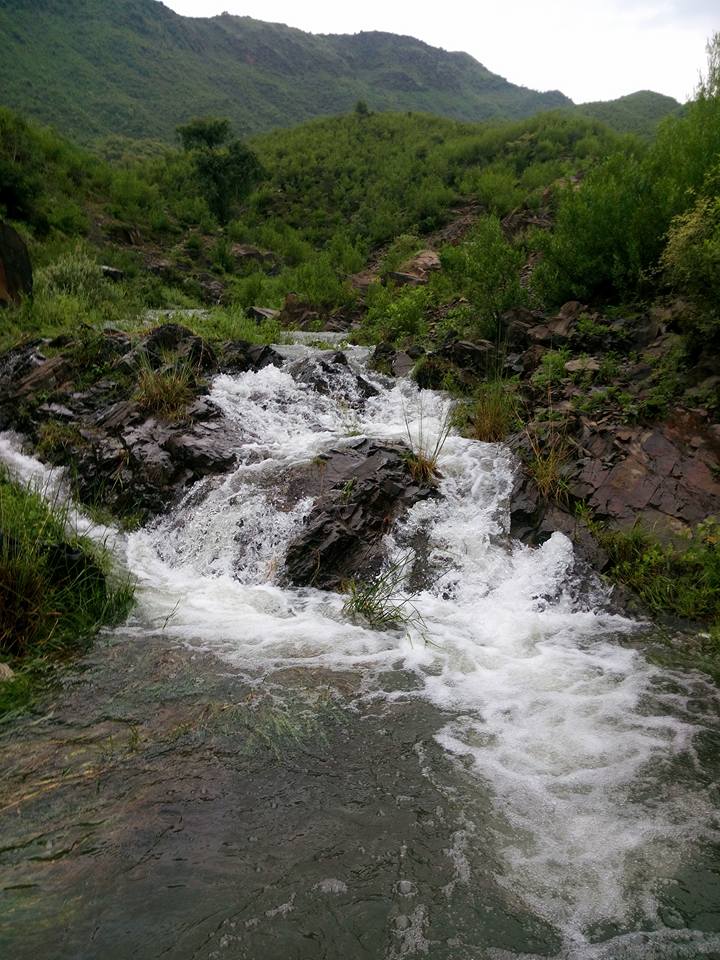
Planned town founded in 1822 by Hari Singh Nalwa as the seat of Hazara, with the fort of Harikishangarh.
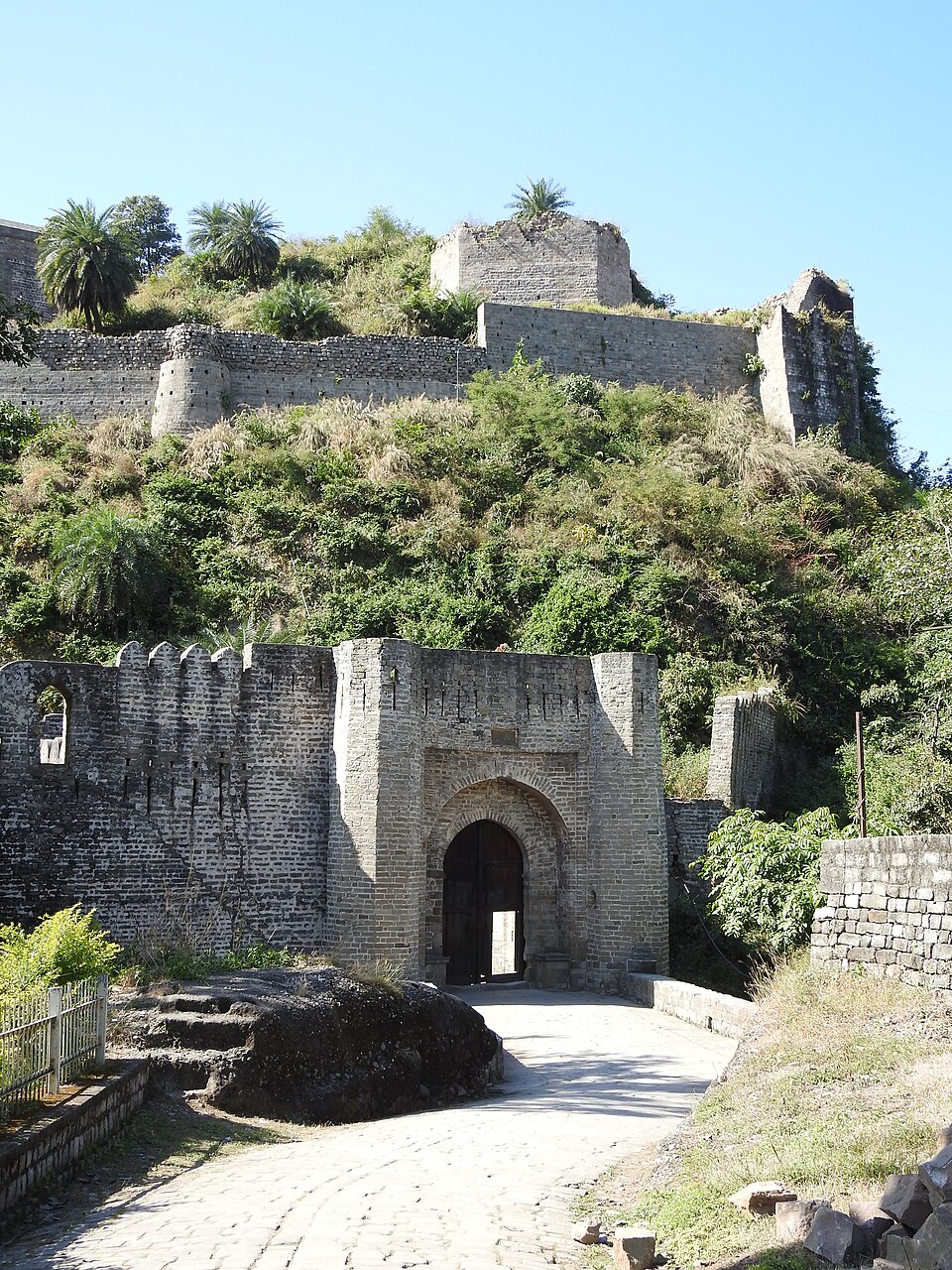
Ancient hill fort of the Katoch rajas. Ranjit Singh took it in 1809 after relieving Raja Sansar Chand from a Gurkha siege.
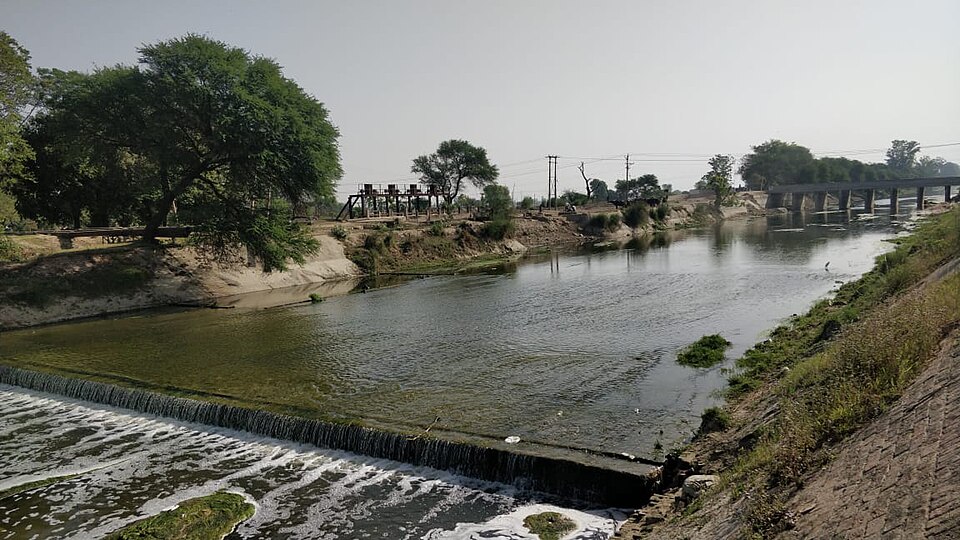
Capital of the Phulkian state of Jind, founded by Raja Gajpat Singh in the 1760s.
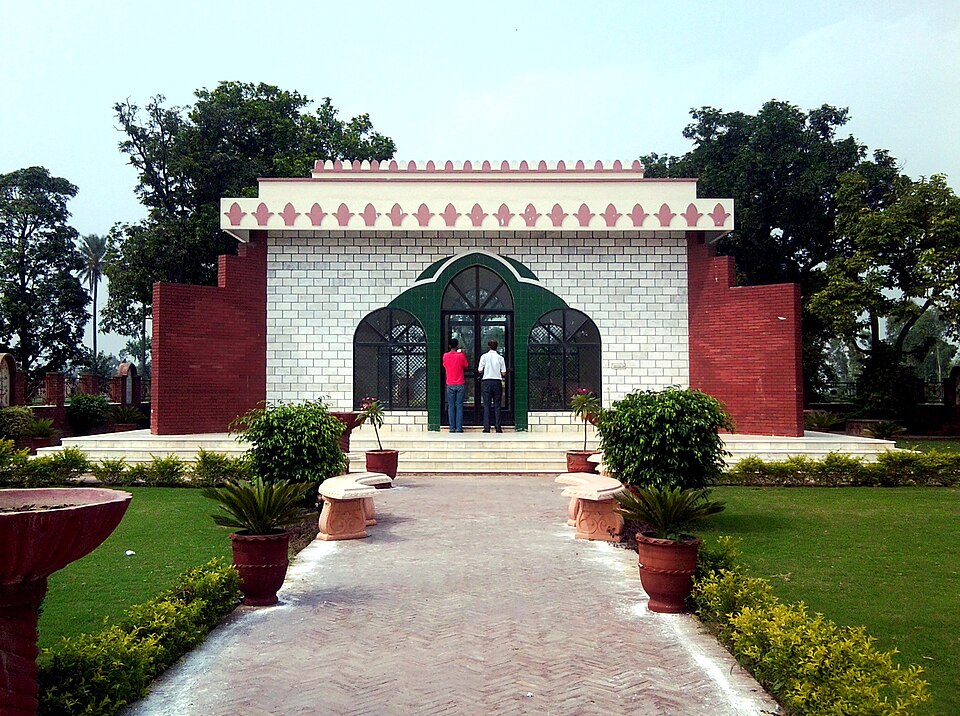
Chenab town governed by the Italian general Paolo Avitabile, who rebuilt it on a grid.
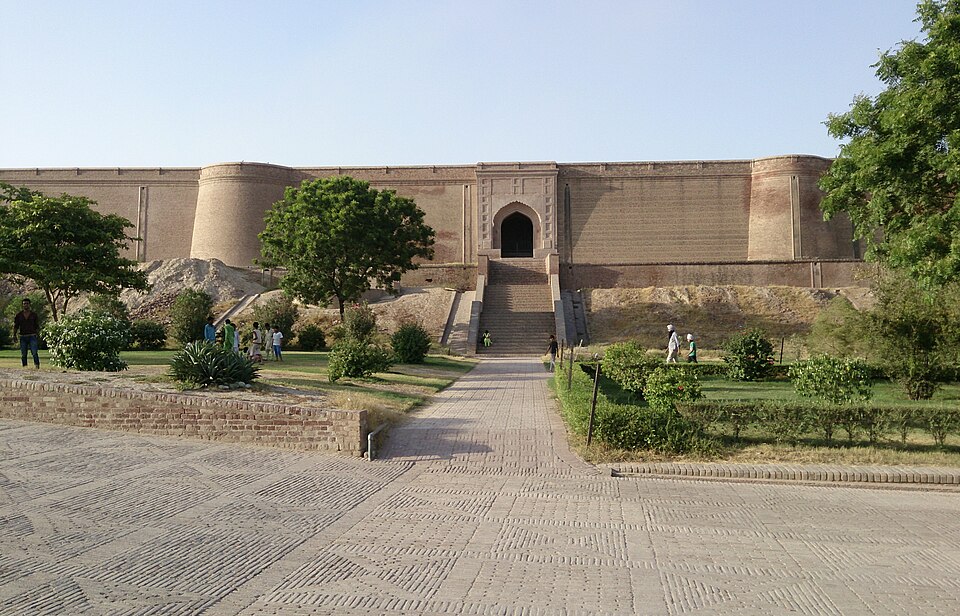
One of the oldest forts in India, where Razia Sultan was imprisoned in 1240. Later held by the Patiala state.
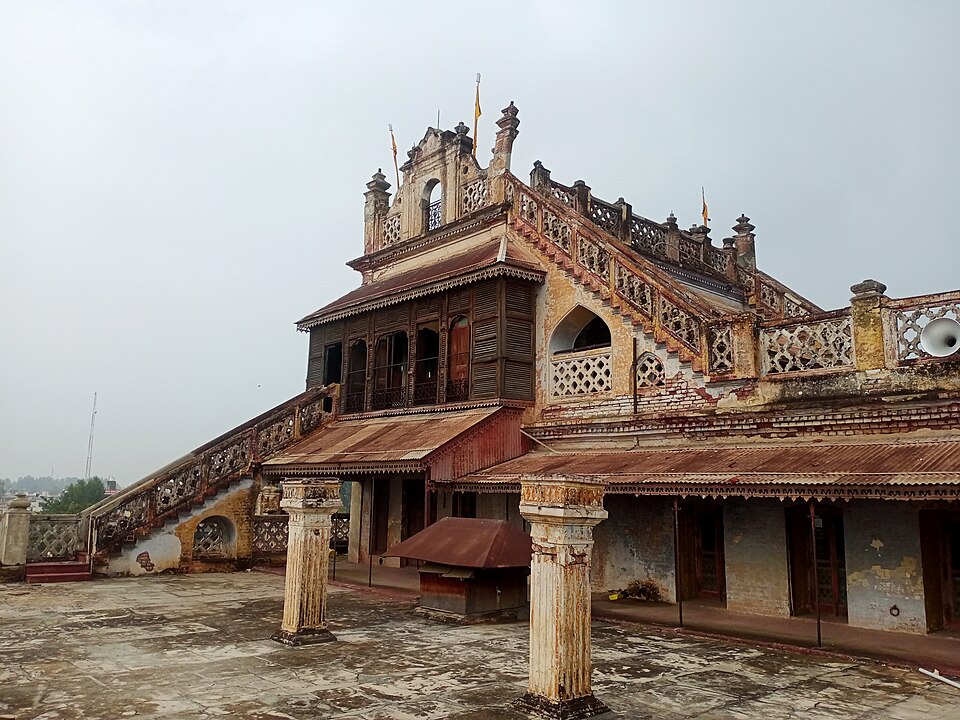
Capital of a Phulkian princely state founded in 1763.
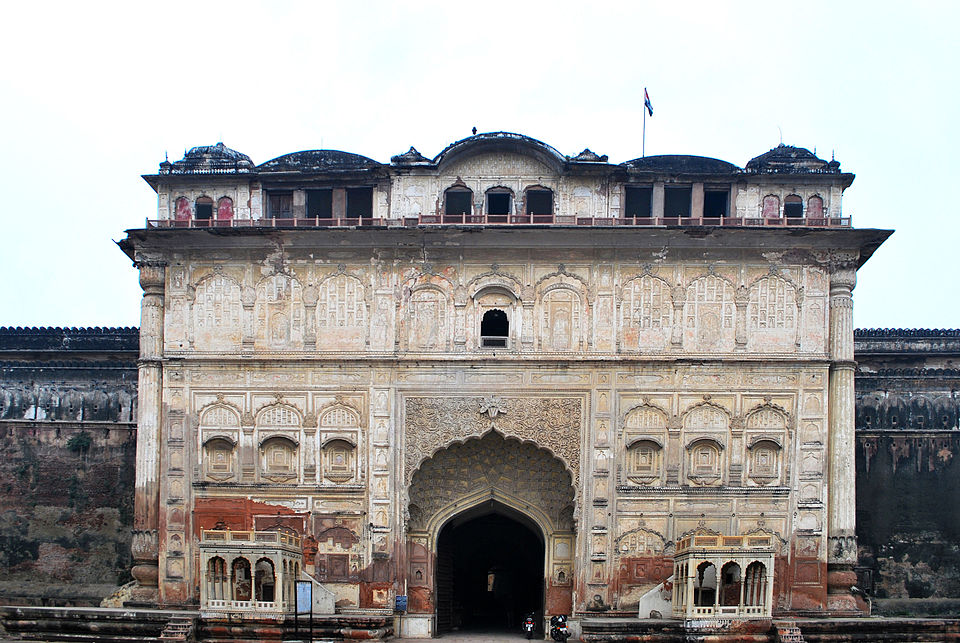
Founded by Baba Ala Singh in 1763 and capital of the largest Phulkian princely state until 1948.
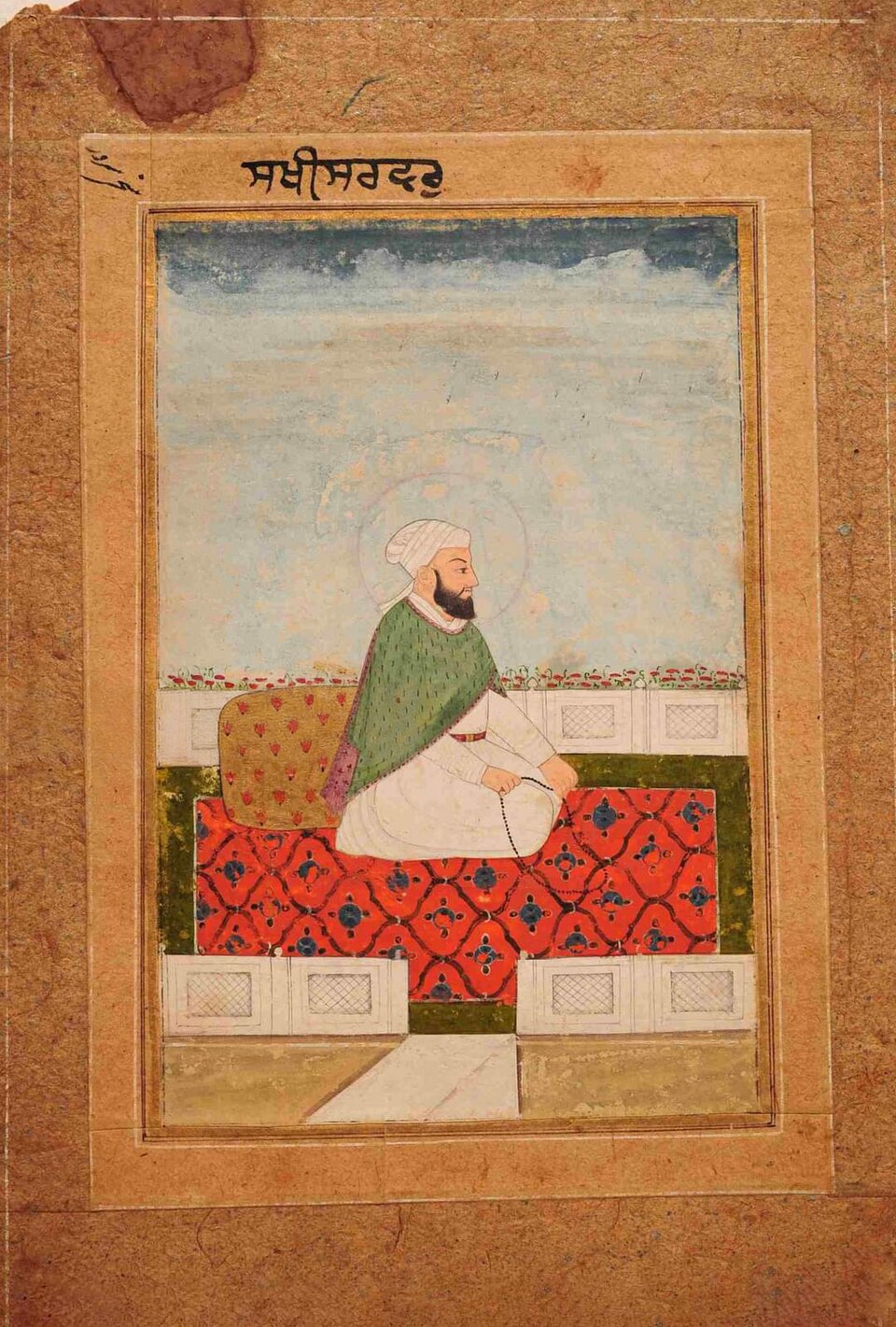
Trans-Indus district on the Sulaiman frontier, under direct Sikh rule from 1831.
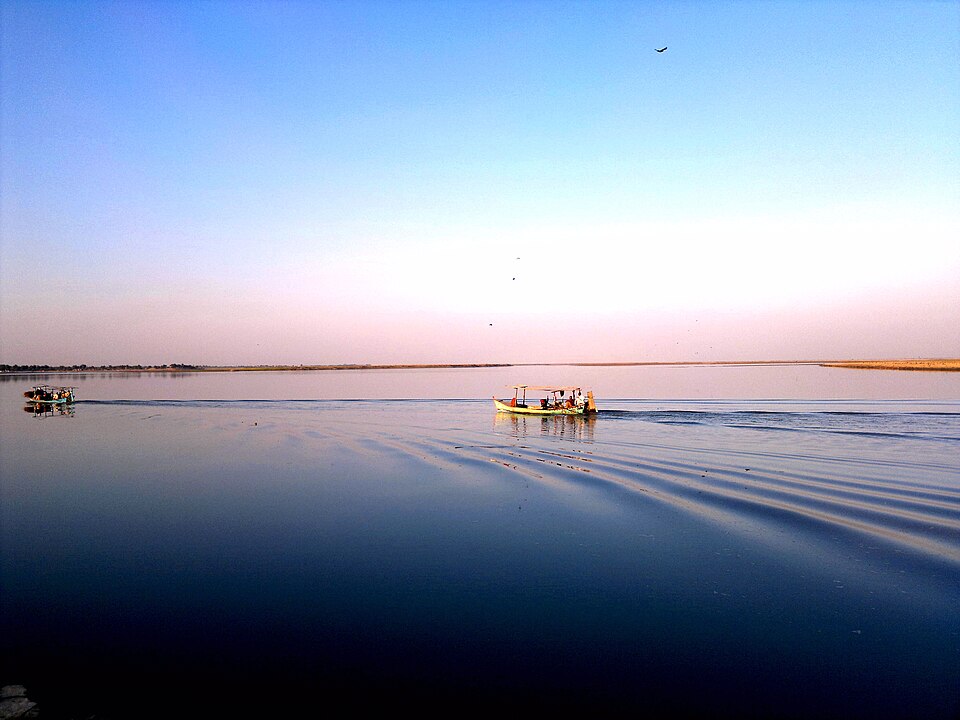
Indus town taken during the Mankera campaign of 1821.
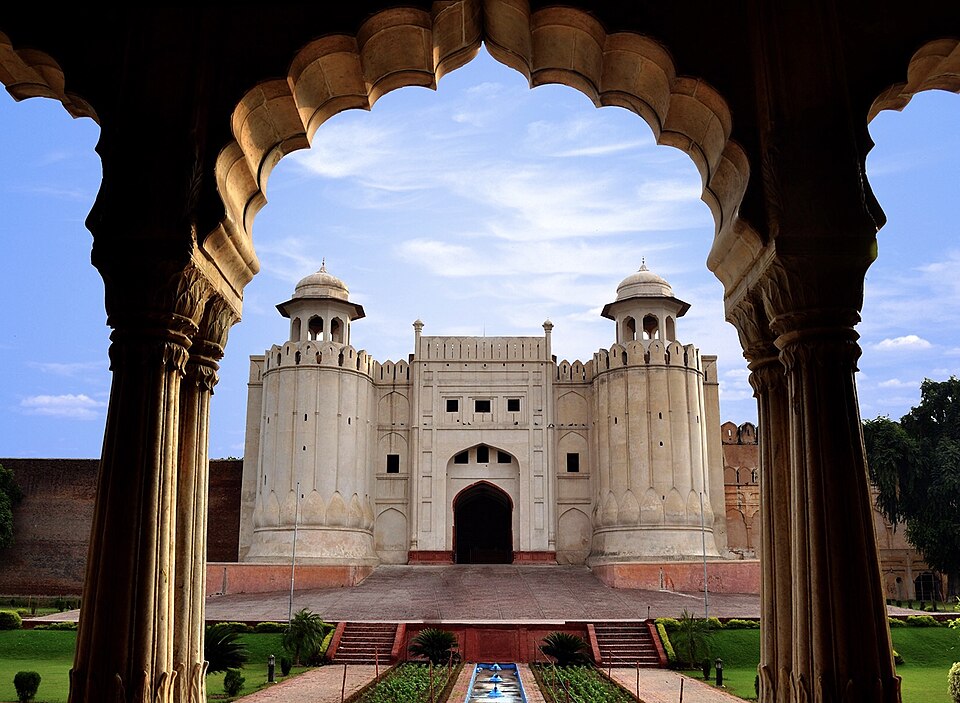
Birthplace of Guru Ram Das and place of Guru Arjan's martyrdom (Gurdwara Dera Sahib). Capital of Maharaja Ranjit Singh, whose samadhi stands beside the Badshahi Mosque. Also home to the shrines of Data Ganj Bakhsh, Mian Mir and Shah Hussain.
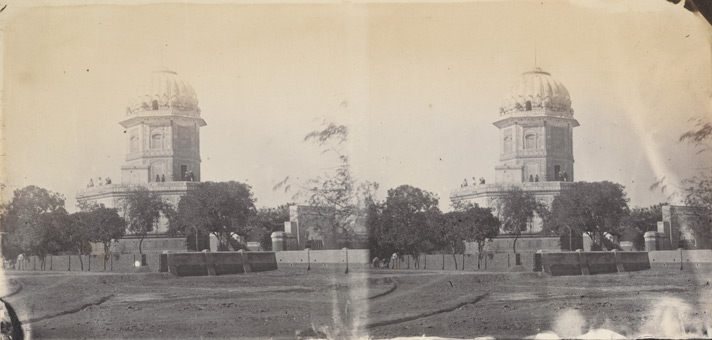
Seat of the Sukerchakia misl and birthplace of Ranjit Singh (1780) and Hari Singh Nalwa (1791).
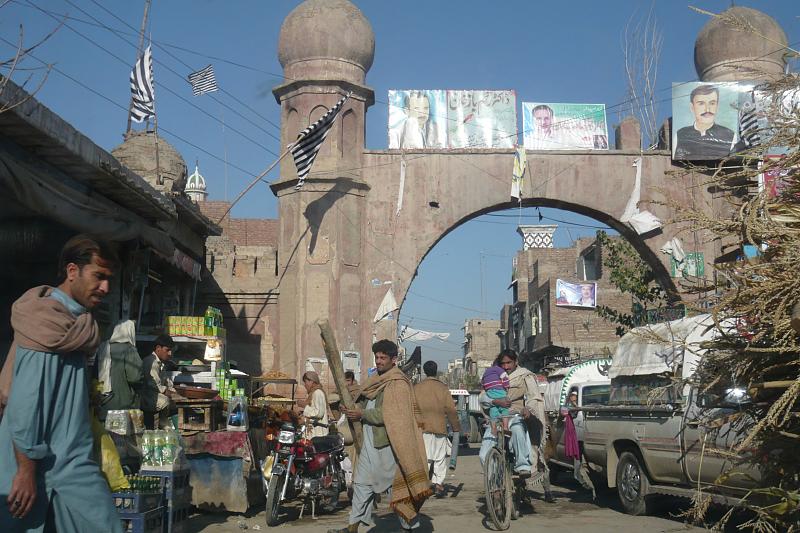
Frontier valley brought under Lahore in the 1830s.
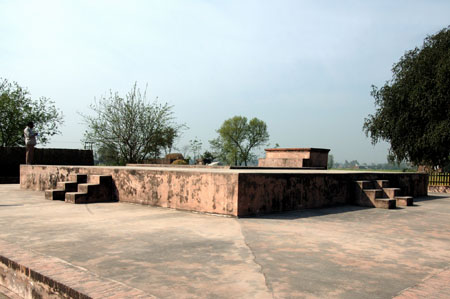
Where the thirteen-year-old Akbar was enthroned on a brick platform in February 1556.
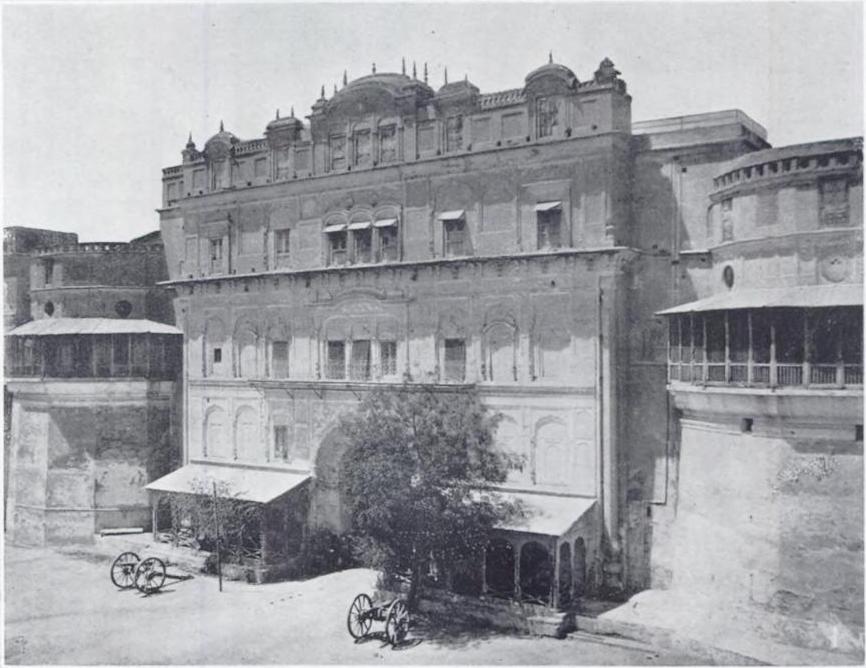
Named after Baba Farid; a Sikh princely state under British protection.
Trilokpuri, DelhiEast Delhi, IndiaResettlement colony in east Delhi where hundreds of Sikhs, many from poor Sikligar and labouring families, were killed on 1–2 November 1984. It was the worst-hit locality in the city.
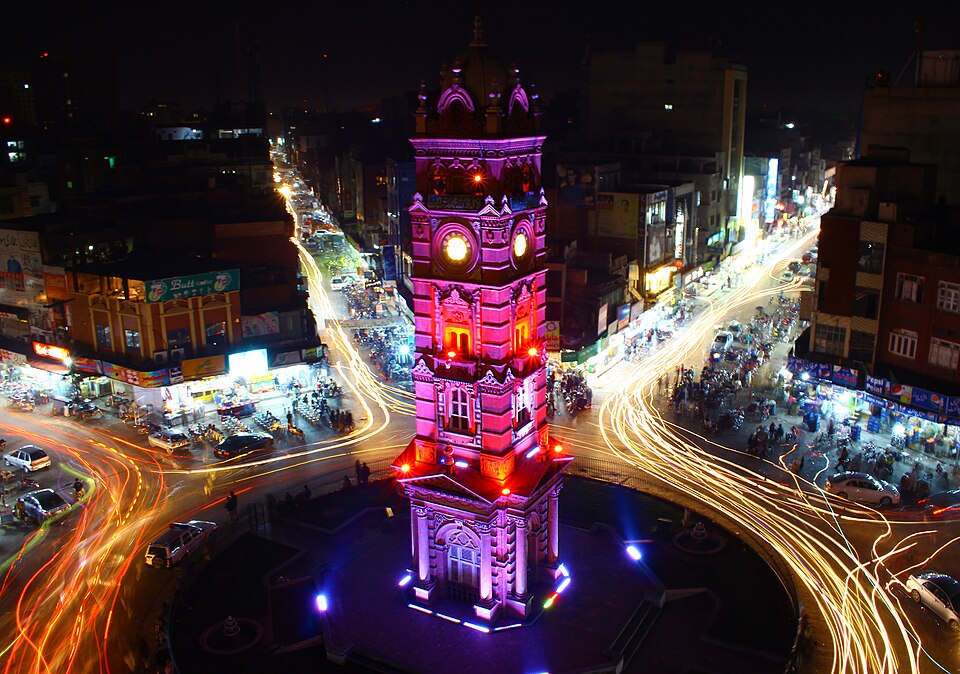
Founded in the 1890s as Lyallpur, the capital of the Chenab canal colony, with its clock tower and eight bazaars laid out in the pattern of the Union Jack. The cradle of the 1907 farmers' agitation, and now the textile city of Pakistan.