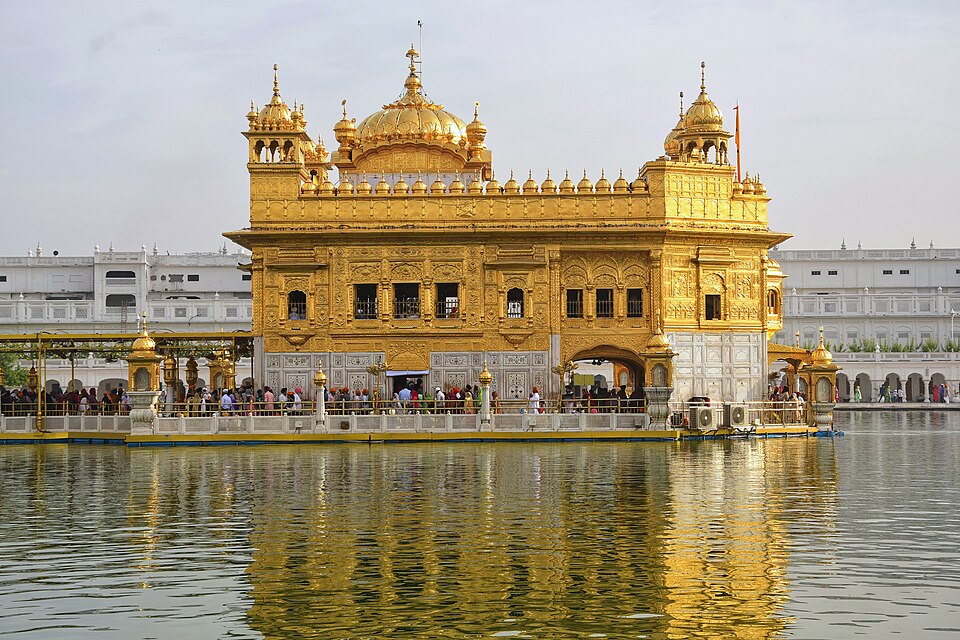
Battle of Amritsar (Diwali 1762)
Eight months after the Great Holocaust the Khalsa gathered at Amritsar for Diwali and fought Abdali to a standstill.
Eight months after the Vadda Ghallughara, in October 1762, the Khalsa gathered at Amritsar to celebrate Diwali among the ruins of the Harmandir Sahib.
Ahmad Shah Abdali, who was at Lahore, marched on Amritsar. On 17 October, the day of an eclipse, the Sikh armies fought his forces in a fierce day-long battle. By nightfall, under cover of darkness, Abdali withdrew to Lahore.
Shortly afterwards he left for Afghanistan, never to defeat the Sikhs in the field again. The battle showed that the Great Holocaust had not broken the Khalsa.
Same era
Misls, Mughals and Afghans, 1709 – 1799
Banda Singh's first great strike, on a wealthy town that was home to the executioners of Guru Tegh Bahadur and the younger Sahibzade.
Banda Singh avenged Pir Budhu Shah, who had been killed by Sadhaura's governor for helping Guru Gobind Singh.
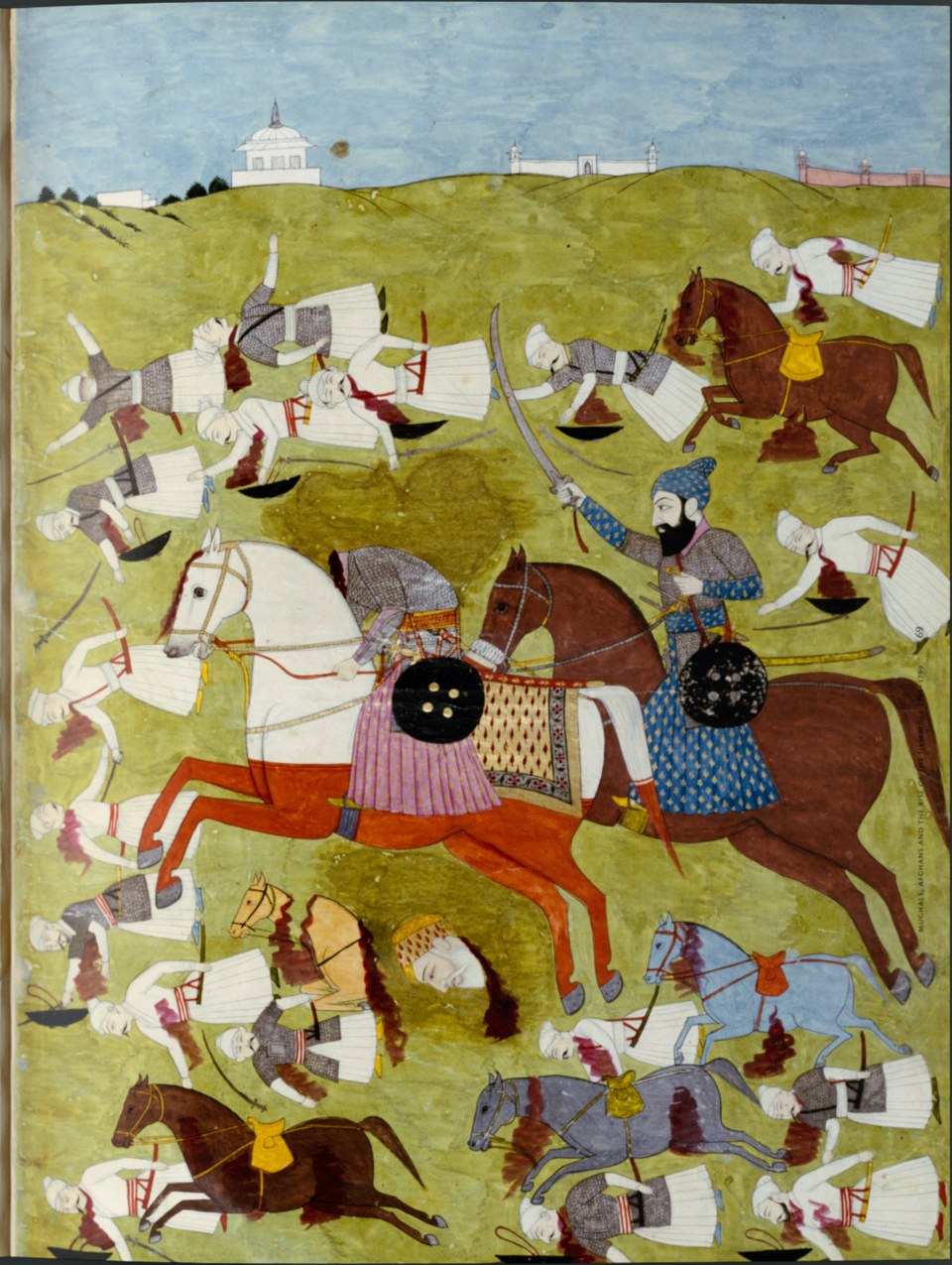
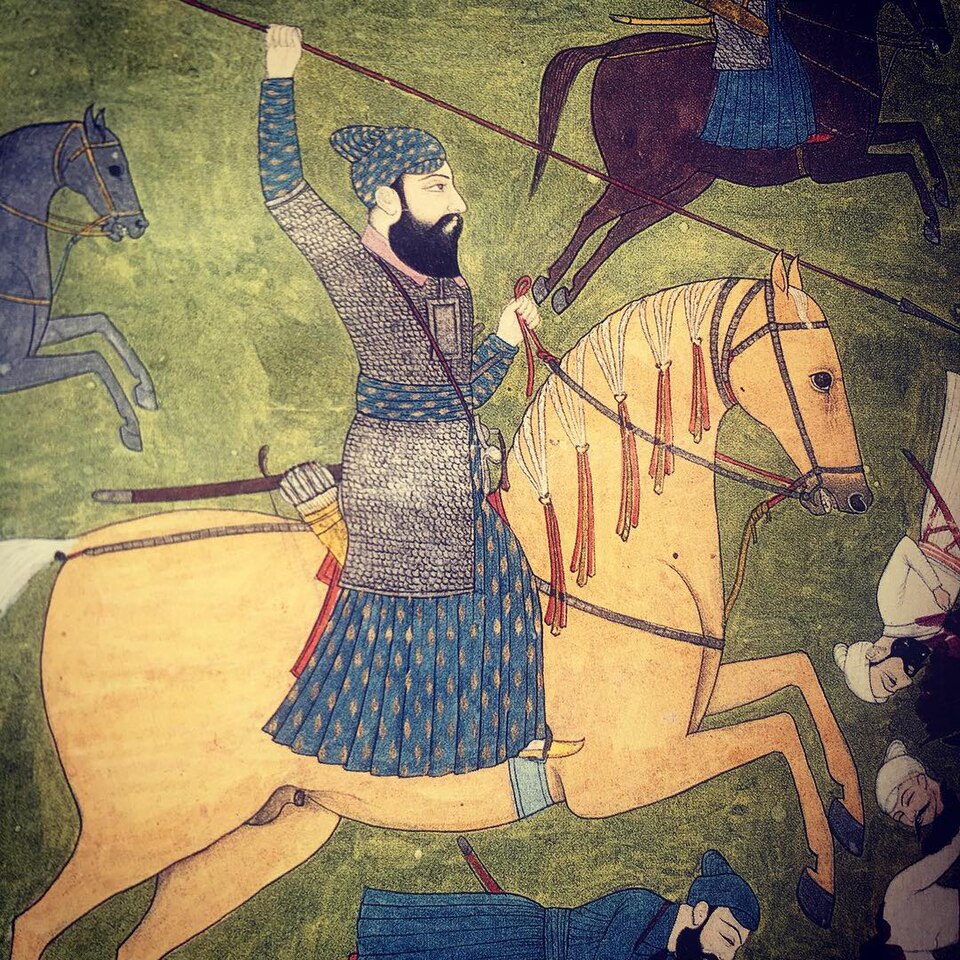
The peasant army of Banda Singh routed the Sirhind army and killed Wazir Khan, the man who had executed the Guru's younger sons. Sirhind fell two days later.
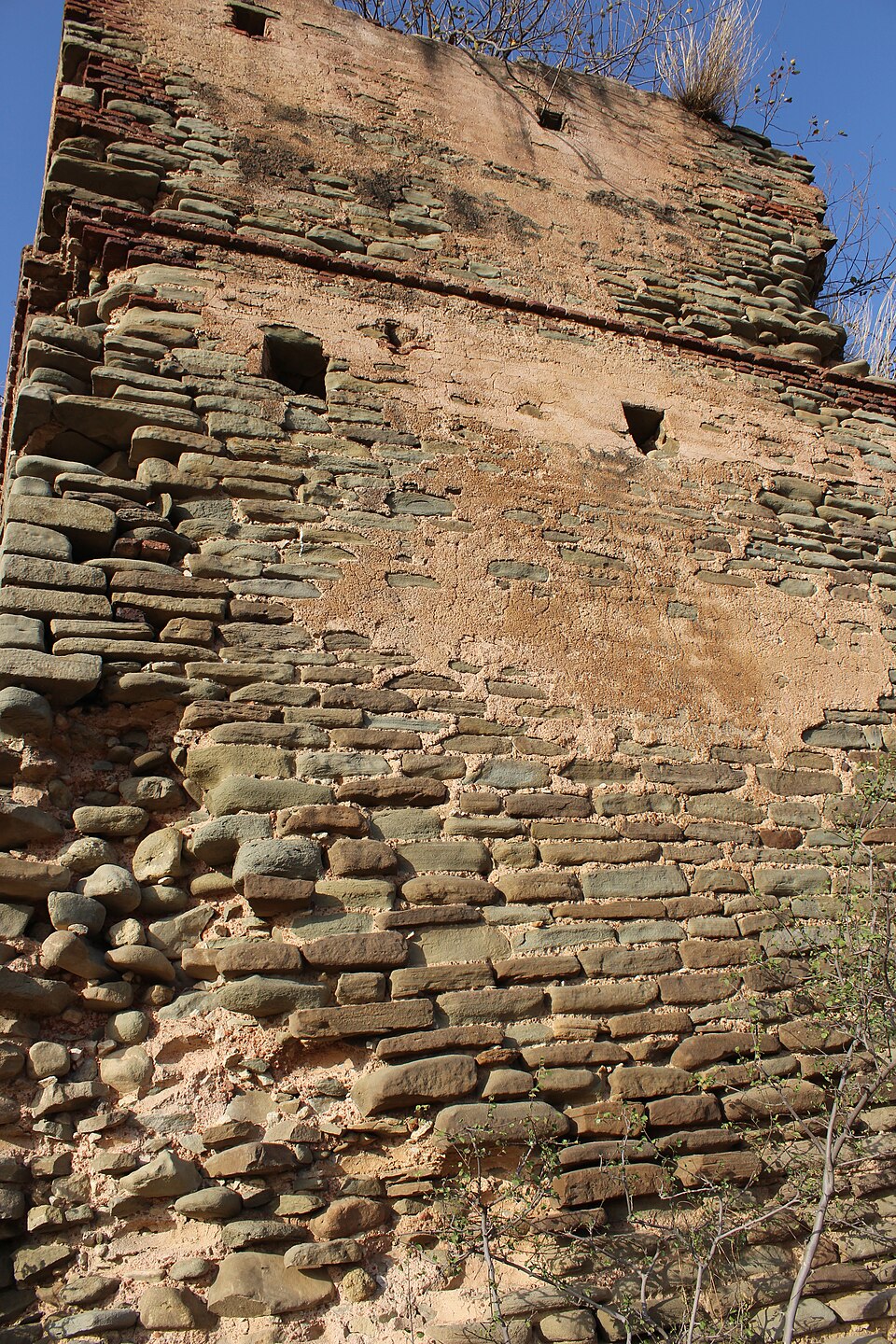
The emperor himself marched against the Sikh capital. A Sikh named Gulab Singh put on Banda Singh's clothes and was captured in his place while Banda slipped away.
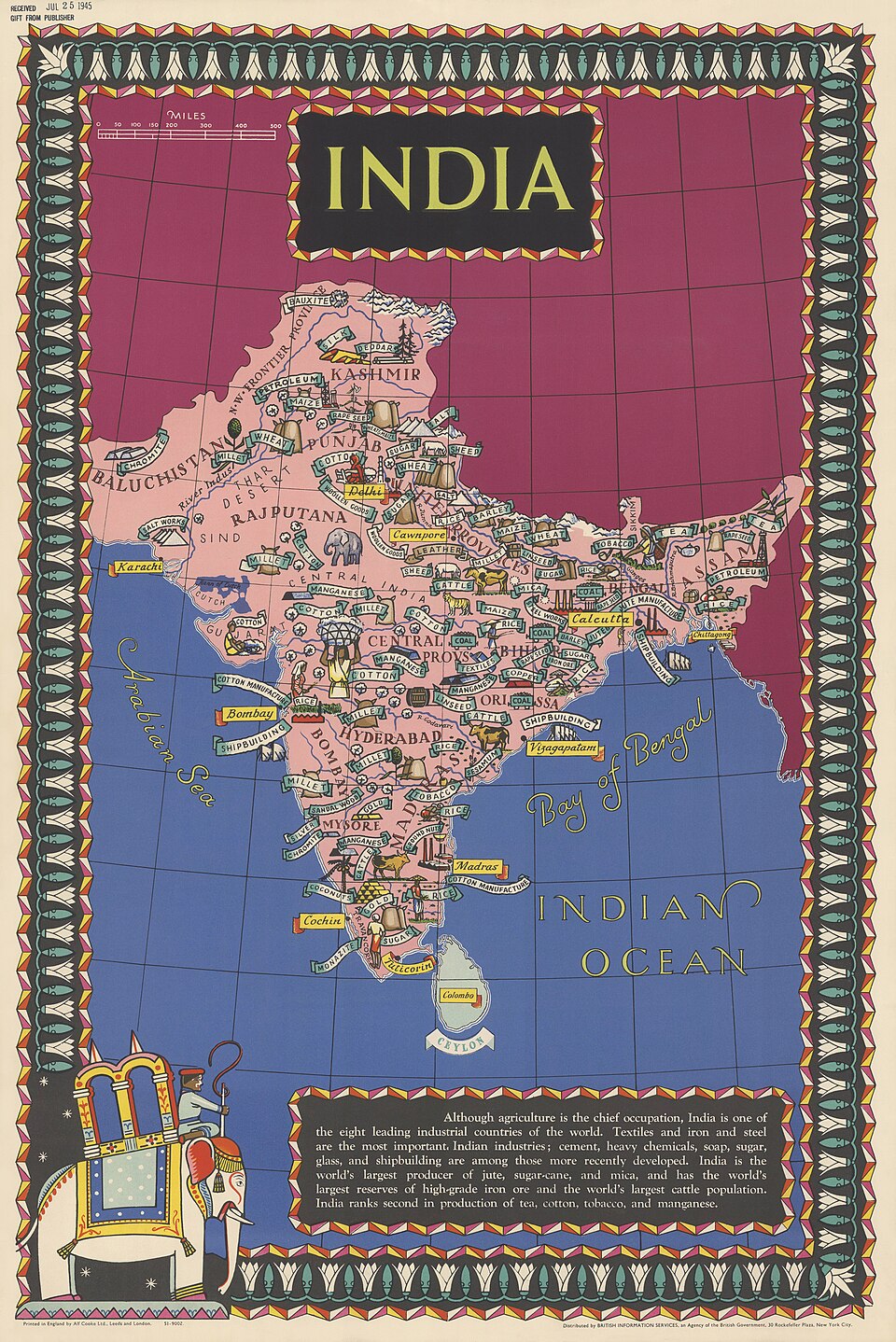
Banda Singh and his followers held out in a walled compound for eight months, eating grass and bark, before surrendering. They were marched to Delhi and executed.
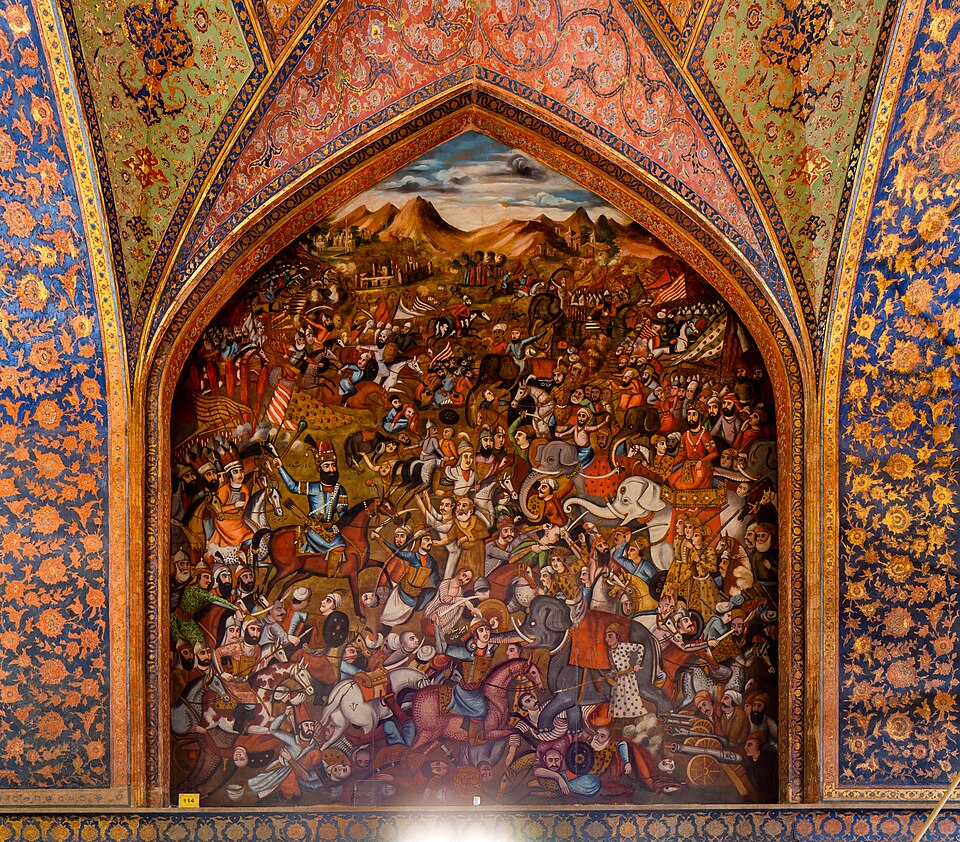
Nadir Shah crushed the Mughal army in a few hours, then sacked Delhi and carried off the Peacock Throne and the Koh-i-Noor.
Chhota GhallugharaMay – June 1746 · About 7,000 Sikhs killed and 3,000 executed (traditional figures)The 'Lesser Holocaust'. To avenge his brother's death, Lakhpat Rai hunted down Sikhs in the Kahnuwan swamps. Thousands were killed and captives were beheaded in Lahore.
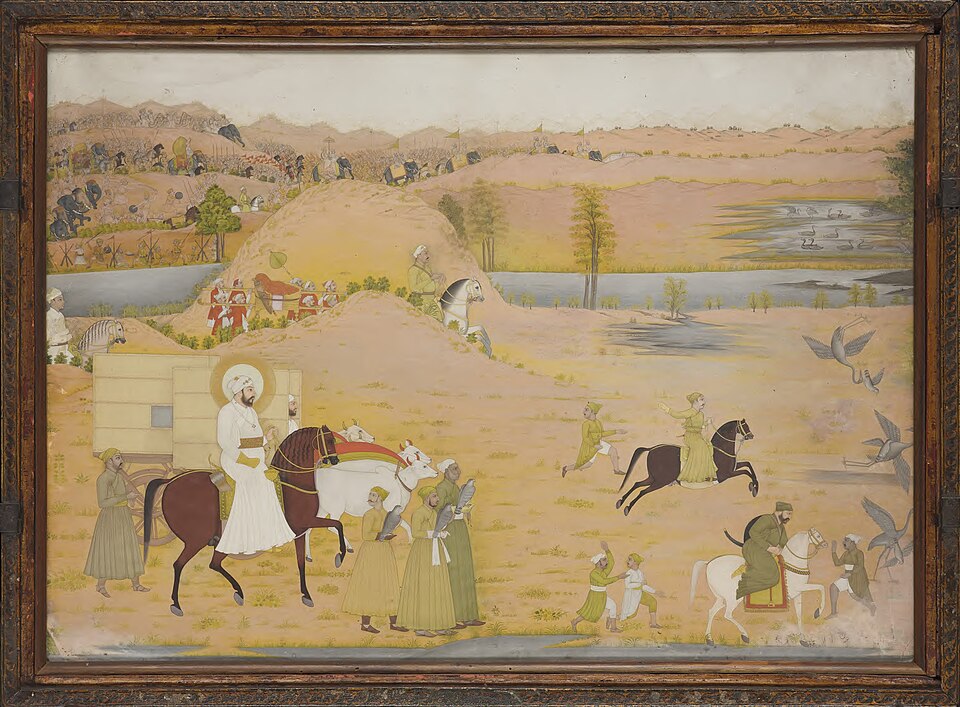
The only time Abdali was beaten in a pitched battle in India. Sikh bands attacked his retreating columns.