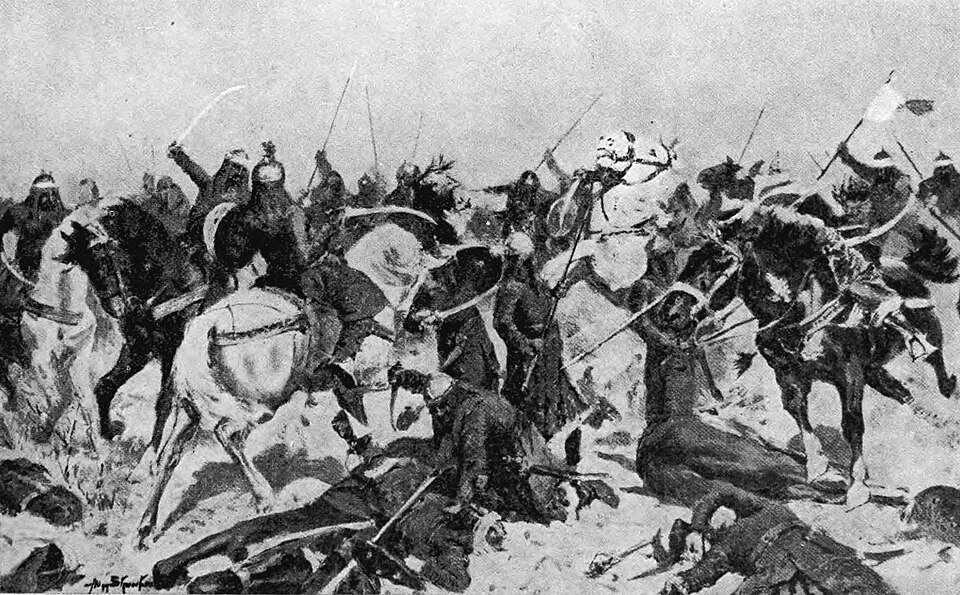
Second Battle of Tarain
A year after losing on the same field, Muhammad of Ghor beat Prithviraj with mounted archers, opening north India to the Delhi Sultanate.
In 1191 Muhammad of Ghor, the sultan of the Ghurid dynasty of Afghanistan, who had already taken Lahore from the last Ghaznavids, advanced towards Delhi. At Tarain, near Thanesar, Prithviraj Chauhan, king of Ajmer and Delhi, met him with a great Rajput army and defeated him; Muhammad was wounded and barely escaped.
He returned in 1192 with a larger army of mounted archers. On the same field he used feigned retreats to draw the Rajput host apart, attacking its flanks with archers until it was exhausted, then broke it with heavy cavalry. Prithviraj was captured and killed.
The second battle of Tarain opened the Gangetic plain to the Ghurids. Muhammad's slave general Qutb-ud-din Aibak founded the Delhi Sultanate, which ruled north India and the Punjab for more than three centuries.
Same era
Invaders at the gates, 1400 BCE – 1221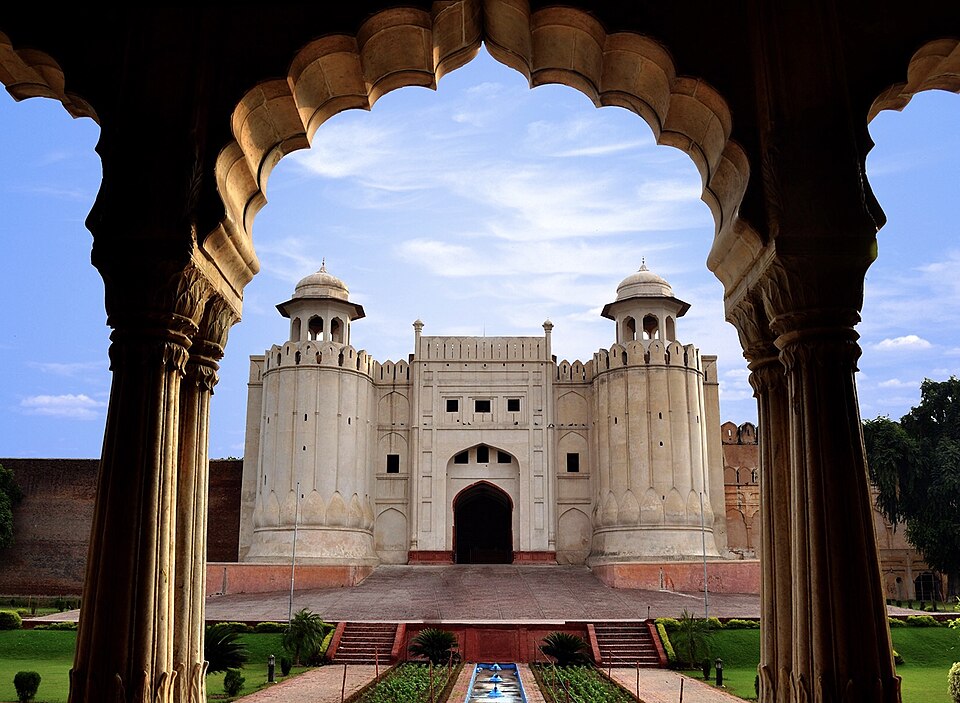
A Rigvedic battle on the Parushni, the Ravi, in which the Bharata king Sudas defeated ten allied tribes when they tried to divert the river.
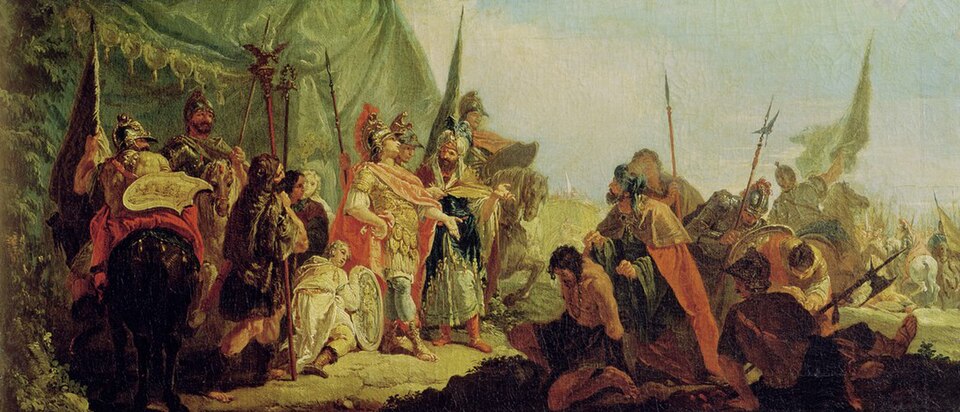
Alexander crossed the flooded Jhelum by night and defeated Porus and his war elephants. Impressed by Porus, he returned his kingdom to him.
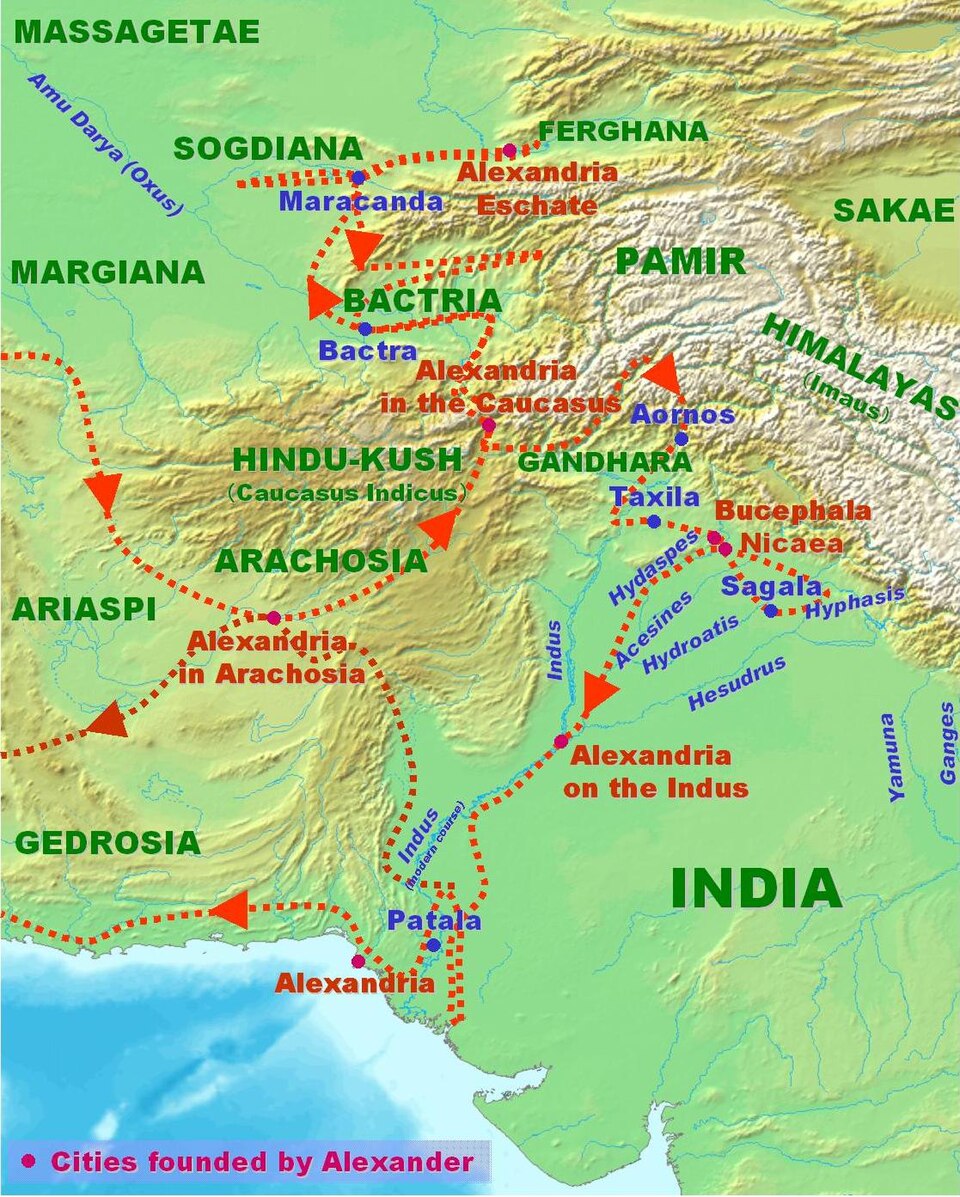
Retreating down the Jhelum and Chenab, Alexander attacked the Malli. Scaling a town wall almost alone, he was shot through the chest and nearly died. The town is often placed at or near Multan.
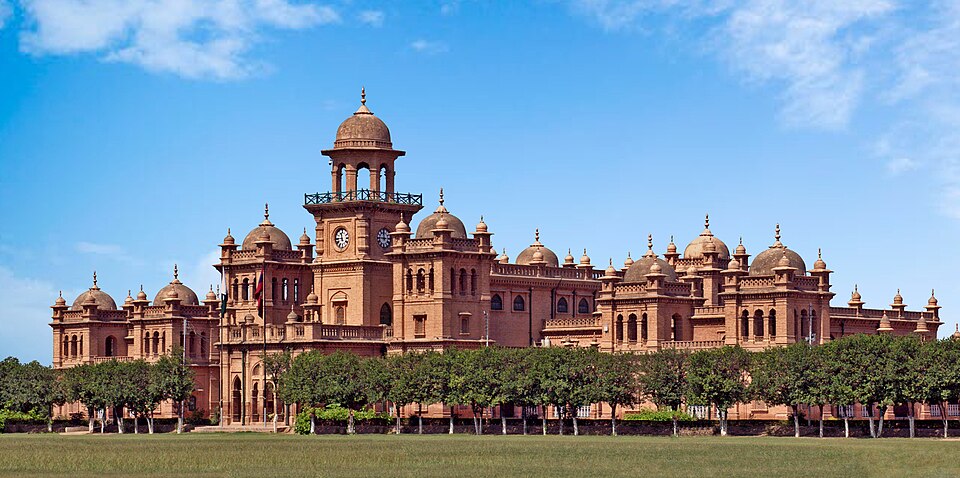
Mahmud's first great victory in India, which broke the Hindu Shahi kingdom and opened Punjab to two decades of raids.
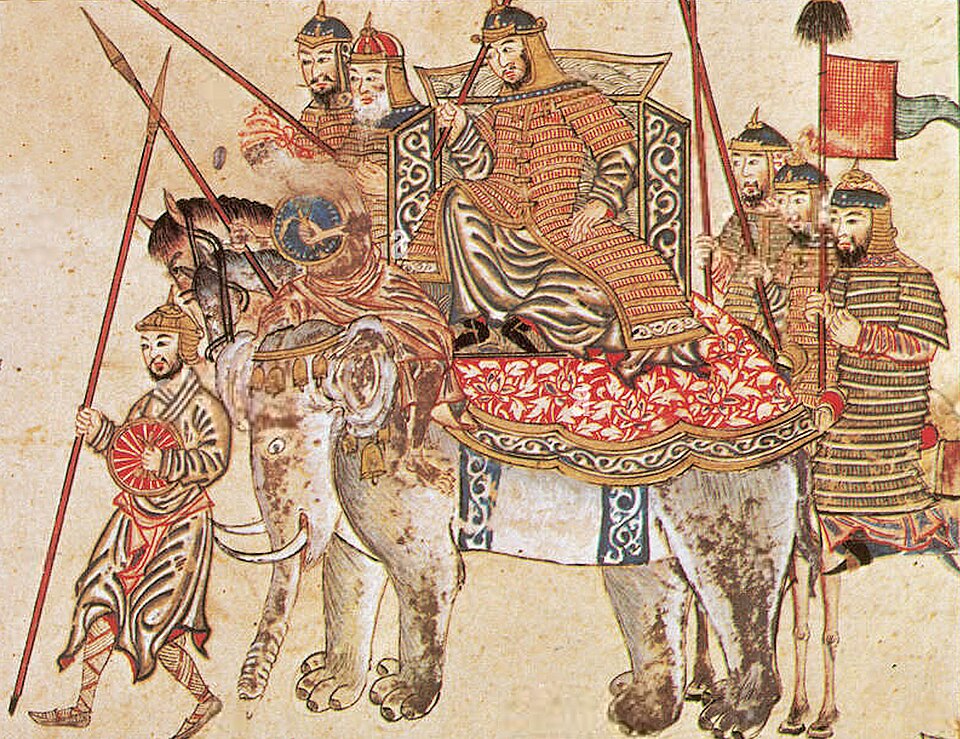
Mahmud's second great victory over the Hindu Shahis, on the plain of Chach near Attock, which left the Punjab open to him.
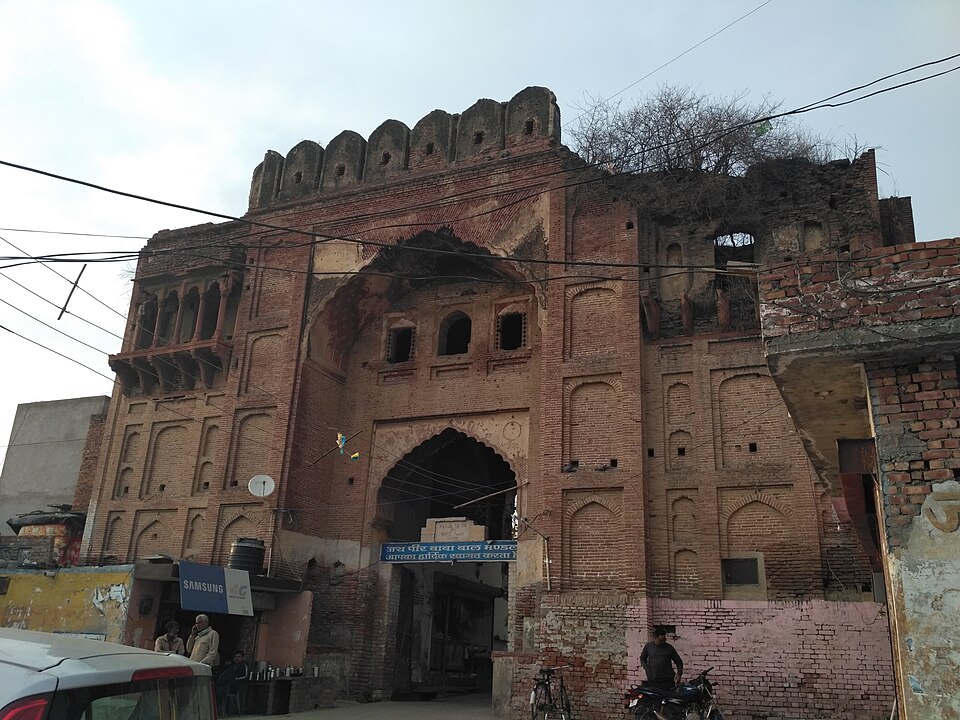
Prithviraj Chauhan routed the Ghurid army near Thanesar; Muhammad of Ghor was wounded and carried from the field.
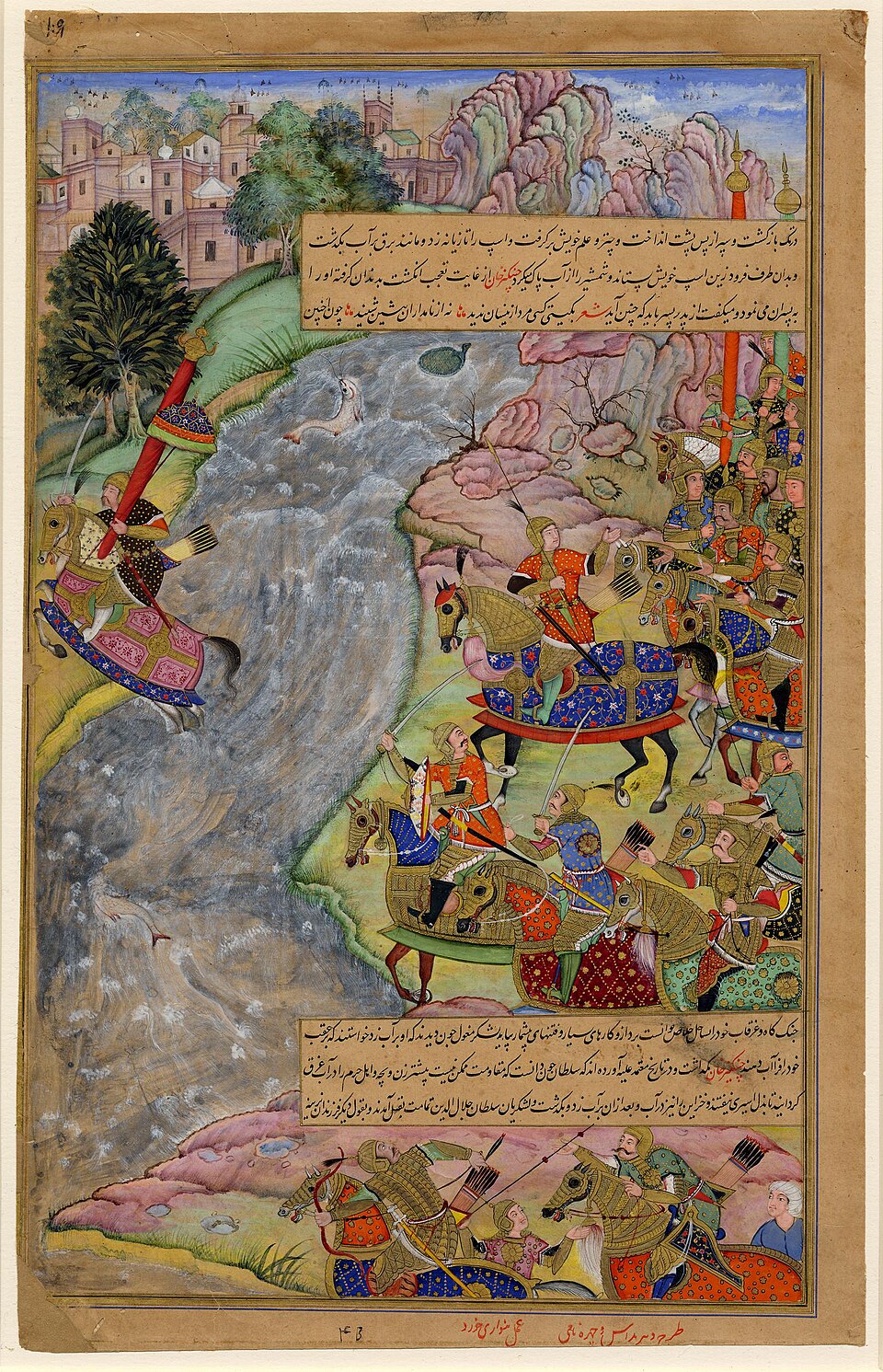
Genghis Khan caught the last Khwarazm prince on the Indus. Jalal ad-Din rode his horse off a cliff into the river and escaped into Punjab, drawing Mongol raids after him. The exact site, somewhere on the Indus, is uncertain.
A Mongol army stormed Lahore after the Delhi Sultanate failed to relieve it, and left the city in ruins for decades.