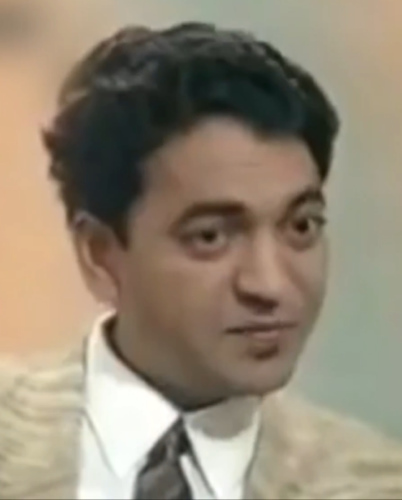
Ik Kudi Jida Naam Mohabbat
Batalvi's poem of a girl called Love, who is lost and never found again.
Shiv Kumar Batalvi wrote this poem about a girl named Mohabbat, Love, whose beauty he describes in a series of startling images, and who has gone missing; the poet searches for her everywhere and cannot find her. It is one of the best known poems of the poet who was called the Keats of Punjab, and is read as his lament for a love he lost.
Jagjit Singh sang it, and so did many others; in 2016 it was set to music in the film Udta Punjab and became a hit with a generation born long after Batalvi's death in 1973. Along with Maye Ni Maye, which Batalvi wrote and sang himself, it is the core of his fame.
His poems of pain and separation, birha, made him the most loved Punjabi poet of the twentieth century, and his lines are quoted on gravestones and in wedding speeches alike.
More famous songs and poems
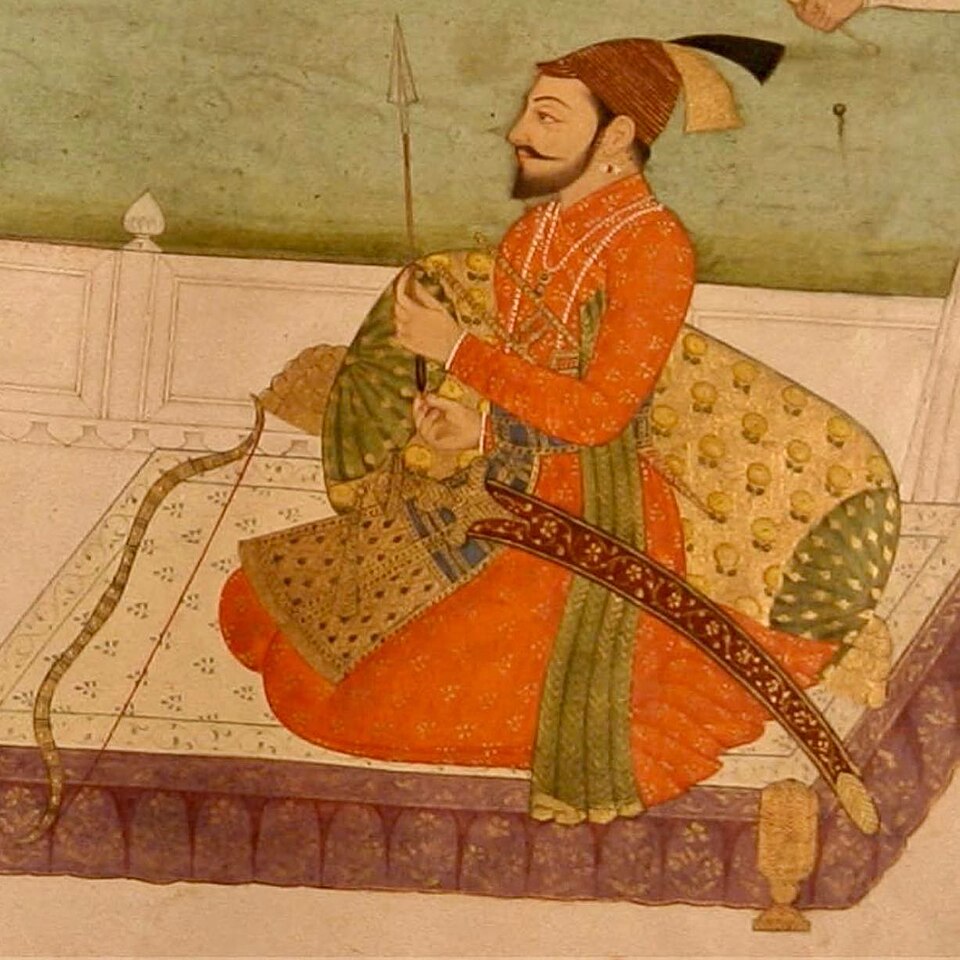
Guru Gobind Singh's prayer for courage, the anthem of the Khalsa and of the Sikh Regiment.
▶ Watch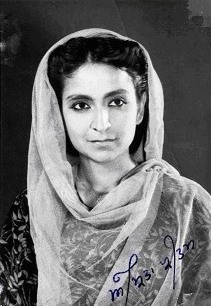
Amrita Pritam's lament for the Partition, calling on Waris Shah to rise from his grave and see Punjab now.
▶ Watch
Bulleh Shah's kafi of who I am not, turned into a rock song that became India's anthem of 2005.
▶ Watch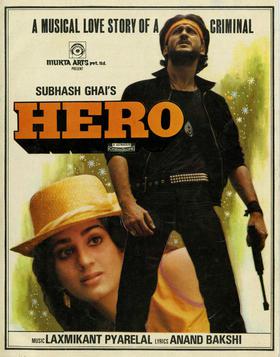
Reshma's song of a long separation, sung in a Hindi film and adopted by both Punjabs.
▶ Watch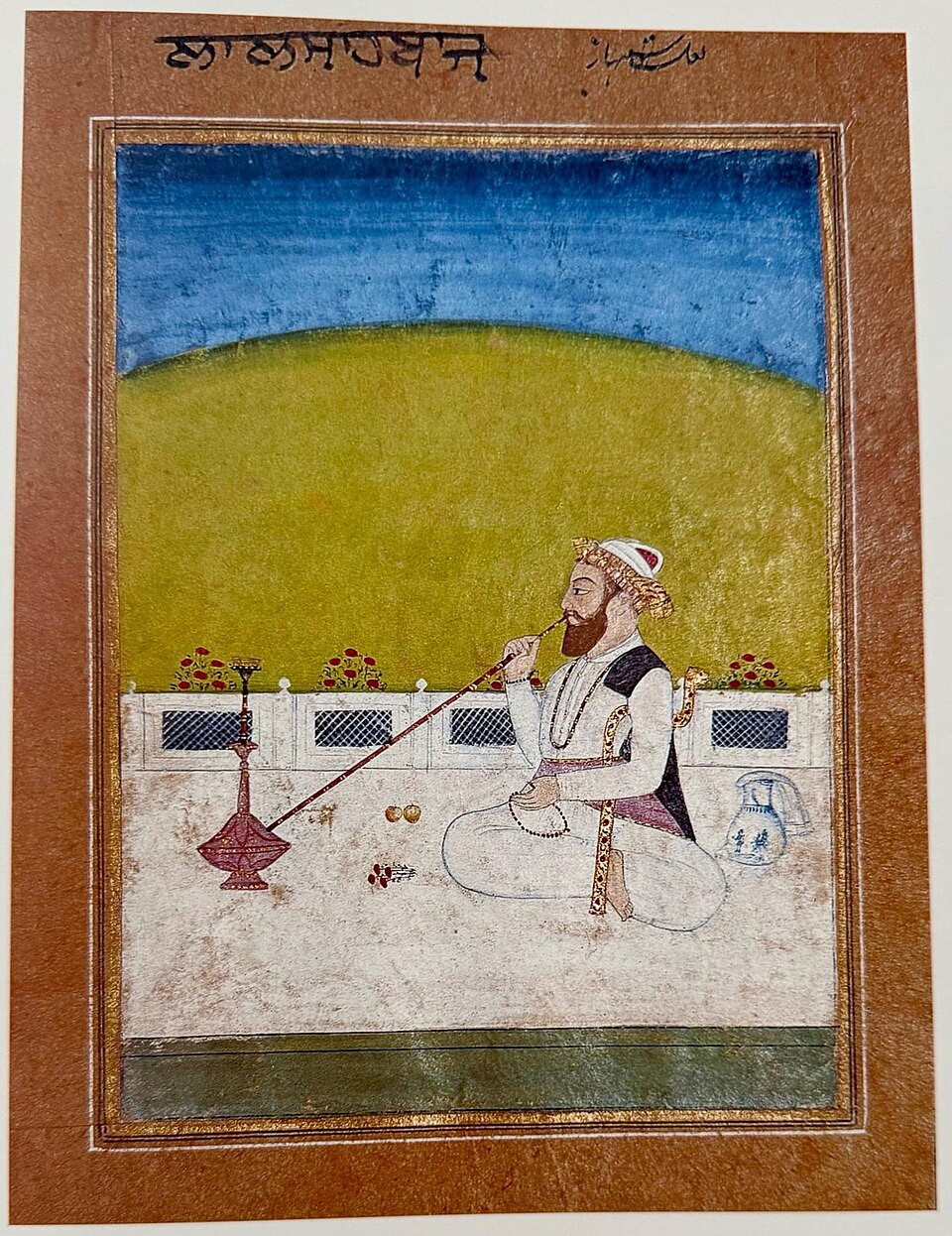
The dhamaal of the shrine of Lal Shahbaz Qalandar, sung by every great Sufi voice of the Punjab.
▶ Watch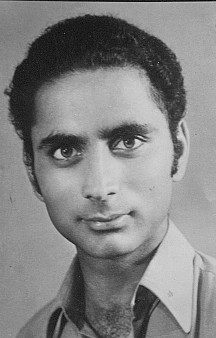
Pash's poem that the most dangerous thing is the death of our dreams.
▶ Watch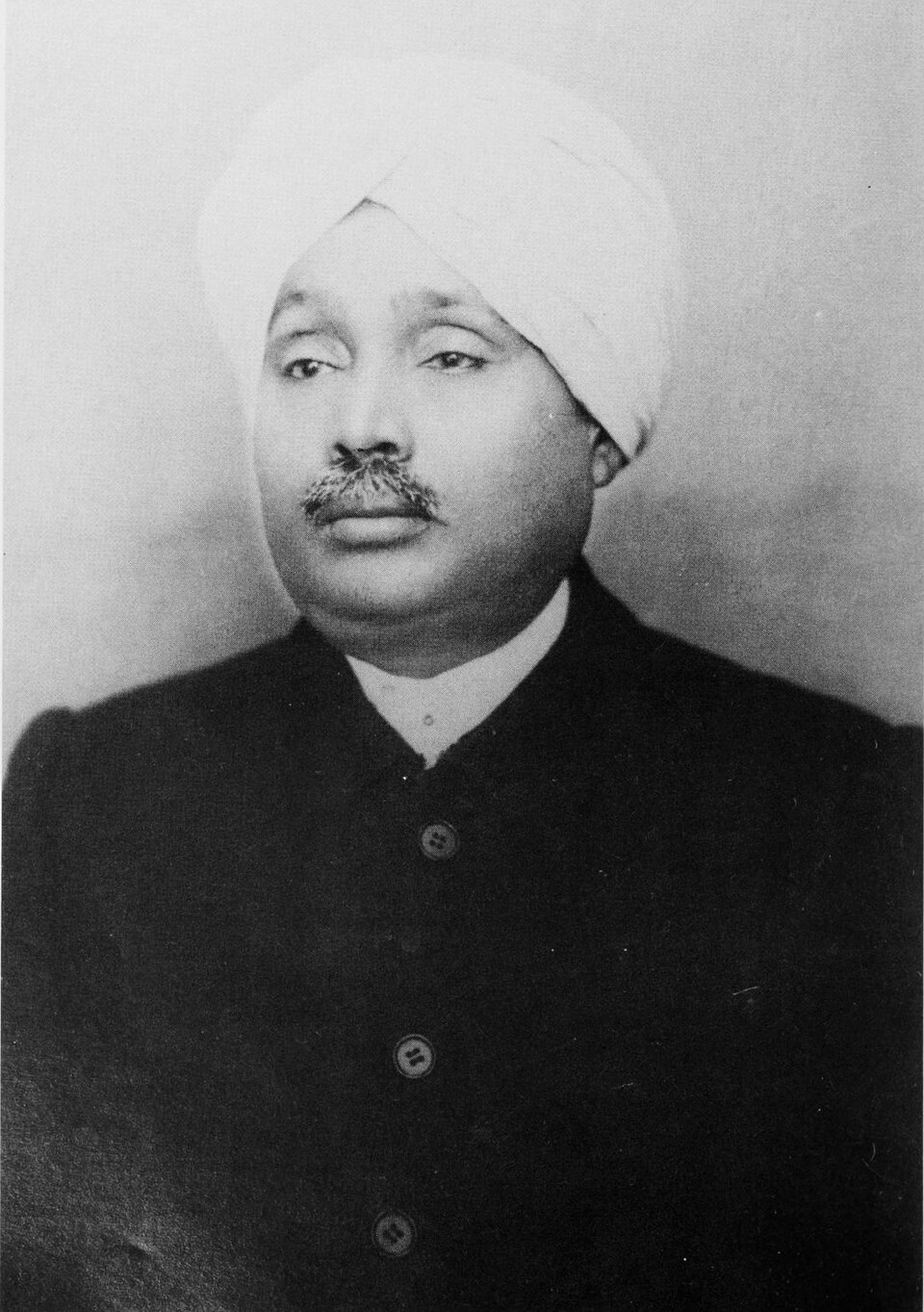
'Guard your turban, farmer': the protest song of 1907 that became the slogan of every Punjabi farmers' movement since.
▶ Watch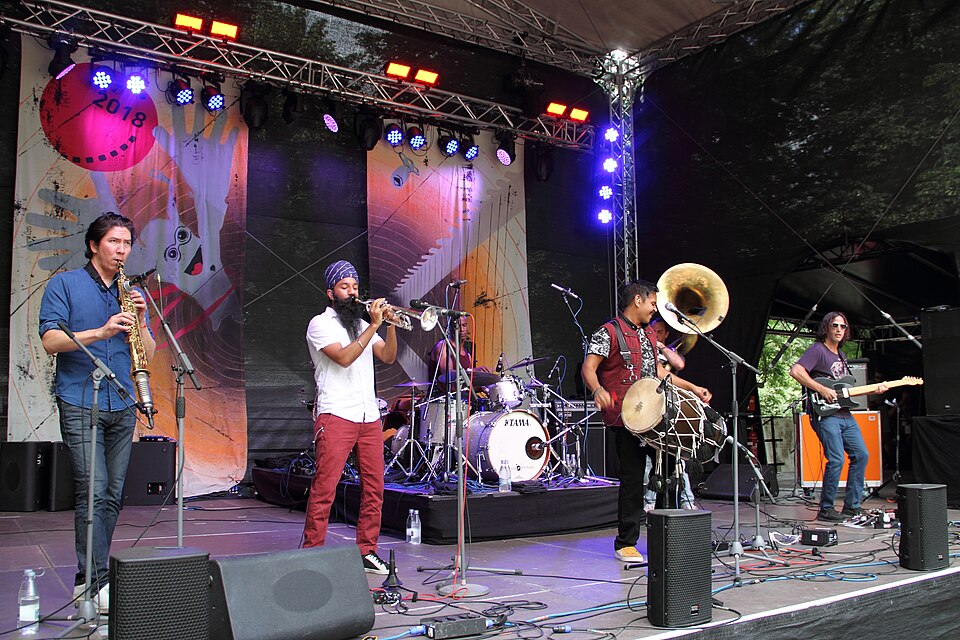
The bhangra of Southall and Birmingham, which mixed the dhol with synthesisers and reggae and went round the world.
▶ Watch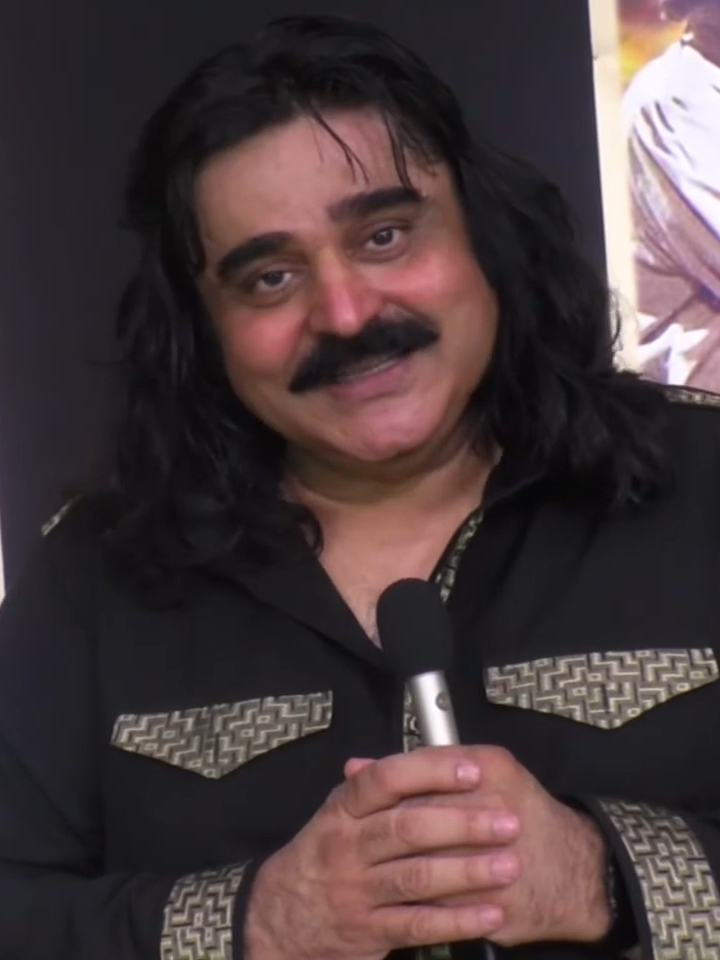
Arif Lohar and Meesha Shafi's version of the old Jugni that made Coke Studio Pakistan famous across the world.
▶ WatchMadhaniyanFolkThe farewell song of the bride to her mother and father, one of the saddest songs in Punjabi.
▶ WatchKala DoriyaFolkThe teasing wedding song of the black thread, sung by women at the mehndi and in giddha.
▶ WatchLathe di chadarFolkA mahiya duet about a sheet of white cotton: a lover's invitation to sit down and talk.