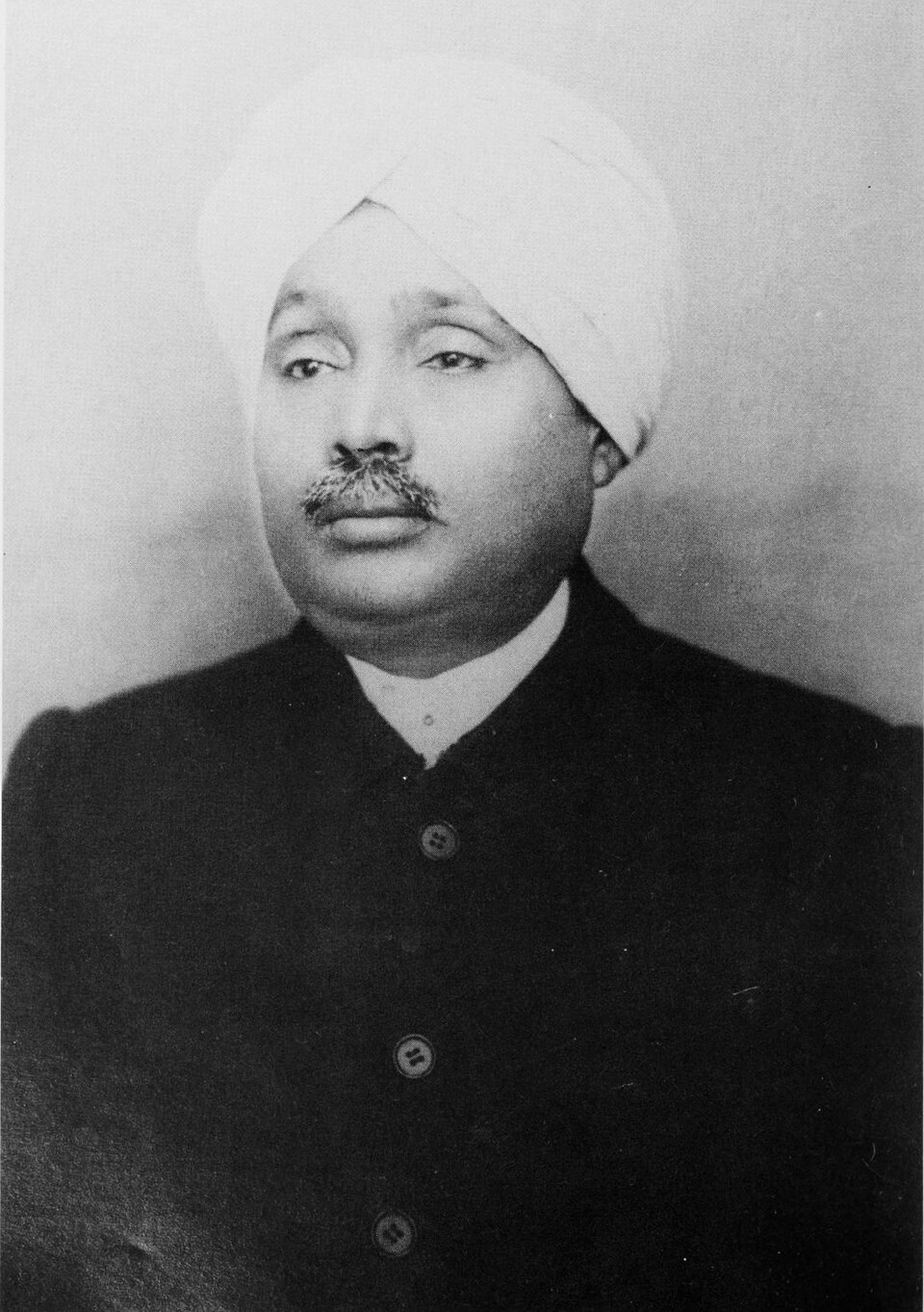
Pagri Sambhal Jatta
'Guard your turban, farmer': the protest song of 1907 that became the slogan of every Punjabi farmers' movement since.
In 1907 the British passed the Punjab Colonisation Bill and raised water rates in the canal colonies, threatening the settlers' land. At a protest rally in Lyallpur, Banke Dayal, editor of the newspaper Jhang Sial, recited a poem calling on the Jat farmer to guard his turban, his honour, because the government was coming to rob him.
Ajit Singh, Bhagat Singh's uncle, and Lala Lajpat Rai led the agitation, and the song spread through the canal colonies; the British deported both men to Burma, but the bill was vetoed. The movement took its name from the song.
The line has been raised at every Punjabi farmers' protest since, and it was sung again at the borders of Delhi during the farmers' movement of 2020 and 2021.
More famous songs and poems
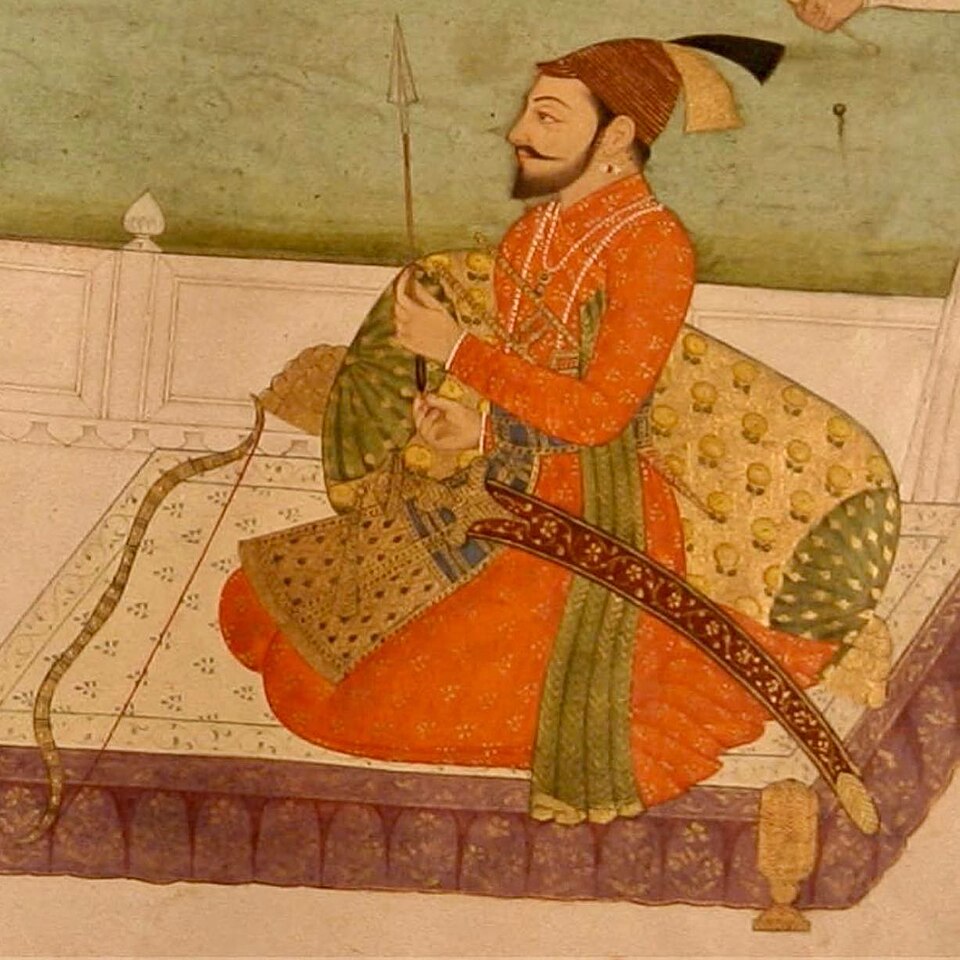
Guru Gobind Singh's prayer for courage, the anthem of the Khalsa and of the Sikh Regiment.
▶ Watch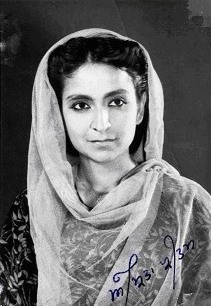
Amrita Pritam's lament for the Partition, calling on Waris Shah to rise from his grave and see Punjab now.
▶ Watch
Batalvi's poem of a girl called Love, who is lost and never found again.
▶ Watch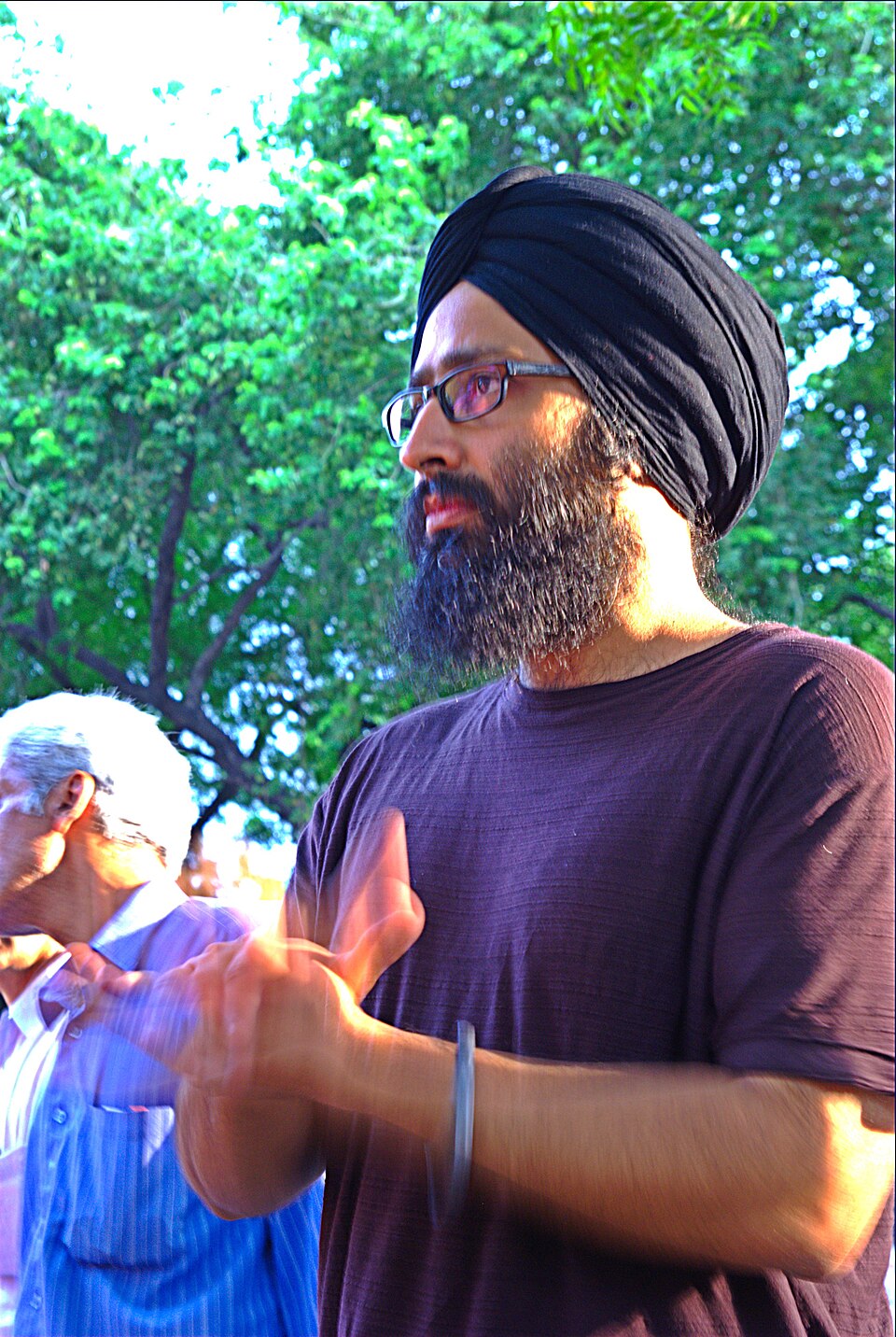
Bulleh Shah's kafi of who I am not, turned into a rock song that became India's anthem of 2005.
▶ Watch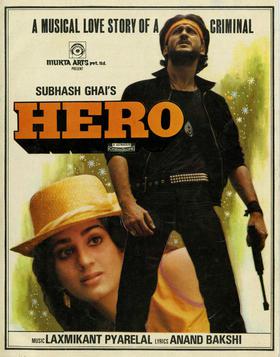
Reshma's song of a long separation, sung in a Hindi film and adopted by both Punjabs.
▶ Watch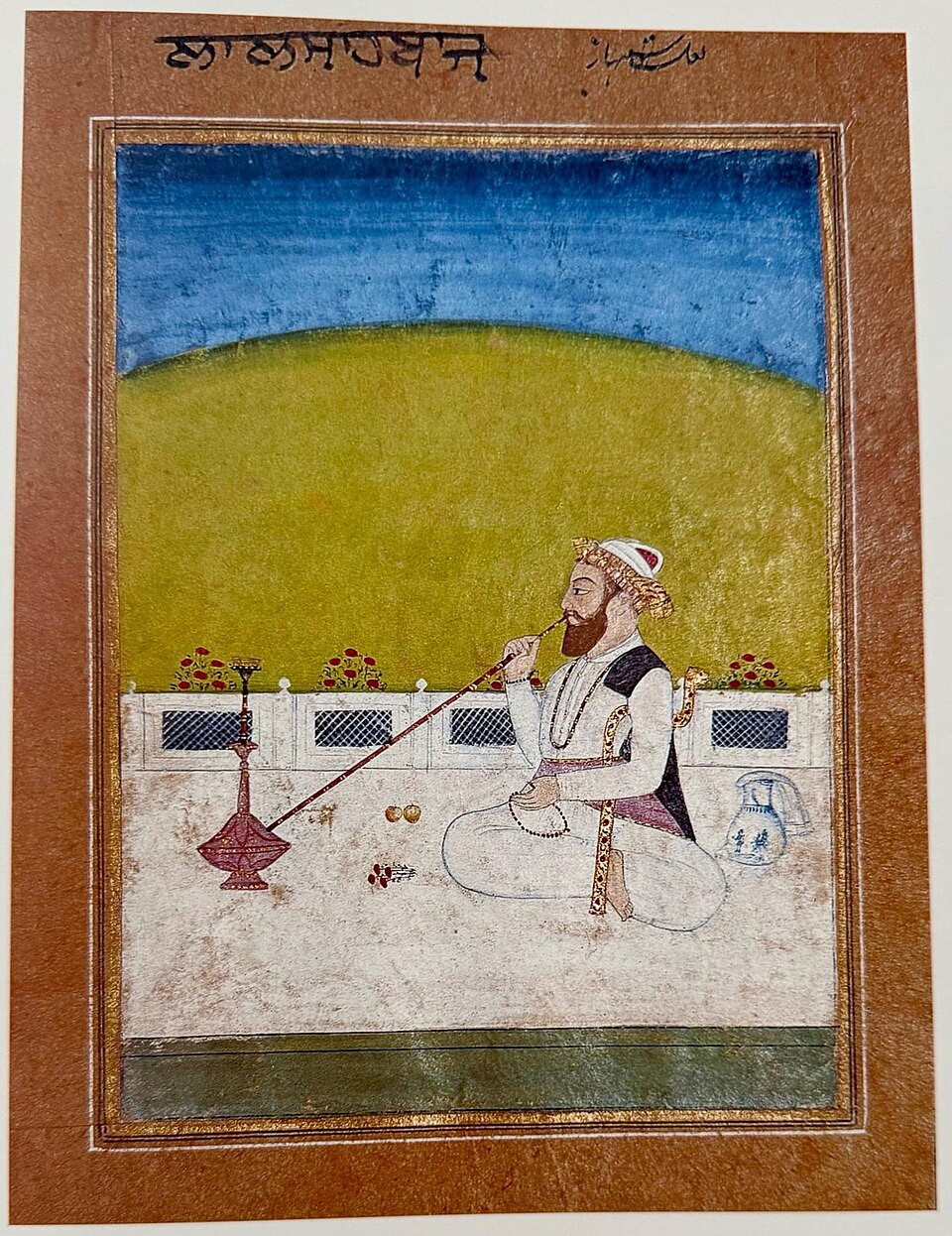
The dhamaal of the shrine of Lal Shahbaz Qalandar, sung by every great Sufi voice of the Punjab.
▶ Watch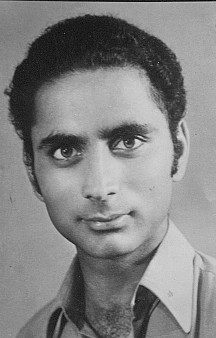
Pash's poem that the most dangerous thing is the death of our dreams.
▶ Watch
The bhangra of Southall and Birmingham, which mixed the dhol with synthesisers and reggae and went round the world.
▶ Watch
Arif Lohar and Meesha Shafi's version of the old Jugni that made Coke Studio Pakistan famous across the world.
▶ WatchMadhaniyanFolkThe farewell song of the bride to her mother and father, one of the saddest songs in Punjabi.
▶ WatchKala DoriyaFolkThe teasing wedding song of the black thread, sung by women at the mehndi and in giddha.
▶ WatchLathe di chadarFolkA mahiya duet about a sheet of white cotton: a lover's invitation to sit down and talk.