A changing land
Wild grassland and forest, wandering rivers, the Grand Trunk Road and the animals that remain.
Before the canals
Bar, jungle and wandering riversBefore the canals the Punjab's landscape was wilder and less fixed. Between the rivers lay the bar, high, dry grassland and scrub where herders grazed cattle and camels and where outlaws and rebels found refuge, and in the Malwa the Lakhi jungle, a great forest of thorn and dhak trees where the Sikh bands hid from the Mughal and Afghan armies in the eighteenth century.
The rivers wandered. The Beas once ran in its own bed to meet the Chenab and joined the Sutlej only in the late eighteenth century; the Ravi left Harappa behind and has moved away from Lahore's walls; the Ghaggar-Hakra, perhaps the Sarasvati of the Vedas, dried to a seasonal stream, leaving a line of dead Harappan towns along its bed into Cholistan.
The rivers still flood. The monsoon floods of 1955, 1988, 2010 and 2023 drowned villages and fields in one or both Punjabs, and every few years the Sutlej, Ravi and Chenab break their banks, a reminder that the five waters were never fully tamed.
Wild Punjab
- Harike
- Where the Beas meets the Sutlej, a barrage built in 1953 created one of the largest wetlands in north India, a Ramsar site where tens of thousands of ducks and geese from Central Asia and Siberia spend the winter.
- The blind river dolphin
- The Indus river dolphin, the bhulan, almost blind, survives in the Indus below the Punjab barrages and in a tiny population in the Beas near Harike, one of the rarest dolphins in the world.
- Blackbuck and the Bishnois
- Around Abohar the Bishnoi villagers, whose faith forbids killing animals and cutting green trees, protect herds of blackbuck, the state animal of Indian Punjab.
- The Salt Range and the urial
- The Salt Range between the Jhelum and the Indus is home to the Punjab urial, a wild sheep, and to the Khewra salt mine, worked since at least the Mughal age and said to be one of the largest in the world.
- Changa Manga
- South of Lahore, a forest planted by the British from 1866 to supply fuel for the railways became one of the largest man-made forests in the world.
- Cholistan and the Thal
- In the south-west the Cholistan desert and the Thal between the Indus and the Jhelum are the Punjab's drylands, of camels, herders, Ghulam Farid's poetry and Derawar fort.
Trees
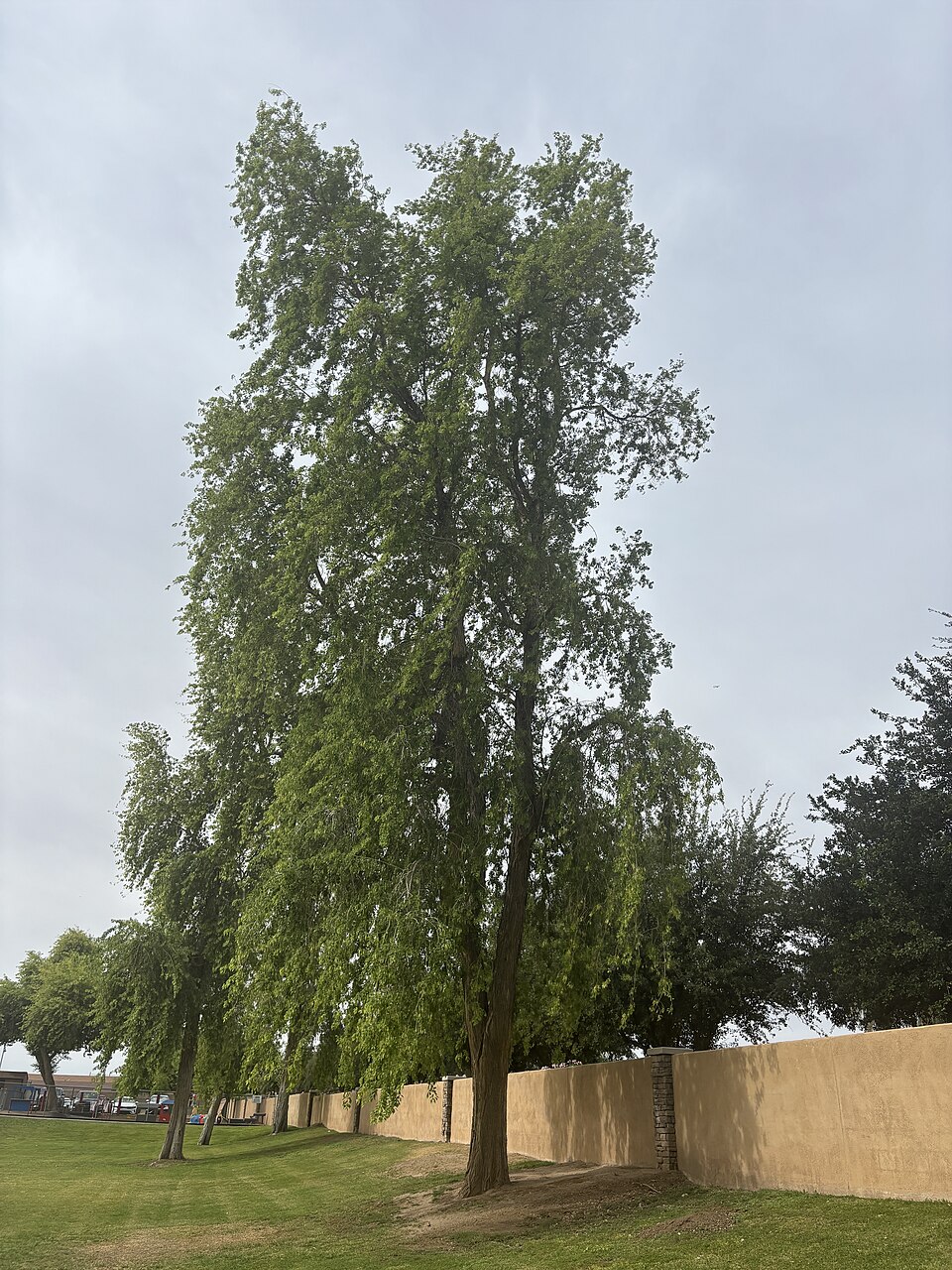
The Punjab's own tree and the state tree of Indian Punjab: hard, dark wood for beds, wheels and doors, and the shade of every field's edge.
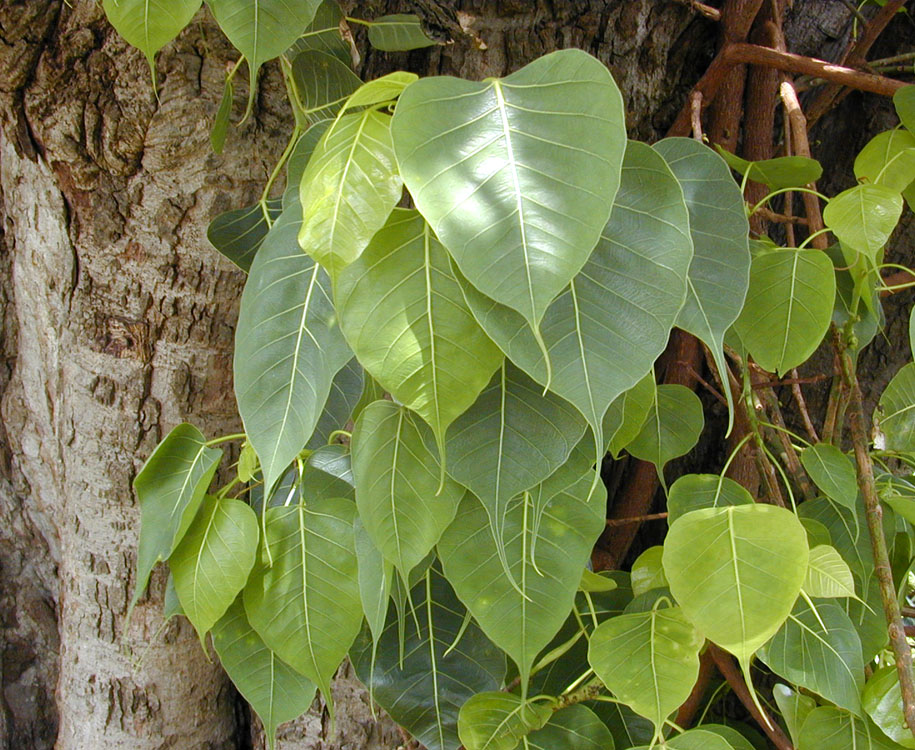
Sacred to Hindus and Buddhists; girls hung their Teeyan swings from its branches, and its trembling leaves fill the songs of Sawan.
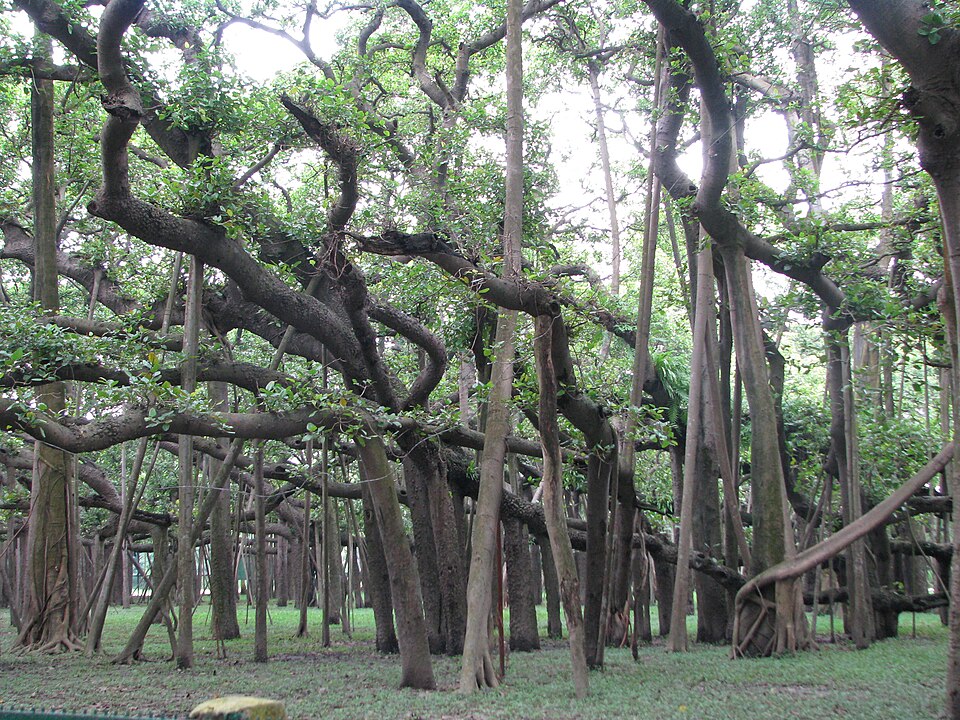
The great tree of the village square, where the elders sat and disputes were settled. 'A bohr of a man' means one who shelters others.
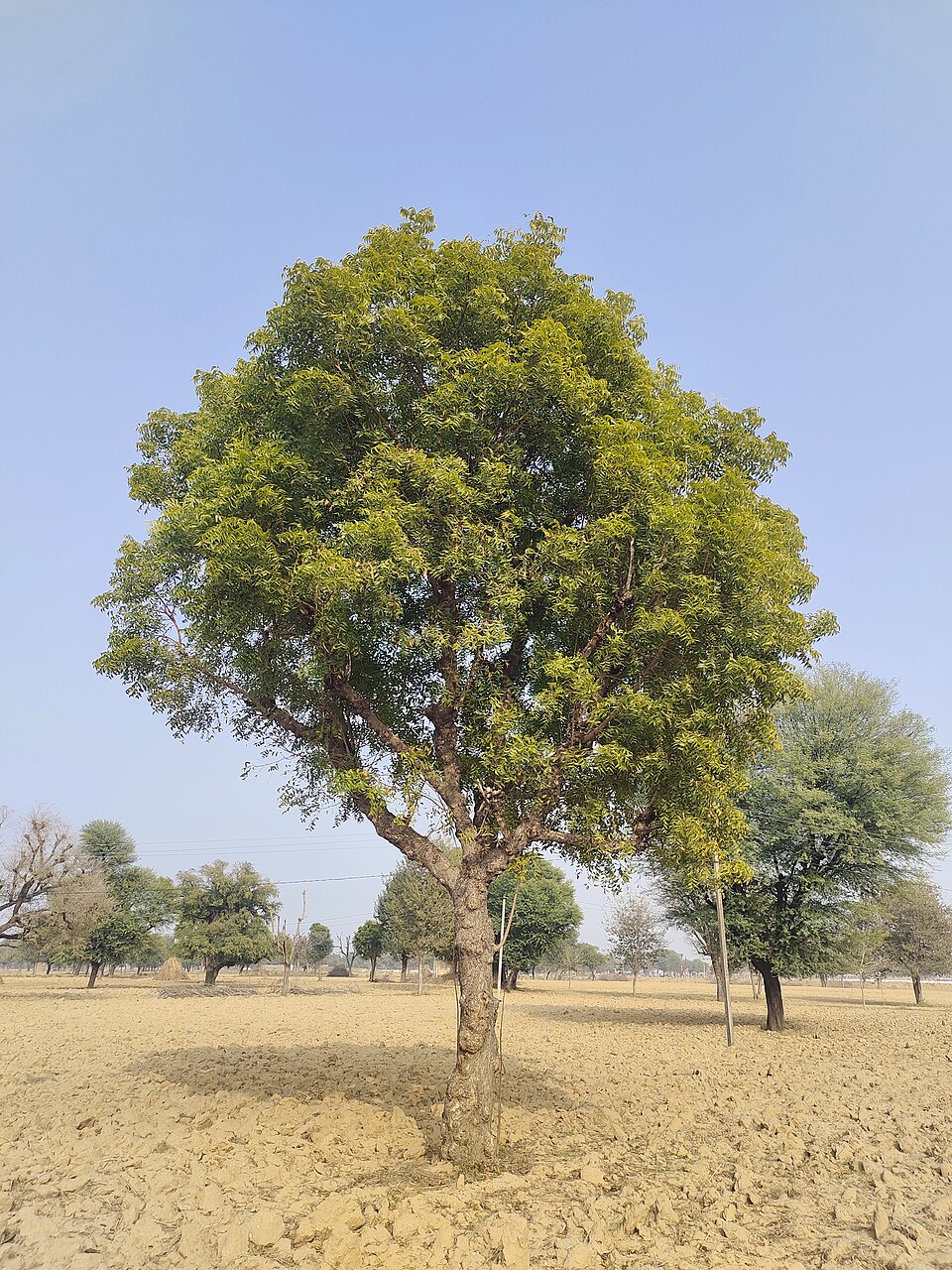
The bitter healing tree: its twigs were the village toothbrush, and its leaves were hung over the door when a child was born.
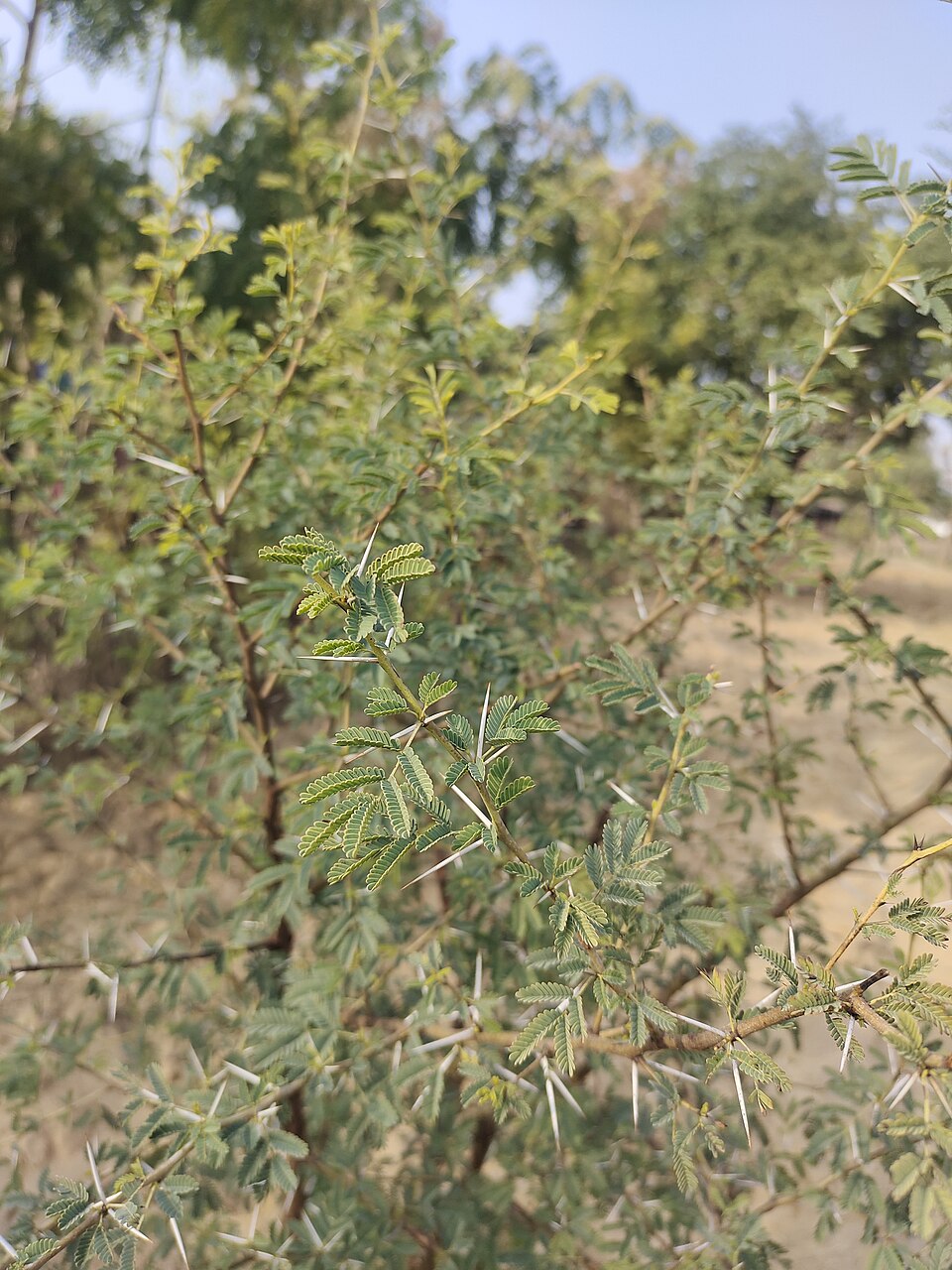
The thorny acacia of the dry plain and the bar, food for goats and camels; its twig, the datan, cleaned teeth.
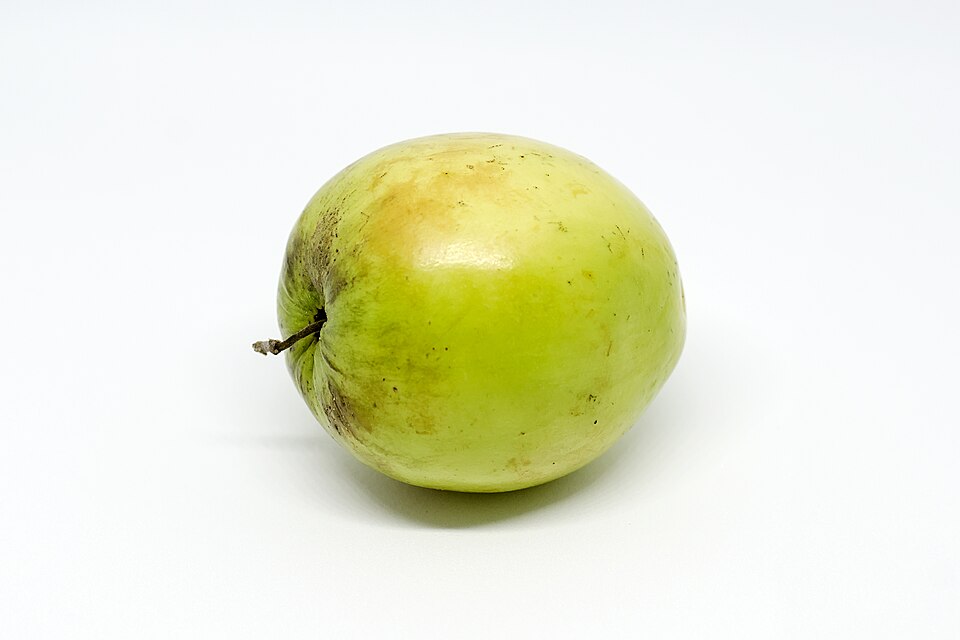
The jujube, whose sour ber fruit children stole. Several old beris are honoured at gurdwaras, among them the Dukh Bhanjani Beri at Amritsar.
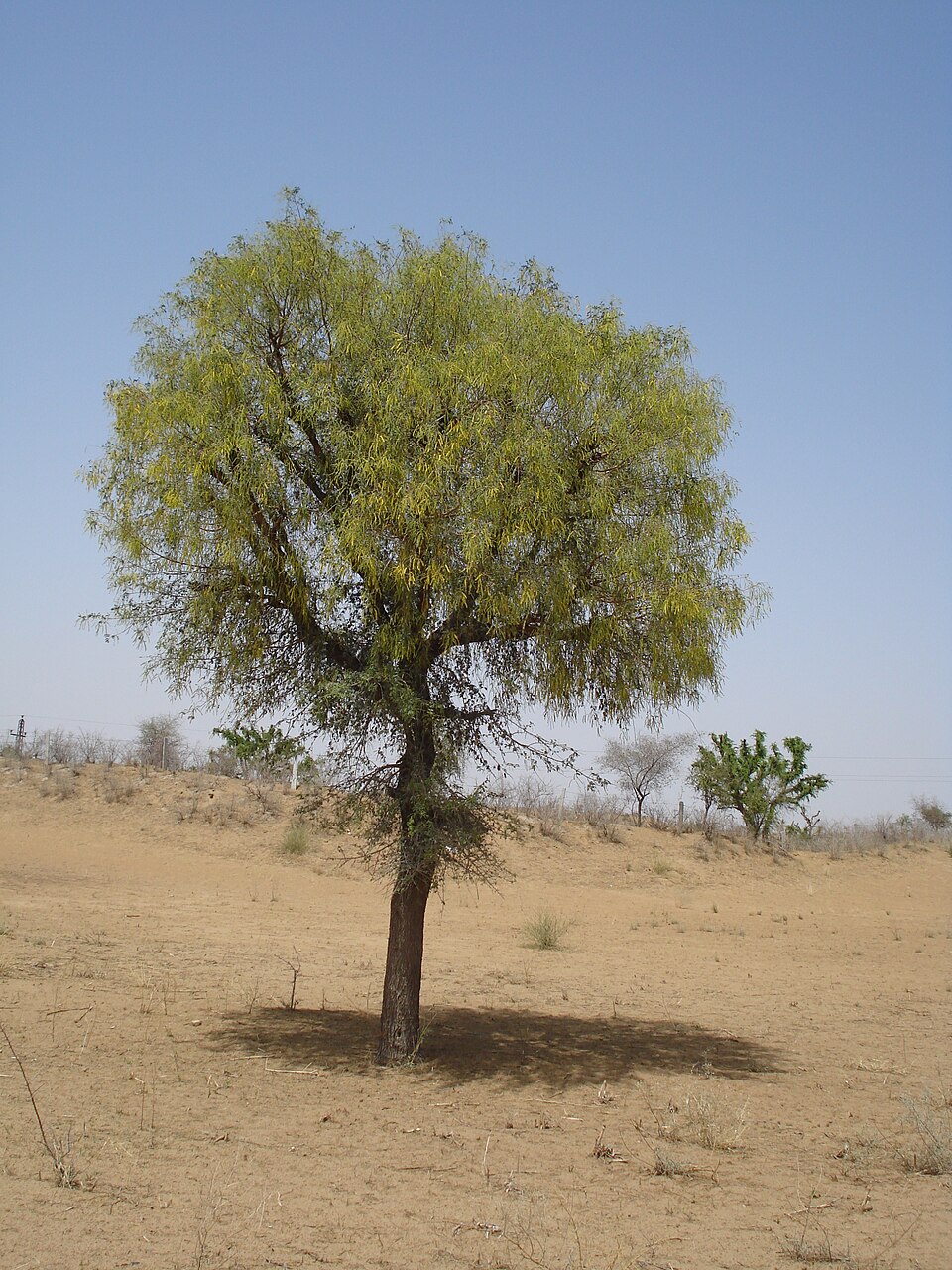
The tough tree of the dry west. Mirza lay down to sleep under a jand on his flight with Sahiban, and was killed there by her brothers.
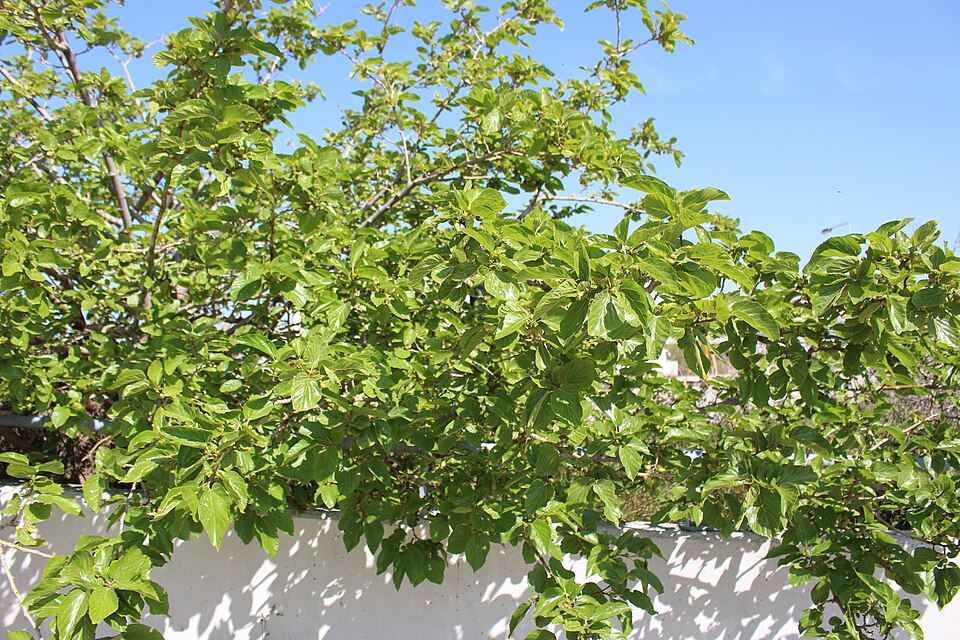
Planted along canals and wells; its fruit ripens in May, and its pliant twigs were woven into baskets.
Birds
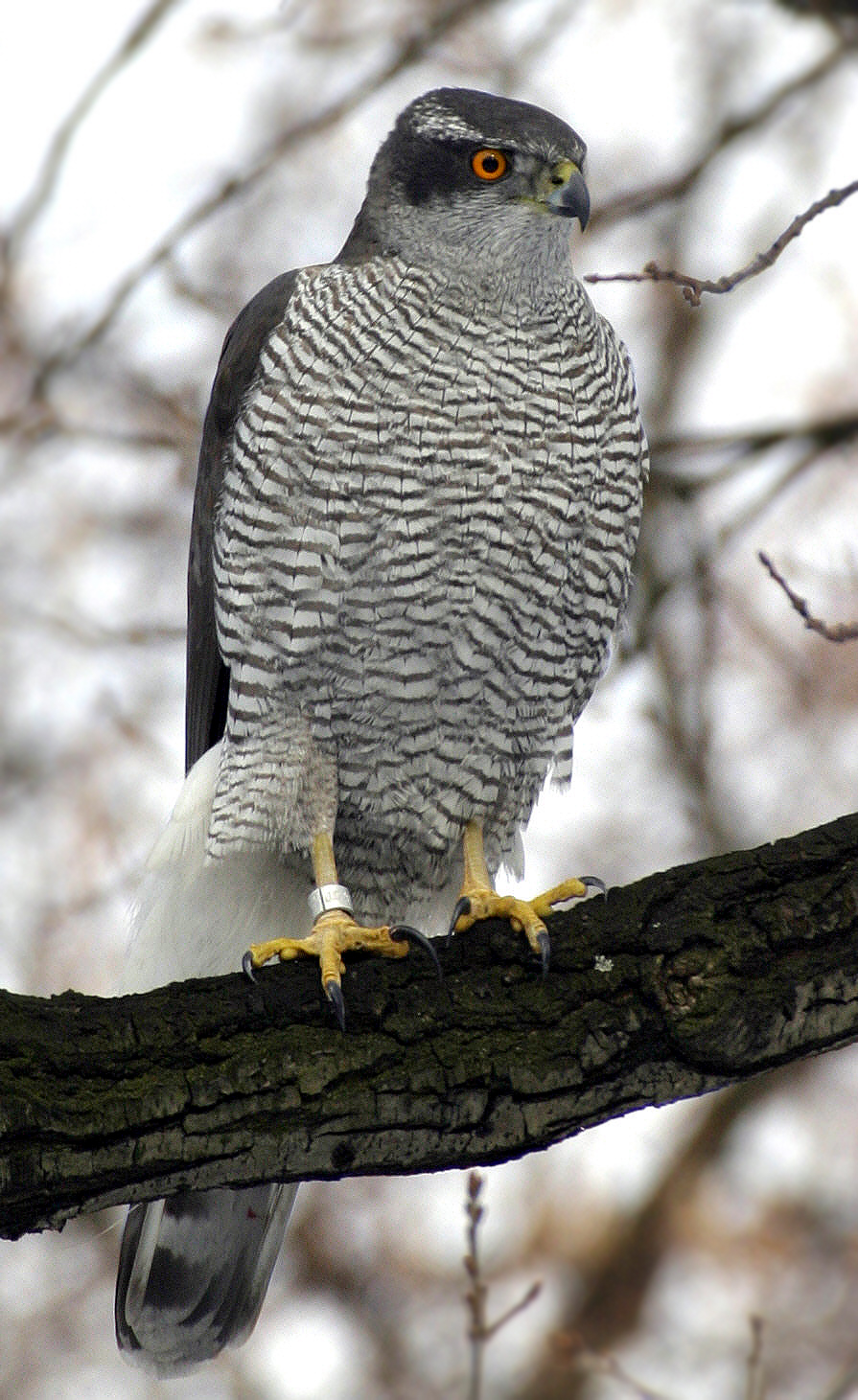
The hawk, state bird of Indian Punjab. Guru Gobind Singh rode with a white hawk on his wrist and is remembered as 'chitte baaz wala'.
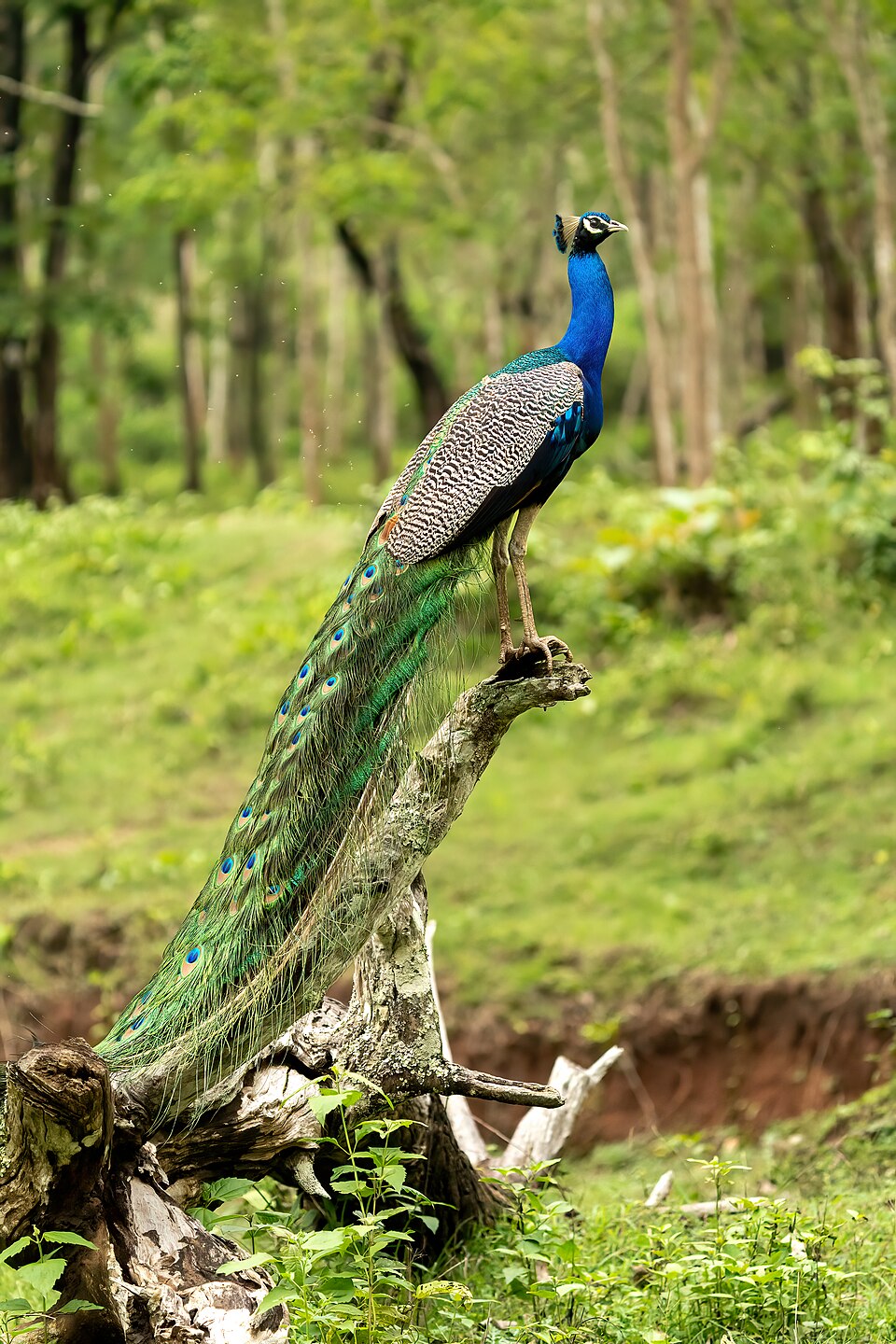
Dances when the monsoon clouds gather; in the songs of Sawan its cry calls the absent lover home.
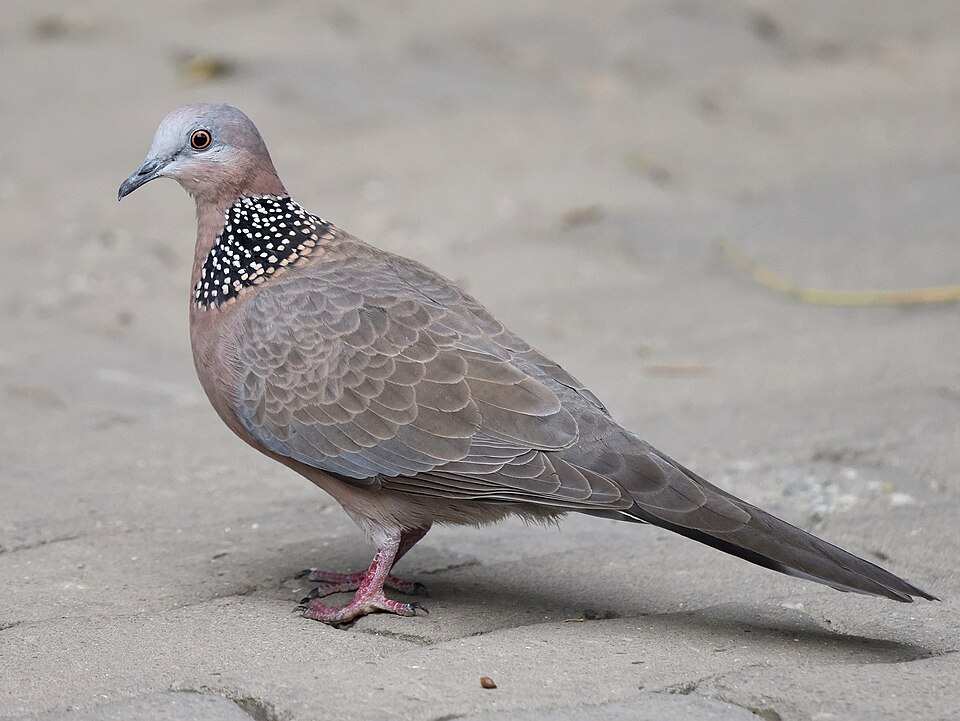
The cooing dove of every courtyard and well, a gentle bird of Punjabi lullabies and love songs.
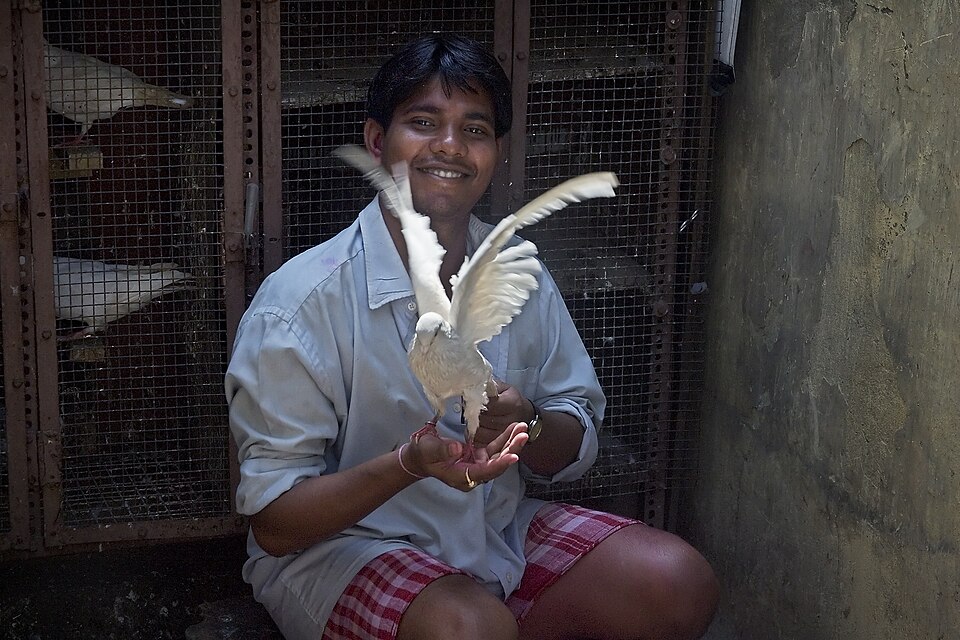
Pigeon-flying on the rooftops of Lahore and Amritsar, where fanciers race their flocks and lure away rivals' birds.
Animals
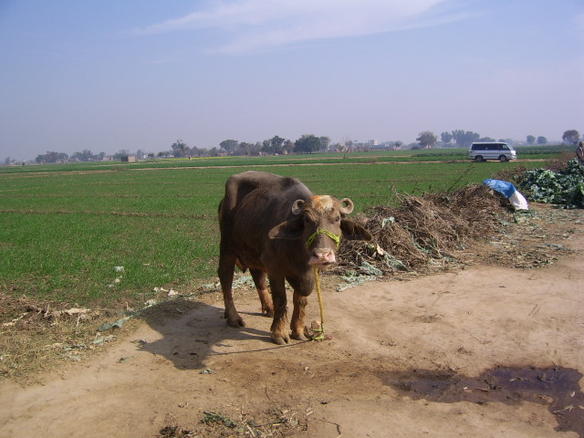
The Nili-Ravi buffalo and the Sahiwal cow are Punjab breeds; a good majh, rich in milk for lassi and ghee, was a family's pride.
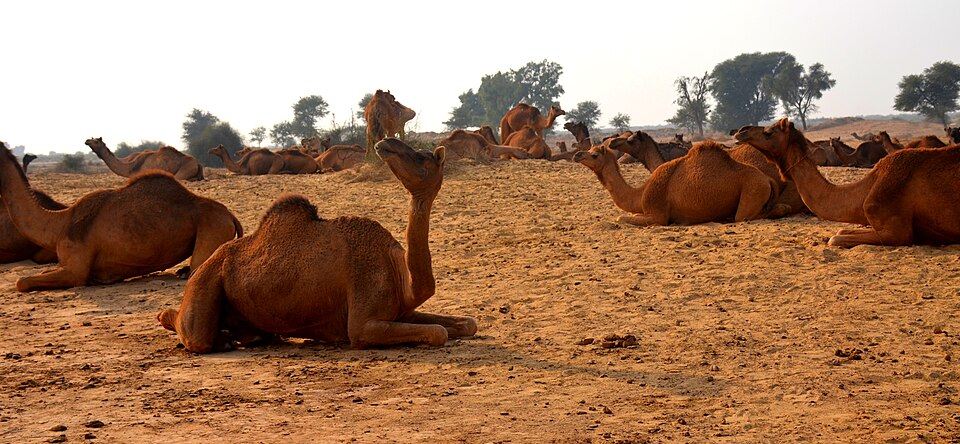
Before the canals, camel herders crossed the dry bar between the rivers; camels still pull carts and plough in Cholistan and the Thal, and dance at fairs.
Crops
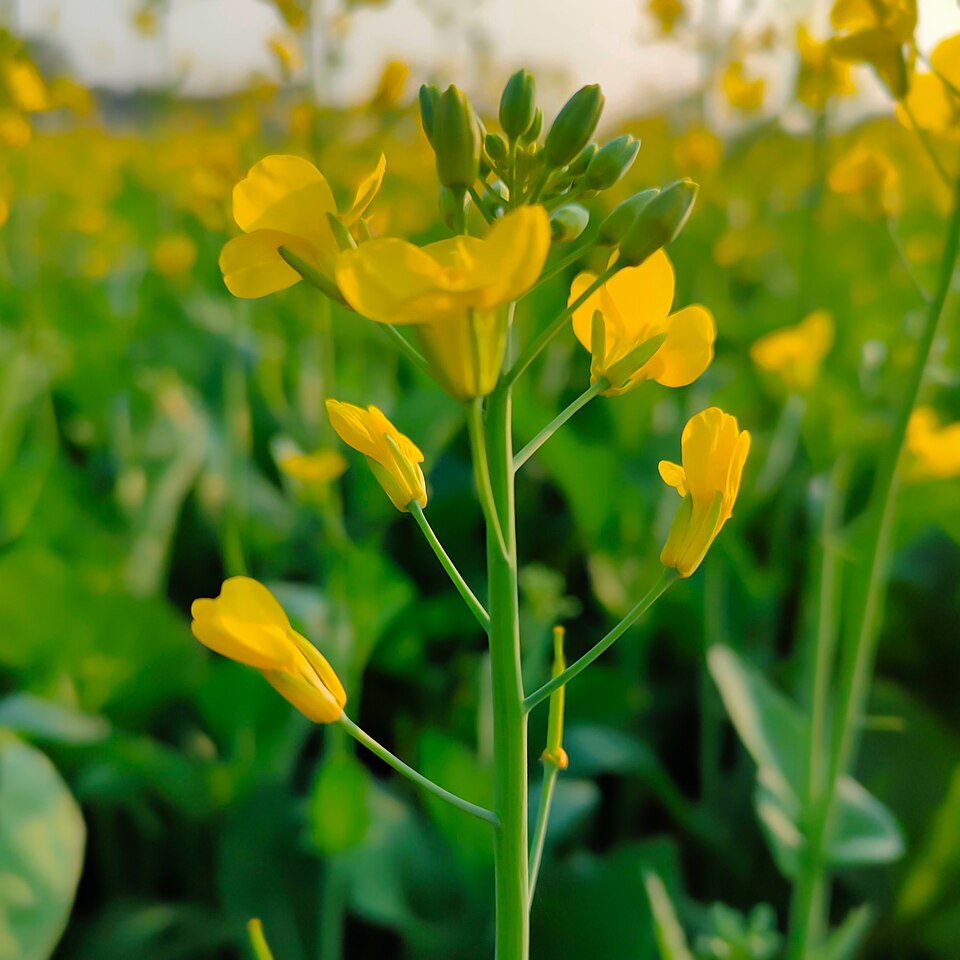
The yellow fields of late winter, when Basant is celebrated, and the saag eaten with makki di roti.
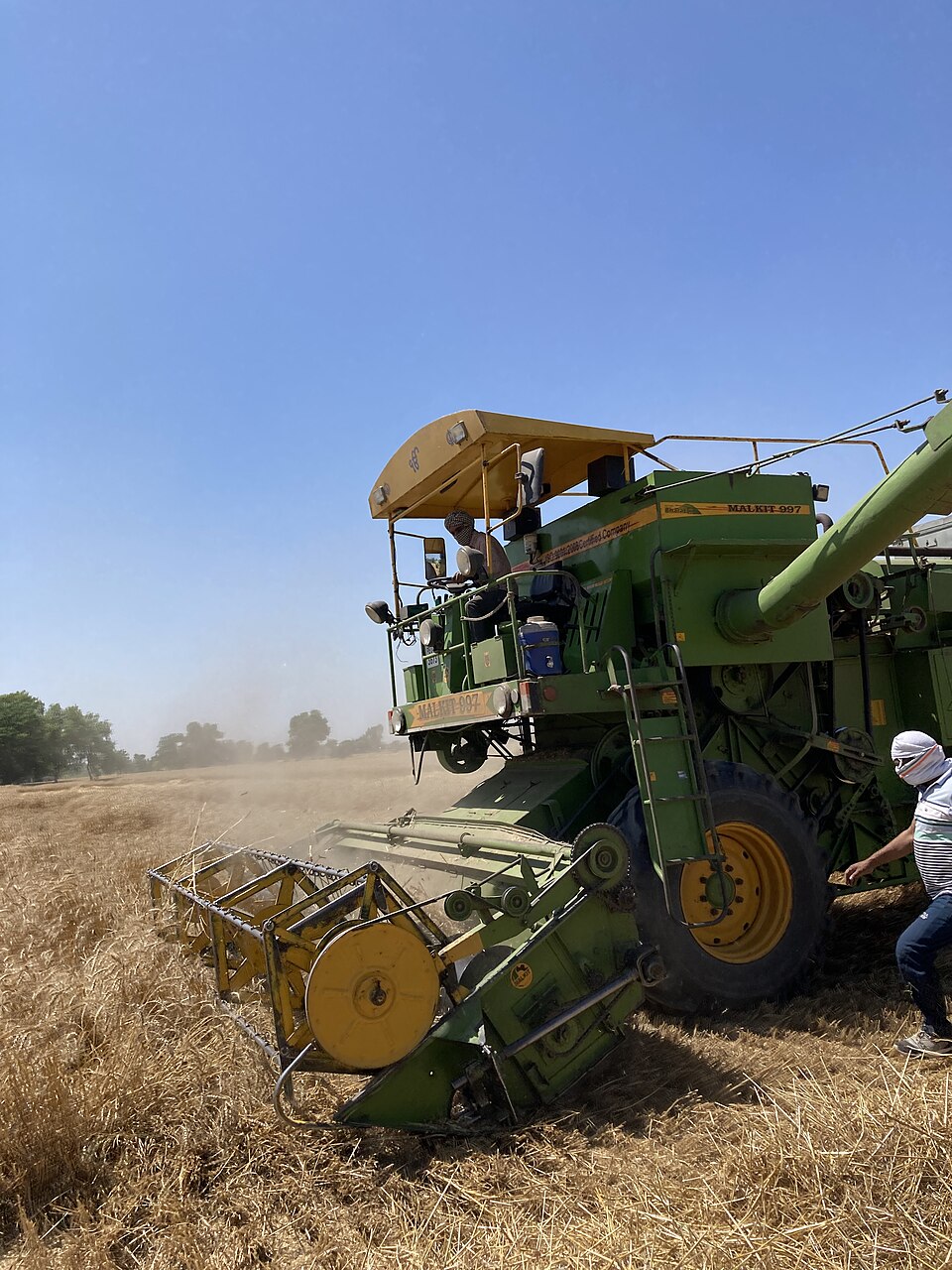
Sown after Diwali and harvested at Vaisakhi, the crop the whole year turns on, and the reason the Punjab is called the breadbasket.
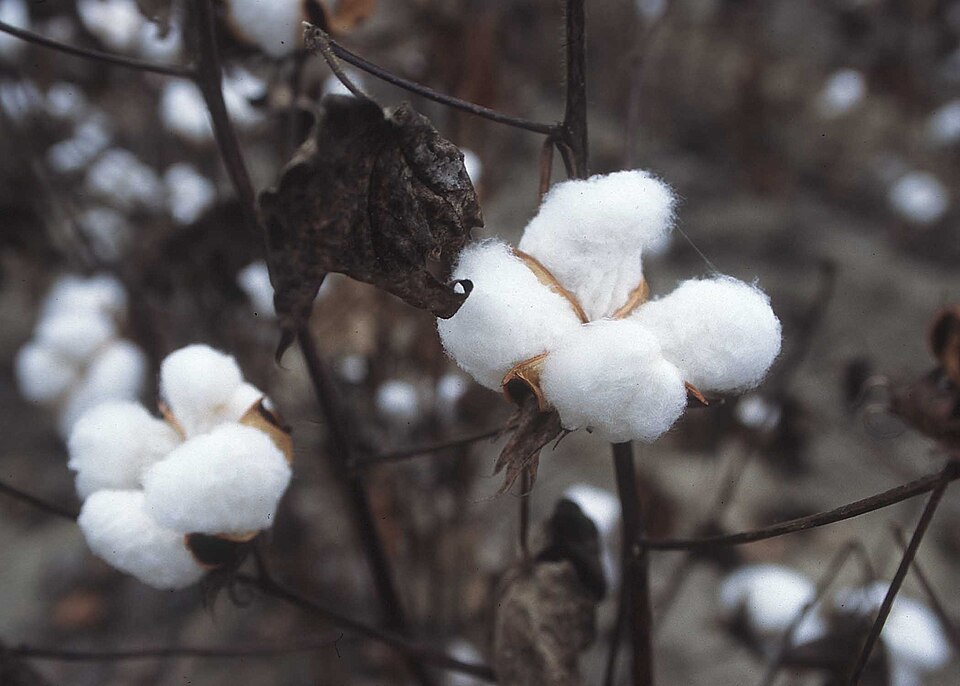
Picked by women and spun in the trinjan; the cotton belt runs from Multan to Bathinda.
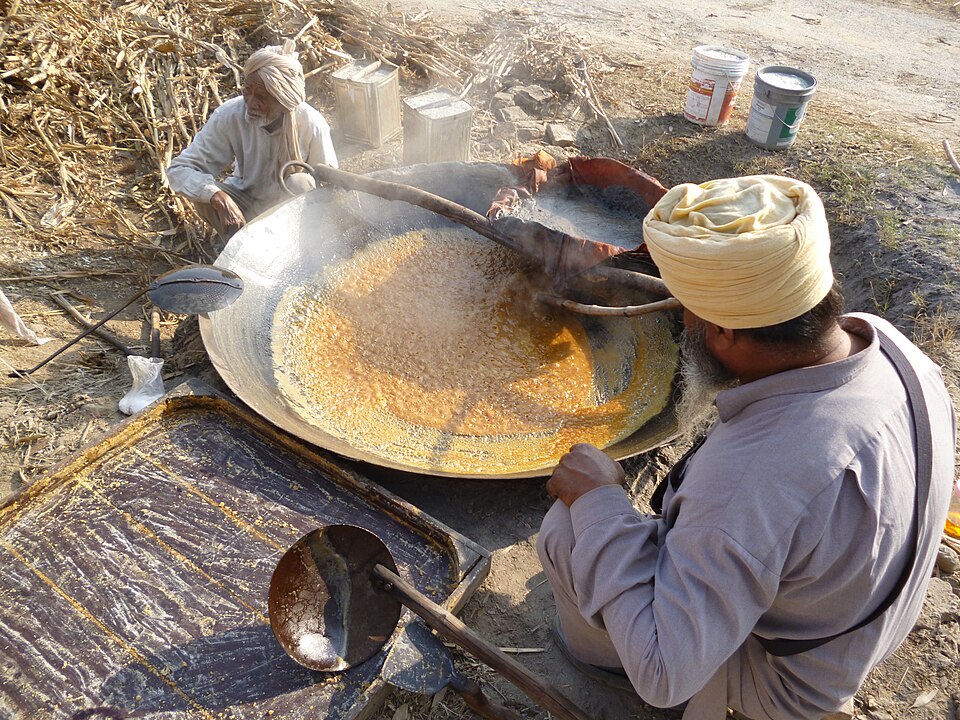
Crushed in the village kohlu and boiled down into gur, the dark jaggery given as shagun and eaten in winter.
The Grand Trunk Road
Peshawar to DelhiThe Uttarapatha, the northern road, ran through the Punjab from Taxila to the Ganges plain in the age of the Mauryas. Sher Shah Suri rebuilt it in the 1540s as a royal highway from Bengal to the Indus, with wells, trees and sarais at every stage, and the Mughals marked it with kos minars, towers every kos, several of which still stand in the Punjab and Haryana.
Travellers rested at sarais such as Nurmahal, built by Nur Jahan in 1618–20, and Doraha and Shambhu. The British made it the Grand Trunk Road; Kipling called it 'a river of life'. Today it is National Highway 44 in India and the N-5 in Pakistan, and still the spine of the Punjab, through Peshawar, Rawalpindi, Lahore, Amritsar, Jalandhar, Ludhiana and Ambala to Delhi.
In 1947 the road carried the great foot columns, the kafilas, of refugees walking east and west, hundreds of thousands at a time, past the trains of the dead. Today it is the road of the painted lorry and the roadside dhaba serving dal, roti and tea to drivers through the night. Between Amritsar and Lahore it is cut in two at Attari and Wagah, where since 1959 the border guards of both countries lower their flags each evening in a ceremony of stamping boots and high kicks, watched by cheering crowds on both sides.