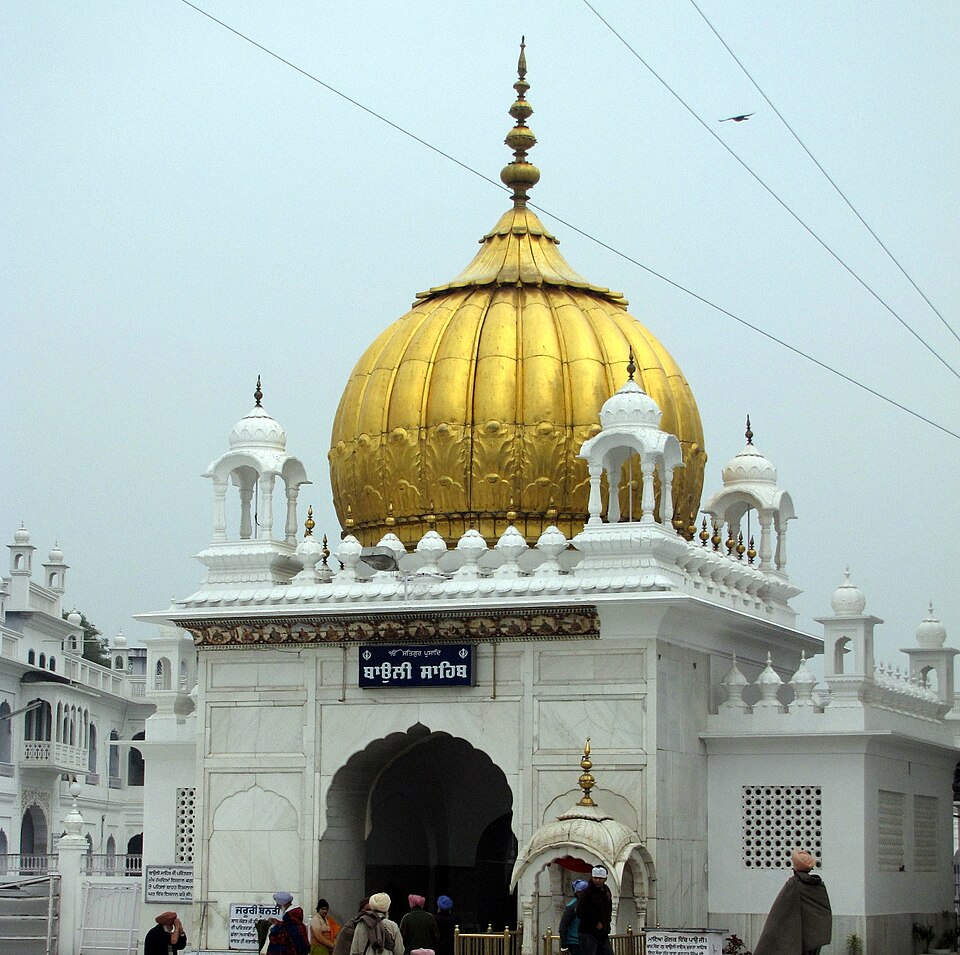
Goindwal Sahib
Guru Amar Das's town on the Beas, with its stepwell (baoli) of 84 steps. Visitors had to eat in the langar before meeting the Guru.
Goindwal, on the Beas in Tarn Taran district, was founded on the land of a man named Gonda at the invitation of Guru Angad, and became the seat of Guru Amar Das from 1552. It stood on the main road and the river crossing between Lahore and Delhi, and it was the first great centre of the Sikhs.
Its heart is the Baoli Sahib, a deep step-well with eighty-four steps down to the water, dug by Guru Amar Das and opened to people of every caste. Tradition says that anyone who recites the Japji on each step is freed from the cycle of eighty-four lakh births. Here the Guru made the langar compulsory, and here Akbar is said to have eaten in it.
The Goindwal Pothis, early manuscripts of the Gurus' hymns, were compiled here. Guru Arjan was born at Goindwal in 1563, and Guru Amar Das died here in 1574.
People
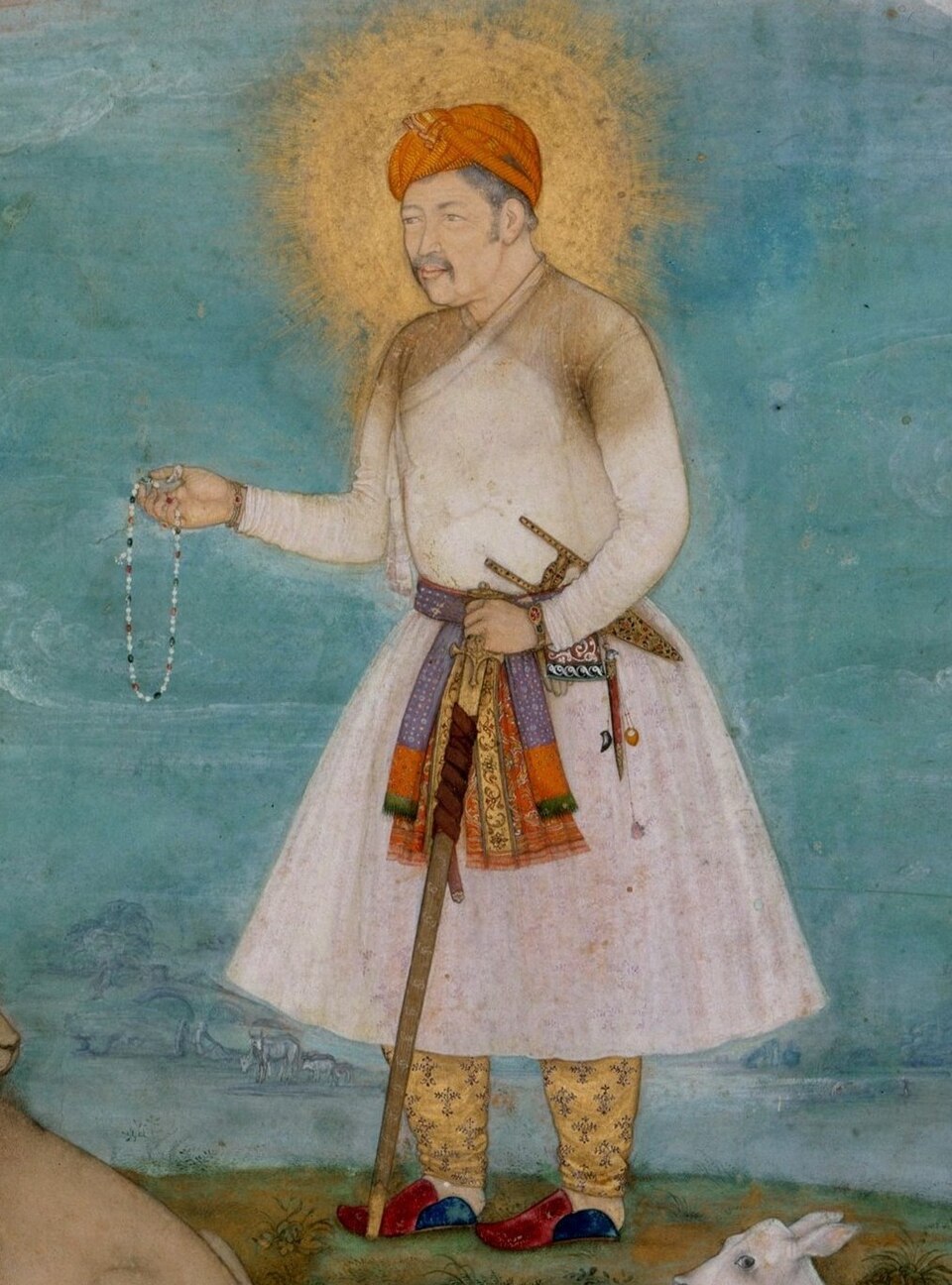
Mughal emperor, crowned at Kalanaur in Punjab, who ate in Guru Amar Das's langar at Goindwal and ruled from Lahore from 1586 to 1598.
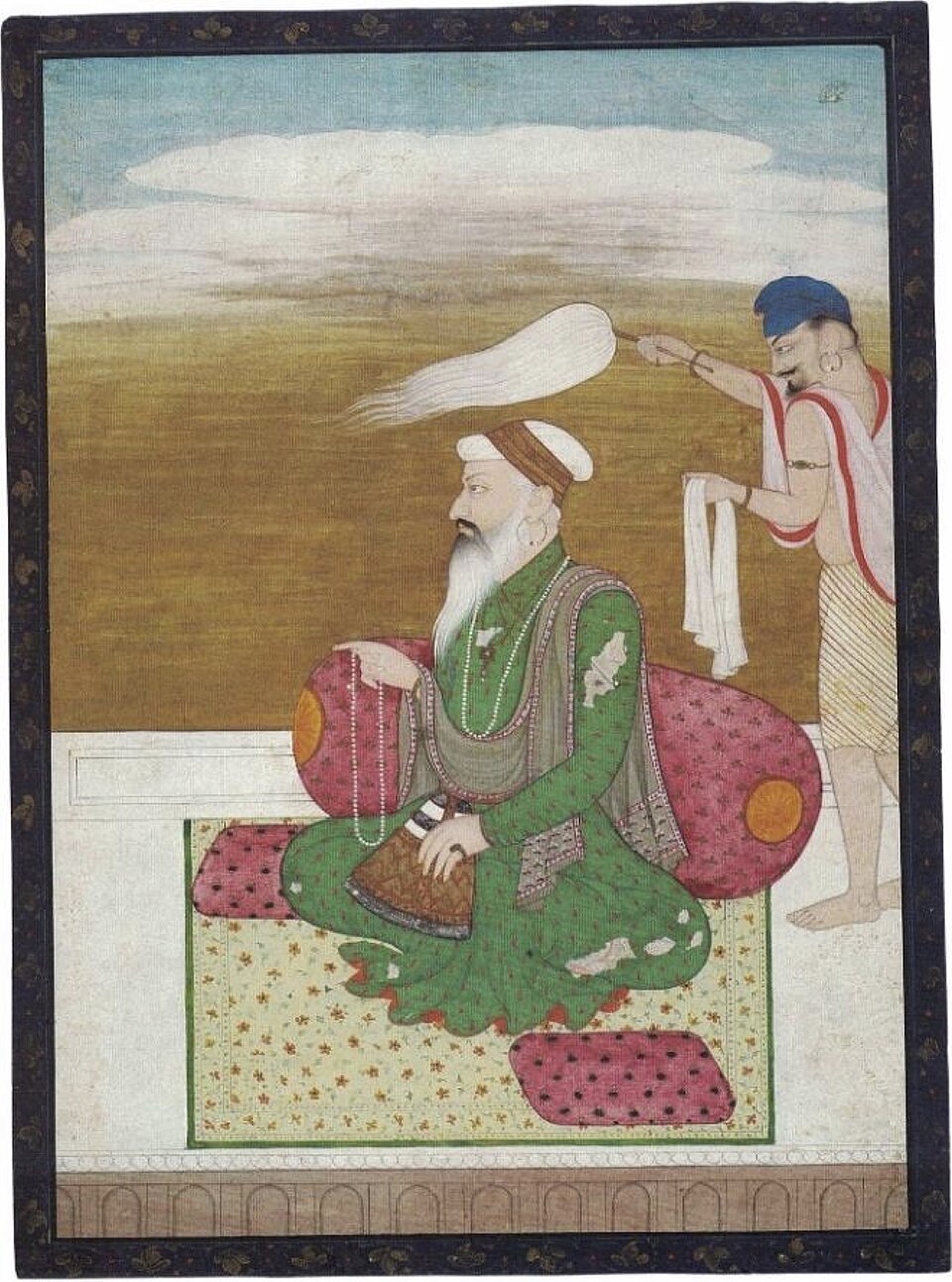
Fourth Guru and founder of Amritsar. Wrote the Lavan, the four marriage hymns of the Anand Karaj.
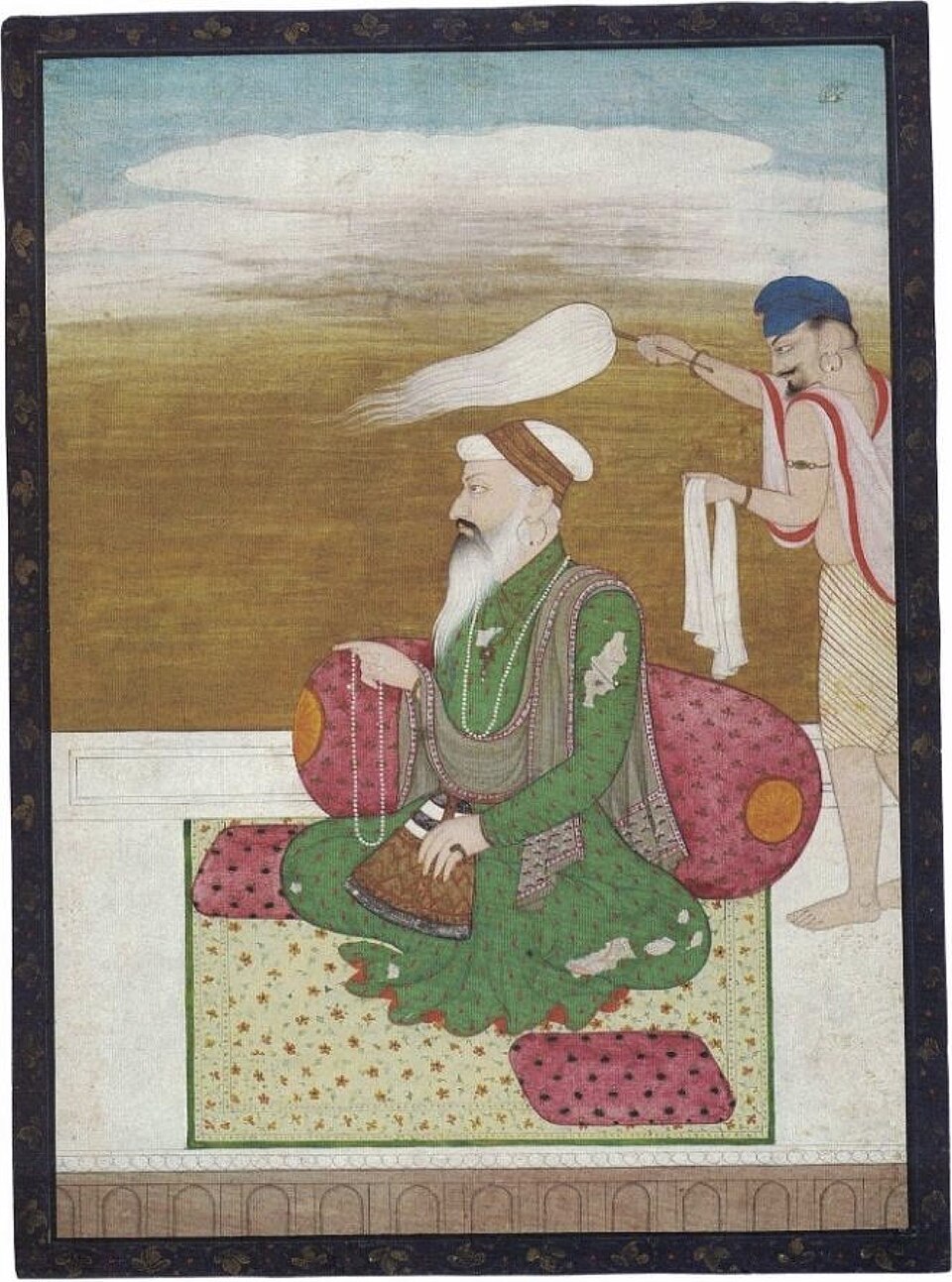
Daughter of Guru Amar Das, wife of Guru Ram Das and mother of Guru Arjan, remembered for her devoted service.
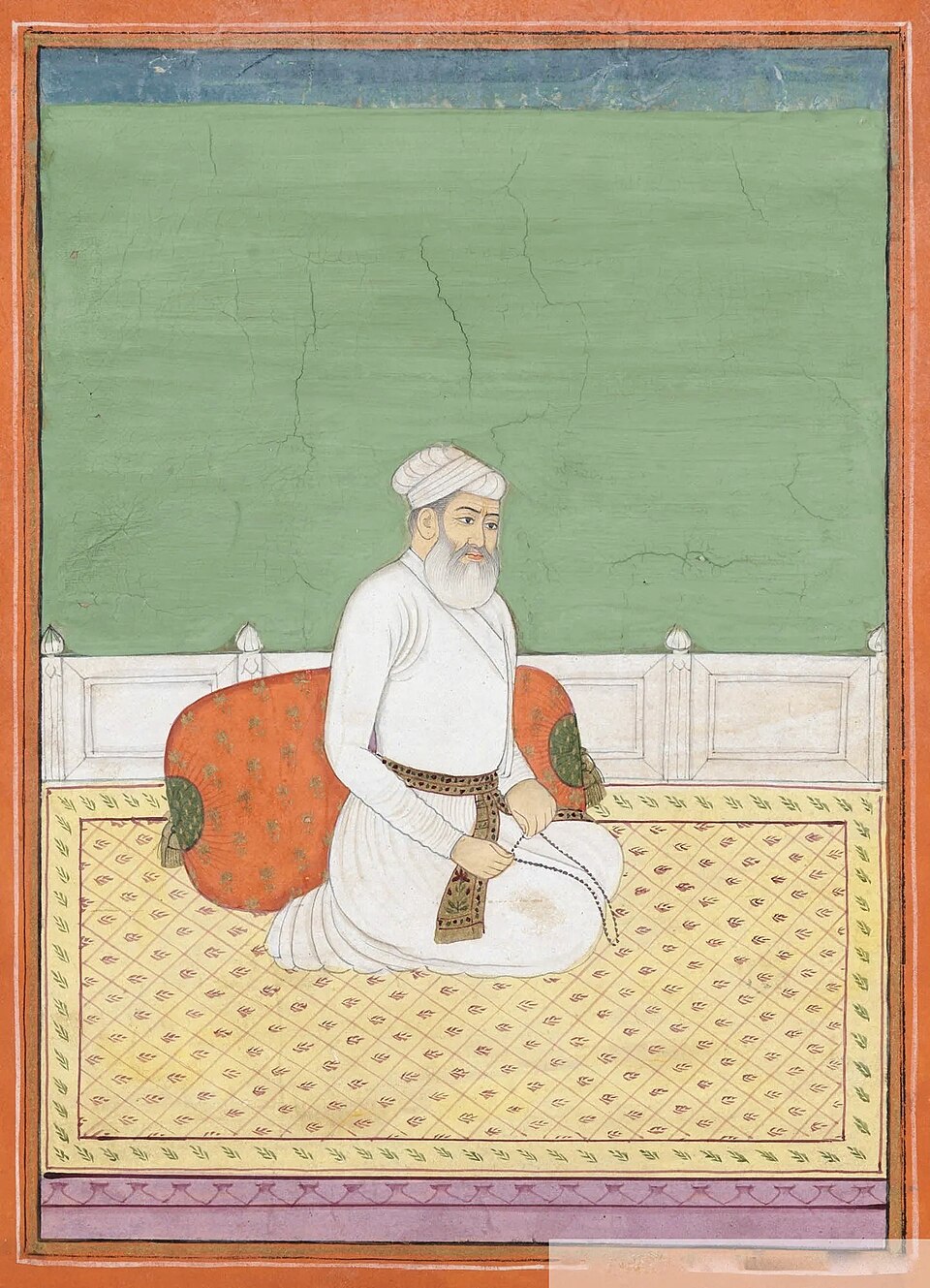
Third Guru, who became Guru at 73. Made the langar a rule for all visitors, opposed sati and purdah, and organised the community into 22 manjis (districts).
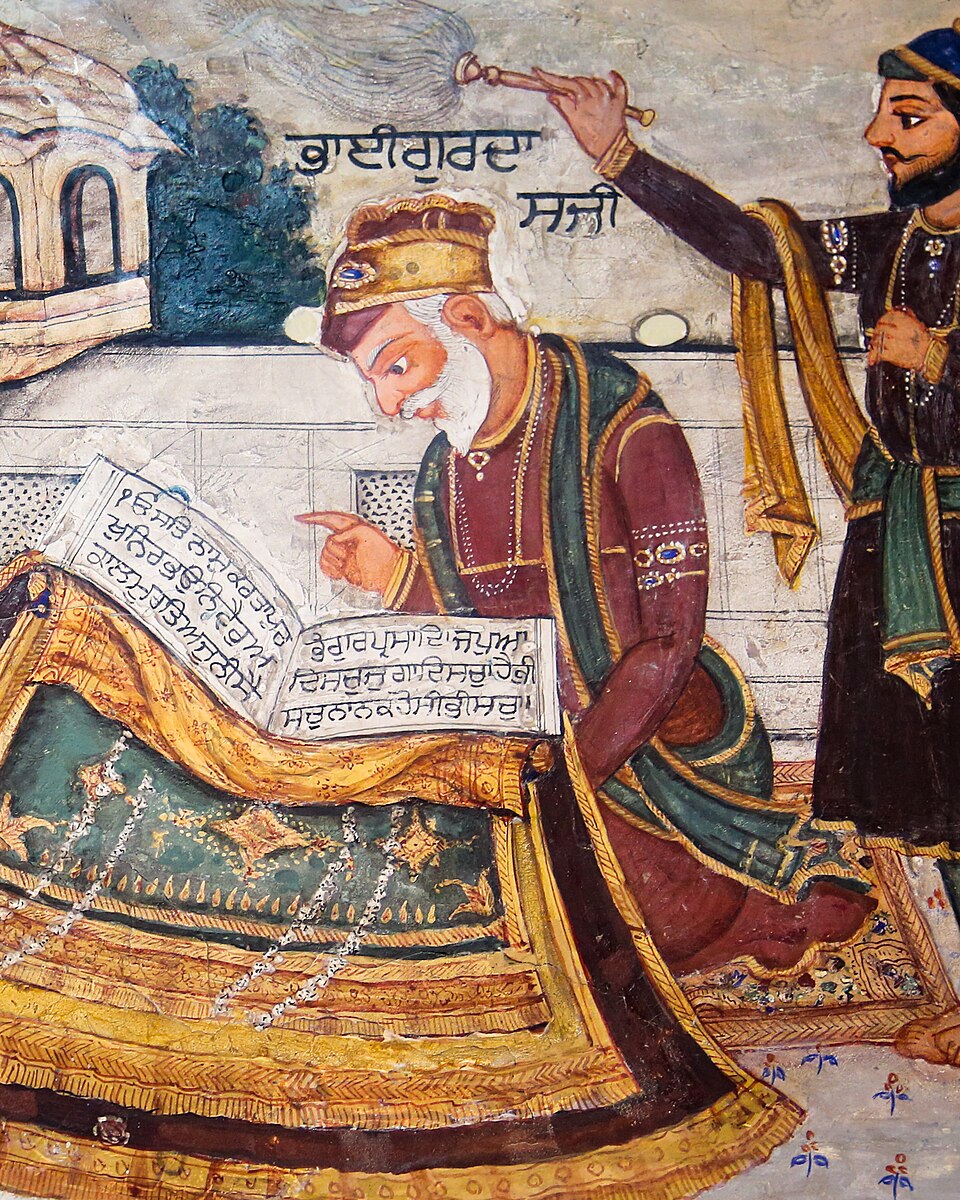
Scribe of the Adi Granth and author of the Vaaran, which Guru Arjan called the key to understanding the Guru Granth Sahib.
Artifacts
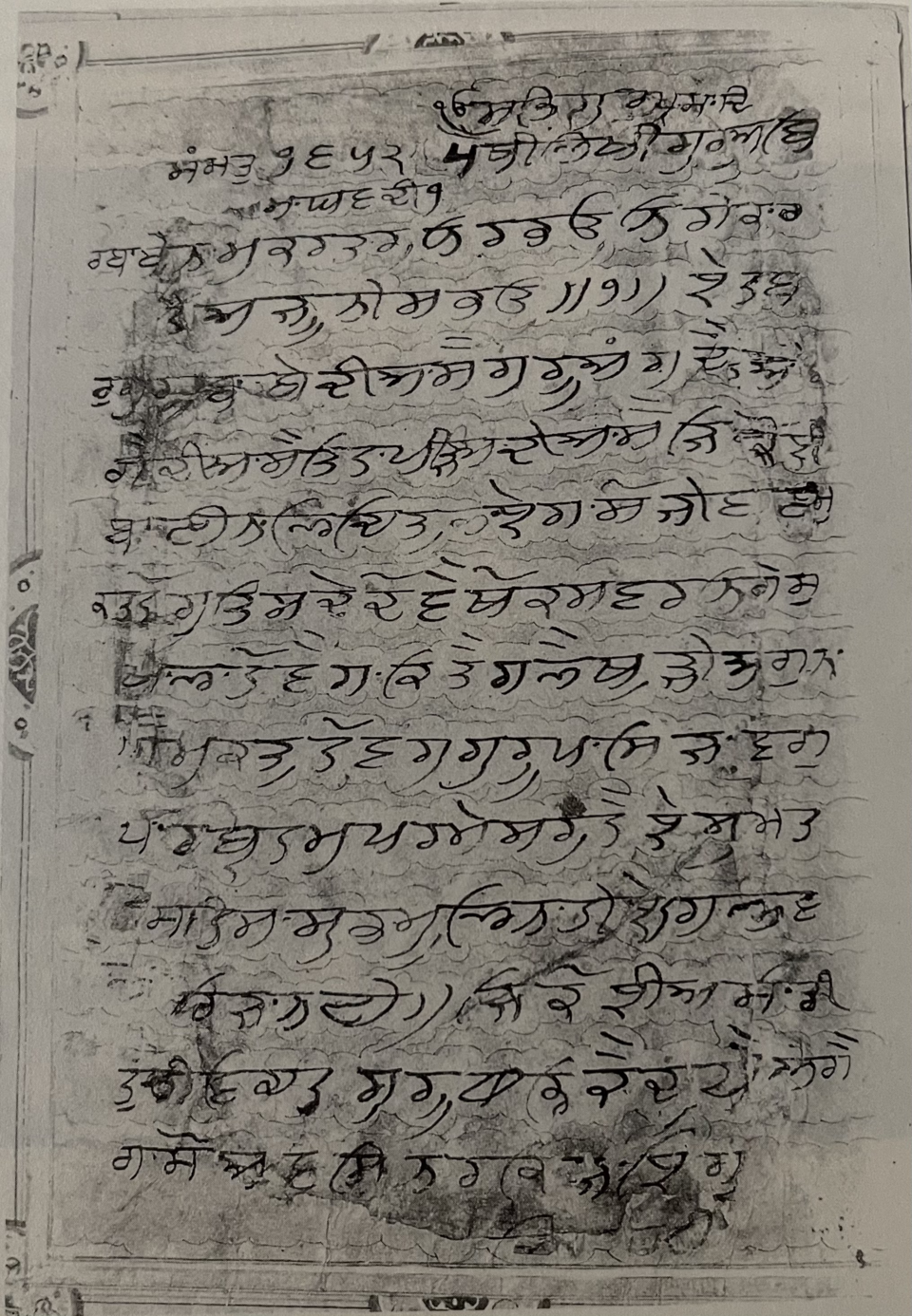
Two or more volumes of hymns compiled in Guru Amar Das's time at Goindwal, the earliest surviving collections of Sikh scripture and a source for the Adi Granth.
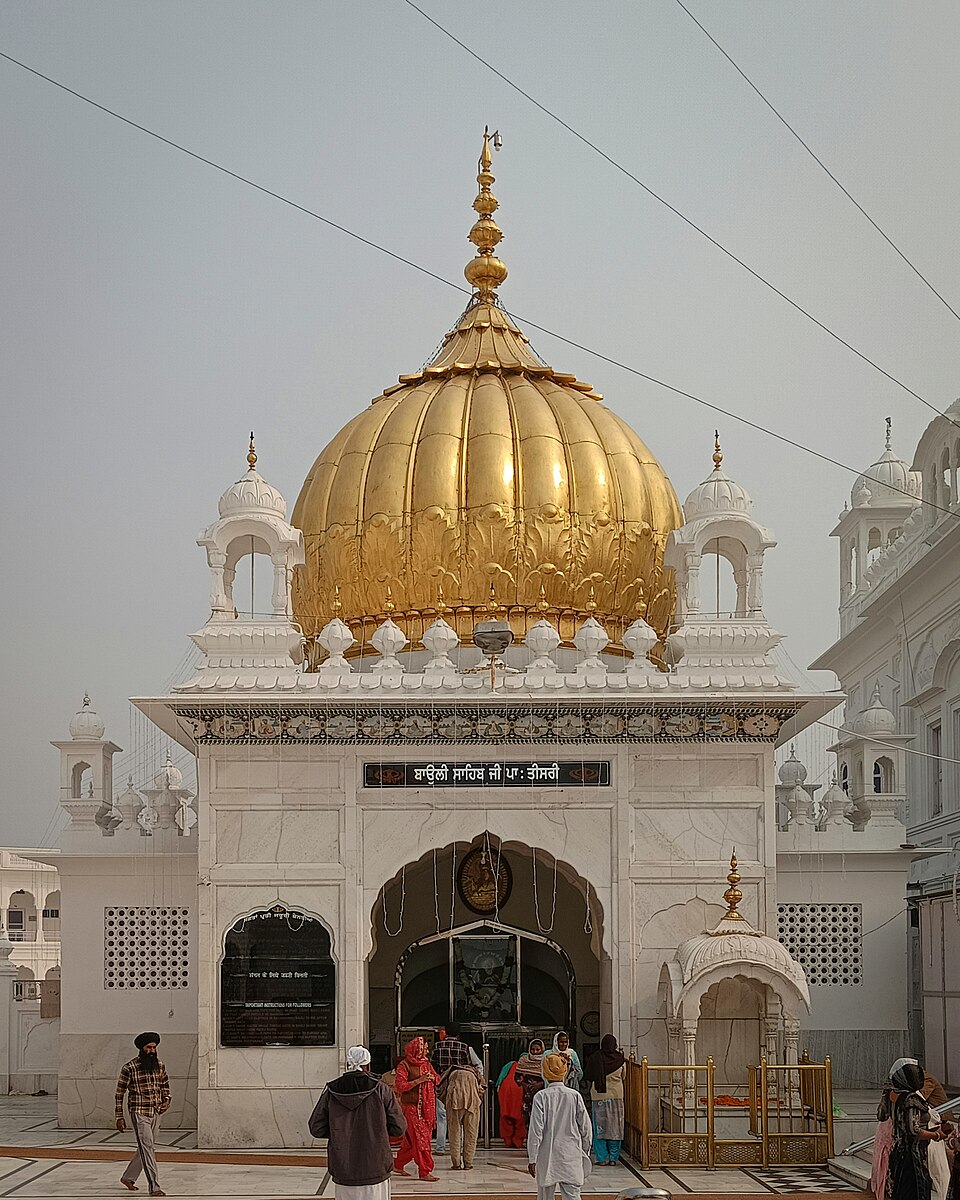
A step-well built by Guru Amar Das with eighty-four steps down to the water, open to people of every caste.
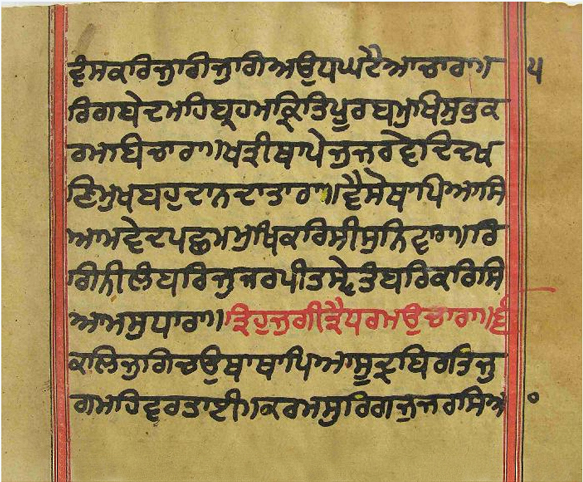
Forty ballads by the scribe who wrote out the first Sikh scripture for Guru Arjan, traditionally called the key to the Guru Granth Sahib.
 Photograph of Boali Sahib, Goindwal, circa 1931 [correct spelling: 'Baoli Sahib']. No.:…British Library, London · photo Aurel Stein (Wikimedia Commons) ↗