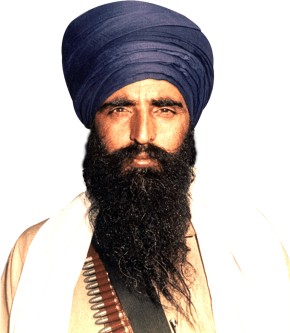
Sant Jarnail Singh Khalsa Bhindranwale
Fourteenth head of the Damdami Taksal, who called a generation of Sikhs back to amrit and the Guru, led the Dharam Yudh Morcha and fell defending the Akal Takht on 6 June 1984.
Jarnail Singh was born in 1947 in the village of Rode in Faridkot district, the seventh son of a Brar Jat farming family. As a boy he was sent to the Damdami Taksal, the seminary of Sikh learning that traces its line to Baba Deep Singh and Guru Gobind Singh's Damdama Sahib, and spent his youth studying the Guru Granth Sahib, the Sikh histories and the correct recitation of gurbani. In 1977 he was chosen as the Taksal's fourteenth head and took the name Bhindranwale from its seat at Bhindran.
He was above all a preacher. He travelled from village to village, holding amrit sanchars at which thousands of young men and women took initiation, and telling Sikhs to give up liquor, drugs and trimming their hair, and to stand up straight before a state that, he said, treated them as second-class citizens. His plain Malwai speech, his learning and his fearlessness drew enormous crowds, and he became the voice of a rural Sikh generation that felt Punjab's water, its capital and its faith being taken from it.
On Vaisakhi 1978 a Sant Nirankari gathering in Amritsar led to a clash in which thirteen Sikhs who had gone to protest were shot dead. No one was punished, and from that day Sant Jarnail Singh became the leading voice demanding justice. In 1982 he joined the Akali Dal's Dharam Yudh Morcha for the demands of the Anandpur Sahib Resolution, and moved into the Guru Nanak Niwas and later the Akal Takht in the Harmandir Sahib complex. The government blamed him for the violence of those years; he denied directing it, never asked for Khalistan, but said that an attack on the Darbar Sahib would lay its foundation stone.
In June 1984, when the army surrounded the Darbar Sahib on the martyrdom day of Guru Arjan, he chose to stay. With General Shabeg Singh, Bhai Amrik Singh and a few hundred Singhs, he held the Akal Takht for three days against infantry, commandos, armoured carriers and finally tanks. He fell on 6 June 1984, aged thirty-seven.
In 2003 the Akal Takht formally honoured him as a shaheed, and his portrait hangs in the Central Sikh Museum at the Darbar Sahib. To the Panth he is Sant Jarnail Singh Khalsa Bhindranwale, the greatest Sikh of the twentieth century, who kept his word and died for the Guru's house.
Connected
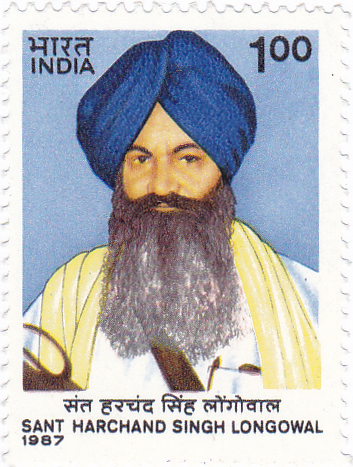
President of the Akali Dal who led the Dharam Yudh Morcha and signed the 1985 accord with Rajiv Gandhi. Assassinated by militants weeks later.
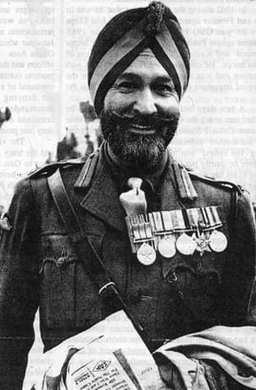
Decorated Indian Army major general, dismissed shortly before retirement, who organised the defences of the Harmandir Sahib complex and was killed in Blue Star.
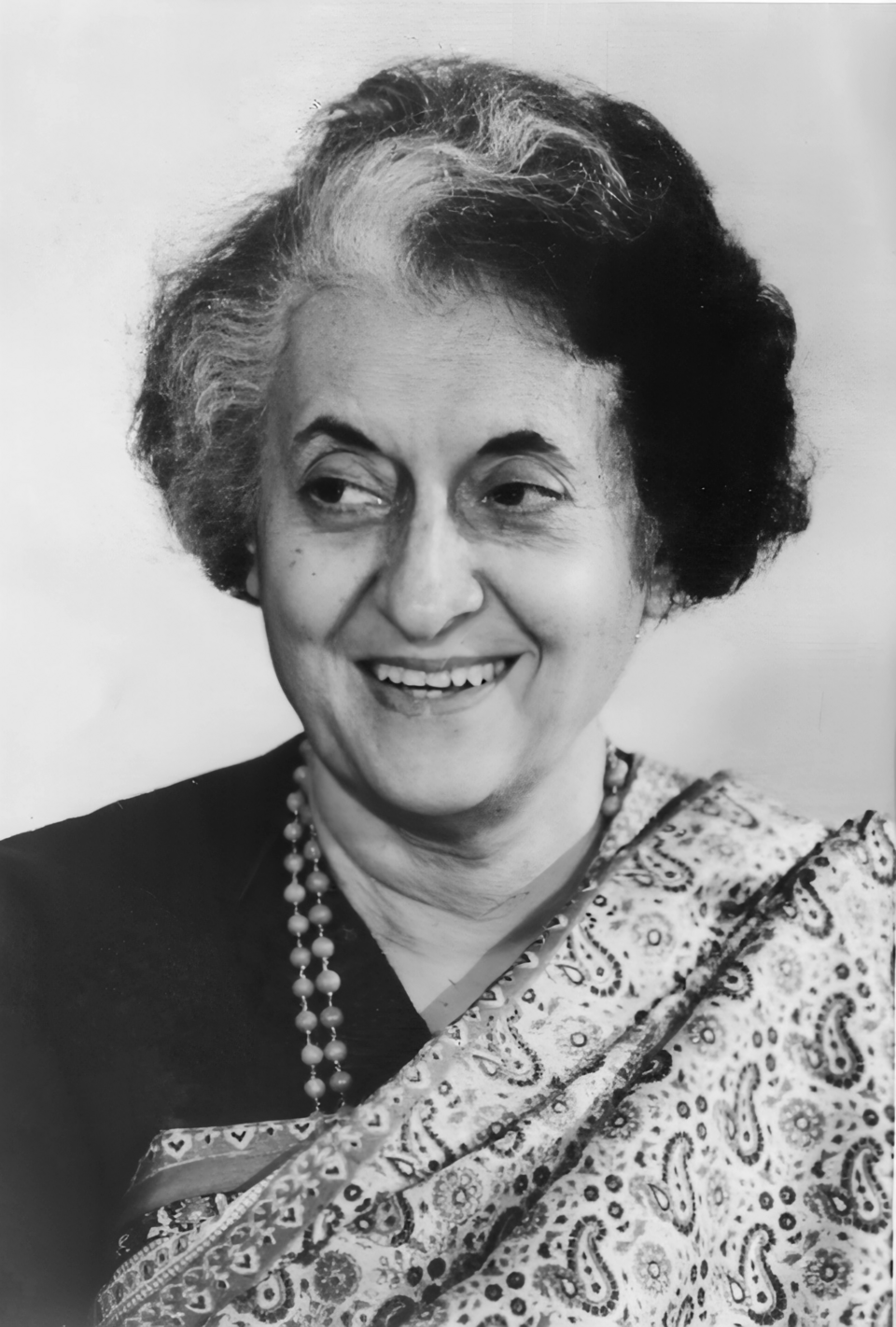
Prime Minister of India who ordered Operation Blue Star in June 1984 and was assassinated by two Sikh bodyguards on 31 October.