Temples, mosques and gurdwaras
The holy places of every faith, from Katas Raj to the Harmandir Sahib and the Badshahi Mosque.
Best known first
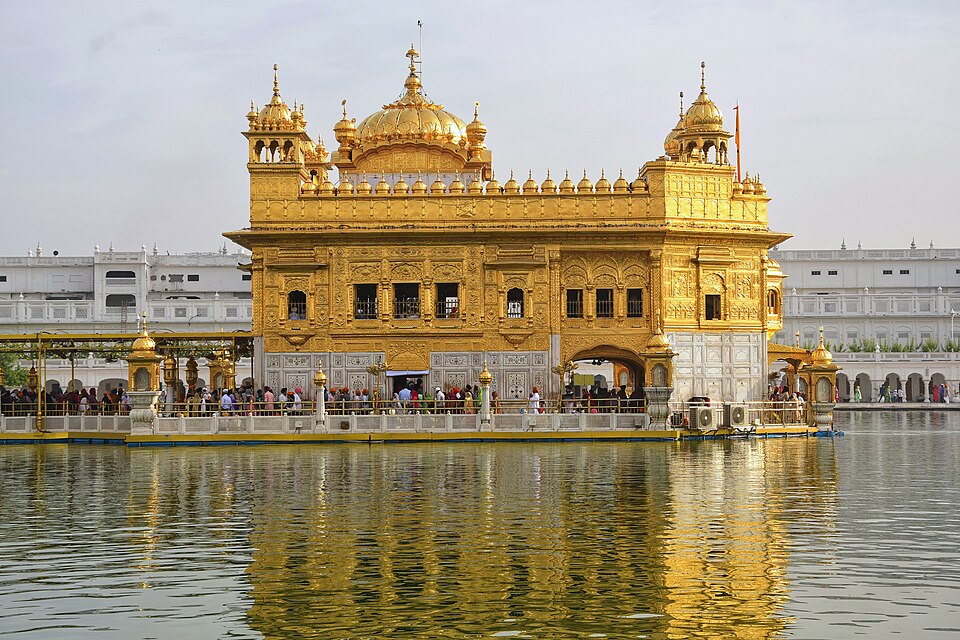
Founded by Guru Ram Das around a sacred pool. Guru Arjan built the Harmandir Sahib in its centre, and Guru Hargobind raised the Akal Takht facing it, the first of the five Takhts.
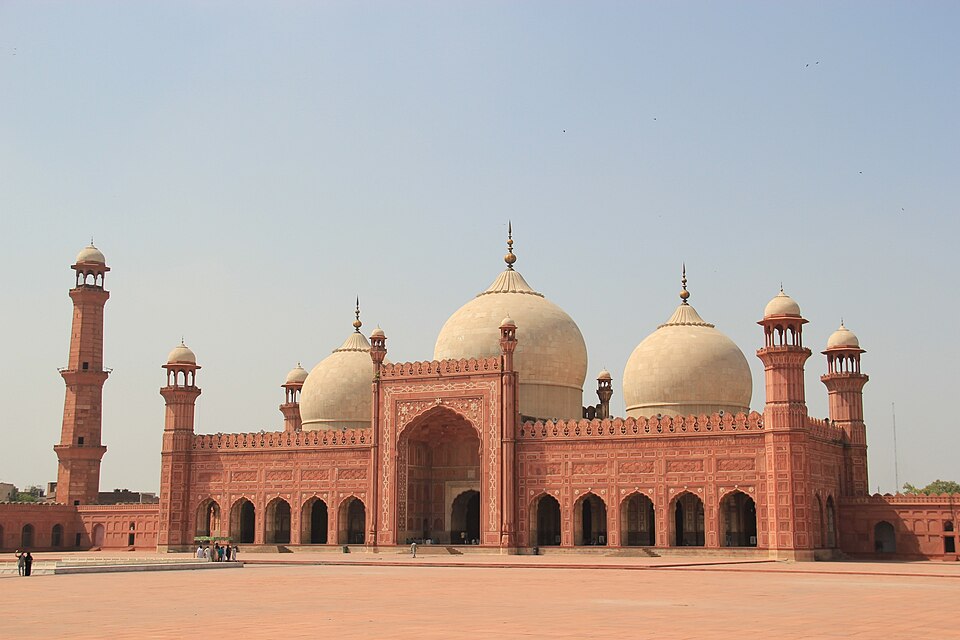
The great red sandstone mosque that Aurangzeb built beside the Lahore Fort in 1671–73, for three centuries one of the largest mosques in the world. Ranjit Singh's troops used it as a garrison and the British as a magazine before it was returned to worship in 1856.
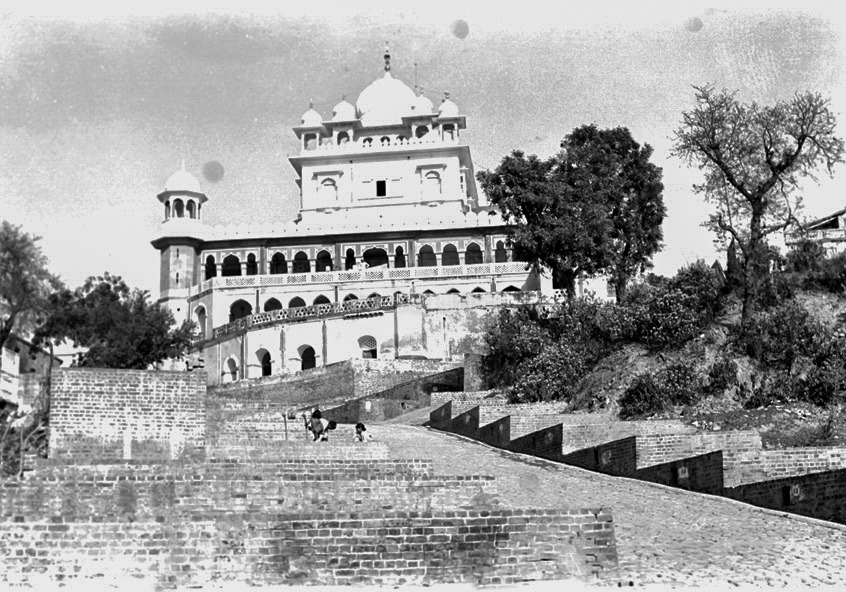
Founded by Guru Tegh Bahadur in 1665. Guru Gobind Singh created the Khalsa here at Vaisakhi 1699. Takht Sri Keshgarh Sahib stands on the spot, and Hola Mohalla is held here every spring.
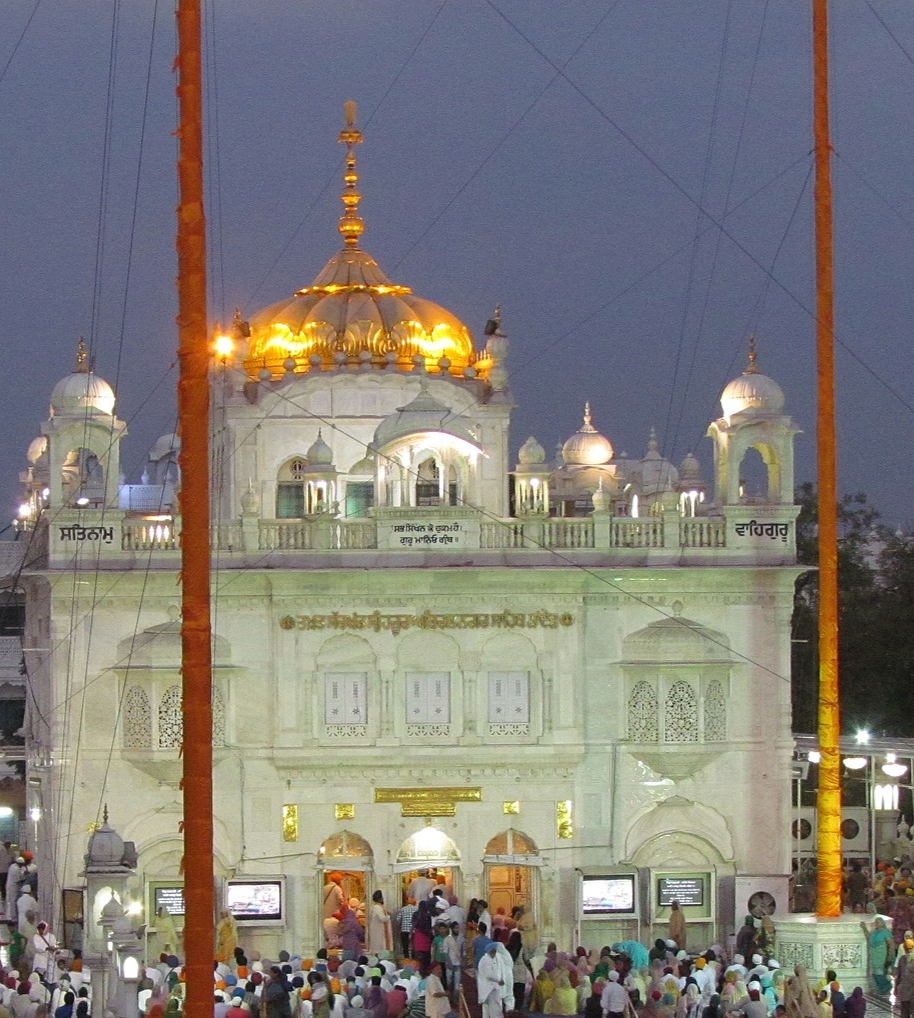
Where Guru Gobind Singh died in 1708, after naming the Guru Granth Sahib as Guru. Also where he met Banda Singh. Takht Sachkhand Sri Hazur Sahib.
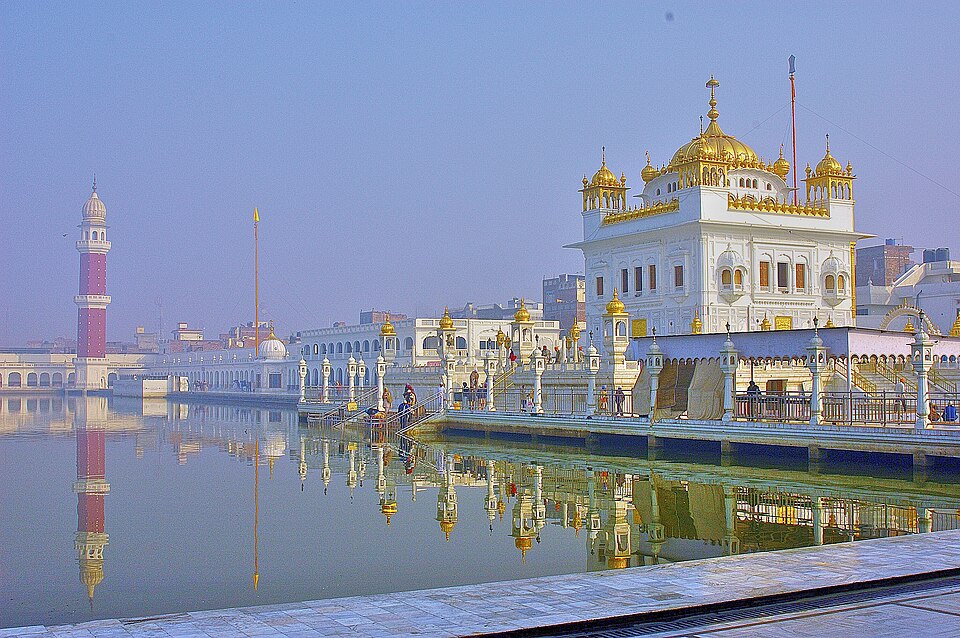
Founded by Guru Arjan in 1590, with one of the largest sarovars of any gurdwara. The Guru also set up a home for people with leprosy here.
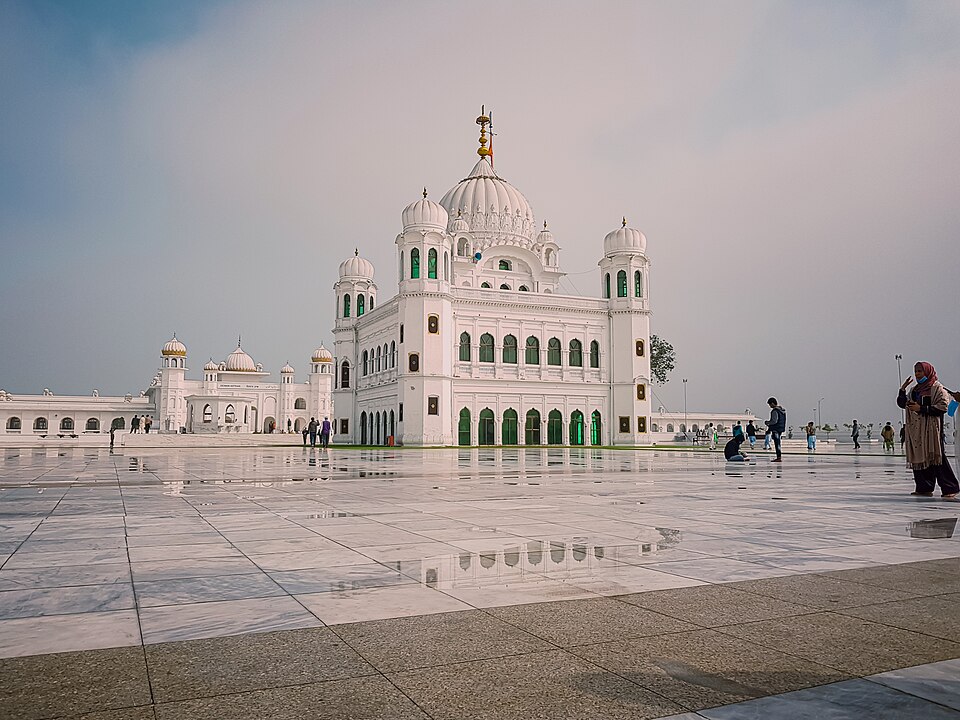
The town Guru Nanak founded on the Ravi after his travels. He farmed here, ran a common kitchen and died here in 1539. A visa-free corridor from India opened in 2019.
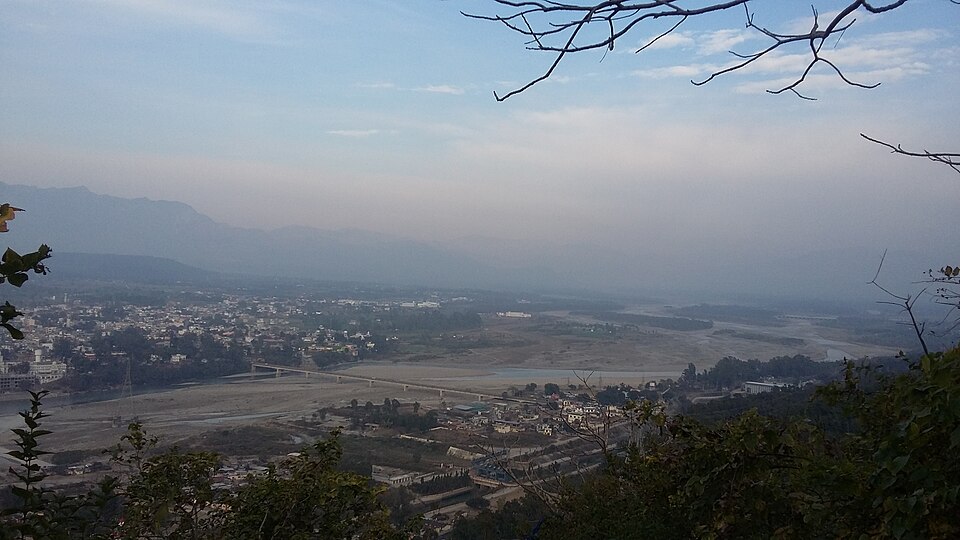
On the Yamuna, where young Guru Gobind Singh lived from about 1685 to 1688, writing poetry and gathering 52 poets at his court.
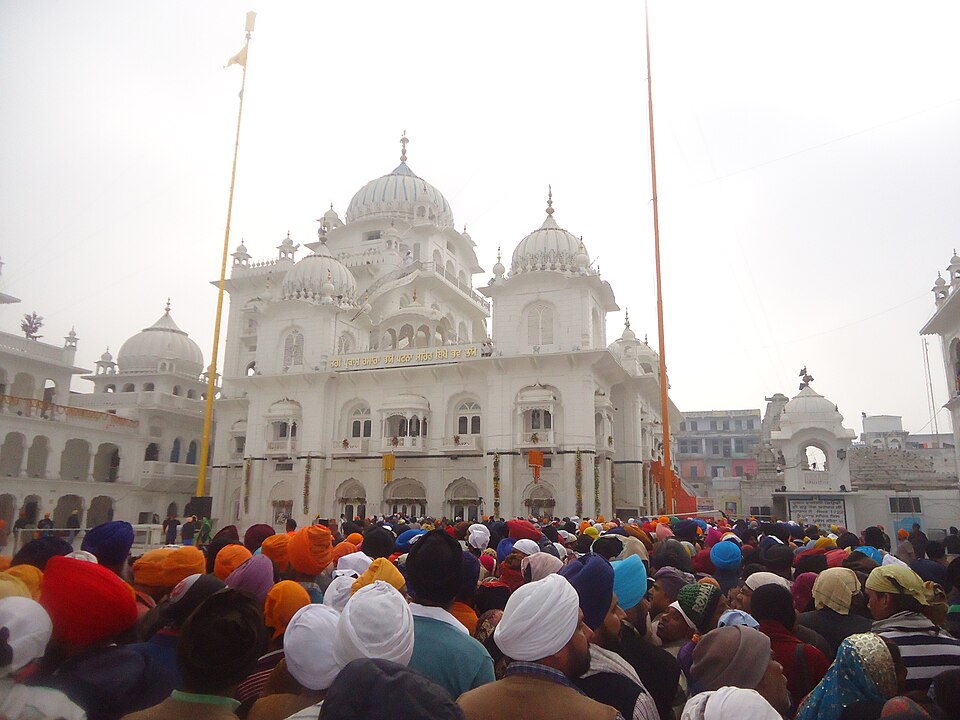
Birthplace of Guru Gobind Singh in 1666. Takht Sri Harimandir Ji, one of the five Takhts.
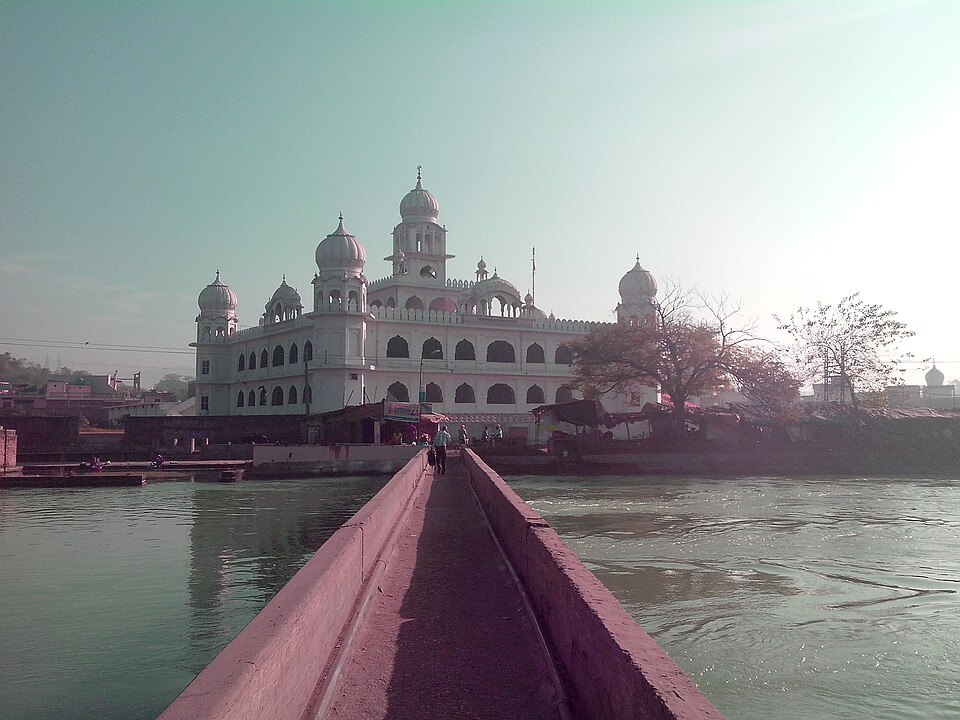
In the Shivalik foothills, home of Guru Hargobind's later years and of Guru Har Rai, who kept a herbal dispensary and a zoo here. Sikhs still bring ashes here to scatter in the Sutlej.
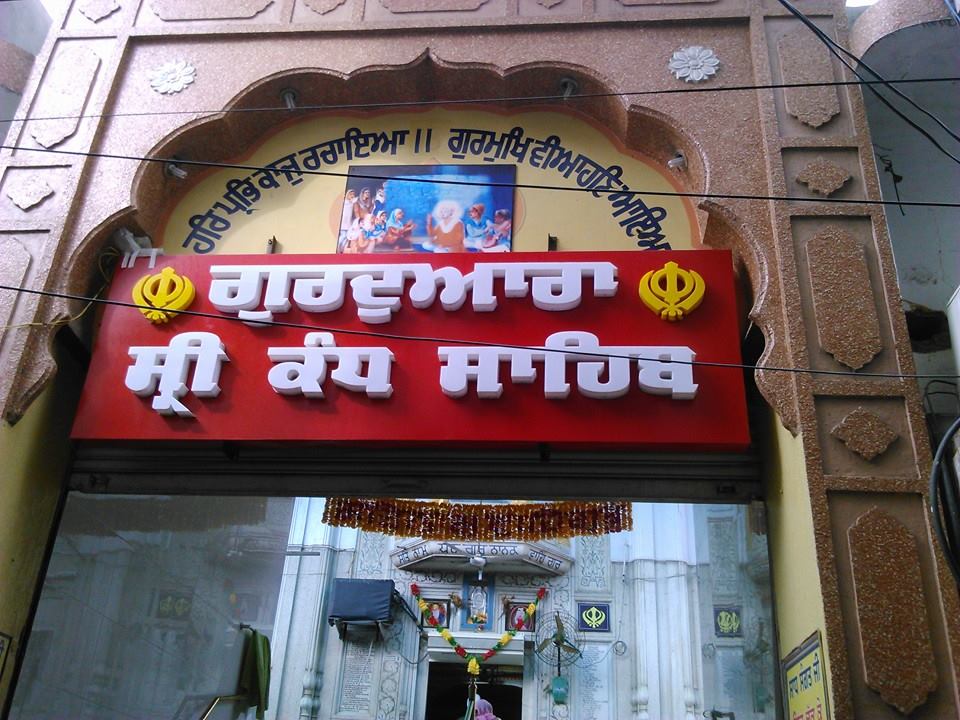
Where Guru Nanak married Mata Sulakhni; the wedding is remembered every year at Gurdwara Kandh Sahib.
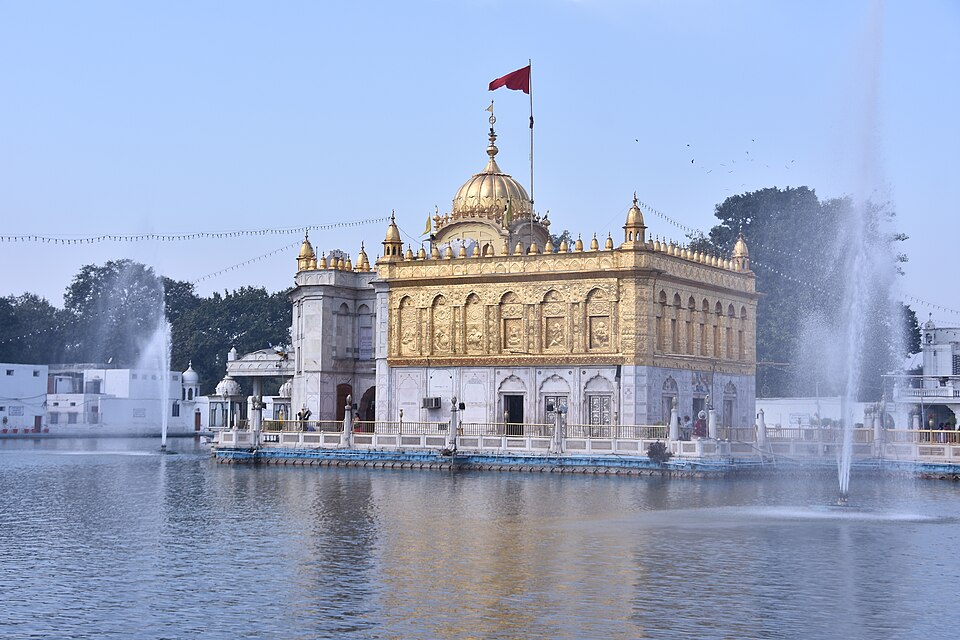
The great Hindu temple of Amritsar, rebuilt in 1921 in the style of the Harmandir Sahib, standing in its own sacred pool.
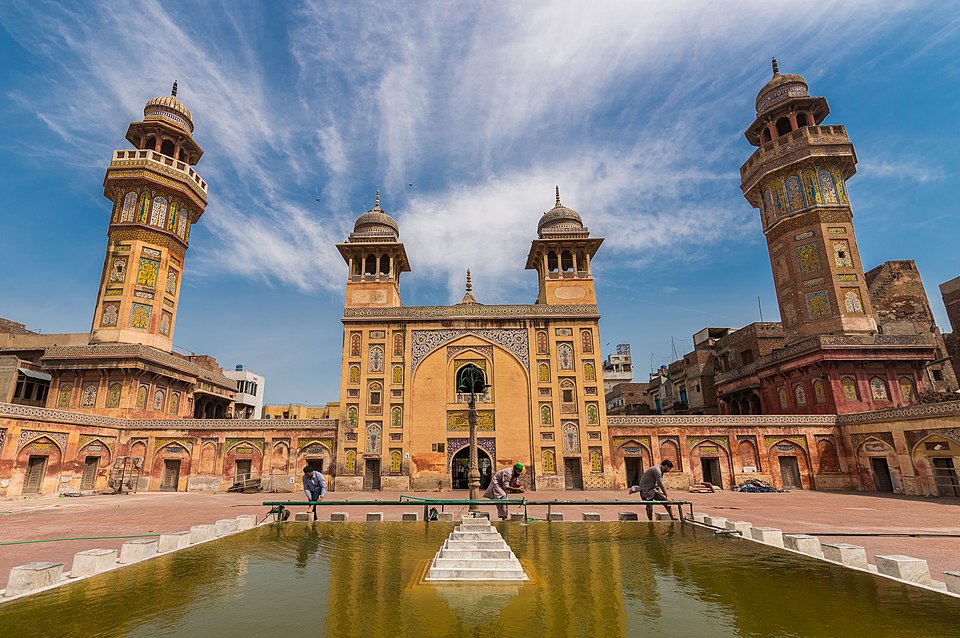
Built in 1634–41 by Wazir Khan, Shah Jahan's governor of Lahore, inside the Delhi Gate, and covered in glazed tile work and frescoes: the most richly decorated Mughal mosque in the Punjab.
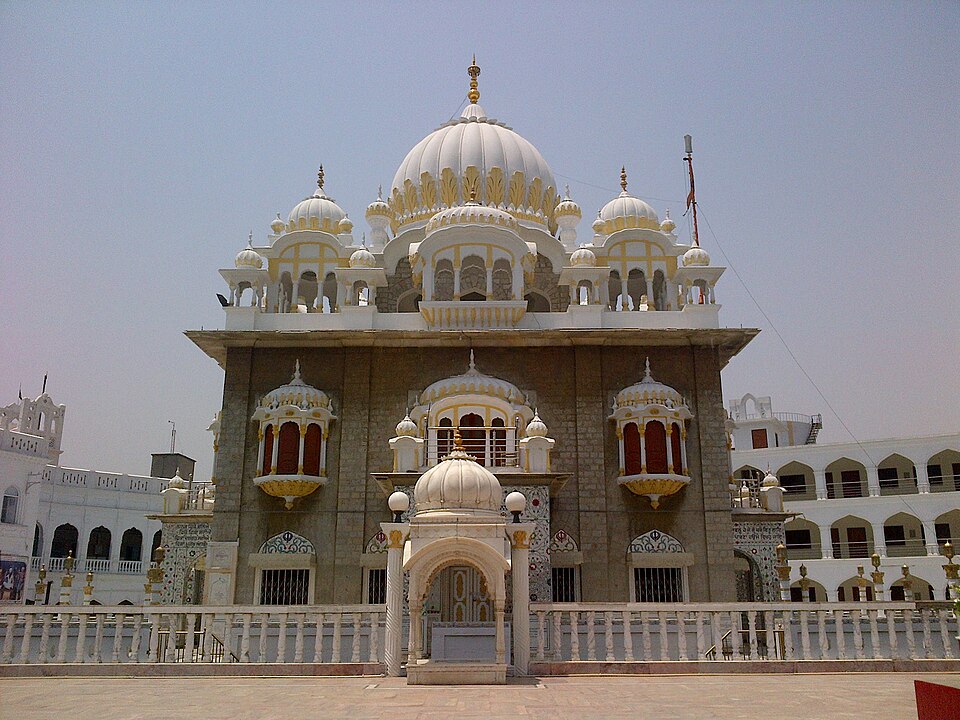
A gurdwara built around a rock said to bear the imprint of Guru Nanak's hand. One of the most visited Sikh shrines in Pakistan.
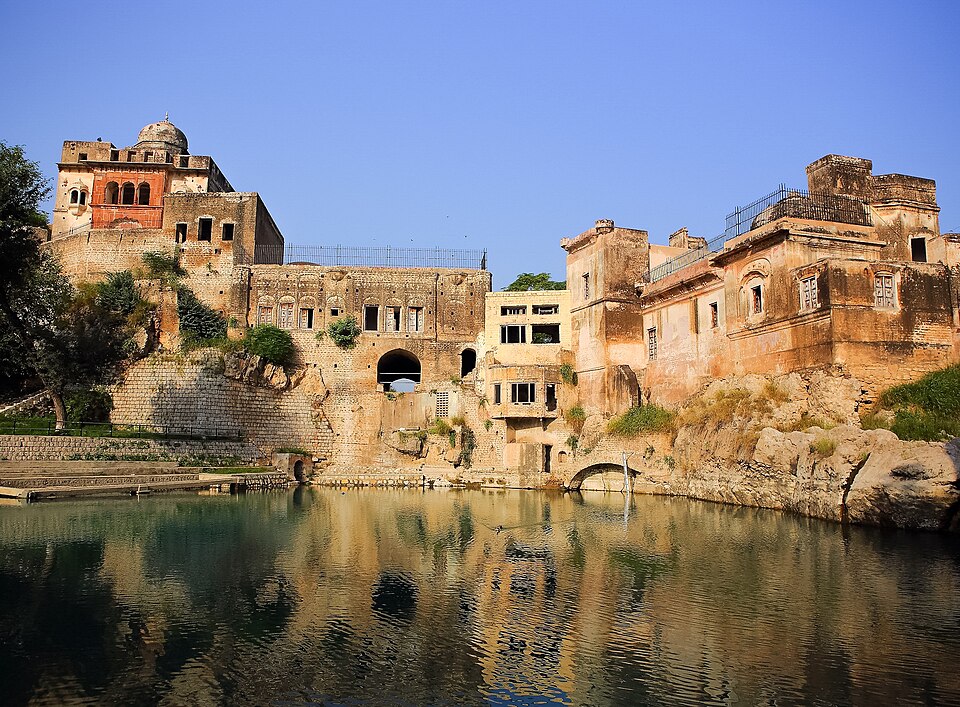
Hindu temples in the Salt Range around a pool said to have filled with the tears of Shiva. The oldest go back to the Hindu Shahi period, and the Pandavas are said to have spent part of their exile here.
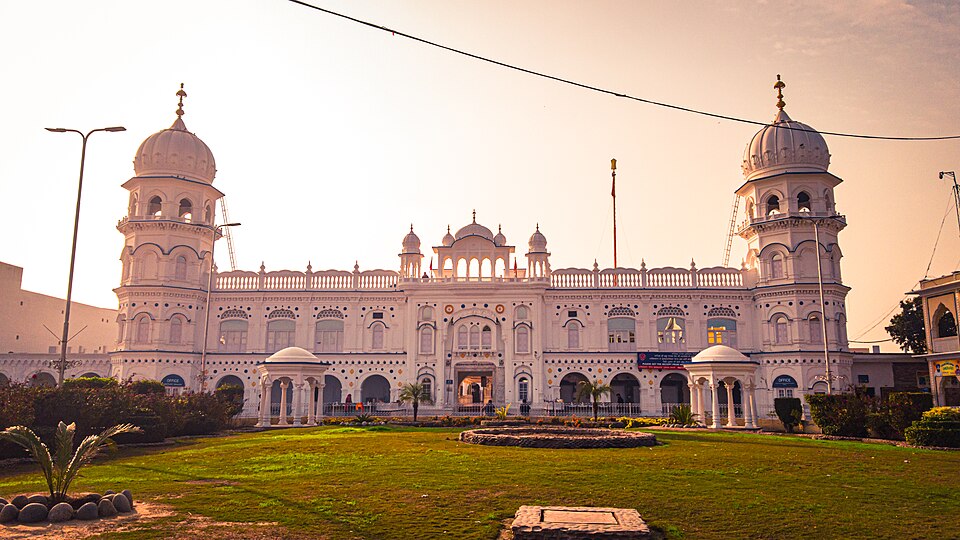
Birthplace of Guru Nanak, then the village of Rai Bhoi di Talwandi. Gurdwara Janam Asthan marks the house where he was born in 1469.
The Indian end of the Kartarpur corridor, across the Ravi from Kartarpur Sahib.
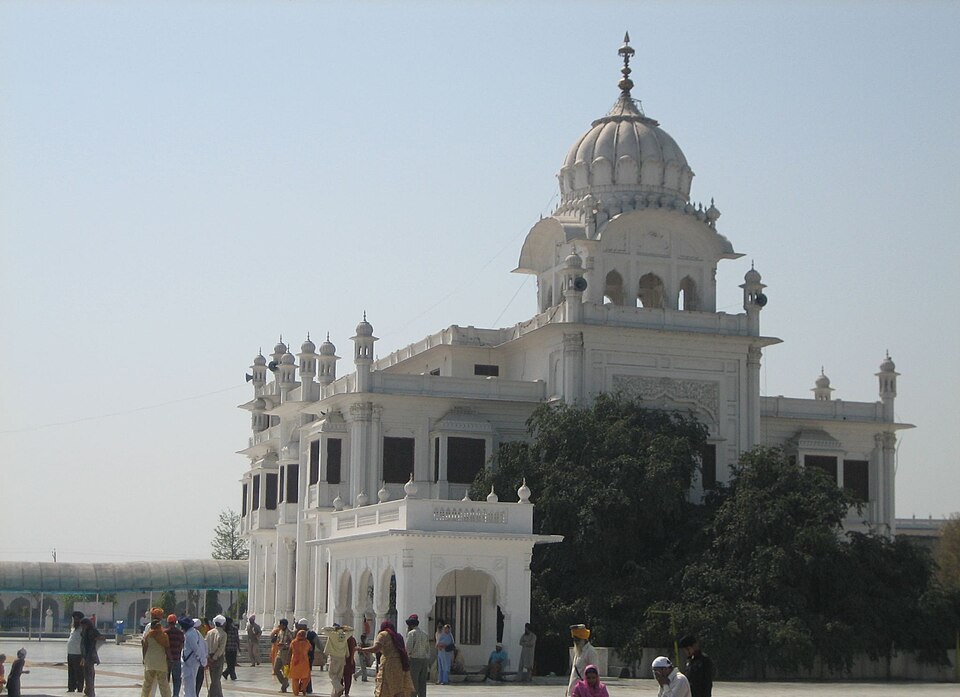
Where Guru Nanak worked as a storekeeper and, tradition holds, disappeared into the Vein rivulet for three days before proclaiming that there is no Hindu and no Muslim.
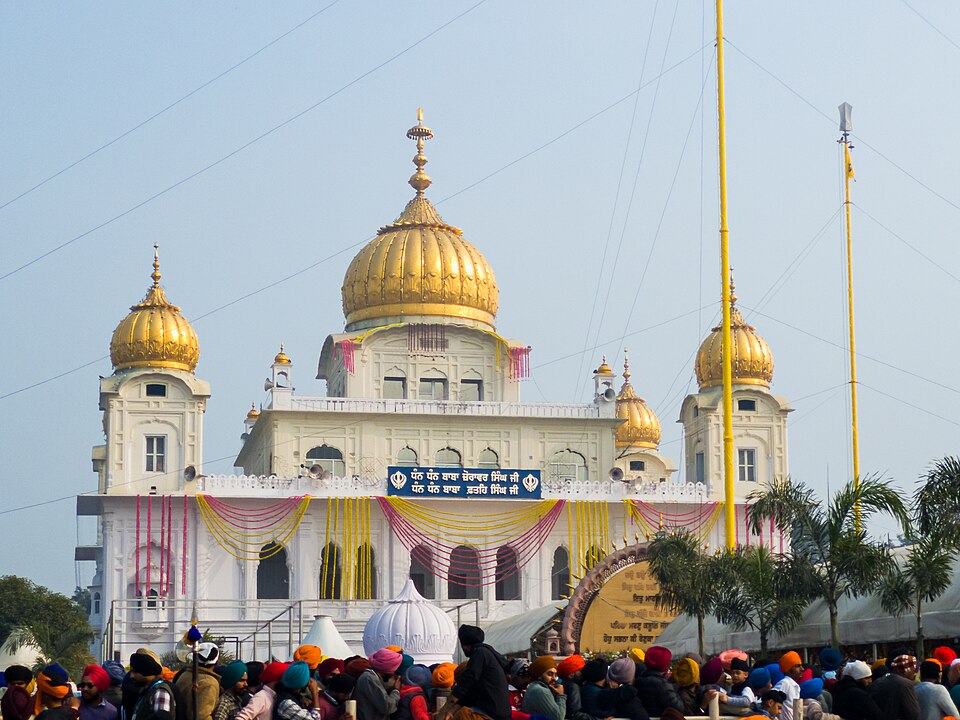
Where the Guru's younger sons, aged about nine and six, were bricked up and executed in December 1704 on the order of Wazir Khan, governor of Sirhind. Banda Singh took the city in 1710.
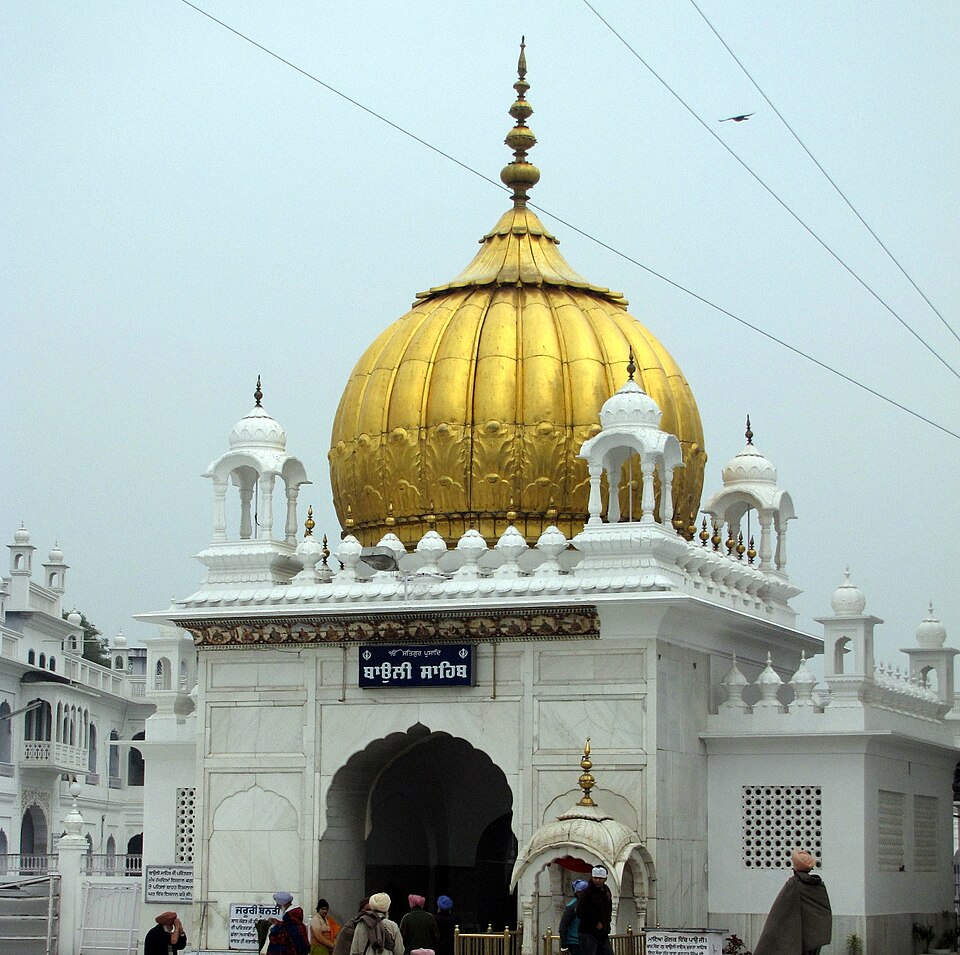
Guru Amar Das's town on the Beas, with its stepwell (baoli) of 84 steps. Visitors had to eat in the langar before meeting the Guru.
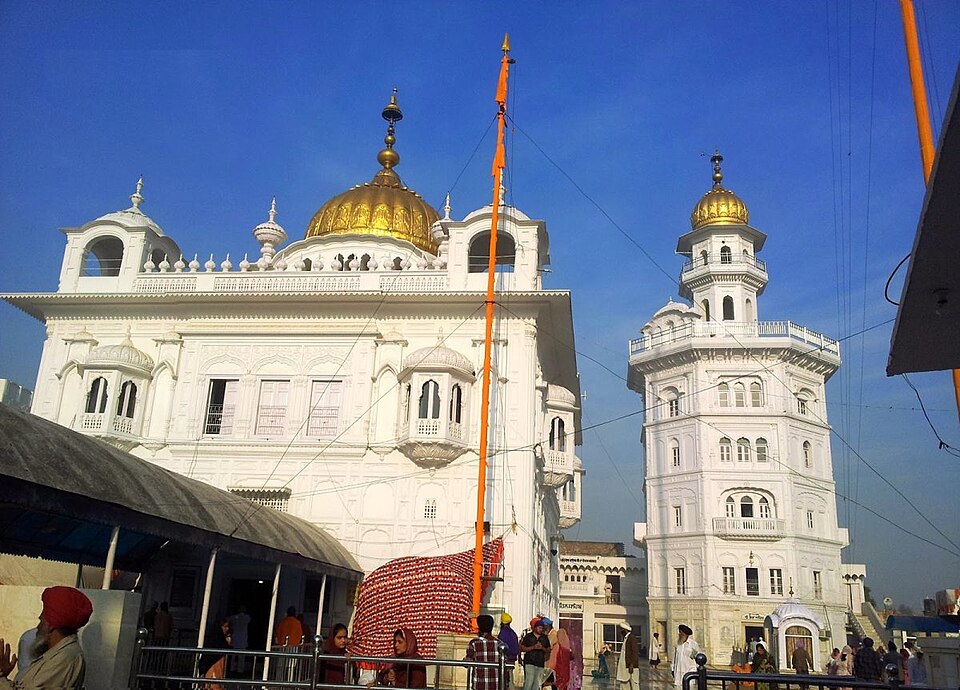
Where the trader Makhan Shah Lubana found Guru Tegh Bahadur among many claimants in 1664, after the dying Guru Har Krishan said only that the next Guru was 'at Bakala'.
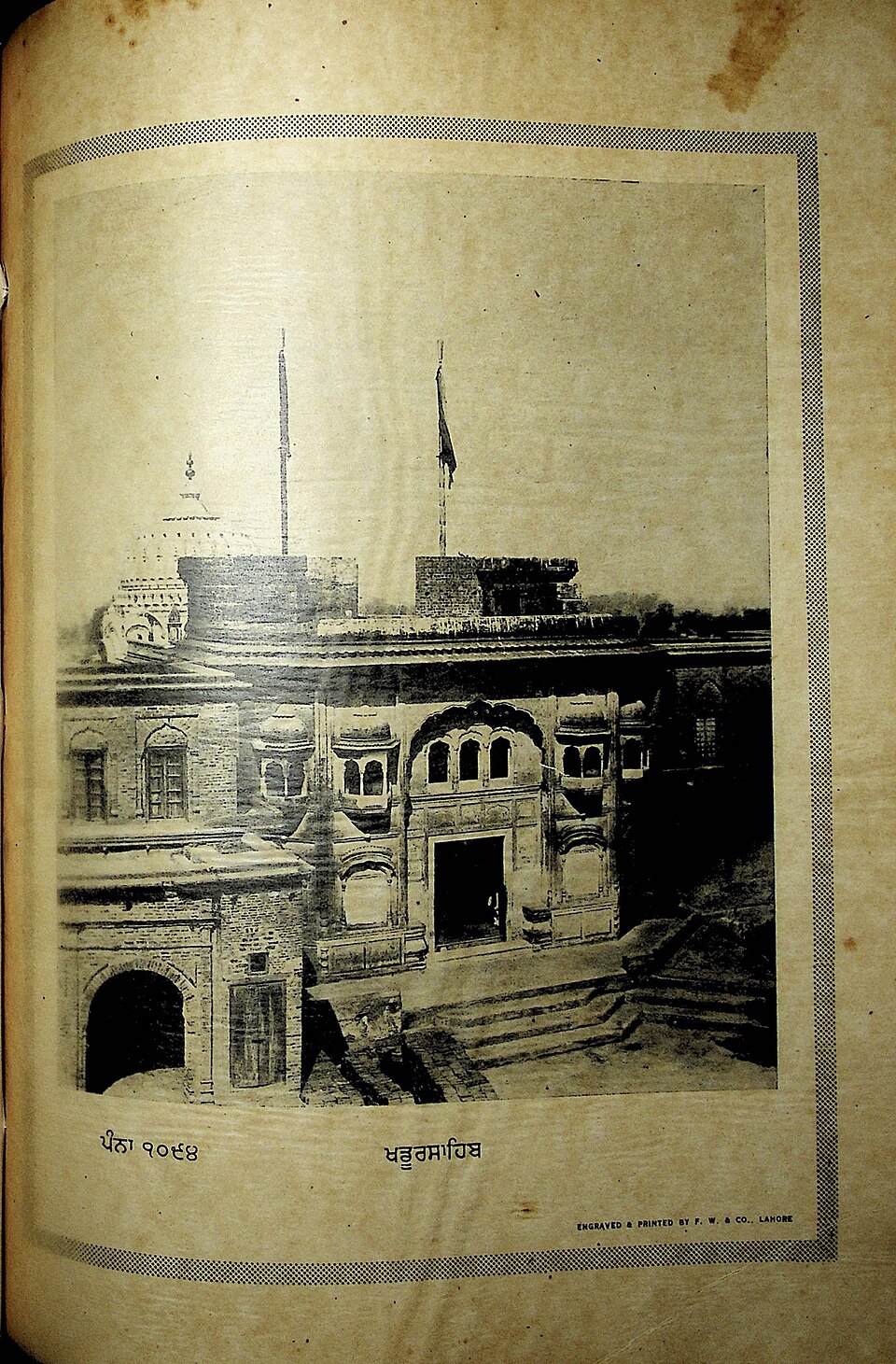
Seat of Guru Angad, who taught Gurmukhi and ran a wrestling ground and langar here with Mata Khivi.
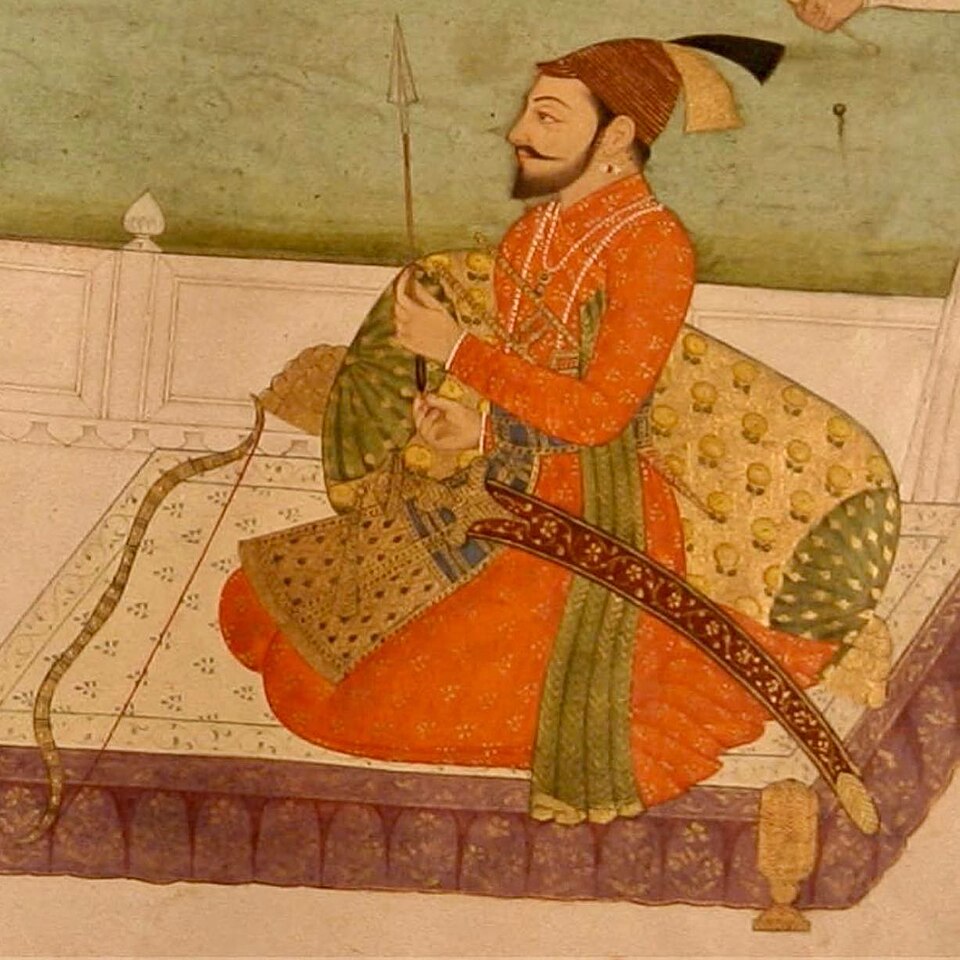
The forest where the Guru, alone after Chamkaur, slept on the ground. Two Pathan brothers, Nabi Khan and Gani Khan, later carried him out disguised as a Muslim holy man, 'Uch da Pir'.
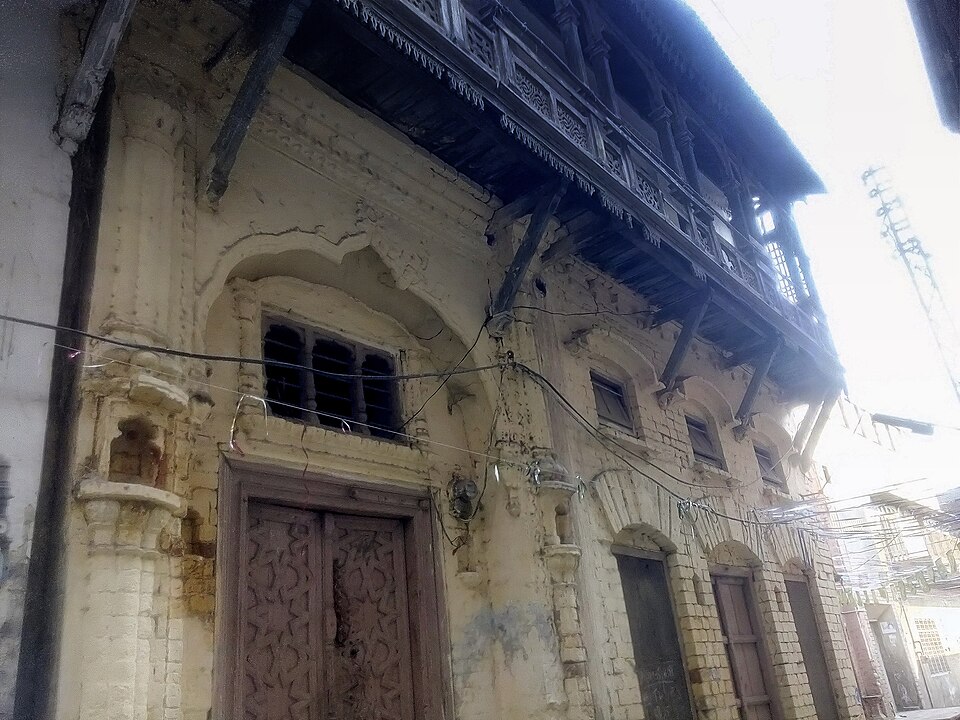
Home of Bhai Lalo the carpenter, whose honest bread Guru Nanak preferred to a rich man's feast. Babur's army sacked the town in 1521, and the Guru's verses on it are known as the Babarvani.
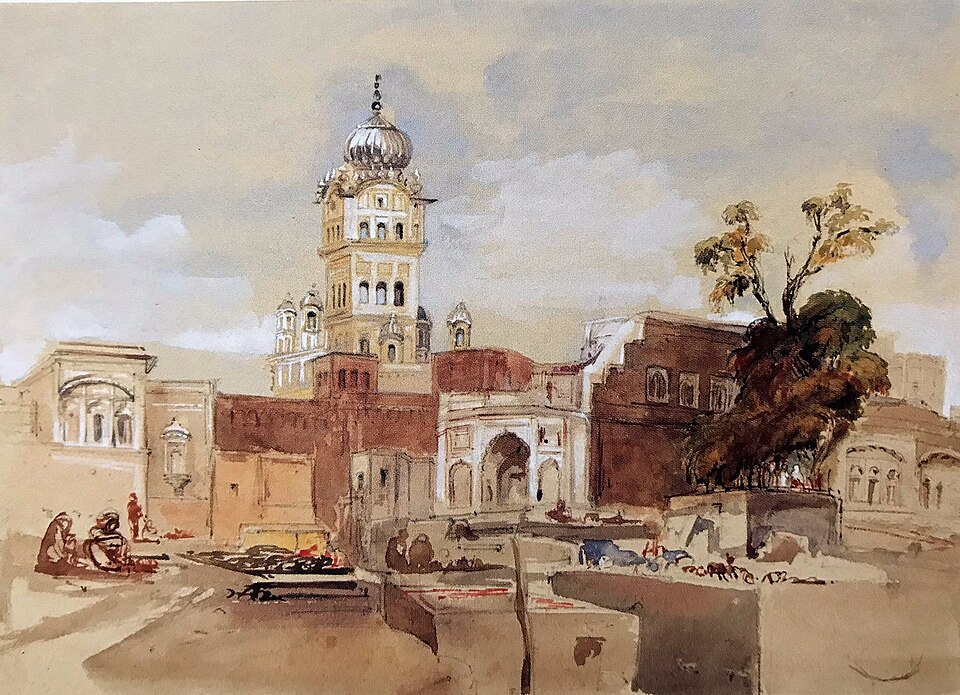
Town founded by Guru Arjan in the Bist Doab. Guru Hargobind fought the Battle of Kartarpur here in 1635.
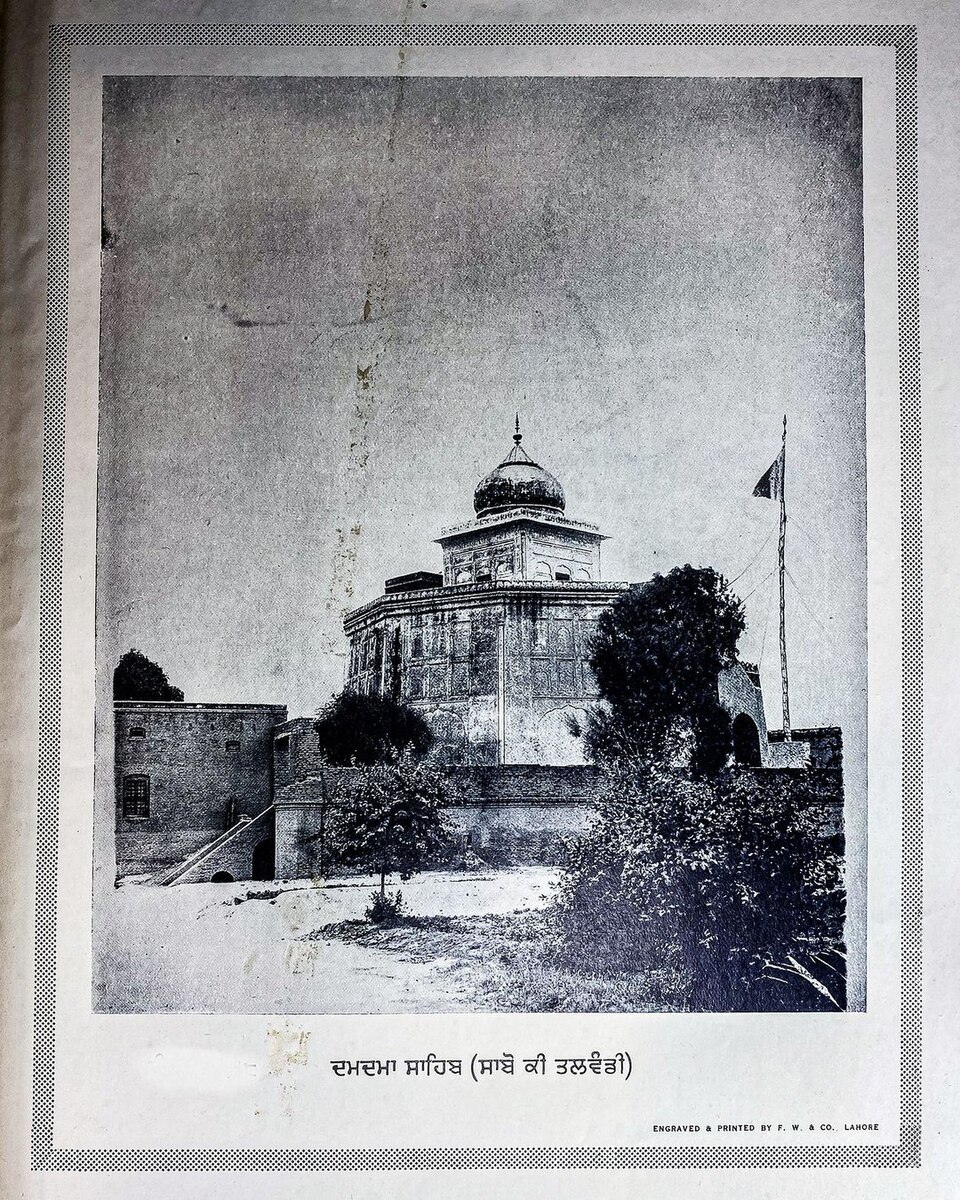
Where Guru Gobind Singh rested in 1705–06 and, tradition holds, dictated the final edition of the Guru Granth Sahib to Bhai Mani Singh. Called the 'Guru's Kashi'.
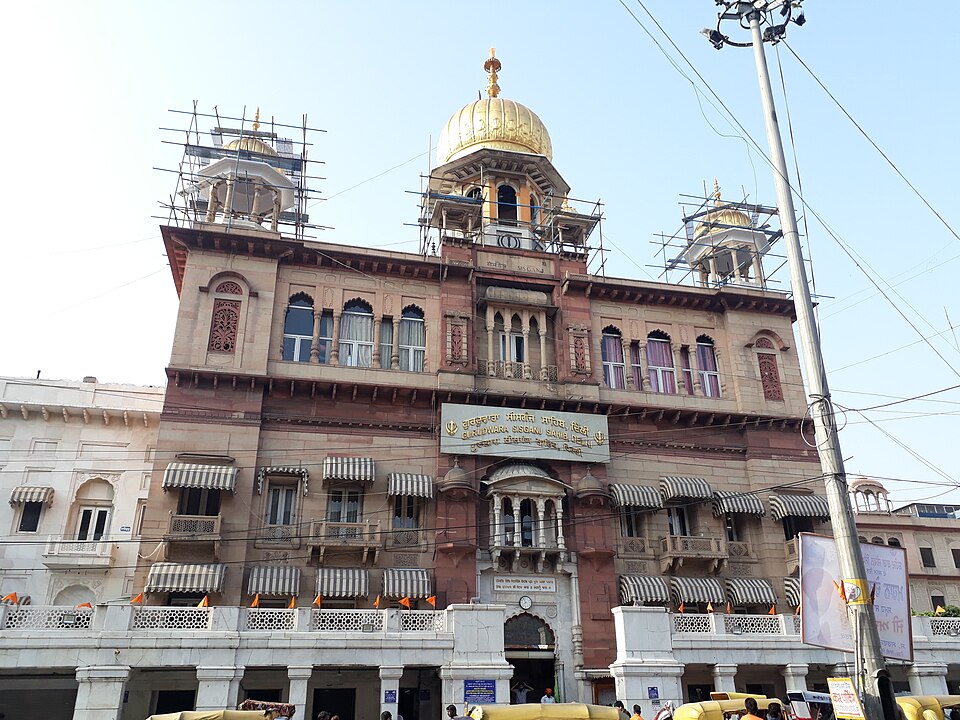
Guru Har Krishan served smallpox and cholera patients here and died in 1664 (Bangla Sahib). Guru Tegh Bahadur was beheaded at Chandni Chowk in 1675 (Sis Ganj). Banda Singh was executed near the Qutb in 1716.
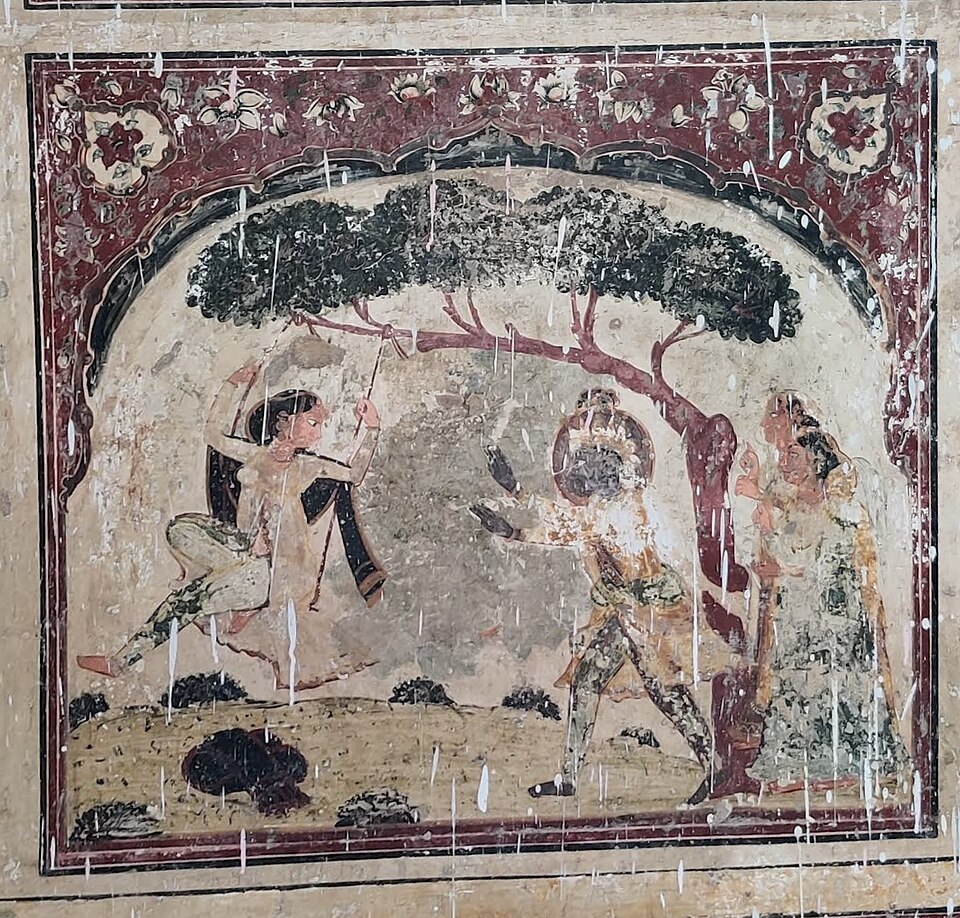
Where Guru Nanak debated with Nath yogis at a Shivratri fair, a meeting recorded in his hymn Sidh Gosht.