Sultans and Sufis
Ghaznavids, Ghurids and the Delhi Sultans; Data Ganj Bakhsh and Baba Farid, and the first poetry in Punjabi.
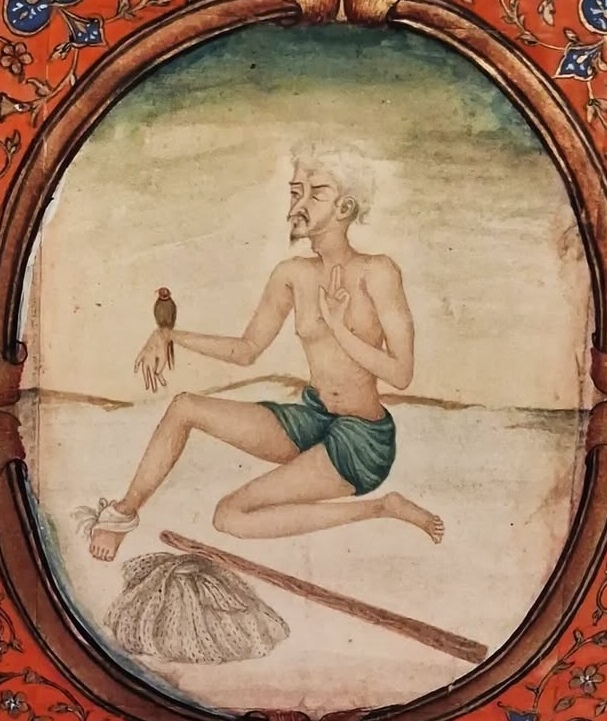 Unknown · Wikimedia
In 1001 Mahmud of Ghazni broke the Hindu Shahis near Peshawar, and Lahore became a city of the Persian-speaking world. Ghurids, the Delhi Sultans, the Mongols, Timur and the Lodis fought over the Punjab for four and a half centuries.
In the same years the Sufis came. Data Ganj Bakhsh settled in Lahore and Baba Farid at Pakpattan, where he wrote the first great poetry in the Punjabi language. Their shrines became places where Muslims and Hindus prayed side by side, and the language of the Punjab found its voice.
Where it happened
What happened
14 events- 1001Mahmud of Ghazni defeats Jayapala
The first of Mahmud's many raids into Punjab. Lahore later becomes a Ghaznavid capital.
- 1001Battle of Peshawar
- c. 1072Death of Data Ganj Bakhsh
Ali Hujwiri dies in Lahore after writing the Kashf al-Mahjub.
- 1173Birth of Baba Farid
The first great poet of Punjabi is born near Multan.
- 1186Ghurids take Lahore
The last Ghaznavid ruler loses Lahore to Muhammad of Ghor.
- 1192Second Battle of Tarain
Muhammad of Ghor defeats Prithviraj Chauhan, opening north India to the Delhi Sultanate.
- 1206Delhi Sultanate
Qutb-ud-din Aibak founds the Delhi Sultanate; Punjab becomes its frontier with the Mongols.
- 1221Genghis Khan on the Indus
The first Mongol army reaches the Indus.
- 1240
- c. 1262Bahauddin Zakariya dies at Multan
The founder of the Suhrawardi order in South Asia dies in Multan, which his khanqah had made a centre of Sufi learning.
- 1298Mongols beaten near Lahore
Alauddin Khalji's army defeats a Mongol invasion at Jaran-Manjur.
- 1398Timur crosses the Indus
Timur's army devastates Punjab on its way to sack Delhi.
- 1442Death of Jasrat Khokhar
The Khokhar chief who fought the Sayyid Sultans of Delhi for twenty years dies.
- 1445Langah sultanate of Multan
An independent sultanate rules Multan until Babur's time.
People of this age
23 people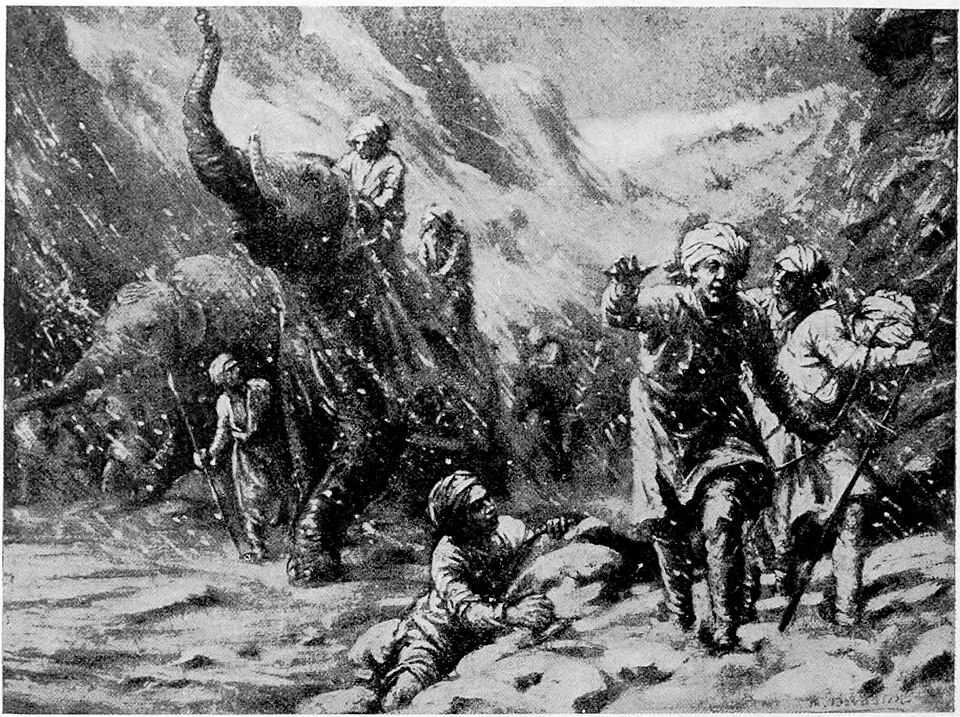
Hindu Shahi king of Punjab defeated by Mahmud of Ghazni near Peshawar in 1001. Shamed, he is said to have burned himself on a pyre.
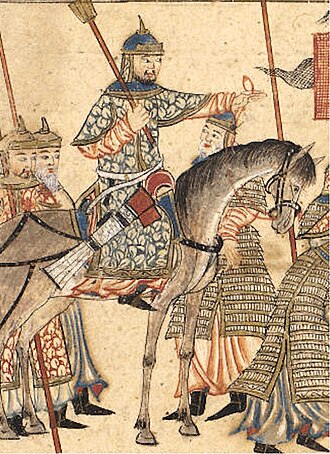
Turkic sultan who raided India some seventeen times. His conquests made Lahore a Ghaznavid city and brought Punjab into the Persian-speaking Islamic world.
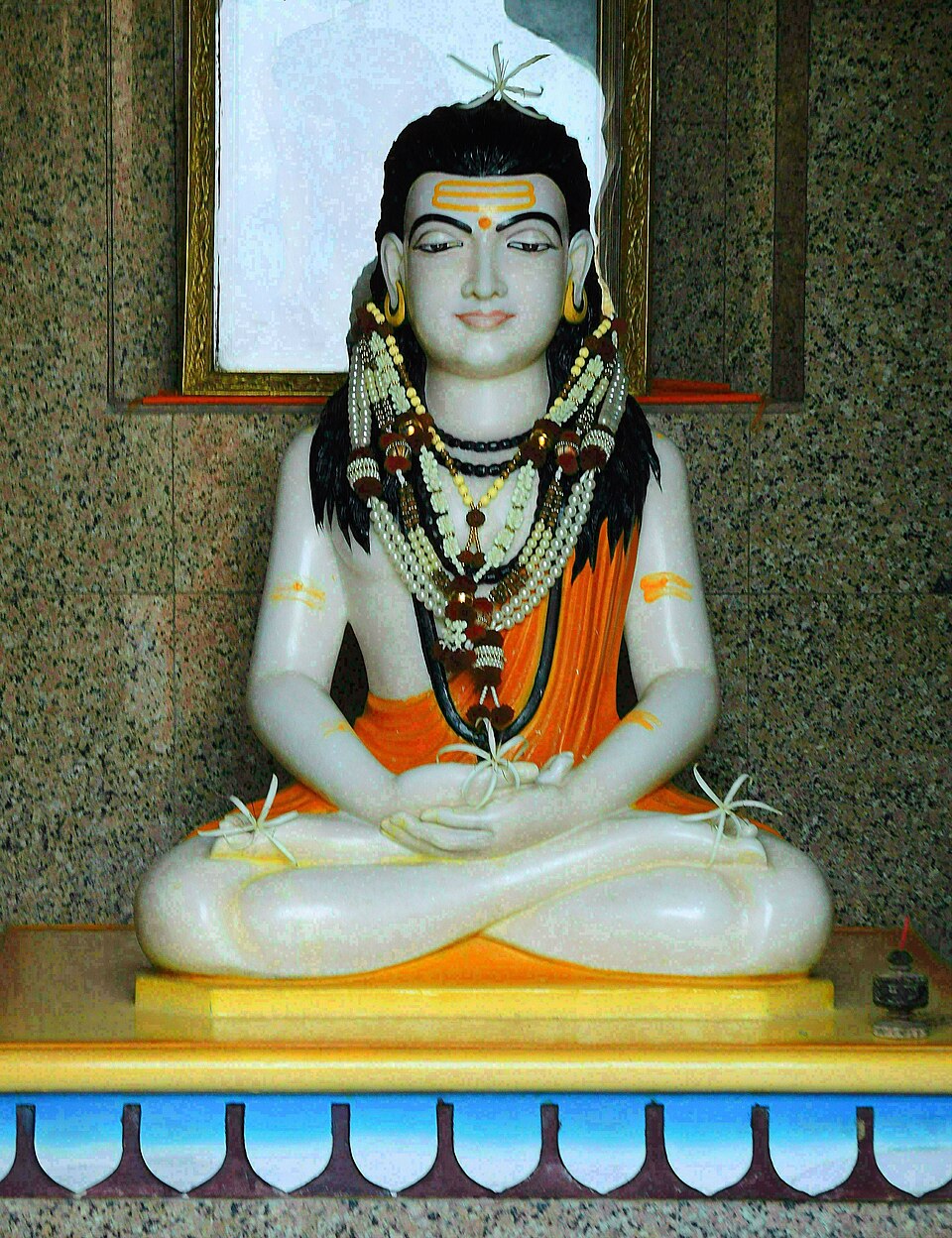
Founder of the Nath order of yogis, whose followers Guru Nanak debated at Achal and elsewhere. The Nath tradition was strong across medieval Punjab.
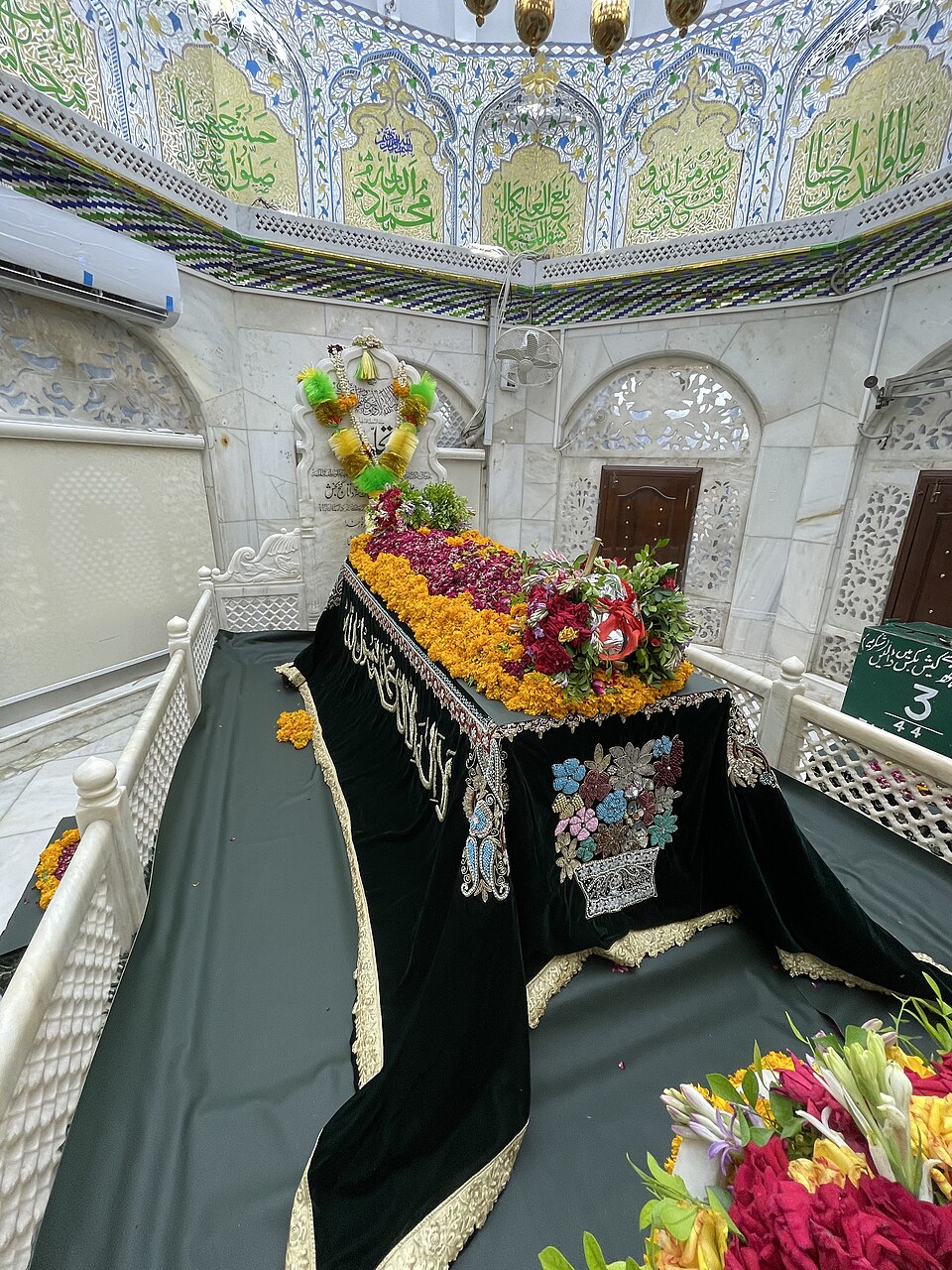
Persian Sufi who settled in Lahore and wrote the Kashf al-Mahjub, one of the oldest Sufi treatises in Persian. His shrine is Lahore's most visited.
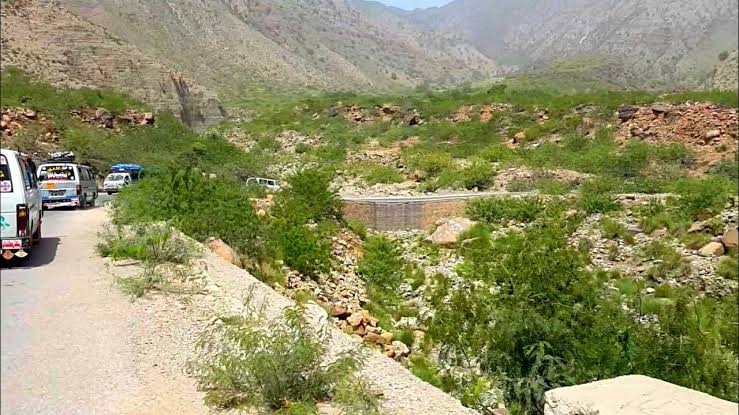
Saint whose shrine in the Sulaiman foothills near Dera Ghazi Khan drew vast numbers of Hindu, Sikh and Muslim pilgrims. His followers, the Sultanis, were found across Punjab before 1947.
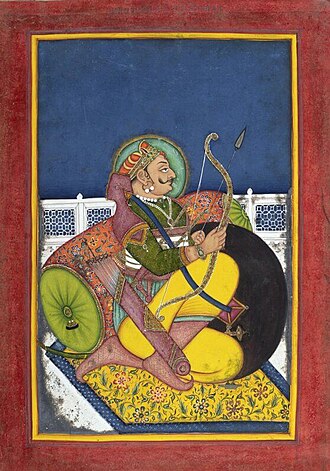
Rajput king of Ajmer and Delhi who beat Muhammad of Ghor at Tarain in 1191 and lost to him on the same field a year later.
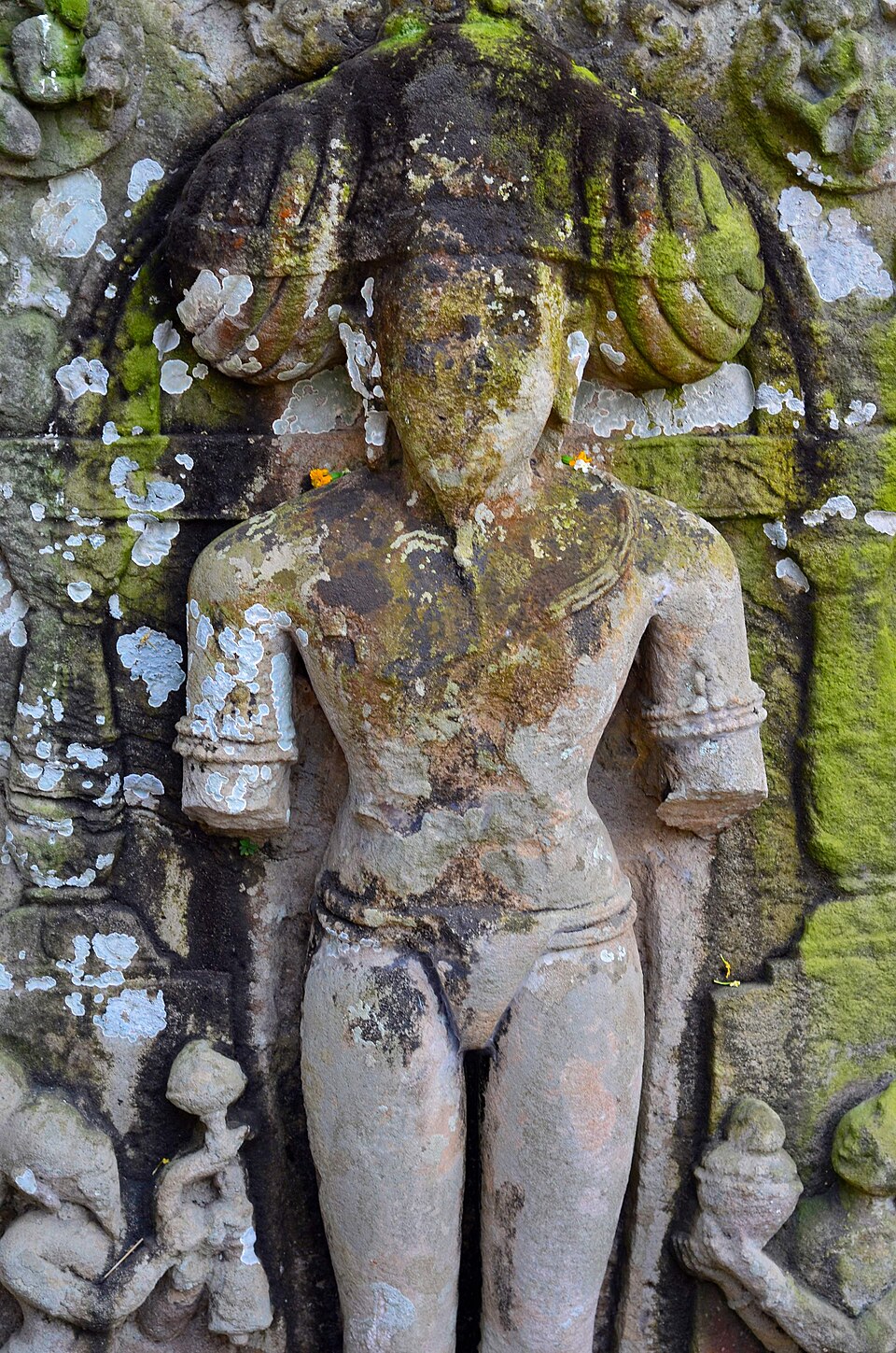
Sanskrit poet of the Gita Govinda. The oldest voice in the Guru Granth Sahib.
Chishti Sufi of Pakpattan and the first great poet of the Punjabi language. His hymns and saloks are part of the Guru Granth Sahib.
Bhagat Sadhna13th centuryA butcher from Sindh, a trade looked down on, whose hymn sits in raga Bilawal.
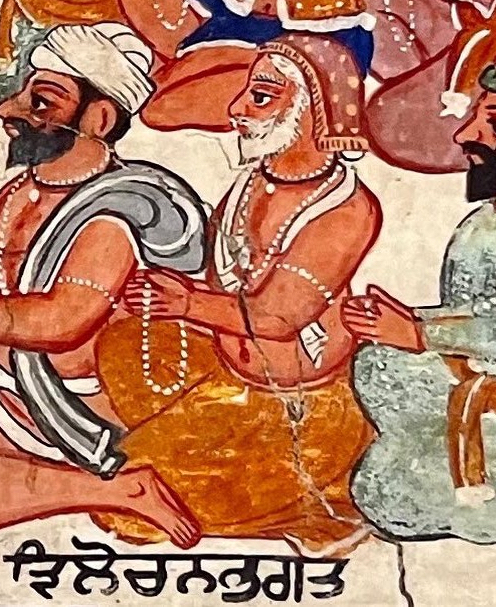
Maharashtrian Brahmin and contemporary of Namdev, who wrote on what a person carries into death.
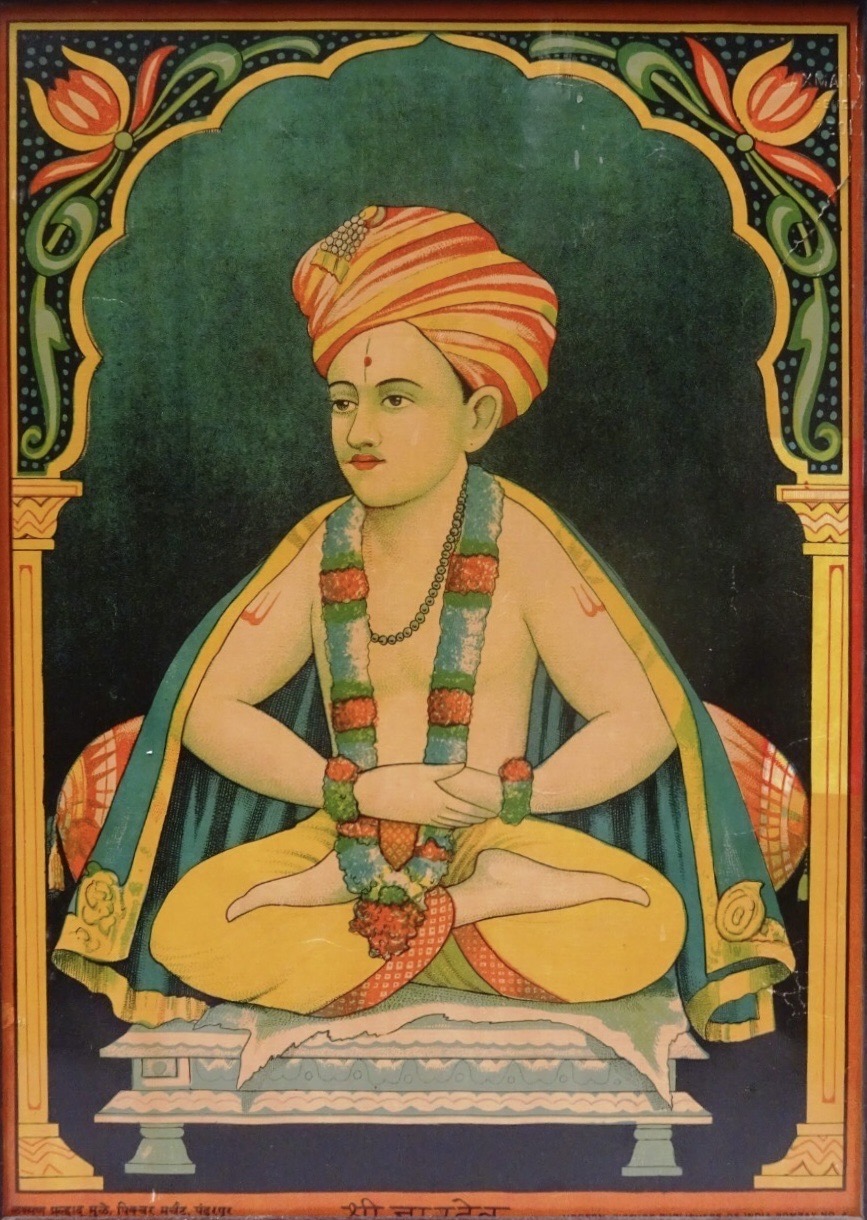
Calico printer and tailor from Maharashtra, one of the earliest bhagats. Spent his last years in Ghuman in Punjab.
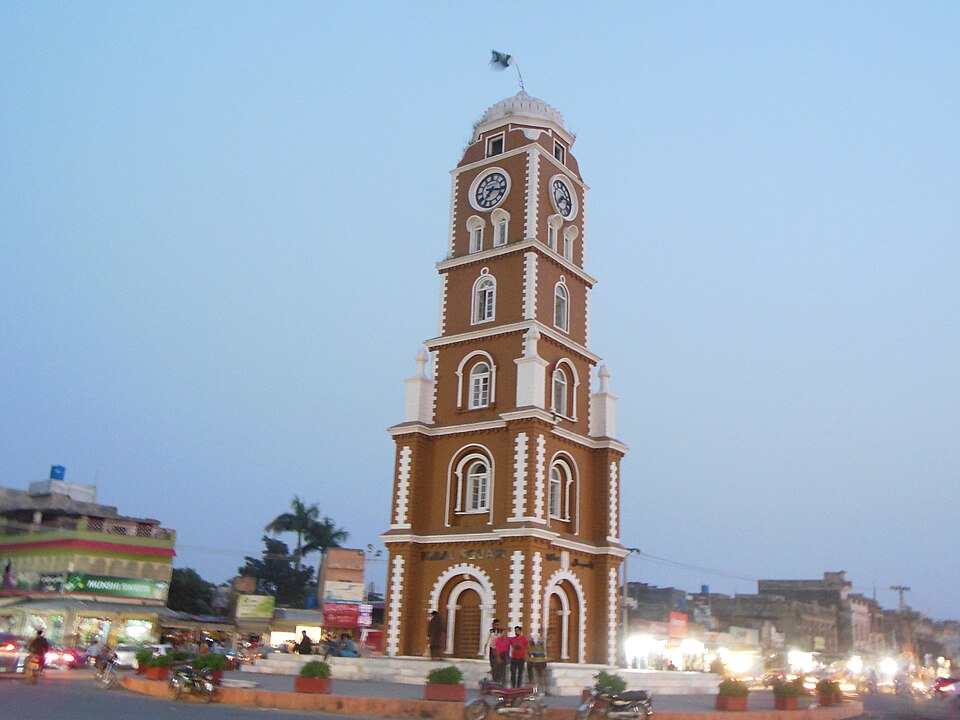
Khokhar chief of the Punjab who fought the Sultans of Delhi for twenty years, besieging Lahore and taking Sialkot and Jalandhar.
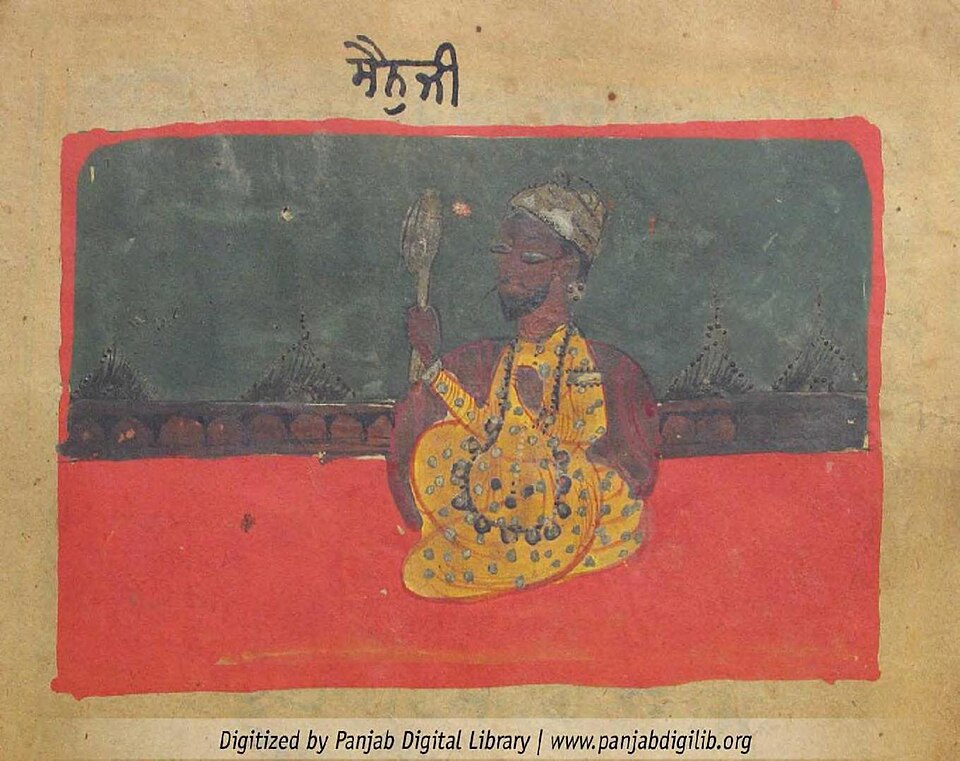
A royal barber. Tradition holds that God took his place at court while he was lost in devotion.
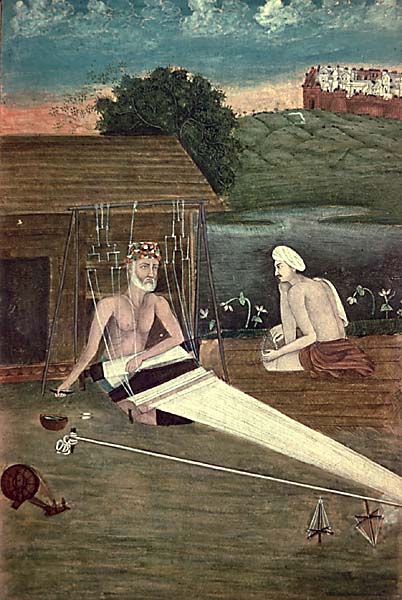
Weaver-poet of Varanasi and the largest contributor among the bhagats. Mocked hypocrisy in both Hindu and Muslim religion.
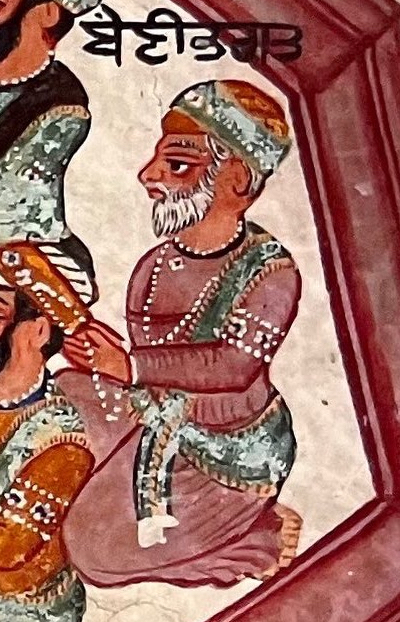
Little is known of his life. His three hymns use the language of yoga to point beyond it.
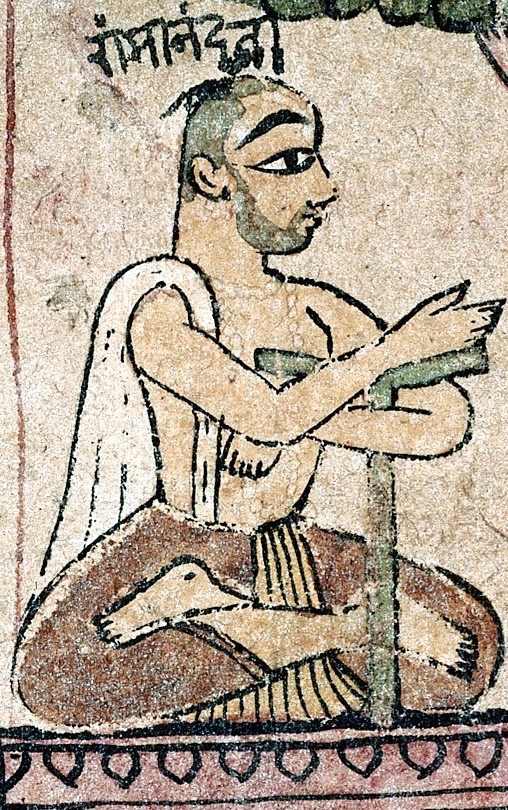
Teacher of Varanasi to whom Kabir, Ravidas, Dhanna, Pipa and Sain are traditionally linked.
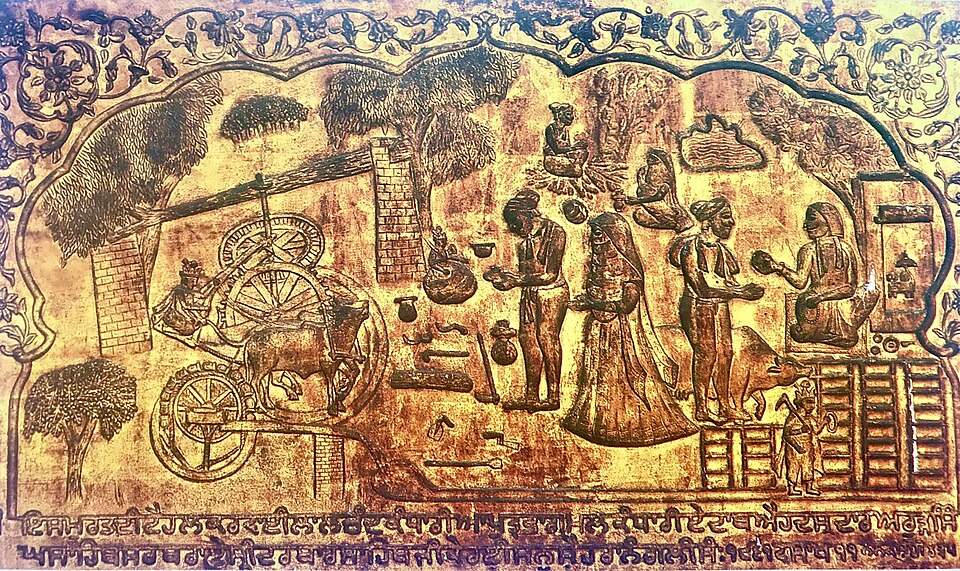
Jat farmer from Rajasthan whose simple devotion is told in a much-loved story of feeding God at a stone.
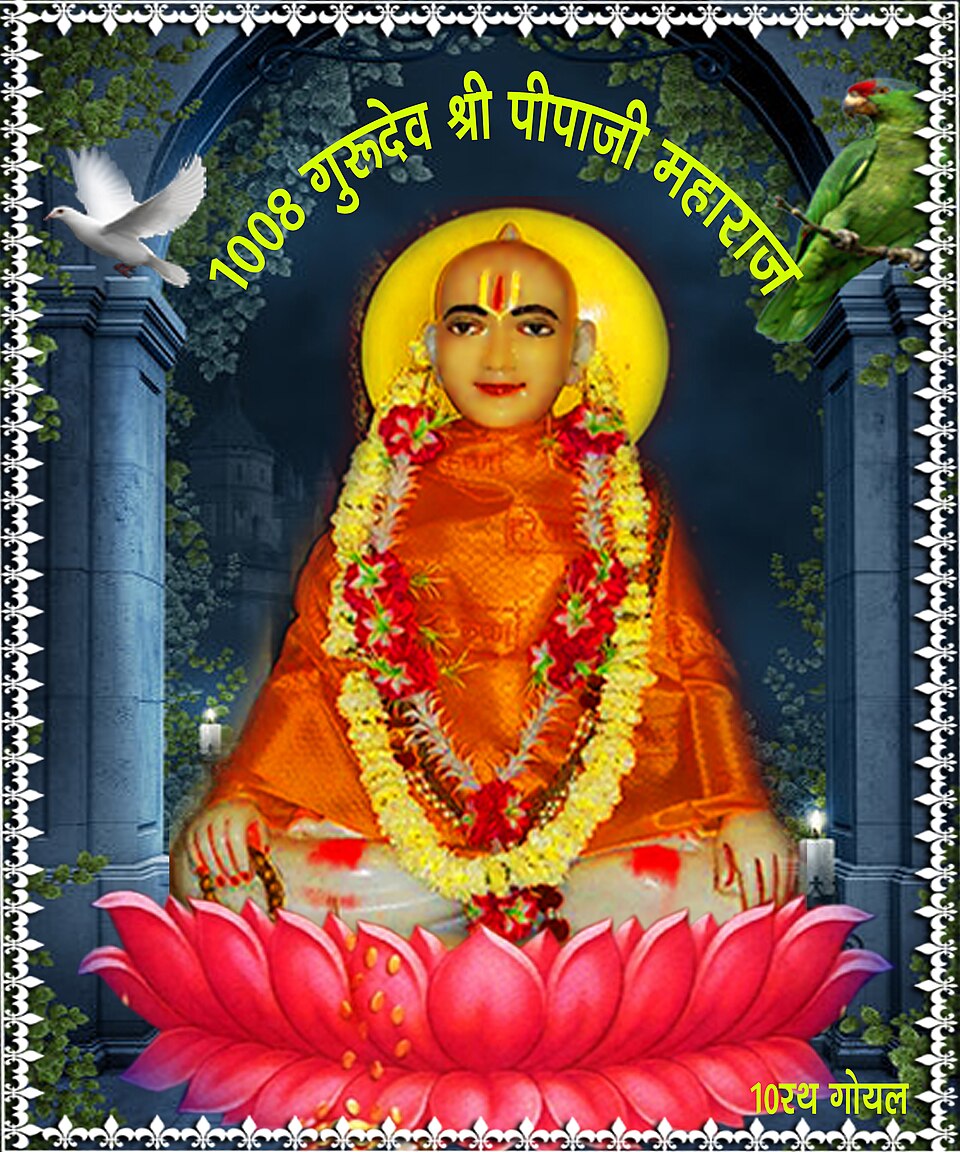
A king of Gagron who gave up his throne. His hymn says the body itself is the temple.
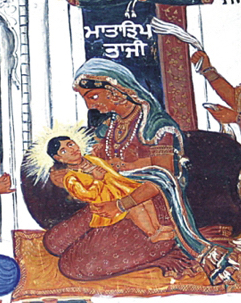
Guru Nanak's mother, who in the janamsakhis defends her son's unworldly ways against his father's frustration.
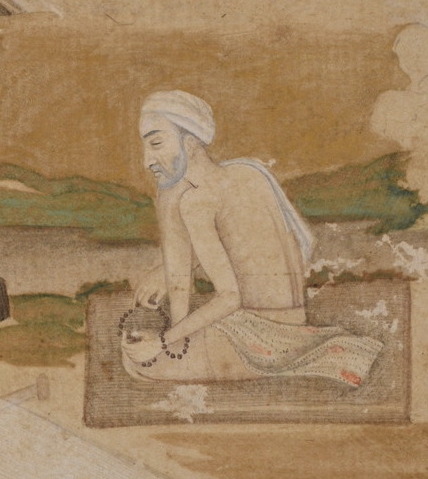
Leather worker of Varanasi who wrote of Begampura, a city without sorrow or caste. Revered across Punjab today.
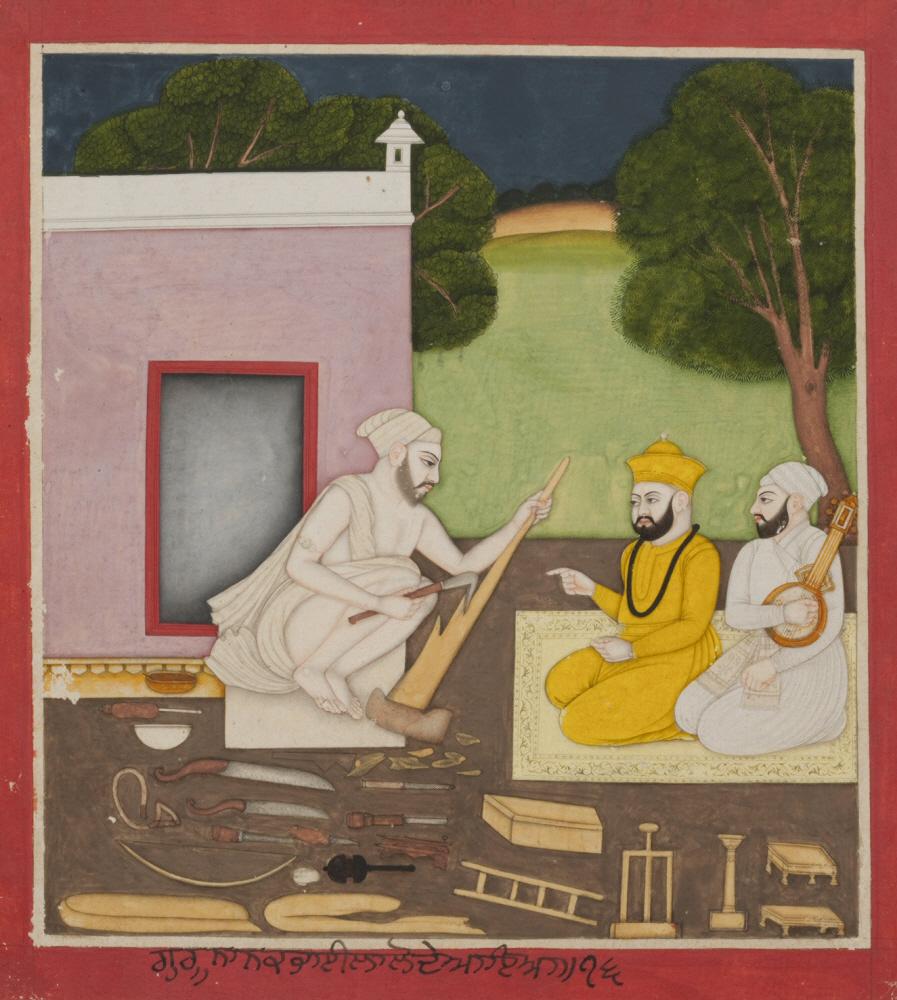
Carpenter of Saidpur whose coarse bread, earned by honest work, Guru Nanak chose over the feast of the official Malik Bhago.
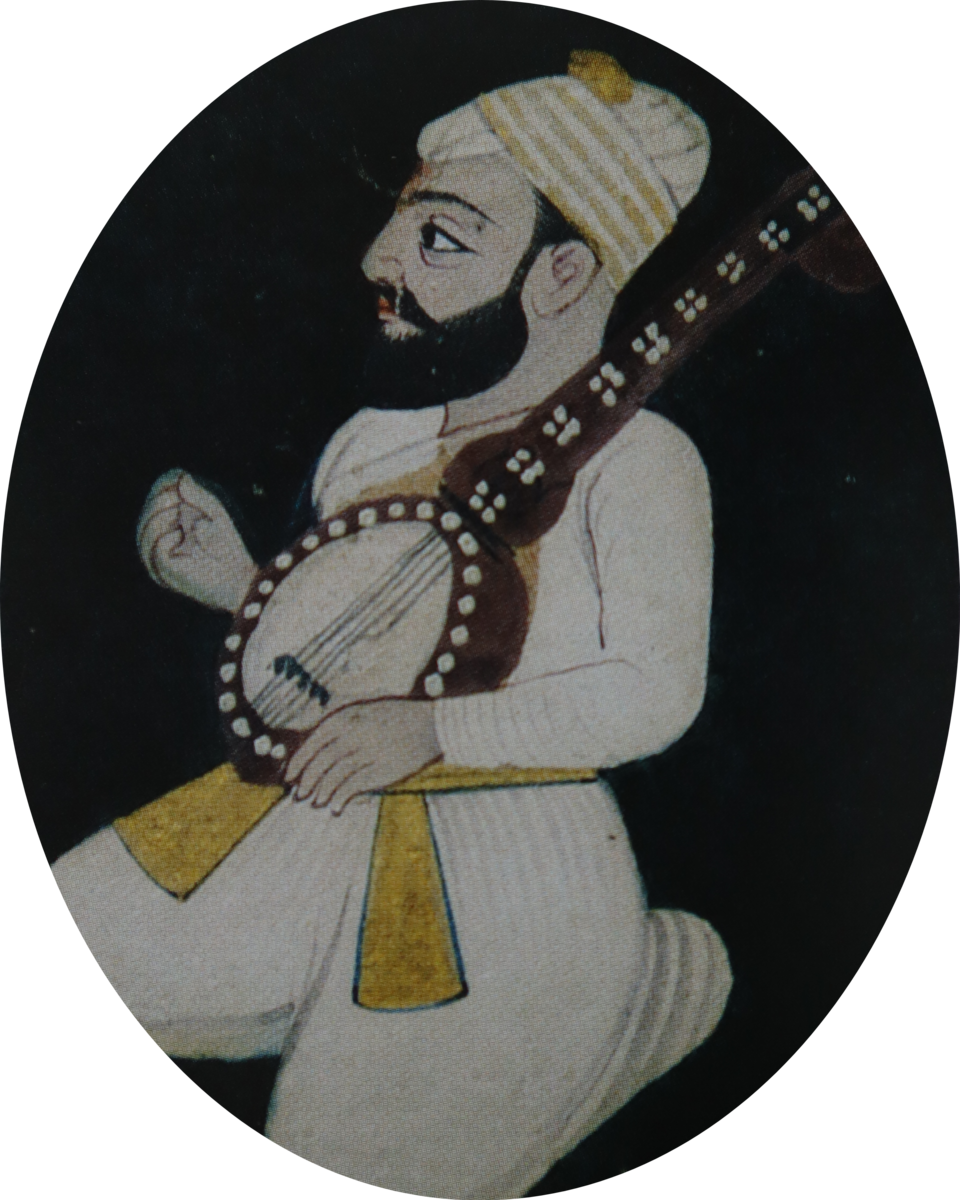
Muslim rabab player and Guru Nanak's lifelong companion on his journeys. Three of his saloks are in the Guru Granth Sahib.
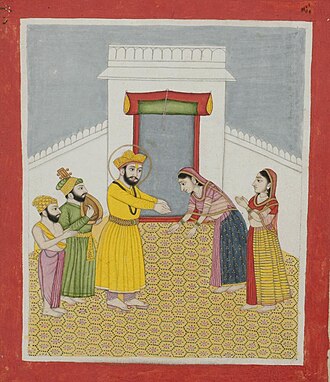
Guru Nanak's elder sister, remembered as the first to recognise him as a spiritual teacher.