Colonial Punjab
Canal colonies and the army, Singh Sabha, Arya Samaj and Ahmadiyya, Ghadar, Jallianwala Bagh and the Unionists.
 Unknown · Wikimedia
The British dug canals across the dry bars of the west and settled them with farmers from the east, and made the Punjab the recruiting ground of their army. Reform movements of every faith rose: the Singh Sabha, the Arya Samaj, the Ahmadiyya at Qadian and the Anjuman-i-Himayat-i-Islam.
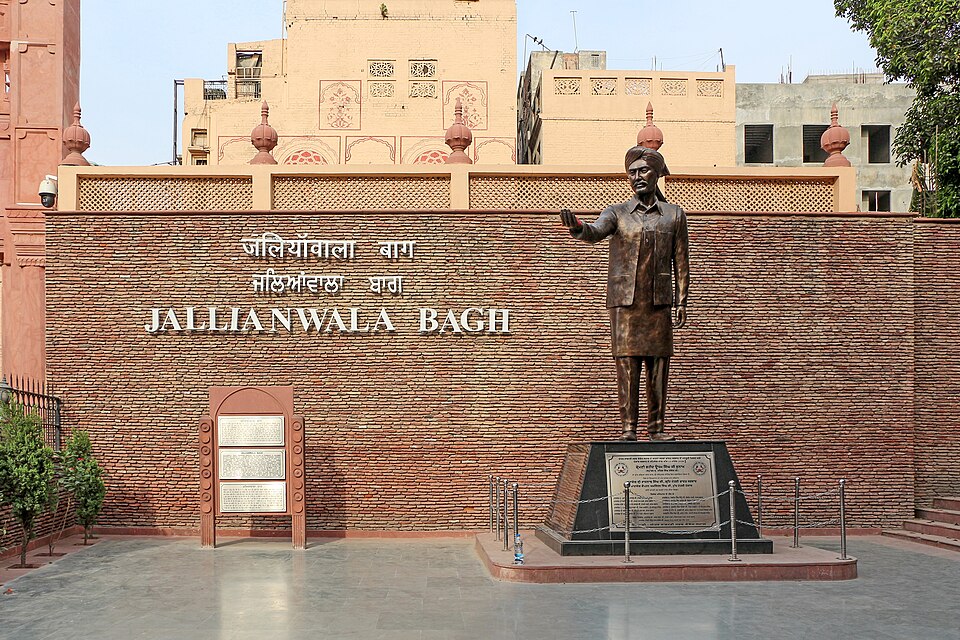
Punjabis led the resistance to British rule: the Kukas, the farmers of 1907, the Ghadar party, Bhagat Singh. At Jallianwala Bagh in 1919 British troops shot down hundreds. In the 1920s and 1930s the Unionist Party of Fazl-i-Husain, Sikandar Hayat Khan and Chhotu Ram held Muslim, Hindu and Sikh farmers together against the moneylender and the communal parties, until the storm of 1947.
Where it happened
What happened
38 events- 29 March 1849Punjab annexed
After the Second Anglo-Sikh War, the East India Company annexes Punjab.
- 1850The Koh-i-Noor sails for England
The diamond is presented to Queen Victoria.
- 1857Punjab in the 1857 rising
Punjab's new rulers disarm suspect regiments and send Sikh and Punjabi troops to retake Delhi.
- July – September 1857The Gogera rising
Ahmad Khan Kharal leads the tribes of the Ravi bar against the British until he is killed at prayer on 21 September.
- 1859Upper Bari Doab Canal
The first of the great British canals opens; canal colonies later turn the bars of western Punjab into farmland.
- January 1872Kukas blown from cannon
66 Namdharis executed without trial at Malerkotla; Baba Ram Singh exiled to Burma.
- 1873Singh Sabha movement
Reformers found the Singh Sabha in Amritsar to revive Sikh education and practice.
- 1876Atmaramji becomes Vijayanand Suri
The Punjabi Jain monk is initiated into the Svetambara order and goes on to revive it across the Punjab.
- 1877The Arya Samaj in Lahore
Swami Dayananda founds the Lahore Arya Samaj, which becomes the strongest Hindu reform movement in the Punjab.
- 1882Punjab University
Founded in Lahore.
- 1886DAV College, Lahore
The Arya Samaj opens the Dayanand Anglo-Vedic school in Lahore, the start of one of India's largest school networks.
- 1889The Ahmadiyya at Qadian
Mirza Ghulam Ahmad founds the Ahmadiyya movement at Qadian, near Batala.
- 1891The dera at Beas
Baba Jaimal Singh settles on the Beas and founds the Radha Soami Satsang Beas, which grows into one of the largest deras in the world.
- 1892Khalsa College, Amritsar
Foundation stone laid for the leading Sikh college.
- 1892Lyallpur and the canal colonies
The Lower Chenab Canal opens the bar to farming, and Lyallpur is laid out as its market town.
- 12 September 1897Saragarhi
21 soldiers of the 36th Sikhs hold out to the last.
- 1900The Land Alienation Act
A British law stops land passing from farming castes to moneylenders, dividing the Punjab into 'agriculturist' and other castes for fifty years.
- 1907Pagri Sambhal Jatta
Farmers' agitation against the canal colony laws; Lala Lajpat Rai and Ajit Singh deported.
- 1912A gurdwara at Stockton
Punjabi farm workers in California open the first gurdwara in North America.
- 1913Ghadar Party
Punjabi migrants in California found a party to overthrow British rule.
- 1914Komagata Maru
A ship of Punjabi passengers is refused entry to Canada; on return, police fire on them at Budge Budge near Calcutta.
- 1914 – 1918Punjabis in the First World War
The Punjab sends a large share of the Indian Army's soldiers to France, Gallipoli, Mesopotamia and East Africa; Khudadad Khan wins the first Indian Victoria Cross at Ypres.
- February 1915The Ghadar rising fails
An informer betrays the planned mutiny; Kartar Singh Sarabha and others are hanged.
- 13 April 1919Jallianwala Bagh
Troops under General Dyer fire on a crowd gathered on Vaisakhi; the official toll is 379 dead, other estimates far higher.
- 1920 – 1925Gurdwara reform
The SGPC is founded; the Nankana Sahib massacre of 1921 and peaceful morchas lead to the Gurdwara Act of 1925.
- 1921Nankana massacre and the Keys Affair
Over a hundred reformers killed at Nankana Sahib; later that year the Akalis force the return of the Harmandir treasury keys.
- 1921Excavation begins at Harappa
Daya Ram Sahni of the Archaeological Survey of India begins digging the mounds of Harappa.
- 1922Guru ka Bagh morcha
Non-violent Akali volunteers are beaten daily by police near Amritsar.
- 1923The Unionist Party
Fazl-i-Husain and Chhotu Ram found a party of the farmers of every faith.
- 19 February 1923United States v. Bhagat Singh Thind
The US Supreme Court rules that Indians cannot become American citizens; Punjabi settlers lose their land and citizenship.
- 20 September 1924The world hears of the Indus Civilisation
Sir John Marshall announces in the Illustrated London News a forgotten civilisation as old as Sumer.
- 1928Simon Commission protest
Lala Lajpat Rai is beaten at a protest in Lahore and dies weeks later.
- December 1929Purna Swaraj in Lahore
The Indian National Congress declares complete independence as its goal at its Lahore session.
- 23 March 1931Bhagat Singh hanged
With Rajguru and Sukhdev, in Lahore.
- 1937Sikandar Hayat Khan's ministry
The Unionists win the provincial elections and form a government of all three faiths.
- 1940Udham Singh
He shoots Michael O'Dwyer in London and is hanged.
- March 1940Lahore Resolution
The Muslim League calls for independent states in Muslim-majority areas.
- 1945The INA trials at the Red Fort
Three Punjabi officers of the Indian National Army, a Muslim, a Hindu and a Sikh, are tried together for treason.
People of this age
42 people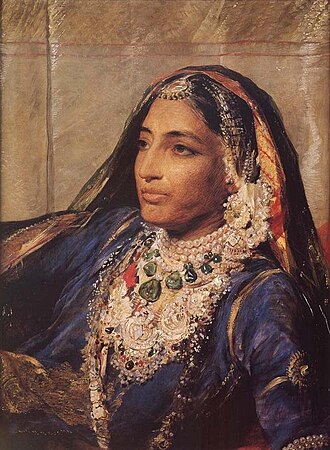
Youngest wife of Ranjit Singh and regent for her son Duleep Singh. The British saw her as the most dangerous person in Punjab, imprisoned her and exiled her; she escaped to Nepal.
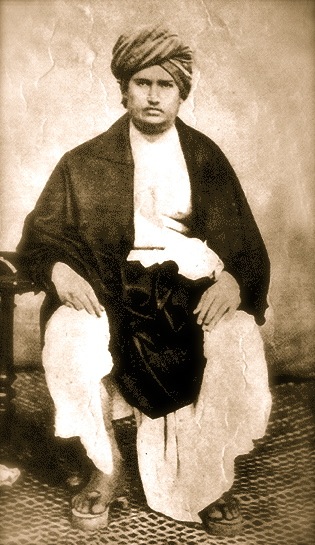
Founder of the Arya Samaj in 1875. His movement found its strongest support in Punjab, where it founded the DAV colleges.
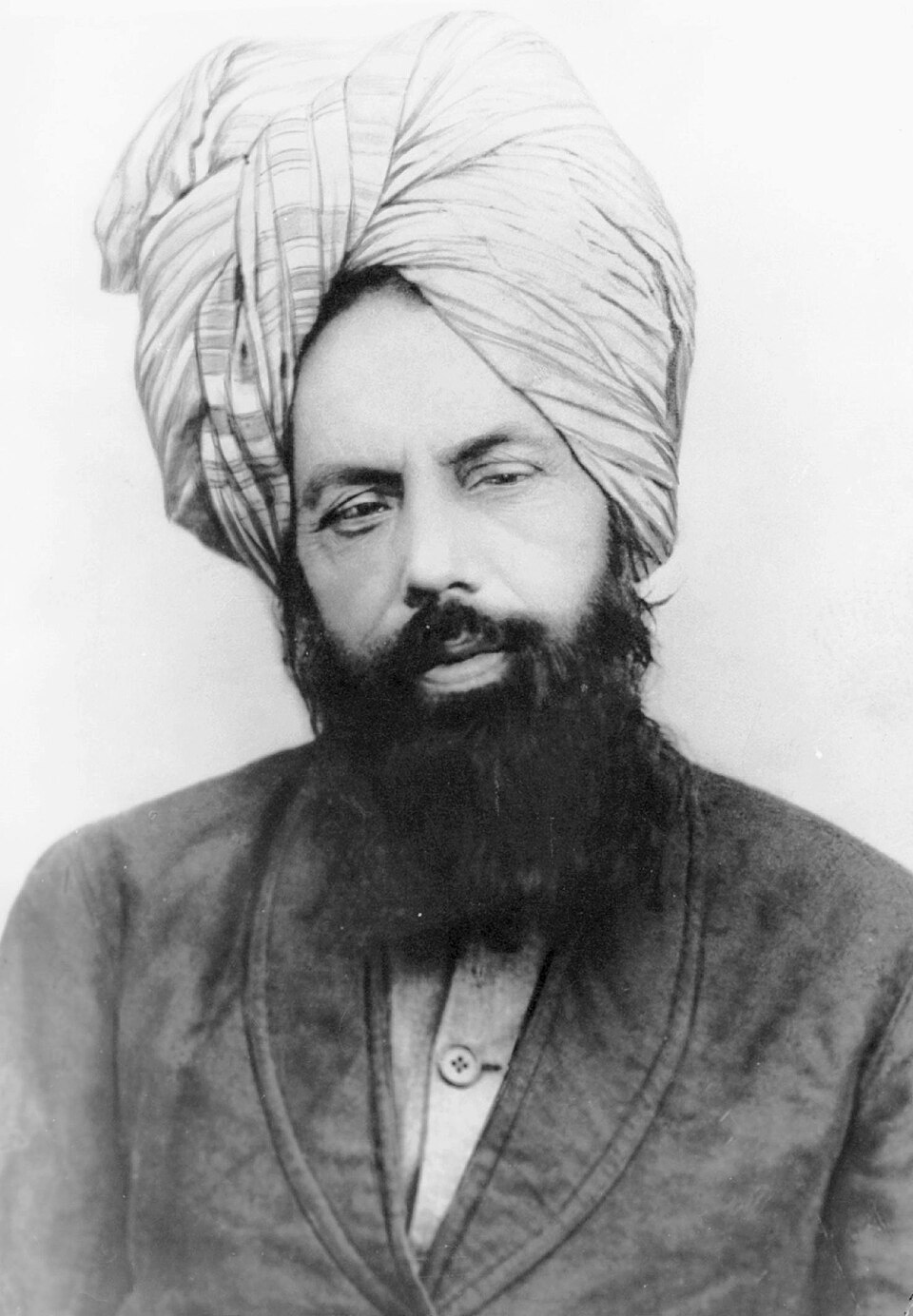
Founder of the Ahmadiyya movement at Qadian in Gurdaspur district in 1889. Ahmadis consider themselves Muslims; Pakistan declared them non-Muslims in 1974.
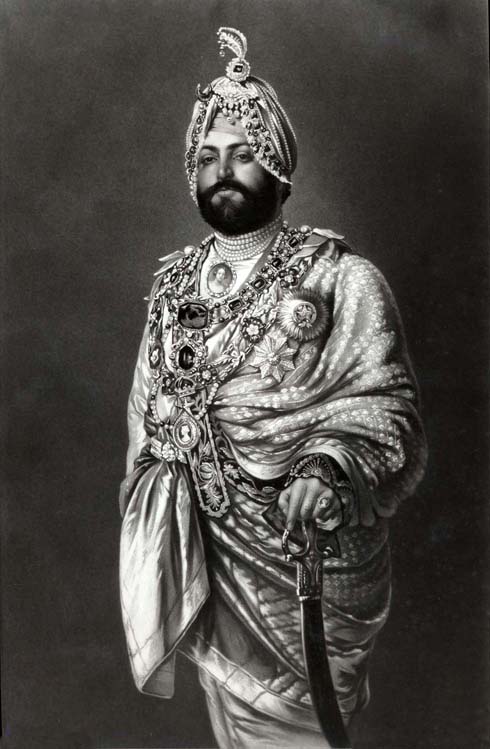
Last Maharaja of the Sikh Empire. Deposed at ten in 1849, separated from his mother, converted to Christianity and taken to England. The Koh-i-Noor passed to Queen Victoria.
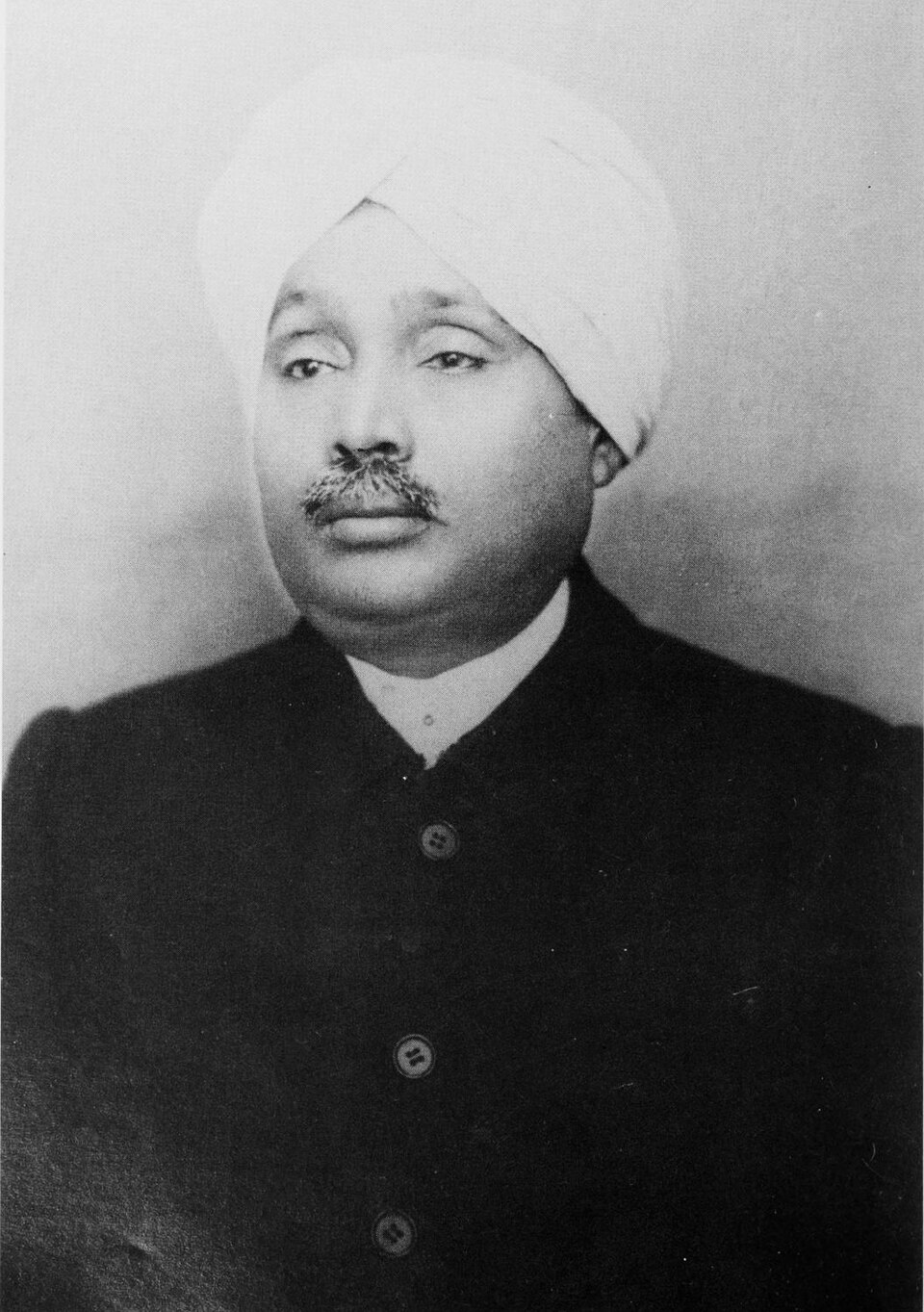
The 'Lion of Punjab' of the independence movement. Beaten by police at a protest against the Simon Commission in Lahore in 1928, he died weeks later.
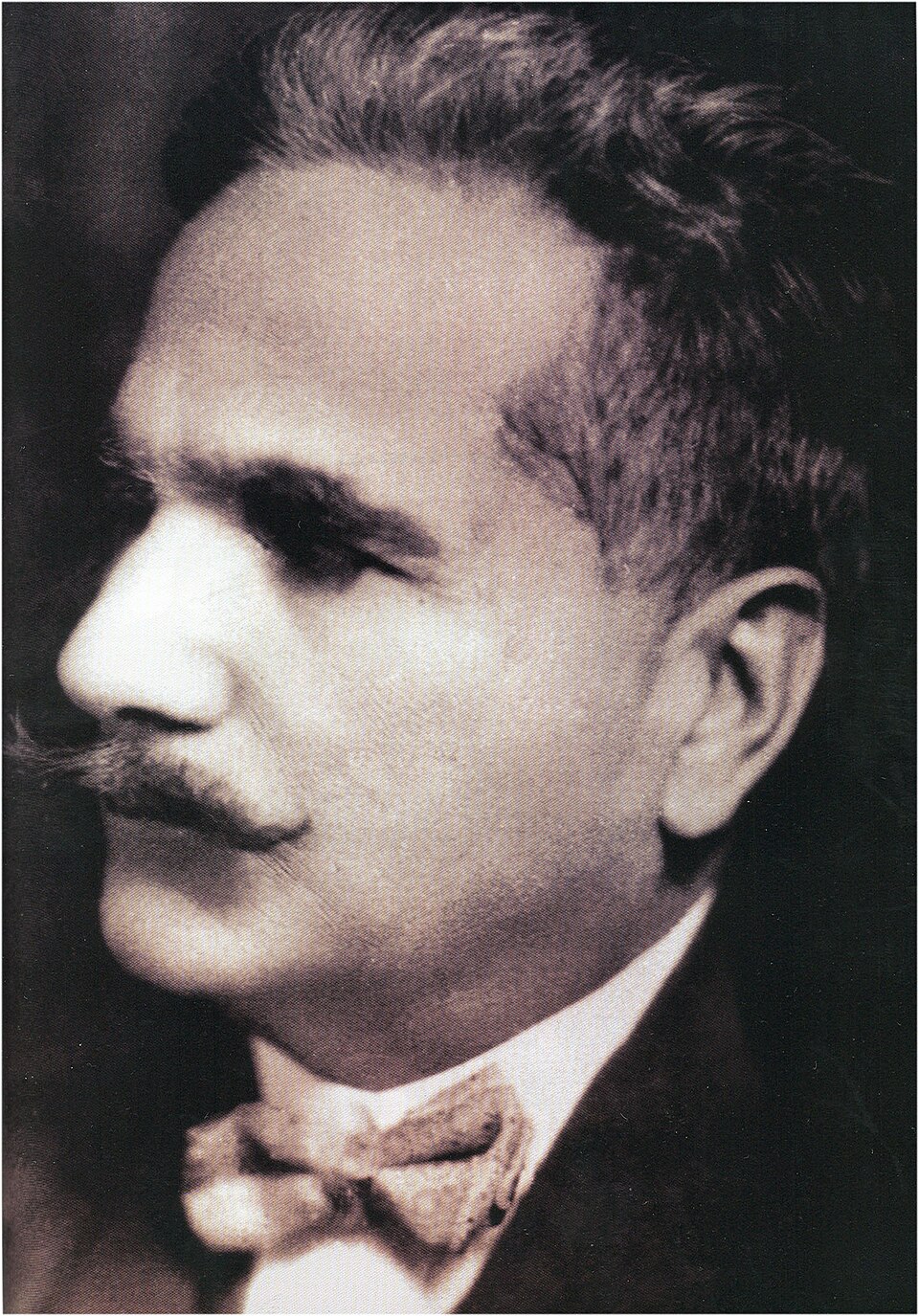
Poet-philosopher of Sialkot and Lahore, writing in Urdu and Persian, who wrote a celebrated poem on Guru Nanak and later argued for a Muslim homeland.
Ghadar Party revolutionary who returned from California to raise a rising against British rule. Hanged in Lahore at nineteen.
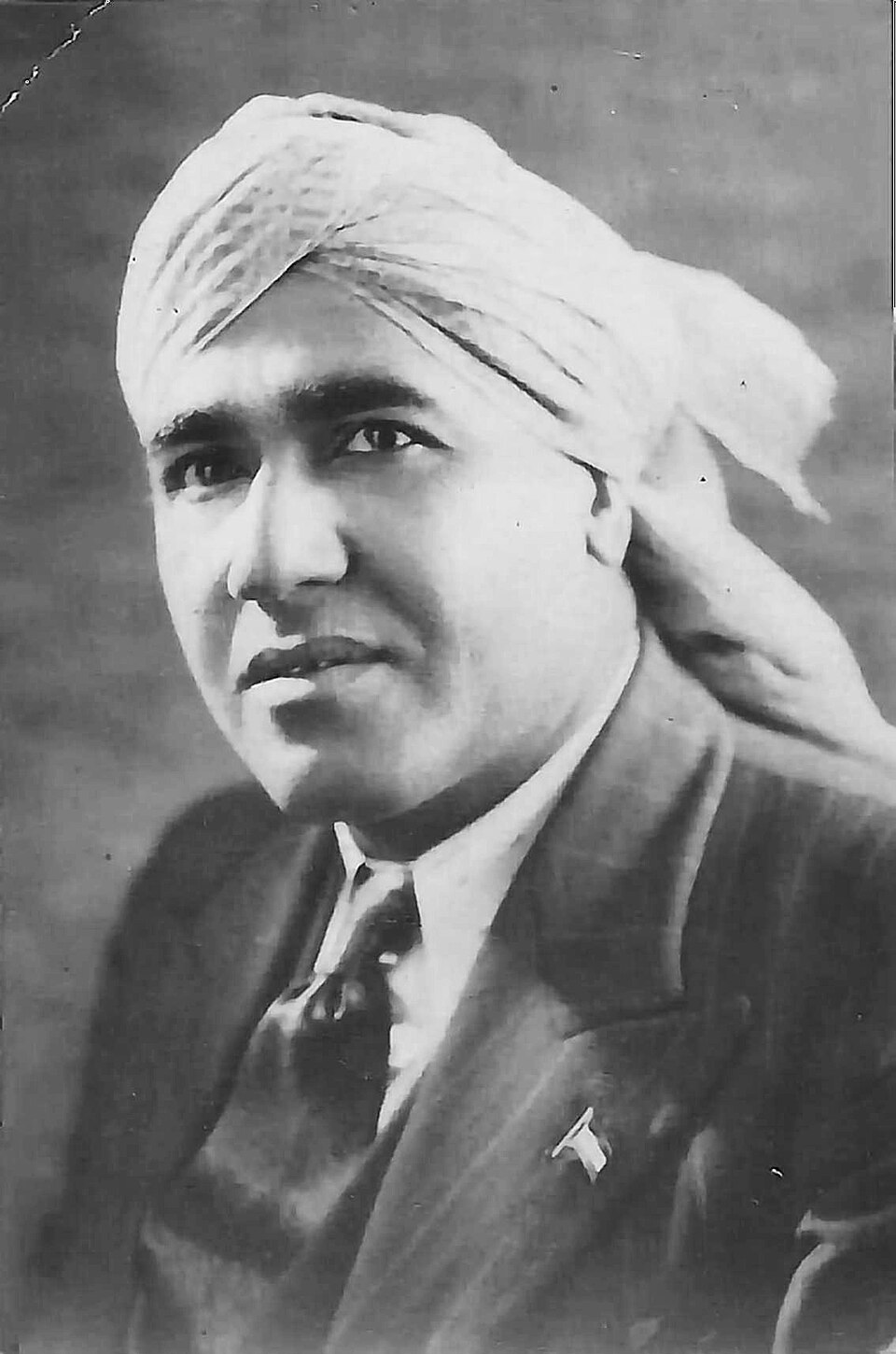
Shot Michael O'Dwyer, governor of Punjab at the time of Jallianwala Bagh, in London in 1940 and was hanged at Pentonville.
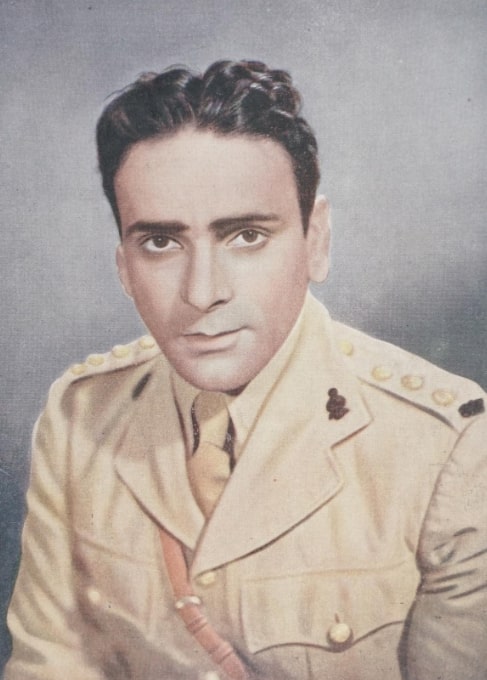
Actor from Lyallpur and Peshawar who starred in India's first talkie, founded Prithvi Theatres and began the Kapoor dynasty of Bombay cinema.
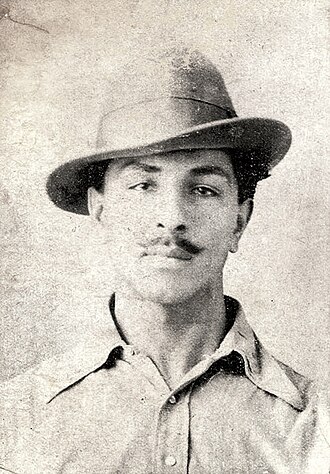
Socialist revolutionary hanged in Lahore at twenty-three with Rajguru and Sukhdev. Among the most celebrated figures of India's independence movement.
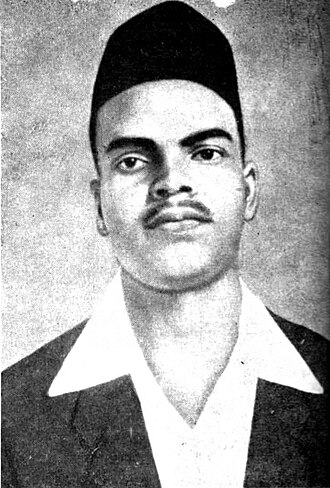
Comrades of Bhagat Singh in the Hindustan Socialist Republican Association, hanged with him in Lahore on 23 March 1931.
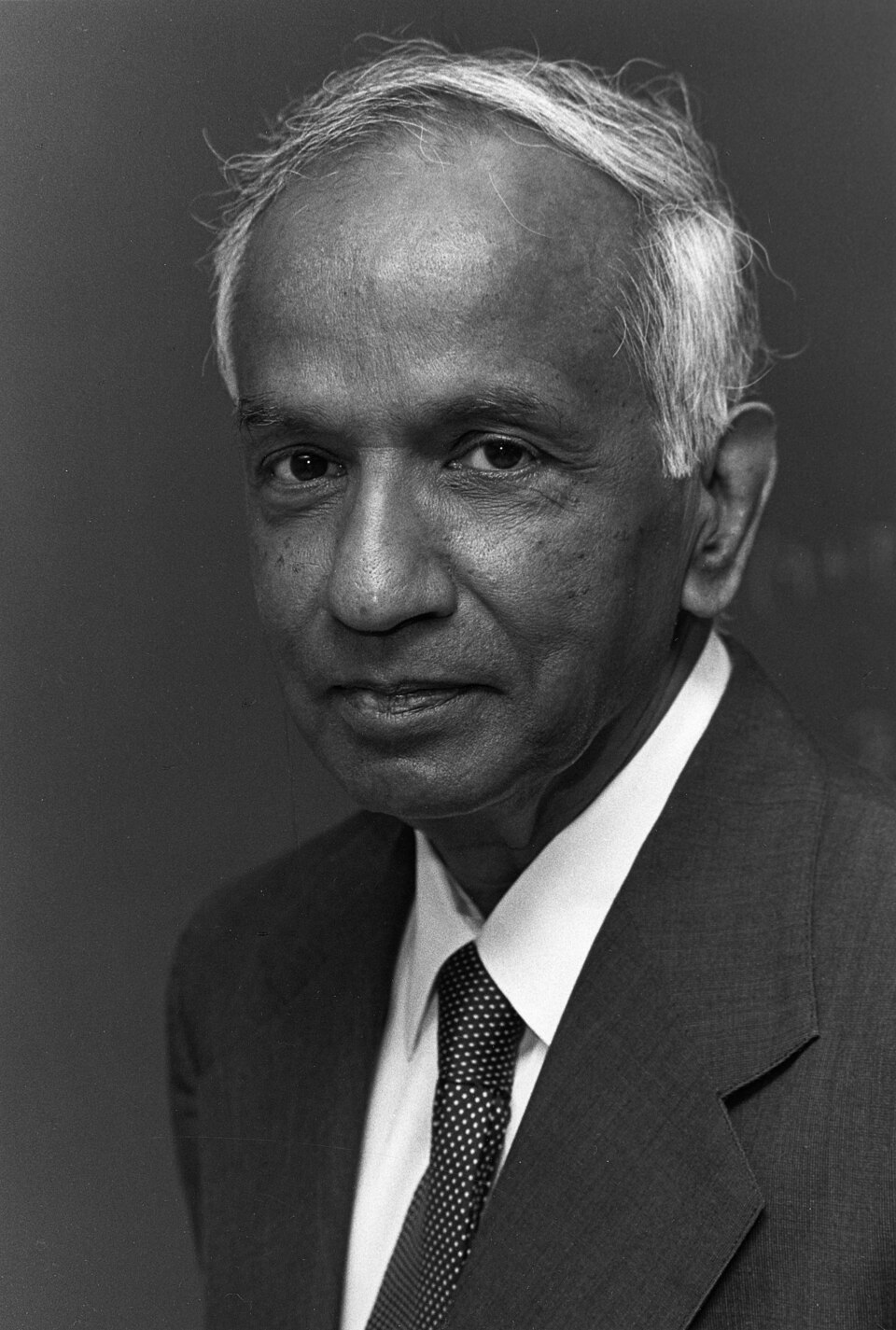
Astrophysicist born in Lahore, who worked out the limit beyond which a dying star must collapse, and won the Nobel Prize in 1983.
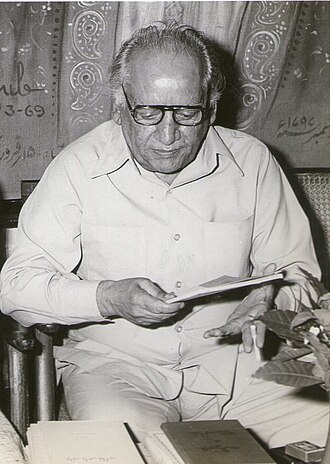
Urdu poet from Sialkot whose 'Subh-e-Azadi' mourned the dawn of 1947 as 'not the dawn we longed for'.
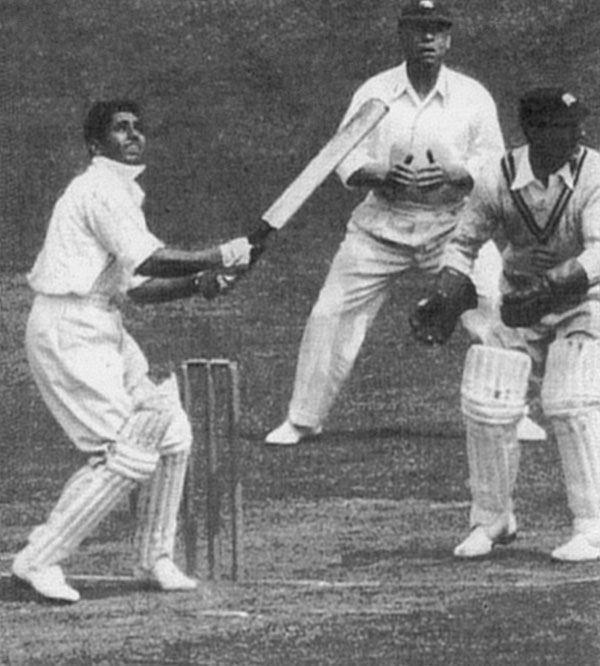
Cricketer from Kapurthala who made India's first Test century in 1933 and was independent India's first Test captain.
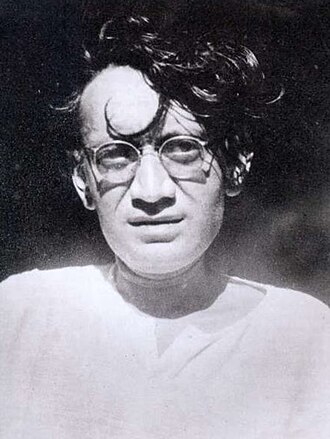
Short-story writer born near Ludhiana whose stories of Partition, such as Toba Tek Singh, are the sharpest record of its madness.
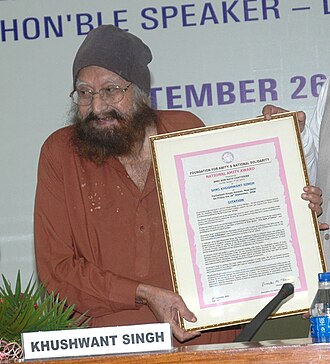
Novelist and historian from Hadali in the Salt Range. His Train to Pakistan and two-volume History of the Sikhs are classics.
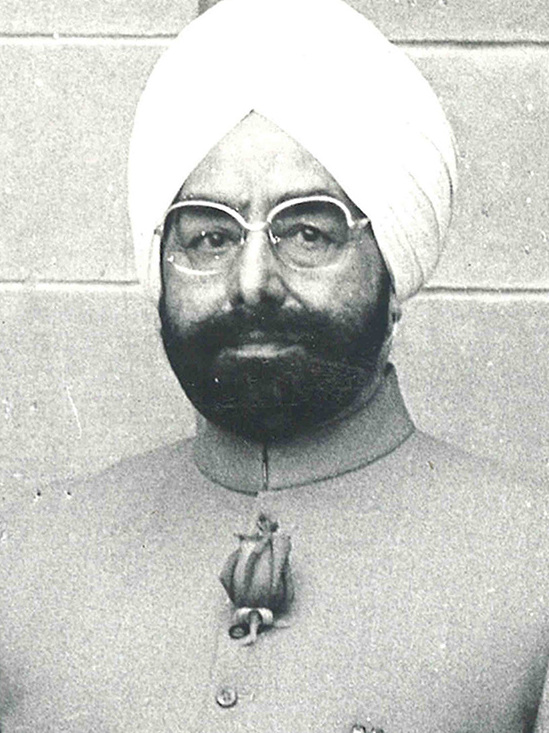
Ramgarhia Sikh from Faridkot who rose from the Praja Mandal to Chief Minister of Punjab and President of India, 1982–1987.
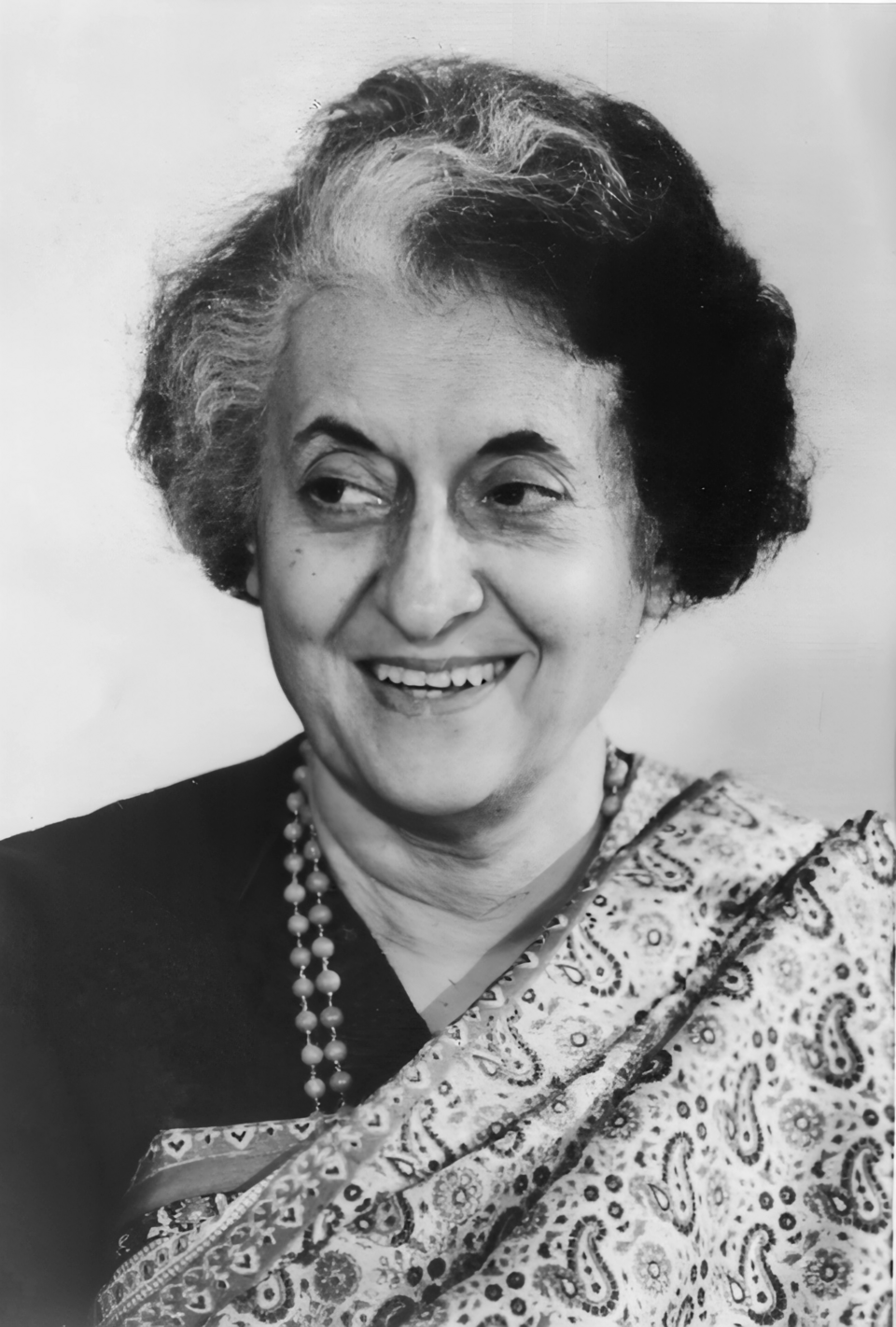
Prime Minister of India who ordered Operation Blue Star in June 1984 and was assassinated by two Sikh bodyguards on 31 October.
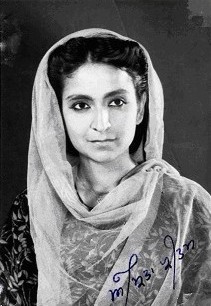
The leading woman poet of Punjabi, born in Gujranwala. Her elegy for Partition calls on Waris Shah to rise from his grave and write a new verse for the daughters of Punjab.
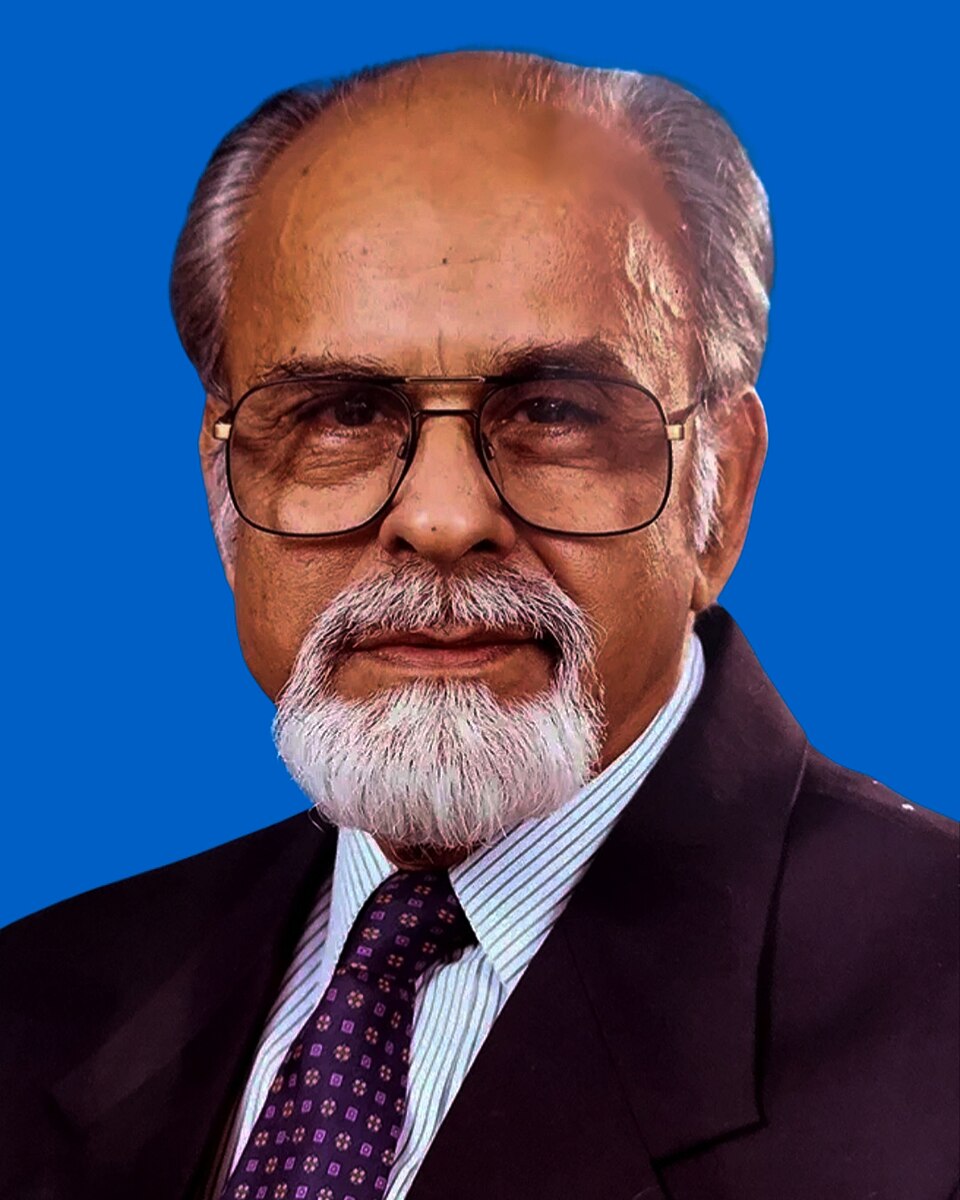
Politician born in Jhelum, a student activist in Lahore, who became Prime Minister of India and argued for generous relations with India's neighbours.
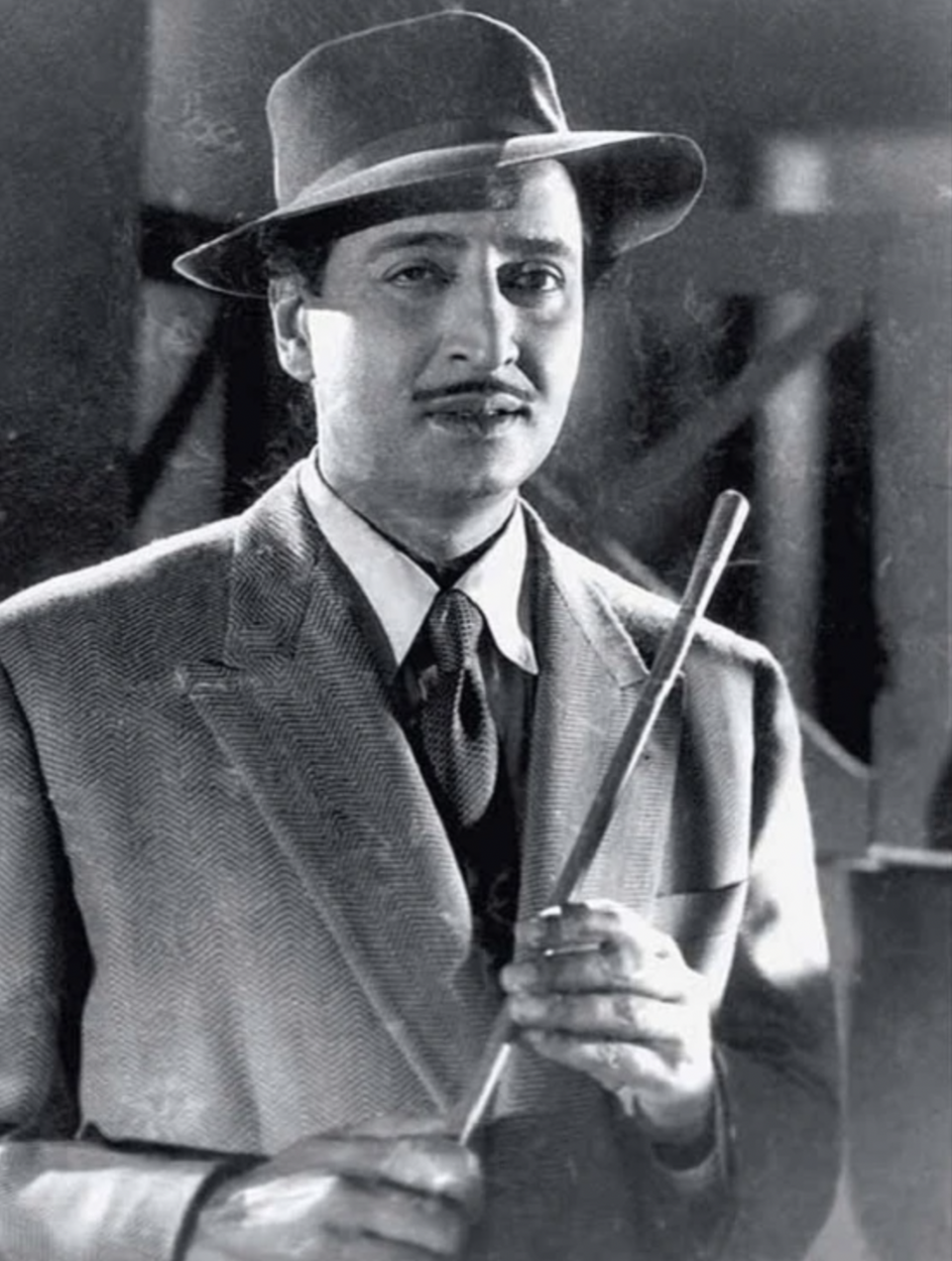
Actor who began in the Punjabi films of Lahore and became Hindi cinema's most famous villain.
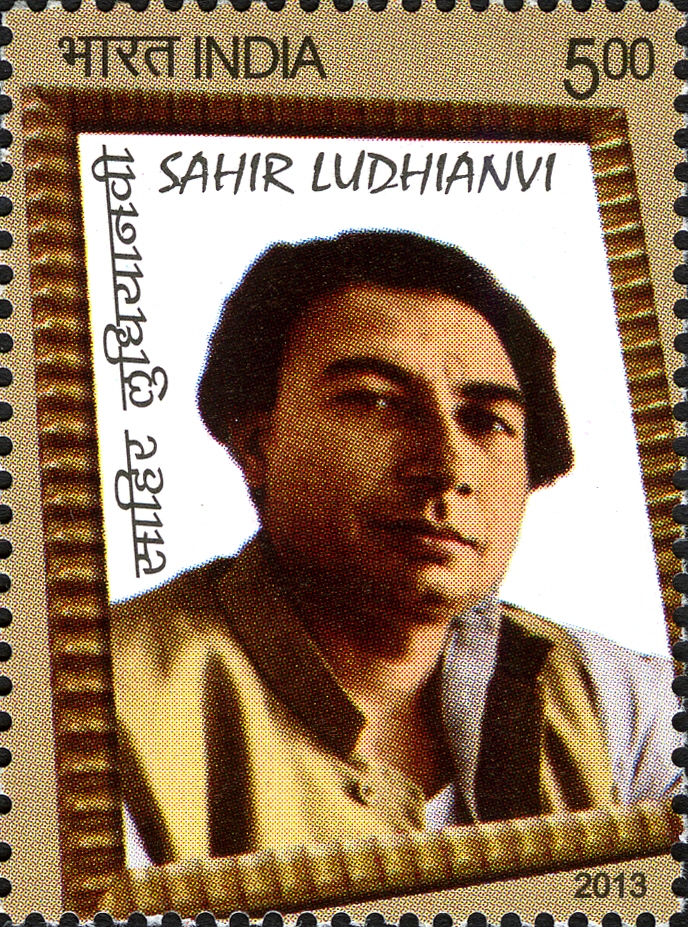
Urdu poet from Ludhiana whose sharp, socialist lyrics changed the Hindi film song.
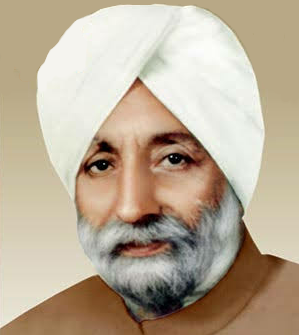
Chief Minister of Punjab from 1992, under whom the insurgency was crushed. Killed by a suicide bomber in Chandigarh in August 1995.
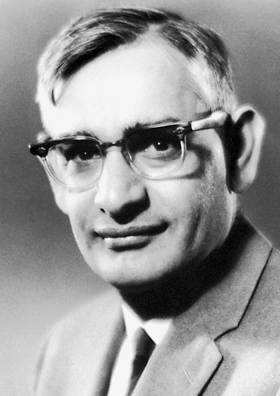
Biochemist from a village near Multan who shared the 1968 Nobel Prize for showing how the genetic code is read.
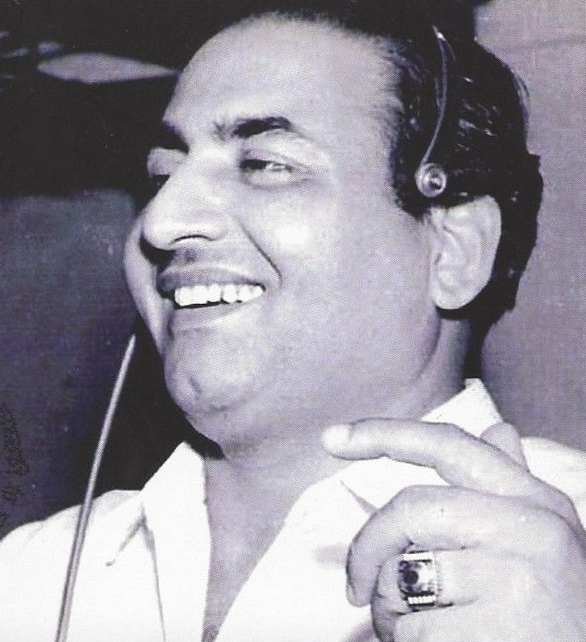
Singer from a village near Amritsar who grew up in Lahore and became the voice of Hindi cinema.
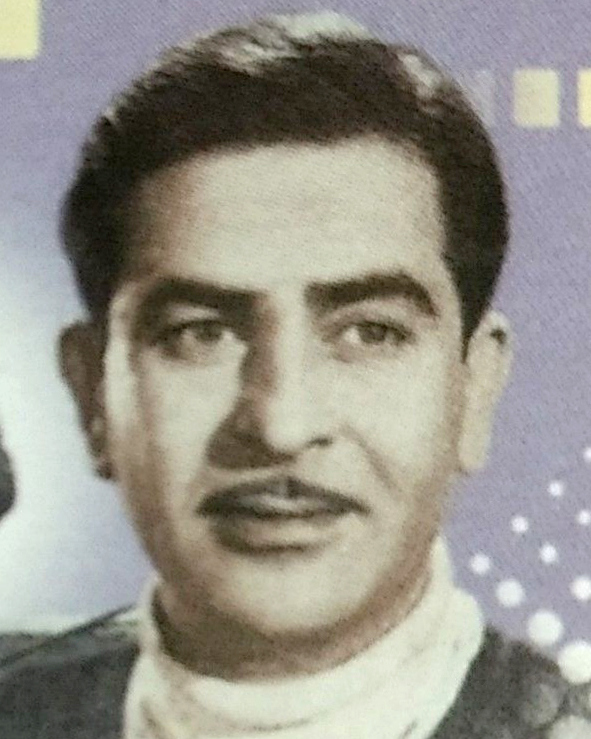
Actor and director born in Peshawar whose tramp in Awaara and Shree 420 was loved from Moscow to Cairo.
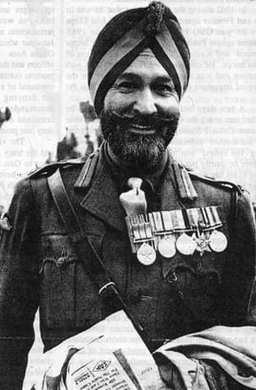
Decorated Indian Army major general, dismissed shortly before retirement, who organised the defences of the Harmandir Sahib complex and was killed in Blue Star.
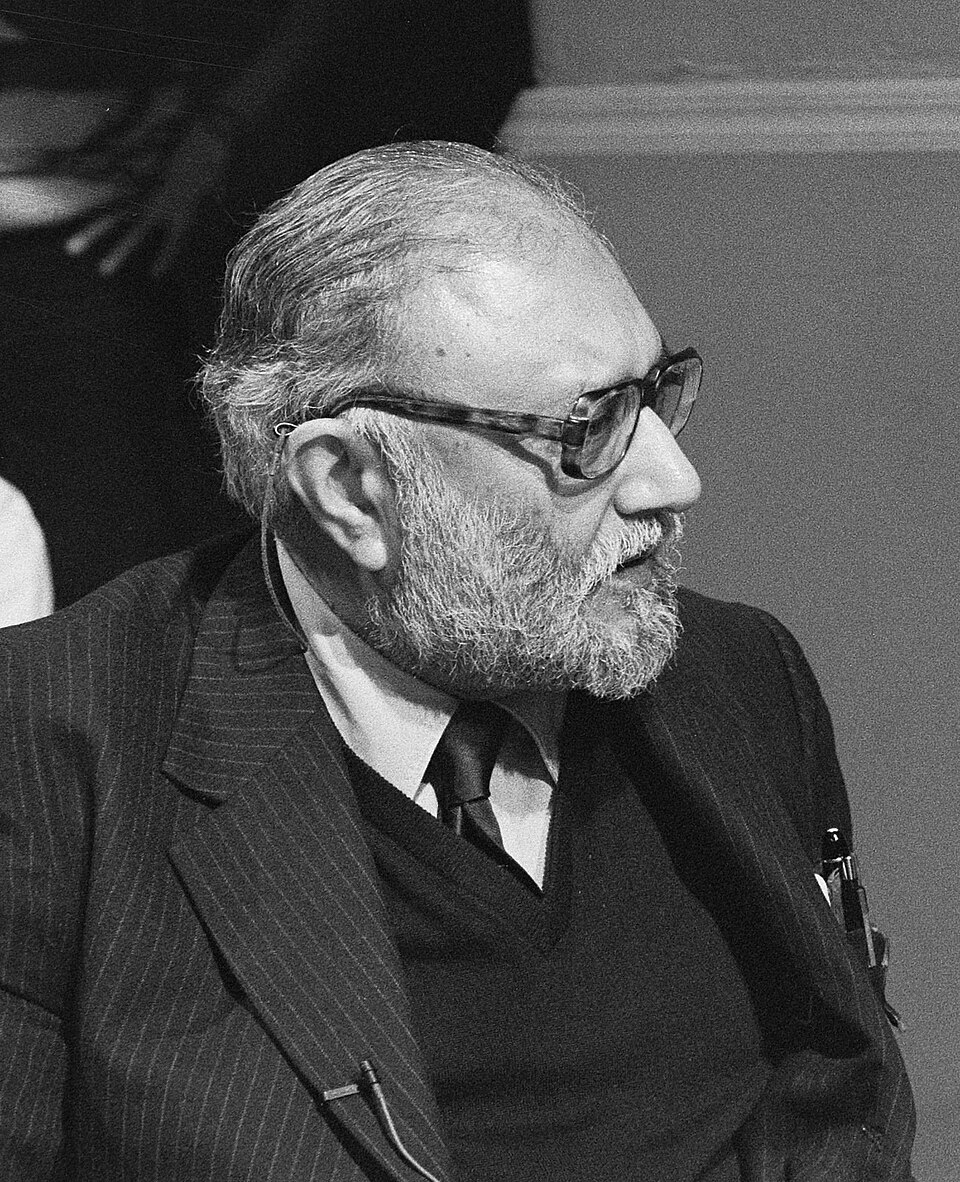
Physicist from Jhang who shared the Nobel Prize in 1979 for unifying two of the forces of nature.
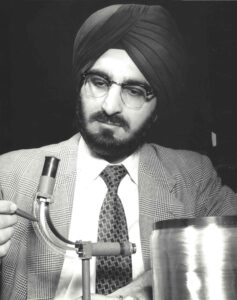
Physicist from Moga, called the father of fibre optics, whose work on sending light through glass fibres underlies the internet.
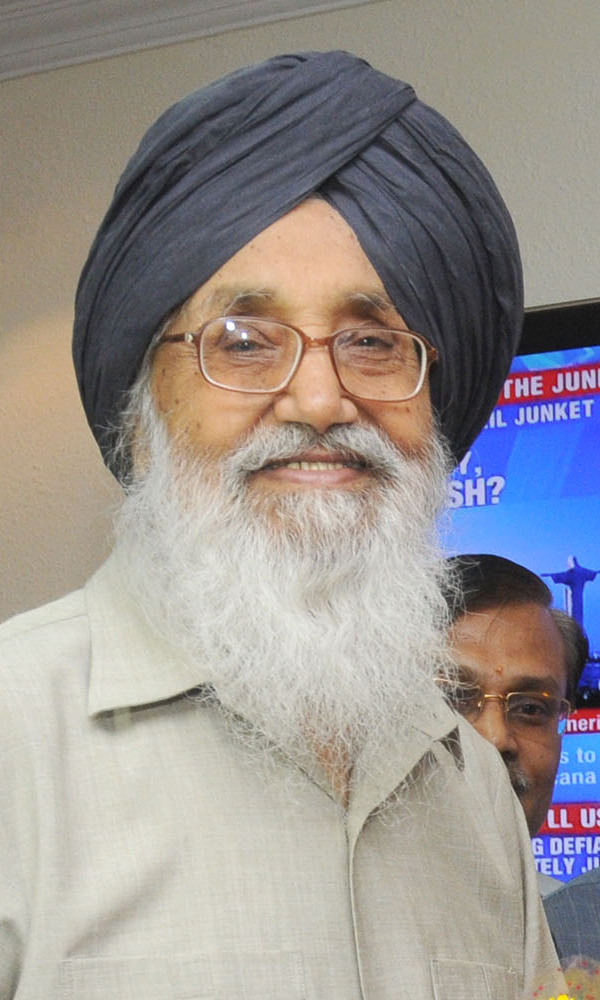
Five times Chief Minister of Punjab, both the youngest and the oldest, and for half a century the face of the Akali Dal.
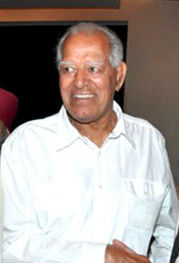
Wrestler from a village near Amritsar who became a world champion of professional wrestling and then a film star.
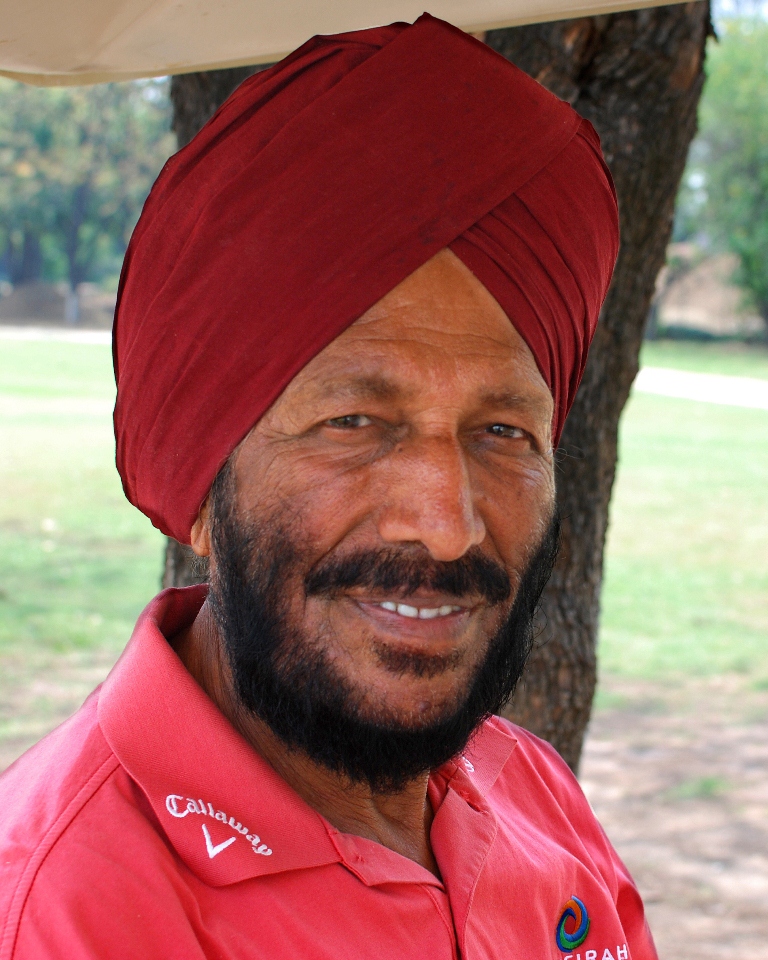
The 'Flying Sikh', a Partition orphan from Muzaffargarh who became Asia's greatest sprinter and missed an Olympic medal in Rome by a fraction of a second.
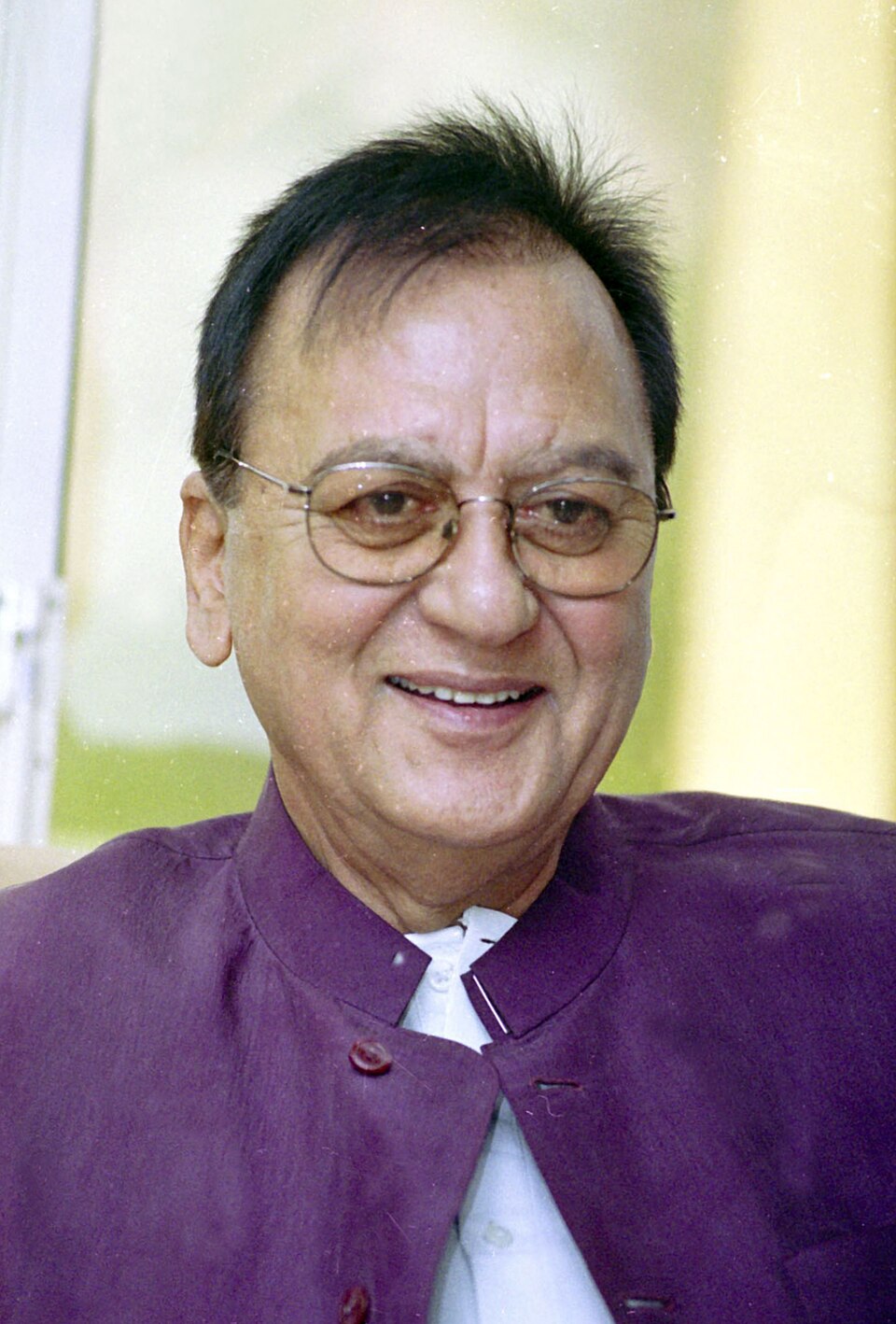
Partition refugee from Jhelum district who starred in Mother India and later led a peace march across Punjab in the 1980s.
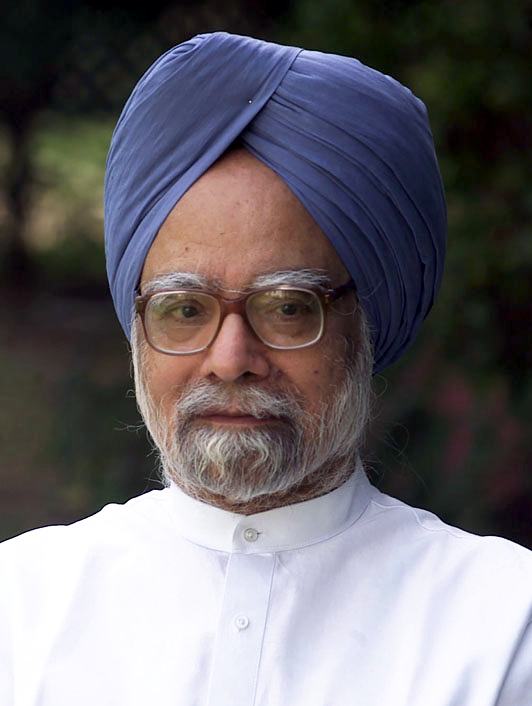
Economist born in Gah in western Punjab who opened India's economy as finance minister in 1991 and was Prime Minister from 2004 to 2014.
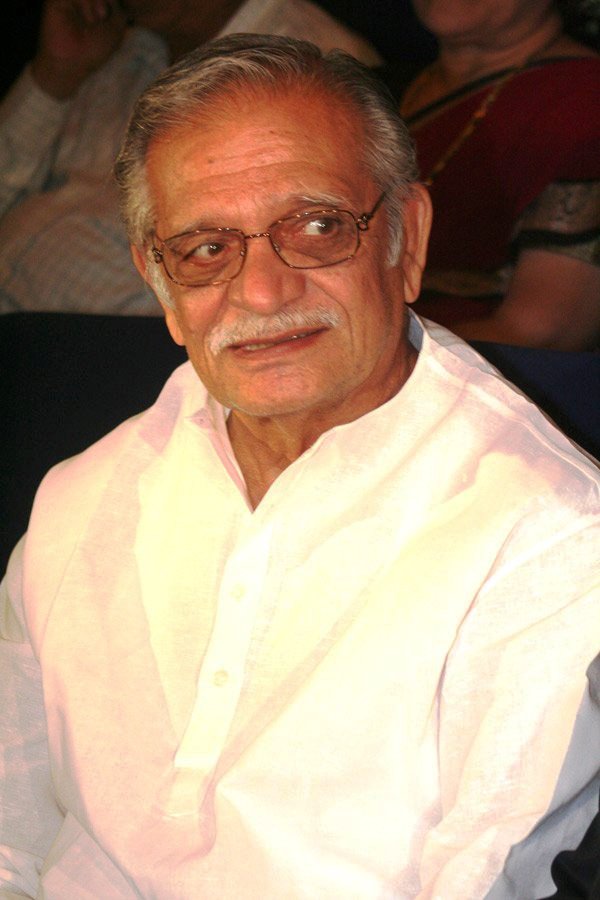
Poet, lyricist and film-maker born at Dina near Jhelum, whose Partition memories run through his work.
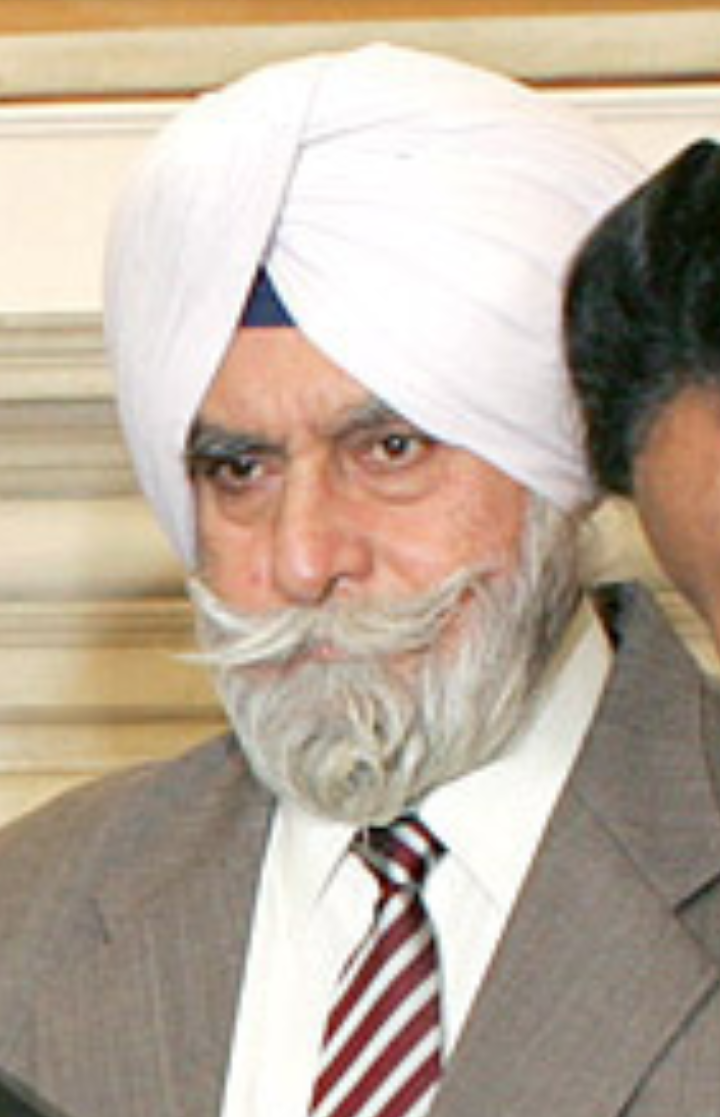
Director General of Punjab Police who led Operation Black Thunder II and the counter-insurgency campaign of 1991–95. Credited by supporters with ending the insurgency and criticised by rights groups for its abuses.
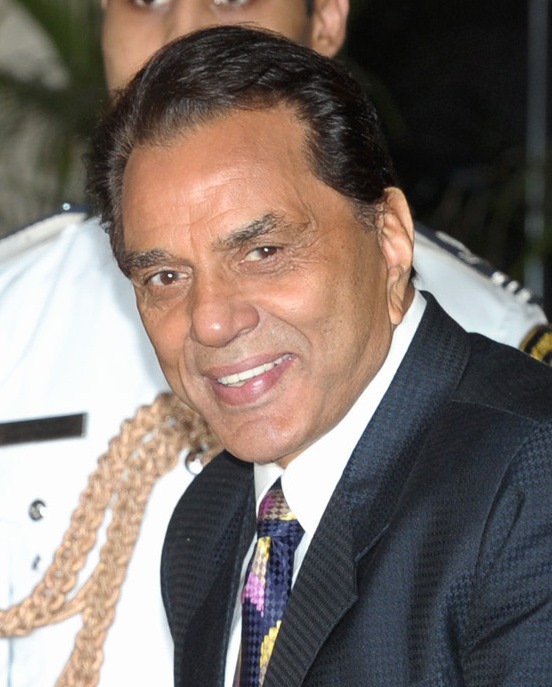
Village boy from Ludhiana district who became one of Bombay's biggest stars, Veeru of Sholay.
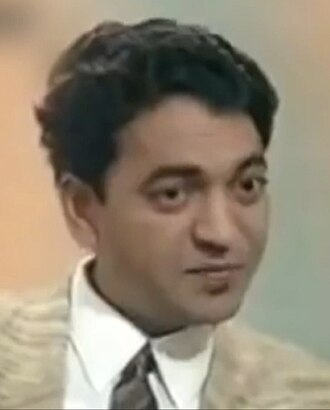
Romantic poet of pain, the youngest winner of India's Sahitya Akademi award, for his verse play Loona.
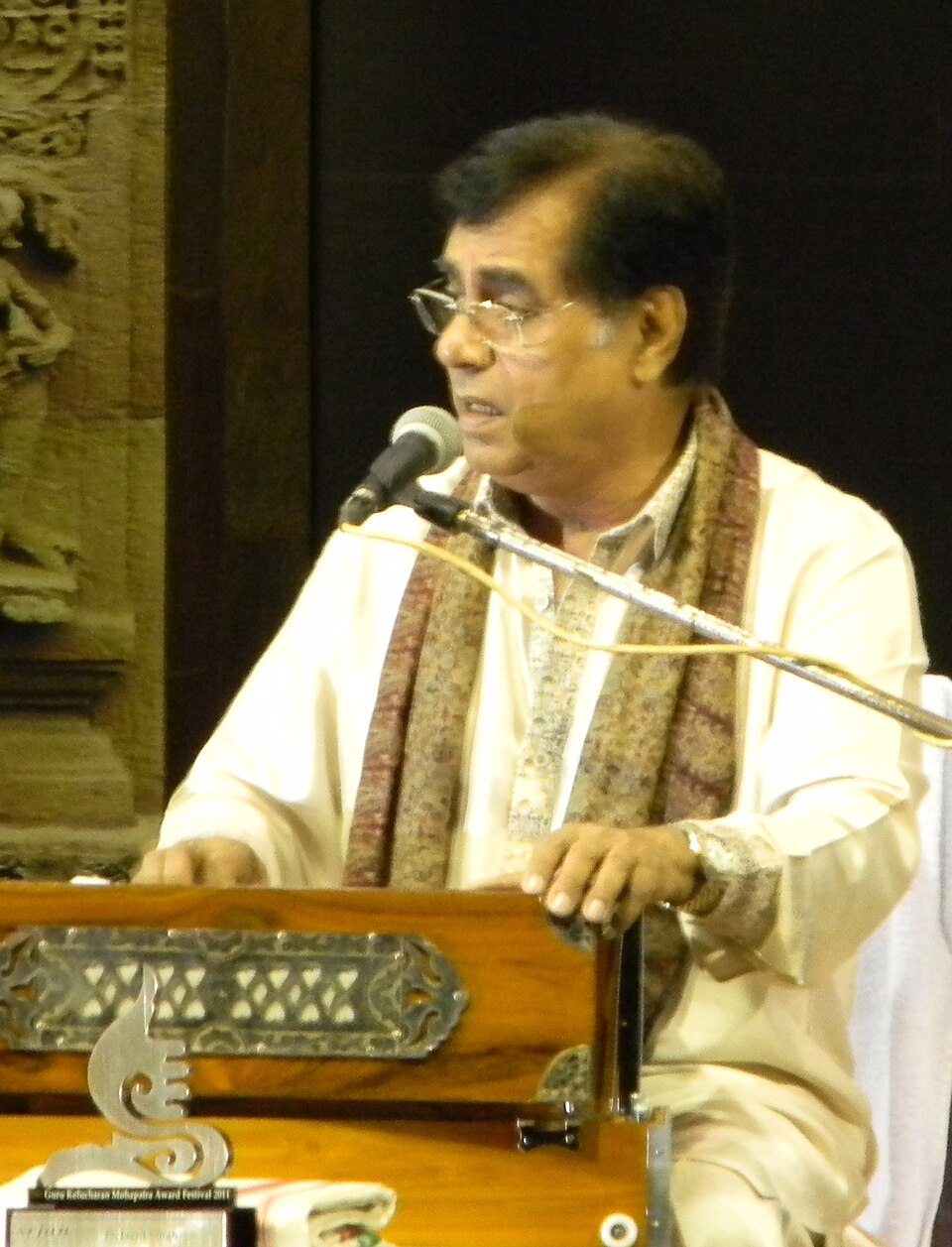
Ghazal singer from a Punjabi Sikh family who brought the ghazal to a mass audience in India.
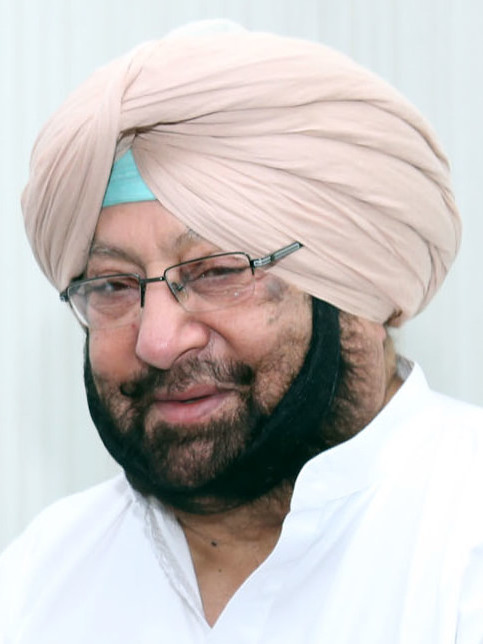
Son of the last Maharaja of Patiala, soldier and twice Chief Minister, who quit Parliament in protest at the army's attack on the Darbar Sahib in 1984.
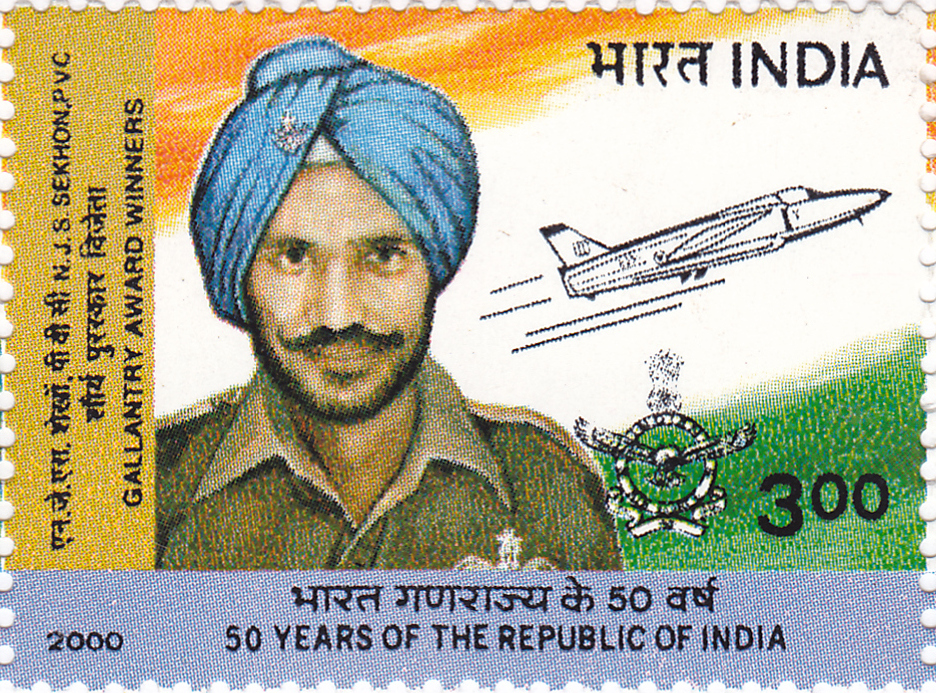
Fighter pilot from near Ludhiana, the only member of the Indian Air Force to win the Param Vir Chakra.
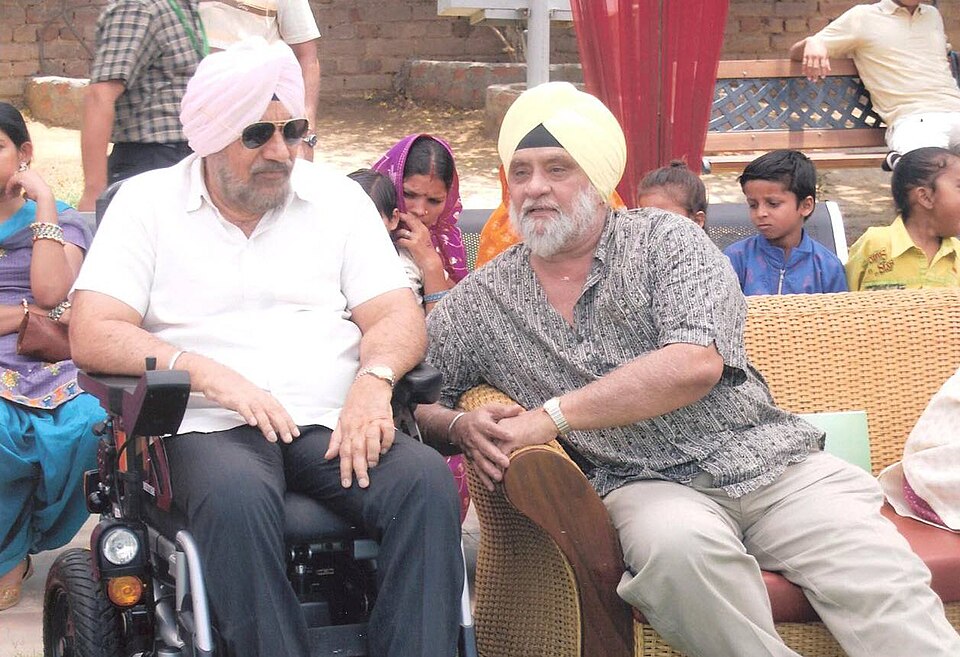
Left-arm spinner from Amritsar, one of the great Indian spin quartet and a captain of India.