The Kingdom of Lahore
Ranjit Singh's kingdom from the Sutlej to the Khyber, with Muslim, Hindu and Sikh ministers, and its fall to the British.
 Unknown · Wikimedia
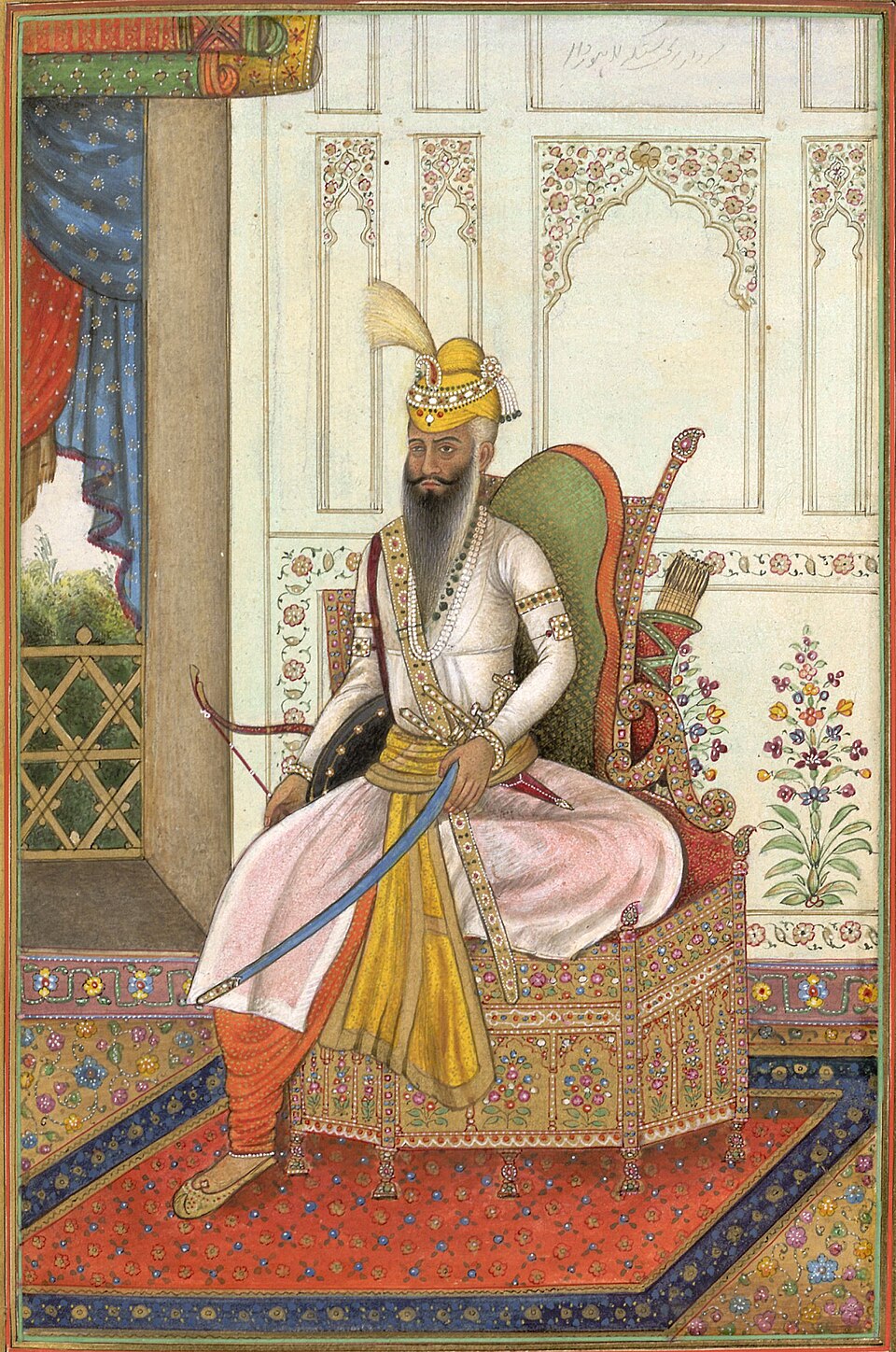
In 1799 Ranjit Singh entered Lahore, and in 1801 was proclaimed Maharaja of the Punjab. For forty years he ruled a kingdom from the Khyber Pass to the Sutlej and from Tibet to Sindh, with a Muslim foreign minister, Hindu generals and governors, Sikh chiefs and European officers, the only time in a thousand years that the Punjab was ruled from within.
After his death in 1839 the court tore itself apart. In two wars with the British in 1845–46 and 1848–49 the Khalsa army fought some of the hardest battles the British ever fought in India, and lost. On 29 March 1849 the Punjab was annexed.
Where it happened
What happened
26 events- 7 July 1799Ranjit Singh takes Lahore
With Rani Sada Kaur's support, the nineteen-year-old takes the city without a long fight.
- 1801Maharaja of Punjab
Ranjit Singh is proclaimed Maharaja.
- 1802Amritsar and the Zamzama gun
Ranjit Singh takes Amritsar from the Bhangis.
- 1807Kasur annexed
- 1809Treaty of Amritsar
The Sutlej is agreed as the border with British India.
- 1809Kangra taken
Ranjit Singh relieves Kangra from the Gurkhas and keeps the fort.
- 1813Attock and the Koh-i-Noor
Victory over the Afghans at Attock; the Koh-i-Noor diamond comes to Lahore the same year.
- 1818Multan taken
- 1819Kashmir annexed
- 1822Haripur founded
Hari Singh Nalwa builds a planned town as the seat of Hazara.
- 1822
- c. 1830The Golden Temple
Ranjit Singh's gilding of the Harmandir Sahib gives it the name the Golden Temple.
- 1831
- 1834Peshawar under Sikh rule
Hari Singh Nalwa becomes governor.
- 1834Zorawar Singh enters Ladakh
- 1834The mission at Ludhiana
American Presbyterians open a mission and printing press at Ludhiana, the first in the Punjab.
- 1837Jamrud
Hari Singh Nalwa killed holding the Khyber fort.
- 27 June 1839Death of Ranjit Singh
Six years of court intrigue and assassinations follow.
- November 1840Two Maharajas die in two days
Kharak Singh dies, and his son Nau Nihal Singh is killed by a falling arch on the way back from the cremation.
- December 1841To-yo
Zorawar Singh killed in Tibet.
- September 1842Treaty with Tibet
Signed at Leh; the old frontier of Ladakh is confirmed.
- 1843Duleep Singh crowned
Aged five, with his mother Jind Kaur as regent.
- September 1843Sher Singh assassinated
Sher Singh and Dhian Singh are killed by the Sandhawalia chiefs on the same day.
- 1845 – 1846First Anglo-Sikh War
Mudki, Ferozeshah, Aliwal, Sobraon. The Treaty of Lahore follows.
- March 1846Kashmir sold
By the Treaty of Amritsar the British sell Kashmir to Gulab Singh, founding Jammu and Kashmir state.
- April 1848Revolt at Multan
People of this age
42 people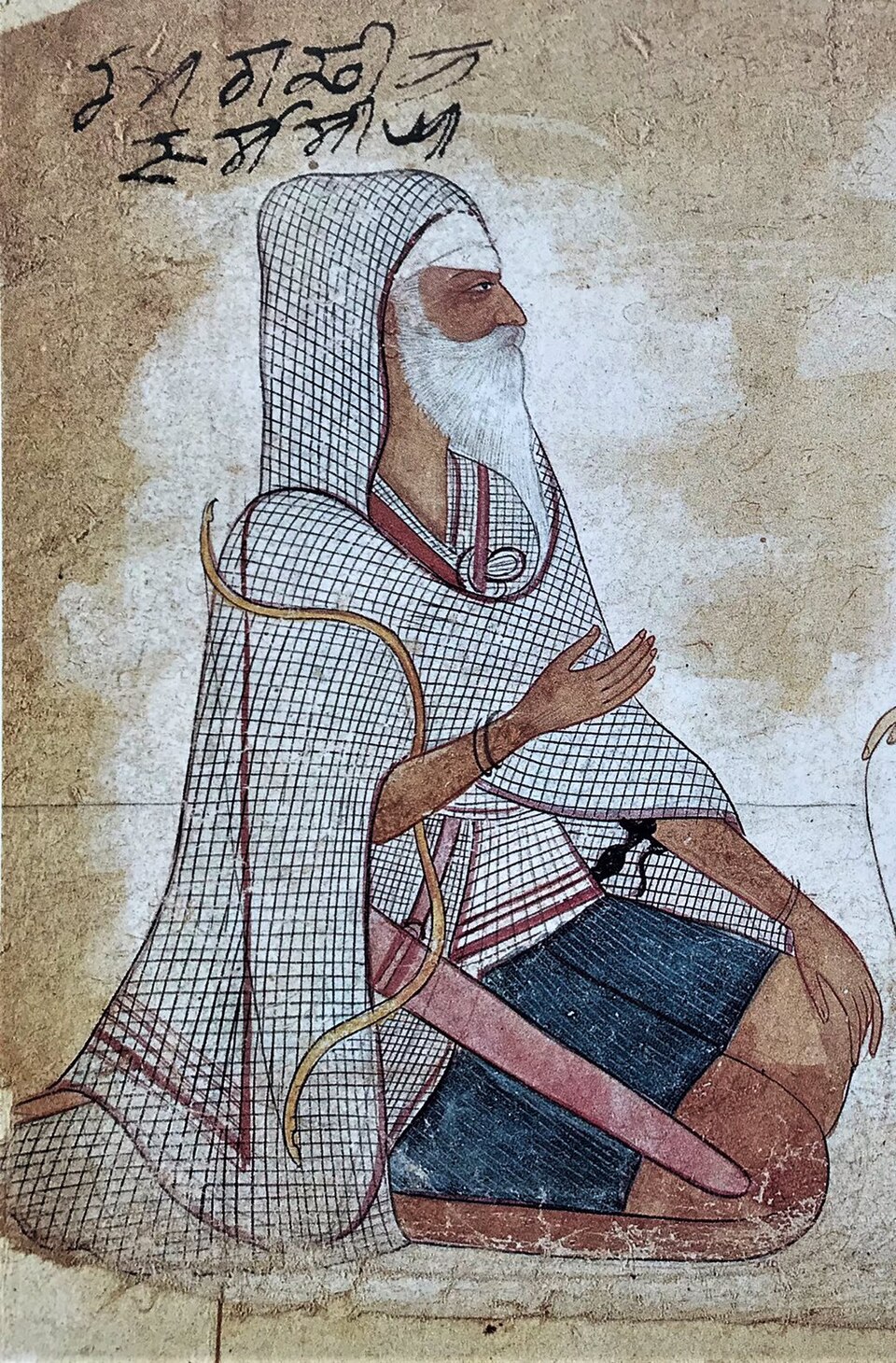
Leader of the Ramgarhia misl, named after the Ram Rauni fort at Amritsar he rebuilt. Raided as far as Delhi in 1783.
Karorsinghia leader who entered the Red Fort in 1783 and, by agreement with Shah Alam II, built gurdwaras at the Sikh sites of Delhi.
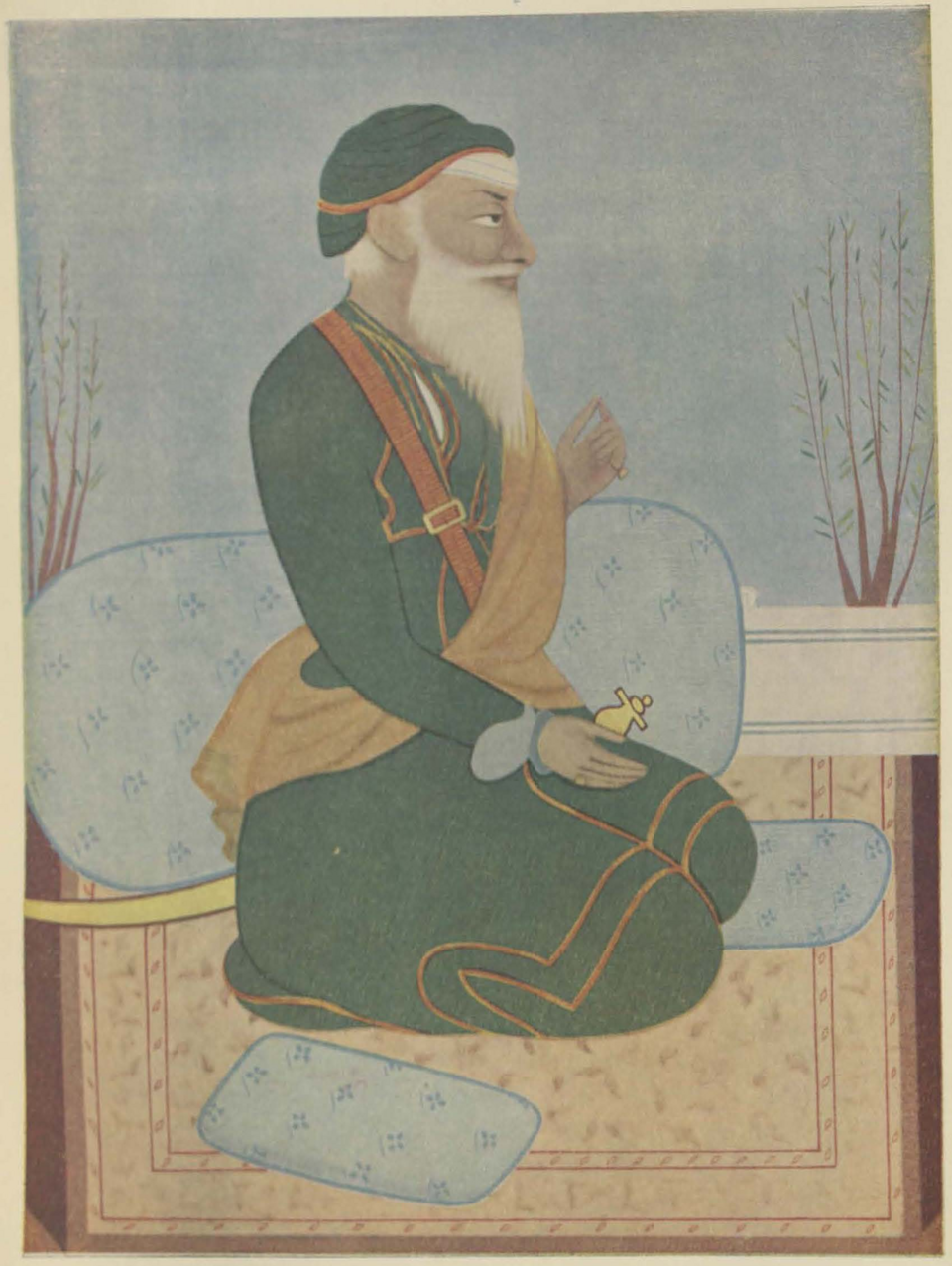
Ranjit Singh's leading general in the early conquests, victor over the Afghans at Attock in 1813.
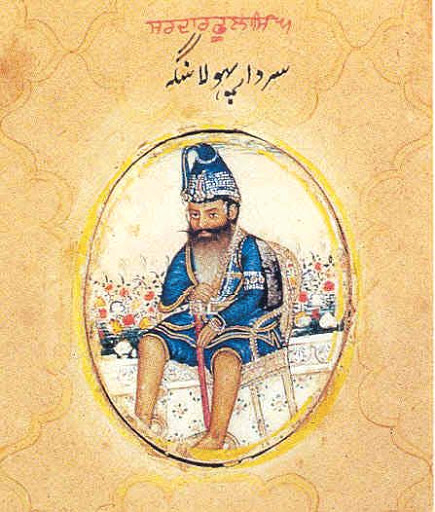
Nihang leader and jathedar of the Akal Takht who once had Ranjit Singh flogged for a moral lapse. Killed leading the charge at Nowshera.
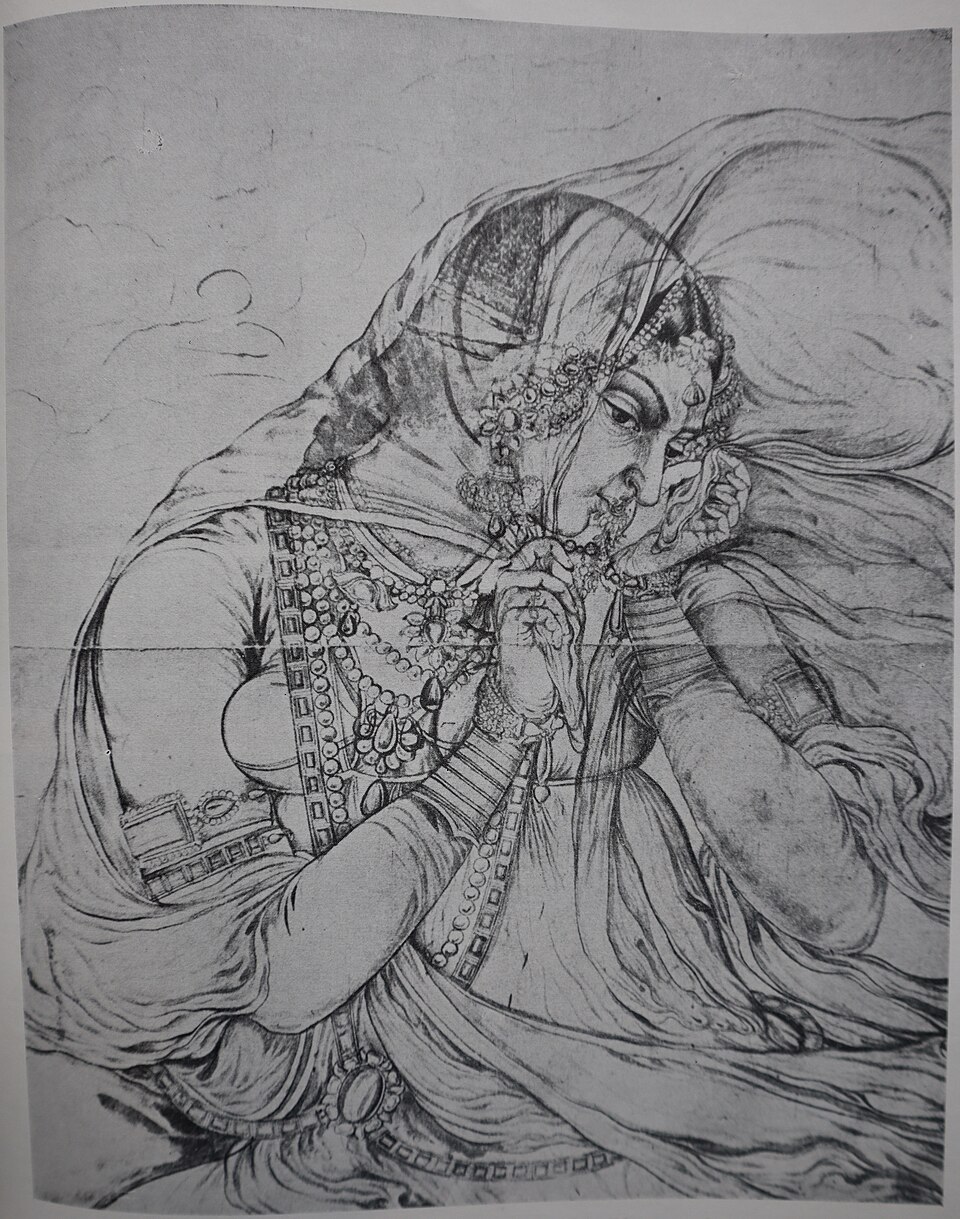
Head of the Kanhaiya misl after her husband's death and the mother-in-law of Ranjit Singh. Her support helped him take Lahore in 1799.
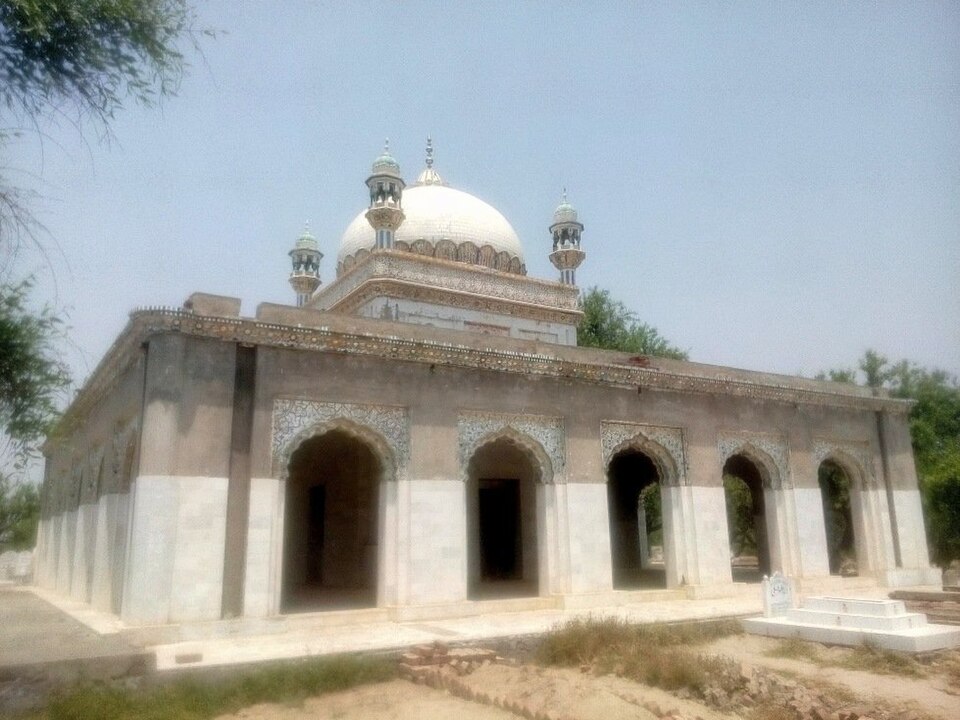
Chief of the Kharals of the Ravi bar who led the tribes of the Gogera country against the East India Company in 1857, and was killed at prayer.
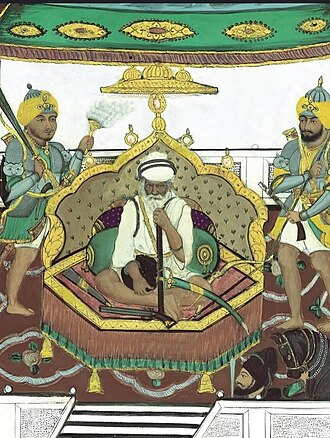
Saint-soldier who led resistance after the annexation of 1849. Arrested, he was exiled to Singapore and died in prison there in 1856.
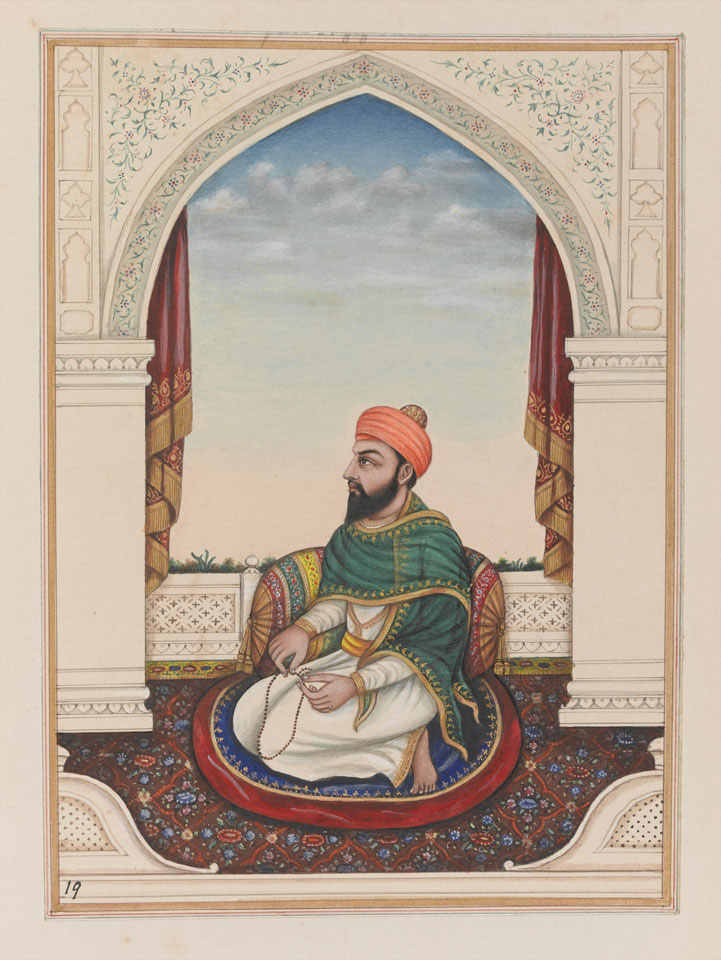
Physician, foreign minister and confidant of Ranjit Singh, a Muslim who handled relations with the British and the Afghans.
Sher-e-Punjab, the Lion of Punjab. United the misls into the Sikh Empire, ruled from Lahore for forty years and covered the Harmandir Sahib in gold.
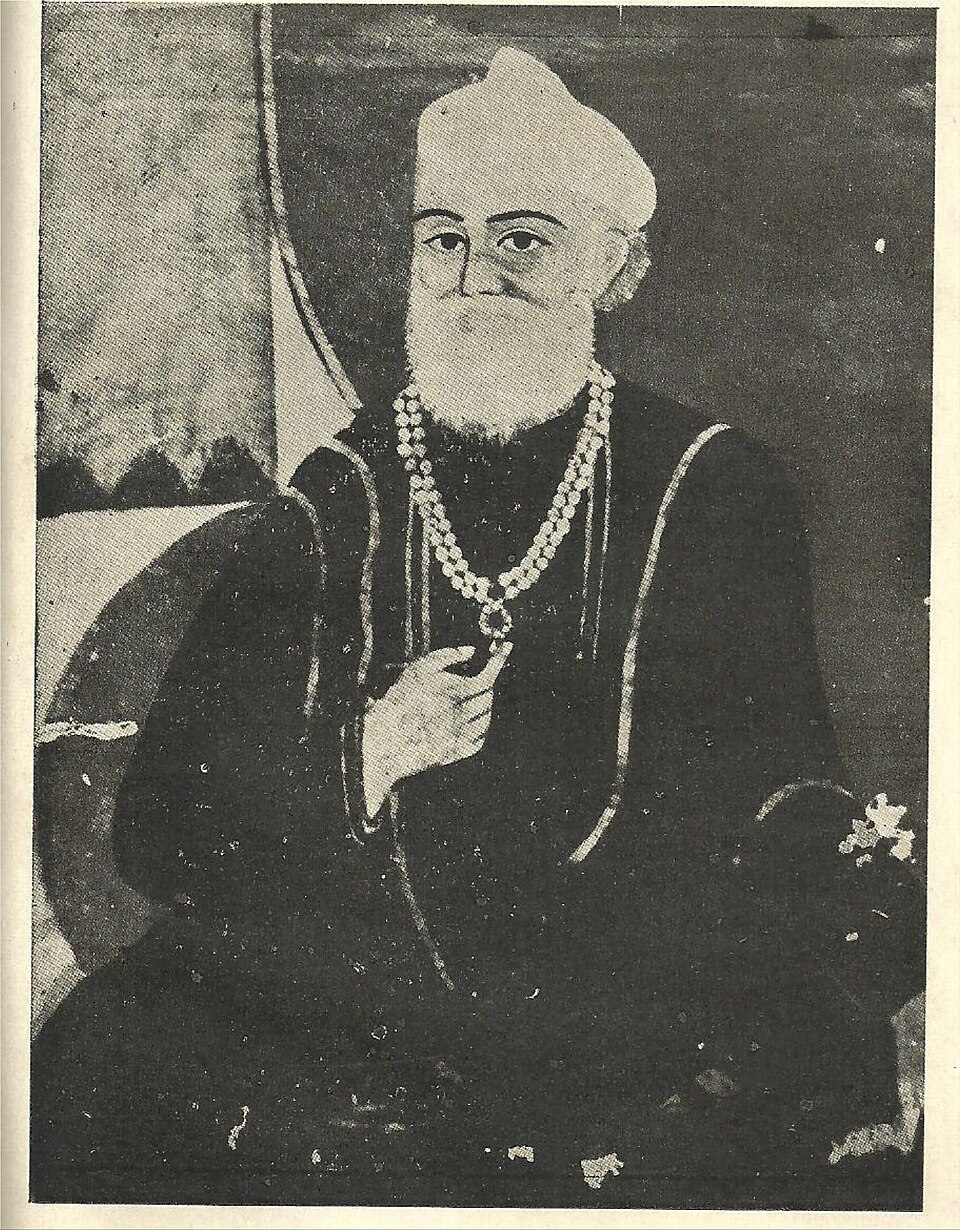
Artillery commander who rose from clerk to general and led the storming of Multan in 1818 and the conquest of Kashmir in 1819.
Muslim poet whose Jangnama laments the fall of the Sikh kingdom in the First Anglo-Sikh War as Punjab's own loss.
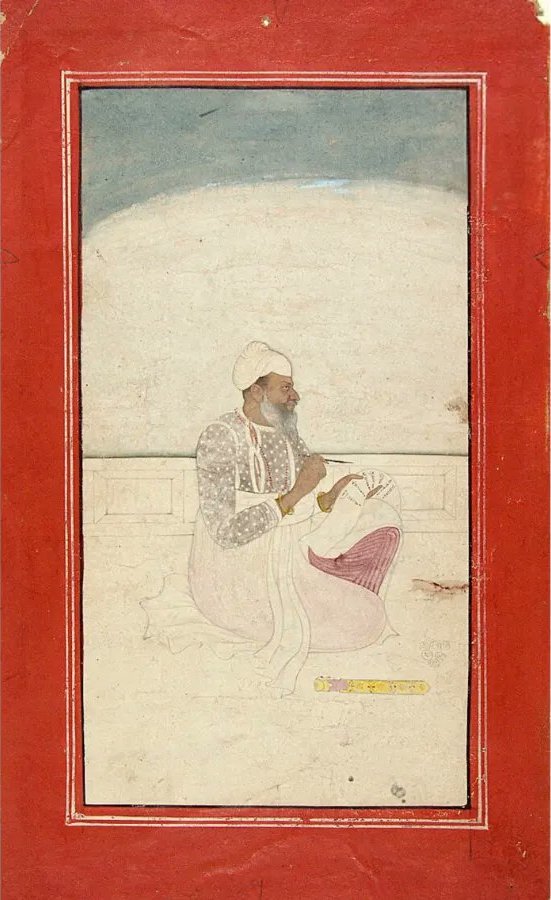
Founder of the Nirankari reform movement at Rawalpindi, which called Sikhs back to worship of the formless God and simple rites.
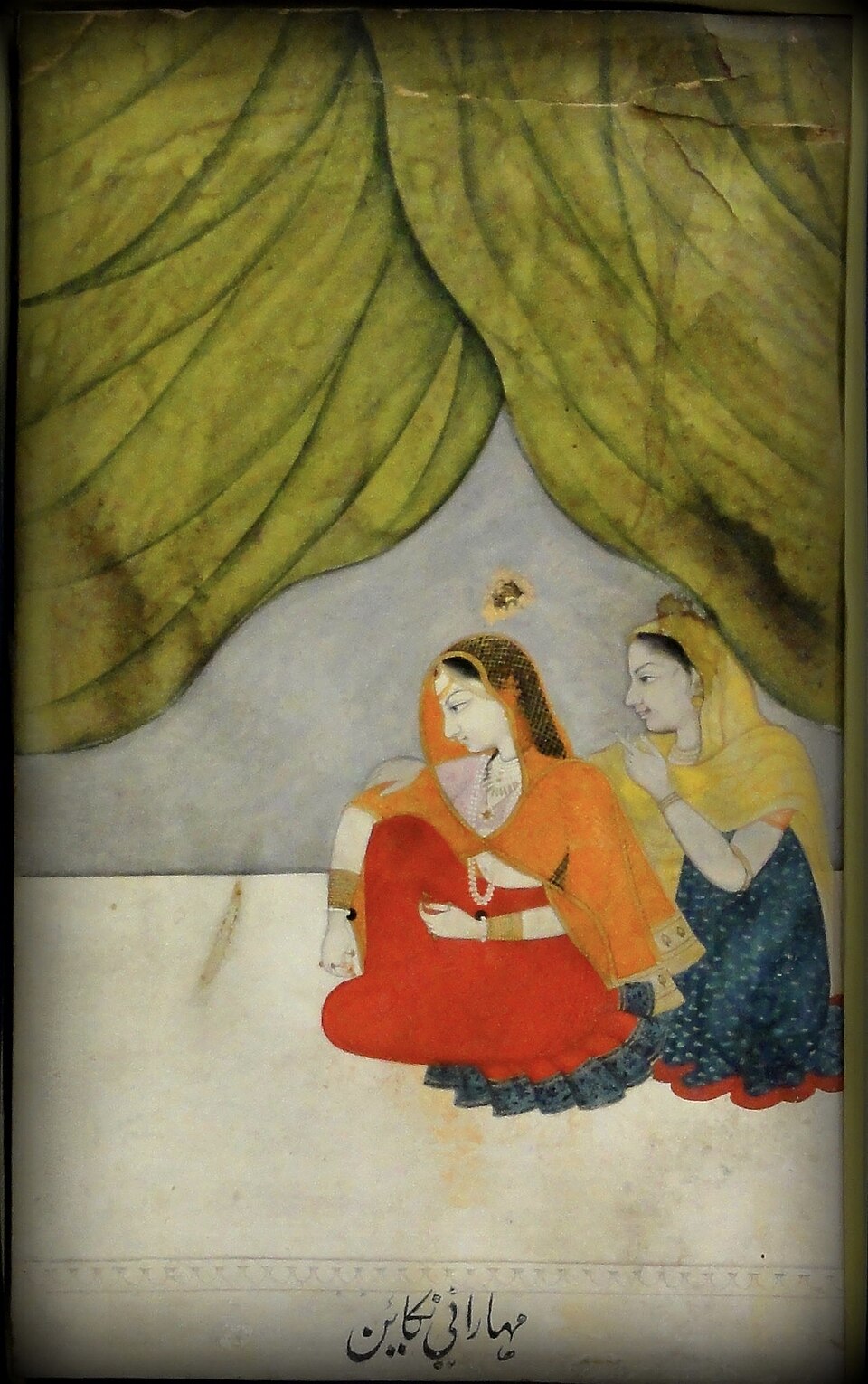
Ranjit Singh's wife from the Nakai misl and mother of Kharak Singh, who accompanied the Multan campaign and handled its supplies.
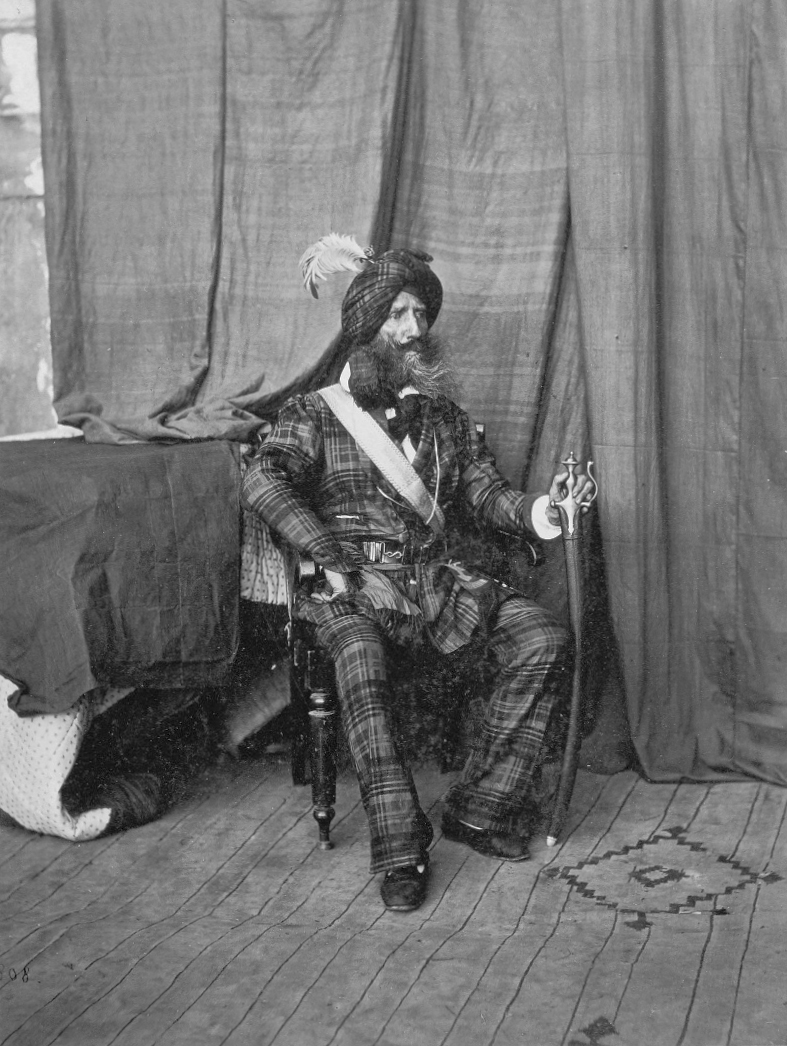
American-Scottish adventurer and colonel of artillery at Lahore, remembered for his tartan turban.
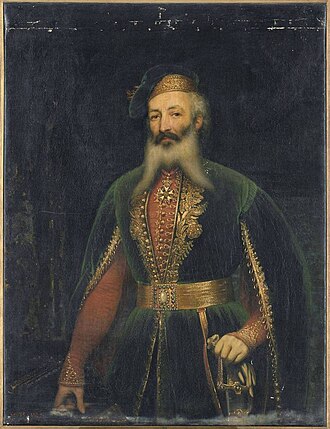
Veteran of Napoleon's cavalry who arrived in Lahore in 1822 and raised the Fauj-i-Khas, the elite French-drilled brigade of the Sikh army.
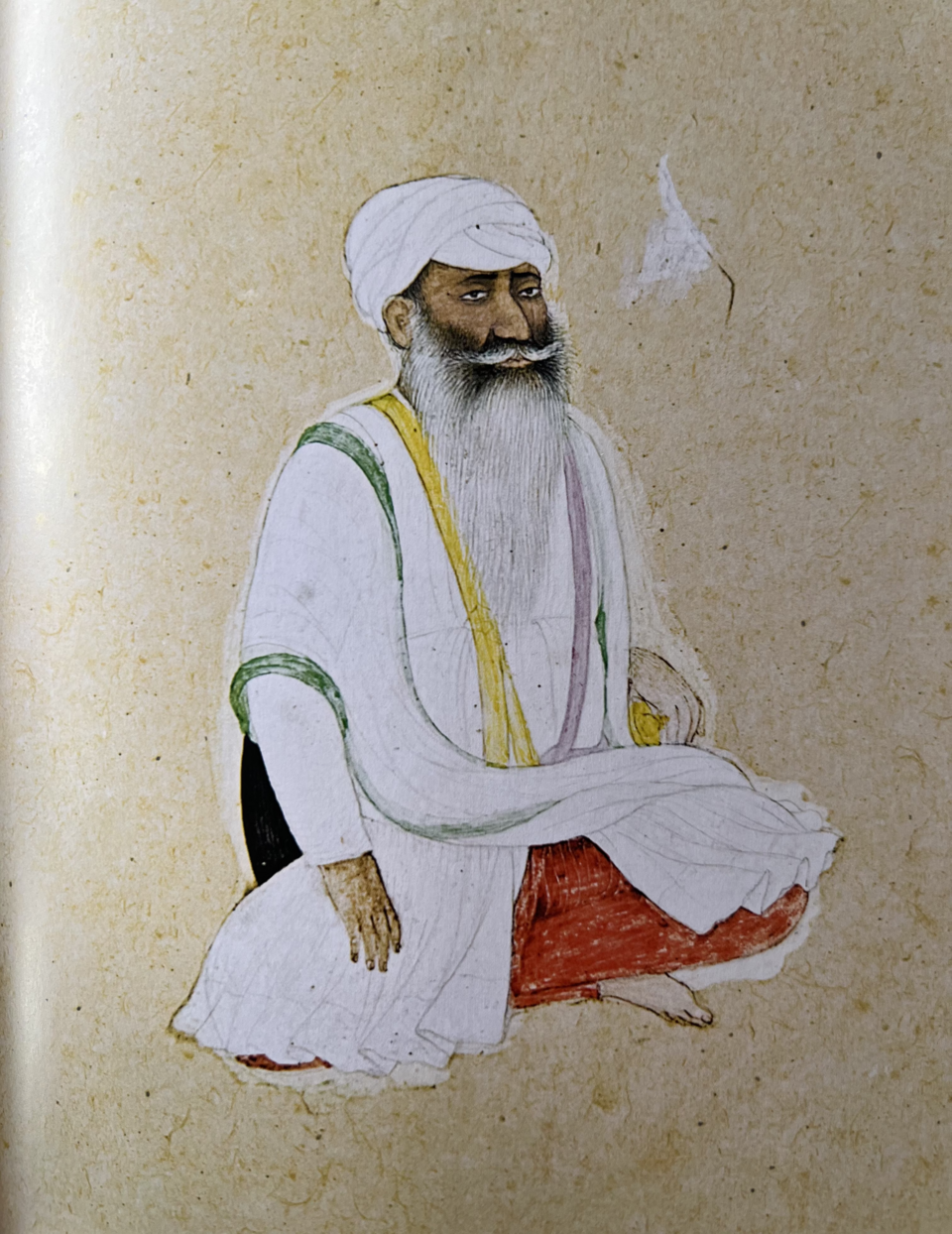
Veteran general who, dressed in white, rode into the British lines at Sobraon and died with his men.
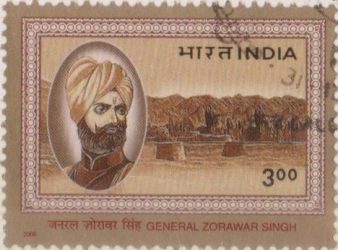
Dogra general who led armies across the high Himalaya: Ladakh from 1834, Baltistan in 1840 and western Tibet in 1841, where he was killed at To-yo in the snows.
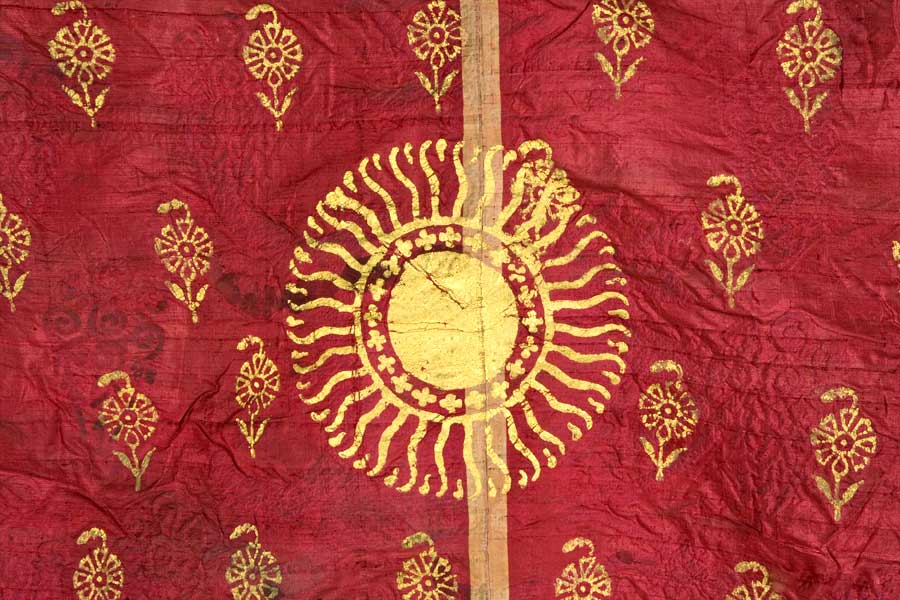
Commander of the Jamrud garrison who held the fort after Hari Singh Nalwa fell, keeping his death secret.
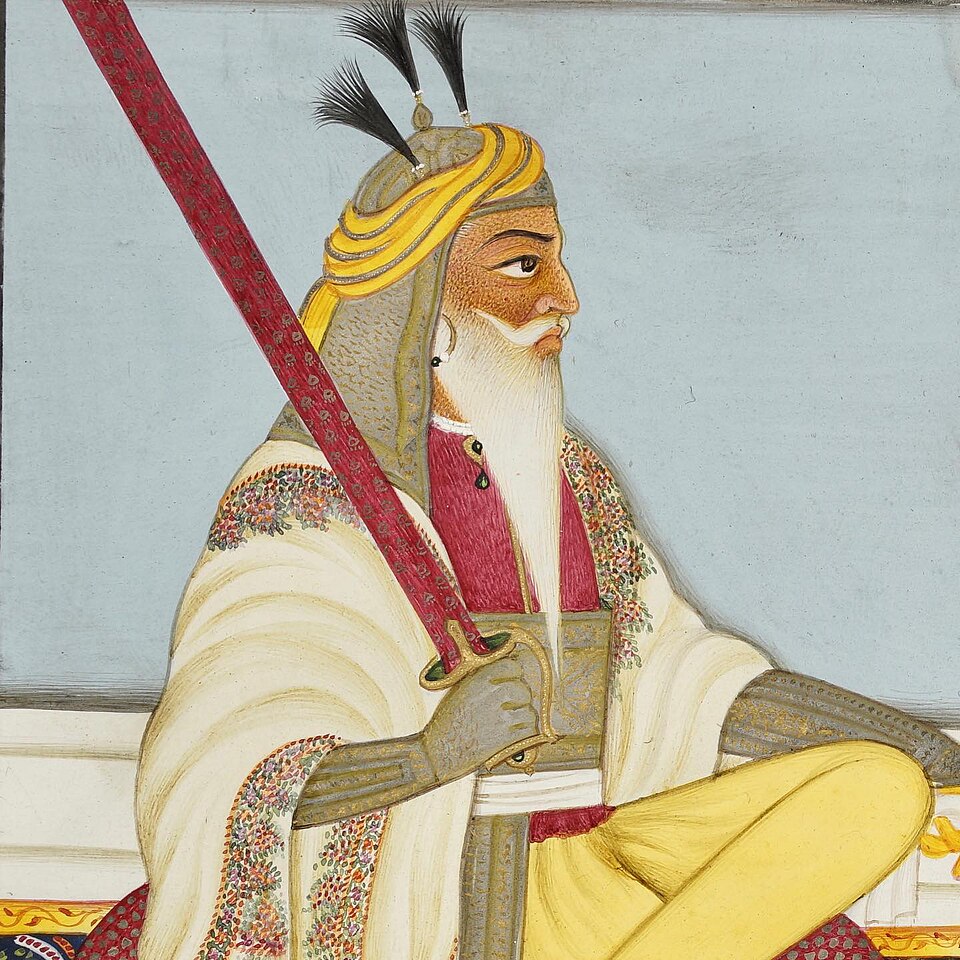
Commander-in-chief of the Sikh army on the north-west frontier. Governed Kashmir and Peshawar and died holding Jamrud against the Afghans.
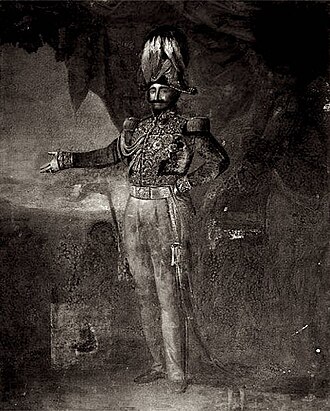
Neapolitan soldier who governed Wazirabad and then Peshawar for the Sikh Empire with notorious severity.
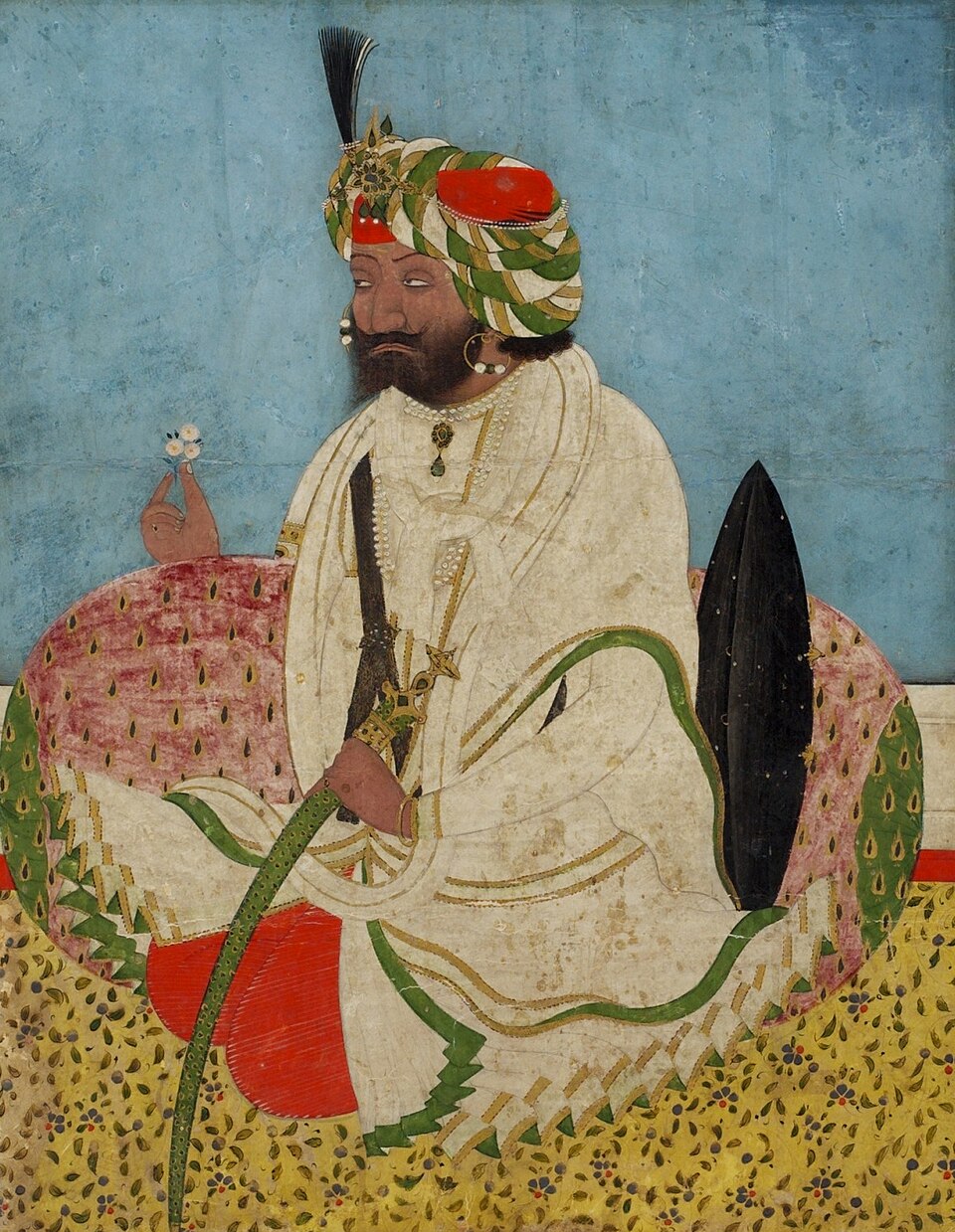
Dogra raja of Jammu under Lahore, whose general Zorawar Singh conquered Ladakh and Baltistan. In 1846 he stayed out of the war and bought Kashmir from the British for 7.5 million rupees.
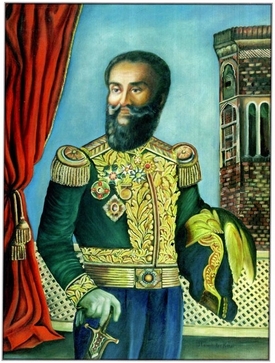
Saint-Cyr-trained French officer who cast and commanded Ranjit Singh's artillery and mapped and dug the antiquities of the Punjab.
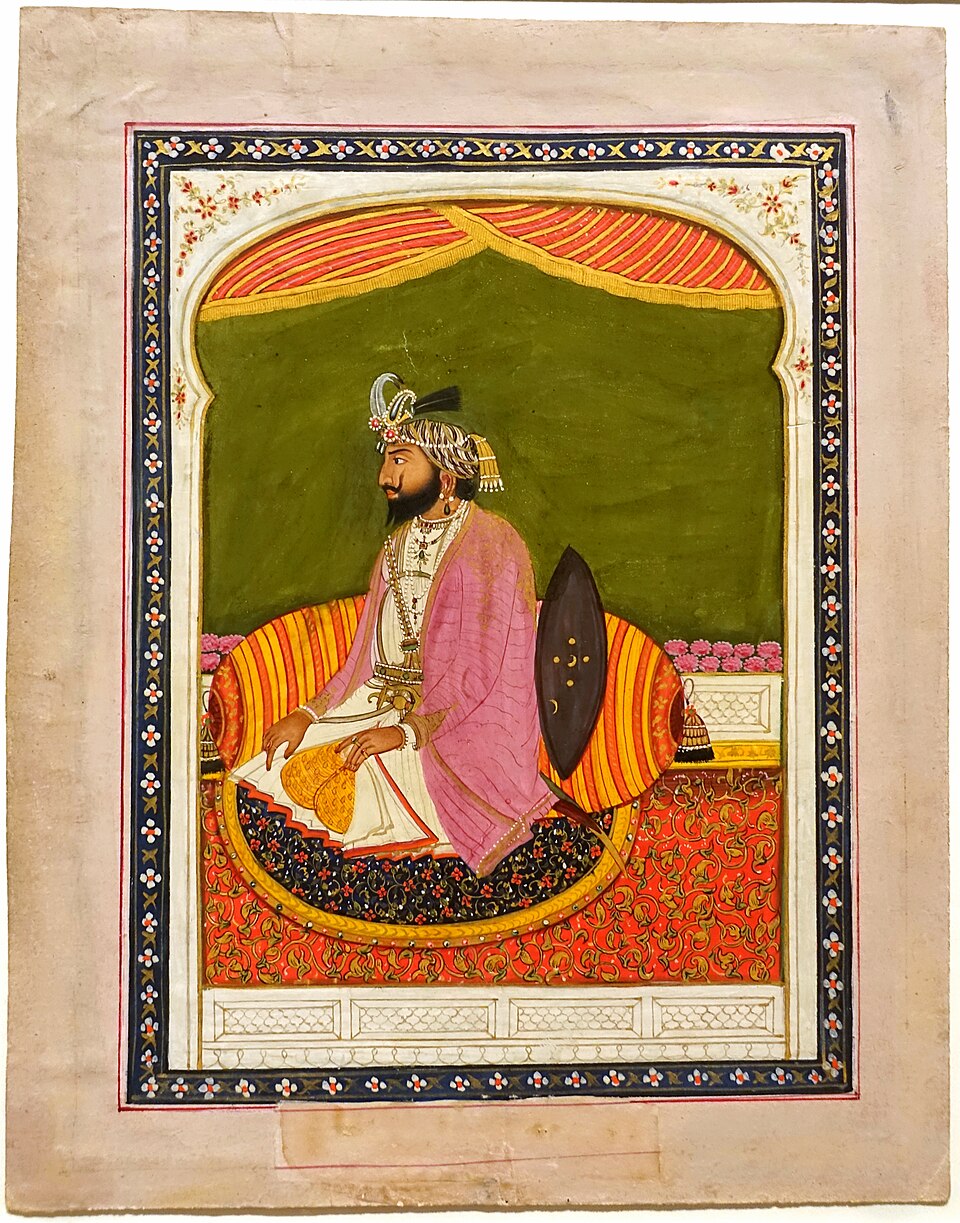
Chief minister of the Sikh Empire for 25 years and the most powerful man at court after Ranjit Singh. Assassinated in 1843.
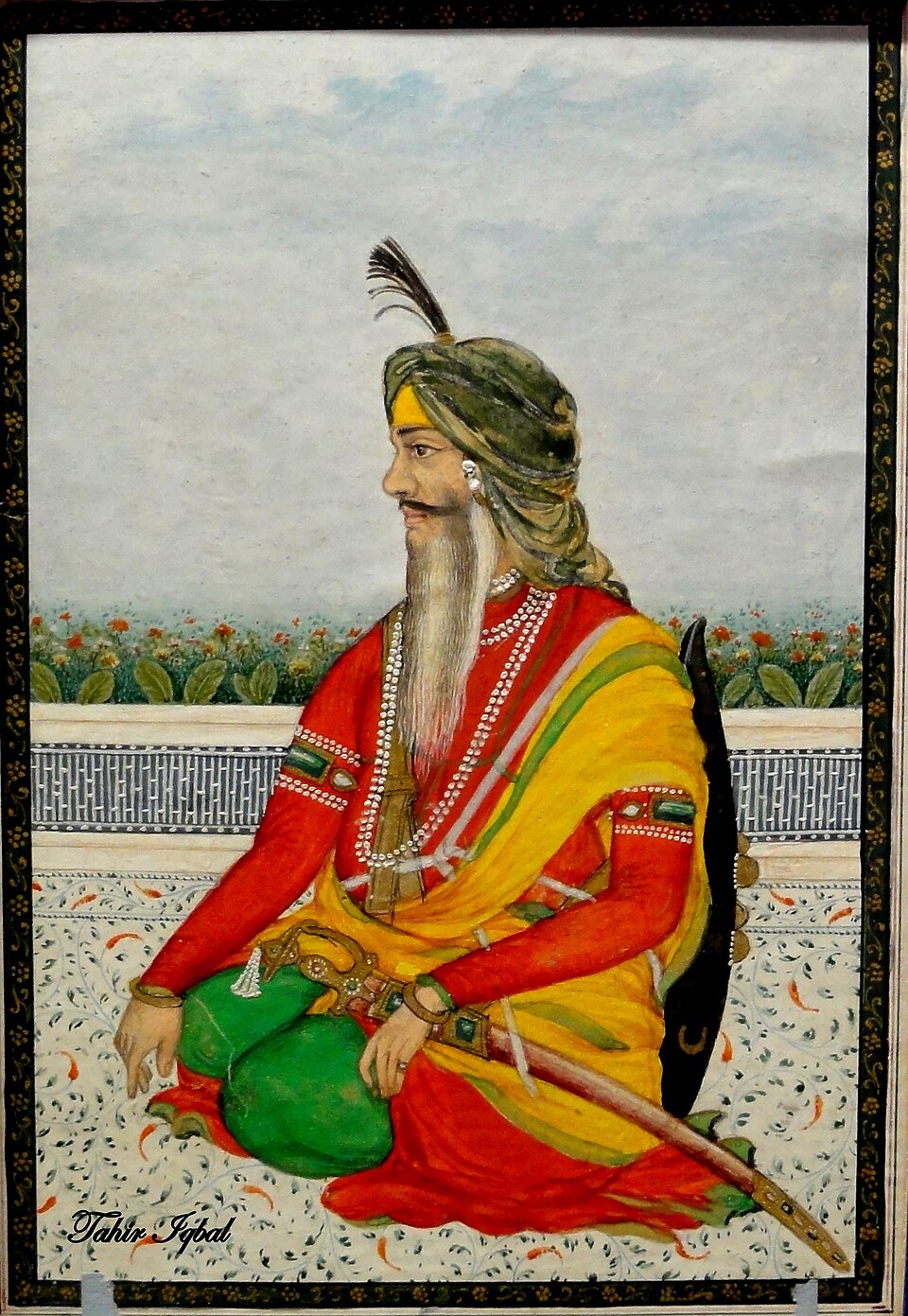
Commander-in-chief in 1845–46 who withdrew at Ferozeshah and broke the bridge at Sobraon, and was rewarded by the British afterwards.
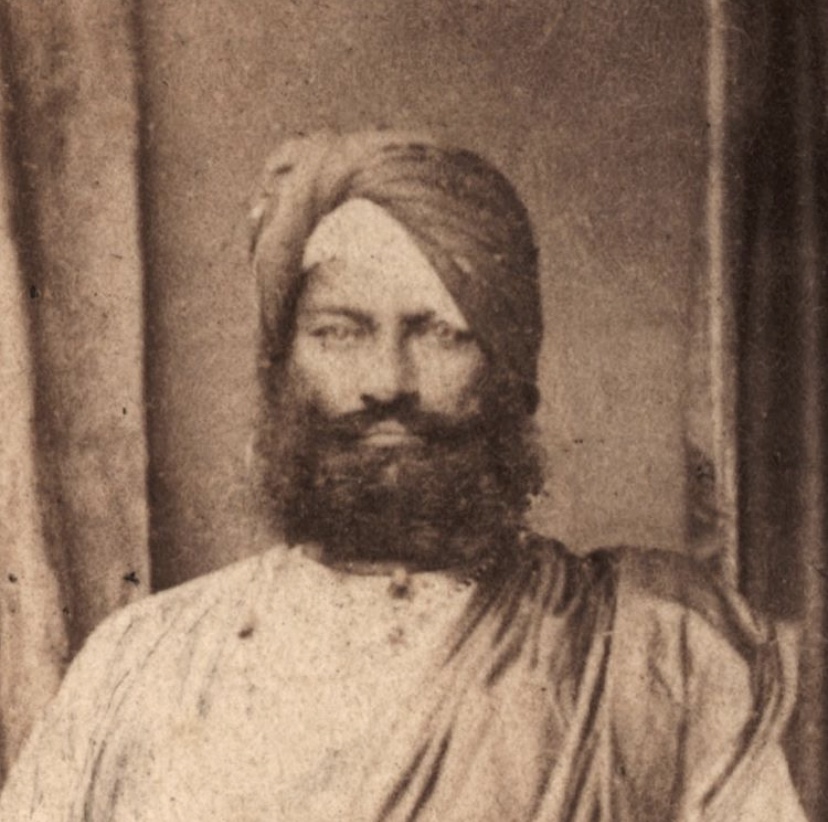
Chief minister and army commander in the First Anglo-Sikh War, widely accused of betraying the Khalsa army to the British.
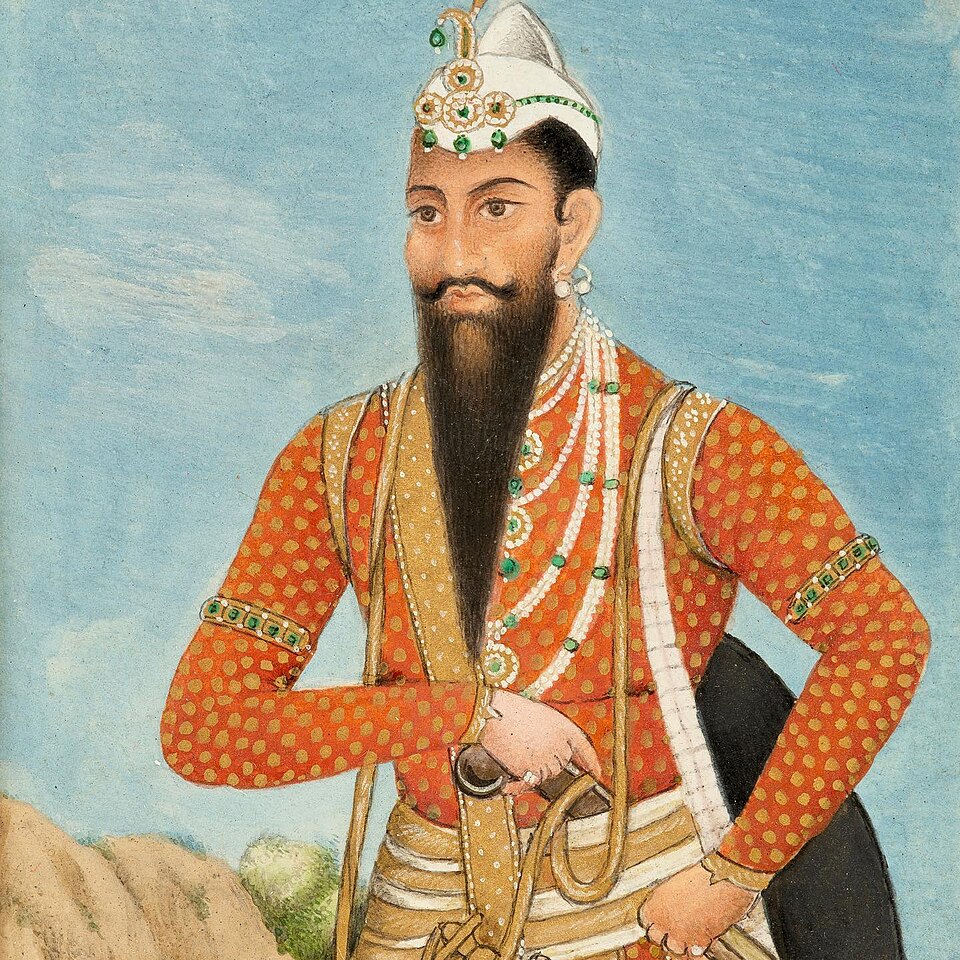
Ranjit Singh's eldest son and successor. Nominal commander at Multan in 1818, he was sidelined within months of his accession and died, possibly poisoned, in November 1840.
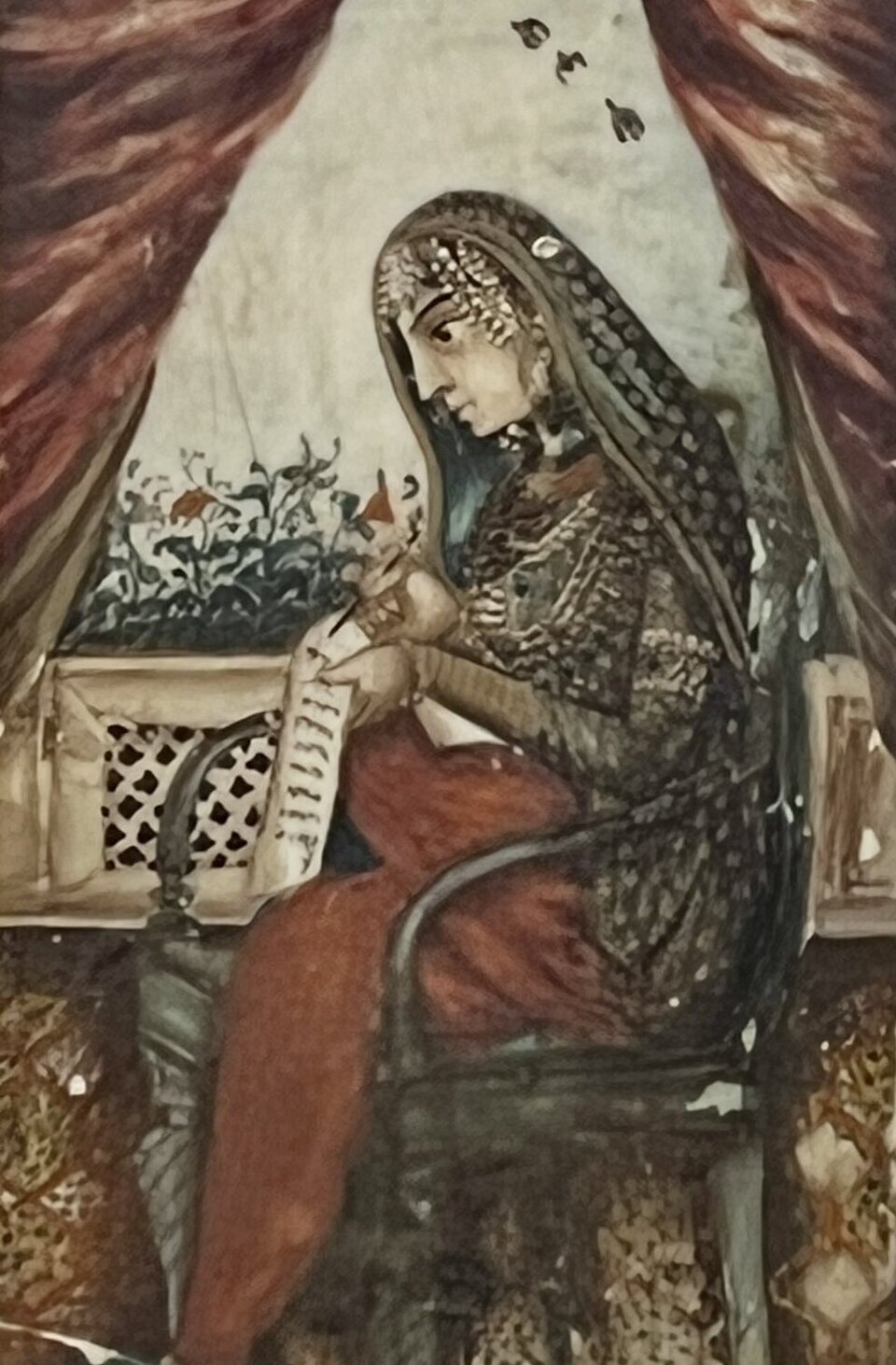
Widow of Kharak Singh and the only woman to rule the Sikh Empire, as regent for two months in 1840–41 before Sher Singh took Lahore.
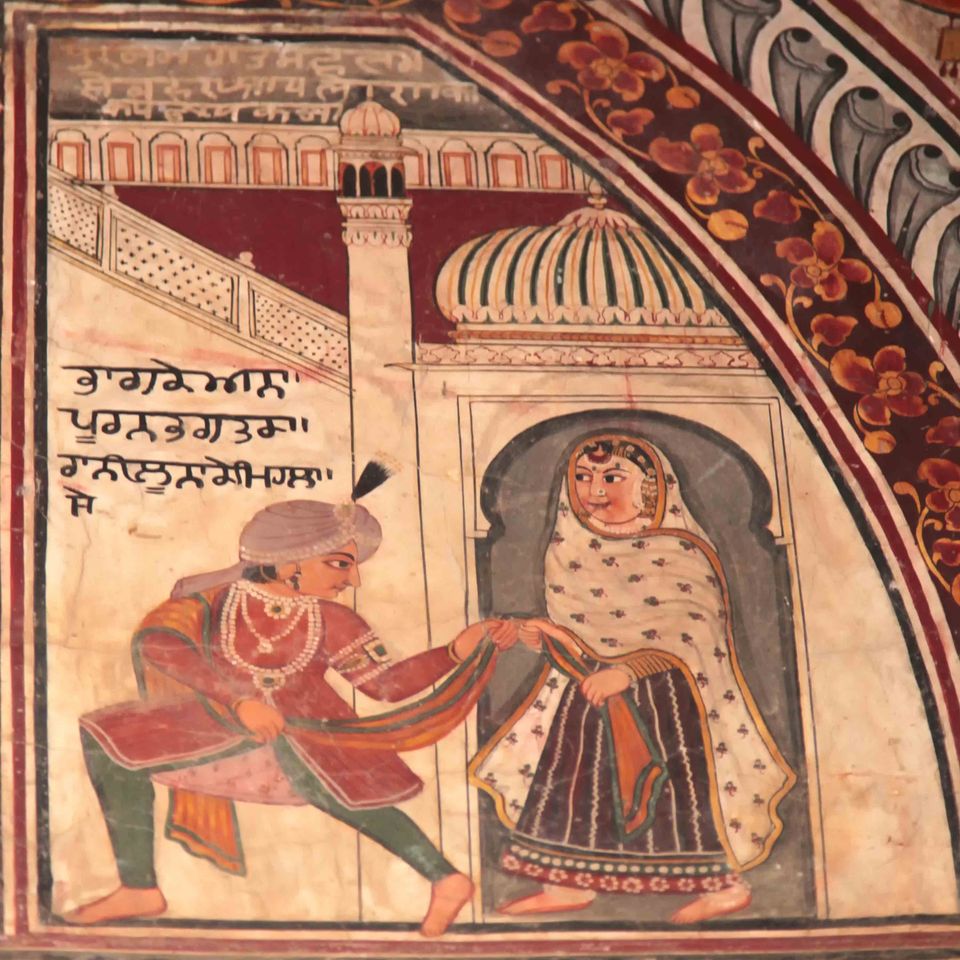
Poet of Puran Bhagat, the legend of the prince of Sialkot, and of a ballad on Hari Singh Nalwa.
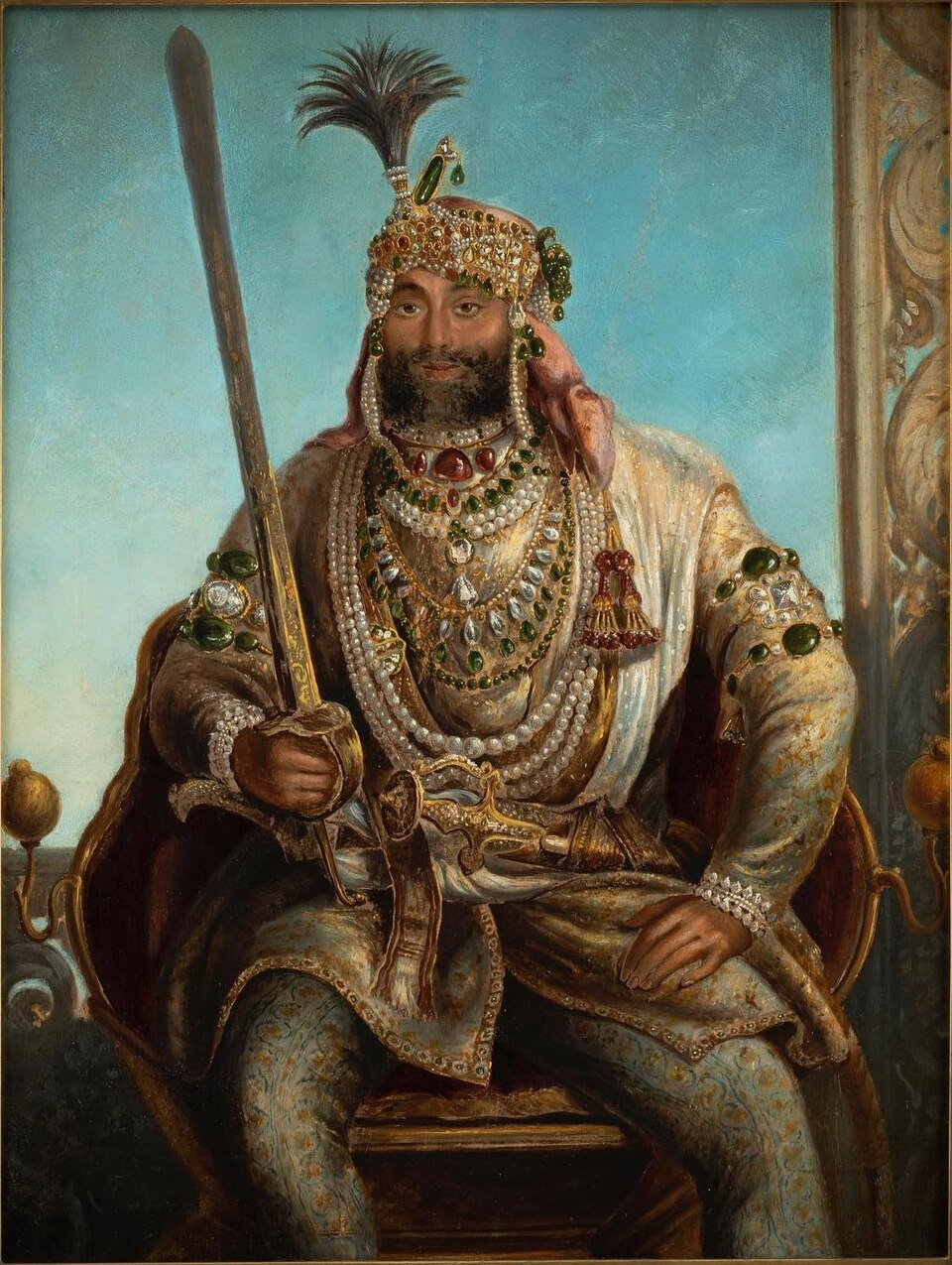
Son of Ranjit Singh who won the throne in 1841 with the army's support. He was shot by the Sandhawalia chiefs in September 1843, the same day his chief minister Dhian Singh was killed.
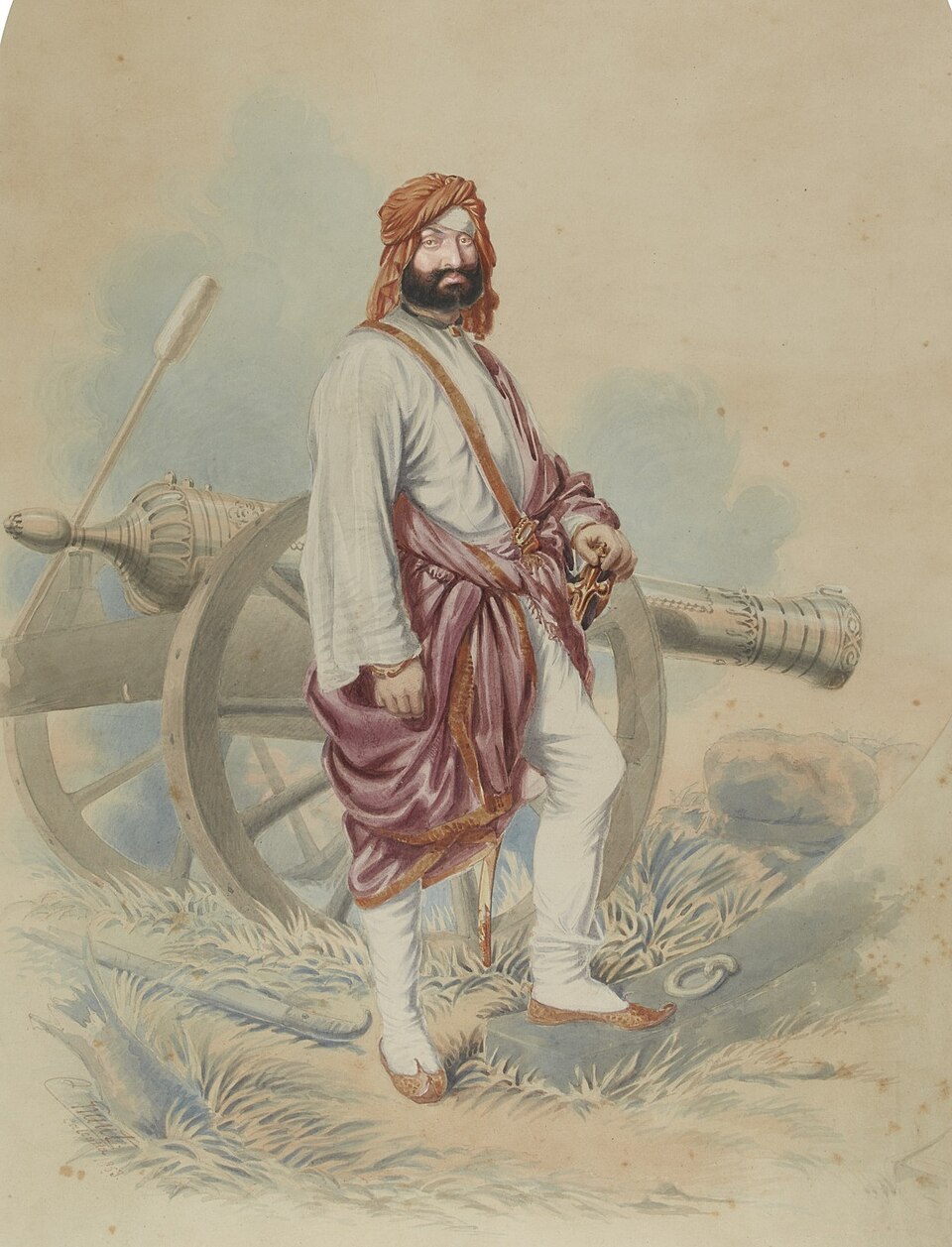
Commander of the Khalsa army in the Second Anglo-Sikh War, who fought the British to a standstill at Chillianwala before defeat at Gujrat.
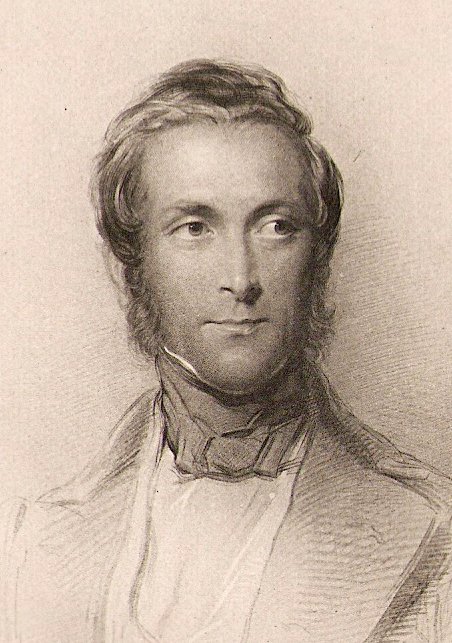
Governor-General who annexed Punjab in 1849, deposed Duleep Singh and sent the Koh-i-Noor to Queen Victoria.
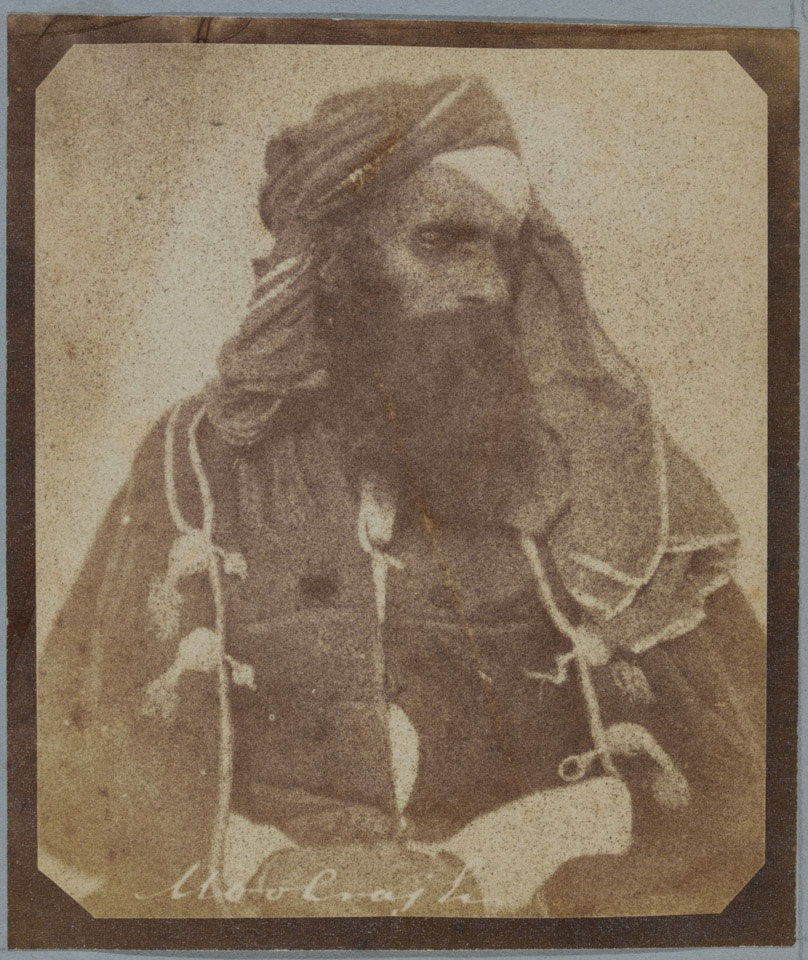
Governor of Multan whose revolt in April 1848, after two British officers were killed in the city, began the Second Anglo-Sikh War.
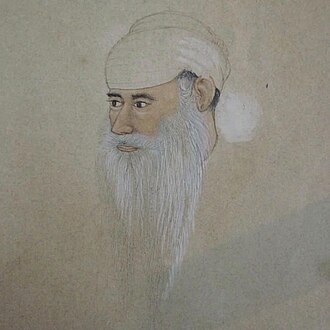
Founder of the Namdhari (Kuka) movement, which boycotted British goods and courts decades before Gandhi. Exiled to Burma after 1872.
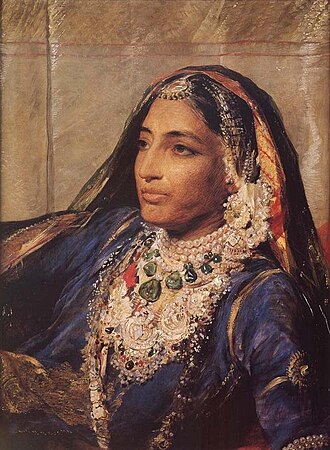
Youngest wife of Ranjit Singh and regent for her son Duleep Singh. The British saw her as the most dangerous person in Punjab, imprisoned her and exiled her; she escaped to Nepal.
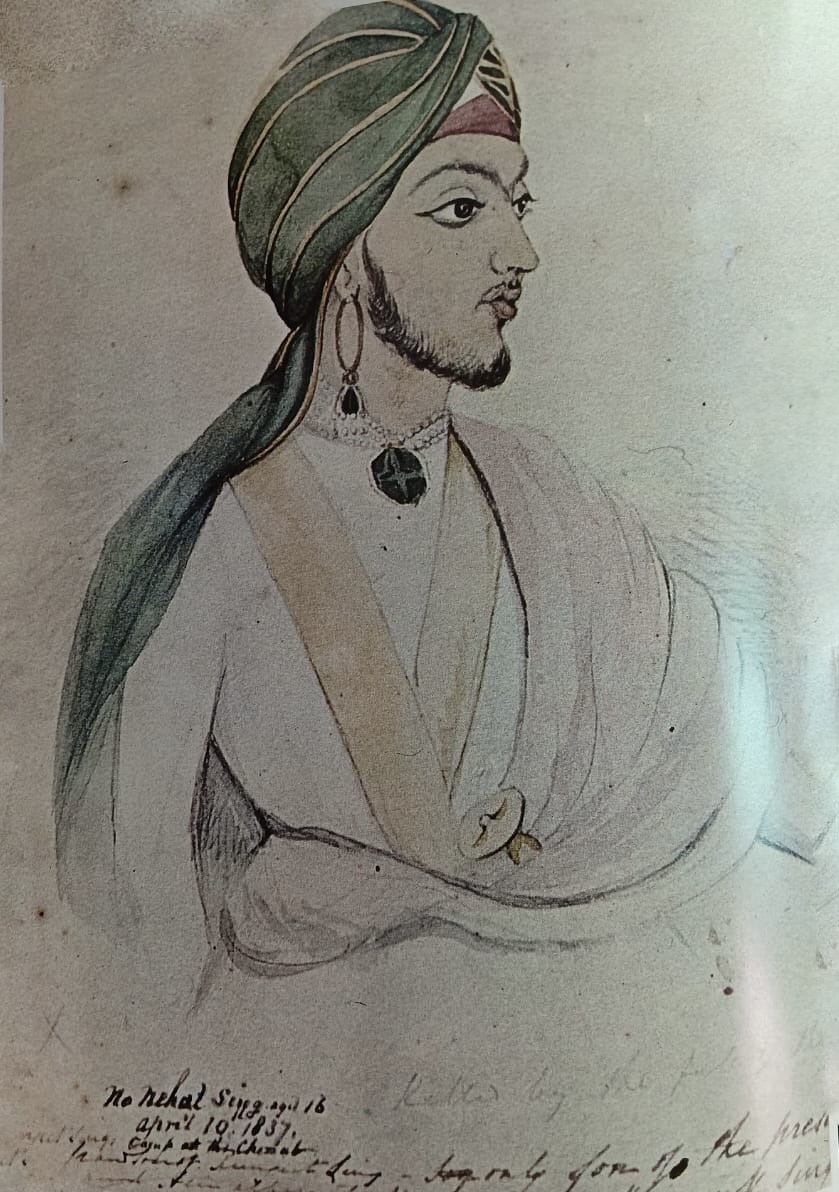
Able grandson of Ranjit Singh who effectively ruled in his father's place. Returning from his father's cremation, he was struck by falling masonry from a Lahore gateway and died the same day.
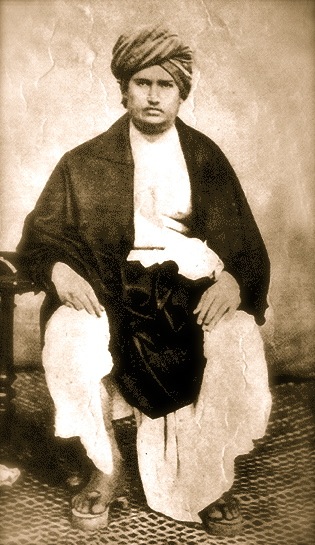
Founder of the Arya Samaj in 1875. His movement found its strongest support in Punjab, where it founded the DAV colleges.
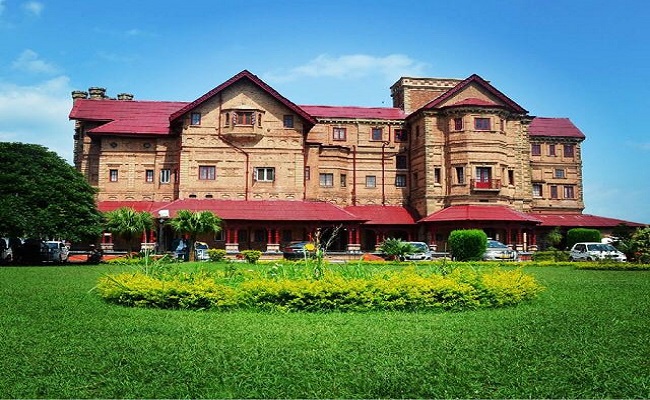
Sufi poet of Khari Sharif near Mirpur, whose Saif ul Malook is recited by heart from Kashmir to Lahore.
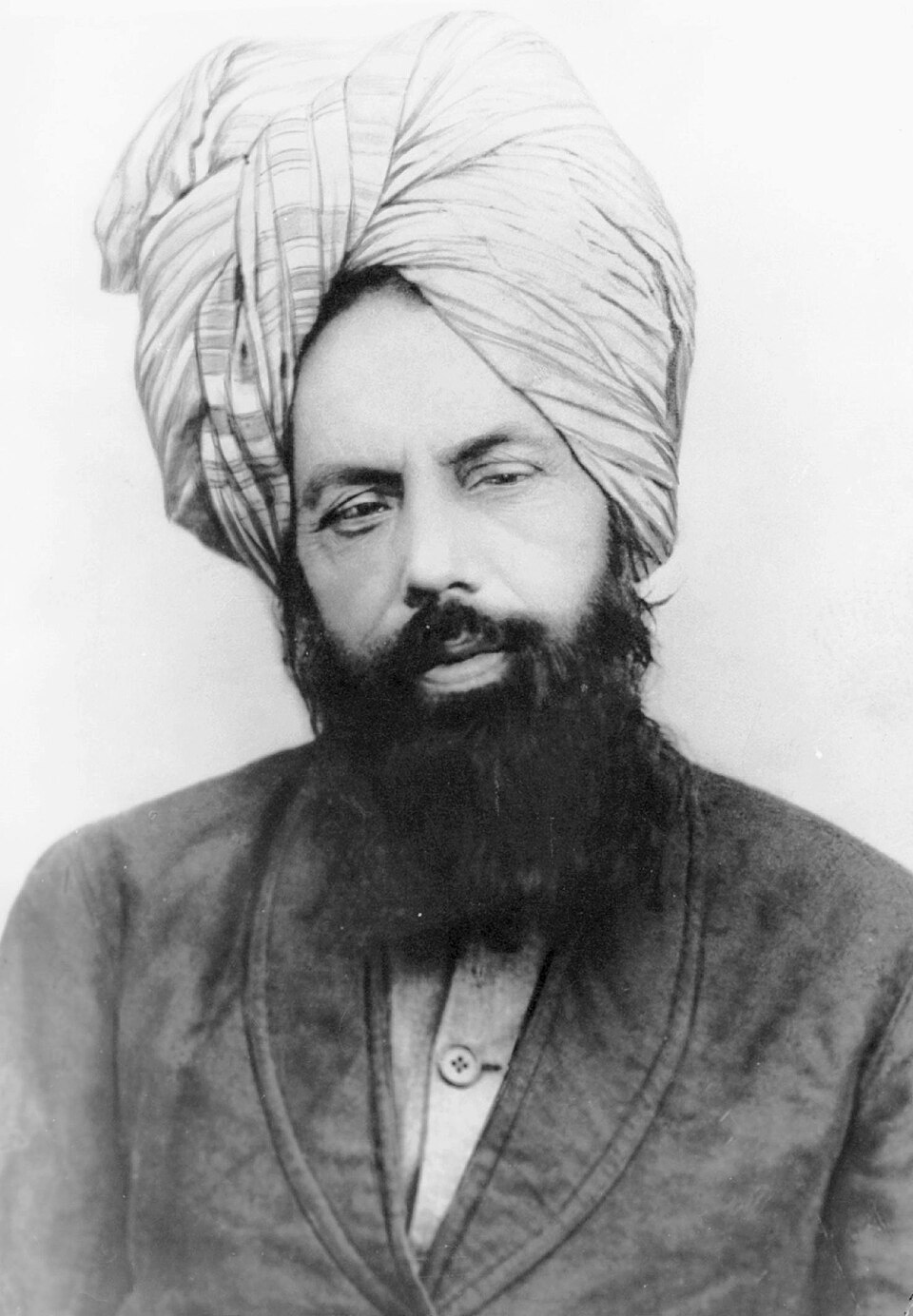
Founder of the Ahmadiyya movement at Qadian in Gurdaspur district in 1889. Ahmadis consider themselves Muslims; Pakistan declared them non-Muslims in 1974.
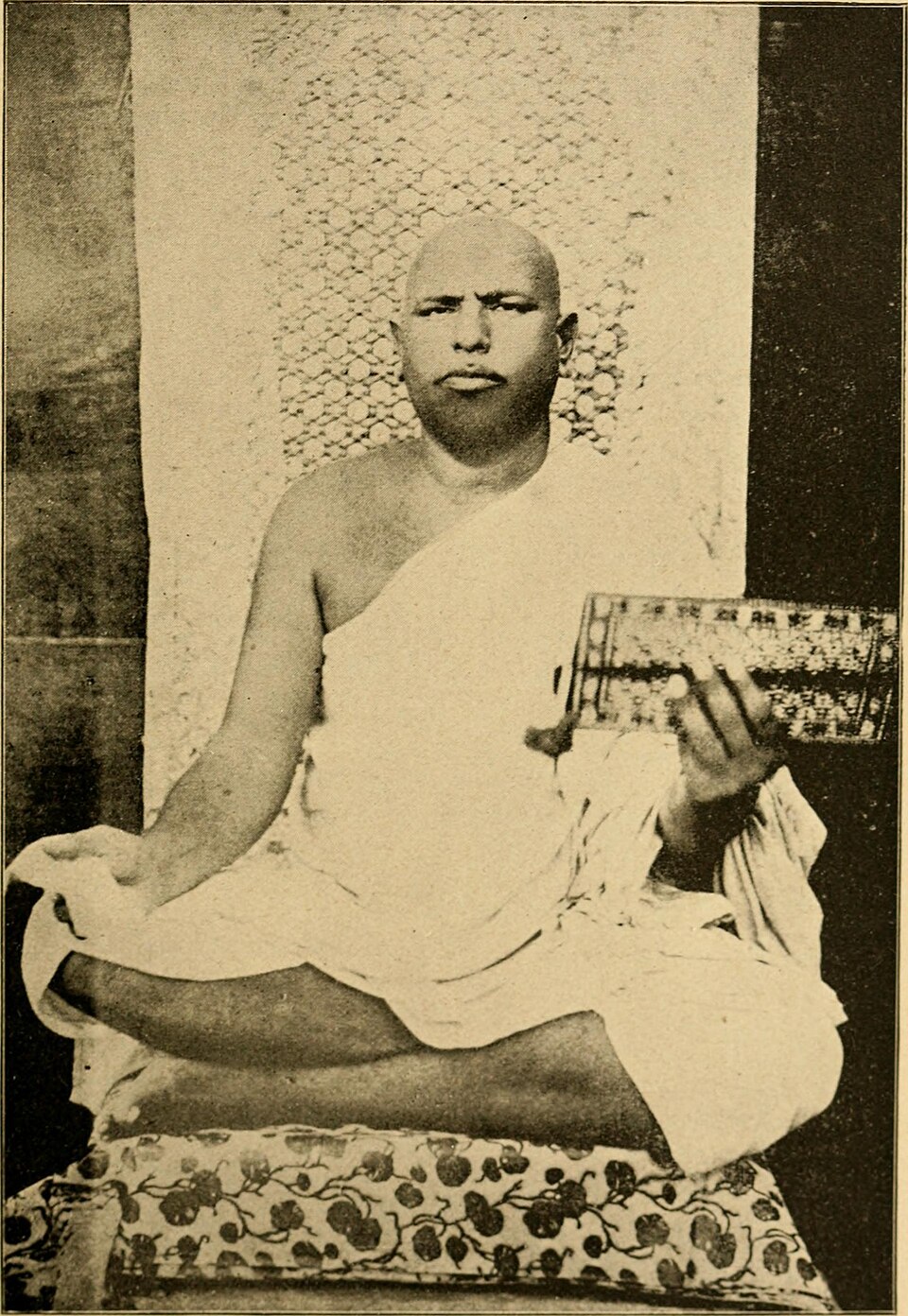
Jain monk born near Ferozepur who revived the Svetambara order in the Punjab; his samadhi stands at Gujranwala.
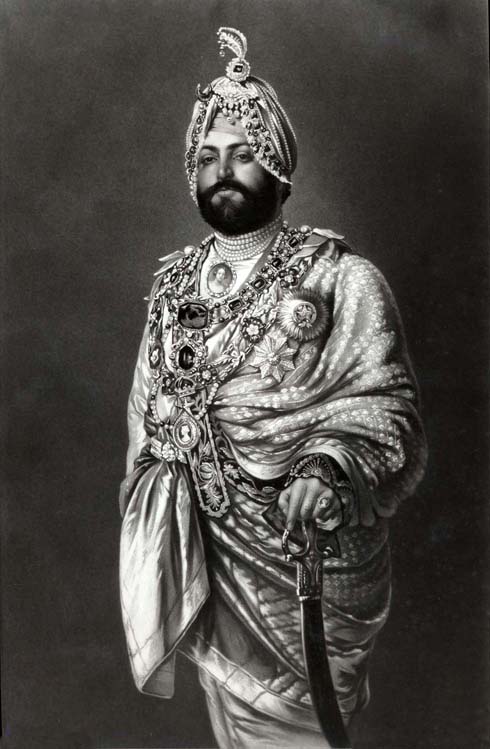
Last Maharaja of the Sikh Empire. Deposed at ten in 1849, separated from his mother, converted to Christianity and taken to England. The Koh-i-Noor passed to Queen Victoria.
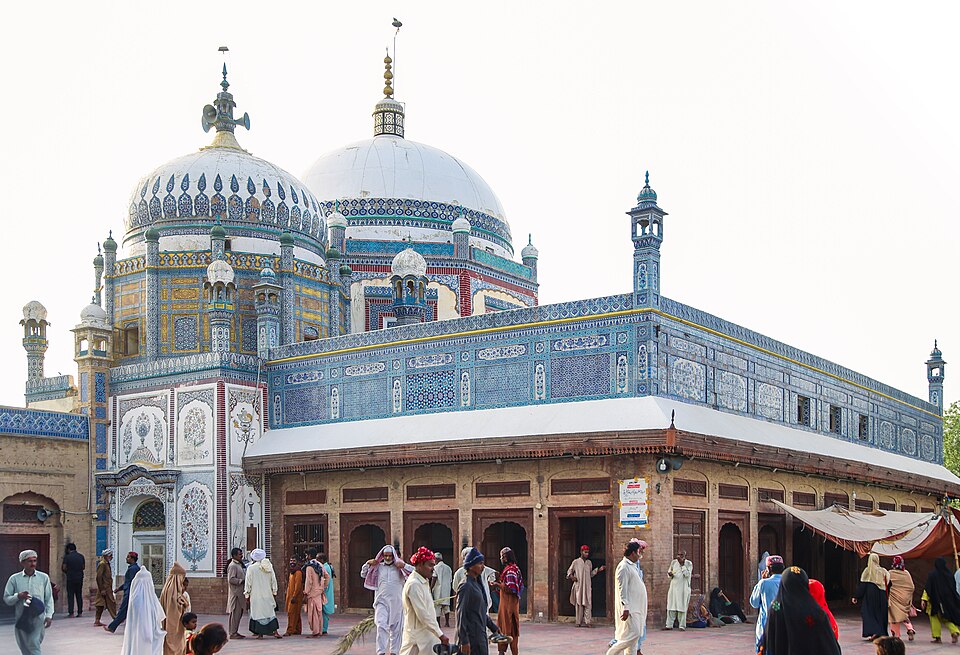
Sufi poet of Kot Mithan and the Cholistan desert, whose kafis in Saraiki are sung across the western Punjab.
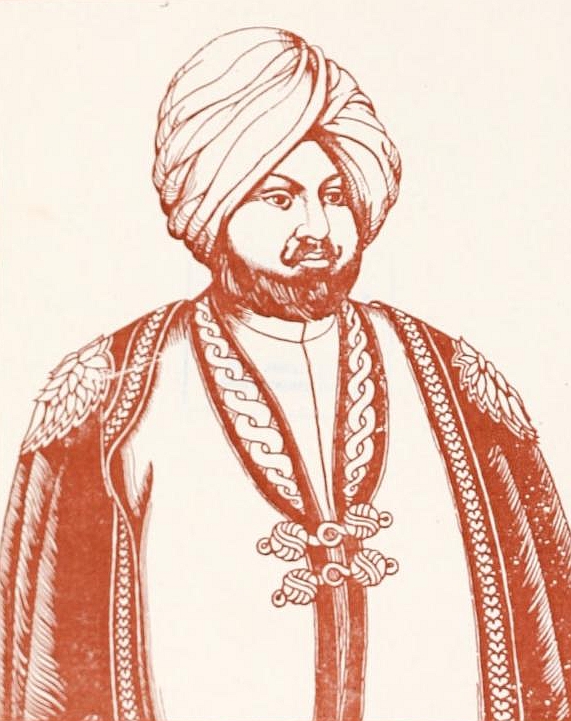
Lahore patron who founded The Tribune newspaper and was the first chairman of the Punjab National Bank, and left his fortune to a college and a library.