Two Punjabs
Partition, two capitals, the Green Revolution, wars on the border, 1984, and Punjabis around the world.
 Unknown · Wikimedia
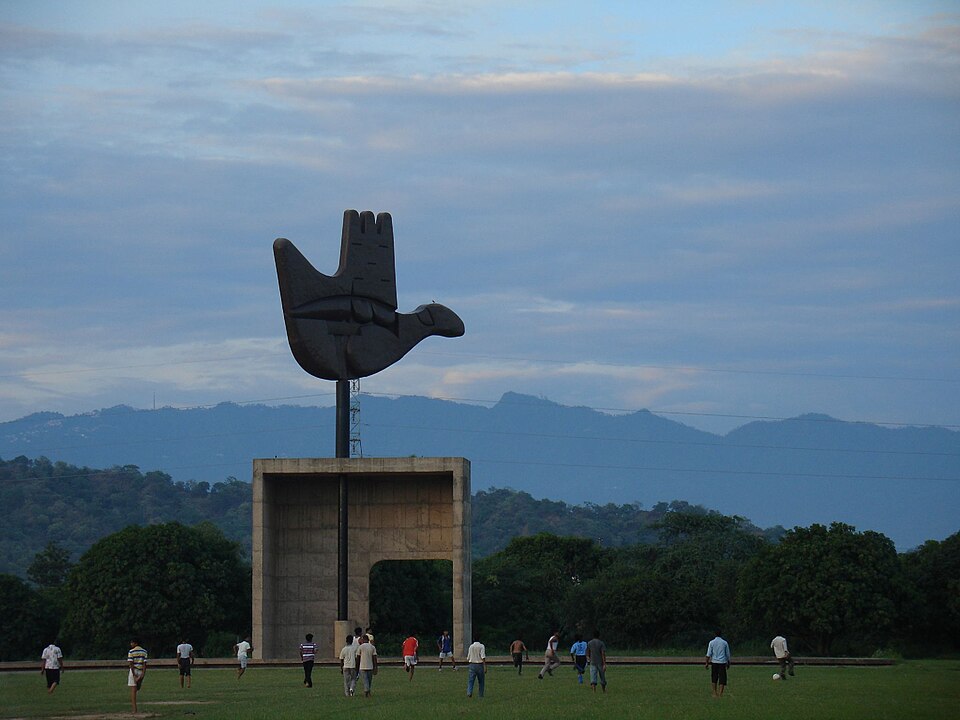
In August 1947 the Punjab was divided. Some ten million people crossed the new line and perhaps half a million to two million were killed. Lahore became the capital of Pakistani Punjab; Indian Punjab built Chandigarh, and was divided again in 1966.
Both Punjabs became the granaries of their countries, fought each other in 1965 and 1971, and sent their sons and daughters to Britain, Canada, the Gulf and beyond. Indian Punjab lived through 1984 and the insurgency; Pakistani Punjab became the heart of Pakistan's army, politics and culture. The Kartarpur corridor opened in 2019, and in 2020 Punjab's farmers camped at the gates of Delhi for a year.
Where it happened
What happened
42 events- August 1947Partition
Punjab is divided between India and Pakistan. Some ten million people cross the new border; estimates of the dead range from about 200,000 to two million.
- 17 August 1947The Radcliffe Line
The boundary is announced two days after independence, leaving Lahore in Pakistan and Amritsar in India.
- March 1947The Rawalpindi massacres
After the fall of Khizar Hayat Tiwana's government, mobs attack Sikh and Hindu villages around Rawalpindi; at Thoa Khalsa women jump into a well.
- 1948Patiala and East Punjab States Union
The Sikh princely states merge into PEPSU, joined to Punjab in 1956.
- March 1949Kishangarh
Police and troops clash with armed tenants at Kishangarh near Mansa, the high point of the PEPSU muzara movement.
- 1953Chandigarh becomes capital
Le Corbusier's planned city replaces Lahore as capital of Indian Punjab.
- August 1954Fazal Mahmood at the Oval
Fazal Mahmood's twelve wickets win Pakistan its first Test in England.
- 1955 – 1970One Unit
Pakistan's Punjab is merged into a single province of West Pakistan, then restored in 1970.
- 1956Hero Cycles
The Munjal brothers, refugees from Kamalia, start making bicycles in Ludhiana; Hero becomes the largest bicycle maker in the world.
- November 1956A Punjabi in Congress
Dalip Singh Saund, a farmer from near Amritsar, is elected to the US House of Representatives, the first Asian American in Congress.
- 1960Indus Waters Treaty
India gets the Ravi, Beas and Sutlej; Pakistan the Indus, Jhelum and Chenab.
- 1962Punjab Agricultural University
The university at Ludhiana becomes the laboratory of the Green Revolution in Indian Punjab.
- 1963Bhakra Dam
One of the highest gravity dams in the world is completed on the Sutlej.
- 1965War of 1965
Tank battles on the Punjab frontier.
- 1 November 1966Punjabi Suba
Indian Punjab is reorganised on language lines; Haryana and Himachal Pradesh are separated.
- late 1960sGreen Revolution
New wheat and rice varieties, tubewells and fertiliser make Punjab India's granary.
- 1967The Mangla Dam
Pakistan dams the Jhelum at Mangla under the Indus Waters Treaty; many families from the drowned Mirpur valley emigrate to Britain.
- 1968Minar-e-Pakistan
Monument completed where the Lahore Resolution was passed.
- 1969Nanak Naam Jahaz Hai
A film made for Guru Nanak's 500th birth anniversary revives Punjabi cinema in India.
- December 1971War of 1971
- October 1973Anandpur Sahib Resolution
The Akali Dal calls for state autonomy and Sikh religious demands.
- 1974Ahmadis declared non-Muslim
Pakistan's parliament declares the Ahmadis non-Muslim by constitutional amendment, after riots in the Punjab.
- 5 July 1977Zia-ul-Haq seizes power
The Jalandhar-born army chief overthrows Zulfikar Ali Bhutto and rules Pakistan for eleven years.
- 13 April 1978Nirankari clash in Amritsar
13 Sikhs and 3 Nirankaris killed; the start of a decade of conflict.
- 1979Abdus Salam's Nobel Prize
The physicist from Jhang shares the Nobel Prize for unifying two forces of nature.
- August 1982Dharam Yudh Morcha
Mass Akali agitation for the Anandpur demands.
- June & November 1984Operation Blue Star and its aftermath
The Indian Army attacks the Harmandir Sahib complex on a holy day, shelling the Akal Takht and killing thousands of pilgrims and defenders. In November, after Indira Gandhi's assassination, organised mobs kill thousands of Sikhs in Delhi and across India.
- 31 October 1984Indira Gandhi assassinated
Followed by the killing of thousands of Sikhs in Delhi and other cities, 1–4 November.
- 23 June 1985Air India Flight 182
329 killed by a bomb planted by Canada-based militants.
- 24 July 1985Rajiv–Longowal Accord
Longowal is assassinated within a month.
- May 1988Operation Black Thunder II
Militants in the Harmandir Sahib complex surrender after a ten-day siege.
- 25 March 1992The World Cup comes to Lahore
Imran Khan's Pakistan, with Wasim Akram and Inzamam-ul-Haq, win the cricket World Cup in Melbourne.
- 1995End of the insurgency
Beant Singh is assassinated in August; Jaswant Singh Khalra is abducted in September.
- 2004Guru Granth Sahib's 400th year
Celebrations mark four centuries since the first installation in the Harmandir Sahib.
- 11 August 2008Abhinav Bindra's gold
Abhinav Bindra wins India's first individual Olympic gold medal, in the 10 metre air rifle.
- 2010The Ravidassia scripture
The Dera Sachkhand Ballan proclaims the Amritbani of Guru Ravidas as the scripture of a separate Ravidassia faith.
- 2016Udta Punjab and the drug crisis
A Hindi film about heroin in the villages of Indian Punjab forces the state's drug crisis into national debate.
- November 2019Kartarpur corridor opens
Indian pilgrims can visit Kartarpur Sahib without a visa for Guru Nanak's 550th birth anniversary.
- 2020 – 2021Farmers' protests
Farmers from Punjab lead a year-long protest camp at the edges of Delhi until three farm laws are repealed.
- March 2022The Aam Aadmi Party sweeps Punjab
Bhagwant Mann's party wins 92 of 117 seats, ending decades of Akali and Congress rule.
- February 2024Maryam Nawaz, Chief Minister
The first woman to lead any province of Pakistan takes charge of Pakistani Punjab.
- 8 August 2024Arshad Nadeem's gold
Arshad Nadeem of Mian Channu throws 92.97 metres to win Olympic gold in Paris; Neeraj Chopra of India takes silver.
People of this age
42 people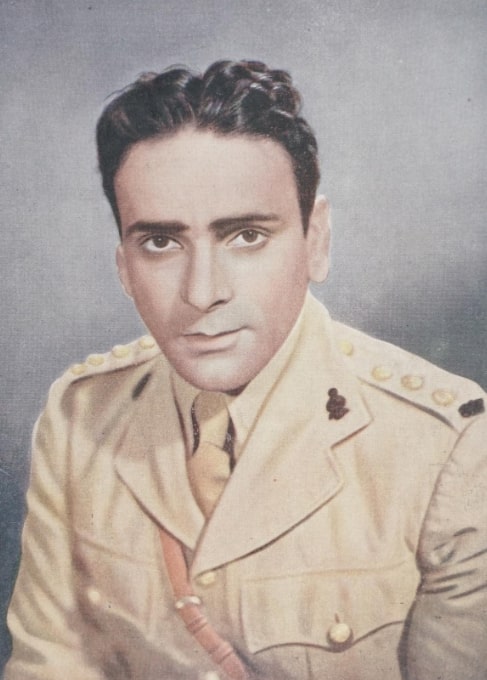
Actor from Lyallpur and Peshawar who starred in India's first talkie, founded Prithvi Theatres and began the Kapoor dynasty of Bombay cinema.
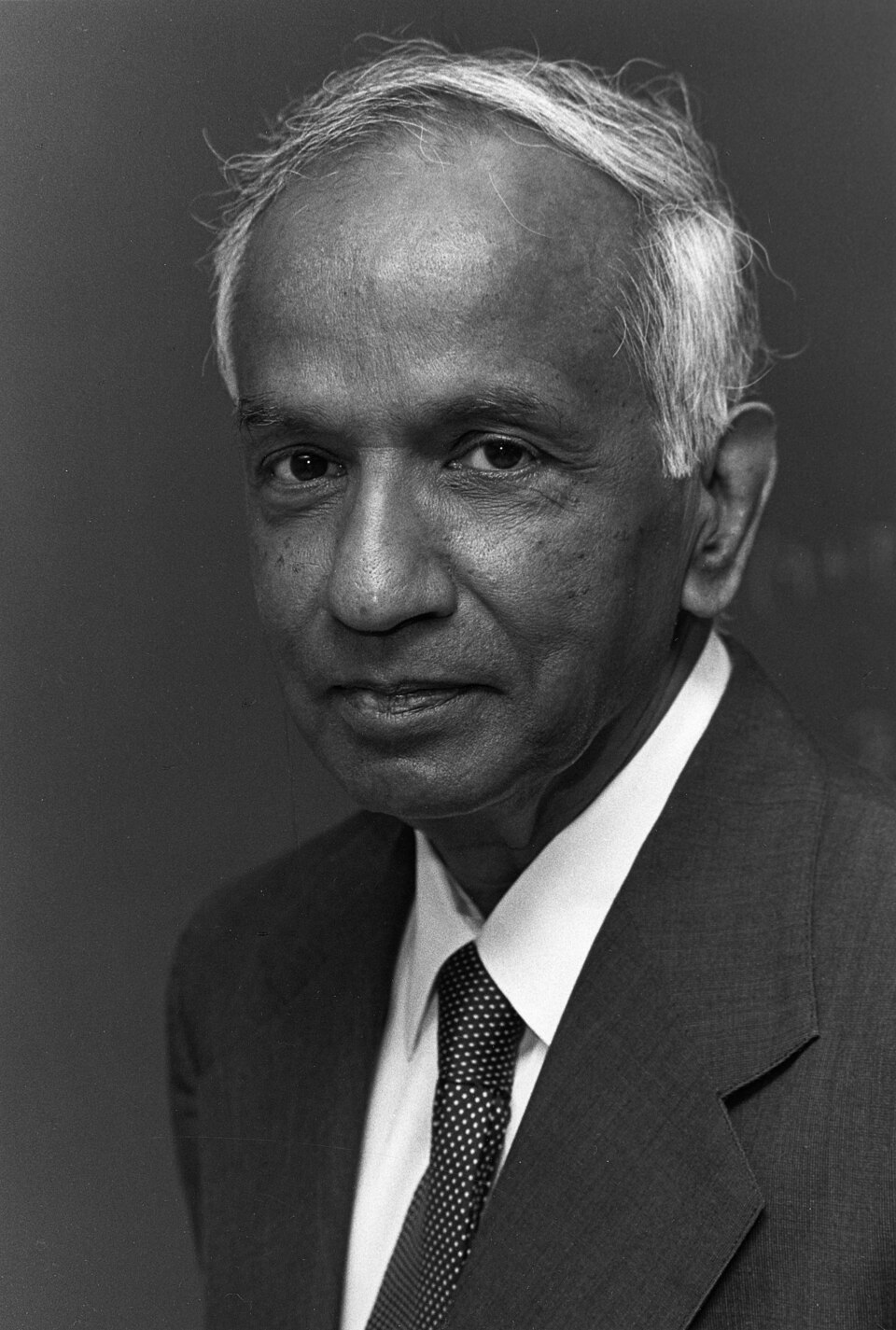
Astrophysicist born in Lahore, who worked out the limit beyond which a dying star must collapse, and won the Nobel Prize in 1983.
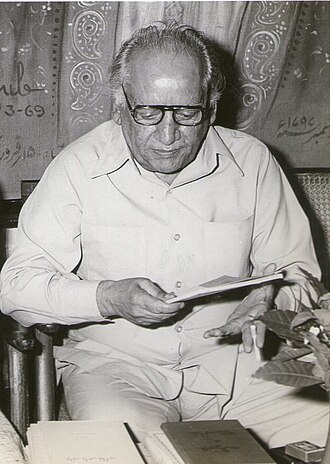
Urdu poet from Sialkot whose 'Subh-e-Azadi' mourned the dawn of 1947 as 'not the dawn we longed for'.
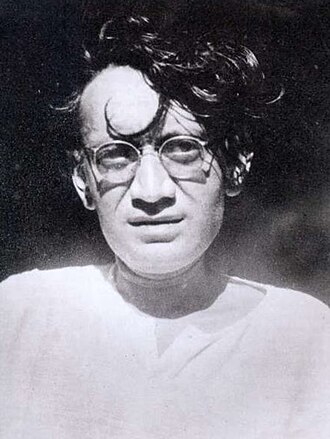
Short-story writer born near Ludhiana whose stories of Partition, such as Toba Tek Singh, are the sharpest record of its madness.
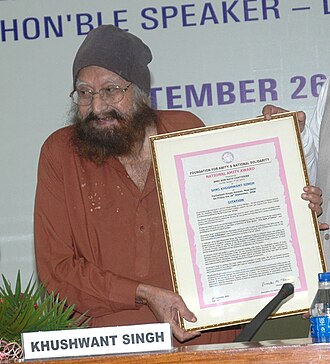
Novelist and historian from Hadali in the Salt Range. His Train to Pakistan and two-volume History of the Sikhs are classics.
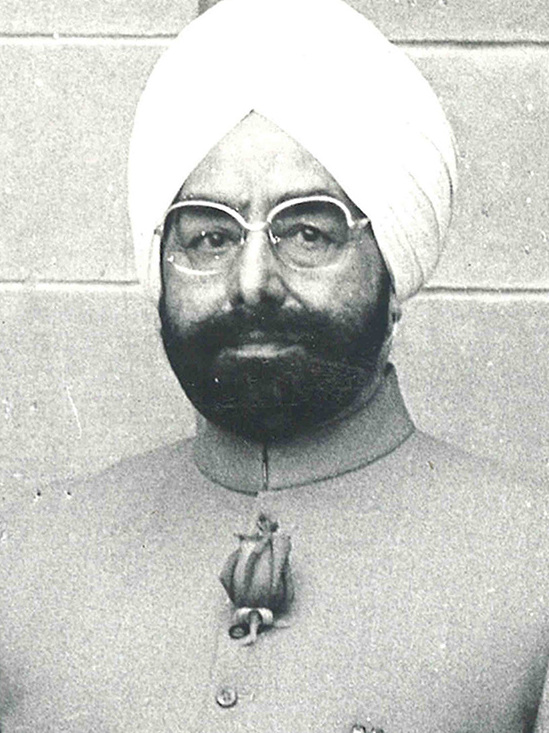
Ramgarhia Sikh from Faridkot who rose from the Praja Mandal to Chief Minister of Punjab and President of India, 1982–1987.
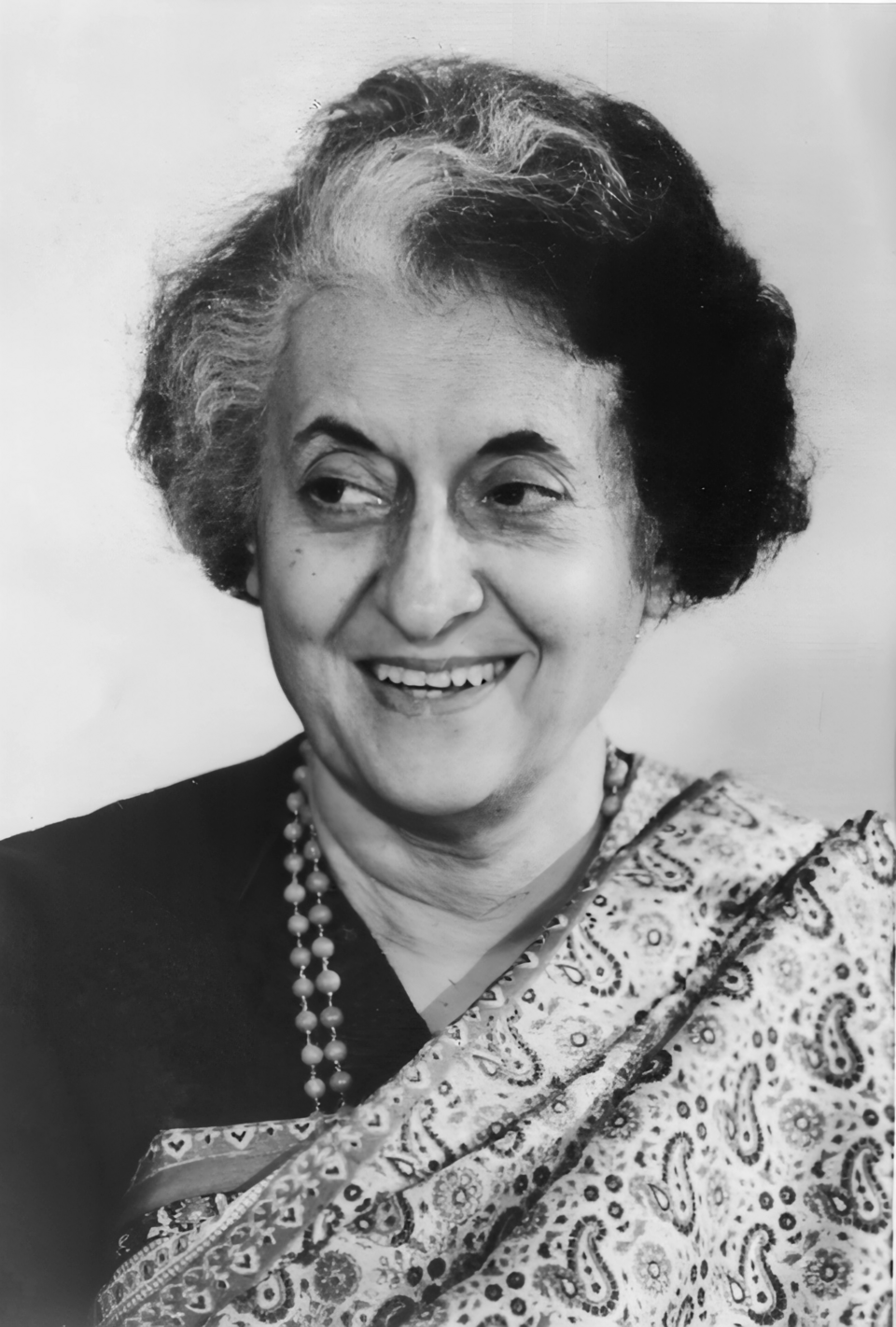
Prime Minister of India who ordered Operation Blue Star in June 1984 and was assassinated by two Sikh bodyguards on 31 October.
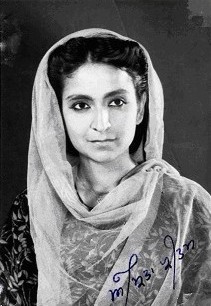
The leading woman poet of Punjabi, born in Gujranwala. Her elegy for Partition calls on Waris Shah to rise from his grave and write a new verse for the daughters of Punjab.
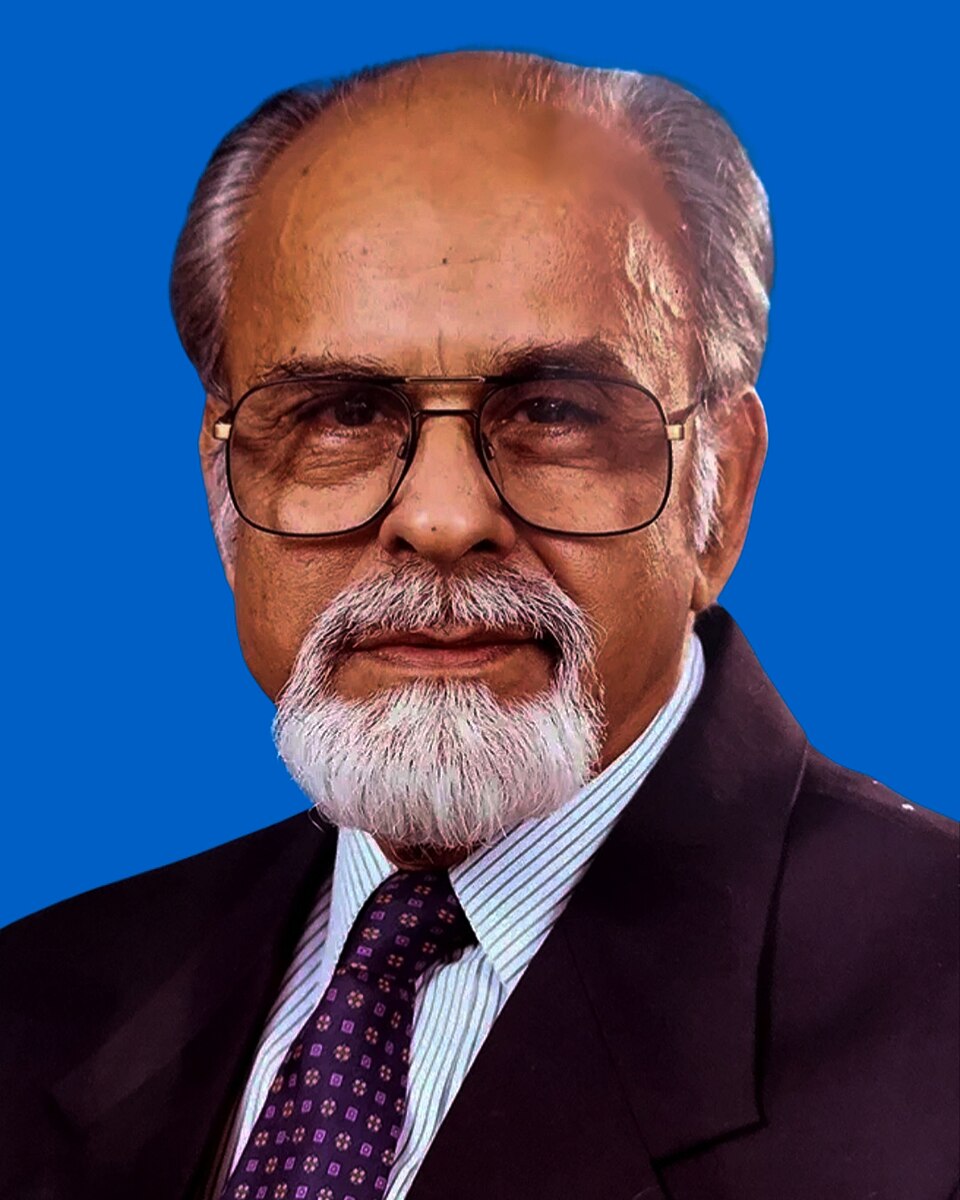
Politician born in Jhelum, a student activist in Lahore, who became Prime Minister of India and argued for generous relations with India's neighbours.
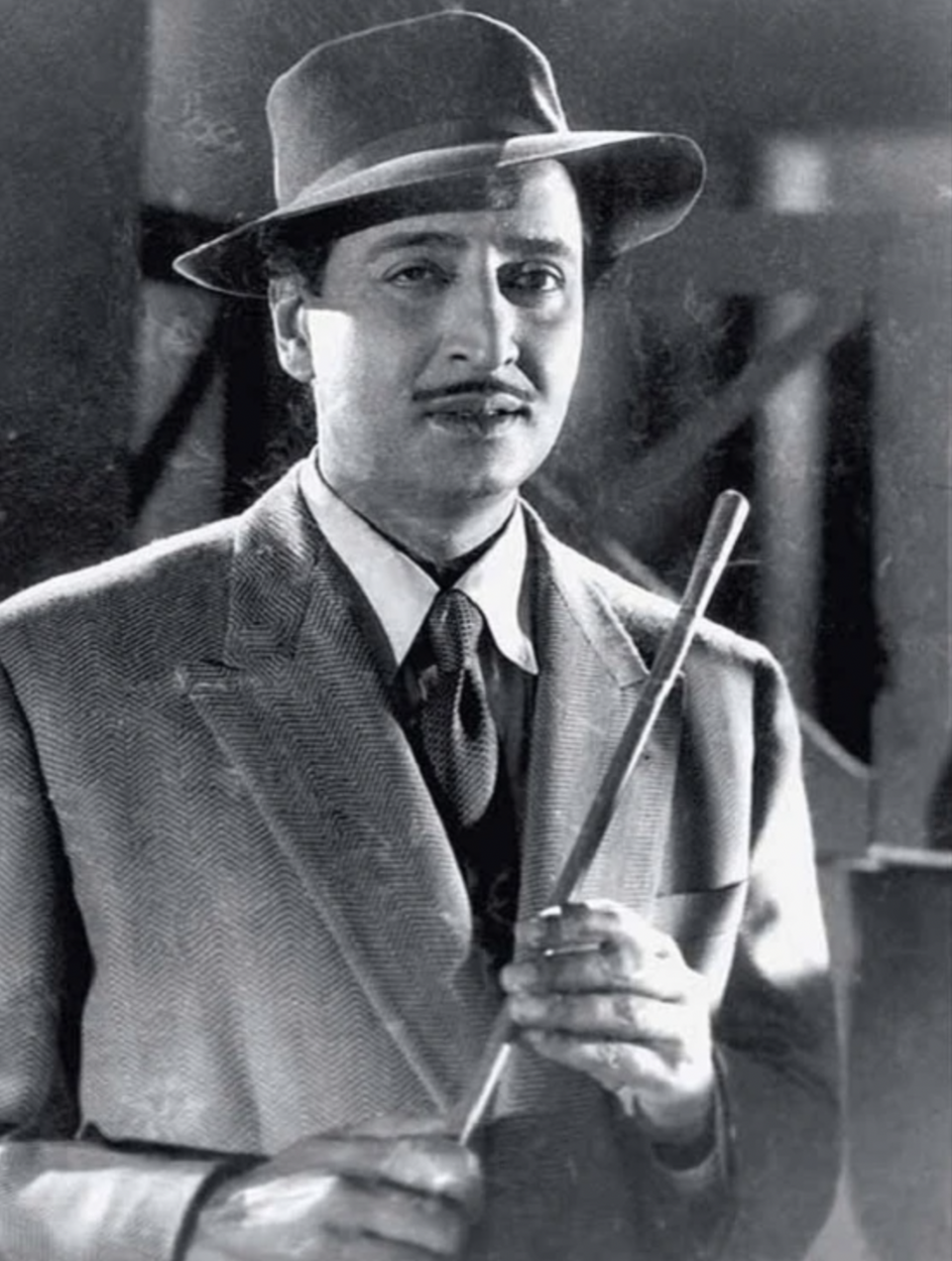
Actor who began in the Punjabi films of Lahore and became Hindi cinema's most famous villain.
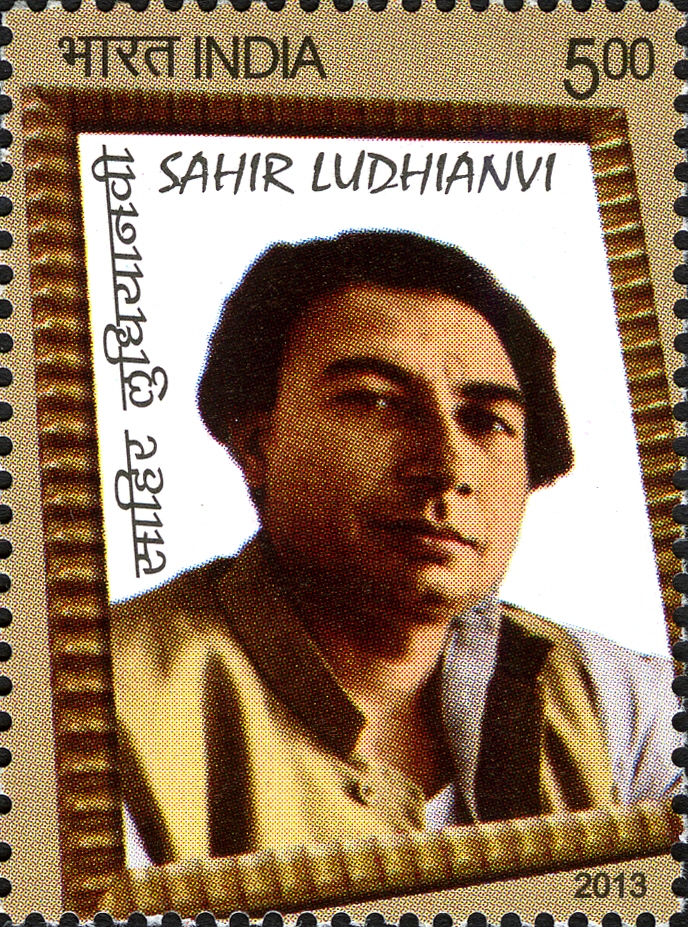
Urdu poet from Ludhiana whose sharp, socialist lyrics changed the Hindi film song.
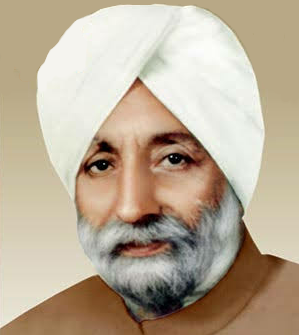
Chief Minister of Punjab from 1992, under whom the insurgency was crushed. Killed by a suicide bomber in Chandigarh in August 1995.
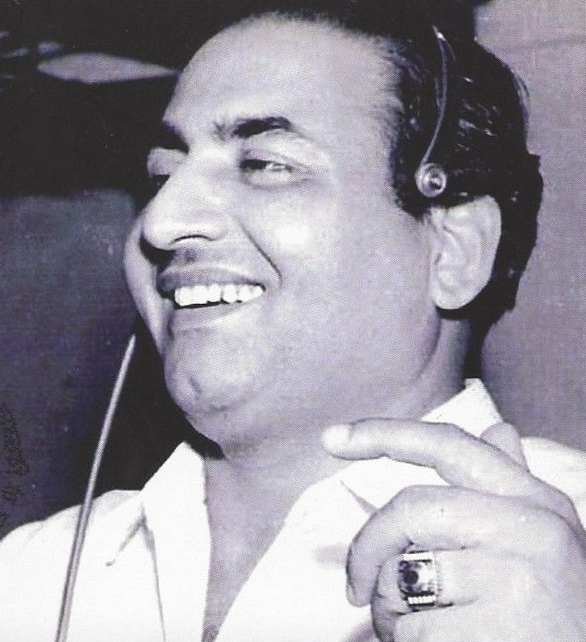
Singer from a village near Amritsar who grew up in Lahore and became the voice of Hindi cinema.
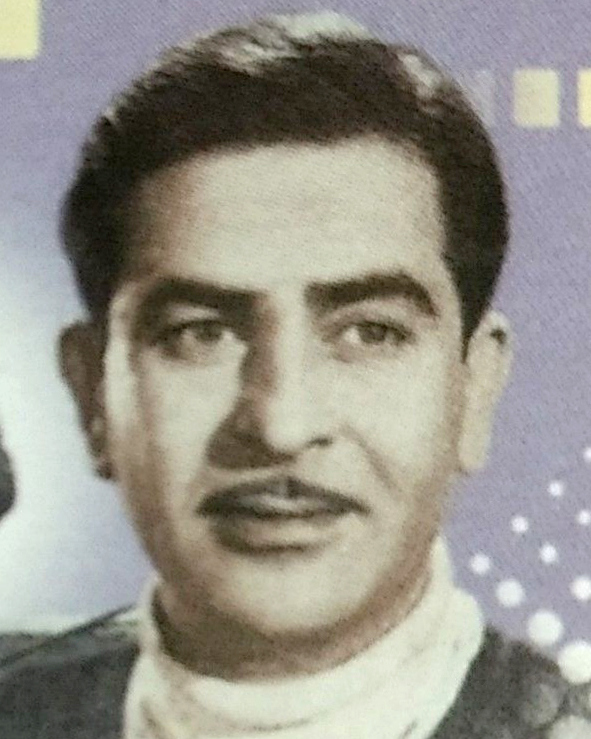
Actor and director born in Peshawar whose tramp in Awaara and Shree 420 was loved from Moscow to Cairo.
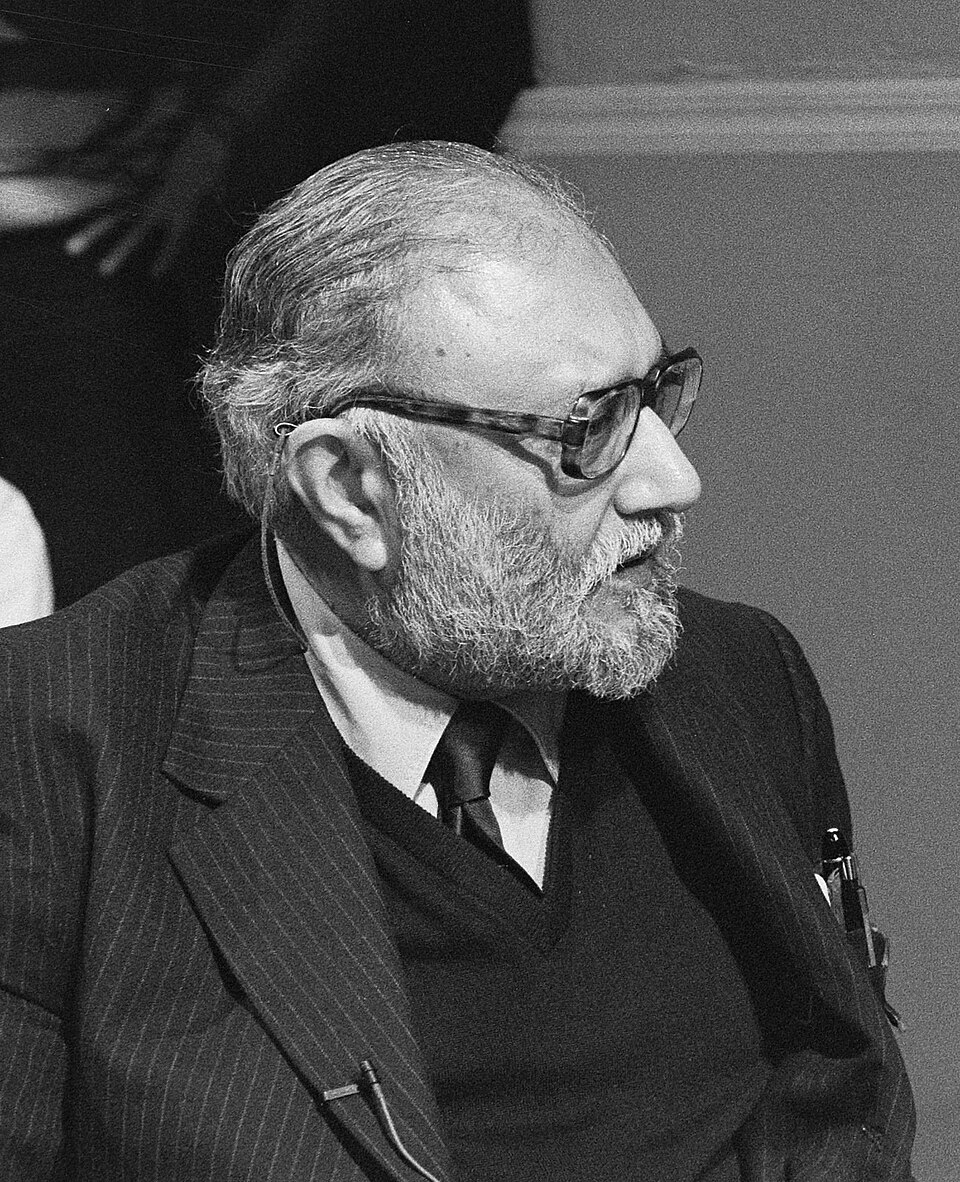
Physicist from Jhang who shared the Nobel Prize in 1979 for unifying two of the forces of nature.
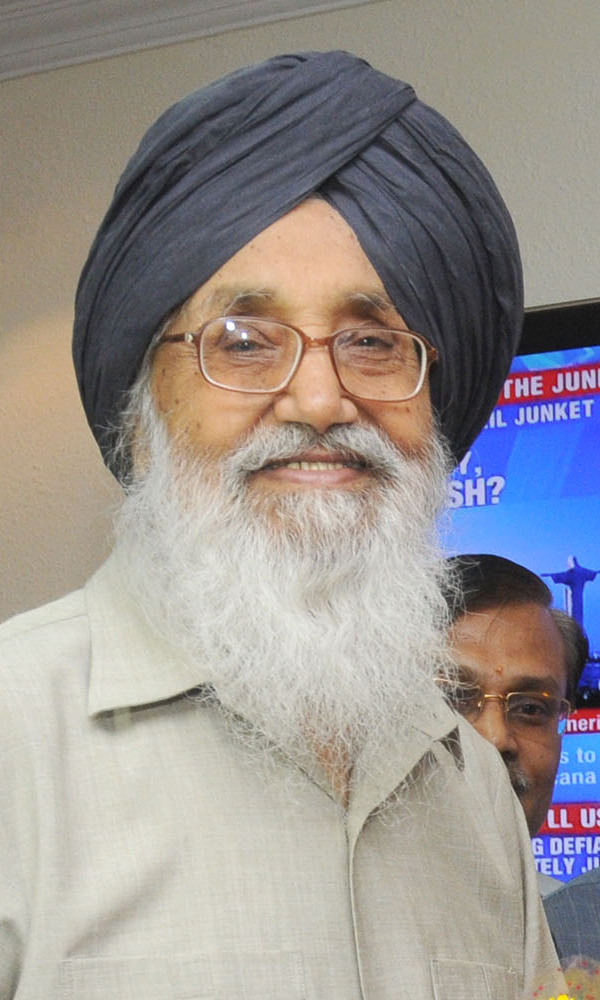
Five times Chief Minister of Punjab, both the youngest and the oldest, and for half a century the face of the Akali Dal.
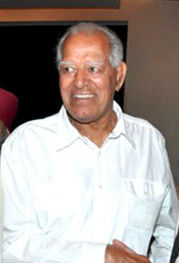
Wrestler from a village near Amritsar who became a world champion of professional wrestling and then a film star.
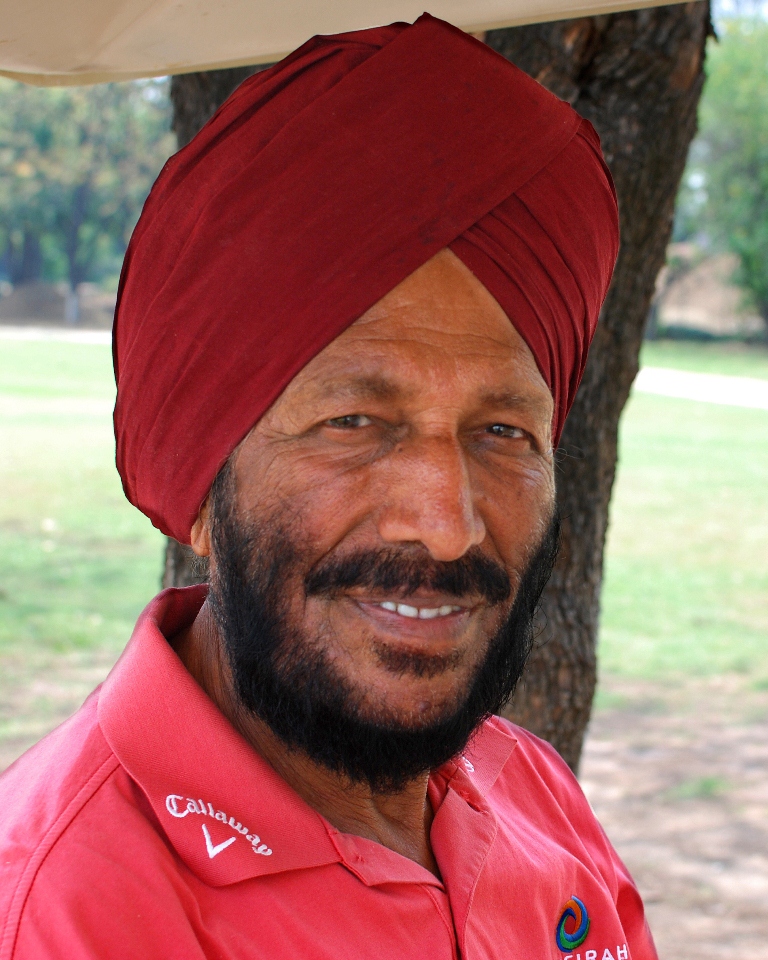
The 'Flying Sikh', a Partition orphan from Muzaffargarh who became Asia's greatest sprinter and missed an Olympic medal in Rome by a fraction of a second.
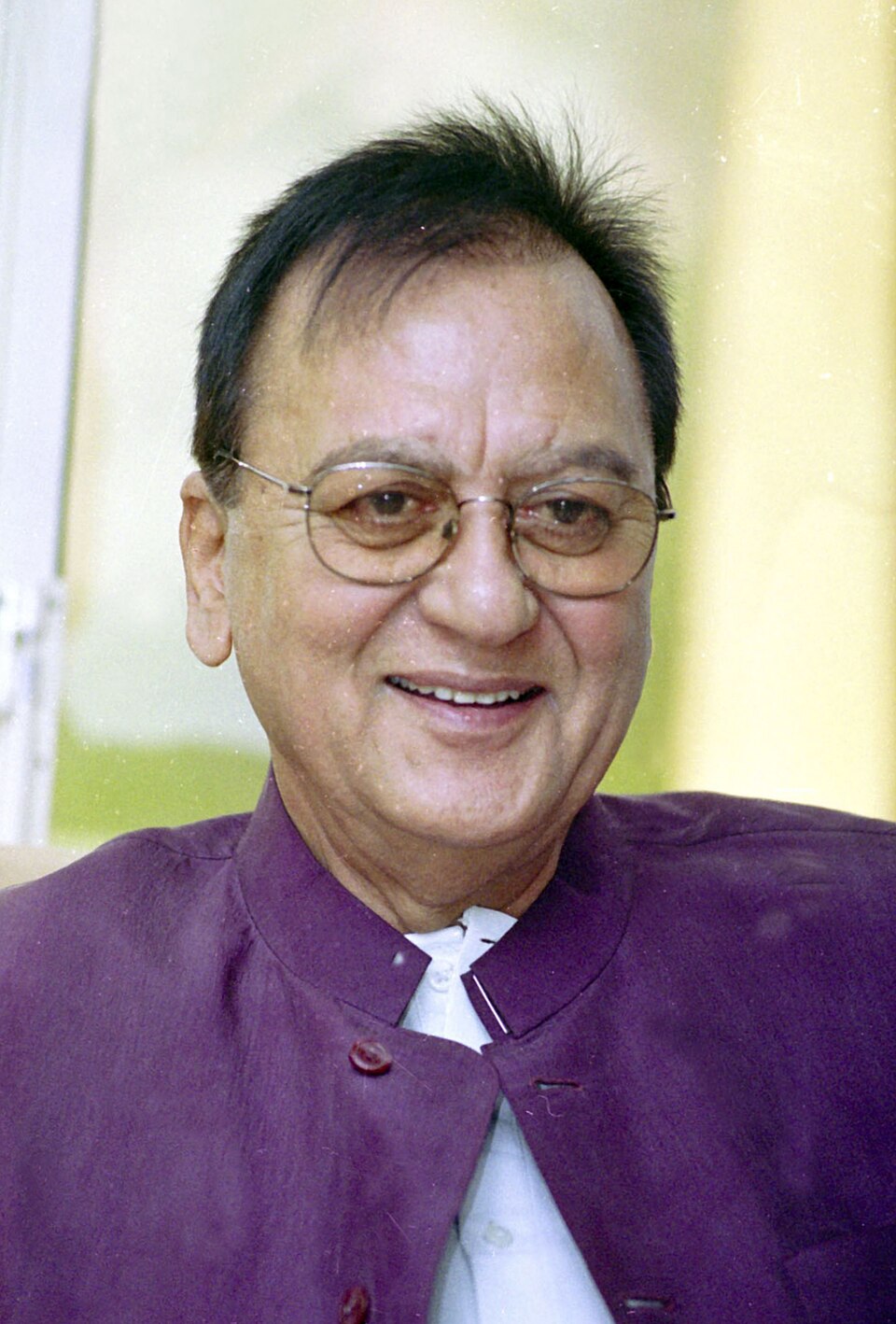
Partition refugee from Jhelum district who starred in Mother India and later led a peace march across Punjab in the 1980s.
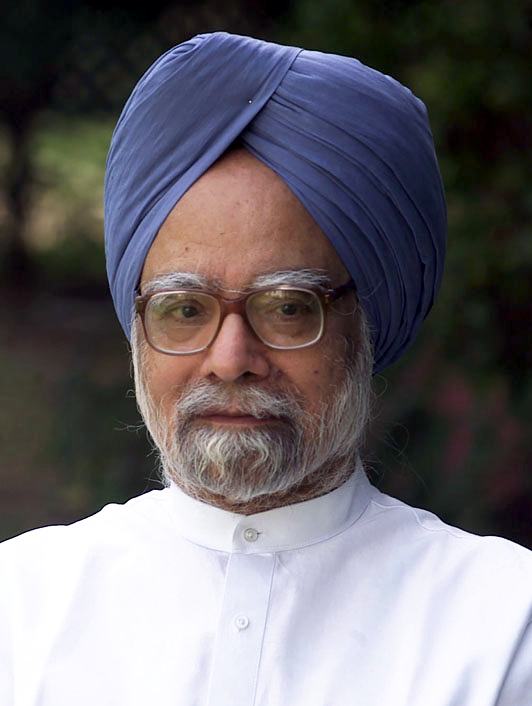
Economist born in Gah in western Punjab who opened India's economy as finance minister in 1991 and was Prime Minister from 2004 to 2014.
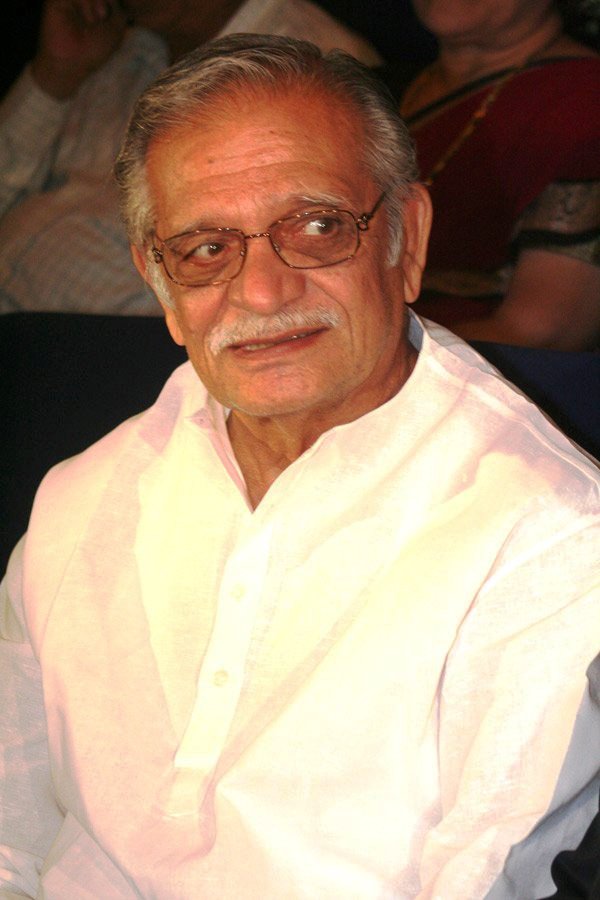
Poet, lyricist and film-maker born at Dina near Jhelum, whose Partition memories run through his work.
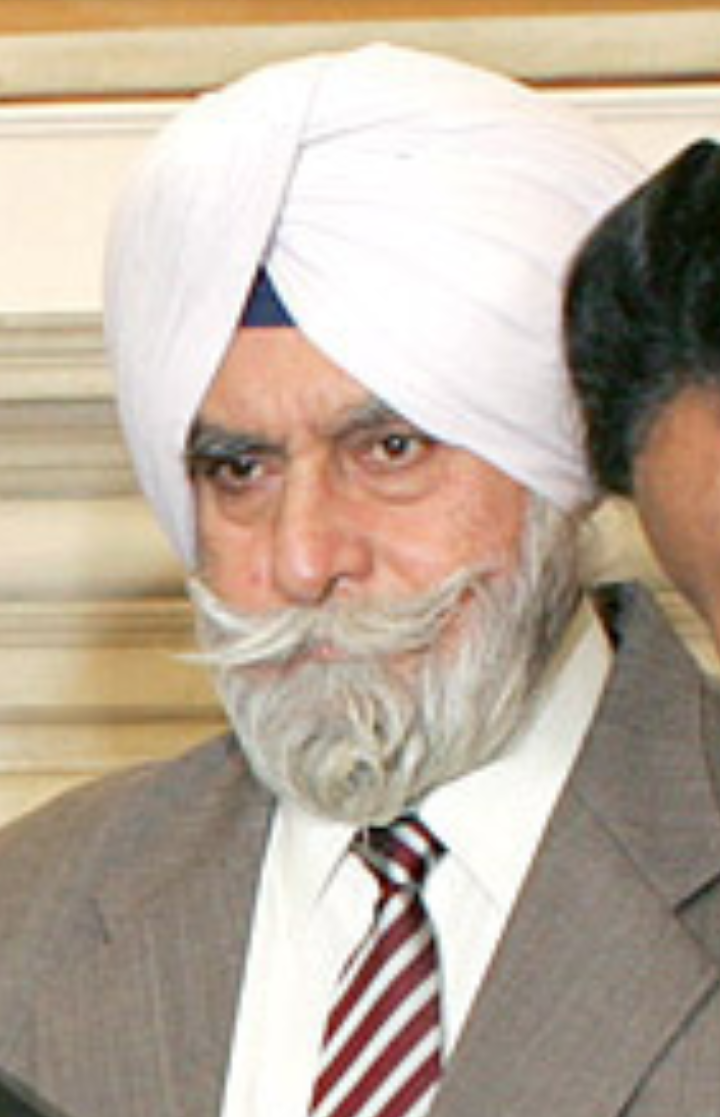
Director General of Punjab Police who led Operation Black Thunder II and the counter-insurgency campaign of 1991–95. Credited by supporters with ending the insurgency and criticised by rights groups for its abuses.
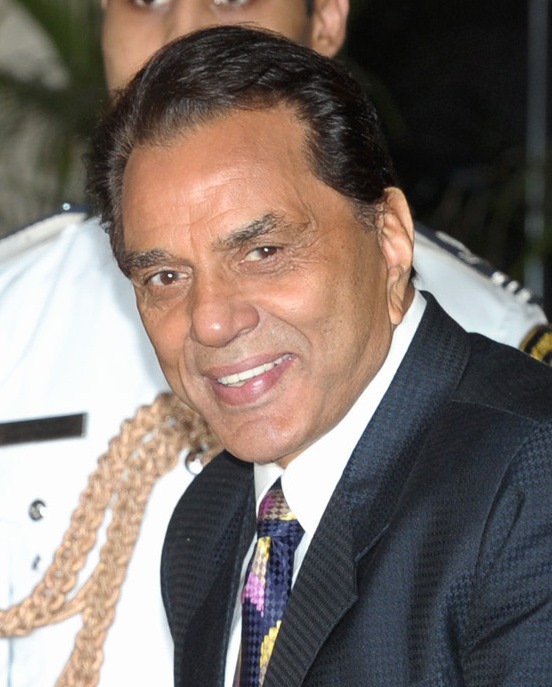
Village boy from Ludhiana district who became one of Bombay's biggest stars, Veeru of Sholay.
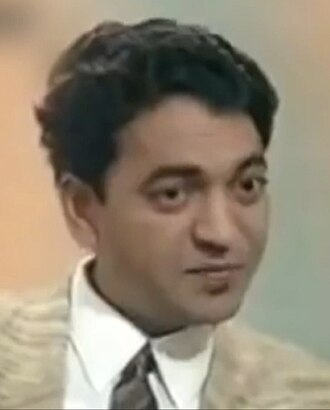
Romantic poet of pain, the youngest winner of India's Sahitya Akademi award, for his verse play Loona.
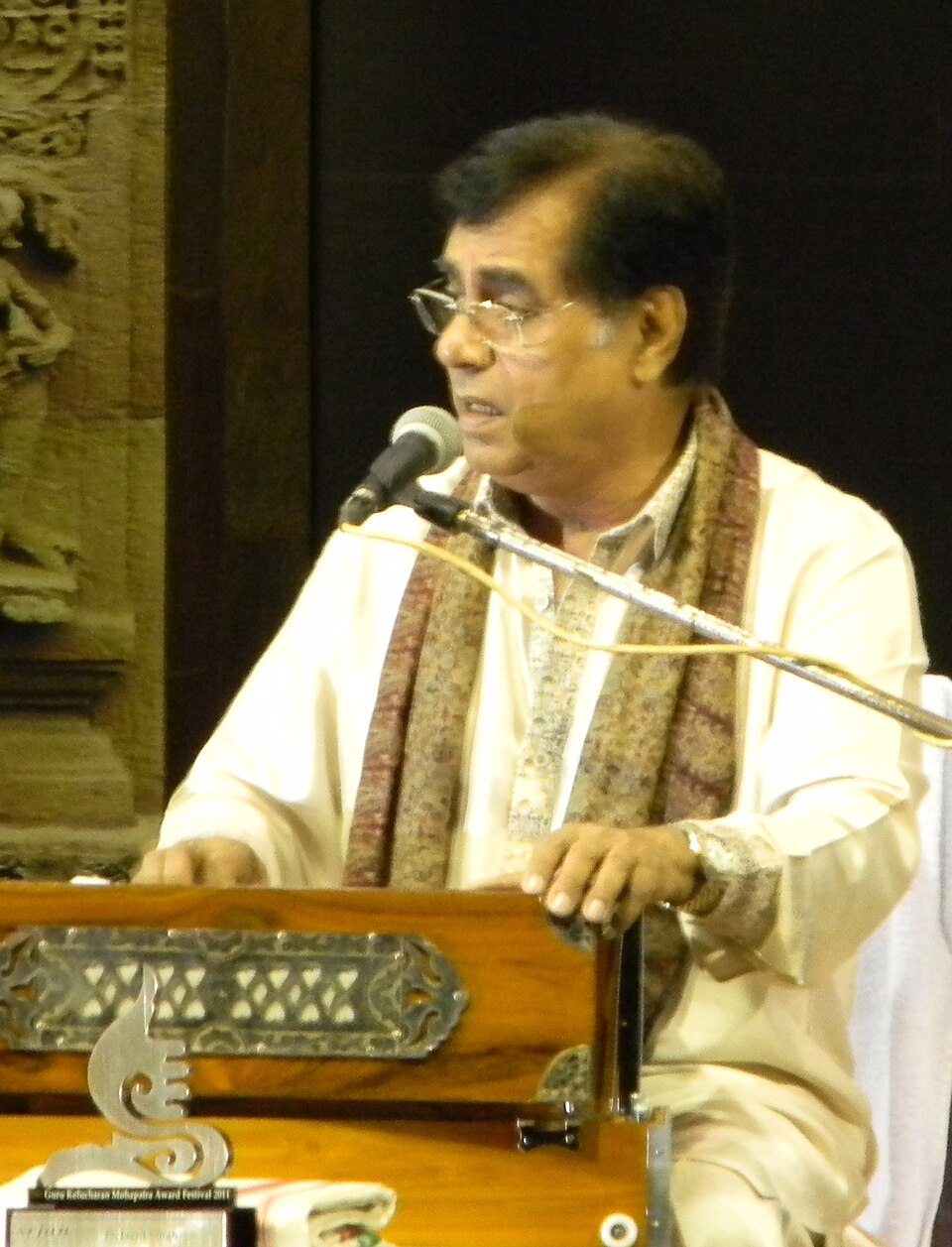
Ghazal singer from a Punjabi Sikh family who brought the ghazal to a mass audience in India.
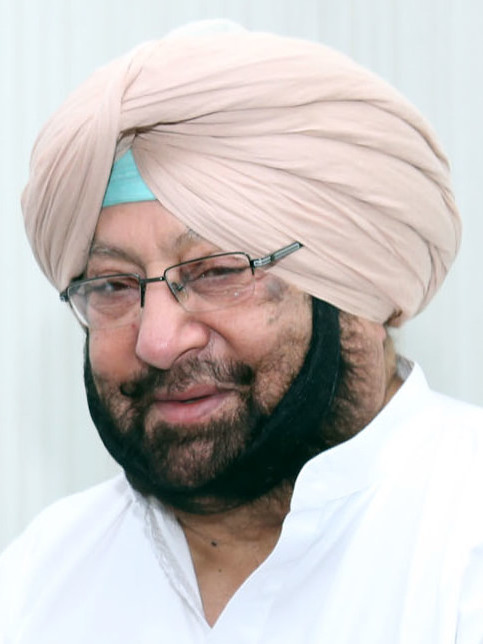
Son of the last Maharaja of Patiala, soldier and twice Chief Minister, who quit Parliament in protest at the army's attack on the Darbar Sahib in 1984.
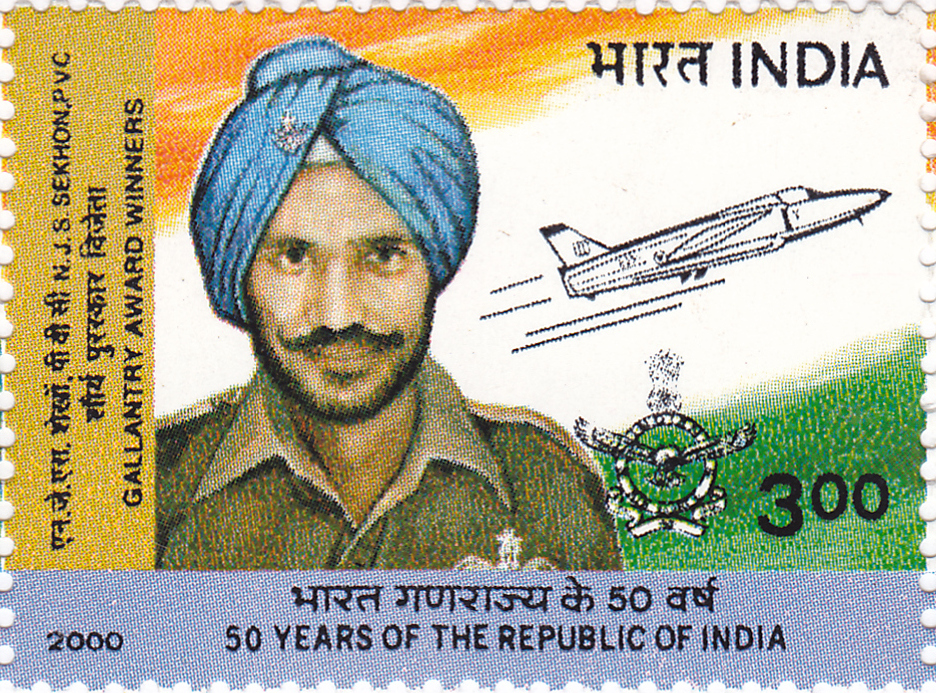
Fighter pilot from near Ludhiana, the only member of the Indian Air Force to win the Param Vir Chakra.
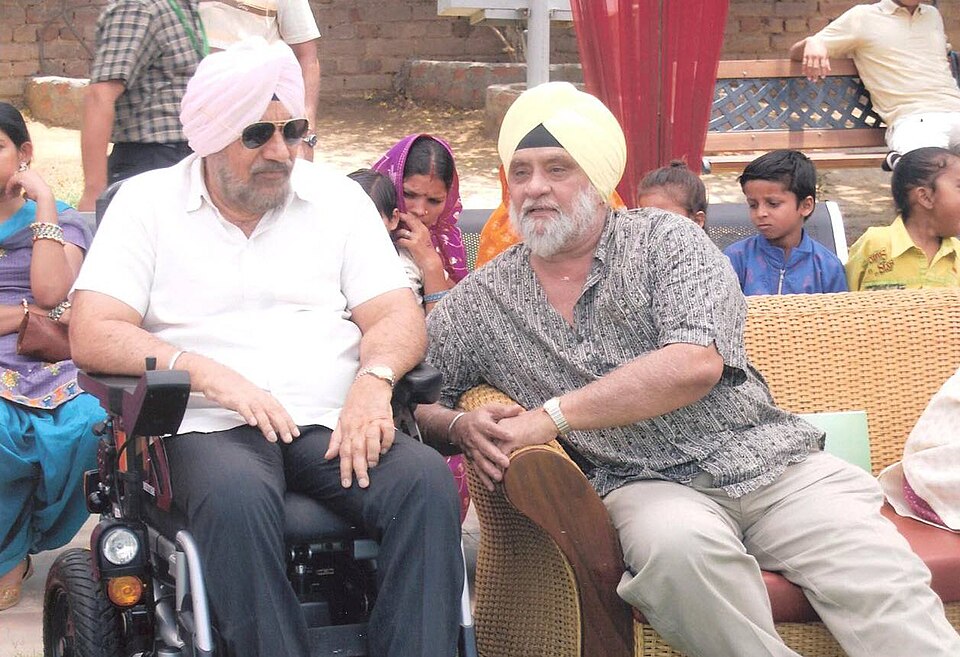
Left-arm spinner from Amritsar, one of the great Indian spin quartet and a captain of India.
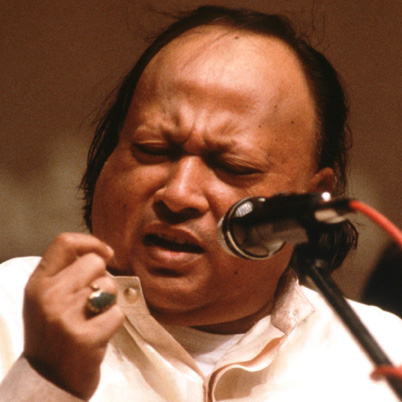
Qawwal of Faisalabad who carried the Sufi songs of the Punjab to the whole world.
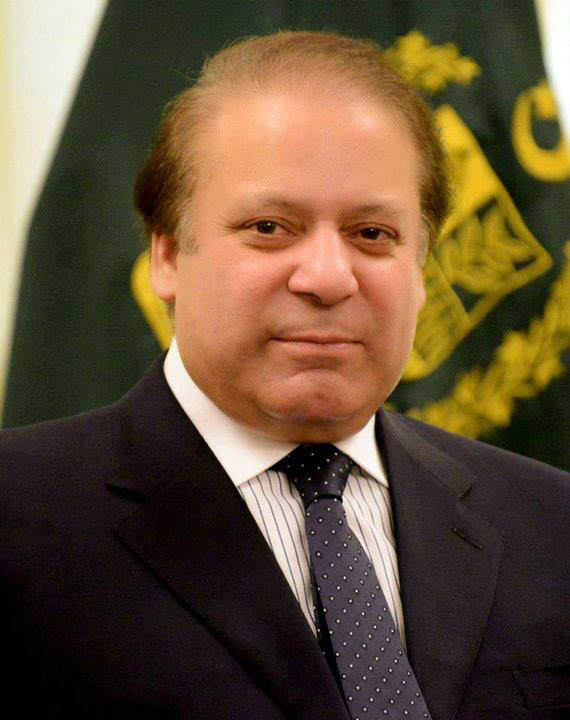
Lahore industrialist who became Chief Minister of Punjab and three times Prime Minister of Pakistan.
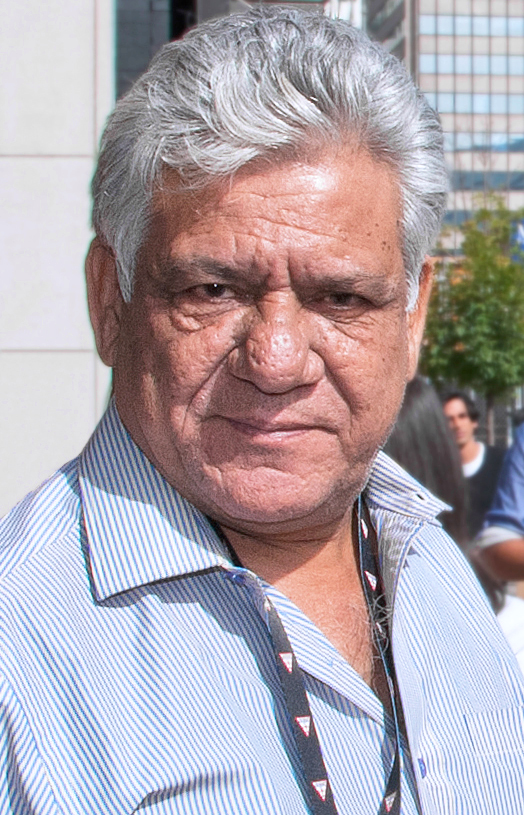
Actor from Ambala whose craggy face carried Indian art cinema, Tamas and British films such as East Is East.
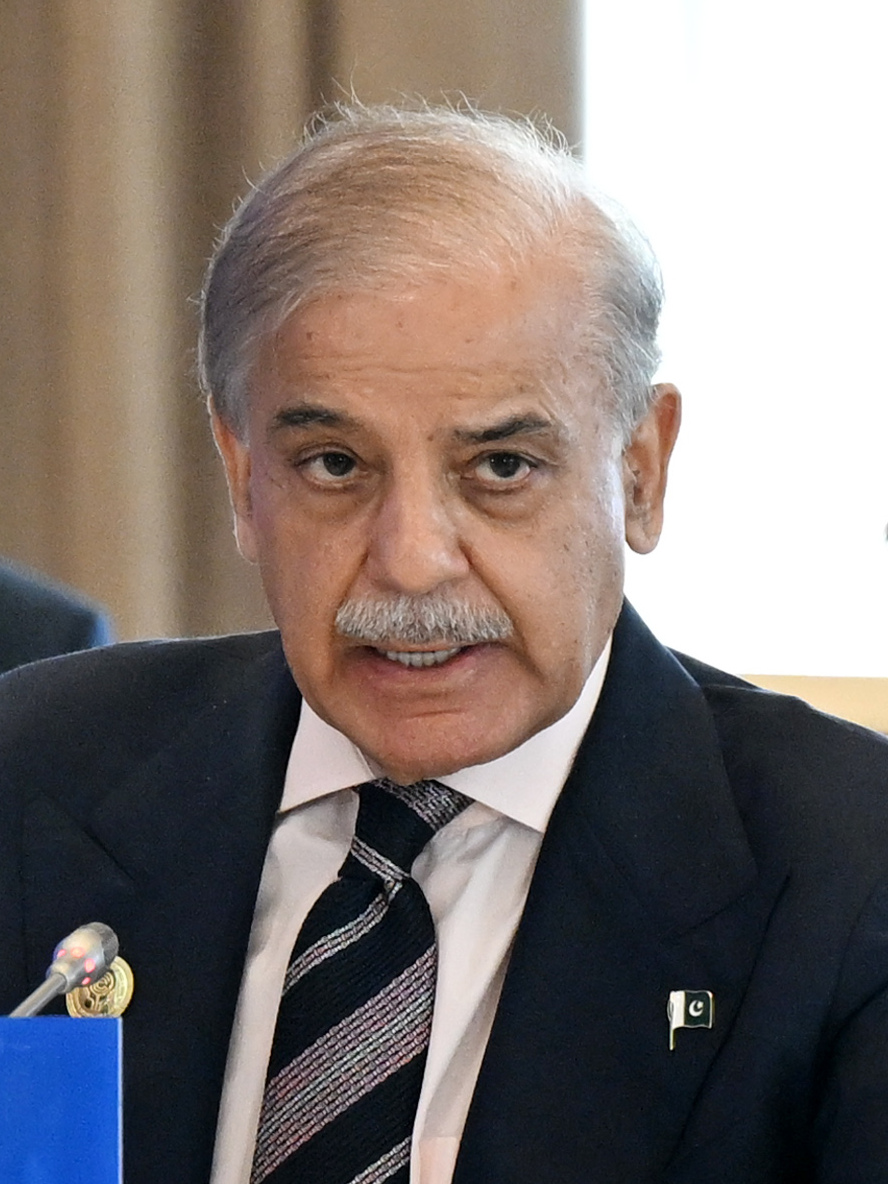
Three times Chief Minister of Pakistani Punjab, known for building Lahore's metro and roads, and Prime Minister of Pakistan from 2022.
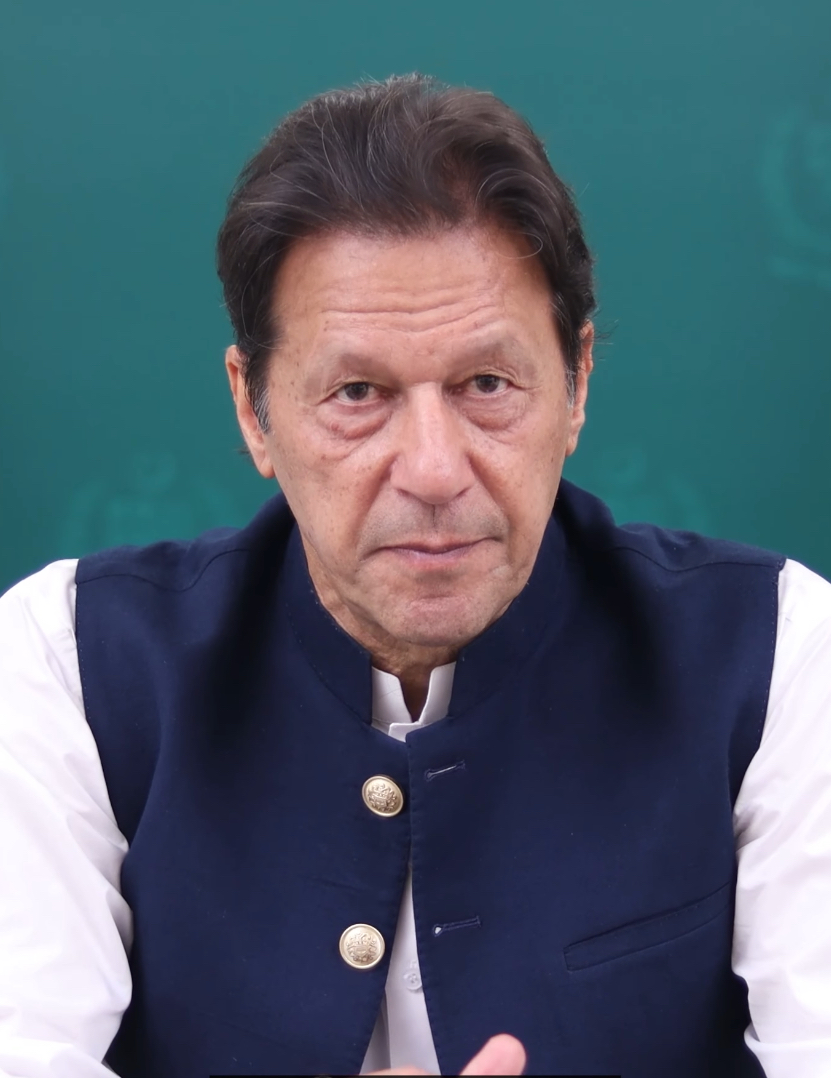
Lahore-born fast bowler and all-rounder who captained Pakistan to the 1992 World Cup, and later became Prime Minister.
Bank manager turned human rights investigator who found records of thousands of unidentified bodies secretly cremated by Punjab police. Abducted in 1995 and killed in custody.
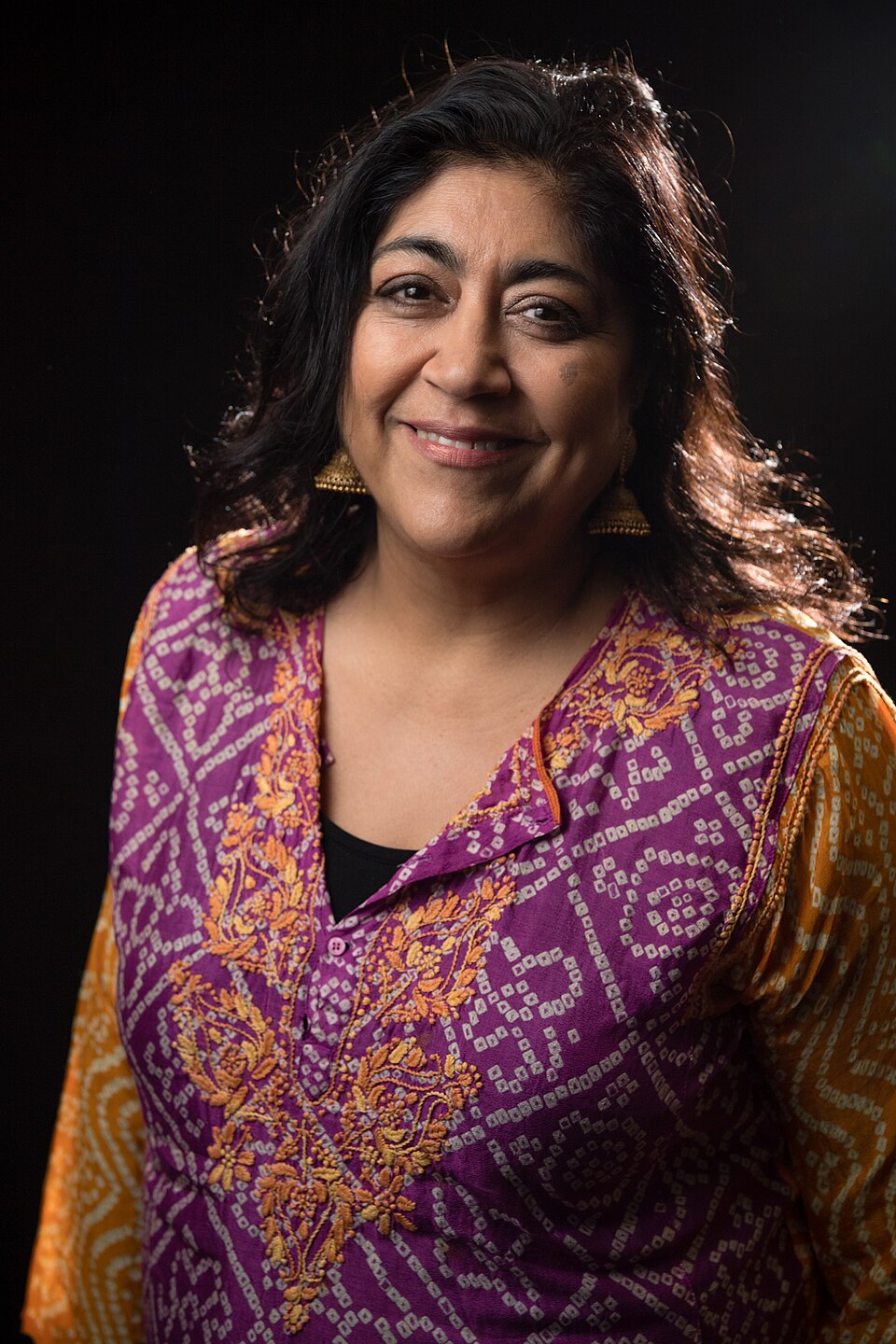
Film director raised in Southall whose Bend It Like Beckham showed Britain a Punjabi family on screen.
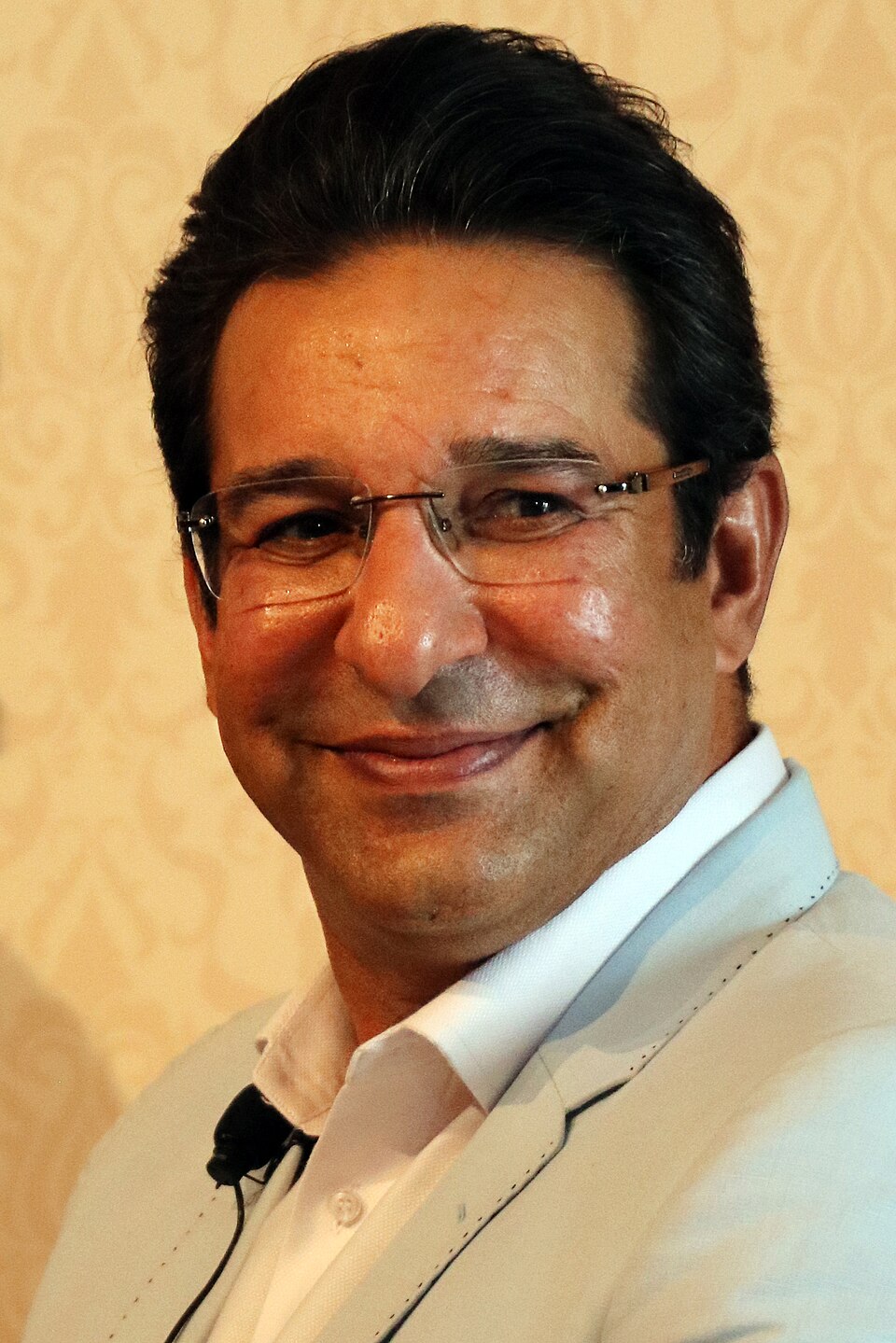
Left-arm fast bowler from Lahore, the 'Sultan of Swing', whose two balls in the 1992 World Cup final won Pakistan the trophy.
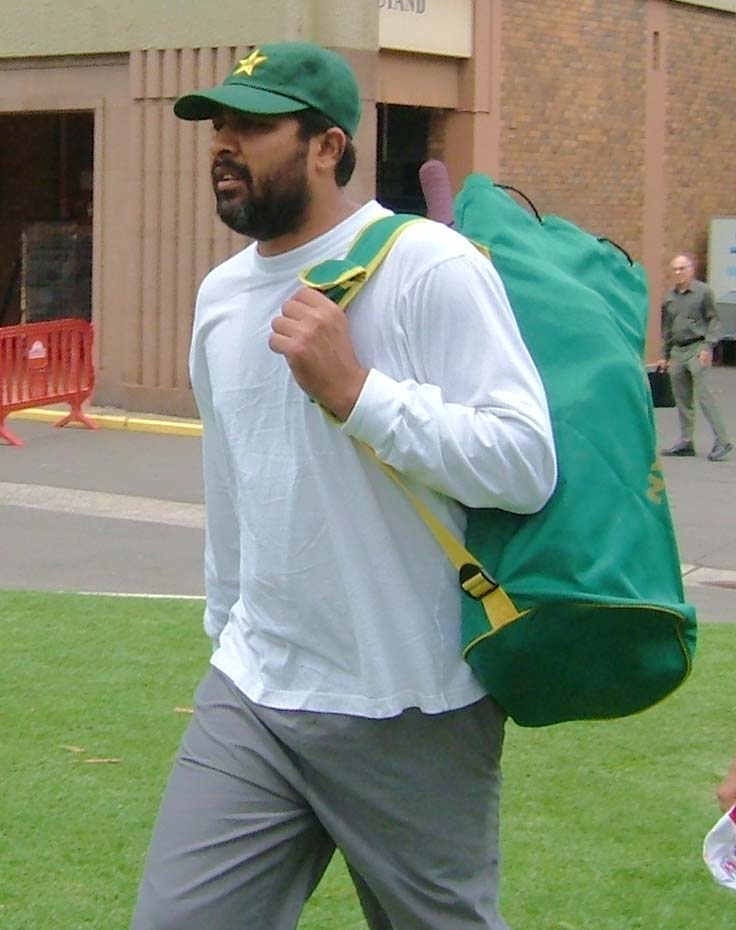
Batsman from Multan whose innings in the 1992 World Cup semi-final announced him, and who became Pakistan's captain.
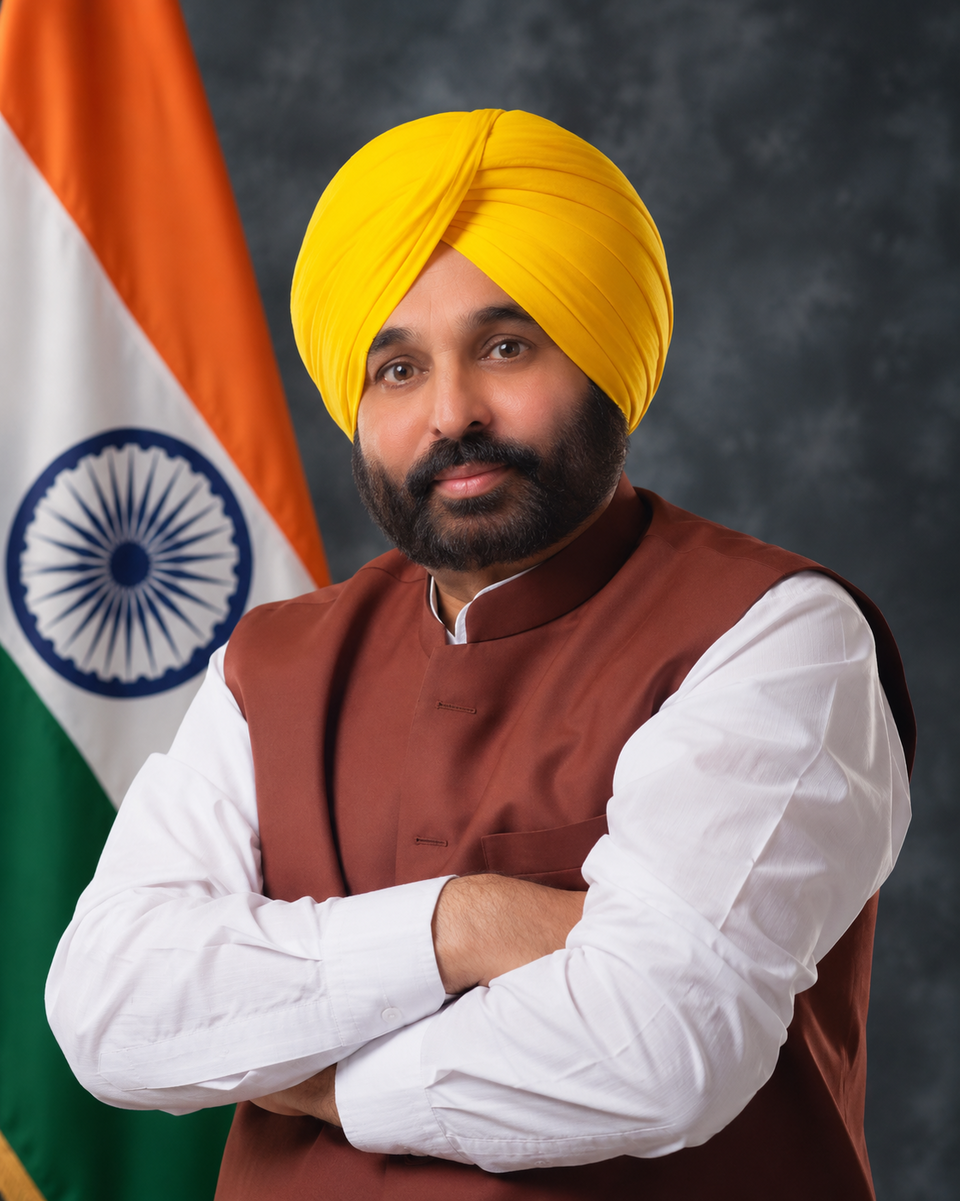
Comedian turned politician whose Aam Aadmi Party swept Punjab in 2022, ending decades of rule by the Congress and the Akali Dal.
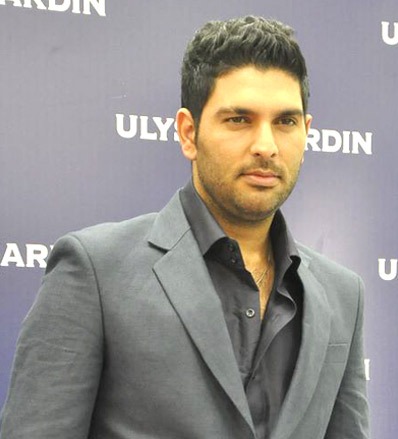
Batsman from Chandigarh who hit six sixes in an over in 2007 and was player of the tournament at the 2011 World Cup while ill with cancer.
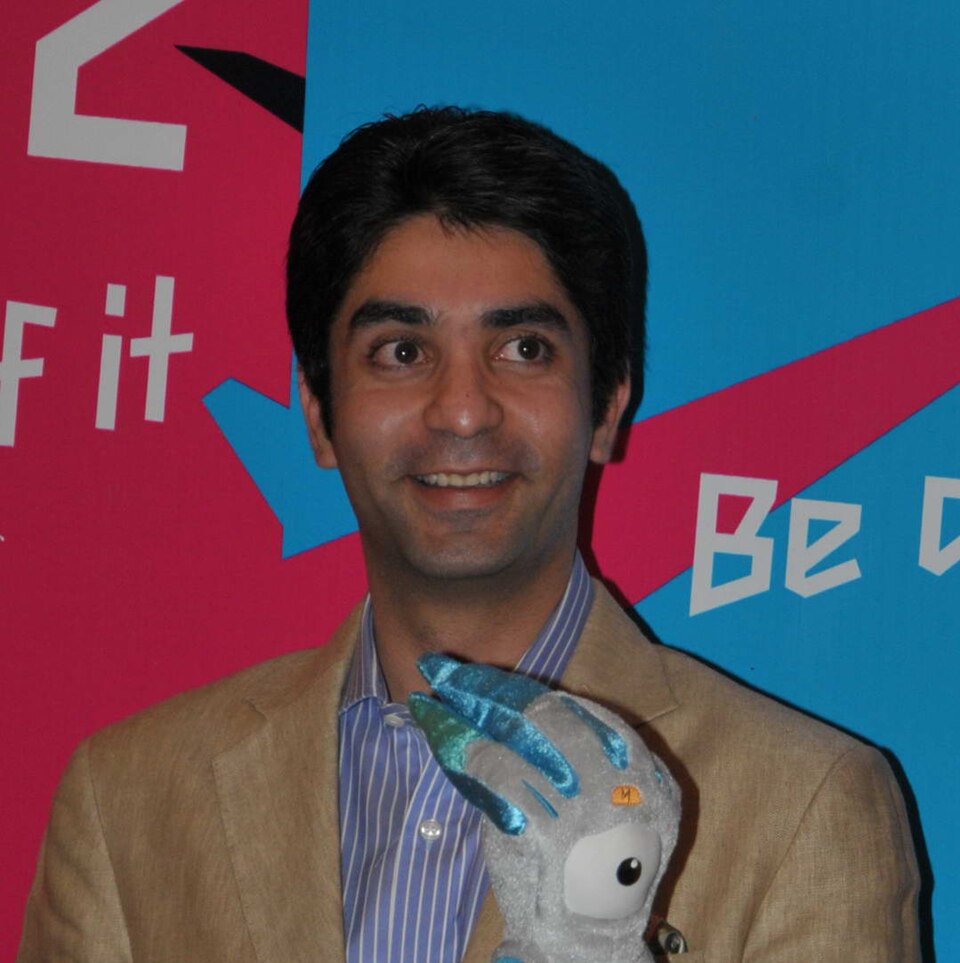
Shooter from a Punjabi family who won India's first individual Olympic gold medal, in the 10 metre air rifle at Beijing in 2008.
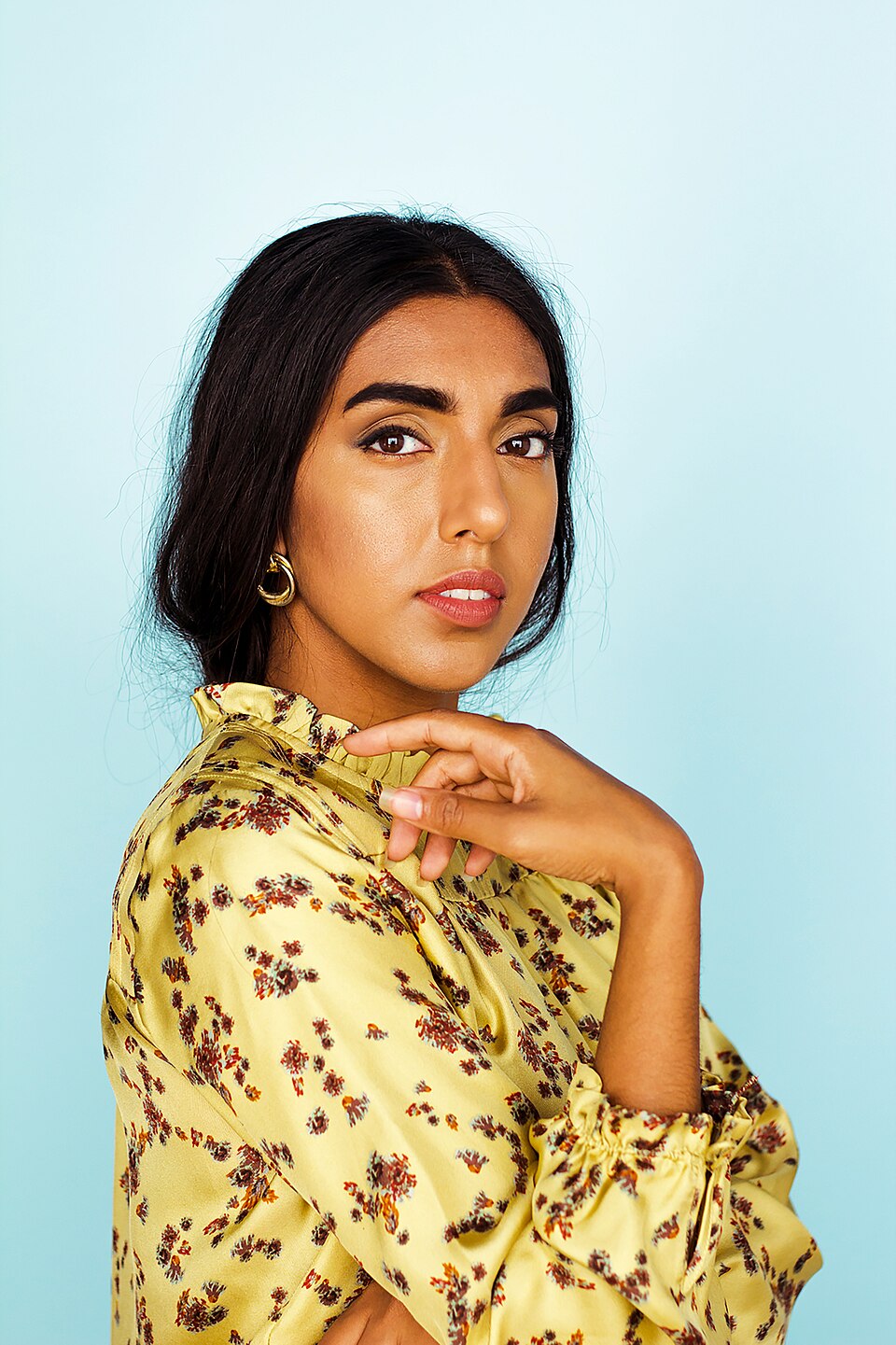
Poet born in Punjab and raised in Canada whose milk and honey became one of the best-selling poetry books of the century.
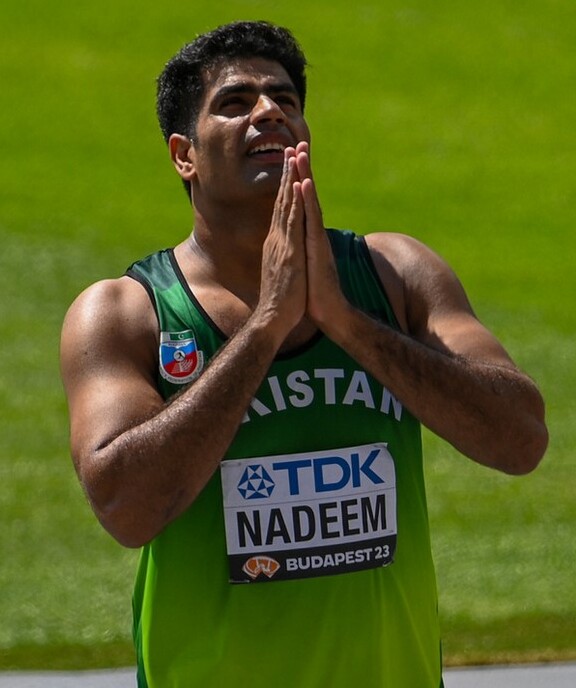
Javelin thrower from a village near Mian Channu who won Olympic gold in Paris in 2024 with an Olympic record of 92.97 metres.