West Punjab: Pakistan's heartland
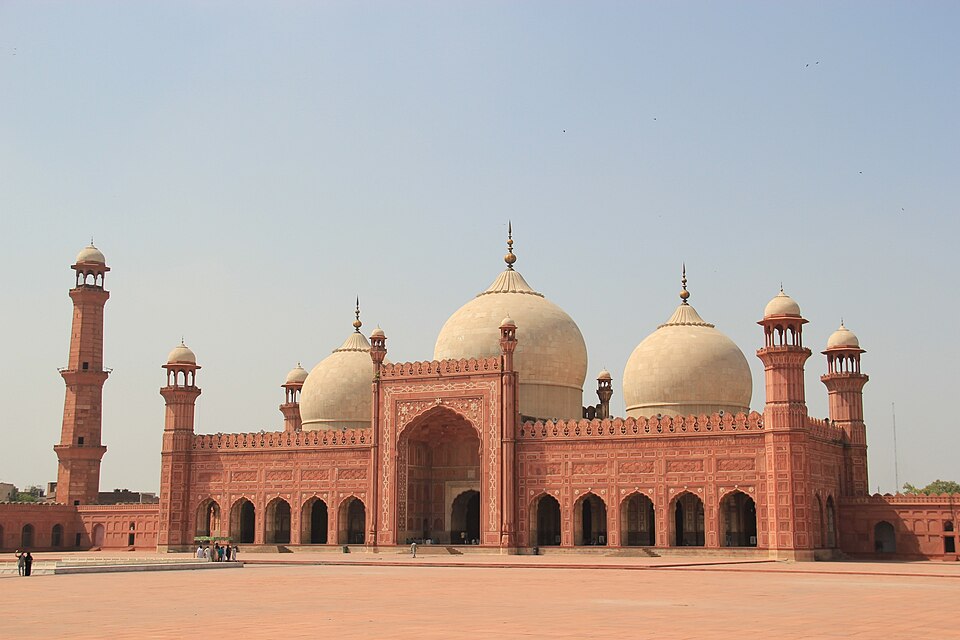 Unknown · Wikimedia
Pakistan's Punjab began in ruins: millions of refugees from the east, millions fled to India, Lahore half burned. Within a generation it had become the heart of the new country, holding more than half its people, most of its farms and factories and most of its army.
That weight has made the Punjab the province other Pakistanis love to blame. Its politics have swung between the army's generals, among them Zia-ul-Haq, born in Jalandhar, and the Sharif family of Lahore, whose party has governed the province for most of the years since 1985. In 2024 Maryam Nawaz became the first woman to lead it.
One Unit and the generals
From 1955 to 1970 the provinces of West Pakistan were merged into One Unit, ruled from Lahore, to balance the more populous East Pakistan. The smaller provinces saw it as Punjabi rule. General Ayub Khan's government began the great dams of the Indus Waters Treaty, Mangla on the Jhelum and Tarbela on the Indus, and the Green Revolution reached the Punjab's canal colonies.
Zulfikar Ali Bhutto, a Sindhi, won the Punjab's votes in 1970 with the promise of bread, clothing and shelter. In 1977 Zia-ul-Haq overthrew him and ruled for eleven years; it was under Zia that the young Nawaz Sharif rose in Lahore.
The Sharifs' Punjab
Nawaz Sharif was Chief Minister from 1985 to 1990 and then Prime Minister three times; his brother Shehbaz ran the province for most of 2008-18, building motorways, the Lahore metro and power plants. Their rivals, the Pakistan People's Party and then Imran Khan's Tehreek-e-Insaf, won the province's votes for spells, and Imran Khan's party governed it from 2018 to 2022.
Language at home
Most people of Pakistani Punjab speak Punjabi at home, but it has never been taught as a main language in its schools: Urdu and English are the languages of school and office. Writers and campaigners have long asked for Punjabi in Shahmukhi to be taught, and in the south a movement asks for a separate Seraiki province.
The two Punjabs today
Side by sidePakistan: 2023 census. India: 2011 census, the last held; the next is due in 2027. Pakistan's Punjab has over four times the land and people of India's, and more than half of all Pakistanis live in it.