Partition
 Unknown · Wikimedia
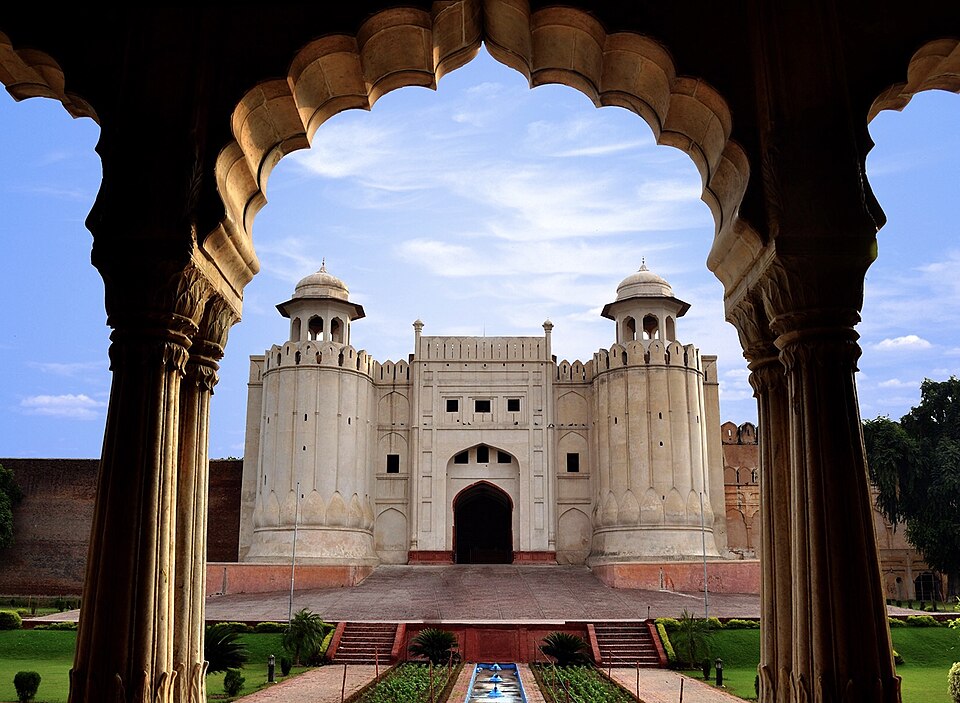
The Radcliffe line, announced two days after independence, cut the Punjab between Lahore and Amritsar. Some ten million people fled across it, Muslims west and Hindus and Sikhs east, and perhaps half a million to two million were killed: whole trains, villages and families. At Thoa Khalsa women threw themselves into a well rather than be taken; at Malerkotla, alone among the towns of East Punjab, Muslims were spared.
Amrita Pritam called on Waris Shah to rise from his grave; Manto wrote Toba Tek Singh; Faiz wrote that this was not the dawn they had longed for. Both Punjabs still carry the grief.
March in Rawalpindi
The killing began before the line was drawn. After Khizar Hayat Tiwana's government fell on 2 March 1947, riots broke out in Lahore, Amritsar and Multan, and in the villages around Rawalpindi armed mobs attacked Sikh and Hindu families. At Thoa Khalsa ninety women jumped into a well rather than be taken. Thousands died in the Rawalpindi villages that March, and the survivors' stories went east ahead of them.
The trains
Mountbatten brought independence forward to 15 August, and the boundary was published only two days later. In the weeks that followed, trains of refugees crossing between Lahore and Amritsar were stopped and their passengers killed, and arrived at the other end carrying only the dead. Revenge answered revenge on both sides of the new border, and foot columns hundreds of thousands strong walked for weeks along the roads.
People
Who decided, who led, who drew the line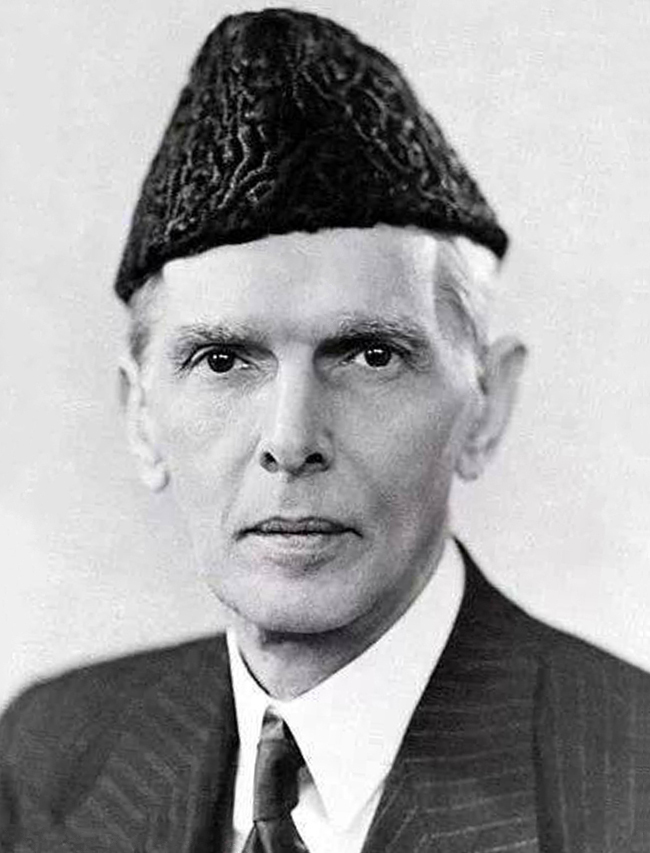
Leader of the Muslim League and founder of Pakistan, whose Lahore Resolution of 1940 asked for separate Muslim states.
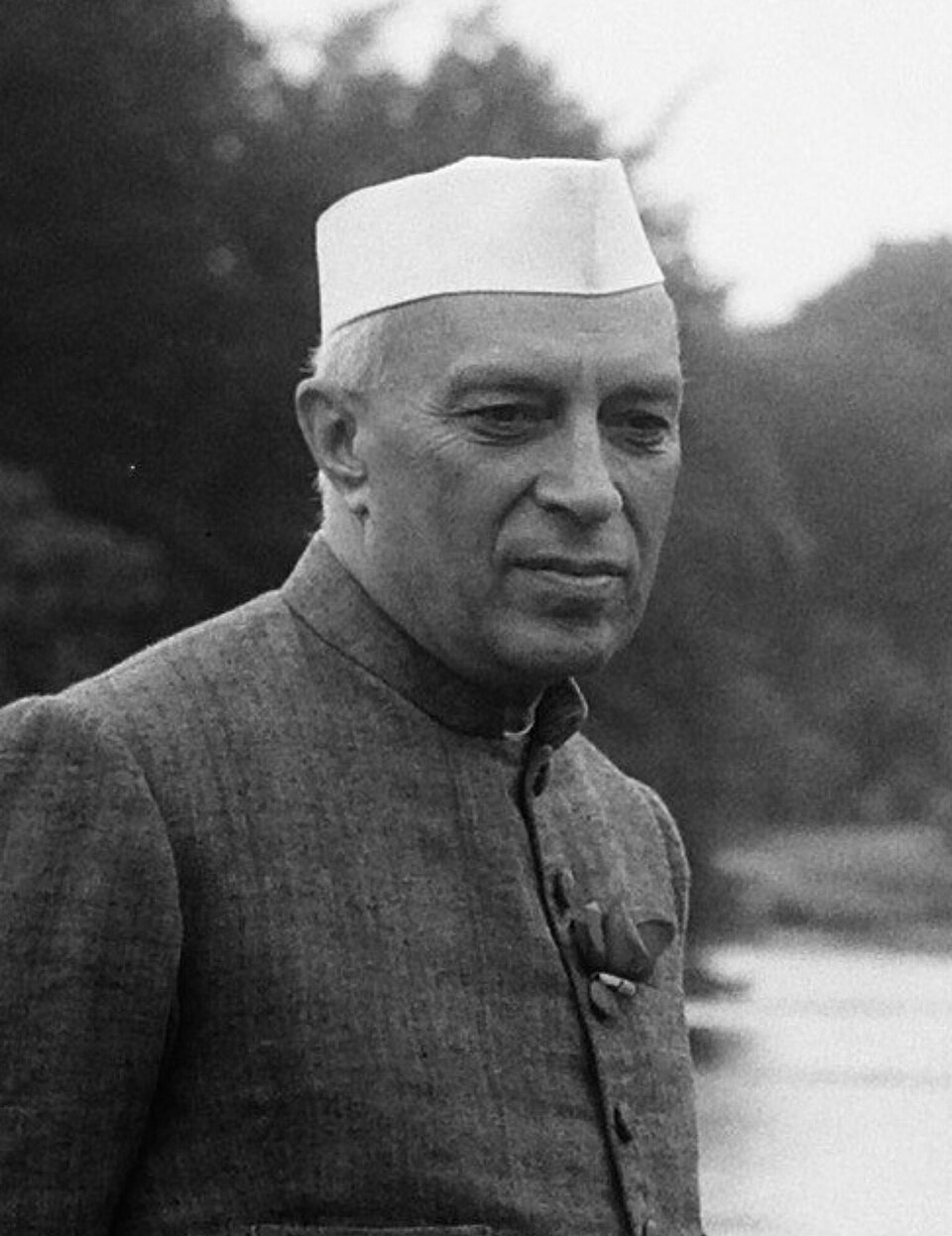
India's first Prime Minister, who declared the goal of full independence on the banks of the Ravi at Lahore in 1929.
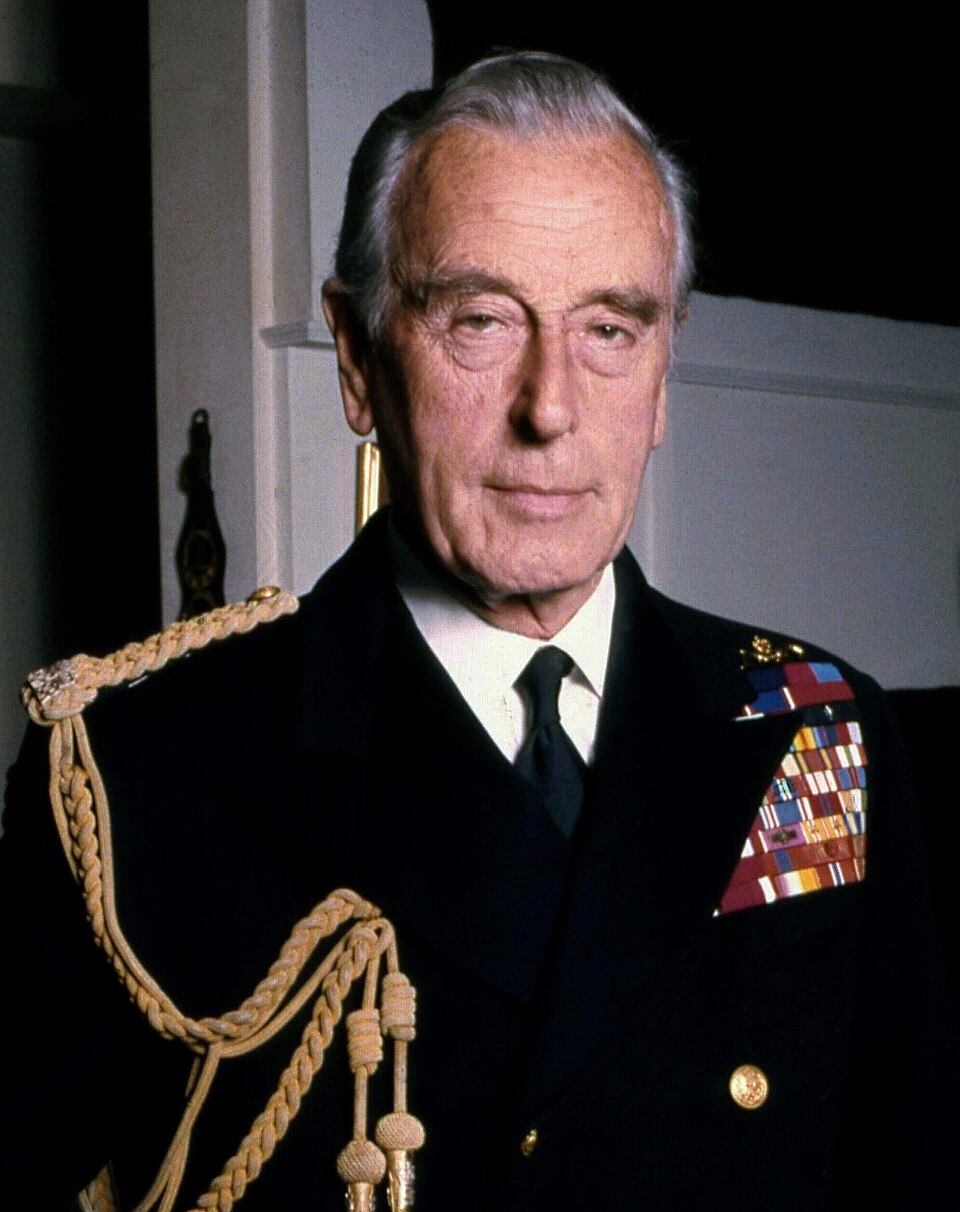
The last Viceroy of India, who brought independence forward to 15 August 1947 and kept the Punjab boundary secret until two days after it.
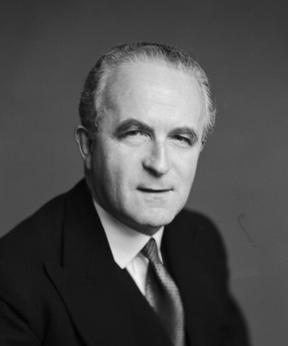
The British lawyer who drew the line through the Punjab in five weeks, having never been to India before.
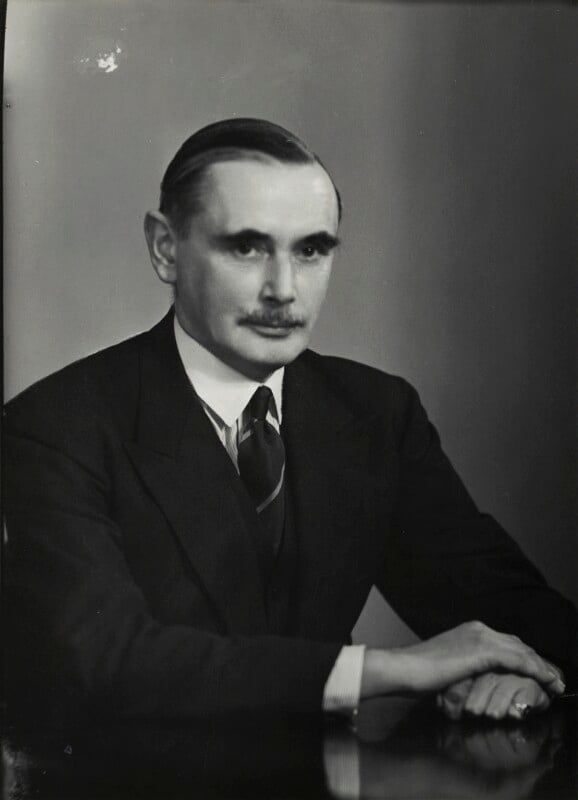
The last British Governor of the Punjab, who ruled it directly from March to August 1947.
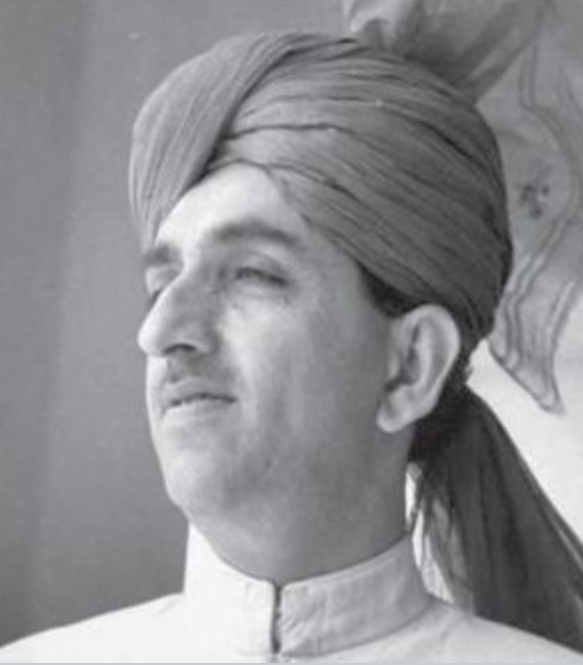
The last Premier of undivided Punjab, who held Muslims, Hindus and Sikhs together in one government until March 1947.
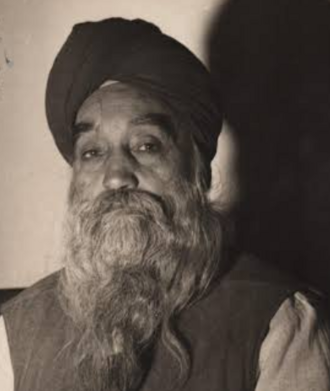
Leader of the Akali Dal for four decades, through the gurdwara reform movement, Partition and the campaign for a Punjabi-speaking state.
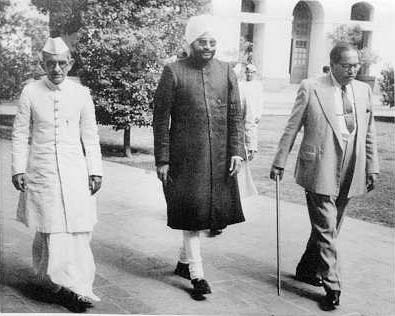
The Sikh leader who spoke for the Panth in the negotiations of 1946–47 and became India's first Defence Minister.
The Nawab of Mamdot, Muslim League leader in the Punjab and first Chief Minister of West Punjab.
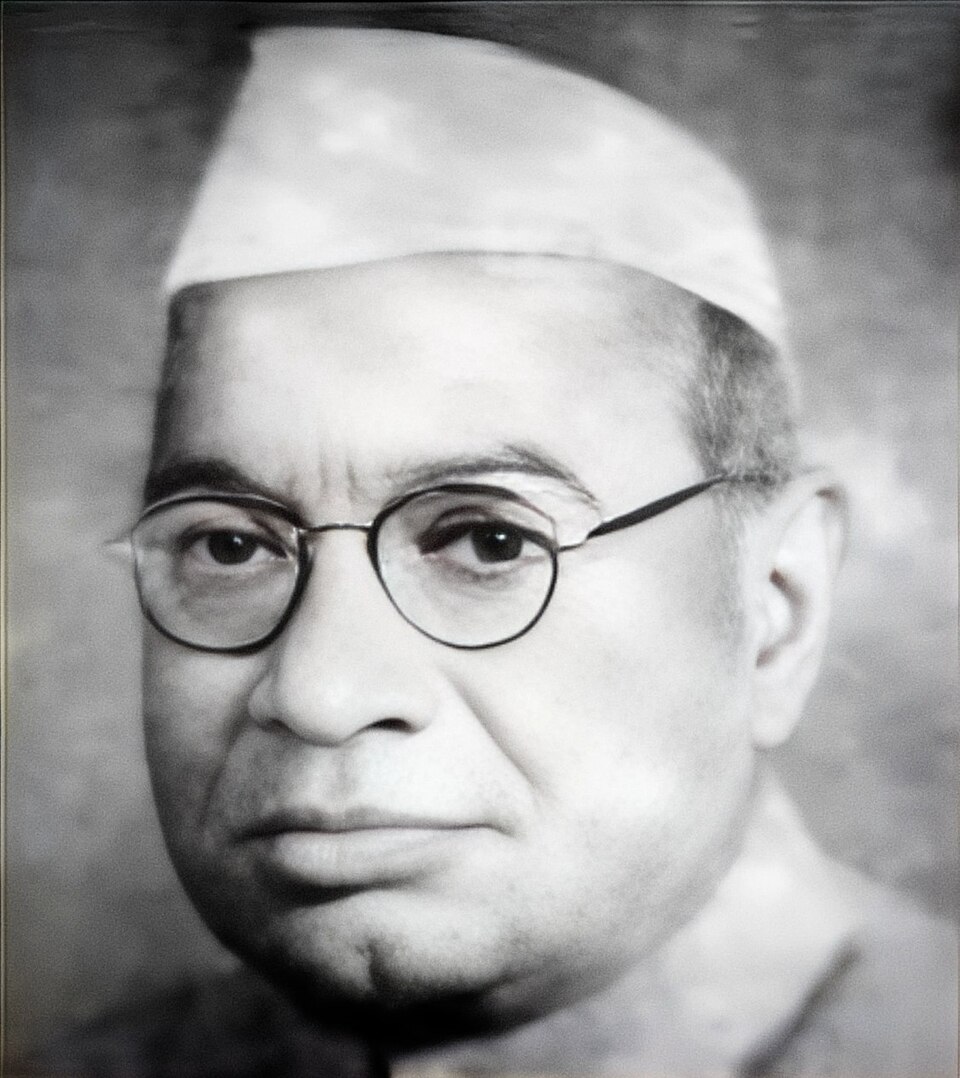
The Congress leader who became the first Chief Minister of East Punjab in August 1947.
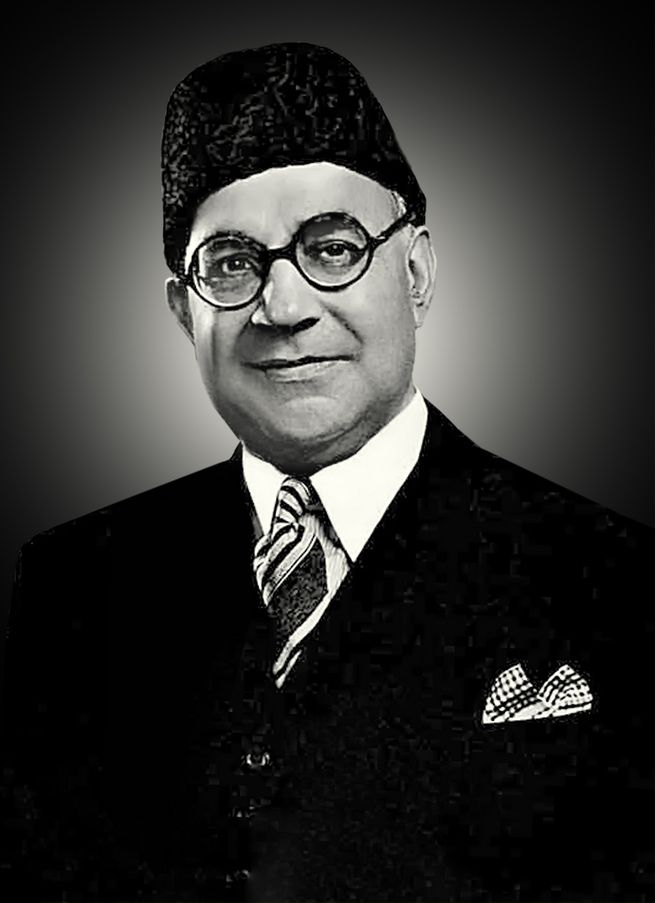
Pakistan's first Prime Minister, born at Karnal in the east of the Punjab, assassinated at Rawalpindi in 1951.
Where the line fell
Faith by district, 1941 censusHow the Punjab was divided
1858 – todayTwelve million on the move
Who crossed, and where toThe full story of Partition
The line, the killing, the crossing, the memoryIn August 1947 the Punjab was cut in two. Some ten million people crossed the new border, and hundreds of thousands were killed, perhaps far more. Every family on both sides carries some part of the story.
The line
The British announced in June 1947 that India would be divided and power handed over by 15 August. A boundary commission under Sir Cyril Radcliffe, a lawyer who had never been to India, was given five weeks to divide the Punjab and Bengal. His award was published on 17 August, two days after independence.
The line followed district and tahsil boundaries, giving Lahore to Pakistan and Amritsar and most of the Gurdaspur district to India. It cut through villages, canal systems and Sikh holy places: Nankana Sahib and Kartarpur were left in Pakistan.
The killing
Violence had begun months earlier. In March 1947 riots in Rawalpindi and its villages killed thousands of Sikhs and Hindus, and at Thoa Khalsa women jumped into a well rather than be taken. In Amritsar the Hall Bazaar burned; in Lahore the Shah Alami bazaar was set on fire in June.
In August and September the killing became an organised slaughter on both sides: armed bands attacked villages and refugee columns, and trains arrived at Lahore and Amritsar full of the dead. Estimates of the dead in the Punjab range from about two hundred thousand to a million or more.
Crossing
Some ten million people crossed the Punjab border, Muslims west and Hindus and Sikhs east, in one of the largest migrations in history. Columns of bullock carts tens of miles long moved along the roads; others came by train or on foot. They were settled in the houses and land of those who had fled the other way.
Women suffered most. Tens of thousands were abducted on both sides, and India and Pakistan later ran a recovery operation that often forced women back to families who did not want them. Their stories were told only decades later.
Those who refused
Not everyone killed. Malerkotla, the Muslim-ruled state in East Punjab whose nawab had spoken up for Guru Gobind Singh's sons in 1705, was left in peace. Many Muslims, Hindus and Sikhs hid and saved their neighbours, and these stories too are remembered in both Punjabs.
Memory
Partition was written about almost at once: Amrita Pritam's 'Ajj Aakhaan Waris Shah Nu', Faiz's 'Subh-e-Azadi', Manto's stories, Khushwant Singh's Train to Pakistan (1956) and Bhisham Sahni's Tamas, set in Rawalpindi. Families spoke of it less.
Since the 2000s oral history projects such as the 1947 Partition Archive have recorded thousands of witnesses, and the Partition Museum in Amritsar's Town Hall opened in 2016. Every evening at Wagah and Attari, soldiers of both countries lower their flags at the border that 1947 made.
Sources: Ishtiaq Ahmed, The Punjab Bloodied, Partitioned and Cleansed (2011); Yasmin Khan, The Great Partition (2007); Urvashi Butalia, The Other Side of Silence (1998); 1947 Partition Archive; Wikipedia.