Reformers and politicians
Reformers, campaigners and the politicians who have governed the two Punjabs.
Colonial Punjab
1849 – 1947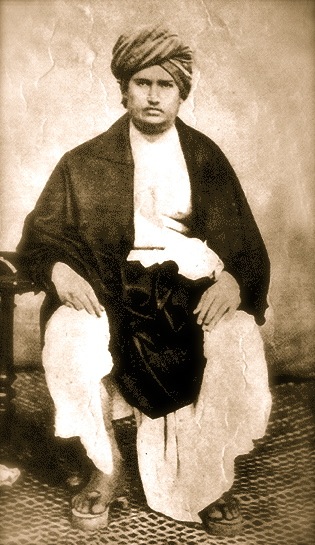
Founder of the Arya Samaj in 1875. His movement found its strongest support in Punjab, where it founded the DAV colleges.
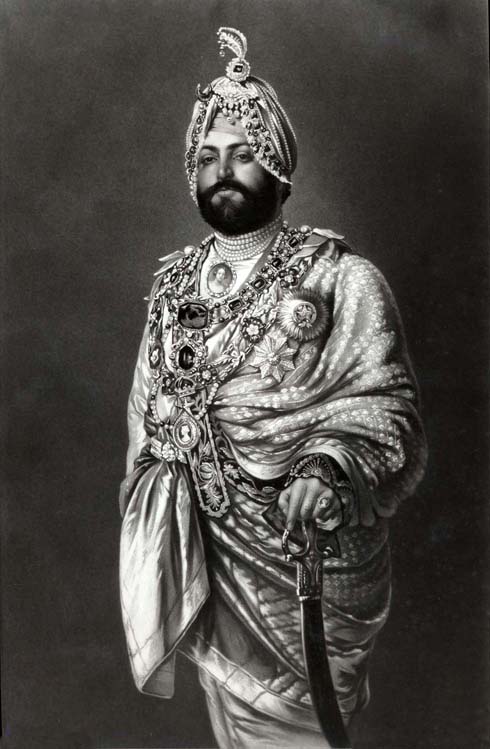
Last Maharaja of the Sikh Empire. Deposed at ten in 1849, separated from his mother, converted to Christianity and taken to England. The Koh-i-Noor passed to Queen Victoria.
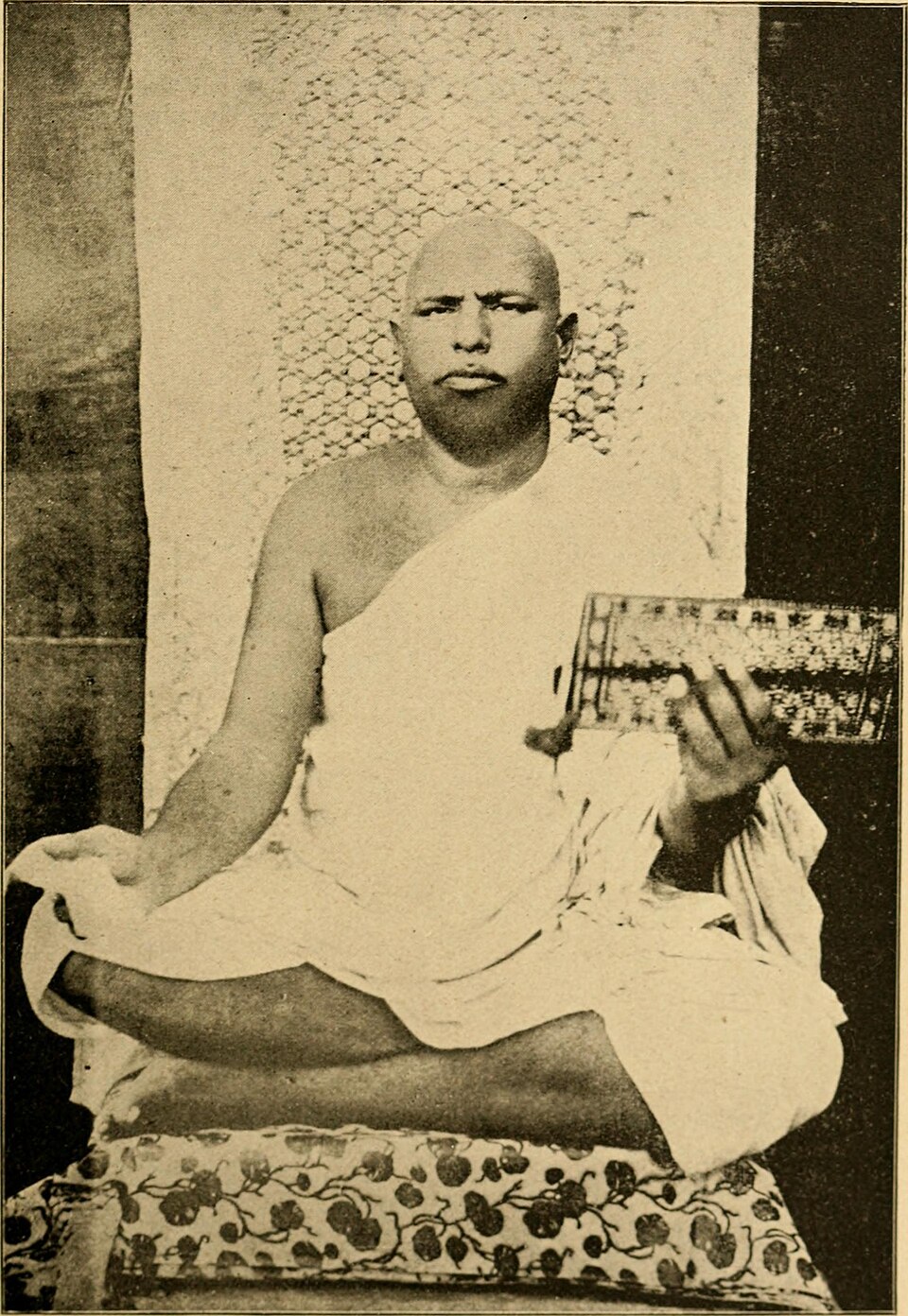
Jain monk born near Ferozepur who revived the Svetambara order in the Punjab; his samadhi stands at Gujranwala.
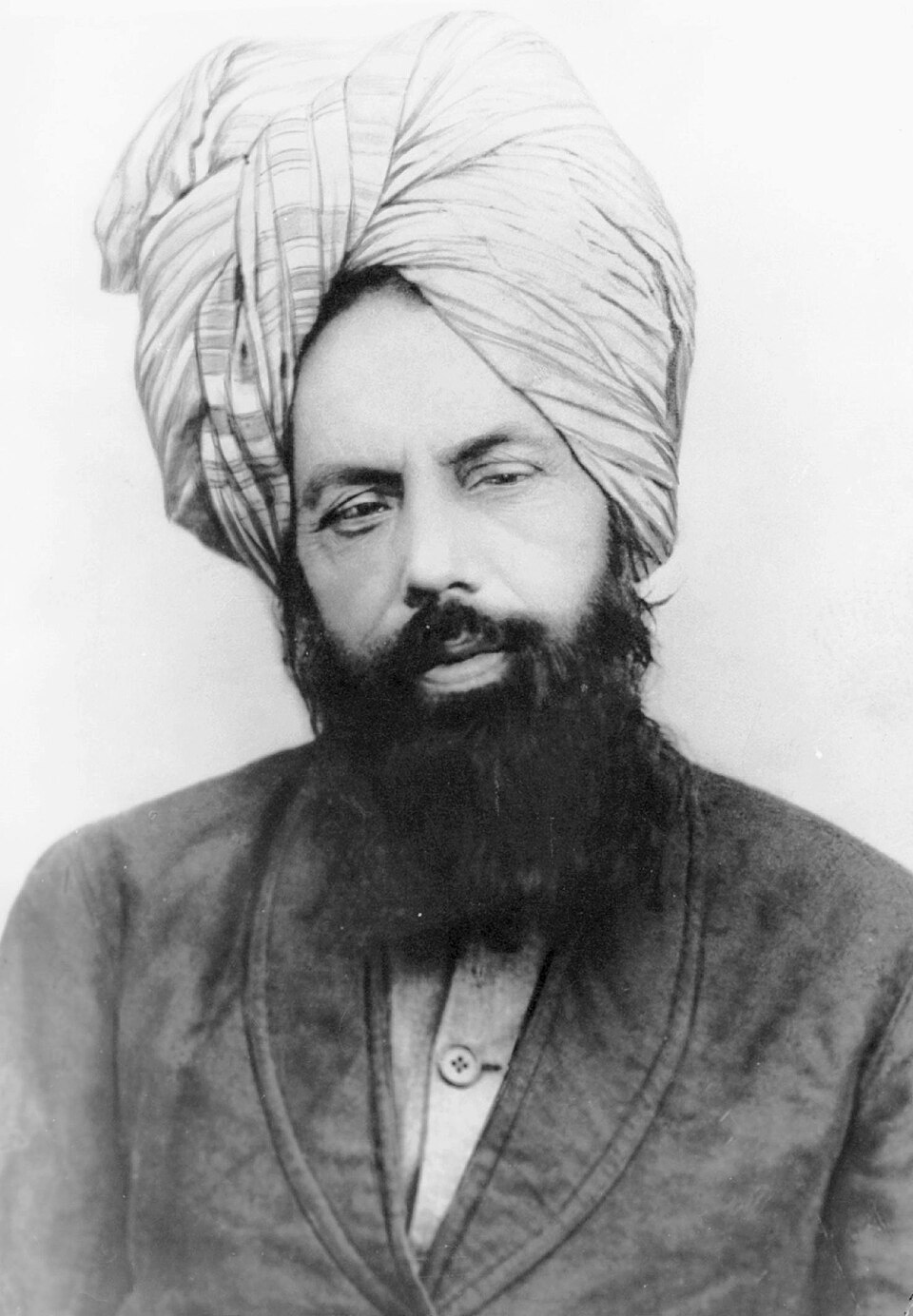
Founder of the Ahmadiyya movement at Qadian in Gurdaspur district in 1889. Ahmadis consider themselves Muslims; Pakistan declared them non-Muslims in 1974.
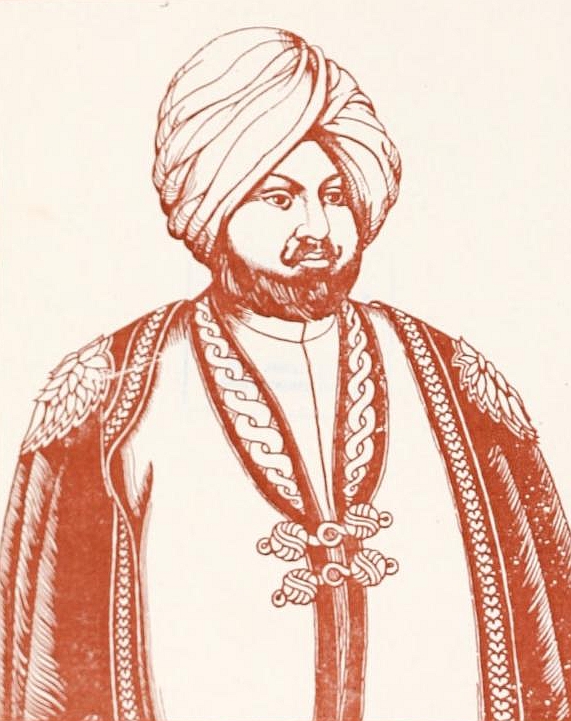
Lahore patron who founded The Tribune newspaper and was the first chairman of the Punjab National Bank, and left his fortune to a college and a library.
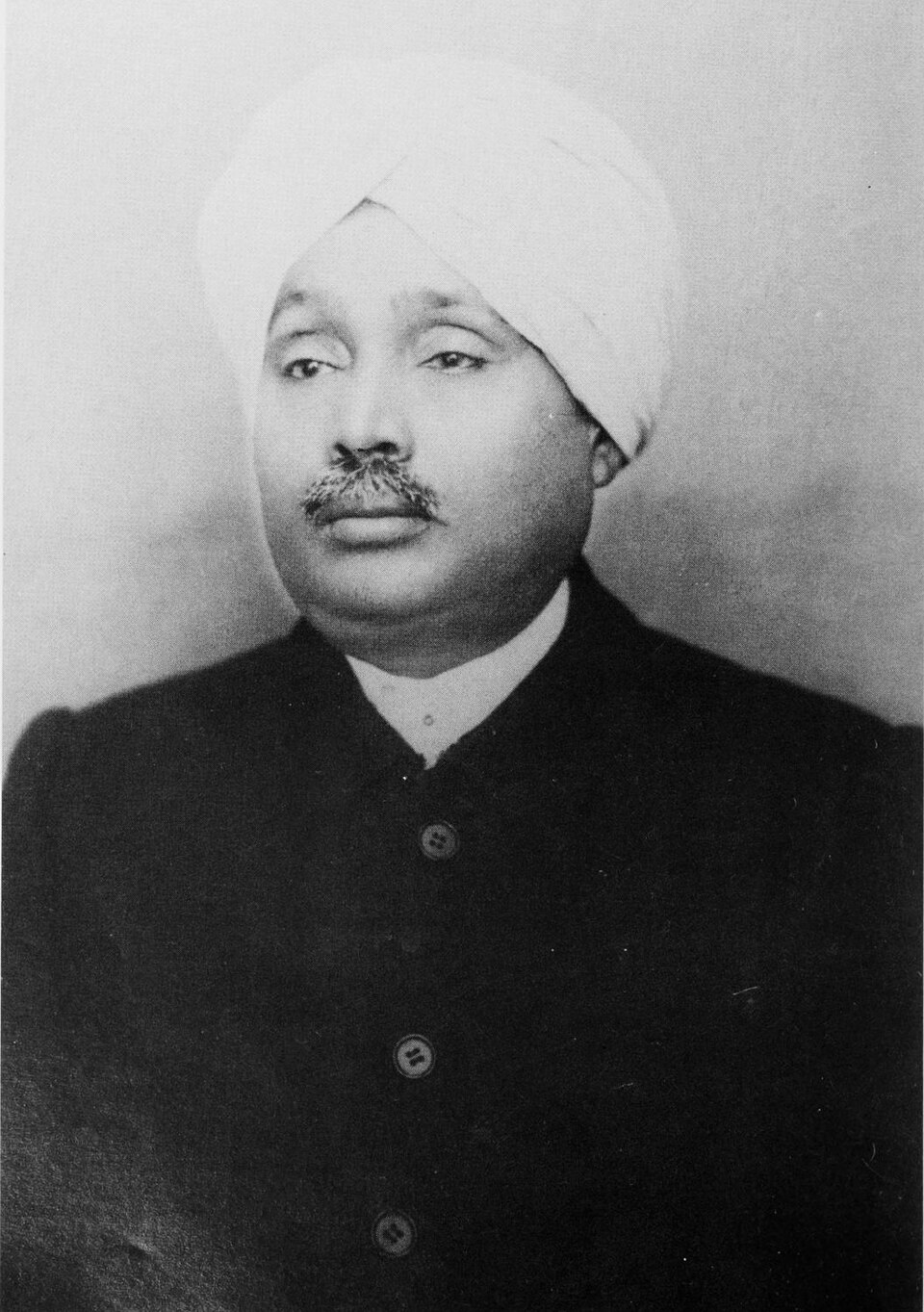
The 'Lion of Punjab' of the independence movement. Beaten by police at a protest against the Simon Commission in Lahore in 1928, he died weeks later.
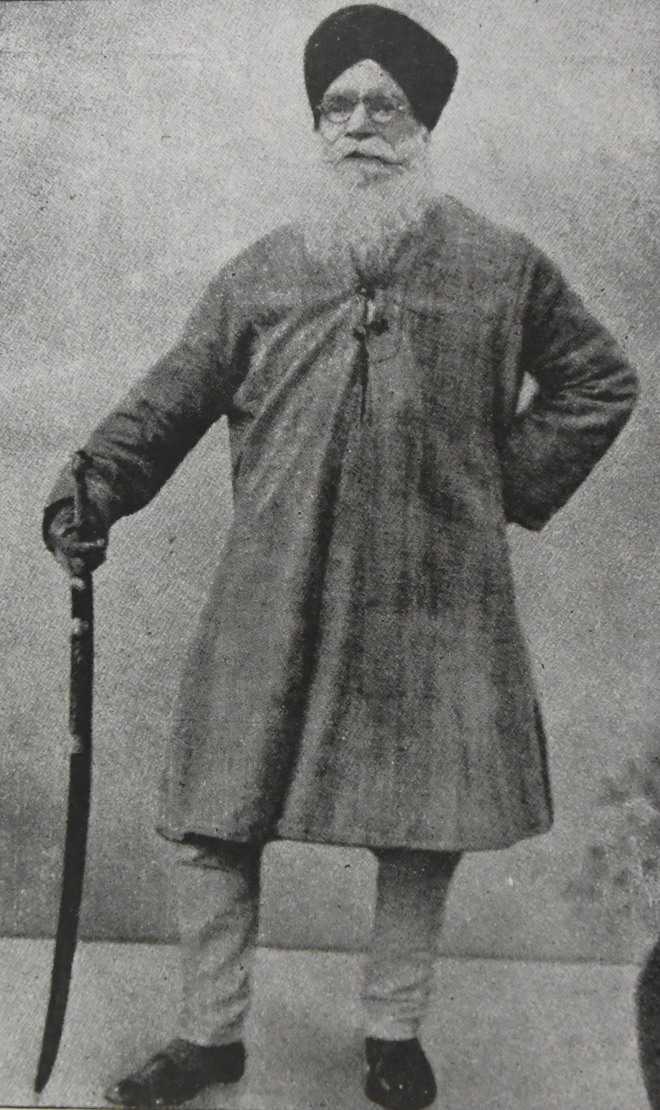
First president of the SGPC, who led the 'Keys Affair' of 1921 forcing the British to return the keys of the Harmandir Sahib treasury.
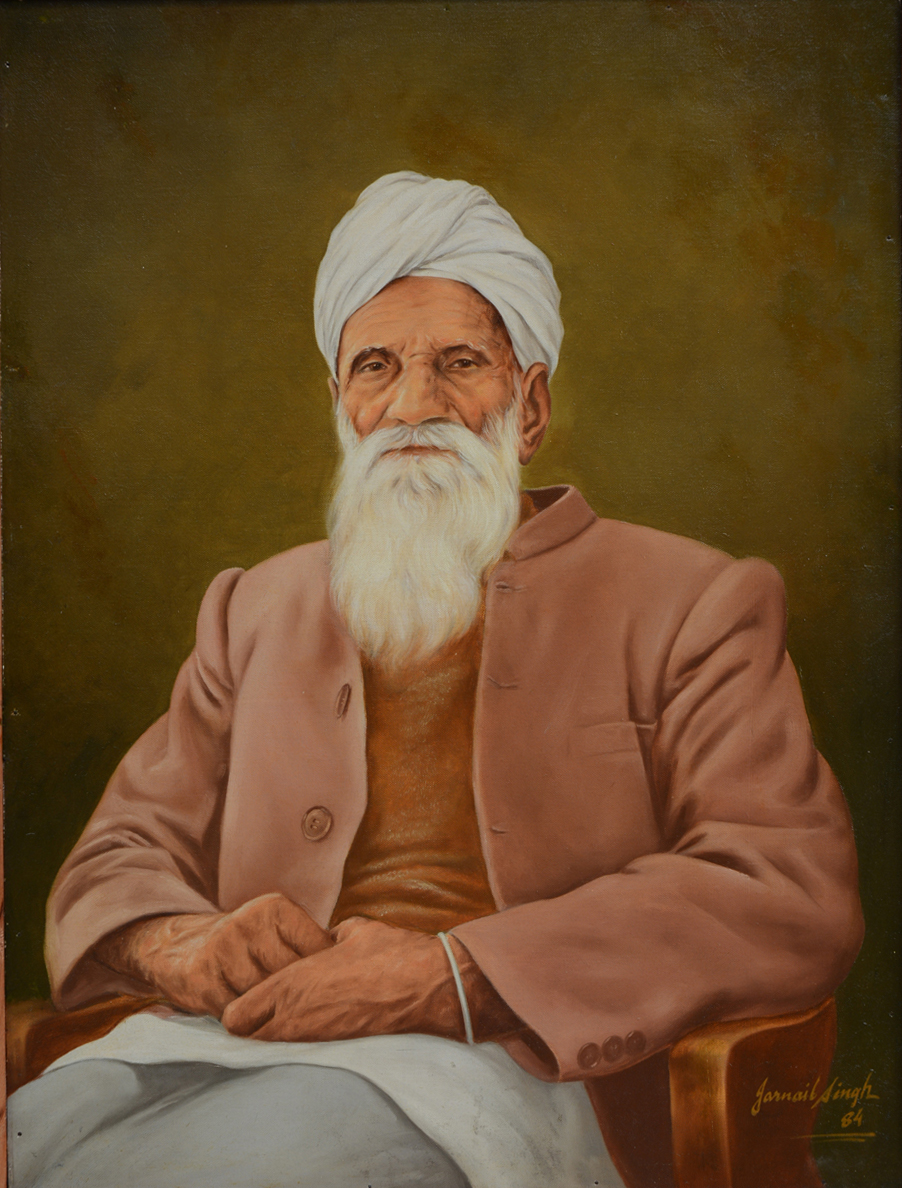
Founding president of the Ghadar Party in America in 1913. Sentenced to death after the failed rising, he spent sixteen years in prison.
Lahore lawyer who founded the Unionist Party in 1923, uniting Muslim, Hindu and Sikh farmers of the Punjab against the moneylender and the communal parties.
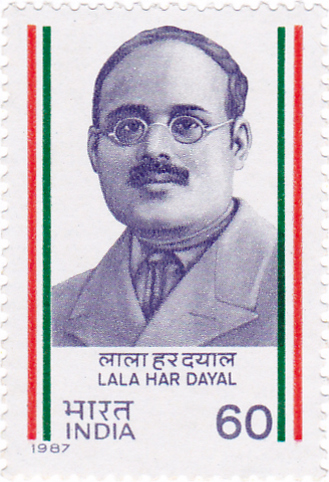
Scholar who left Oxford to organise Punjabi migrants in San Francisco and helped found the Ghadar Party.
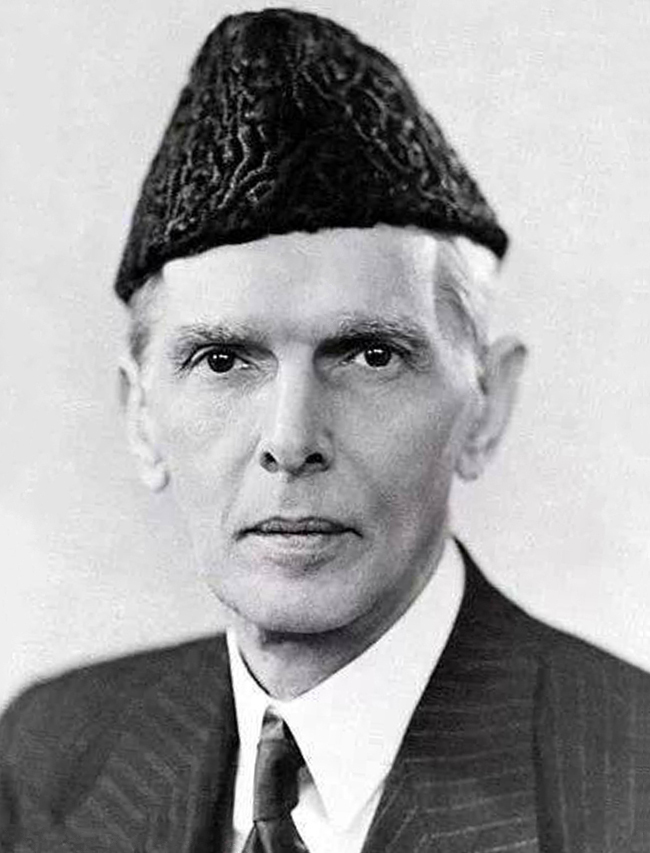
Leader of the Muslim League and founder of Pakistan, whose Lahore Resolution of 1940 asked for separate Muslim states.
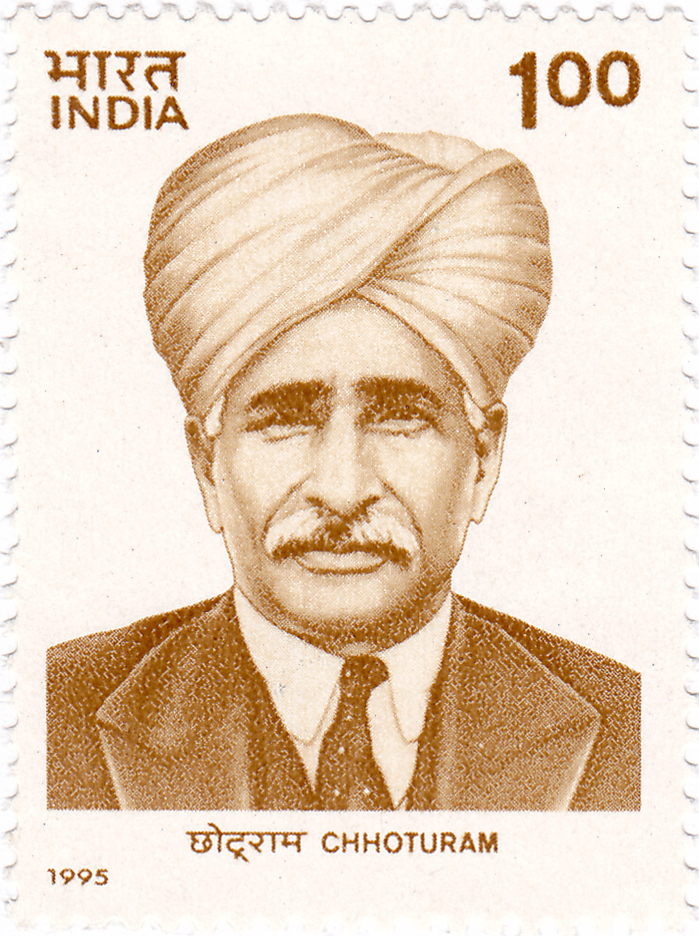
Jat leader from Rohtak and co-founder of the Unionist Party, whose debt and land laws freed the peasants of the Punjab from the moneylender.
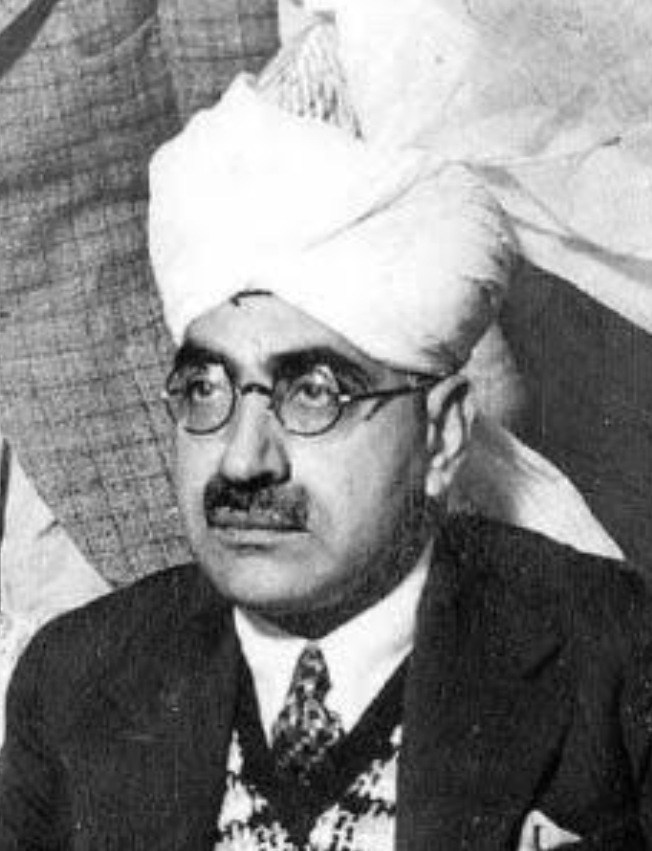
Premier of the Punjab from 1937 to 1942, who led a Unionist government of Muslims, Hindus and Sikhs.
Leader of the Akali Dal for four decades, through the gurdwara reform movement, Partition and the campaign for a Punjabi-speaking state.
Ghadar revolutionary who came home to found the Ad-Dharm movement of Punjab's Dalits in 1926.
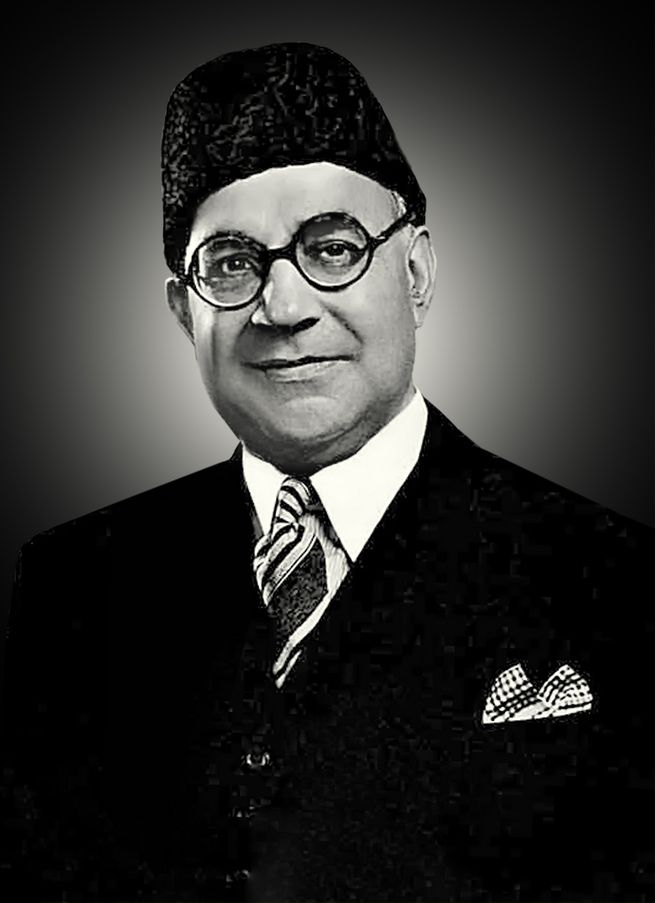
Pakistan's first Prime Minister, born at Karnal in the east of the Punjab, assassinated at Rawalpindi in 1951.
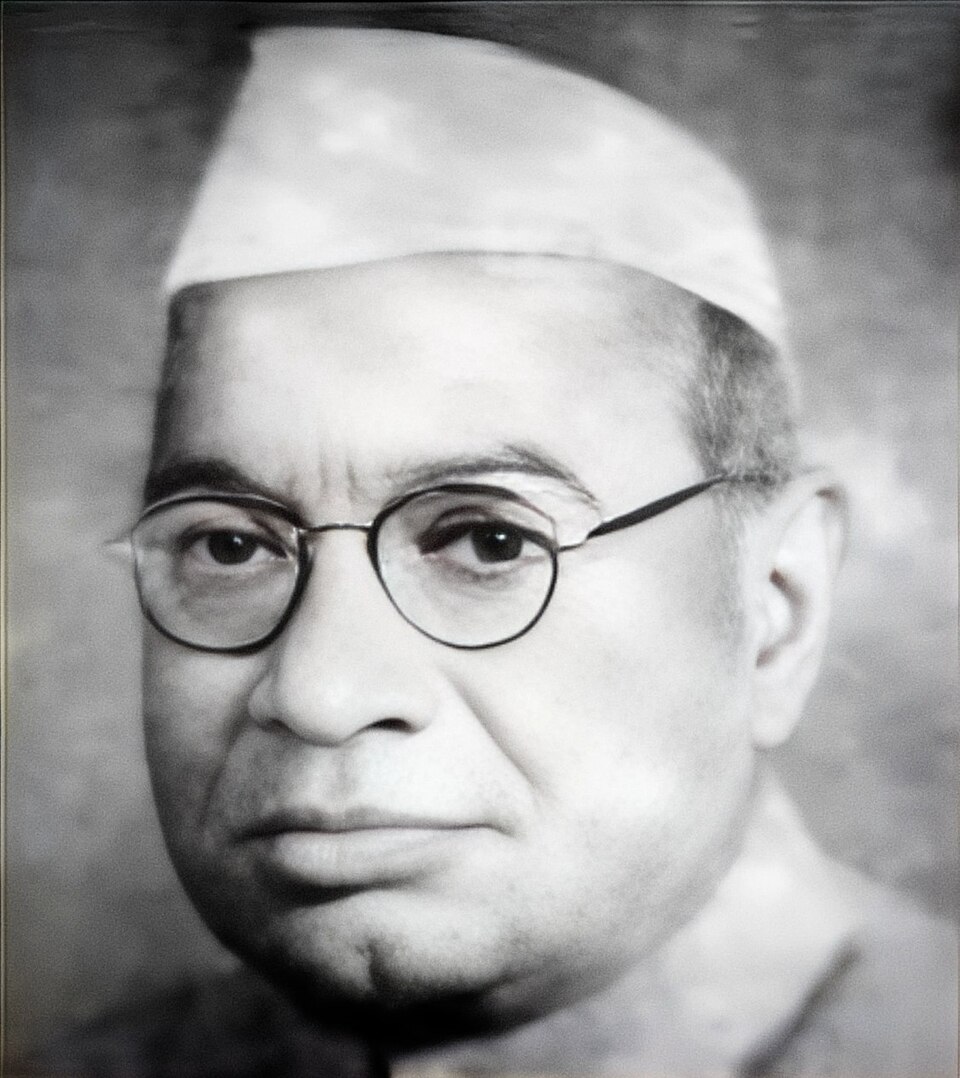
The Congress leader who became the first Chief Minister of East Punjab in August 1947.
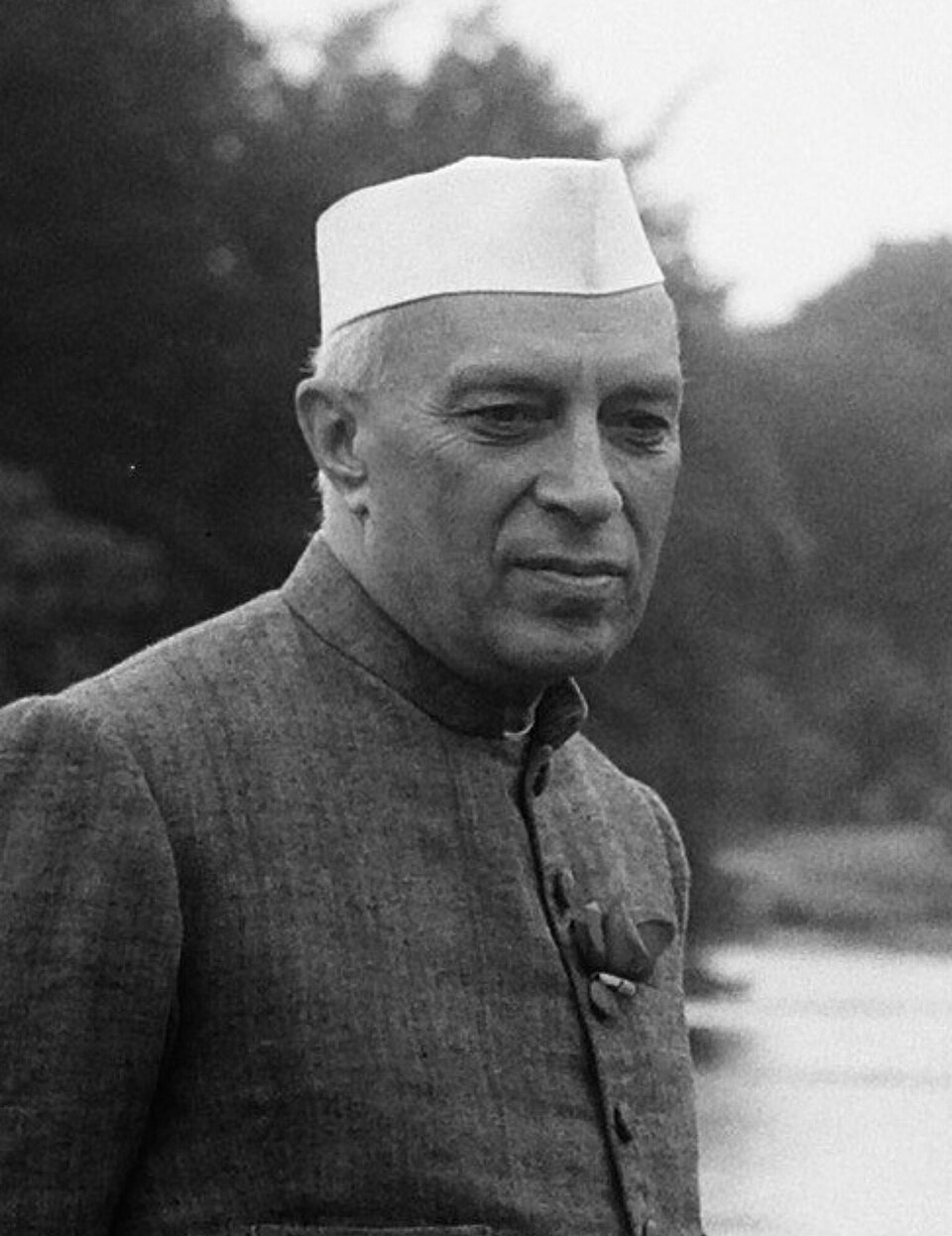
India's first Prime Minister, who declared the goal of full independence on the banks of the Ravi at Lahore in 1929.
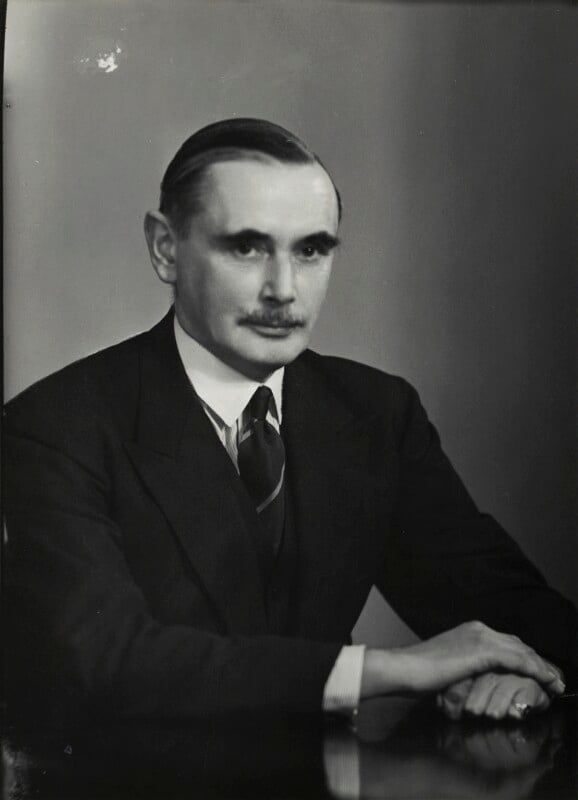
The last British Governor of the Punjab, who ruled it directly from March to August 1947.
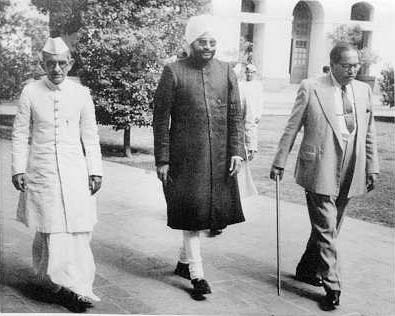
The Sikh leader who spoke for the Panth in the negotiations of 1946–47 and became India's first Defence Minister.
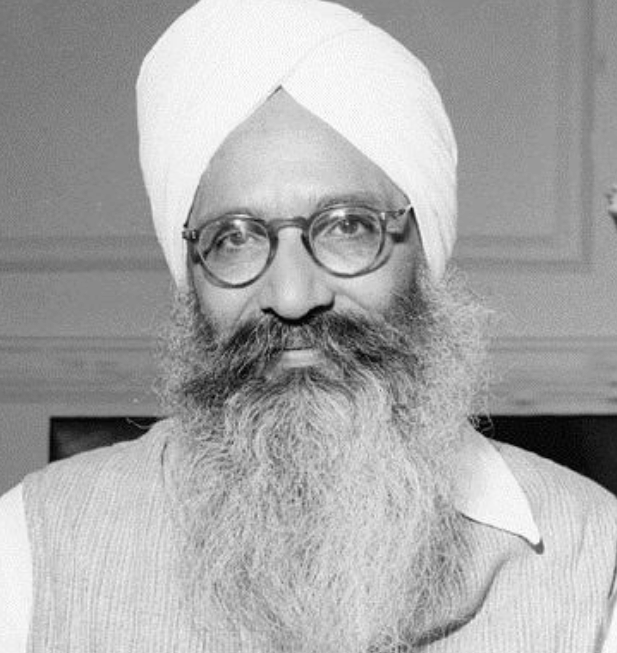
Chief Minister of Punjab from 1956 to 1964 who drove the building of roads, canals, Punjab Agricultural University and the groundwork of the Green Revolution.
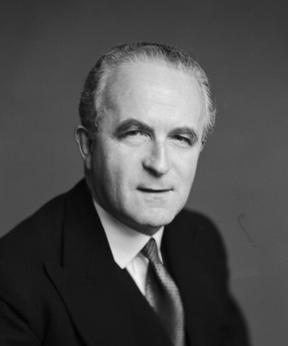
The British lawyer who drew the line through the Punjab in five weeks, having never been to India before.
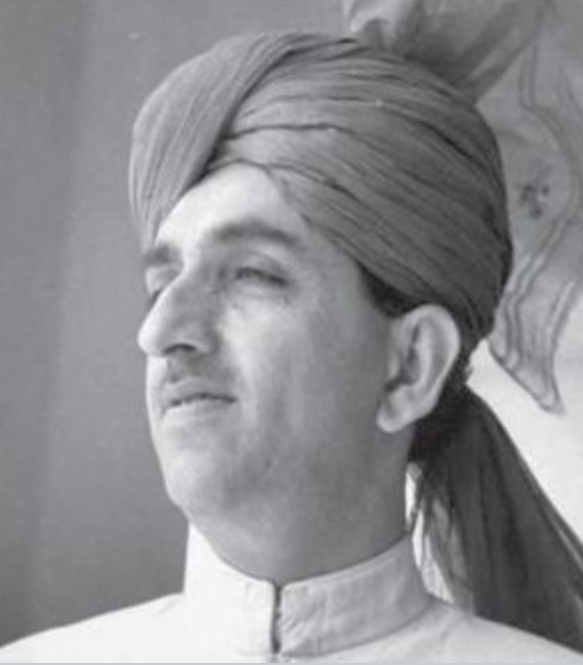
The last Premier of undivided Punjab, who held Muslims, Hindus and Sikhs together in one government until March 1947.
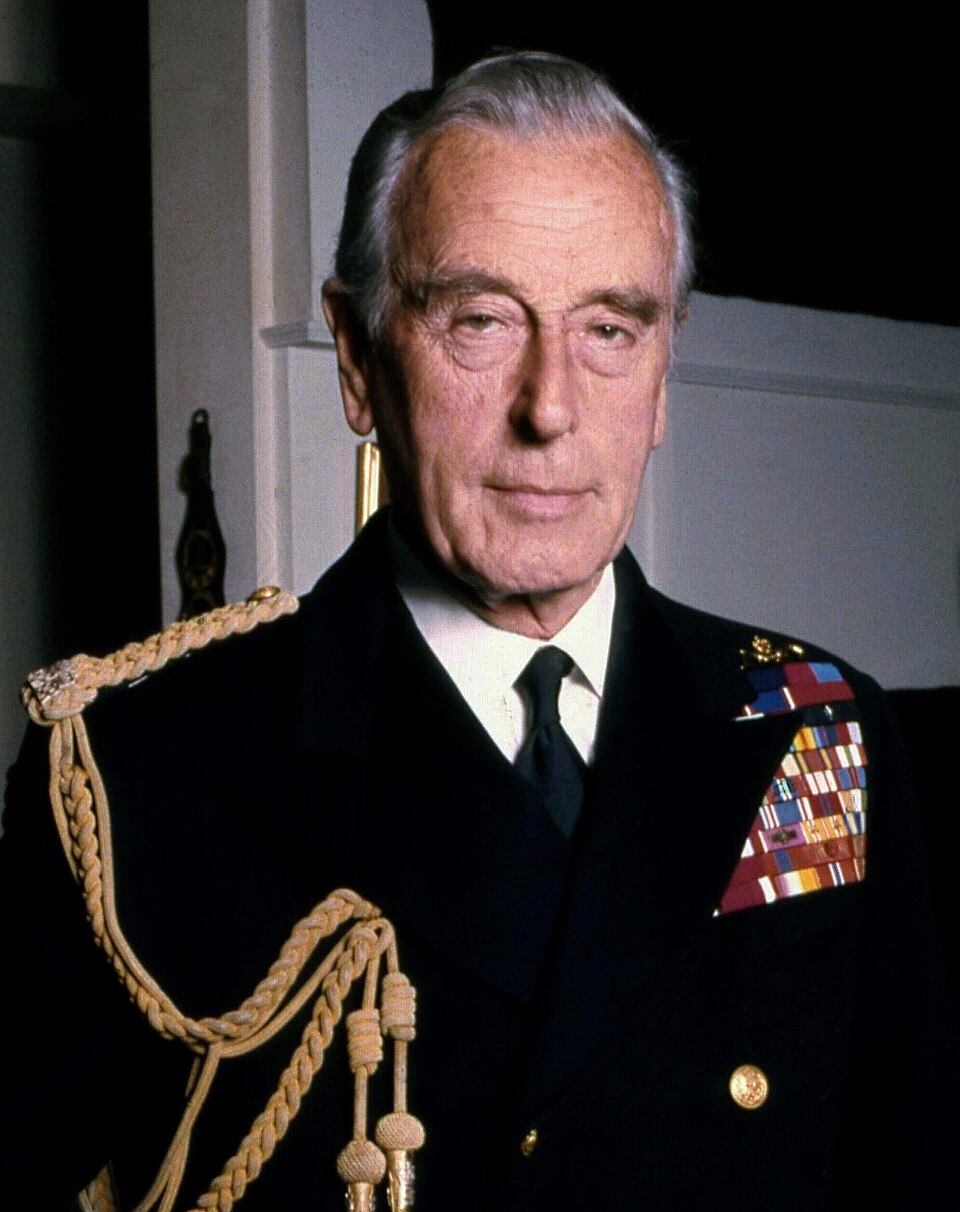
The last Viceroy of India, who brought independence forward to 15 August 1947 and kept the Punjab boundary secret until two days after it.
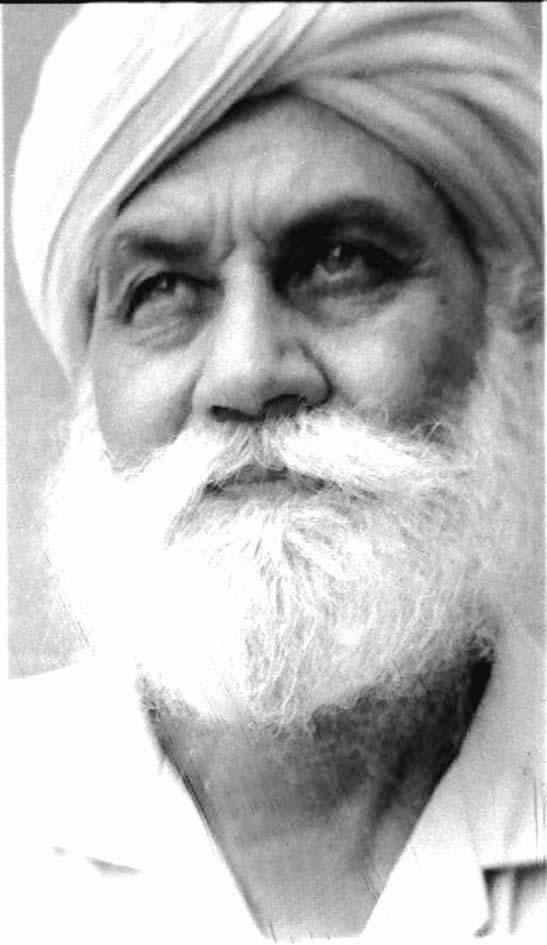
Ghadar and communist leader who led the muzara tenants of PEPSU against their landlords after 1947.
The Nawab of Mamdot, Muslim League leader in the Punjab and first Chief Minister of West Punjab.
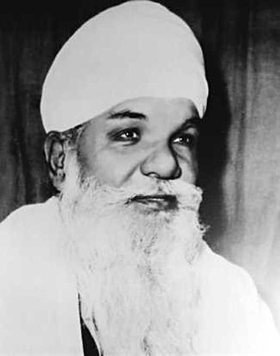
The Akali leader who carried the Punjabi Suba campaign to victory in 1966, with fasts, mass arrests and a promise to burn himself alive.
Two Punjabs
1947 – today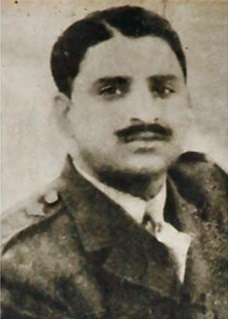
INA officer from Rawalpindi, tried at the Red Fort in 1945 with a Hindu and a Sikh comrade, whose trial united India against the British.
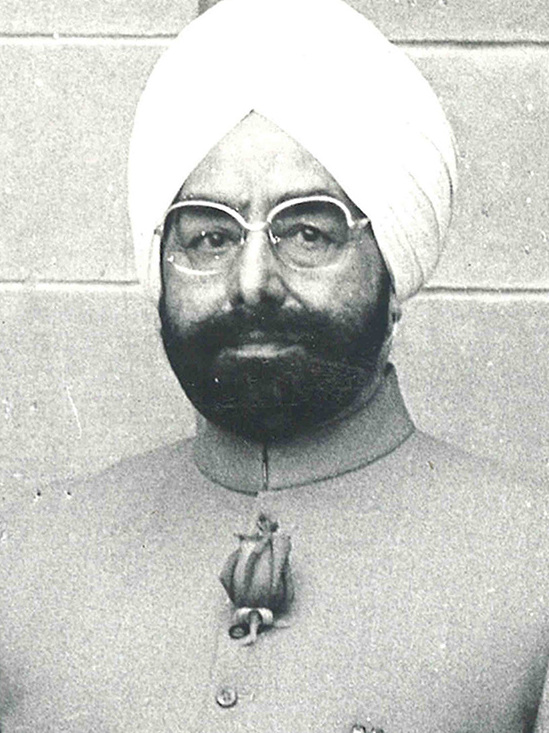
Ramgarhia Sikh from Faridkot who rose from the Praja Mandal to Chief Minister of Punjab and President of India, 1982–1987.
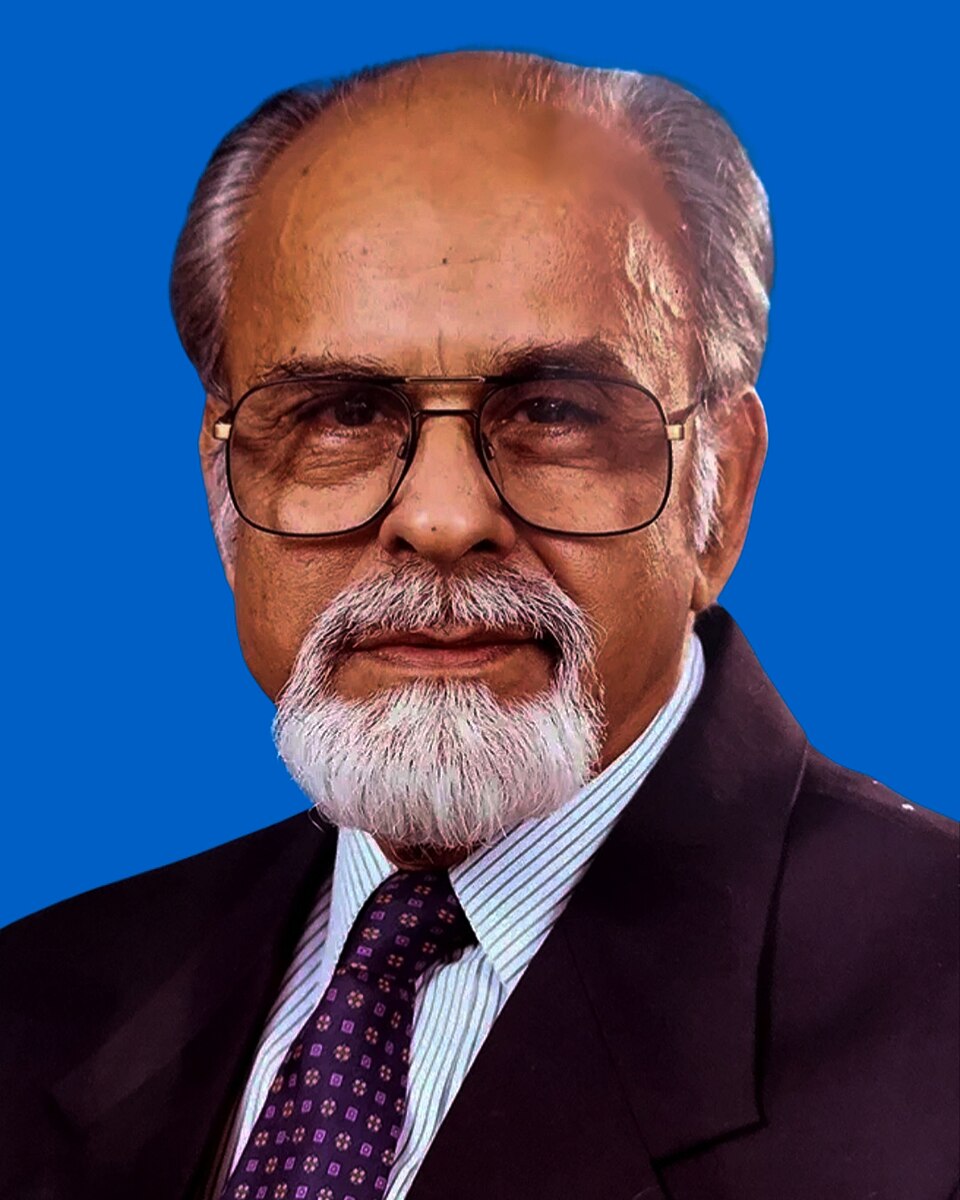
Politician born in Jhelum, a student activist in Lahore, who became Prime Minister of India and argued for generous relations with India's neighbours.
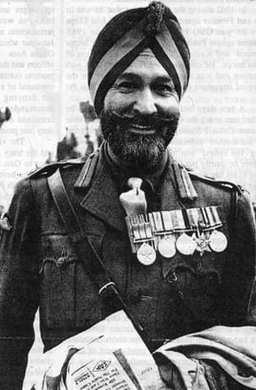
Decorated Indian Army major general, dismissed shortly before retirement, who organised the defences of the Harmandir Sahib complex and was killed in Blue Star.
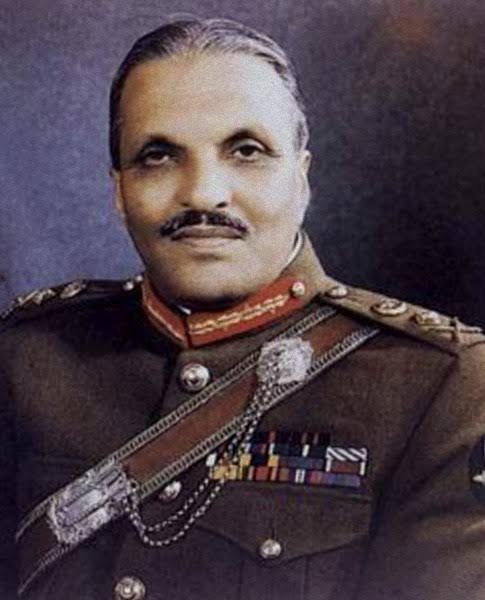
Army chief born in Jalandhar who seized power in Pakistan in 1977, hanged Zulfikar Ali Bhutto and ruled for eleven years.
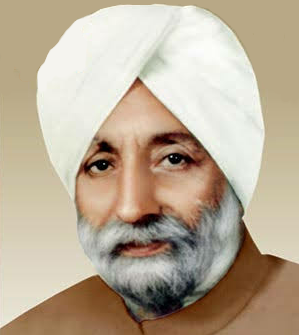
Chief Minister of Punjab from 1992, under whom the insurgency was crushed. Killed by a suicide bomber in Chandigarh in August 1995.
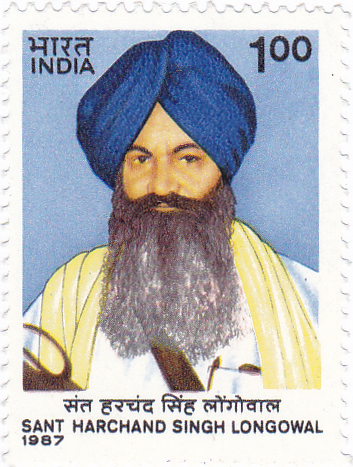
President of the Akali Dal who led the Dharam Yudh Morcha and signed the 1985 accord with Rajiv Gandhi. Assassinated by militants weeks later.
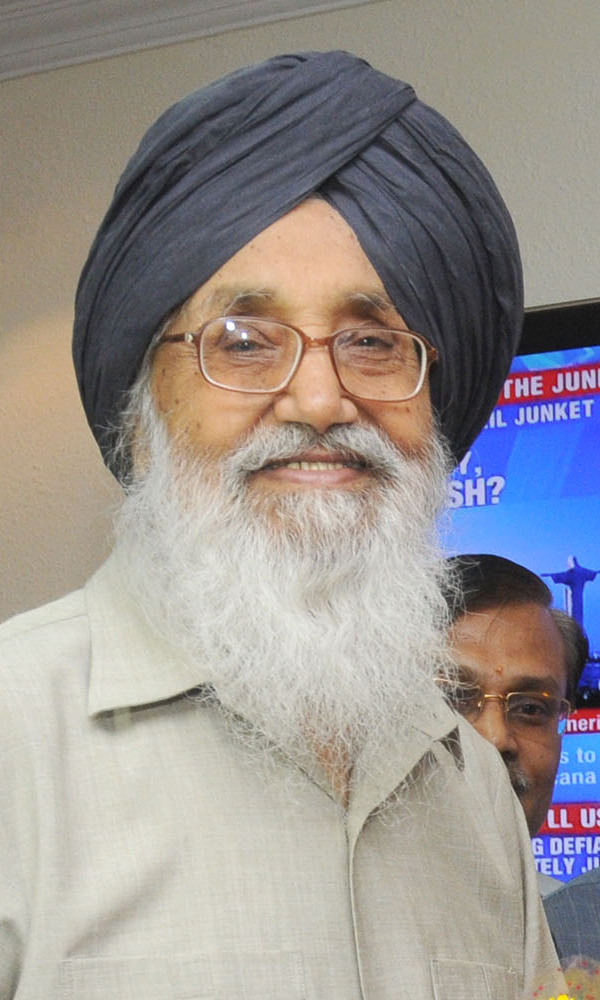
Five times Chief Minister of Punjab, both the youngest and the oldest, and for half a century the face of the Akali Dal.
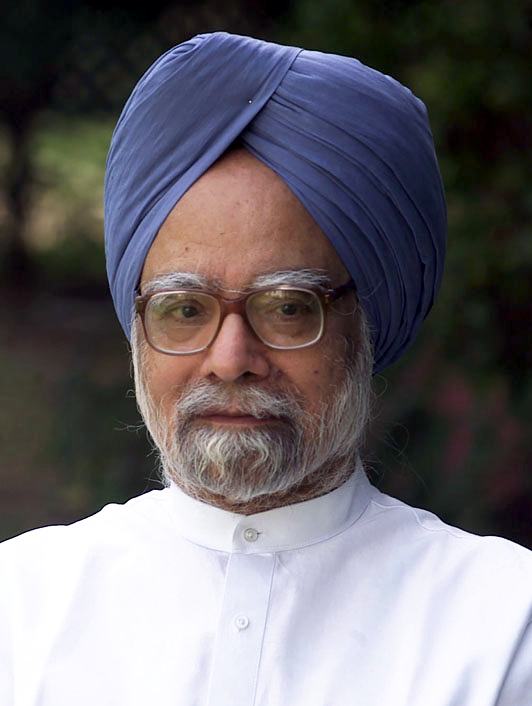
Economist born in Gah in western Punjab who opened India's economy as finance minister in 1991 and was Prime Minister from 2004 to 2014.
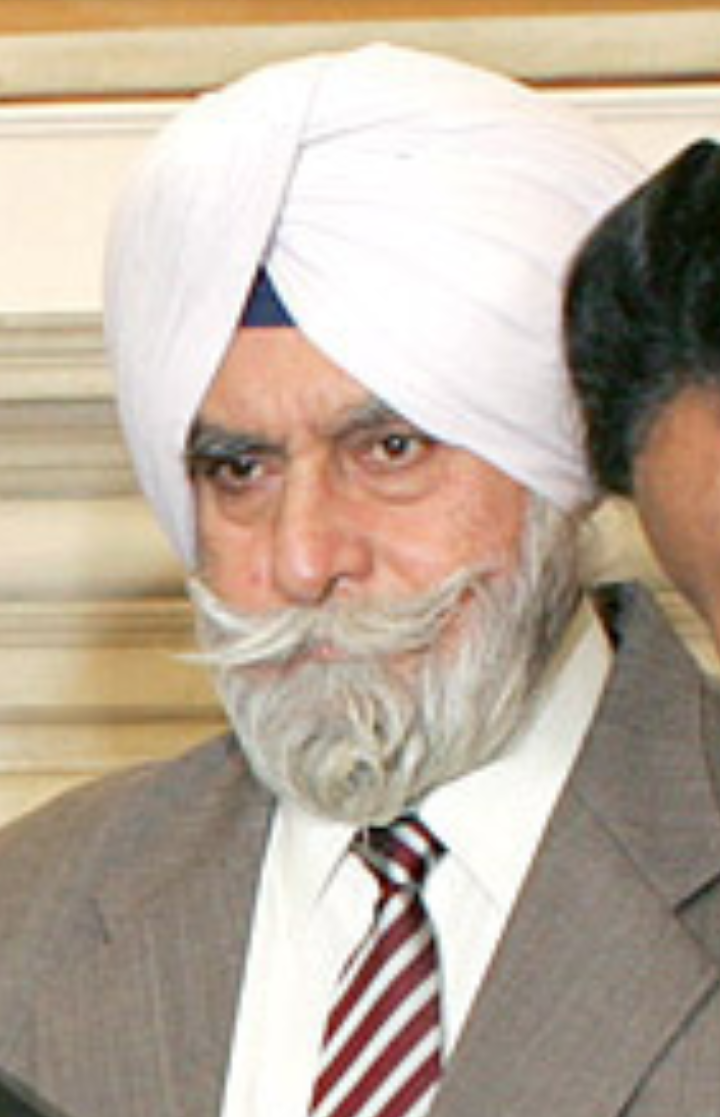
Director General of Punjab Police who led Operation Black Thunder II and the counter-insurgency campaign of 1991–95. Credited by supporters with ending the insurgency and criticised by rights groups for its abuses.
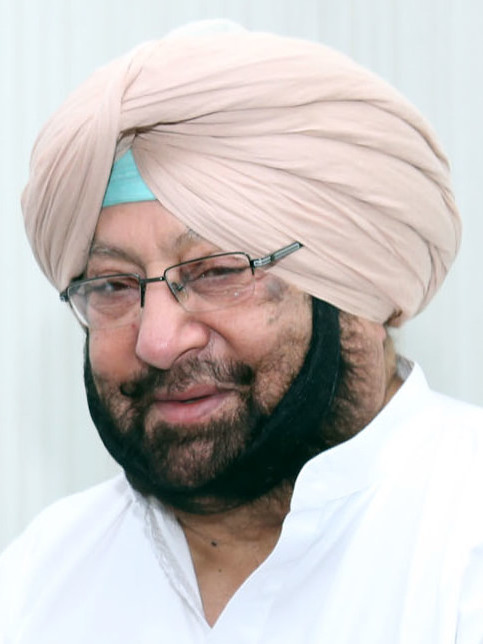
Son of the last Maharaja of Patiala, soldier and twice Chief Minister, who quit Parliament in protest at the army's attack on the Darbar Sahib in 1984.
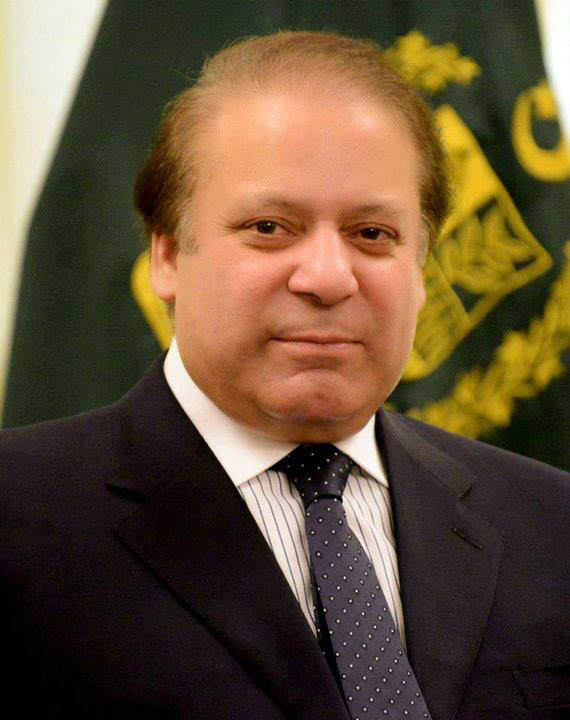
Lahore industrialist who became Chief Minister of Punjab and three times Prime Minister of Pakistan.
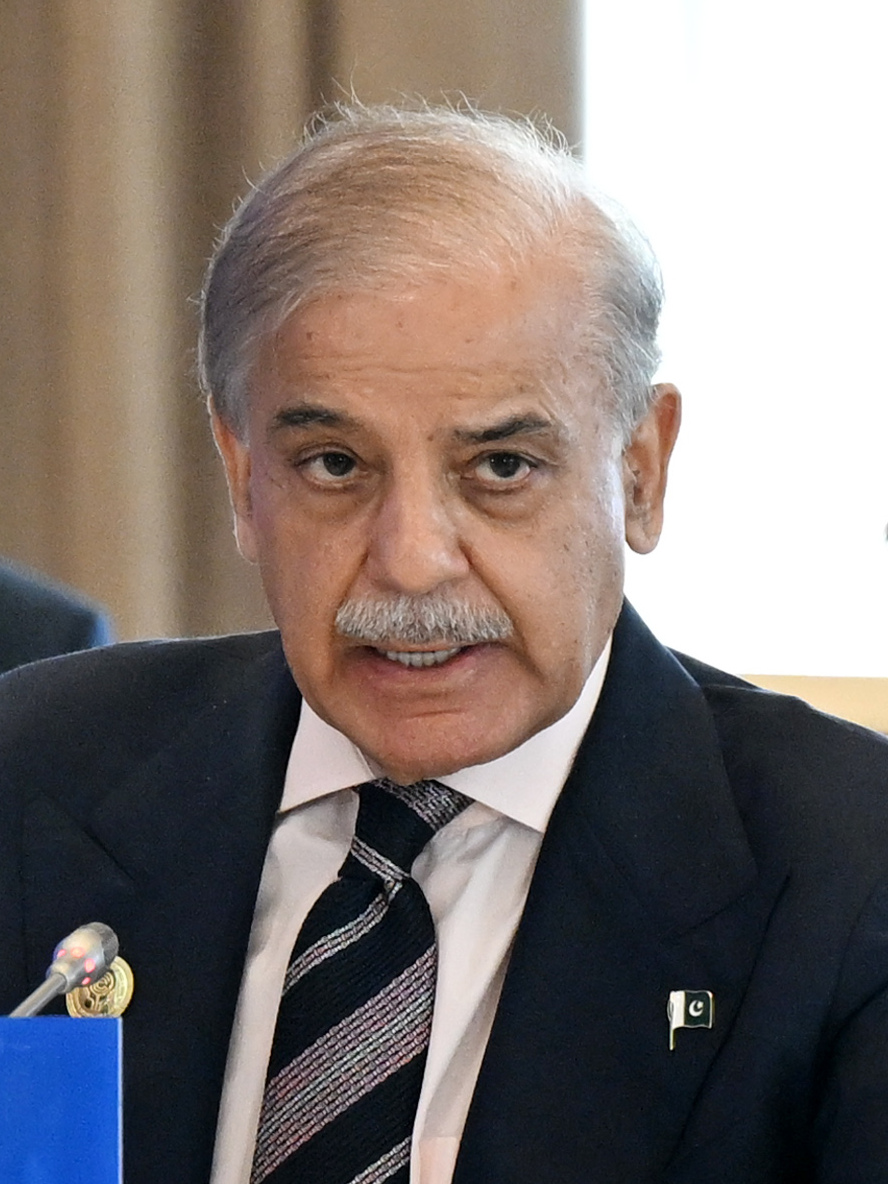
Three times Chief Minister of Pakistani Punjab, known for building Lahore's metro and roads, and Prime Minister of Pakistan from 2022.
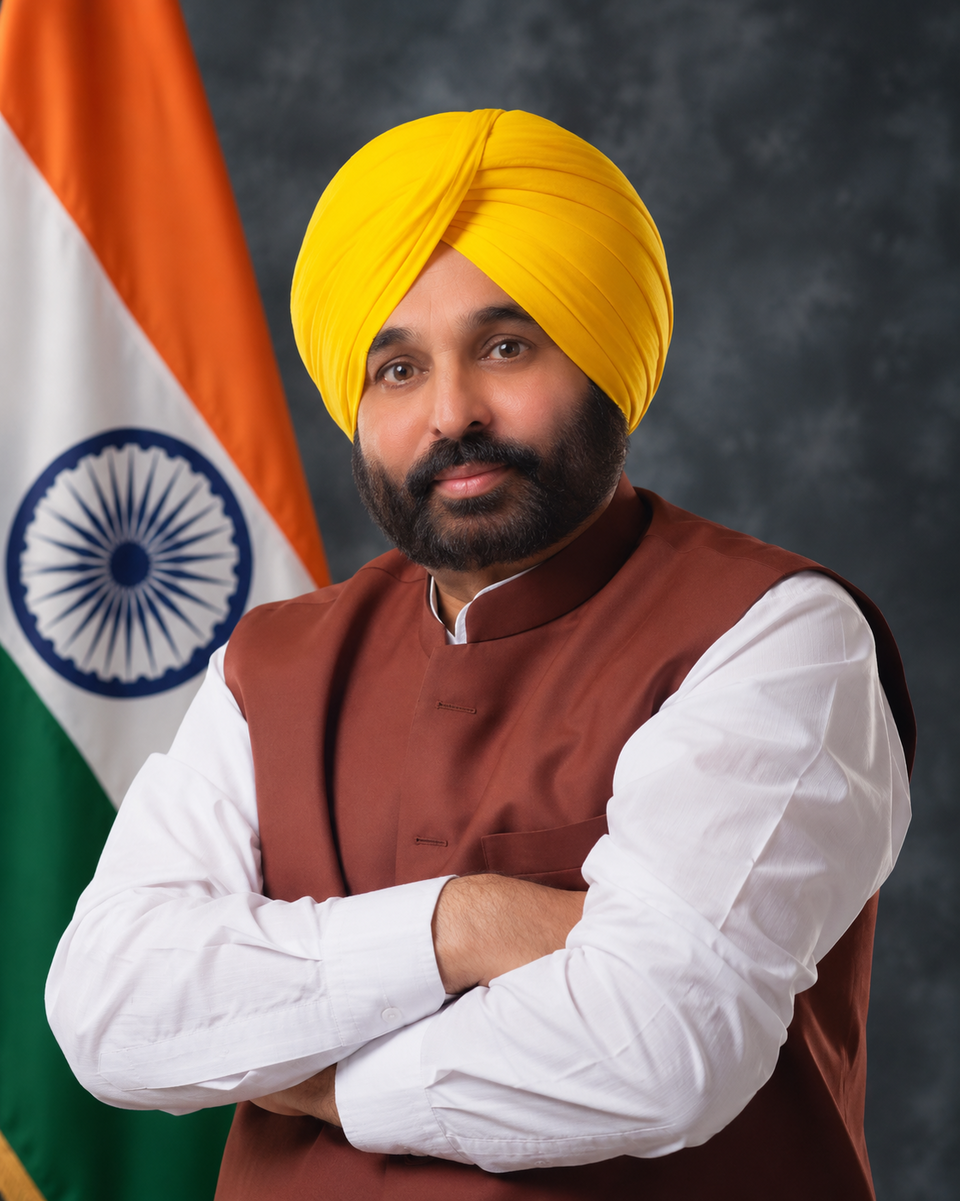
Comedian turned politician whose Aam Aadmi Party swept Punjab in 2022, ending decades of rule by the Congress and the Akali Dal.
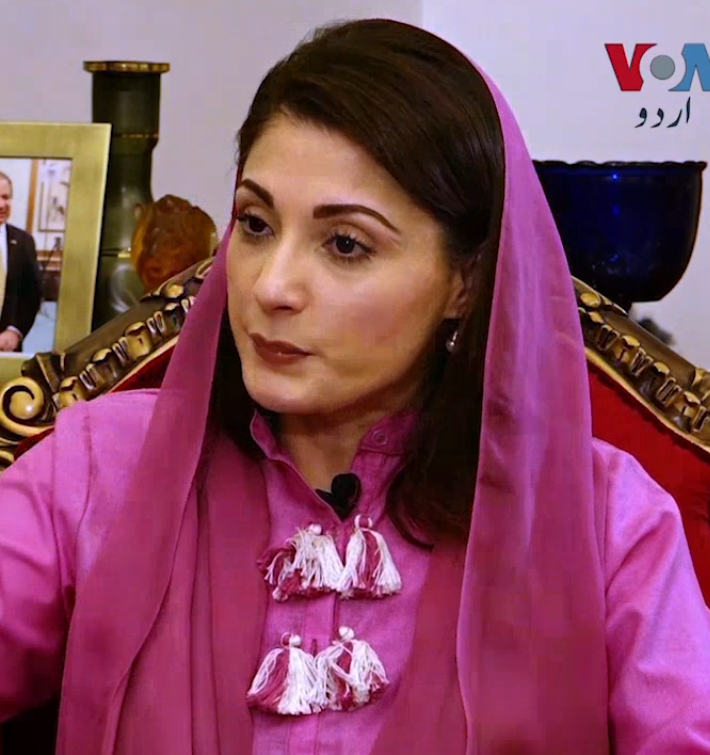
Daughter of Nawaz Sharif, who in 2024 became Chief Minister of Pakistani Punjab, the first woman to lead any province of Pakistan.