Punjabis abroad
Those who made lives far from the five rivers, and the story of how they went.
For a century and a half Punjabis have gone abroad: as soldiers and railway builders of the empire, as farmers in California and mill workers in Lancashire, as labourers in the Gulf and students in Canada. There are now Punjabi towns within towns from Southall to Surrey, British Columbia.
Colonial Punjab
1849 – 1947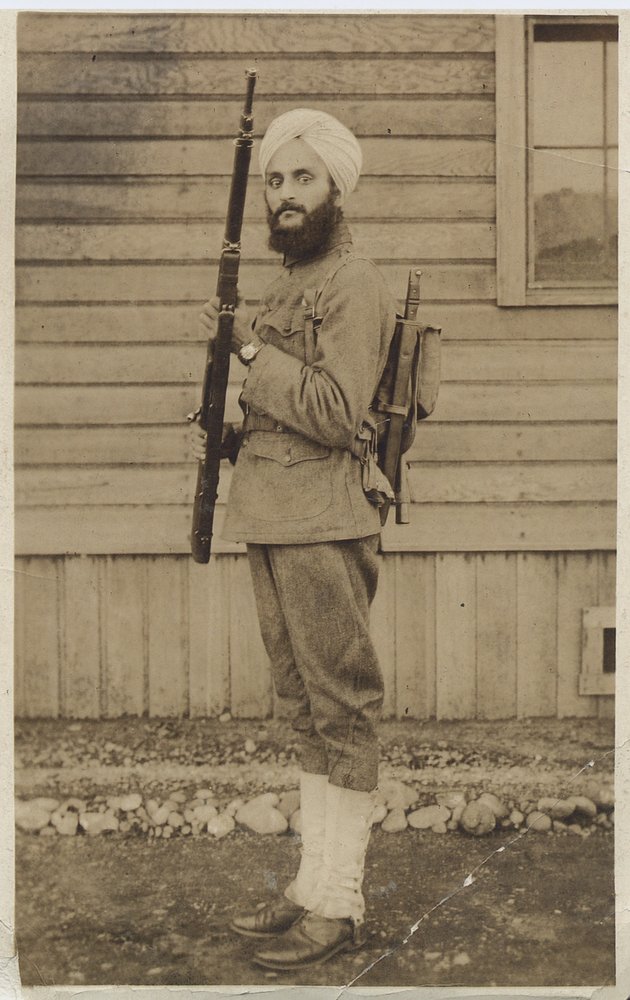
Two Punjabs
1947 – today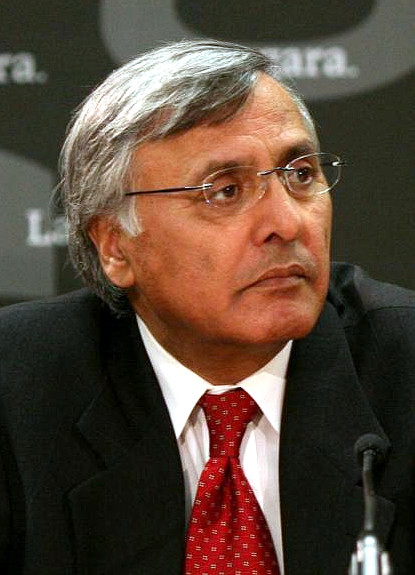
Mill worker from Dosanjh Kalan who became Premier of British Columbia, the first Indo-Canadian to lead a Canadian province.
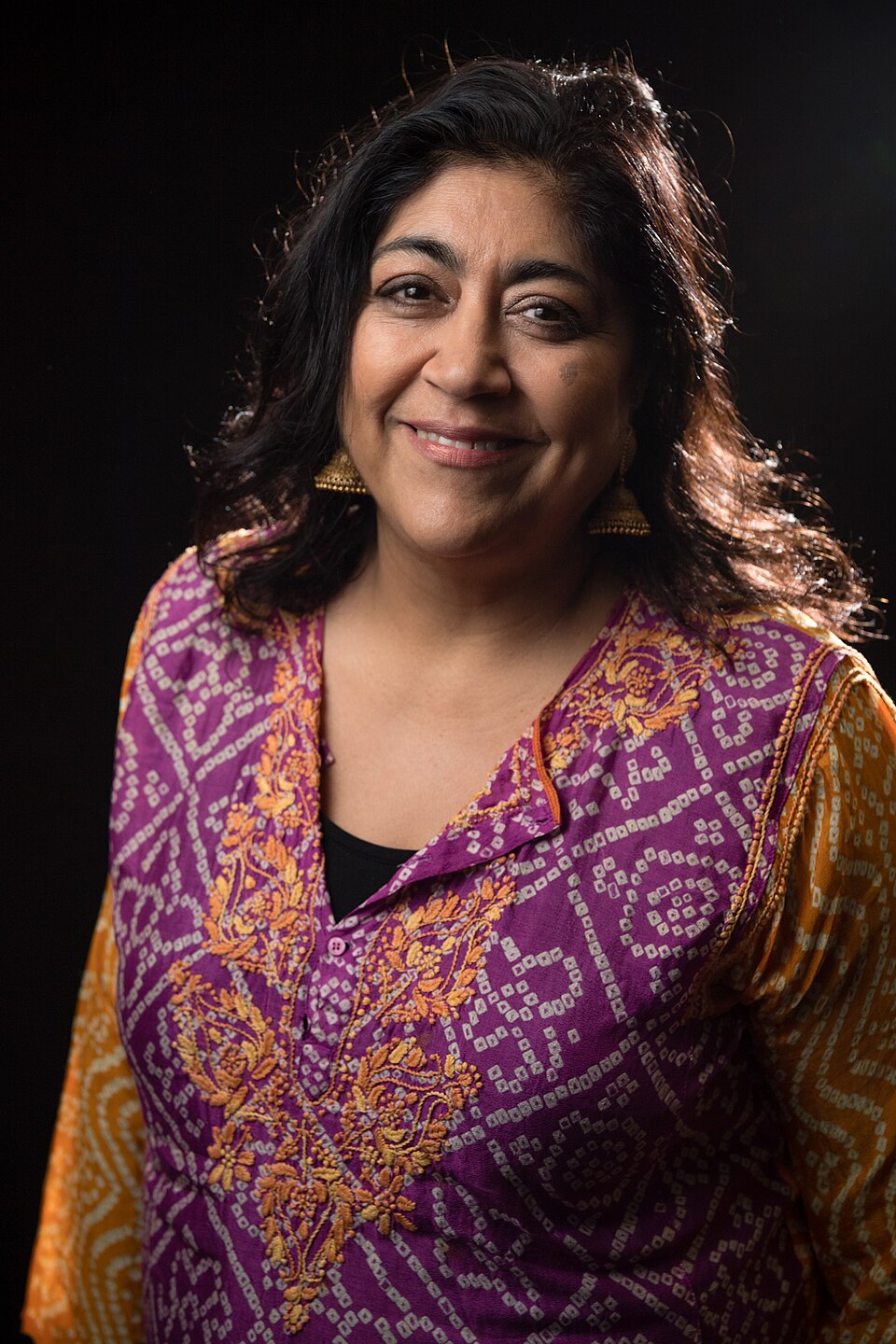
Film director raised in Southall whose Bend It Like Beckham showed Britain a Punjabi family on screen.
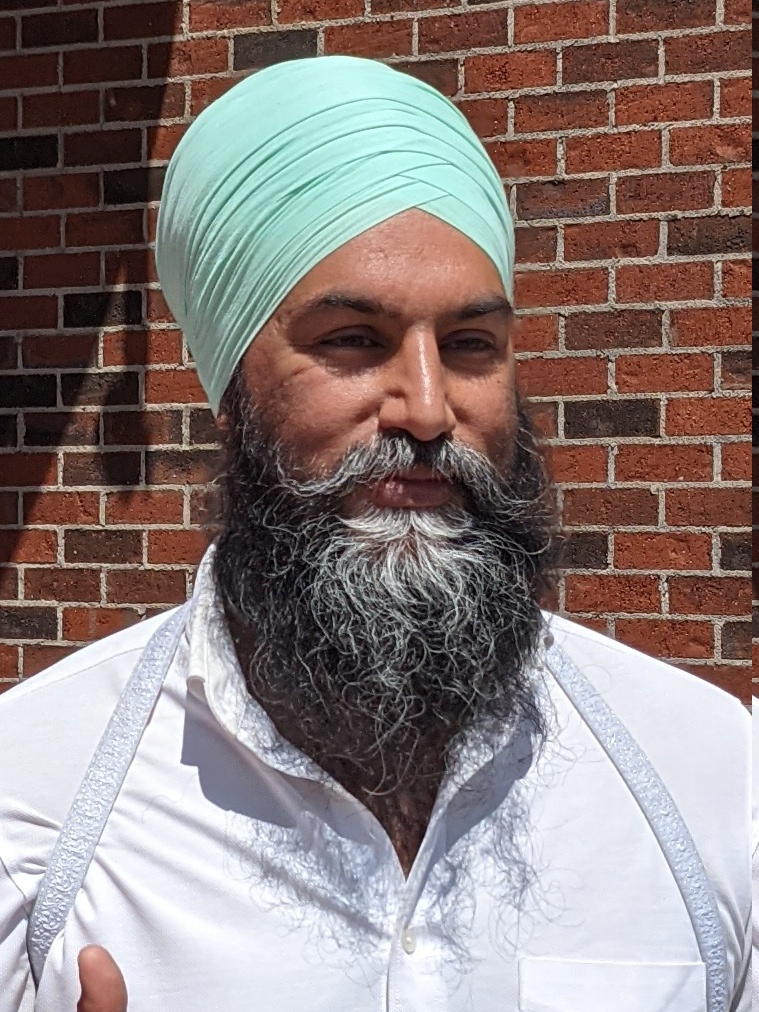
Toronto lawyer whose family came from Barnala district, who led Canada's New Democratic Party from 2017 to 2025.

Poet born in Punjab and raised in Canada whose milk and honey became one of the best-selling poetry books of the century.
How they went
From Malaya to BramptonSoldiers and railway builders
The British recruited Punjabis into the Indian Army in huge numbers after 1857, and posted them across the empire: to Hong Kong, Singapore, Malaya and East Africa, where many stayed as policemen and watchmen. Some 30,000 workers from British India, most of them Punjabis, were brought to build the Uganda Railway from Mombasa to Lake Victoria between 1896 and 1901.
Sikh carpenters and craftsmen, the Ramgarhias, stayed on in Kenya, Uganda and Tanzania, and in the 1960s and 1970s many moved on to Britain.
Canada and California
In the 1900s Punjabi men, most of them Sikh ex-soldiers from the Doaba and Malwa, crossed the Pacific to work in the lumber mills of British Columbia and on the farms of California. Faced with racist laws, they founded the Ghadar party in 1913, and in 1914 the Komagata Maru, carrying 376 Punjabi passengers, was turned away at Vancouver.
In California's Imperial Valley Punjabi farmers, barred from bringing wives, married Mexican women, and their 'Punjabi Mexican' families lasted for generations.
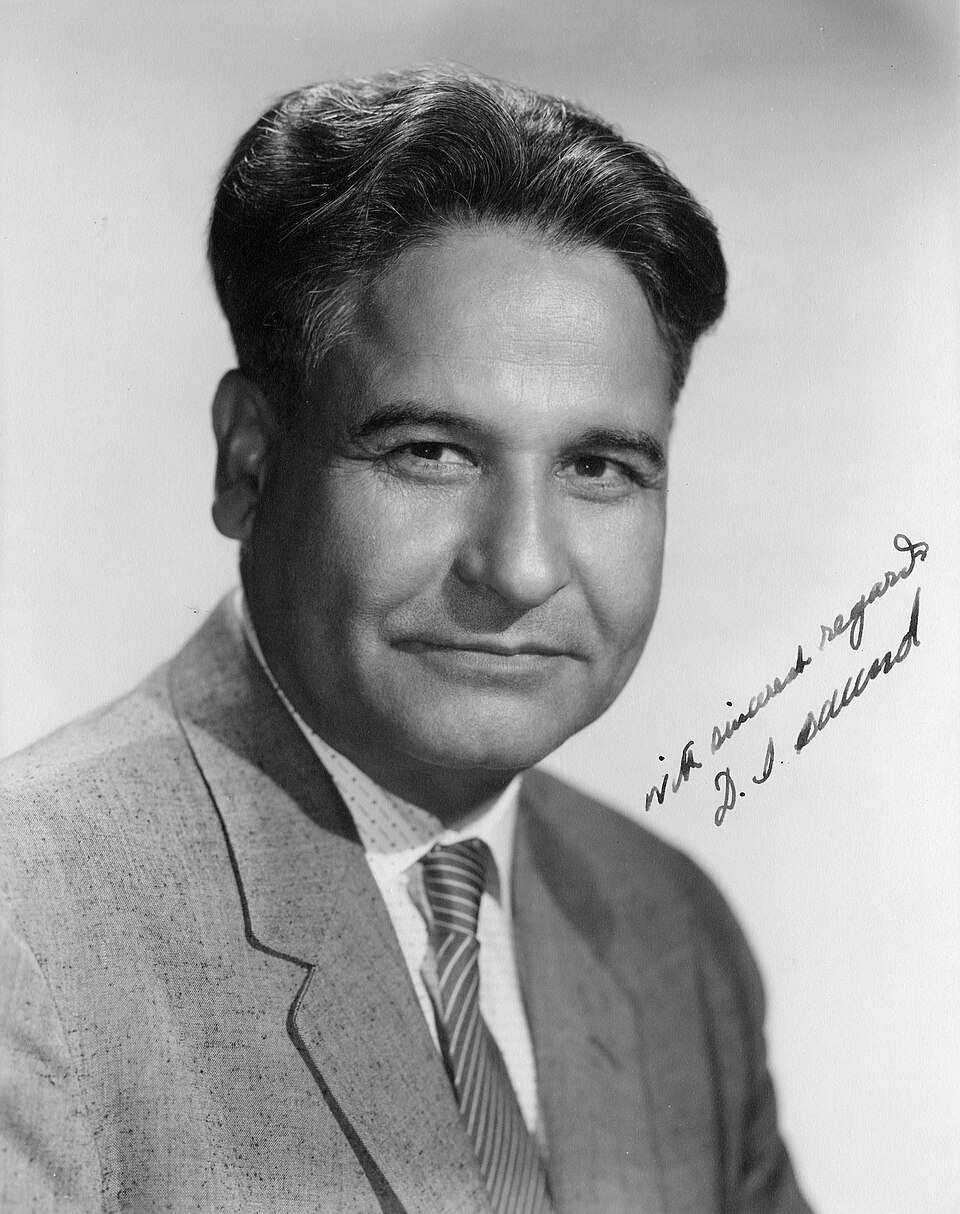
In 1912 Punjabi farm workers opened North America's first gurdwara at Stockton, California; Yuba City, in the peach orchards of the Sacramento valley, became the largest Punjabi farming town in America. Bhagat Singh Thind's case of 1923, which barred Indians from US citizenship, was undone only in 1946, and ten years later Dalip Singh Saund, a farmer from near Amritsar, was elected to Congress.
Britain
After 1947, and above all in the 1950s and 1960s, Punjabis from both sides of the border came to work in Britain's factories, foundries and mills: in Southall near Heathrow, Birmingham and the Black Country, Leicester, Bradford and the mill towns of the north. When the Mangla Dam flooded the Mirpur district in the 1960s, many displaced families joined relatives in Britain.
Their children built British bhangra, gurdwaras and mosques, corner shops and businesses, and a politics of their own.
The Gulf, Europe and beyond
From the 1970s millions of Punjabis from Pakistan and India went to work in the Gulf states on building sites and in oil fields, and their remittances changed villages at home. Others went to Italy, where Punjabi Sikhs now do much of the work on the dairy farms of the Po valley, and to Spain, Greece, Australia and New Zealand.
Since the 2000s Canada has drawn the largest new wave, many as students; Brampton in Ontario and Surrey in British Columbia have some of the largest Punjabi communities in the world outside the Punjab.
Sources: Darshan Singh Tatla, The Sikh Diaspora (1999); Karen Leonard, Making Ethnic Choices: California's Punjabi Mexican Americans (1992); Pnina Werbner on British Pakistanis; Wikipedia.
How Punjabis spread round the world
Waves since the 1870sSikhs abroad today
Sikhs by country, 2020 estimates (the 2021 Canadian census counted about 771,800). Punjabi Muslims and Hindus went in the same waves, to Britain and the Gulf above all, and are not in these figures.